
Key Takeaways
- The decision to search for help is itself progress; the next move is understanding what care fits your situation today without needing every answer upfront.
- ‘Near me’ should mean reachable, available, and equipped to admit you quickly, not just geographically close, since a waitlisted local bed helps less than an open one farther away.
- Match care to the moment: medically supervised detox for dangerous withdrawal, residential for 30 to 90 days of structured reset, and outpatient as step-down rather than a starting point in crisis 10.
- A good intake call covers substance use history, medical and mental health needs, life circumstances, daily schedule, and post-discharge plans, while red flags include guaranteed outcomes and pressure to commit.
- Strong residential care combines structured daily rhythm, deep counseling often delivered by staff in recovery, and family involvement, which SAMHSA links to better engagement and retention 12.
- Federal parity law and 2024 rules mean insurers generally cannot impose stricter limits on addiction care than medical care, so ask programs to verify benefits and handle appeals 13, 14.
- Continuing care after discharge, including named outpatient counselors, medication plans, group meetings, and scheduled check-ins at 30, 60, 90, 180, and 365 days, drives long-term results 10.
- Pick three programs, call the first, and use the intake questions or simply ask what happens next; finding the right fit matters more than making a perfect choice immediately.
You Already Took the Hardest Step
If you’re reading this, something in you decided to look. Maybe you typed those words with shaking hands at 2 a.m. Maybe a family member is searching for you right now, phone in one hand, coffee going cold in the other. Either way, that search bar took courage most people never find.
You don’t need to have it all figured out. You don’t need to know the difference between detox and residential care, or what your insurance will say, or how to explain any of this to your boss. Not yet. Those answers come next, and this guide will walk you through them one at a time.
What matters right now is that you’re here. The goal of the next few minutes is simple: help you understand what kind of care fits your situation today, what a good program actually sounds like on the phone, and how to take the next small step without getting lost in brochures or sales pitches.
Take a breath. Then keep reading.
What ‘Near Me’ Really Means Right Now
“Near me” isn’t really about miles. It’s about how fast you can get from where you are right now to a place that can keep you safe today. Sometimes the right program is twenty minutes away. Sometimes it’s a three-hour drive and worth every mile because they can take you tonight.
Here’s what “near” should mean when you’re the one searching: close enough that you can actually get there, open enough that they’ll answer the phone, and equipped enough to handle what you’re bringing through the door. A program across town that has a two-week waitlist isn’t near you. A program a state over that can admit you tomorrow morning might be.
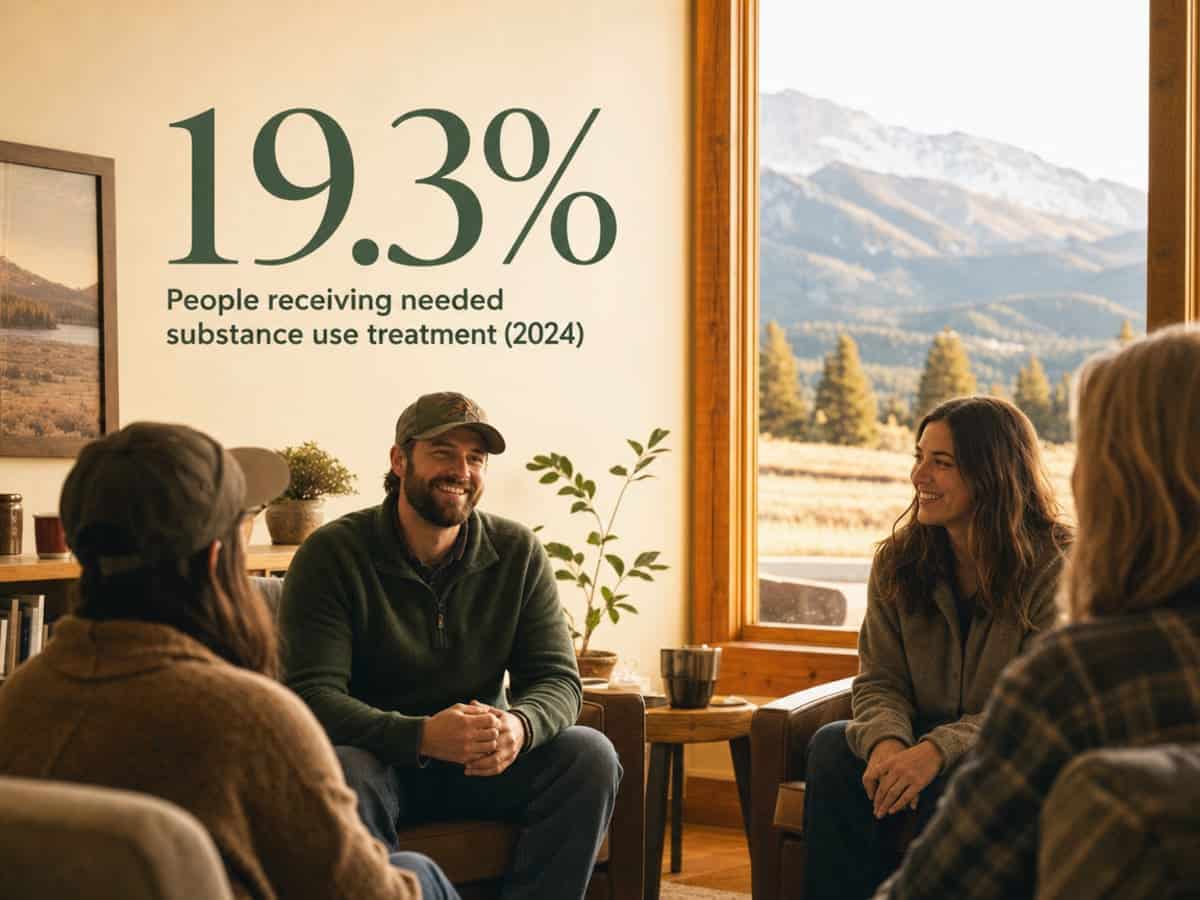
The urgency is real, and the numbers back it up. In 2024, about 19.3% of people who needed substance use treatment actually received it in the past year, per the National Survey on Drug Use and Health, which measures people aged 12 and older across the United States 5. That gap isn’t a personal failing. It’s a system where phone calls go unanswered, beds fill up, and paperwork slows things down. Which is exactly why the search you’re doing right now, today, matters more than any perfect choice you might make next week.
Local also means practical. Can family visit? Can you get there without a plane ticket? Will the program help arrange a ride? Some centers, including residential programs in less-populated states like Montana, offer complimentary pickup because they know a missing ride is often the reason someone doesn’t show up. “Near” is whatever gets you inside the door.
Matching the Moment to the Right Level of Care
Medically Supervised Detox: When Withdrawal Is the First Danger
Before treatment can help you change anything, your body has to get through withdrawal safely. That’s what medically supervised detox is for. If you’ve been drinking heavily every day, using opioids, or mixing benzodiazepines with other substances, stopping cold on your own can be dangerous, and in some cases life-threatening. Alcohol and benzo withdrawal, in particular, can cause seizures. This is not a moment for willpower. This is a moment for a nurse checking your blood pressure at 3 a.m.
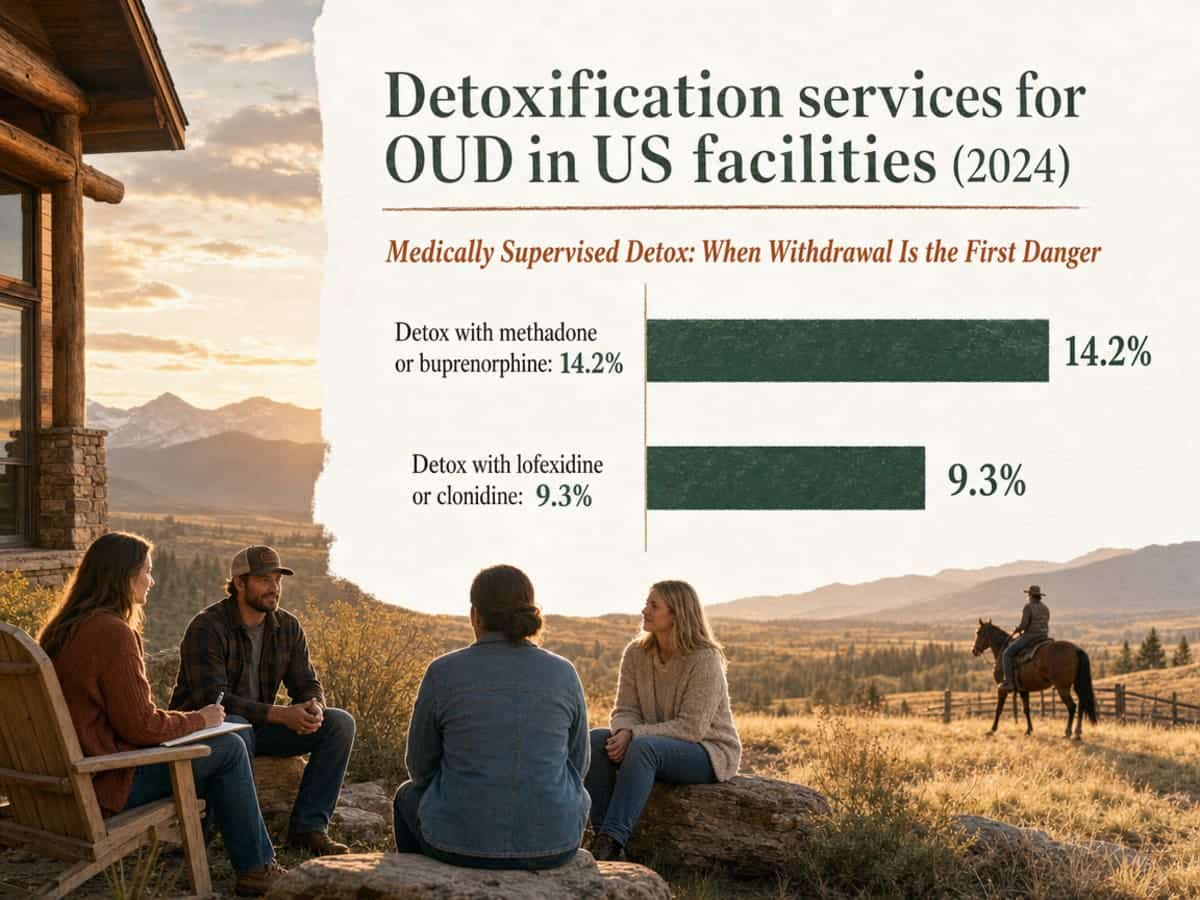
Here’s something most people don’t realize until they start calling around: “medically monitored detox” doesn’t mean the same thing at every facility. The medications, the staffing, and the level of monitoring vary widely. Take opioid detox as an example. Among U.S. facilities that offer medication services for opioid use disorder, only about 14.2% provide detoxification using methadone or buprenorphine, and just 9.3% offer detox with lofexidine or clonidine 4. The rest use different approaches, or none at all. So when a program says they “do detox,” it’s fair to ask what that actually looks like on their unit.
If you’re not sure whether you need detox, tell the intake nurse exactly what you’ve been using, how much, and how recently. They’ll help you figure it out. That’s their job.
Residential Treatment: Why 30, 60, or 90 Days Isn’t Arbitrary
Once your body has stabilized, the real work starts. Residential treatment means you live at the program, sleep there, eat there, and spend your days in counseling, group work, and structured activity. You’re away from the bar down the street, the dealer’s number, the roommate who uses. That distance is the point.
The 30, 60, and 90-day options you’ll see aren’t marketing tiers. They reflect what researchers have learned about how long the brain and the daily habits around addiction need to reset. NIDA’s principles of effective treatment are clear that adequate time in treatment matters, and that care has to address medical, psychological, social, vocational, and legal needs together, not one at a time 10. Thirty days can get you stable and started. Sixty gives you time to unpack what’s underneath the using. Ninety lets new routines take root before you go back to the pressures that helped build the old ones.
Which length fits depends on how long you’ve been using, what you’ve been using, whether you’ve tried treatment before, and what you’re going home to. If opioids are part of your story, medication combined with counseling is the first-line approach, not an optional add-on 11. A strong residential program will build that in from day one rather than treat medication as a separate track.
Longer stays aren’t a sign that something’s wrong with you. They’re a sign that whoever’s planning your care is thinking about the year ahead, not just this week.
Outpatient and Step-Down Care: When It Fits, When It Doesn’t
Outpatient care is where you live at home and come in for counseling and group sessions on a set schedule. Some people go a few hours a week. Others do partial hospitalization, which can mean five or six hours a day, five days a week, then home to sleep. Both have a real place in recovery.
But not as a starting point if you’re still in crisis. If you can’t get through today without using, or if there’s active alcohol or opioid withdrawal risk, outpatient isn’t safe enough yet. The same home that’s been part of the problem is still the home you’re returning to every night. That’s a lot to ask of someone whose body is still rewiring.
Where outpatient shines is after residential, as step-down care. You’ve built new habits in a protected setting; now you practice them in your actual life with a safety net still under you. Continuing care through weekly counseling, group meetings, and follow-up calls at 30, 60, 90, 180, and 365 days is what NIDA identifies as producing the best long-term results 10. The strongest programs plan that step-down before you ever discharge, not after.
The First 48 Hours: What a Good Program Sounds Like on the Phone
What the Intake Call Should Cover
The first phone call tells you a lot. A good intake call feels like sitting with someone who’s done this a thousand times and still cares that it’s your first. They ask questions. They don’t rush you. They don’t try to close the deal.
Here’s what that call should cover, in plain terms. Have a pen ready if you can, but don’t worry if you can’t.
- What are you using, how much, and when was the last time? This is a medical question, not a moral one. They need it to plan safe detox.
- Any medical conditions, medications, or past withdrawal problems? Seizures, heart issues, and pregnancy change the plan.
- What’s going on with your mental health? Depression, anxiety, trauma, and past diagnoses matter. Strong programs treat both sides together.
- What does your life look like outside this call? Work, kids, housing, legal issues, transportation. Effective treatment is built to address medical, psychological, social, vocational, and legal needs together 10.
- How soon can you come in, and how will you get there? A good program helps solve the ride, not just note the problem.
- What does the day-to-day look like? Counseling hours, group work, family involvement, medical staff on site.
- What happens after I discharge? Continuing care isn’t a bonus. It’s what gives the first 30 days somewhere to land 10.
If the person on the other end answers these calmly and specifically, that’s a good sign. You’re already doing the work.
Red Flags That Mean Keep Looking
Trust your gut on the phone. If something feels off, it probably is.
A few specific things should make you hang up and try the next number on your list:
- Guaranteed success rates. No honest program promises you’ll never use again. Recovery isn’t a warranty.
- Pressure to commit before you’ve asked your questions. “We need a decision now or we’ll lose your bed” is a sales tactic, not a clinical one.
- Vague answers about medical staff. If you ask who monitors detox and you get a fuzzy reply, that matters. Withdrawal from alcohol or benzos can be life-threatening.
- No mention of counseling depth or what happens after. A bed and a schedule isn’t treatment. Continuing care is part of what actually works 10.
- Cash-only or wildly aggressive upsells. Some legitimate programs are private-pay, but they’ll still explain costs clearly and won’t dodge insurance questions.
- They won’t let you talk to a clinician. Intake staff are helpful. But if a nurse or counselor isn’t available at any point in the process, that’s a gap.
You’re not being picky. You’re being careful. That’s exactly the kind of person who does well in treatment.
How to Start the Search: FindTreatment.gov and Beyond
If you don’t know where to start, start with FindTreatment.gov. It’s a confidential, anonymous federal locator that lets you search by ZIP code and filter by the kind of care you need. The listings are updated from facility survey data, with new facilities added monthly and some updates made weekly 1.
Use it as a shortlist, not a verdict. Pick three or four programs that look close to what you need and call each one. Ask the questions from the intake list above. Notice how you feel on the call.
Also worth knowing: the national facility survey that feeds these listings covered 21,205 eligible facilities in 2024, with a 90.4% response rate 2. That’s a lot of programs, and the service mix varies widely from one to the next. Two centers ten miles apart can offer very different care. Call more than one. Compare what you hear.

What Actually Happens Inside a Strong Residential Program
Arrival, First Night, and the Rhythm of a Day
The first day is quieter than most people expect. You arrive, someone shows you where to put your things, a nurse checks in on how you’re feeling, and there’s usually food waiting whether or not you think you can eat it. If detox is part of the plan, you’ll be monitored closely that first night, with staff nearby to help with sleep, nausea, and the anxious hours between 2 and 5 a.m.
The next morning is where the rhythm starts. A strong residential program builds days around structure because structure is what your nervous system has been missing. Wake-up, breakfast, a morning group, individual counseling, lunch, an afternoon session that might be process work or something experiential like equine therapy or a hike, then dinner, an evening 12-step meeting, and lights out. The same shape most days. That predictability is doing real work in the background.
You don’t have to be good at any of it. You don’t have to talk in the first group. You just have to be there. The rest starts to soften on its own once your body catches up on sleep and your brain remembers what a full meal feels like.
Counseling Depth and Why Staff in Recovery Changes the Room
Counseling is where the actual change happens. Not the schedule, not the setting, not the mountains outside the window. The one-on-one sessions and the small group work are where you start to figure out what the drinking or using was doing for you, and what else could do that job without wrecking your life. NIDA is clear that effective treatment has to address medical, psychological, social, vocational, and legal needs together, and behavioral therapy is a core part of that 10.
What’s harder to put in a brochure is why it matters who’s sitting across from you. In some of the strongest programs, a large share of the counselors and support staff are in recovery themselves. That changes the room in a way you feel before anyone explains it. You don’t have to translate. You don’t have to convince someone that yes, you really did think about using on the drive over. They know. And when they say the next hour is survivable, you believe them because they lived it.
Family as a Clinical Lever, Not a Visiting Hour
If you’re the family member reading this, your part matters more than most programs used to admit. Family therapy isn’t a courtesy add-on. SAMHSA’s advisory on family involvement is direct: bringing family members into treatment can positively affect a person’s engagement, retention, and outcomes 12. That’s clinical language for something simpler. People stay in treatment longer, and do better afterward, when the people at home are part of the process.
The strongest residential programs build this in through a dedicated family week or a structured multi-day family program, plus ongoing communication between counselors and loved ones. You learn what your family member has been carrying. They learn what happens next, what to say, and what not to say. Old patterns get named out loud, sometimes for the first time.
Distance isn’t the barrier it used to be. If you can’t fly in, many programs run family sessions and continuing care groups by video so you can join from the kitchen table. Show up when you can. It counts.
Insurance, Cost, and Your Rights Before You Call
Money is one of the first things people worry about, and it stops a lot of good calls before they happen. Here’s what you should know before you dial: you have more legal ground under you than you might realize.
Federal parity law says that most health plans can’t put stricter limits on mental health or substance use care than they do on medical or surgical care. That covers financial requirements like copays and deductibles, and treatment limits like visit caps or day limits 13. In plain terms, your insurer generally can’t decide that thirty days of residential treatment is fine for a medical condition but not for addiction.
In 2024, federal agencies finalized new rules meant to close the gaps that were still leaving people without care. Plans now have to look at their own data on things like prior authorization and network access, and change course when the numbers show people can’t actually use their benefits 14. That doesn’t make every claim easy. It does mean you can push back.
When you call a program, ask these questions plainly:
- Do you take my insurance, and can you verify benefits before I commit?
- What will detox and residential care cost me out of pocket, roughly?
- Do you handle the prior authorization, or do I?
- If my plan denies a day or a level of care, will you appeal on my behalf?
- What are my options if coverage falls short — sliding scale, payment plans, private pay?
Good programs answer these without flinching. Ask the intake team to run your benefits while you’re on the phone if they can. You deserve real numbers before you pack a bag.
The Plan After the Program: Continuing Care
Discharge day feels like a finish line. It isn’t. It’s the moment the real test starts, and the strongest programs treat it that way from the first week you’re in the building. Continuing care is the plan for what happens when you walk back into your life, and it’s what NIDA points to as producing the best long-term results 10.
A solid continuing care plan is specific. It names the outpatient counselor you’ll see and when. It confirms the medication plan if opioids or alcohol are part of your story, because for opioid use, medication paired with counseling is the first-line approach, not something to figure out later 11. It maps out weekly group meetings, whether in person or by video, so you have a room to walk into on the hard days. And it schedules check-ins at real intervals, often at 30, 60, 90, 180, and 365 days after you leave, so someone is calling you before you’re calling anyone in a crisis.
Family is part of this plan too. Video sessions mean the people at home can stay involved even when they’re hundreds of miles away, and that involvement keeps helping long after residential ends 12. Ask any program you’re considering exactly what their continuing care looks like on paper. If the answer is vague, keep looking.
Making the Call: A Next Step That Fits Today
You’ve read a lot in the last few minutes. You don’t have to hold all of it. Here’s what actually matters right now: pick up the phone.
Start with one number. If you don’t have one, FindTreatment.gov will give you a shortlist by ZIP code, quietly and without asking who you are 1. Choose three programs. Call the first. Use the questions from earlier if you can, or just say, “I need help. Can you tell me what happens next?” That’s enough to start.
If the first call doesn’t feel right, try the next. You’re not being difficult. You’re finding the room that fits. A good residential program, one built around medically supervised detox, real counseling, family involvement, and continuing care after discharge, is out there and often closer than you think. Rocky Mountain Treatment Center is one of them, and there are others.
You already did the hard part. Make the call today.
Frequently Asked Questions
How do I know if I need medically supervised detox or can go straight to residential treatment?
If you’ve been drinking heavily every day, using opioids, or mixing benzodiazepines with other substances, tell an intake nurse before you decide anything. Alcohol and benzo withdrawal can cause seizures, so willpower isn’t the answer. Detox by itself isn’t counted as full treatment either 7, so plan on residential care right after. When in doubt, call and describe what you’ve been using, how much, and when.
What questions should I ask when I call a program for the first time?
Ask what medical staff is on site during detox, what a typical day looks like, and how counseling is structured. Ask how they handle mental health alongside substance use, whether family is included, and what continuing care looks like after discharge. Effective treatment addresses medical, psychological, social, vocational, and legal needs together, so a good program will answer each of these clearly 10.
Will my insurance actually cover addiction treatment?
Most plans have to. Federal parity law says insurers generally can’t put stricter financial or treatment limits on substance use care than they do on medical or surgical care 13. In 2024, final rules went further, requiring plans to check their own data and fix access gaps 14. Ask the program to verify your benefits before you commit, and ask who handles prior authorization and appeals.
How long does residential treatment usually last, and why do programs recommend 30, 60, or 90 days?
Those lengths reflect what researchers have learned about how much time it takes for the brain and daily habits to reset. NIDA is clear that adequate time in treatment matters and that care should address several life areas at once, not one at a time 10. Thirty days gets you stable. Sixty lets you dig deeper. Ninety gives new routines room to hold before you go home.
What are the red flags that a program isn’t a good fit?
Watch for guaranteed success rates, pressure to commit before your questions are answered, and vague replies about who monitors detox. Be careful of programs that dodge insurance questions or won’t let you speak with a clinician. A bed and a schedule isn’t treatment on its own. Continuing care after discharge is part of what actually works, so a program without a clear plan for after is a gap 10.
Can family be involved in treatment, even if we live far from the program?
Yes, and it matters more than most people realize. SAMHSA’s advisory is direct: involving family members can positively affect engagement, retention, and outcomes 12. Strong programs build in a dedicated family week or structured family sessions, plus ongoing communication with counselors. If you can’t travel, many run family groups and continuing care meetings by video, so you can join from home and still be part of the work.
References
- Treatment Locator – FindTreatment.gov. https://findtreatment.gov/locator/home
- 2024 National Substance Use and Mental Health Services Survey (N-SUMHSS) Annual Release. https://www.samhsa.gov/data/data-we-collect/n-sumhss-national-substance-use-and-mental-health-services-survey/annual-releases/2024
- 2024 Data on Substance Use and Mental Health Treatment Facilities. https://www.samhsa.gov/data/report/2024-n-sumhss-annual-report
- Data on Substance Use and Mental Health Treatment Facilities. https://www.samhsa.gov/data/sites/default/files/reports/rpt56696/2024-nsumhss-annual-report.pdf
- SAMHSA Releases Annual National Survey on Drug Use and Health. https://www.samhsa.gov/newsroom/press-announcements/20250728/samhsa-releases-annual-national-survey-on-drug-use-and-health
- Results from the 2024 National Survey on Drug Use and Health. https://library.samhsa.gov/product/2024-nsduh-report/pep25-07-007
- Highlights for the 2024 National Survey on Drug Use and Health. https://www.samhsa.gov/data/sites/default/files/NSDUH%202024%20Annual%20Release/2024-nsduh-nnr-highlights.pdf
- Treatment Episode Data Set (TEDS) 2024: Admissions to and Discharges From Substance Use Treatment Services. https://www.samhsa.gov/data/report/treatment-episode-data-set-teds-2024-admissions-and-discharges-substance-use-treatment
- 2024 Companion Infographic Report. https://www.samhsa.gov/data/sites/default/files/reports/rpt56462/2024-nsduh-companion-report.pdf
- principles of drug addiction treatment. https://nida.nih.gov/sites/default/files/podat_1.pdf
- Treatment and Recovery. https://nida.nih.gov/publications/drugs-brains-behavior-science-addiction/treatment-recovery
- Advisory: The Importance of Family Therapy in Substance Use Disorder Treatment. https://library.samhsa.gov/product/advisory-importance-family-therapy-substance-use-disorder-based-tip-39/pep20-02-02-016
- The Mental Health Parity and Addiction Equity Act (MHPAEA). https://www.cms.gov/marketplace/private-health-insurance/mental-health-parity-addiction-equity
- Departments of Labor, Health and Human Services, Treasury Issue Final Rules Strengthening Access to Mental Health and Substance Use Disorder Care. https://www.cms.gov/newsroom/press-releases/departments-labor-health-and-human-services-treasury-issue-final-rules-strengthening-access-mental