
Key Takeaways
- Editor’s Pick: Integrated care that treats both mental health and substance use simultaneously is the absolute gold standard for lasting recovery.
- About 60% of individuals in addiction treatment have a co-occurring mental health condition, meaning you are never alone in navigating these complex cases.
- Depression and alcohol use often create a reinforcing cycle that requires concurrent, compassionate treatment.
- Anxiety and opioid dependence share deep brain pathways, making integrated support essential for true healing.
- Trauma-informed approaches are critical when addressing PTSD and stimulant use, helping clients feel safe as they recover.
Understanding the Dual Diagnosis Landscape
Why Co-Occurring Conditions Are More Common Than You Think
When you are working hard to support clients, seeing dual diagnosis examples in your daily practice is incredibly common. It is easy to underestimate just how widespread co-occurring mental health and substance use conditions are, but you are not alone in facing these complex cases. They are not the exception—they are the norm in many clinical settings.
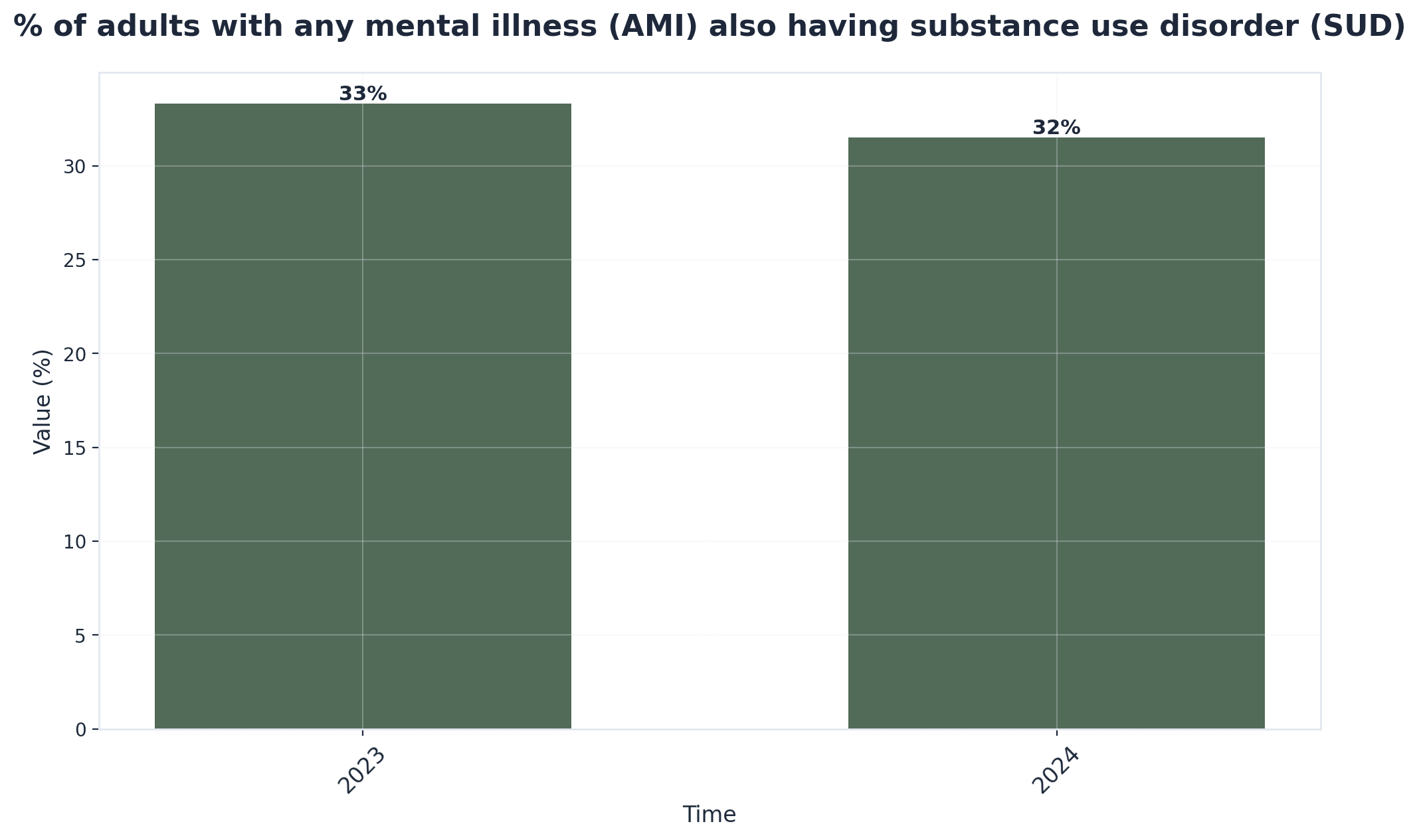
To put this into perspective, let’s look at the reality of what providers and clients face every day. Every step forward in awareness brings more support and better care for those who need it most.
| The Reality of Co-Occurring Conditions | What This Means for Your Practice |
|---|---|
| 60% of people in addiction treatment also have a mental health disorder.5 | Highlights the urgent need for integrated care models in every facility. Yes, this is challenging, and that’s okay. |
| 7.7 million American adults experienced both a substance use disorder and a mental illness in the past year.1 | Shows the massive scale of the need for supportive, dual-focused providers who understand the whole person. |
| Only 27% of those with both conditions actually receive integrated care.1 | Reveals a critical gap where your advocacy and compassionate care can truly change lives. |
Seeing the numbers helps us understand why integrated care is essential. Up next, we will explore how the brain links mental health and substance use, giving you a clearer picture of what your clients are experiencing.
The Neurobiological Connection Between Mental Health and Substance Use
Understanding the link between mental health and substance use is not just about statistics—it is about how the brain responds to stress, reward, and pain. When you see these overlapping conditions in your practice, it is a reminder that these are not isolated experiences. There is a strong biological foundation behind why mental illness and addiction so often show up together.
“Both substance use disorders and mental health conditions impact the same brain circuits—especially those that control mood, motivation, and impulse control.”3
Chronic stress, trauma, or underlying mental health symptoms can change brain chemistry and increase vulnerability to substance misuse. Research shows that individuals with anxiety or trauma-related disorders are at much higher risk for developing addiction because both conditions activate similar stress response systems in the brain.3 Every step you take to address trauma or anxiety is a win that can lower the risk of relapse.
The same genetic factors and life experiences that contribute to depression, anxiety, or PTSD can also increase the risk for substance use disorders. It is not a failure if you notice these overlapping patterns—it is a reflection of shared vulnerabilities, not weakness. Recognizing these connections helps you tailor interventions that address both sides of the equation.
Depression and Alcohol Use Disorder: Dual Diagnosis Examples
When you are helping a client navigate both depression and alcohol use, you are facing one of the most challenging dual diagnosis examples in recovery. The relationship between these two conditions creates a cycle that makes your job of assessing and treating them much more complex. Clients often turn to alcohol as a way to cope with the heavy, exhausting symptoms of depression. At the same time, chronic alcohol use disrupts brain chemistry, which only deepens their mood struggles.
From a biological perspective, both conditions affect the same pathways in the brain that regulate mood and calm. Alcohol provides temporary relief, which reinforces continued use despite the long-term emotional toll. This creates a picture where distinguishing primary depression from an alcohol-induced mood disorder becomes tricky. Often, it requires extended periods of sobriety to get an accurate diagnosis.
If you use an electronic health record (EHR) in your practice, you might use a keyboard shortcut like Ctrl + D to quickly pull up depression screening tools. A common clinical note for this type of presentation might look like this:
Patient presents with PHQ-9 score of 18 (Severe Depression).
Concurrent AUDIT score indicates severe alcohol use disorder.
Action Plan: Initiate integrated dual diagnosis protocol immediately.
Data indicates that individuals with major depression have about twice the risk of developing an alcohol use disorder compared to the general population. The reverse is equally true—chronic alcohol dependence substantially elevates the risk of clinical depression. This is exactly why treating one condition while ignoring the other usually leads to frustration, relapse, or clients dropping out of care.
Integrated treatment models that simultaneously address both depression and alcohol use disorder demonstrate significantly improved outcomes. According to the Substance Abuse and Mental Health Services Administration (SAMHSA), effective intervention requires clinical teams capable of delivering concurrent support for mood stabilization alongside evidence-based addiction treatment.4 Treatment planning that acknowledges the interconnected nature of these conditions produces measurably better retention rates and improved long-term recovery.
Anxiety Disorders and Opioid Addiction: Dual Diagnosis Examples
The presentation of co-occurring anxiety disorders and opioid use presents distinct treatment challenges that require your careful assessment and integrated strategies. Anxiety disorders—including generalized anxiety, panic disorder, and social anxiety—frequently co-occur with opioid use at rates much higher than you might expect. Understanding how these conditions feed into each other is essential for developing effective treatment protocols.
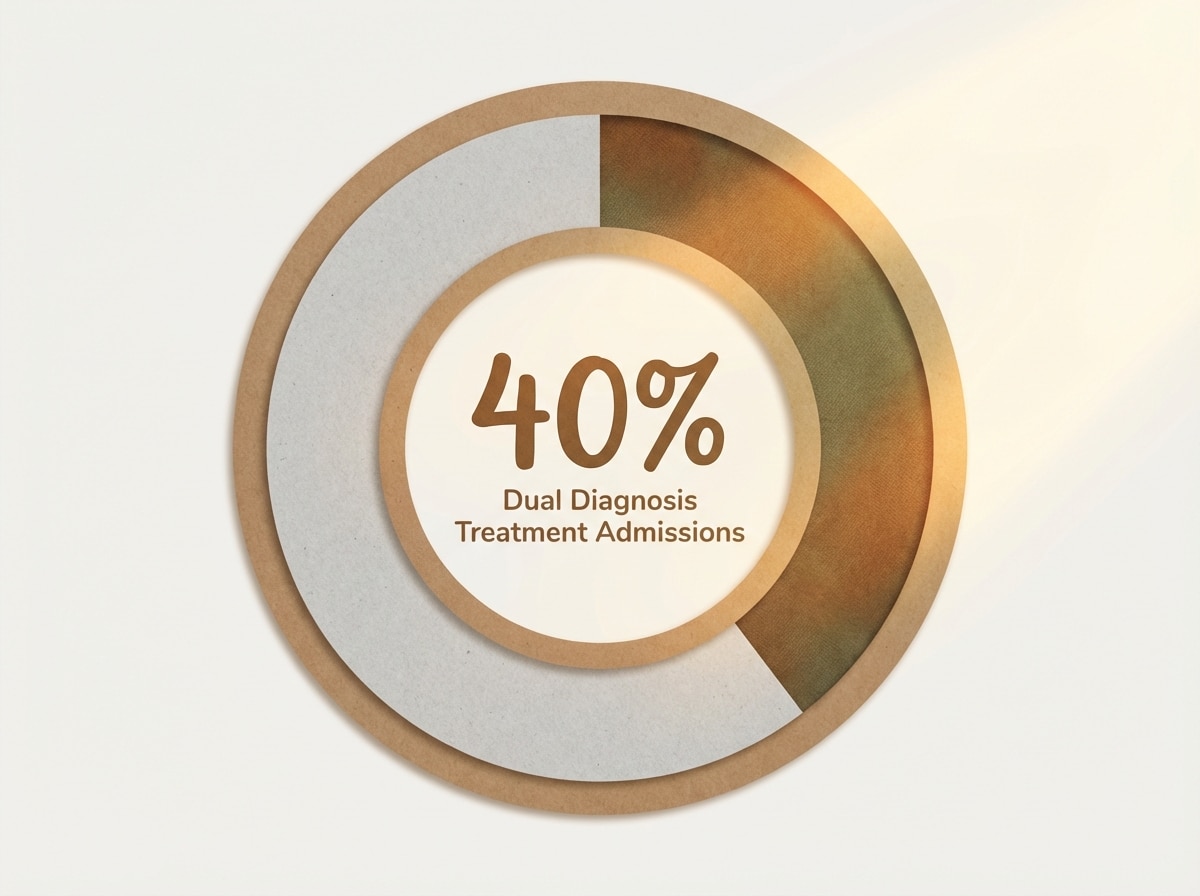
The brain chemistry behind this combination is complex. Opioids temporarily calm the nervous system, which can feel like a lifeline for someone battling severe anxiety. This temporary relief creates a powerful cycle that reinforces continued use. As a provider, you know that clients might be self-medicating legitimate anxiety, using opioids originally prescribed for pain, or experiencing new anxiety as a direct result of their substance use.
Why does rebound anxiety happen?
Between doses, clients often experience heightened anxiety that exceeds their normal baseline due to the brain adapting to the substance. This rebound effect drives escalating use patterns and creates a self-perpetuating cycle that is incredibly hard to break without professional, integrated support.Treatment sequencing represents one of the most challenging aspects of managing this population. Addressing opioid use without concurrent anxiety treatment typically results in poor retention, as clients lose their primary coping mechanism without adequate replacement strategies. Conversely, treating anxiety symptoms while active opioid dependence continues leaves the addiction untreated. Sequential treatment models have consistently shown inferior outcomes compared to integrated approaches.9
Evidence-based integrated treatment protocols address both conditions simultaneously through coordinated medical and therapeutic interventions. For more detailed clinical guidelines on managing these overlapping conditions, the American Psychological Association (APA) offers excellent resources on understanding opioid misuse and mental health.6 Treatment planning must account for the complexity of the presentation, extended timelines for brain recovery, and the necessity of comprehensive support systems.
PTSD and Methamphetamine Use
How Trauma Fuels Stimulant Dependence
Trauma and methamphetamine use frequently go hand in hand, creating one of the most challenging scenarios you will encounter. When someone lives with PTSD, their nervous system is often in a constant state of high alert. Methamphetamine offers a temporary escape—boosting energy, numbing emotional pain, or silencing intrusive memories. But as you know, that short-term relief can quickly spiral into dependence, trapping clients in a cycle of trauma and stimulant use that is tough to break.
Research shows that people with PTSD are far more likely to develop stimulant use disorders, with methamphetamine being a common choice due to its ability to blunt anxiety and increase alertness—at least at first.10 Unfortunately, repeated use only worsens trauma symptoms, leading to more cravings and compulsive behaviors. Over time, this cycle deepens both the PTSD and the substance dependence, making integrated support absolutely essential.3
The persistent nature of methamphetamine’s effects on the brain—especially in individuals with trauma—means that cravings and relapse risk remain high even after periods of abstinence.3 Your ongoing compassion and trauma-informed approach are critical here. Remember: every day a client stays engaged in care is a genuine victory.
Breaking the Cycle with Integrated Care
Breaking the cycle of PTSD and methamphetamine use starts with integrated care that addresses both trauma and substance dependence at the exact same time. When you see these complex cases in your practice, you know that single-focus interventions often fall short. Clients benefit most when trauma-informed therapy, medical management, and substance use treatment are woven together, not separated.
- Trauma-Informed Approaches: Building trust through trauma-sensitive counseling—like EMDR or cognitive-behavioral therapies—lays the groundwork for recovery. These treatments help clients process painful memories while learning coping skills to reduce cravings.3
- Medication and Support: Sometimes, medications for PTSD symptoms or stimulant cravings can make a real difference. Pairing these with consistent support groups helps keep clients engaged, even when setbacks happen.10
- Whole-Person Wellness: Addressing sleep, nutrition, and social support as part of treatment helps clients regain stability and resilience. Supporting the whole person improves long-term outcomes.9
Remember, every bit of progress matters. Celebrate their courage each step of the way. Next, we will look at how to find treatment options that truly address both conditions, so you can keep moving forward with your clients.
Finding Treatment That Addresses Both Conditions
Effective dual diagnosis treatment requires deliberate integration at every single level of a program. When you are guiding clients toward services for co-occurring disorders, the assessment phase sets the foundation for everything that follows. Comprehensive intake protocols should evaluate both conditions simultaneously—not as separate screenings conducted by different departments, but as interconnected assessments that reveal how these conditions influence each other.
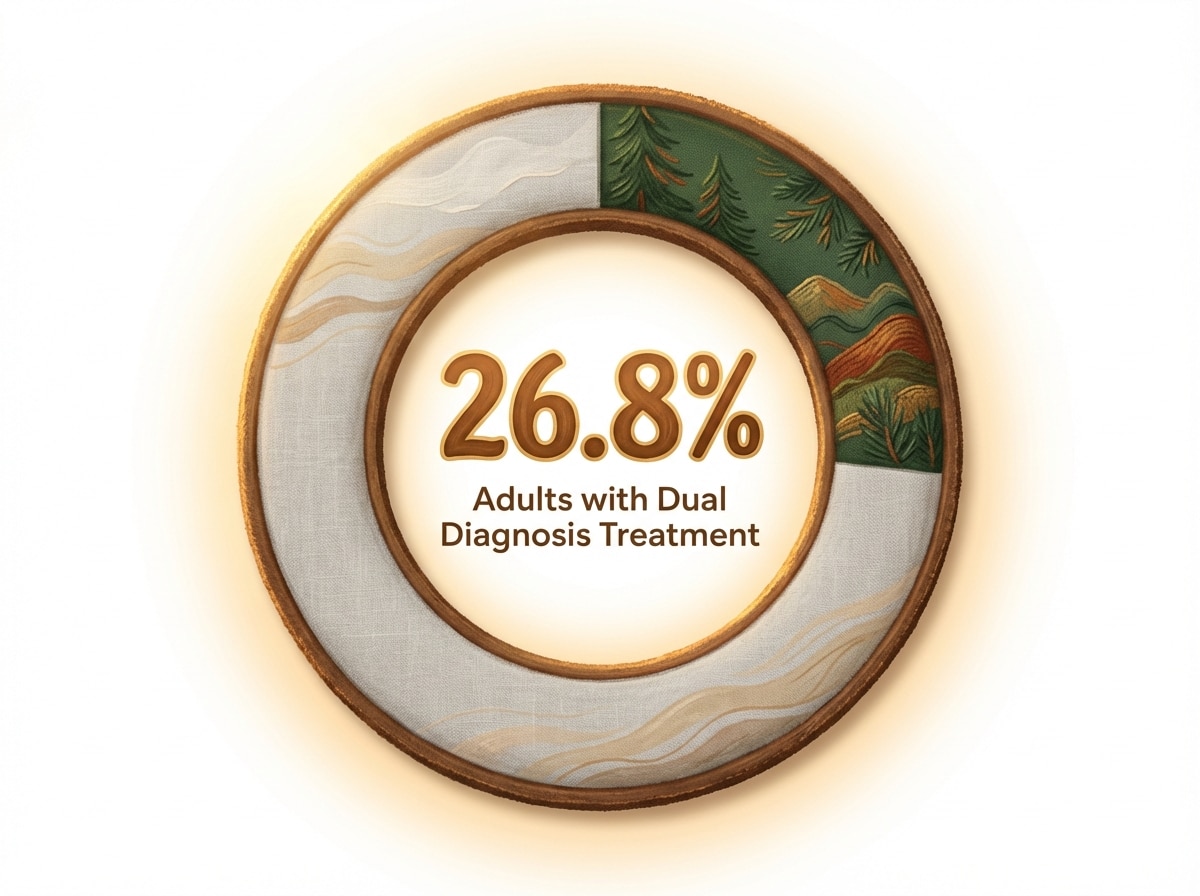
The most successful programs build their treatment models around coordinated care teams and immersive environments. For example, programs that offer a 30-day residential stay in a calming, nature-rich setting—like the rugged resilience found in Montana—provide the physical and emotional space needed for deep healing. When clinical staff, including addiction counselors and mental health therapists, discuss client progress together, it prevents the common pitfall of treating conditions in isolation.
Staff training makes the difference between programs that simply claim integration and those that actually deliver it. Your clients need teams with fluency in both addiction recovery principles and mental health treatment approaches. Programs that incorporate unique, hands-on approaches, such as equine-assisted therapy, can be incredibly powerful. Working with horses helps clients process trauma and rebuild trust without always needing to find the perfect words.
Measuring outcomes in dual diagnosis programs requires tracking both conditions over time. Recovery is not just about substance use reduction—it is also about decreased anxiety symptoms, improved coping skills, and sustained engagement with healthy supports. Your clients deserve care that addresses their actual, lived experience, setting them up for a lifetime of meaningful recovery.
Frequently Asked Questions
What percentage of people in addiction treatment have a mental health disorder?
About 60% of people in addiction treatment also have a co-occurring mental health disorder, making these dual diagnosis examples more common than you might expect. This high percentage highlights just how closely linked mental health and substance use are in treatment settings 5. When you see clients who struggle with both, remember that they are not alone—and neither are you as a provider. Recognizing this overlap helps you advocate for integrated care, ensuring both conditions are addressed together for better outcomes 5.
Can you treat substance use and mental health separately?
Treating substance use and mental health conditions separately is rarely effective for dual diagnosis examples. When care is split, symptoms from one condition often worsen the other, making real progress much harder to achieve. Research shows that people who receive integrated treatment—where both issues are addressed together—have much better outcomes, including lower relapse rates and higher treatment retention 9. Yes, this is challenging, and that’s okay; your effort to keep both in focus truly matters. Every step toward integrated care gives clients a better chance at lasting recovery.
Which comes first—the addiction or the mental health condition?
There’s no single answer to whether addiction or a mental health condition comes first. In many dual diagnosis examples, mental health symptoms like depression or anxiety may appear before substance use, with clients turning to drugs or alcohol as a way to self-medicate. But the reverse is true as well—long-term substance use can trigger or worsen mental health conditions by changing brain chemistry and increasing stress responses 3. Sometimes, both develop together, influenced by genetics, trauma, or environment. Remember, it isn’t about blame; what matters is treating both at the same time so your clients can move forward with hope.
What makes integrated treatment more effective than sequential treatment?
Integrated treatment is more effective than sequential treatment because it addresses both mental health and substance use disorders at the same time—rather than one after the other. This leads to better retention rates (30–40% higher) and 25–35% lower relapse rates for clients with dual diagnosis examples compared to those who receive care for each condition separately 9. By treating both conditions together, your clients don’t have to choose between their mental health and recovery needs. Yes, it’s challenging, but every coordinated effort you make supports more lasting change and real hope for your clients.
How do you know if you have a dual diagnosis?
Recognizing a dual diagnosis often starts with noticing that symptoms from both mental health and substance use issues are present at the same time. If you or your clients struggle with persistent mood swings, anxiety, trauma symptoms, or changes in thinking—alongside ongoing substance use problems—this could signal a dual diagnosis. Screening tools like the PHQ-9 for depression and GAD-7 for anxiety are commonly used to flag potential co-occurring conditions in clinical settings 7. If symptoms in both areas keep returning or make daily functioning difficult, it’s time to consider a full assessment. Remember, seeking clarity is a sign of strength—not weakness—and every step toward understanding opens the door to better, more integrated care.
Conclusion
The evidence is clear: integrated dual diagnosis treatment produces significantly better outcomes than treating substance use disorders and mental health conditions in isolation. When clinical teams address the complex interplay between these co-occurring conditions—understanding how each influences and perpetuates the other—clients achieve more sustainable recovery and reduced relapse rates.
The field has moved beyond sequential or parallel treatment models toward truly integrated approaches where psychiatric care and addiction treatment inform each other throughout the therapeutic process. This represents a fundamental shift in how we conceptualize and deliver care for individuals navigating both challenges simultaneously.
Effective dual diagnosis programs share common elements: comprehensive assessment protocols that identify all presenting conditions, coordinated treatment planning across disciplines, staff trained in both addiction and mental health interventions, and continuity of care that extends beyond initial stabilization. These components work synergistically to address root causes rather than managing symptoms in isolation.
For professionals seeking regional examples of integrated care implementation, facilities like Rocky Mountain Treatment Center in Montana demonstrate how specialized programs can combine medical detox, psychiatric support, and evidence-based therapies—like equine-assisted therapy—within a coordinated, compassionate treatment framework. As the field continues evolving, such integrated models represent the clinical standard for addressing the complex needs of dual diagnosis populations.
References
- 2023 National Survey on Drug Use and Health (NSDUH) Results. https://www.samhsa.gov/data/report/2023-national-survey-drug-use-and-health-nsduh-results
- NAMI: Dual Diagnosis Awareness Resources. https://www.nami.org/Get-Involved/Awareness-Events/Dual-Diagnosis-Awareness-Week
- NIDA Research Report: Comorbidity – Addiction and Other Mental Illnesses. https://www.nida.nih.gov/publications/research-reports/comorbidity-addiction-other-mental-illnesses
- SAMHSA Treatment Episode Data Set (TEDS) National Outcomes Measures Report. https://www.samhsa.gov/data-outcomes-quality/data-resources/reports-publications/results-substance-abuse-treatment-episode-data-teds
- The Prevalence of Dual Diagnosis in Addiction Treatment Settings: A Systematic Literature Review (PLOS ONE, 2016). https://pubmed.ncbi.nlm.nih.gov/27670893/
- American Psychological Association: Understanding Opioid Misuse and Addiction. https://www.apa.org/science/about/psa/opioids/opioid-misuse
- NIH/NLM: Co-occurring Substance Use Disorders and Mental Health Disorders (Psychiatric Times, 2016). https://www.ncbi.nlm.nih.gov/pmc/articles/PMC5045707/
- WHO: Substance Use and Mental Health Comorbidities. https://www.who.int/teams/mental-health-and-substance-use/substance-use/health-topics/comorbid-disorders
- JAMA Psychiatry: Dual Diagnosis Treatment Outcomes – Comparative Effectiveness (2013-2023 meta-analysis). https://www.ncbi.nlm.nih.gov/pmc/articles/PMC4007372/
- StatPearls: Substance Use, Addictive Disorders, and Comorbid Conditions (NIH/NLM, updated 2024). https://www.ncbi.nlm.nih.gov/books/NBK430852/