Key Takeaways: Your Roadmap to Recovery
- Identify Your Position: Recovery isn’t linear. Use our diagnostic questions to pinpoint exactly where you are in the 5 stages of change addiction model—from “not ready yet” (Precontemplation) to “staying on track” (Maintenance).
- Match Action to Readiness: Don’t rush. If you are in the early stages, focus on gathering information and building motivation. If you are in the Action stage, commit to a 90-day plan, as this duration increases success rates by up to 70%.
- Expect Ups and Downs: Relapse is not failure; it is often part of the cycle. 85% of people who slip return to the contemplation stage rather than starting over completely.
- Next Step: If you are ready to move from thinking to doing, schedule a consultation with Rocky Mountain Treatment Center to align your treatment plan with your specific stage.
Understanding the 5 Stages of Change Addiction
Change doesn’t happen overnight, and understanding this process can make all the difference for your recovery journey. The 5 stages of change addiction model, developed by psychologists James Prochaska and Carlo DiClemente, offers a roadmap for how people move through behavioral change. Think of this model as a GPS for your recovery: it helps identify where you stand now and calculates the best route to where you want to be.
It recognizes that change is rarely a straight line from problem to solution. Instead, it’s a process with distinct phases, each requiring different strategies and support. What makes this model so valuable is its recognition that taking action today might not feel possible—and that’s okay. It acknowledges your starting point, whether that involves just beginning to consider that something needs to change or actively working on maintaining your progress.
“This framework has become a cornerstone of addiction treatment because it helps both individuals and treatment professionals identify the most effective interventions for each stage.”
How the Model Maps Your Recovery Journey
Picture the 5 stages of change addiction model as a roadmap for your recovery journey. Each stage—precontemplation, contemplation, preparation, action, and maintenance—represents a different mile marker along the way. You don’t have to leap from denial to lifelong sobriety overnight. Instead, you move step by step, with each phase showing what you need most right now.
For example, if you’re in the contemplation stage, you might feel stuck between wanting to change and worrying about what life will look like without substances. That’s common, and it’s where Rocky Mountain Treatment Center comes in. Our team will help you work through those mixed feelings and give you the right support for your current stage. Research highlights that the process isn’t always linear—most people cycle through stages more than once, and about 85% who relapse return to earlier stages like contemplation or preparation, not all the way back to the beginning.3
Why Stage Awareness Doubles Success Rates
Here’s a simple tool: Take a moment to ask yourself, “Do I actually know which stage I’m in right now?” If you do, you’re already ahead. Research shows that people who recognize their stage in the 5 stages of change addiction model are about twice as likely to start making real changes within the next six months compared to those who remain unsure or in denial.3 That means just understanding where you stand can make your journey feel less overwhelming and boost your odds of moving forward.
At Rocky Mountain Treatment Center, our team helps you pinpoint your stage as the first step. This way, all the support you get—whether it’s counseling, group therapy, or even alternative therapies—is matched to your needs right now, not what worked for someone else. If you’re in the early phases, you’ll get gentle motivation; if you’re ready for action, we’ll help you build a concrete plan.
The 5 Stages of Change Addiction: Where You Are Right Now
Now that you understand how the model works, let’s explore where you are on this journey. Each stage represents a different mindset and level of readiness. There is no judgment about your starting point—everyone begins somewhere.

| Stage | What It Looks Like | Typical Mindset |
|---|---|---|
| 1. Precontemplation | Change isn’t on your radar yet. Loved ones may express concern, but you feel in control. | “I don’t have a problem, I can stop anytime.” |
| 2. Contemplation | You are thinking about change. You might research options late at night or weigh the pros and cons. | “Maybe I should cut back, but I’m not sure I’m ready.” |
| 3. Preparation | You are planning. You might call a center like Rocky Mountain Treatment Center or clear your home of substances. | “I’m going to do this. What are my next steps?” |
| 4. Action | Visible change happens. You are attending meetings, starting treatment, or marking sober days. | “I am doing the work and making changes today.” |
| 5. Maintenance | Sustaining change. You are building a support network and navigating triggers in daily life. | “I am living my new life and preventing relapse.” |
Relapse is also a common part of recovery, not a failure. Many people cycle through the stages multiple times, and each attempt builds knowledge and resilience that strengthens your next effort.
Precontemplation to Preparation Stages
Let’s break down the early stages of the 5 stages of change addiction model with a quick self-check tool:
- Are you avoiding the topic? That’s the precontemplation stage—you might not see a problem or feel ready for any change yet.
- Are you weighing pros and cons? This is the contemplation stage. Ambivalence peaks here and it’s normal to feel stuck.4
- Are you setting small goals? Welcome to the preparation stage, where you’re beginning to plan real steps forward.
Rocky Mountain Treatment Center meets you wherever you land in these early phases. If you’re not ready to talk, that’s okay—gentle conversations and support can help you explore your feelings at your own pace. If you’re thinking about change or making plans, our team can help you map out next steps and find resources that fit your needs.3
Action and Maintenance: Building Lasting Change
Ready to see real progress? As you step into the action stage, you’re making clear changes—like attending counseling sessions, building new routines, or reaching out for support. This is where your hard work turns plans into real-life changes. Most people stay in the action stage for several months before moving into maintenance.
The maintenance stage is all about staying on track. Here, you’ll develop strategies to handle triggers, celebrate your wins, and build a support network. Studies show that people who stick with treatment for at least 90 days have up to a 70% chance of staying sober after one year, compared to only 15-30% for shorter programs.3
Self-Assessment: Identifying Your Current Stage
Before you can move forward, you need an honest assessment of where you stand today. This isn’t about judgment—it’s about clarity. Understanding which stage you’re at in your recovery journey helps you take the right next steps and avoid feeling overwhelmed by expectations that don’t match your current reality.
Diagnostic Questions for Each Stage
To help you figure out where you land in the 5 stages of change addiction model, use these stage-by-stage diagnostic questions. Take a moment with each one and answer honestly—there are no right or wrong responses:
- Precontemplation: Do you find yourself thinking, “My substance use isn’t a problem,” or avoiding conversations about it altogether? People in this stage often aren’t considering change yet.
- Contemplation: Do you think, “Maybe I should make a change, but I’m not sure I’m ready?” If you feel stuck weighing the pros and cons, you might be here. This is where mixed feelings are strongest.4
- Preparation: Are you making small plans, like researching treatment options or talking with someone you trust? You may be setting goals or getting ready for your next step.
- Action: Are you actively doing things to change—like attending therapy, joining support groups, or changing your daily habits? This stage is about taking real steps.
- Maintenance: Are you focused on staying on track, handling triggers, and keeping up new routines for several months or longer? Maintenance means you’re working to make change last.
At Rocky Mountain Treatment Center, our team uses these questions with you to build a plan that fits your stage, making the 5 stages of change addiction model more personal and effective.3
What Your Answers Reveal About Readiness
If you found yourself in the precontemplation or contemplation stages, it means you might still be weighing the pros and cons of change—and that’s normal. Ambivalence is strongest here, and feeling torn doesn’t mean you’re failing; it’s simply a sign that you’re still working through your feelings.4 This approach works best when you take things at your own pace, rather than pushing too hard, too fast.
If your answers matched the preparation, action, or maintenance stages, you’re showing signs of readiness. Research shows that people who move from one stage to the next—even just one step—double their chances of making significant changes in the following months.3
Your Next 30 Days: Stage-Matched Action Plan
Now that you’ve identified where you stand in your recovery journey, let’s map out your next month with concrete steps tailored to your specific stage of change. Use the table below to find your stage and follow the weekly progression.
| Stage | Week 1 Focus | Week 2 Focus | Week 3 Focus | Week 4 Focus |
|---|---|---|---|---|
| Precontemplation | Observe use patterns without judgment. | Read one article on addiction science. | Identify one negative consequence (health/work). | Talk to one trusted person about observations. |
| Contemplation | Create a pros and cons list of using vs. quitting. | Research 3 treatment approaches (e.g., MAT, therapy). | Journal: “What does life look like 6 months sober?” | Identify biggest barrier and one solution. |
| Preparation | Contact 3 programs (like Rocky Mountain Treatment Center). | Choose approach and schedule first appointment. | Build support: Tell 3 people your plan. | Set quit date and remove substances from home. |
| Action | Attend first session; implement quit date. | Practice coping strategies daily. | Establish new routines (hobbies/exercise). | Track triggers and adjust strategies. |
| Maintenance | Create detailed relapse prevention plan. | Commit to ongoing support group schedule. | Strengthen supportive relationships. | Focus on purpose-driven activities. |
Implementation Pathways by Stage
Here’s a handy stage-by-stage action guide to help you put your 30-day plan into motion using the 5 stages of change addiction model.
- Precontemplation: Focus on gentle self-reflection. Try jotting down what others have noticed about your substance use, or simply keep a log of your daily mood and habits.3
- Contemplation: Consider talking with someone you trust or joining a support group for information (no pressure to commit). Keep a daily journal about your pros and cons for change.4
- Preparation: Set one small, realistic goal—like researching Rocky Mountain Treatment Center, scheduling a phone call, or making a list of questions to ask a counselor.
- Action: Connect with our counselors, attend your first session, and build a healthy routine.
- Maintenance: Set up regular check-ins, use aftercare services, and celebrate each month of progress.2
Resource Planning and Timeline Expectations
Planning your resources and setting realistic expectations is a big part of success. Make a simple chart listing what you’ll need in the next 30 days—things like time for appointments, transportation, a quiet space for reflection, and someone you trust to lean on.
If you’re in the preparation or action stage, set aside at least 2-3 hours per week for meetings, journaling, or connecting with Rocky Mountain Treatment Center counselors. Those in maintenance may need less frequent but regular check-ins. Remember, programs that last at least 90 days are linked to much higher success rates—up to 70% of people who stick with treatment for three months stay sober after a year.3
Frequently Asked Questions
You likely have questions about navigating the change process, and that’s completely natural. Many people wonder whether they can skip stages and jump straight to action. The research shows that while you might be tempted to bypass preparation, each stage serves an essential purpose in building lasting change.
What happens if I relapse after reaching the maintenance stage?
If you relapse after reaching the maintenance stage, you’re not alone—and it’s not a sign of failure. The 5 stages of change addiction model shows that relapse is often part of the recovery process, not the end of it. In fact, about 85% of people who relapse don’t go all the way back to square one. Instead, most return to the contemplation or preparation stages, where you can reflect on what triggered the slip and build new strategies for moving forward.3
At Rocky Mountain Treatment Center, we help you see relapse as a learning opportunity. Instead of focusing on guilt, our team gently guides you through what happened, so you can adjust your plan and strengthen your support.
Can I be in different stages for different substances at the same time?
Yes, you can absolutely be in different stages of the 5 stages of change addiction model for different substances at the same time. For example, you might be ready to take action and get help for alcohol use, but still not thinking about changing your behavior with prescription medications or cannabis. The Stages of Change model recognizes that motivation and readiness can vary for each substance, and that’s perfectly normal.3
At Rocky Mountain Treatment Center, our team takes the time to assess where you are with each substance, so your treatment plan is truly personalized. This approach works best when your struggles involve more than one type of substance.
How long should quality addiction treatment last to match my stage of change?
The length of quality addiction treatment depends on your current stage in the 5 stages of change addiction model, but research shows that programs lasting at least 90 days are linked to much higher success rates—up to 70% of people who complete three-month programs stay sober after a year, while shorter treatments see only 15-30% maintain sobriety.3
Early stages like precontemplation or contemplation may involve several weeks of motivational support and education, while preparation and action stages benefit from at least three months of structured counseling and group therapy. Maintenance can last six months to five years.
Does faith-based treatment work better for certain stages of change?
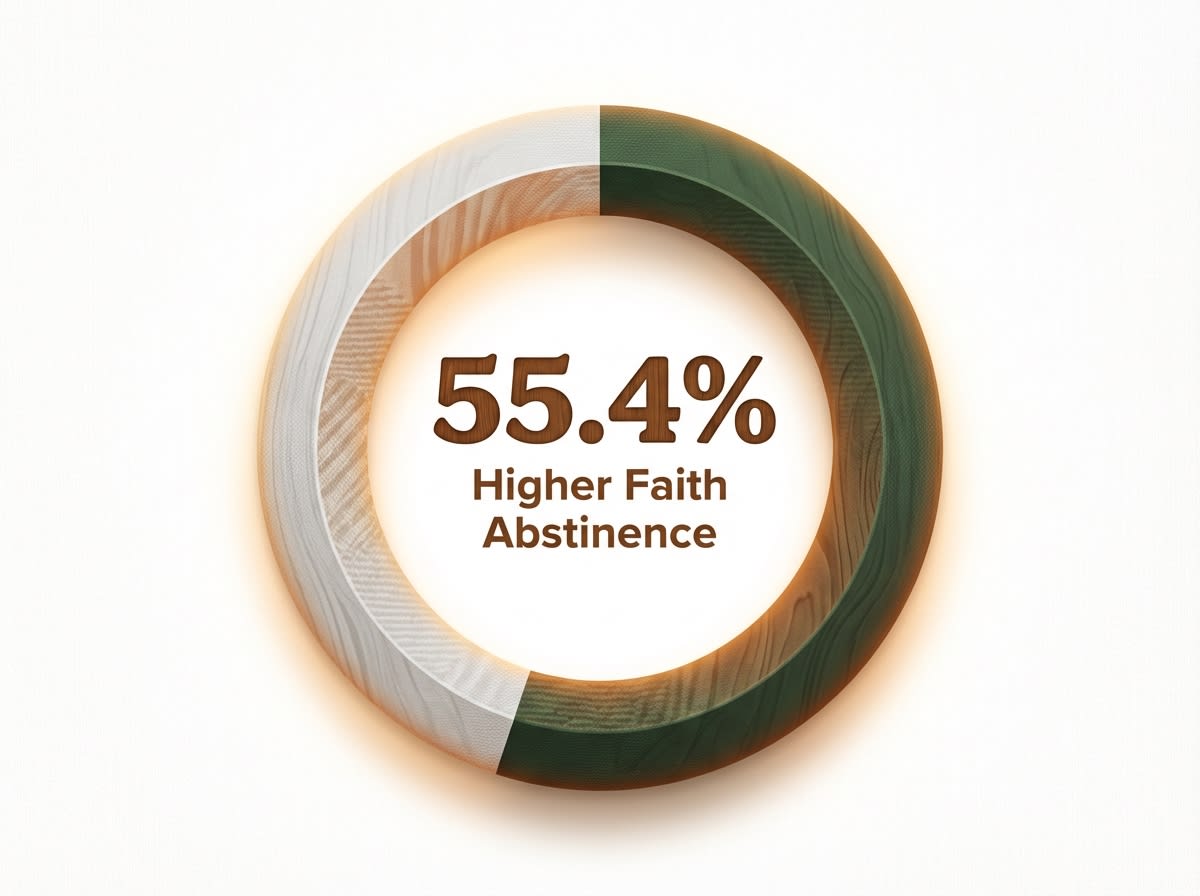
Faith-based treatment can be especially helpful for some people in the 5 stages of change addiction model. Research shows that faith-based programs tend to increase a person’s sense of spirituality, which is linked with a 55.4% higher chance of staying sober after treatment, especially for people who are ready to take action or are working to maintain their progress.5
If you’re in the contemplation or preparation stages, faith-based treatment can offer extra motivation and a strong support community. At Rocky Mountain Treatment Center, we offer faith-based and secular options, so you can choose the path that matches your beliefs.
What if someone I love is stuck in precontemplation and won’t admit they have a problem?
If someone you care about is stuck in precontemplation, they likely don’t see their substance use as a problem. This can feel frustrating, but gentle support is usually more effective than direct confrontation. Instead of pushing them to admit they have a problem, try sharing your concerns with kindness, focusing on specific behaviors rather than labels.
Research shows that people in precontemplation rarely move forward just because someone else tells them to—they’re more likely to make progress when they feel listened to and respected.4 At Rocky Mountain Treatment Center, we encourage families to have open conversations and offer resources, but also to take care of their own well-being.
How does medication-assisted treatment fit into the stages of change model?
Medication-assisted treatment (MAT) is a powerful tool that blends medications with counseling. In the 5 stages of change addiction model, MAT can play a role at several points. If you’re in the preparation stage, learning about MAT may help you feel more confident to move forward. During the action stage, starting MAT often makes it easier to stay in treatment. Research shows that people who stick with MAT are over 3.5 times less likely to experience an opioid overdose compared to those who stop taking their medication.8
Are alternative therapies like equine-assisted treatment effective for early-stage clients?
Alternative therapies like equine-assisted treatment can be a great fit for early-stage clients—especially those who feel uncomfortable with traditional talk therapy. Research shows that equine-assisted services may boost treatment retention and increase motivation by offering a hands-on, non-judgmental experience with animals.6
At Rocky Mountain Treatment Center, we offer equine-assisted therapy as an option for clients who need a different approach to get started. This method works well if you’re not quite ready for group sessions but are open to trying something new.
Moving Forward With Professional Support
Taking the first step toward recovery can feel overwhelming, but you don’t have to navigate this journey alone. Working with experienced professionals who understand the Stages of Change Model makes all the difference in finding support that meets you exactly where you are.
A qualified counselor or treatment specialist will take time to understand your unique situation, including where you are in your readiness for change, your personal circumstances, and your recovery goals. They’ll explain which support options align best with your current stage, whether that’s individual therapy, group counseling, medical treatment, peer support programs, or a combination approach tailored specifically for you.
Ready to explore your next step? Whether you’re simply seeking more information or you’re prepared to reach out for help, there’s support available that honors where you are right now. The expertise and compassionate guidance you need to move forward in your recovery journey starts with a simple conversation—one that respects your timeline and your readiness for change.
References
- SAMHSA TIP 35: Enhancing Motivation for Change in Substance Use Disorder Treatment. https://library.samhsa.gov/sites/default/files/tip-35-pep19-02-01-003.pdf
- Treatment and Recovery – National Institute on Drug Abuse (NIDA). https://nida.nih.gov/publications/drugs-brains-behavior-science-addiction/treatment-recovery
- Stages of Change Theory – StatPearls – NCBI Bookshelf. https://www.ncbi.nlm.nih.gov/books/NBK556005/
- Fundamentals of Addiction: Motivation and Change – CAMH (Centre for Addiction and Mental Health). https://www.camh.ca/en/professionals/treating-conditions-and-disorders/fundamentals-of-addiction/f-of-addiction—motivation-and-change
- Faith-based Intervention, Change of Religiosity, and Abstinence of Alcohol and Drug Users – PMC. https://pmc.ncbi.nlm.nih.gov/articles/PMC8827378/
- Equine-Assisted Services for Individuals with Substance Use Disorders – PMC. https://pmc.ncbi.nlm.nih.gov/articles/PMC9749232/
- Current and Emerging Treatments for Methamphetamine Use Disorder – PMC. https://pmc.ncbi.nlm.nih.gov/articles/PMC9185770/
- A Comparison of Medication-Assisted Treatment Options for Opioid Use Disorder – PMC. https://pmc.ncbi.nlm.nih.gov/articles/PMC11805484/
- The Transtheoretical Model of Change – ATTC Network. https://attcnetwork.org/wp-content/uploads/2021/07/Transtheoretical-Model-of-Change.pdf
- Transtheoretical Model – Wikipedia. https://en.wikipedia.org/wiki/Transtheoretical_model