
Key Takeaways
- Assessment Scoring Guide: If you identify with 3 or more symptoms on the initial self-assessment, seeking professional mental health help is your recommended next step.
- Top 3 Success Factors: Early intervention (boosts outcomes by up to 30%), integrated care for dual diagnosis (improves success by 25–30%), and consistent treatment engagement (minimum 6–12 hours weekly for outpatient).
- Immediate Next Action: Map your current symptoms against your substance use patterns using the dual-lens self-check, then contact a licensed dual-diagnosis provider to discuss an integrated treatment plan.
Recognizing When You Need Mental Health Help
Self-Assessment: Reading Your Signals
Self-assessment is a vital tool for recognizing when it might be time to seek mental health help. As a high-performing professional, you are used to managing complex problems, but it is crucial to check in with yourself regularly. Use this simple diagnostic checklist to evaluate your current baseline:

- Are you feeling persistently sad, anxious, or irritable for more than two weeks?
- Is your sleep, appetite, or energy noticeably changing?
- Are you withdrawing from work, relationships, or activities you normally enjoy?
- Do you find it hard to focus or make executive decisions?
- Are you having thoughts of self-harm or feeling overwhelmed by hopelessness?
If you answer yes to any of these, pause and acknowledge how tough it is.
It takes courage to notice your own distress, and every bit of self-awareness is progress worth celebrating.
Mental health professionals define these signals as early warning signs—subtle shifts that often appear before a crisis. Recognizing them early matters: research shows that getting mental health help sooner can boost recovery success rates by up to 30%5. This approach is ideal for professionals who juggle high expectations and may dismiss their own needs.
Remember, you don’t have to wait for a crisis; noticing small changes is enough reason to reach out. Early support can prevent bigger struggles down the line, and acknowledging your needs is a sign of strength, not weakness. Next, we’ll explore how substance use can cloud these signals and what it means for your self-assessment journey.
When Substance Use Complicates the Picture
When substance use enters the equation, it can make identifying mental health warning signs much more complicated. Here’s a practical tool: try a dual-lens self-check. Ask yourself, “Are changes in my mood, energy, or relationships showing up only when I’m using—or are they present even when I’m sober?”
This approach works best when you’re honest about patterns over time, not just day-to-day swings. Substance use can mask or mimic symptoms of anxiety, depression, and trauma, making it easy to overlook the need for mental health help. For example, trouble sleeping, irritability, or withdrawing from colleagues might seem like side effects of drug or alcohol use—but they could just as easily be signs of a deeper mental health concern.
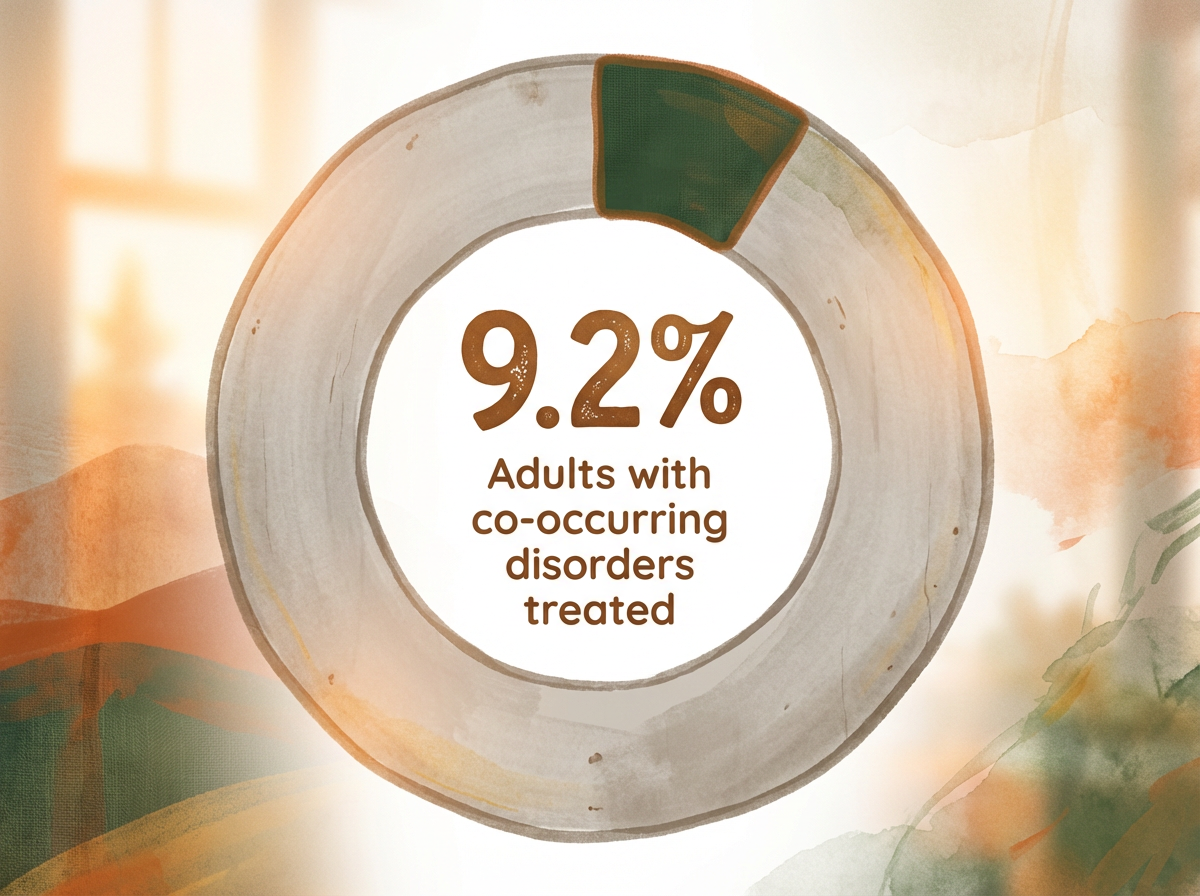
Professionals working with dual diagnosis know how challenging it is to separate these threads. Only 9.2% of people with co-occurring mental health and substance use disorders receive integrated care, which means most are left to untangle these issues on their own2. Opt for this framework when your self-assessment feels muddled by substance use.
It’s okay to feel frustrated—sorting out what’s addiction and what’s mental health isn’t simple, and every bit of clarity you gain is a genuine win. If your symptoms persist even during periods of sobriety, or if substance use increases to cope with emotional pain, that’s a strong signal to seek support. Early attention can prevent issues from spiraling and helps you reclaim your wellbeing. Up next, we’ll break down how to evaluate the full range of treatment options, so you can choose a path that truly fits your needs.
Understanding Your Treatment Options
Outpatient vs. Residential Care Pathways
Choosing between outpatient and residential care is a critical step on your mental health help journey, especially when dual diagnosis is in play. To guide your thinking, consider the severity of your symptoms, the safety of your home environment, and whether less intensive treatments have failed in the past. The right fit looks different for everyone, and even considering your options is its own kind of progress.
| Care Pathway | Time Investment | Estimated Cost Range | Resource Requirements |
|---|---|---|---|
| Outpatient Care | 6–12 hours per week | $1,000 – $5,000 / month | Stable housing, supportive network, reliable transportation |
| Residential Care | 24/7 for 28–30+ days | $15,000 – $30,000+ / month | Ability to take leave from work/family duties, immersive environment |
Outpatient care allows you to live at home and attend therapy or group sessions several times a week. This solution fits professionals with stable housing, a supportive network, and manageable symptoms. It’s possible to continue working or caring for family, which can ease the transition into treatment4.
Residential care—sometimes called inpatient treatment—offers round-the-clock support in a structured setting. Consider this route if you’re facing severe symptoms, unsafe living conditions, or repeated relapses. Residential programs typically last 28–30 days, but some extend longer based on need. This strategy suits professionals who need to step away from triggers, stabilize quickly, and focus on both mental health and substance use recovery2. No matter which direction you’re leaning, remember: seeking help is a sign of resilience.
Why Integrated Treatment Changes Outcomes
Let’s start with an honest assessment tool: ask yourself, “Are my mental health and substance use struggles feeding off each other, making it hard to move forward?” If the answer is yes—or even a maybe—integrated treatment may be your most effective path. Integrated treatment means addressing substance use and mental health conditions together, not in isolation.
Prioritize this when living with dual diagnosis, as it recognizes the way trauma, depression, anxiety, and addiction often overlap and reinforce each other. The science backs this up: adults who receive integrated care for co-occurring mental health and substance use disorders experience 25–30% better outcomes on average than those who use separate or sequential treatments3. In real life, that means higher rates of sustained recovery, fewer relapses, and improved daily functioning.
What Does Integrated Care Look Like?
Integrated programs often include coordinated therapy, medication management, peer support, and practical life skills training, all delivered by a multidisciplinary team. You won’t have to translate between different doctors; your entire care team works from a single, unified treatment plan.This path makes sense for those seeking mental health help that doesn’t overlook any part of their experience. Yes, finding the right fit takes time and patience, but every step toward integrated care is a step toward wholeness. Next, we’ll walk through how to evaluate different providers and programs so you can choose one that truly aligns with your needs.
Evaluating Providers and Programs
Credentials, Experience, and Fit
Start your evaluation process with this credentials checklist to ensure you are receiving high-quality mental health help:
- Does the provider hold an active license in mental health or addiction counseling?
- Do they have specialized training or certifications in dual diagnosis treatment?
- How many years of experience do they have with co-occurring disorders?
- Can they demonstrate positive outcomes with clients who share your professional challenges?
Credentials matter because not all care is created equal. Licensed providers—such as psychologists, clinical social workers, or addiction counselors—meet strict education and training standards. You’ll want to verify these through your state licensing board or professional directories6. When searching online registries, you can often use Ctrl + F (or Cmd + F on a Mac) to quickly locate specific dual diagnosis or co-occurring credentials on a provider’s profile.
Experience is just as important as credentials. This method works when you’re seeking support for both substance use and mental health, as dual diagnosis requires practitioners who understand how symptoms overlap and influence each other. A good provider will also encourage you to assess fit—do you feel respected, heard, and empowered during your sessions? Remember, every step you take toward finding the right provider is progress, even if it feels slow.
Questions to Ask Before You Commit
Before you sign on with a provider or program, pause and work through a focused decision checklist:
- Does the program offer true integrated care for both substance use and mental health?
- What specific therapies, medications, or holistic supports are included?
- How does the provider communicate progress, setbacks, and changes in your treatment plan?
- Can you access support outside traditional hours, or in crisis situations?
- What are the staff-to-client ratios, and how personalized is the care?
Opt for this framework when you need to know your mental health help will be tailored and responsive. Ask directly about experience with co-occurring disorders, and request outcome data relevant to your profile. It’s okay to dig deeper—clarity at this stage prevents disappointment later.
Inquire about typical time commitments and how the program supports transitions back to daily life4. Remember to clarify insurance acceptance and payment options up front, as these can quickly become barriers if left unaddressed. Every thoughtful question you ask is another step toward reclaiming your health, and you absolutely deserve clear, honest answers.
Navigating Access and Financial Barriers to Mental Health Help
Insurance Coverage and Payment Options
Sorting out insurance and payment options can feel overwhelming, but it’s a crucial step in accessing mental health help that truly supports your dual diagnosis needs. Start with this financial checklist:
- Does your current health insurance cover integrated mental health and substance use treatment?
- Are there in-network providers or facilities specializing in dual diagnosis?
- What is your deductible, and what percentage of costs will you be responsible for?
- Does your plan require pre-authorization for residential or intensive outpatient care?
Insurance coverage for dual diagnosis has expanded in recent years, but gaps remain—especially for those without private insurance or in areas with few providers8. Many employers now offer mental health help as part of employee assistance programs, but these may not always include dual diagnosis support.
Consider this route if you need to balance access, affordability, and specialized care. If you’re feeling stuck, know that public resources like the SAMHSA Treatment Locator can help identify facilities that accept your insurance or offer financial assistance5. If you run into denials or delays, don’t give up—appealing decisions or seeking advocacy support often leads to better outcomes.
Rural Access Challenges and Solutions
If you’re living or working in a rural area, you already know how tough it can be to access mental health help—especially when you’re dealing with both addiction and mental health needs. Here’s a rural access action plan:
- Search state or regional directories for providers offering integrated dual diagnosis care within driving distance.
- Check if telehealth services are available and if your internet connection can support video visits.
- Explore local clinics or community health centers, which sometimes partner with larger facilities.
Rural communities face unique barriers—there are 50% fewer mental health providers per capita compared to urban settings, and long travel times are common7. This solution fits professionals who need flexibility but cannot relocate for care.
// Example Telehealth Setup Checklist:
1. Secure, private room
2. High-speed internet (minimum 5 Mbps)
3. HIPAA-compliant video platform installed
Telehealth has become a practical lifeline, with many states expanding virtual counseling and medication management for dual diagnosis clients. Yes, it’s frustrating—waiting lists can be longer and privacy concerns higher in small towns. But every effort you make to reach out is progress, and tapping into online support groups or helplines can help you stay connected between appointments.
Frequently Asked Questions
What if I’ve tried therapy before and it didn’t work?
If you’ve tried therapy before and felt like it didn’t work, you’re not alone—and it doesn’t mean you can’t benefit from mental health help in the future. Nearly half of Americans living with mental illness don’t receive ongoing treatment, often because their first experience didn’t fit their needs or life circumstances 7. Sometimes, the approach, provider, or timing just isn’t right. This path makes sense for anyone who’s felt disappointed or discouraged after a previous attempt. Each try is a step forward: you gain insight about what you need, what doesn’t work, and what you might want to try differently next time. Celebrate your willingness to keep reaching for support—it’s a powerful act of resilience.
How long does it typically take to see improvement in symptoms?
You might notice small improvements in your symptoms within a few weeks of starting mental health help, especially with consistent therapy or medication. For some, changes in mood, sleep, or energy can show up in two to six weeks, but everyone’s pace is different. Many dual diagnosis professionals see the most noticeable progress after about one to three months of integrated treatment, especially when both substance use and mental health are addressed together. This approach works best when you’re patient with yourself and your care team—healing isn’t always a straight line, and setbacks are normal. Remember, early intervention boosts long-term outcomes by up to 30% 5. Celebrate every step forward, no matter how small.
Can I switch providers or programs if I’m not making progress?
Absolutely—you have the right to switch providers or programs if you’re not making the progress you need. Mental health help is most effective when you feel supported and understood, and sometimes that means trying a different approach or team. Trust your instincts: if sessions feel unproductive, your concerns aren’t being addressed, or you’re not seeing gradual improvement after a reasonable period, it’s valid to seek a better fit. Nearly 57% of Americans with mental illness don’t receive ongoing treatment, often because their initial experience wasn’t a match 7. Remember, advocating for your own care is a big step forward—progress sometimes means changing direction.
What happens if I need help outside of regular business hours?
If you need mental health help outside of regular business hours, you’re not alone—crises don’t follow a 9-to-5 schedule. Many providers now offer after-hours crisis lines, 24/7 helplines, and telehealth options so that immediate support is never far away. The SAMHSA National Helpline, for example, is free, confidential, and available around the clock for anyone in distress or seeking resources 5. This solution fits professionals who might face late-night anxiety spikes, urgent cravings, or sudden feelings of overwhelm. If your provider doesn’t have an on-call system, save national or local crisis numbers in your phone. Reaching out, even in off-hours, is a brave step toward stability and safety.
How do I balance treatment with work and family responsibilities?
Balancing treatment with your work and family life can feel overwhelming, but you’re not alone. Start by mapping your weekly schedule and identifying time blocks—many mental health help programs now offer early morning, evening, or telehealth appointments to fit around job and caregiving duties 8. This strategy suits professionals who need flexibility. If you’re in residential care, talk with your employer and family about short-term leave options; the Family and Medical Leave Act (FMLA) may protect your job during treatment. Remember, even setting aside a few hours a week for therapy is progress. Each choice you make to prioritize your well-being benefits not just you, but those who rely on you, too.
Will my treatment records be kept confidential from my employer?
Yes—your treatment records are protected by strict privacy laws, including HIPAA (the Health Insurance Portability and Accountability Act), which means your mental health help details cannot be shared with your employer without your explicit written consent. This includes diagnosis, treatment notes, and even your participation in therapy or rehab programs. Your provider can only break confidentiality in very limited cases, such as immediate safety concerns or legally mandated reporting 4. If you’re worried about privacy, let your treatment team know right away—they’re required to explain your rights and help you understand exactly how your information is safeguarded. Feeling secure in your privacy is a key part of building trust in your care.
Taking Your First Steps Forward
Living with both addiction and a mental health condition like depression, anxiety, or trauma can feel incredibly isolating. You might have tried to address one issue at a time—maybe you’ve been in therapy for your depression but found yourself still turning to substances, or you’ve tried to quit drinking but the anxiety became unbearable.
That’s not a failure on your part. It’s actually a sign that both conditions need attention at the same time, because they’re deeply connected. Taking your first steps forward starts with finding treatment that sees the whole picture.
Begin by calling a treatment center and paying attention to whether they ask about both your substance use AND your mental health in that very first conversation. The right program will want to know about your depression alongside your drinking, your anxiety alongside your drug use. Look for places where you’ll have counselors who address both conditions in the same sessions—not separate appointments where your therapist doesn’t talk to your addiction counselor.
Integrated care means one treatment team creating one coordinated plan, so you’re not trying to piece together your own recovery from disconnected parts. Here in Montana, recovery doesn’t have to feel clinical or cold.
At places like Rocky Mountain Treatment Center in Great Falls, you’ll find a community-focused approach where staff members—many in recovery themselves—understand exactly what you’re going through. You might work through trauma while learning new coping skills to replace substance use, or address the underlying depression that’s been fueling your addiction, all within the same supportive environment. Taking that first step to call and ask for help isn’t weakness—it’s the bravest thing you can do. You deserve care that treats all of you, not just part of your struggle.
References
- Substance Abuse and Mental Health Services Administration. https://www.samhsa.gov/
- National Alliance on Mental Illness (NAMI). https://www.nami.org/
- National Institutes of Health – Health Information. https://www.nih.gov/health-information
- American Psychiatric Association – Patient Resources. https://www.psychiatry.org/patients-families
- SAMHSA National Helpline and Treatment Locator. https://www.samhsa.gov/find-treatment
- American Psychological Association Help Center. https://www.apahelpcenter.org/
- CDC Mental Health Resources. https://www.cdc.gov/mentalhealth/
- MentalHealth.gov – U.S. Department of Health & Human Services. https://www.mentalhealth.gov/
- National Institute of Mental Health – Health Topics. https://www.nimh.nih.gov/health/topics
- National Institute on Drug Abuse – Drug Facts. https://www.nida.nih.gov/publications/drugfacts/