Group Counseling Across Montana’s Recovery Map
When you’re delivering group counseling services across Montana, geography shapes treatment outcomes more than most clinical models acknowledge. The state’s vast landscape creates real differences in how recovery programs function—and understanding that service delivery map helps you better support the clients entering your doors.
In cities like Billings, Missoula, and Great Falls, residential programs can offer daily facilitated sessions as part of comprehensive treatment infrastructure. These facilities typically run multiple peer circles each day, covering everything from relapse prevention to trauma processing. The immersive environment creates powerful therapeutic momentum during those critical early recovery weeks when clients are most vulnerable. Smaller communities often rely on outpatient collective support through community mental health centers or hospital-based programs.
These sessions meet weekly or bi-weekly and serve clients balancing treatment with work and family responsibilities. The clinical trade-off is clear: less intensive support during vulnerable early stages, though the flexibility meets certain population needs effectively. Montana’s tribal communities have developed collective healing approaches that blend traditional practices with evidence-based treatment protocols. These culturally grounded circles honor Indigenous perspectives on wellness and connection—something that significantly improves engagement when clients need treatment that reflects their cultural identity.
Telehealth has expanded service reach significantly, especially since 2020. Facilitators can now run peer sessions that include participants from remote areas that previously had zero local options. While virtual gatherings lack that in-person therapeutic energy, they’re bridging service gaps that used to leave rural Montanans without consistent clinical support.
The reality is that location shapes available resources and treatment intensity. Residential programs with robust peer-based programming create an immersive clinical environment where recovery becomes clients’ full-time focus—offering the structure and connection that outpatient models struggle to replicate across Montana’s dispersed population.
Montana Rules That Shape Group Counseling
Licensed Counselor Standards Under DPHHS
When it comes to group counseling MT, Montana’s Department of Public Health and Human Services (DPHHS) sets rigorous standards that every treatment center must follow. Only licensed addiction counselors (LACs) are allowed to lead group sessions, and to even begin the licensing process, an applicant must hold at least an associate degree, complete specific coursework—including group counseling credits—and pass a state exam. This ensures the people guiding group sessions, whether in Great Falls, Missoula, or along the Hi-Line, offer both clinical skill and a grounded sense of empathy.2
DPHHS rules go beyond education. Facilities must build interdisciplinary teams, with LACs working alongside nurses, mental health professionals, and peer support specialists. These teams are responsible for developing individualized treatment plans that include group counseling as a core service. State surveyors regularly check credentials and training records to protect the integrity of care.1
You know firsthand that rural Montanans want personal attention, not just a credentialed presence. DPHHS licensing standards help maintain that trust, making sure group counseling MT isn’t just available, but truly effective in every corner of the state. Next, we’ll look at the specific requirements for group sizes and how ASAM levels of care guide session structure.
Group Ratios and ASAM Levels of Care
Group counseling MT isn’t one-size-fits-all—especially when you look at Montana’s required group ratios and how ASAM levels of care shape each session. State rules, enforced by DPHHS, specify that residential and outpatient programs must set clear limits on group size, protecting both participant safety and quality of care. Typically, the client-to-counselor ratio is capped at 12:1 in Montana’s residential programs, but many facilities choose to keep groups even smaller, aiming for a more personal and connected experience.1
ASAM (American Society of Addiction Medicine) criteria guide the intensity and frequency of group sessions. For example, ASAM Level 3.5 residential care—used in 30/60/90-day programs—requires daily group counseling as a core service, while outpatient ASAM Level 2.1 might include group sessions several times a week. Each level ensures that group counseling MT is delivered at the right pace and depth for your clients’ needs, whether they’re in a larger city like Billings or a rural setting along the Hi-Line.16
Balancing clinical standards with Montana’s close-knit recovery culture can be a challenge, but every appropriately sized group is a step toward meaningful connection. Coming up, we’ll look at the real hurdles you and your clients face accessing group counseling in rural Montana.
Rural Realities and Regional Access Hurdles
Montana’s vast geography creates real challenges for delivering consistent peer support in addiction recovery. When your clients live in rural communities like Malta, Plentywood, or Ekalaka, the nearest group therapy option might be two or three hours away. That distance becomes even harder to coordinate during winter months when snow and ice make travel dangerous, and some roads become nearly impassable for the families you’re trying to help.
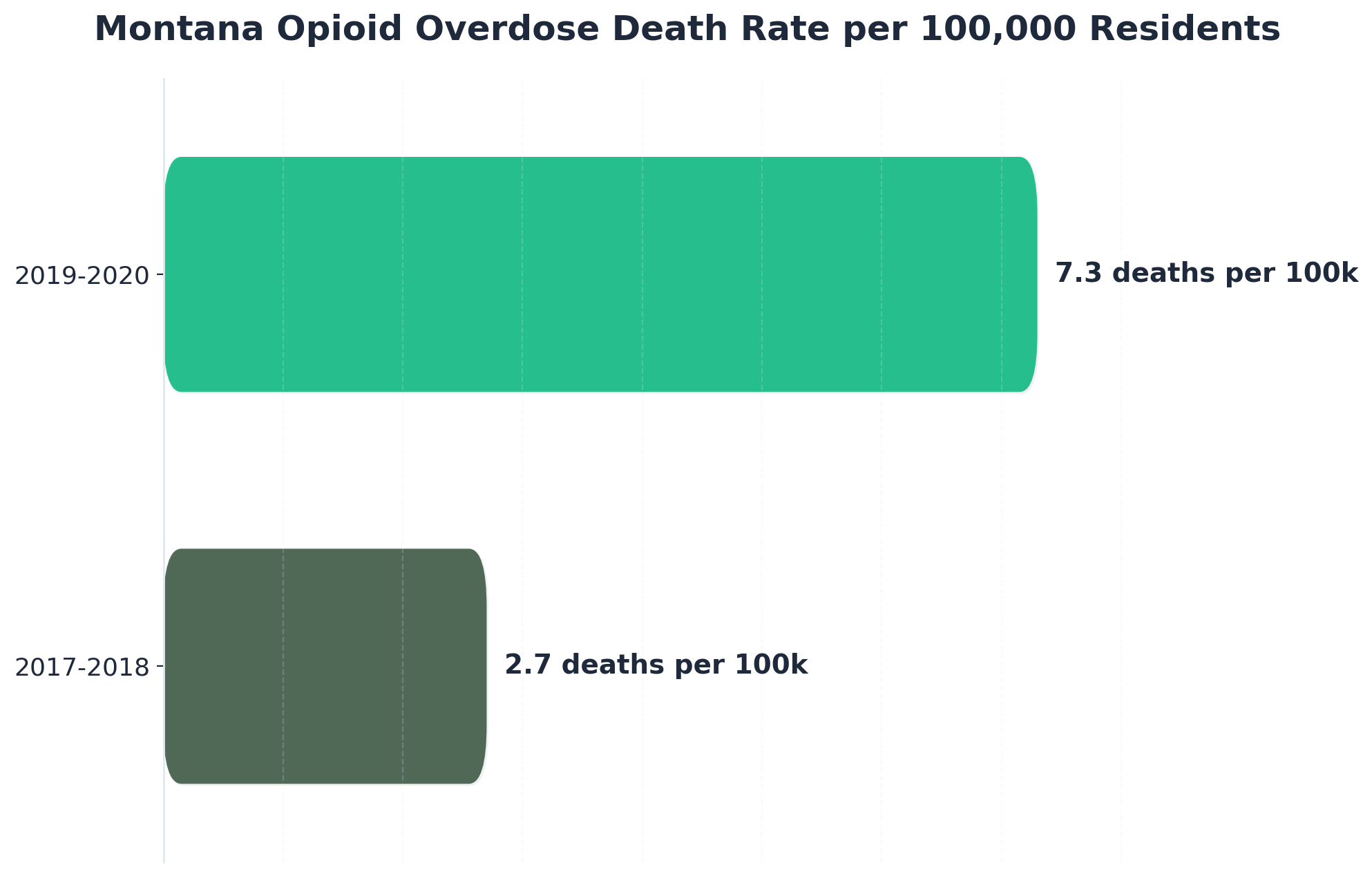
| Time Period | Montana Opioid Overdose Death Rate (per 100,000 Residents) |
|---|---|
| 2017–2018 | 2.7 deaths per 100,000 |
| 2019–2020 | 7.3 deaths per 100,000 |
Comparison of Montana’s opioid overdose death rate between two periods, showing a near-tripling. This is suitable for a bar chart comparing the two timeframes. The practical barriers go beyond just distance. Many rural Montana towns don’t have addiction treatment facilities at all, meaning your referrals need to reach regional hubs like Billings, Missoula, or Great Falls for consistent peer-based therapy sessions. When programs recommend meetings twice or three times weekly, you’re asking clients to manage long-distance travel alongside work schedules, family responsibilities, and the physical demands of rural life—challenges that often derail outpatient treatment before it really begins.
Internet connectivity adds another layer of difficulty to your service coordination. While virtual peer support has expanded access across the state, spotty broadband in rural areas makes online participation frustrating or impossible for many clients. Sessions drop mid-conversation, audio quality suffers, and the connection that makes shared recovery experiences effective gets lost in technical difficulties you can’t control from your end.
The reality is that residential treatment programs offer a solution to these access hurdles you navigate daily. When clients commit to 30, 60, or 90 days at an inpatient facility, the transportation barrier disappears entirely. They attend daily therapeutic sessions with peers without the complications of road conditions, gas costs, or whether they can make it home before dark. This concentrated approach means they’re building recovery skills and community connections during their stay, then transitioning to continuing care options that might include virtual peer support once they’re back in your community.
For professionals serving rural Montanans, this model addresses the geographic isolation that makes outpatient referrals so challenging. Your clients aren’t forced to choose between their recovery and the practical demands of rural life—they step into a structured environment where shared therapeutic work happens consistently, alongside individual counseling and other therapeutic activities. That foundation becomes crucial when they return to communities where your ongoing local support options might be limited.
Group Formats Inside Residential Programs
Process Groups, 12-Step, and Equine Sessions
Process groups, 12-step meetings, and equine therapy sessions are the backbone of group counseling MT inside residential programs—and each brings something distinct to your clients’ journey. Process groups are where clients can safely share, listen, and work through personal challenges together under the guidance of a licensed addiction counselor. These sessions build trust and resilience, especially important in Montana’s rural settings, where open conversations often don’t come easily.
12-step groups, such as Alcoholics Anonymous or Narcotics Anonymous meetings, are common in both urban centers like Great Falls and in smaller facilities across the Bitterroot. Their structure offers consistency and peer support rooted deeply in Montana’s community values. Many programs schedule daily or near-daily 12-step sessions, reflecting state-level requirements for frequent, structured group interaction as part of ASAM Level 3.5 residential care.1,6
Equine therapy sessions—unique in Montana’s treatment landscape—give participants a chance to connect with horses and the outdoors, adding a hands-on, experiential layer to group counseling MT. This approach resonates with many Montanans, offering a sense of calm and connection to place that can’t be replicated in a classroom or meeting room.
Next, we’ll look at how family involvement and virtual continuing care groups round out the picture for sustained recovery.
Family Week and Continuing Care Zoom Groups
Family involvement and ongoing support are powerful forces in Montana’s residential treatment landscape. Family Week is a dedicated time when loved ones join group counseling MT sessions on-site, participating in education, open discussions, and skill-building together. This approach honors Montana’s strong family values and acknowledges the reality that recovery ripples through entire households, not just individuals. Facilities from Great Falls to the Bitterroot often design Family Week to help rebuild trust, improve communication, and offer practical tools for aftercare—all under the guidance of licensed addiction counselors, as required by state law.1,2
Once the residential stay ends, continuing care Zoom groups step in to bridge the gap between structured treatment and independent life. These virtual sessions help rural Montanans stay connected to their recovery community—even when travel or weather makes in-person meetings tough. State policy now encourages the inclusion of virtual aftercare in discharge planning, in line with ASAM recommendations for ongoing support.6 Every time you help a family engage or keep a client coming back to their online group, you’re building resilience and reducing the risk of relapse.
As we look ahead, it’s just as important to understand the financial realities that shape access to group counseling across Montana.
Paying for Group Counseling in Montana
Navigating insurance verification and financial coordination for group therapy clients in Montana requires understanding both coverage nuances and the practical realities your clients face. When you’re helping someone access residential treatment that includes intensive group work, the financial piece often determines whether they can actually engage in the care you’re recommending.
Most residential programs in Montana that offer therapeutic group counseling work with commercial insurance, but coverage varies significantly by carrier and plan. When coordinating care, verify specifics about group therapy sessions within residential settings—some plans categorize these differently than outpatient group work. Pre-authorization requirements differ substantially, and understanding whether your client’s plan treats residential group counseling as part of the daily rate or as separate billable services affects their out-of-pocket exposure. For clients with high-deductible plans, the residential component may apply differently than the therapeutic services embedded within it.
Montana Medicaid currently presents challenges for residential placement. Many established residential facilities don’t participate in Medicaid networks, which limits options when you’re working with clients who rely on state coverage. This creates a coordination gap you’ll likely encounter regularly—clients who need residential-level care with daily group therapy but whose coverage restricts them to outpatient options or facilities with long waiting lists.
State-funded treatment through the Department of Public Health and Human Services offers an alternative pathway, though capacity constraints mean you’re often looking at extended wait times. County mental health centers provide some group therapy access on sliding scales, but these typically serve outpatient needs rather than the residential structure some clients require. Understanding which community health organizations offer reduced-cost group work helps you create interim plans while clients wait for residential placement.
When residential treatment isn’t immediately accessible due to financial barriers, you’re weighing the clinical risk of delayed care against the practical reality of what’s available. The cost-benefit discussion with clients and families becomes part of your care coordination—helping them understand that while residential treatment represents a significant expense, the alternative often involves repeated crisis interventions, legal complications, and medical costs that accumulate over time.
Most residential centers employ admissions counselors who handle insurance verification and can outline payment arrangements, sliding scale options, or facility-specific financial assistance programs. When you’re making referrals, connecting your client directly with these financial coordinators streamlines the process. They’ll walk through benefit details you may not have access to and can often identify coverage or assistance options that aren’t immediately obvious. Building relationships with admissions teams at facilities you refer to regularly makes this coordination more efficient for everyone involved.
Your Next Step Toward Connected Recovery
You’ve taken the time to understand how therapeutic groups work and what they cost—that’s a meaningful step for the clients you serve. As a professional in this field, you know that selecting the right treatment partner can shape the trajectory of recovery for those you refer.
If you’re looking for a residential treatment partner in Montana that offers personal attention and collaborative care coordination, Rocky Mountain Treatment Center in Great Falls provides 30, 60, and 90-day programs combining individual counseling, peer support sessions, equine therapy, and 12-step support. With a 26-bed facility where most staff members have lived recovery experience themselves, clients receive individualized care in a setting that emphasizes connection. The center also offers continuing care through Zoom groups after program completion and works with most major insurance providers to help make treatment accessible for your clients.
Strong referral partnerships are built on communication and shared commitment to client outcomes. When you’re ready to discuss how Rocky Mountain can support the individuals you serve, reach out to start a conversation about collaboration and care coordination.
Frequently Asked Questions
Can I join a group counseling program if I live hours from the nearest treatment center?
Absolutely—you can join a group counseling MT program even if you live hours from the nearest treatment center. Montana’s rural recovery network has adapted with flexible solutions: many providers now offer Zoom-based groups, rotating in-person sessions in small towns, and partnerships with local community centers or schools when travel is tough. SAMHSA block grants have helped fund mobile units and virtual care, closing the gap for residents in the Hi-Line, Panhandle, or eastern plains. Even with patchy broadband, creative scheduling and hybrid models make it possible to stay engaged in group counseling MT without sacrificing connection to your local recovery community.8,9
How does Montana drug court connect with group counseling options?
Montana drug courts play a direct role in connecting participants with group counseling MT services. When someone enters drug court, the program typically requires regular attendance at group counseling as a condition of participation. These sessions—led by licensed addiction counselors—are designed to support behavioral change and reduce recidivism by fostering accountability and peer connection. With 31 drug courts operating statewide, including in regions like Billings and the Hi-Line, these programs have become a key referral source for both outpatient and residential group counseling options. Your guidance helps clients fulfill court requirements while they build skills and relationships essential to lasting recovery.7
What size are group counseling sessions in Montana residential facilities?
In Montana residential facilities, group counseling MT sessions are typically limited to a maximum of 12 clients per counselor, as required by state regulations. Many treatment centers intentionally keep groups smaller—sometimes 6 to 10 participants—to encourage deeper connection and ensure everyone’s voice is heard. This focus on close-knit interaction reflects Montana’s commitment to personal attention, especially important in rural communities where trust and support make all the difference. All groups are led by licensed addiction counselors as part of a skilled interdisciplinary team, meeting DPHHS and ASAM guidelines for safety and effectiveness.1,6
Are virtual group counseling sessions accepted as part of Montana treatment plans?
Yes, virtual group counseling MT sessions are recognized and accepted as part of Montana treatment plans. State policy has evolved in recent years to encourage the use of Zoom-based groups, especially for rural residents who face travel barriers or inconsistent weather. Facilities are now expected to include virtual group options in continuing care and discharge planning, aligning with ASAM recommendations for ongoing support. This flexibility helps keep clients connected to the recovery community from the Hi-Line to the Bitterroot, even when in-person attendance isn’t practical. Your dedication to adapting these tools makes a real difference for long-term engagement.6
What credentials should the person leading my group counseling session hold?
In Montana, anyone leading your group counseling MT session must be a Licensed Addiction Counselor (LAC). That means they’ve completed at least an associate degree, taken specific coursework in group counseling, and passed a state exam—all requirements set by the Department of Public Health and Human Services. LACs are also part of interdisciplinary teams, so your group leader may collaborate with nurses, mental health professionals, or peer support staff as needed. These credentials protect the professionalism and safety of group sessions, ensuring you and your community receive care that meets Montana’s high standards.1,2
How has Montana’s overdose crisis changed access to group counseling services?
Montana’s overdose crisis has driven a huge shift in access to group counseling MT services. As overdose deaths nearly tripled between 2017 and 2020—from 2.7 to 7.3 per 100,000 residents—state agencies responded by expanding funding, building more group programs, and encouraging flexible formats like Zoom sessions for rural areas. This crisis made it clear that group counseling can’t be a one-size-fits-all solution. Now, more mobile units and hybrid models reach the Hi-Line, Panhandle, and remote plains than ever before. Every adjustment—no matter how small—helps you keep clients connected and supported, even as the landscape of need keeps changing.4,9
Can family members participate in group counseling during my treatment stay?
Yes—family members can participate in group counseling MT sessions during your treatment stay, thanks to Montana’s emphasis on whole-family healing. Most residential programs offer a Family Week, when loved ones join you on-site for group counseling, education, and skill-building activities. This approach recognizes that recovery is stronger when family bonds are repaired and everyone learns new communication skills together. State regulations require these groups to be facilitated by licensed addiction counselors, ensuring a safe and respectful environment for all participants. Your commitment to involving families gives clients extra support and helps reduce the risk of relapse once they return home.1,2
References
- Rules for Substance Use Disorder Facility. https://dphhs.mt.gov/assets/oig/Rules_for_Substance_use_Disorder_Facility.pdf
- 37-39-310. Addiction counseling license required — qualifications. https://archive.legmt.gov/bills/mca/title_0370/chapter_0390/part_0030/section_0100/0370-0390-0030-0100.html
- State Health Officials Report Significant Increase in Overdoses. https://dphhs.mt.gov/news/2025/April/SignificantIncreaseinOverdoses
- Drug Poisoning Deaths in Montana, 2009-2020. https://dphhs.mt.gov/assets/publichealth/EMSTS/opioids/DrugPoisoningDeaths22.pdf
- MCA — October 2019 – Professional Boards & Licensing. https://boards.bsd.dli.mt.gov/_docs/mca/2019-MCA-Title-37-Ch-35-BBH—Addiction-Counselors.pdf
- Montana Summary — State Residential Treatment for Behavioral Health Conditions. https://aspe.hhs.gov/sites/default/files/2021-08/StateBHCond-Montana.pdf
- Montana Treatment Courts. https://courts.mt.gov/courts/treatment/
- Behavioral Health System for Future Generations Commission Report. https://dphhs.mt.gov/assets/FutureGenerations/BHSFGCommissionFinalReport.pdf
- Substance Use and Mental Health Block Grants. https://www.samhsa.gov/grants/block-grants
- Montana Opioid Summary. https://nida.nih.gov/sites/default/files/21967-montana-opioid-summary.pdf
- Mont. Admin. r. 37.106.1468 – OUTPATIENT SUBSTANCE USE DISORDER FACILITY. https://www.law.cornell.edu/regulations/montana/Mont-Admin-r-37.106.1468