
Key Takeaways
- Federal regulation 42 CFR Part 2 prevents licensed treatment programs from disclosing your patient status to employers, boards, or family without written consent, with the 2024 final rule preserving these core protections.1,2
- Match the level of care to your role: residential treatment removes work triggers during stabilization, while PHP, IOP, and standard outpatient offer decreasing intensity for those balancing professional duties.5
- Look for evidence-based methods including CBT, Motivational Interviewing, and Medication-Assisted Treatment, alongside integrated care for co-occurring anxiety, depression, or trauma rather than post-discharge referrals.5,11
- Treat a partner’s ultimatum as a signal to take the next step, not to decide your whole future, using confidential intake calls or SAMHSA’s helpline to explore options.3,8
- Interview programs on confidentiality practices, monitoring coordination, integrated psychiatry, evidence-based therapies, continuing care timelines, and staff experience before committing.1,13
- Plan re-entry as a gradual transition with weekly therapy, recovery groups, medication management, and scheduled check-ins through the first year after discharge..13,12
Navigating Substance Use Treatment as a Professional
Many professionals find themselves in a challenging situation, quietly grappling with substance use concerns while maintaining demanding careers. The fear of exposure and potential career repercussions can be overwhelming. However, it’s important to know that you are not alone. A significant portion of adults with substance use disorders are employed, demonstrating that this challenge affects individuals across all professions. Confidential and effective paths to care exist, designed specifically for those whose careers depend on discretion. Federal laws and dedicated clinicians support these confidential addiction treatment for professionals options.
This guide will explore how confidentiality is maintained, the various levels of care available to fit your professional life, and how to access support without jeopardizing your career.
Understanding Confidentiality Under Federal Law
42 CFR Part 2: Protecting Your Privacy in Treatment
A critical federal regulation, 42 CFR Part 2, is specifically designed to protect the privacy of individuals seeking treatment for substance use disorders. This regulation is even stricter than HIPAA, ensuring that your decision to seek help remains confidential. Under Part 2, a licensed substance use treatment program cannot disclose your patient status to anyone—including your employer, spouse, credentialing office, or colleagues—without your explicit written consent. This consent must specify who can receive what information and for what purpose.1
You have the power to grant and revoke consent for information sharing. For instance, you can authorize a release for your spouse, a therapist, or an attorney assisting with leave arrangements. This robust protection aims to alleviate the fear of discrimination, which is a primary reason many professionals delay seeking necessary treatment.10Impact of the 2024 Final Rule on Confidentiality
On February 8, 2024, the Department of Health and Human Services updated 42 CFR Part 2 with a final rule. The main change allows for smoother information exchange between healthcare providers who are actively treating you, provided you give written consent. This consent can now be a single, ongoing permission rather than requiring a new signature for each interaction.2
For professionals, this means better coordination of care if you choose to involve your primary care doctor or psychiatrist with your treatment team. One signed consent can cover treatment, payment, and healthcare operations moving forward. Crucially, the core protection against unauthorized disclosure to employers, licensing boards, or courts remains unchanged. The 2024 rule modernized the process of sharing information among your treatment providers but did not weaken the fundamental confidentiality safeguards that protect your career.2
When considering a program, inquire about their implementation of the 2024 changes to ensure they maintain the highest standards of privacy.
Voluntary vs. Mandated Disclosure: Licensing Boards and EAPs
The level of disclosure can vary depending on how you enter treatment. If you voluntarily seek help, your treatment records are protected. The program cannot contact your medical board, bar association, or other licensing bodies.1
However, if a licensing board is already involved—perhaps due to a report or a positive test—your physician health program, lawyer assistance program, or pilot peer program may require progress reports from the treatment center as a condition of maintaining your license. This is a mandated disclosure, which you authorize in writing when you enroll in the monitoring program. You have the right to review exactly what information is shared and how often.
Employee Assistance Programs (EAPs) offer another avenue for support. While EAP referrals are generally voluntary and confidential to your employer, it’s essential to understand their specific policies regarding sharing attendance or completion data with HR. To maintain maximum control over your information, voluntary self-referral is often the best approach. If a board or employer is already involved, you can still define the scope of shared information. For confidential guidance, SAMHSA’s 24/7 helpline is available.3Matching Treatment to Your Professional Life
Residential Treatment: A Strategic Choice for Professionals
While outpatient care might seem like the obvious choice for a busy professional, residential treatment can often be a more efficient and effective path to recovery and a stable return to work. Attempting to detox and stabilize while managing demanding professional responsibilities—such as being on call, prescribing medications, or operating complex equipment—can be counterproductive. The constant presence of work-related triggers and stressors can hinder progress and increase the risk of relapse.
A 30-day residential stay provides a structured environment where medical withdrawal is managed, and external distractions are minimized. This allows you to fully engage in the therapeutic process. The Surgeon General’s perspective on severe substance use disorders as a chronic illness highlights the importance of treating the acute phase in a controlled setting before transitioning to lower levels of care. Residential treatment also simplifies the “cover story” for your absence; “medical leave” is a clear and sufficient explanation, avoiding the need for ongoing excuses for missed meetings.5
Outpatient Options: PHP, IOP, and Standard Outpatient
If residential treatment isn’t feasible, a range of outpatient options offers flexibility while providing structured support. Each level balances intensity with the ability to maintain some work responsibilities:4,5
- Partial Hospitalization Programs (PHP): Often called day treatment, PHP involves 5–6 hours of clinical care, five days a week, for two to four weeks. You return home each night but spend your days in group therapy, individual sessions, and medical check-ins. While not fully residential, it requires a significant time commitment, making full-time work challenging during this period.
- Intensive Outpatient Programs (IOP): IOP typically involves three sessions per week, each lasting three hours, often scheduled in the early morning or evening. Many individuals continue working during IOP, though the initial adjustment can be demanding. This level of care is suitable for those with predictable work schedules, but less so for roles with unpredictable call or extensive travel.
- Standard Outpatient: This involves one to two appointments per week, which may include therapy, medication management, or recovery groups. Standard outpatient is generally a step-down level of care, appropriate for individuals who have already completed more intensive treatment or whose substance use is in its very early stages and not significantly impacting work.
When choosing an outpatient program, consider your professional demands. For those with high-stakes roles or licensing board involvement, PHP or IOP can provide the necessary structure and documentation of progress. Rocky Mountain Treatment Center offers various outpatient programs designed to integrate with your professional life, ensuring you receive comprehensive care without unnecessary disruption.
Navigating HR: FMLA and Short-Term Disability
Managing the logistics of taking time off for treatment can seem daunting, but you have more protections than you might realize. The Family and Medical Leave Act (FMLA) allows eligible employees (those at companies with 50+ employees, employed for at least a year) up to 12 weeks of job-protected leave for a serious health condition, which includes substance use disorder when treated by a healthcare provider. You are not required to disclose your specific diagnosis to HR or your manager. Instead, you inform them you have a medical issue and are requesting FMLA. Your healthcare provider completes the certification form, describing the condition in clinical terms without revealing the diagnosis.
Short-term disability benefits can often run concurrently with FMLA, providing a portion of your income during your leave. It’s advisable to check your benefits portal or contact the carrier directly for details, rather than discussing it with your manager. A simple statement like, “I’m dealing with a medical issue and will be out on FMLA starting [date]. My provider will send the paperwork,” is sufficient. SAMHSA’s workplace resources offer guidance for both employees and employers on navigating leave and return-to-work processes while respecting privacy.12
Effective Therapies for Lasting Recovery
Evidence-Based Approaches: CBT, Motivational Interviewing, and MAT
When evaluating treatment programs, focus on the clinical efficacy of their methods. Credible treatment plans consistently incorporate Cognitive Behavioral Therapy (CBT), Motivational Interviewing, and Medication-Assisted Treatment (MAT).
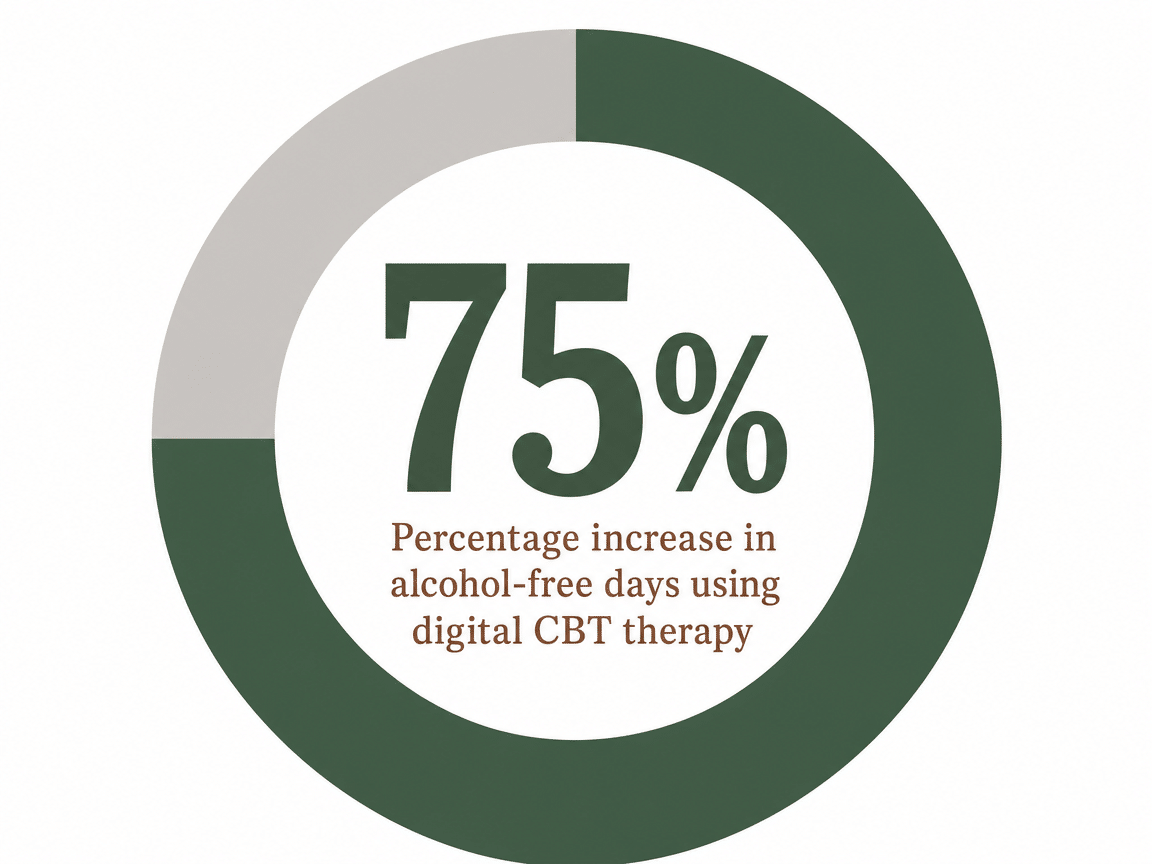
CBT is a practical therapy that helps you identify and change negative thought patterns and behaviors linked to substance use. It teaches you to recognize triggers and develop healthier coping mechanisms, providing structured skill-building for real-world application. For example, an NIH-supported trial demonstrated that a digital CBT tool, when added to standard treatment for alcohol use disorder, significantly increased alcohol-free days. This highlights CBT’s effectiveness in supporting recovery.7
Motivational Interviewing complements CBT by employing a conversational style that helps you explore and resolve ambivalence about change, fostering intrinsic motivation. Medication-Assisted Treatment (MAT), which includes medications like naltrexone, buprenorphine, and acamprosate, is a vital component, particularly for opioid and alcohol use disorders, and is recognized as genuinely lifesaving. When inquiring about programs, ask about their specific MAT offerings and who manages these medications.5
Integrated Treatment for Co-Occurring Conditions
Many professionals recognize that their substance use is often intertwined with underlying mental health challenges such as anxiety, depression, or trauma. This connection is not imagined; co-occurring substance use disorders and mental health conditions are common, and treating one without addressing the other significantly increases the risk of relapse. Research from the National Institute of Mental Health (NIMH) supports an integrated approach: addiction and mental health conditions should be treated simultaneously by the same team within a unified plan.11
When contacting a program, ask directly about their capacity to treat both your substance use and any co-occurring mental health conditions. A comprehensive program will offer psychiatric assessment early in treatment, provide medication management if needed, and integrate trauma-informed therapy alongside substance use work. A program that refers you to an outside therapist after discharge for mental health issues may not be providing the integrated care necessary for holistic recovery. Rocky Mountain Treatment Center understands the complexity of co-occurring disorders and offers integrated care to address all aspects of your well-being.
Holistic Elements: Beyond Traditional Therapy
While often perceived as amenities, holistic therapies like equine therapy, hiking, nutrition, and family week are integral to comprehensive treatment. These elements provide clinical benefits that extend beyond traditional talk therapy. Recovery requires a multidisciplinary approach because the risk of relapse is high, and the work must encompass how you live your daily life, not just what happens in a therapy session. This means relearning how to eat, sleep, move, connect, and regulate emotions without relying on substances.8
Equine therapy, for example, offers immediate, non-judgmental feedback, helping you develop self-awareness and communication skills. Recreational therapies, such as hiking, can help retrain your nervous system to find calm naturally. Nutrition therapy addresses the physical toll of substance use, supporting overall well-being. Family week, a structured program involving loved ones, helps repair relationships strained by substance use, which is a crucial part of the healing process. These components are not mere add-ons but essential elements that reinforce the effectiveness of talk therapy and support long-term recovery.
Addressing Ultimatums and Partner Involvement
For many professionals, the decision to seek treatment is often prompted by a loved one’s ultimatum. Phrases like, “If you don’t get help, I’m leaving,” or “The kids can’t watch this anymore,” can be a powerful catalyst. This doesn’t signify weakness; it reflects a human response to a critical moment. An ultimatum from a partner often indicates that they still want you in their life and are urging you to choose a different path.
It’s important to remember that you don’t have to decide your entire future today, but you do need to take the next immediate steps. A confidential call to SAMHSA’s 24/7 helpline can provide options without commitment 3. Similarly, an intake call to a program specializing in professionals can offer valuable information.
Involving your partner in the conversation early can be beneficial. Inquire about family week programs or structured family sessions, as rebuilding these relationships is a clinical component of recovery, not just a personal matter. An ultimatum, when handled constructively, can be the beginning of a healthier, more fulfilling relationship for everyone involved.8
Key Questions to Ask Before Committing to Treatment
When choosing a treatment program, remember that you are interviewing them as much as they are interviewing you. This decision impacts your life and career, so ask specific, probing questions:
- Confidentiality Practices: How does the program handle 42 CFR Part 2 in practice? They should clearly explain their release procedures, how they manage inquiries from employers or boards, and their implementation of the 2024 final rule changes.1,2
- Professional Monitoring Coordination: Do they coordinate with physician health programs, lawyer assistance programs, or pilot peer groups? If a board is already involved, you need a team experienced in these specific protocols.
- Integrated Mental Health Care: Is there a psychiatrist on staff who can treat co-occurring anxiety, depression, or trauma alongside substance use? Look for integrated care, not just a referral after discharge.11
- Evidence-Based Therapies: What evidence-based therapies are part of the daily schedule? Listen for specific mentions of CBT, Motivational Interviewing, and Medication-Assisted Treatment.5,9
- Continuing Care Plan: What does continuing care look like at 30, 60, 90, 180, and 365 days post-discharge? Recovery is a multi-stage process, and a comprehensive plan for long-term support is essential.13
- Staff Experience: What is the staff’s lived experience with recovery? Counselors who have personal experience often provide a deeper understanding and can help navigate shame more effectively.
If a program provides vague answers to these critical questions, it’s a red flag. Rocky Mountain Treatment Center is transparent about its practices and committed to providing clear, specific answers to ensure you feel confident in your choice.
Successful Re-entry: Returning to Work After Treatment
Returning to work after treatment is a crucial phase that requires careful planning and continued support. It’s not a finish line but a new chapter that demands the same dedication you applied during treatment. Many individuals falter during re-entry because they view it as an abrupt switch rather than a gradual transition.
A robust continuing care plan is essential before you leave the program. This plan should include elements like weekly therapy, consistent attendance at recovery groups, medication management if applicable, and scheduled check-ins at regular intervals (e.g., 30, 60, 90, 180, and 365 days). Recovery is a multi-stage process, and sustained well-being often depends on treating the year after discharge as an integral part of the recovery journey.13,5
Coordinate practical aspects of your return. If a physician health program, lawyer assistance program, or peer monitoring group is involved, your treatment team can provide agreed-upon progress reports without disclosing additional information. SAMHSA’s workplace resources can assist you and your employer in crafting a return-to-work plan that protects your professional role while respecting your privacy.12,9
Upon returning, prioritize self-care. Protect your sleep, scheduled meetings, and designated “phone-off” hours as if they are part of your job description—because, in this phase, they are. Rocky Mountain Treatment Center integrates this long-term perspective into its care from day one, ensuring the progress you make in treatment continues to support you in your professional life.
Frequently Asked Questions
Will my employer find out I’m in treatment?
Will going to treatment end up on my professional license?
Can I keep my phone and laptop during residential treatment?
Policies vary by program, and the answer matters more than you’d think. Most residential programs limit phone access during the first week to help you settle into care, then allow scheduled use. If you have legitimate work obligations — a case to hand off, a partner to brief — ask the intake coordinator directly. A good program will work with you on a structured plan rather than refuse outright.
What do I tell my team or clients when I’m gone for 30 days?
If my spouse is giving me an ultimatum, do I have to decide today?
What if I’m not sure my drinking or use is ‘bad enough’ for residential care?
References
- 42 CFR Part 2 — Confidentiality of Substance Use Disorder Patient Records. https://www.ecfr.gov/current/title-42/chapter-I/subchapter-A/part-2
- Fact Sheet 42 CFR Part 2 Final Rule – HHS.gov. https://www.hhs.gov/hipaa/for-professionals/regulatory-initiatives/fact-sheet-42-cfr-part-2-final-rule/index.html
- National Helpline for Mental Health, Drug, Alcohol Issues – SAMHSA. https://www.samhsa.gov/find-help/helplines/national-helpline
- Center for Substance Abuse Treatment – SAMHSA. https://www.samhsa.gov/about/offices-centers/csat
- VISION FOR THE FUTURE: A PUBLIC HEALTH APPROACH – NCBI. https://www.ncbi.nlm.nih.gov/books/NBK424861/
- Workplace Supported Recovery | Substance Use and Work | CDC. https://www.cdc.gov/niosh/substance-use/workplace-supported-recovery/index.html
- Treating addiction | National Institutes of Health (NIH). https://www.nih.gov/news-events/nih-research-matters/treating-addiction
- The role of occupational therapy in substance use – PMC – NIH. https://pmc.ncbi.nlm.nih.gov/articles/PMC10472932/
- Evidence-Based Practices Resource Center – SAMHSA. https://www.samhsa.gov/libraries/evidence-based-practices-resource-center
- Understanding Confidentiality of Substance Use Disorder (SUD) Patient Records. https://www.hhs.gov/hipaa/part-2/index.html
- Finding Help for Co-Occurring Substance Use and Mental Disorders. https://www.nimh.nih.gov/health/topics/substance-use-and-mental-health
- SAMHSA Drug-Free Workplace Toolkit – Prevention Learning Portal. https://plp.psu.edu/samhsa-drug-free-workplace-toolkit
- Addiction Recovery: A Systematized Review – PMC. https://pmc.ncbi.nlm.nih.gov/articles/PMC7215253/