Executive Summary for Rural Professionals
If you are evaluating treatment options for a client or community member, use this quick decision guide:- Assess the Need: Does the individual require medically monitored detox before entering a 30-day residential phase? Ensure the facility offers both to prevent transfer gaps.
- Verify the License: Confirm the facility meets Montana Administrative Rules (ARM 37.106) for staffing ratios and clinical credentials.
- Check the Aftercare: For rural residents, verify that the program offers virtual alumni support or Zoom group therapy to bridge the distance post-discharge.
- Immediate Action: If a client is ready now, prioritize facilities with same-day admission and transportation assistance to mitigate the “window of willingness” closing.
Navigating a 30-Day Intensive Inpatient Program MT for Your Needs
Why 92% of Montanans Skip Treatment
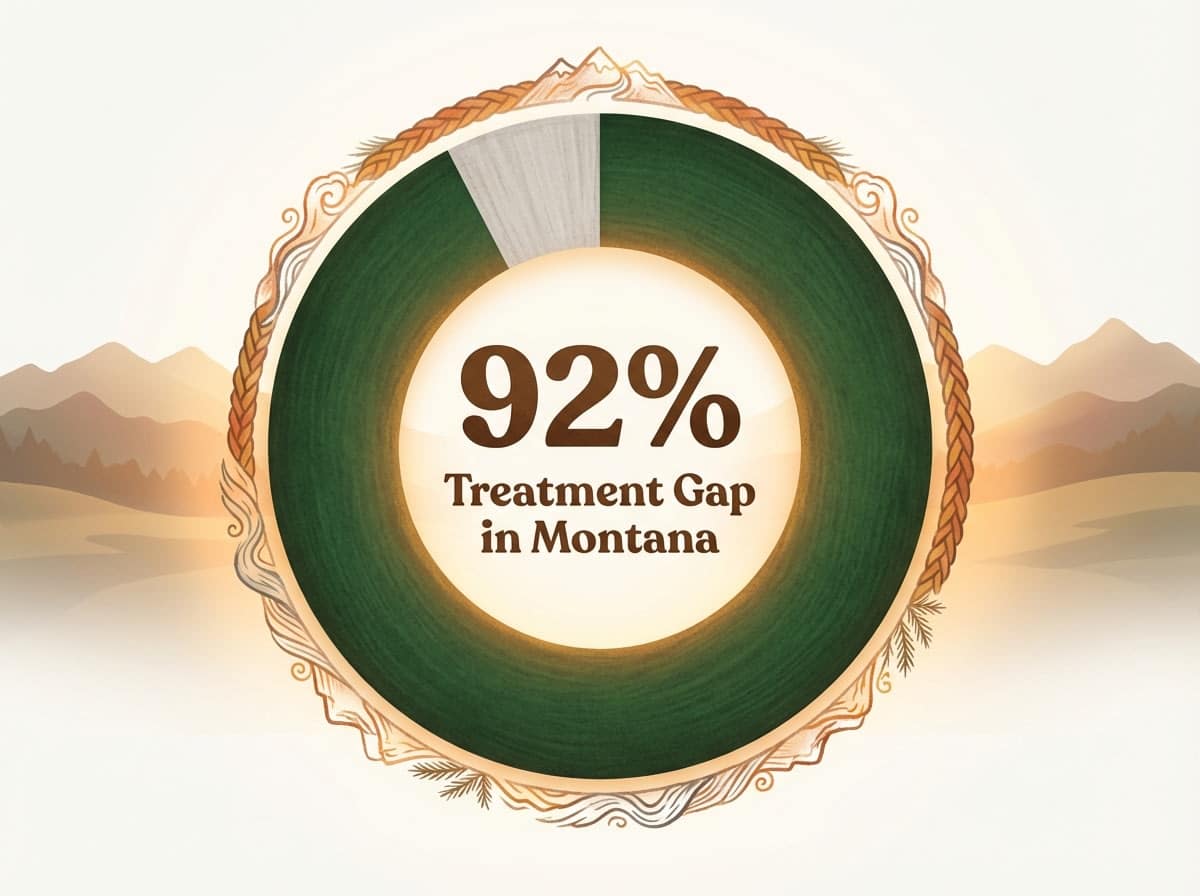
When you look around Montana—from the Hi-Line to the heart of Great Falls—it’s hard not to feel the weight of the treatment gap. Finding a 30-day intensive inpatient program mt residents trust is critical because nearly 92% of Montanans living with substance use disorders aren’t getting the help they need, despite the presence of evidence-based resources in our state.1
“This isn’t just a number—it’s a story of hardworking neighbors and families who want support, yet run into real barriers.”
For rural professionals like you, the challenges are about more than distance. In many counties, there simply aren’t any detox or intensive inpatient beds, leaving 82% of rural residents without access to crucial early intervention. Even in larger communities like Billings or Missoula, stigma and privacy concerns make seeking care feel risky.7
You know these hurdles well: long travel times, lack of anonymity, and the difficulty of stepping away from work and family for even 30 days. It’s normal to feel frustrated or discouraged when the odds seem stacked against your clients and your community. But every connection to a 30-day intensive inpatient program MT offers is a chance to change that story. Next, let’s explore what actually makes these 30-day programs work for Montanans facing these unique challenges.
What Makes 30-Day Programs Effective
You already know how critical it is for Montanans—especially those from small towns and the Hi-Line—to have treatment that truly fits their lives, not just a generic solution. What sets a 30-day intensive inpatient program MT residents rely on apart? It is the specific combination of elements designed for our region:
- Structured Daily Routines: Re-establishing stability through predictable schedules.
- Evidence-Based Therapies: Utilizing proven clinical modalities like CBT and DBT.
- Community Connection: Fostering a peer environment that reflects Montana values of grit and resilience.
Research shows that even in rural states like ours, 30-day programs are most effective when they offer individualized care, family involvement, and peer support—core elements that boost engagement and long-term recovery rates. These programs work best when staff have deep roots in local recovery communities, helping clients feel understood and never alone.4,5
For many, the power of being immersed in a supportive, substance-free environment for 30 days allows for real breakthroughs, especially when holistic approaches like recreation and equine therapy are woven in. While longer stays can sometimes show higher retention, 30-day models remain a trusted and achievable first step for many Montanans balancing jobs, ranches, and family life. Next, let’s break down how Montana’s licensing standards ensure these programs meet the bar for safety, quality, and professionalism.9
State Licensing Standards You Deserve
ASAM Criteria & Clinical Qualifications
Meeting Montana’s licensing standards isn’t just a box to check—it’s the foundation for safe, ethical, and effective care. Every 30-day intensive inpatient program MT requires must align with the American Society of Addiction Medicine (ASAM) criteria, which sets clear expectations for clinical structure, individualized treatment, and medical oversight. For rural professionals, this means you can trust that a properly licensed facility has rigorous protocols in place, regardless of whether you’re supporting someone in Great Falls, the Billings area, or out in the Hi-Line.
| Credential Type | Role & Requirement | Impact on Client Care |
|---|---|---|
| LAC | Licensed Addiction Counselor | Ensures therapy is delivered by state-certified specialists. |
| LCSW / LCPC | Clinical Social Worker / Professional Counselor | Provides high-level mental health oversight and dual-diagnosis support. |
| Medical Staff | Nurses / Medical Directors | Required for medically monitored detox and medication management. |
Montana law (ARM 37.106) states that clinical directors must hold these credentials, ensuring leadership by highly qualified professionals. Treatment teams must be interdisciplinary—bringing together addiction counselors, mental health providers, and, often, peer recovery specialists. Every client receives an individualized plan within 24 hours of admission (for ASAM 3.7), which is reviewed and updated at least every three days. This statewide standard is especially meaningful for rural communities, where close-knit connections and trust are everything.2
You deserve the reassurance that a 30-day intensive inpatient program MT offers is rooted in quality and accountability, no matter how remote your location may be. Next, we’ll look at how Montana’s staffing ratios help programs deliver the kind of personal, attentive care that truly supports recovery.
Staffing Ratios That Enable Real Care
You know better than anyone that real healing takes more than just a treatment plan—it takes people who care, and enough of them to give each client their due. Montana’s licensing rules (ARM 37.106) require that a 30-day intensive inpatient program MT offers must maintain specific staff-to-client ratios, ensuring that no one slips through the cracks. For programs in Great Falls or out along the Hi-Line, this means round-the-clock supervision and meaningful access to licensed counselors, nurses, and peer support staff—not just in a crisis, but every day.2
When ratios are kept low, your clients get the kind of personal attention that’s so often missing in larger, urban settings. State standards mandate at least one staff member awake and on-site at all times for every 16 clients, with additional staff required for medical and therapeutic needs. Many Montana programs go beyond this, aiming for even smaller groups so clients from places like the Missouri River Valley or the Billings area find the small-town support they’re used to. Every step toward better ratios is a step toward real connection—and that’s where long-term recovery begins. Next, we’ll dig into the evidence-based components that set Montana’s programs apart.2
Evidence-Based Components That Work
Integrated Mental Health & Trauma Care
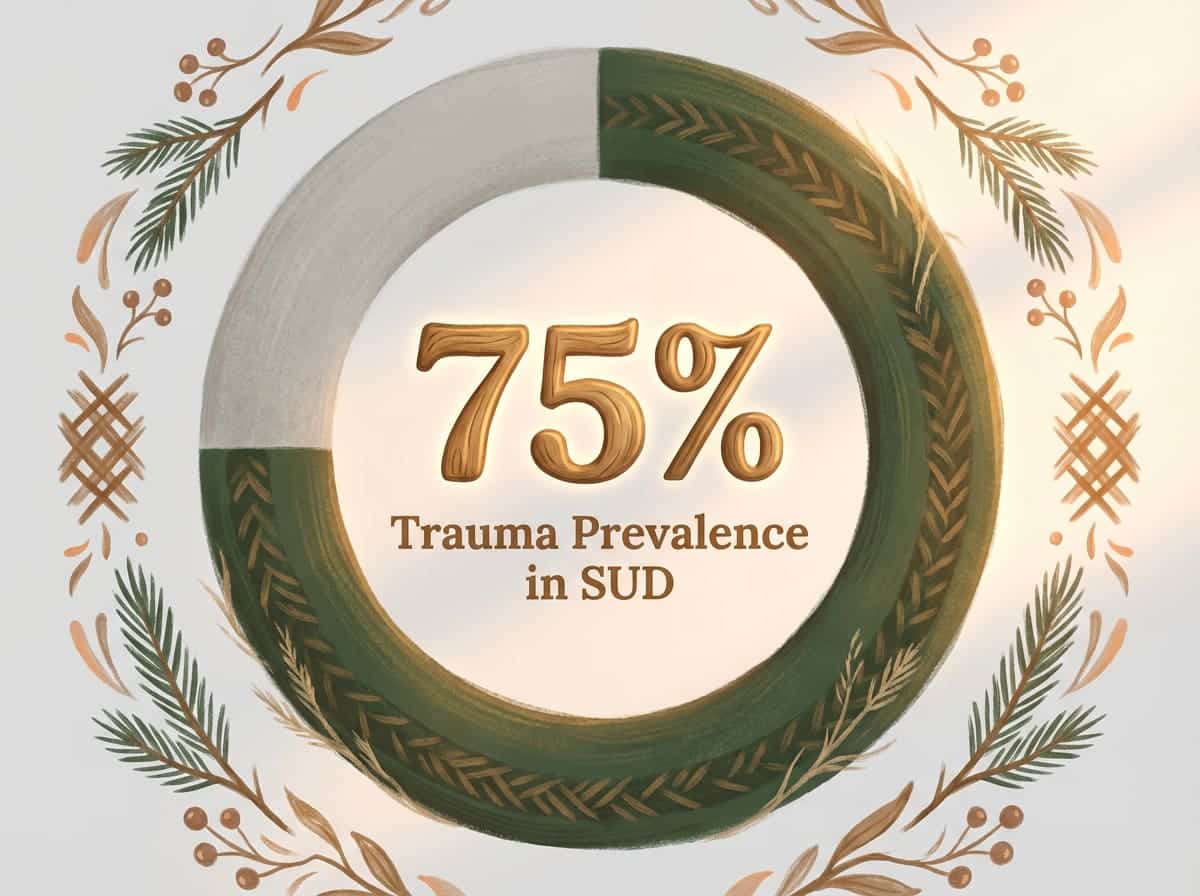
Integrated mental health and trauma care isn’t just a box to check in Montana—it’s a lifeline, especially for those of us supporting recovery in rural communities. You know that three out of four Montanans with substance use disorders have also lived through trauma, and nearly half of those with PTSD will experience addiction in their lifetime. That’s why the best 30-day intensive inpatient program MT offers are shifting toward trauma-informed, dual-diagnosis care.6
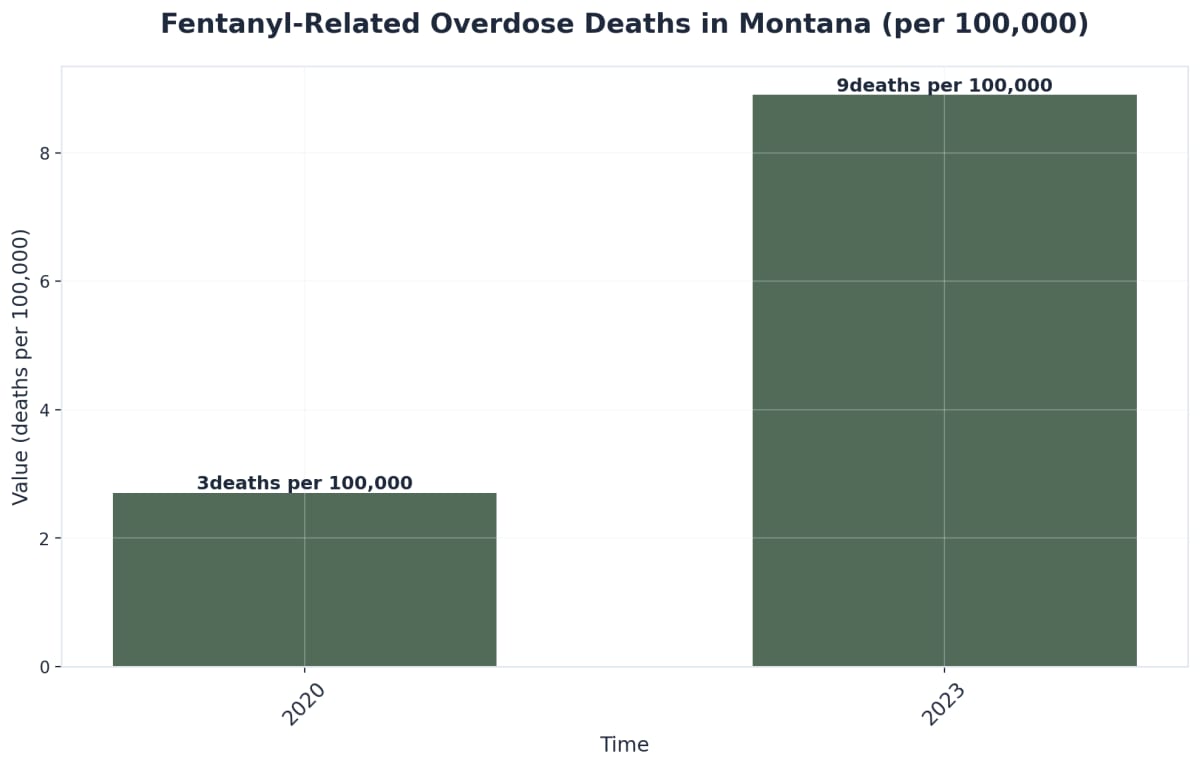
In Great Falls and across the state, facilities are weaving in screenings for depression, anxiety, and PTSD alongside substance use assessments. This is vital for our region, where methamphetamine and fentanyl rates are climbing and clients often carry deep losses or childhood adversity. Integrated care means your clients receive counseling that addresses the roots of their struggles, not just the symptoms. This typically involves:3,6,8
- Trauma-Informed Groups: Safe spaces to process past experiences without re-traumatization.
- Individualized Therapy: One-on-one sessions with licensed counselors.
- Medication Support: Access to psychiatric care if clinically indicated.
You’ve seen how bringing mental health and addiction care together helps clients feel truly understood and less alone, especially in tight-knit towns where stigma can silence people. Every step toward this holistic approach—whether through trauma groups, individualized therapy, or peer support—builds trust and hope for your community. Next, let’s celebrate the powerful role that family involvement and peer support play in Montana’s recovery journey.
Family Involvement & Peer Support Impact
Family involvement and peer support aren’t just nice bonuses—they’re the backbone of long-term recovery in Montana’s 30-day intensive inpatient program MT options. You see it every day: when family is welcomed into the process (even from a distance, using Zoom or phone calls), clients are more likely to enter treatment, stick with the program, and feel hopeful about their future. In fact, research shows that programs involving families increase treatment completion rates and cut substance use frequency—about three fewer weeks of use per year, on average.4
For rural Montanans, where extended family and close friends are part of daily life, that extra layer of support can mean everything. Peer support is just as critical. Whether it’s a 12-step group, recovery coach, or someone who’s walked a similar path, having peers involved leads to higher engagement and stronger connections—especially in places like Great Falls where community ties run deep.
“Studies confirm that peer-supported clients are 3x more likely to attend ongoing appointments after discharge and maintain abstinence.”5
Every time you help a client connect with a peer group or bring a family member into the circle, you’re building a network that makes relapse less likely and hope more sustainable. Next, we’ll dig into how these evidence-based practices are shaped by Montana’s unique rural realities and what solutions are working on the ground.
Rural Montana Realities & Solutions
Serving clients in rural Montana means navigating challenges that urban providers rarely encounter. Your community members might live hours from the nearest recovery meeting, and the tight-knit nature of small towns can make local treatment feel impossible—clients worry about confidentiality when everyone knows everyone. You’ve likely seen people delay seeking help simply because they can’t imagine accessing quality care without leaving the state or traveling to distant urban centers.
Here’s what’s working for many Montana professionals: regional residential programs in Great Falls that bridge the gap between intensive treatment and community connection. These facilities offer the clinical structure your clients need while keeping them close enough for family involvement and smoother transitions back home. When you refer someone to treatment that understands Big Sky Country, you’re setting up better continuity of care from the start.
The geographic isolation your clients experience requires treatment approaches that prepare them for rural realities. Effective programs equip people with practical skills for:
- Remote Recovery: Maintaining sobriety when the nearest support group is 50 miles away.
- Seasonal Employment: Managing triggers when work schedules fluctuate or winter isolation sets in.
- Small Town Dynamics: Navigating recovery in communities of 500 people where anonymity is difficult.
Regional residential programs with low client-to-staff ratios deliver the individualized attention that translates to better outcomes for your community members. Look for facilities offering comprehensive approaches—individual counseling, group therapy, and experiential options like equine therapy—that help clients process underlying trauma while building transferable coping skills. When treatment staff include people in long-term recovery themselves, that lived experience strengthens therapeutic relationships and models what’s possible.
Strong aftercare infrastructure makes the difference between successful transitions and revolving-door treatment. Weekly online group sessions keep your clients connected to their recovery community without requiring hours of travel. Alumni programming creates lasting peer networks among people who share Montana roots and understand rural recovery challenges. When you can refer clients to programs offering robust continuing support, you’re helping build the local recovery ecosystem your community needs for sustainable, long-term success.
Evaluating a 30-Day Intensive Inpatient Program MT
Great Falls & Central Montana Options
Great Falls and central Montana have become strongholds for quality addiction treatment, serving rural professionals and families who need the personal touch that only a small-town community can provide. In this region, you’ll find several 30-day intensive inpatient program mt options, but what sets local programs apart is their blend of evidence-based care, strong recovery networks, and genuine familiarity with rural challenges. Licensed facilities in Great Falls consistently meet Montana’s ASAM-based standards for clinical staffing and individualized treatment planning—so you know your clients are in safe hands.2
One regional success story comes from a Great Falls program where over 80% of staff are in recovery themselves, helping clients feel seen and understood. These programs integrate trauma-informed therapy, family involvement, and even equine-assisted activities—approaches that resonate with the area’s ranching culture and values of resilience. Transportation support, connection to peer groups, and robust aftercare are standard, answering rural concerns about isolation and continuity of care.7
When you evaluate programs across central Montana, look for those that offer small client-to-staff ratios, flexible programming, and active partnerships with local recovery resources. Every time you pair a client with a truly regional solution, you’re building hope right here at home. Next, we’ll answer your most pressing questions about 30-day treatment in Montana.
Frequently Asked Questions
Will my insurance cover a 30-day program in Montana?
Insurance coverage for a 30-day intensive inpatient program MT depends on your policy and the facility’s agreements with insurers. Most private insurance plans in Montana, including those through employer groups and the Health Insurance Marketplace, must cover substance use disorder treatment as an essential health benefit under the Affordable Care Act. However, the level of coverage—such as deductibles, coinsurance, or out-of-pocket maximums—can vary. Not all programs accept Medicaid or Medicare, so it’s important to verify with each facility. Many rural providers in Great Falls and beyond offer help navigating insurance questions, making the process less overwhelming for clients and professionals alike.1
What happens if I need to stay longer than 30 days?
Needing to stay longer than the initial 30 days in a 30-day intensive inpatient program MT is more common than folks admit, especially when you’re addressing deep-rooted trauma or co-occurring mental health issues. Montana programs often allow for extensions when clinically appropriate, with treatment teams updating the care plan based on each client’s progress and needs. Some clients benefit from a longer stay—research suggests that those who remain in residential treatment for at least 80 days see stronger recovery outcomes up to six months post-discharge. If you or your client needs more time, it’s absolutely okay to ask for an assessment and discuss options with the treatment team. Every extra day of support can make a difference.2,9
Can I bring medications for other health conditions into treatment?
Yes, you can bring prescription medications for other health conditions when entering a 30-day intensive inpatient program MT requires, but expect a careful review process. Montana’s state regulations mandate that all medications—whether for diabetes, heart health, or mental health—must be disclosed and documented during admission. Licensed nursing staff will securely store, manage, and administer these medications as prescribed to ensure safety and compliance. This protects both your clients and the facility, especially for controlled substances or medications with potential interactions. Being transparent about all prescribed meds helps the treatment team support whole-person wellness, so encourage clients to bring a current medication list and work with staff throughout their stay.2
How do I verify a Montana facility’s state licensing?
To verify a Montana facility’s state licensing for a 30-day intensive inpatient program MT requires, start by asking the program to provide its current license number and the name under which it’s registered. Licensed facilities must meet Montana Administrative Rules (ARM 37.106), which set standards for staffing, clinical care, and safety. For extra peace of mind, you can search the Montana Department of Public Health and Human Services (DPHHS) online database or call their Licensure Bureau directly to confirm a facility’s status. This step helps ensure your clients access a program that meets the state’s quality and accountability benchmarks.2
What if I live hours away from the nearest treatment center?
Living hours away from a treatment center is a real challenge in Montana, especially since 82% of rural residents are in counties without detox services. But you’re not alone in this. Many 30-day intensive inpatient program MT options offer solutions like complimentary transportation, flexible admissions, and virtual pre-admission assessments to help rural professionals and their clients bridge the gap. Aftercare planning often includes telehealth sessions or connections to local support groups, so progress continues once someone returns home. It’s okay to ask about travel help—Montana programs understand the realities of winter roads and long distances. Every mile traveled for help is a win for your community.7
Are medication-assisted treatment options available in Montana programs?
Yes—most 30-day intensive inpatient program MT options now offer medication-assisted treatment (MAT) for opioid and alcohol use disorders. Montana has actively expanded access, with more facilities and providers obtaining buprenorphine waivers and integrating FDA-approved medications like methadone, buprenorphine, and naltrexone into residential care. MAT is recognized as a best practice and is proven to reduce overdose risk, support withdrawal, and help clients sustain recovery, especially important given the rise in fentanyl and methamphetamine-related deaths across the state. Programs in Great Falls, Billings, and the Hi-Line region often combine MAT with counseling and peer support, all tailored to each client’s needs. If you’re unsure whether a specific facility offers MAT, don’t hesitate to ask—the landscape is changing, and more Montana programs are making MAT part of their core services.10
What support is available after completing a 30-day program?
After completing a 30-day intensive inpatient program MT, you and your clients don’t walk out the door alone. Montana programs recognize that ongoing support is key to lasting recovery—especially in rural areas where isolation can creep back in. Most facilities offer structured aftercare planning, which typically includes weekly peer support groups, virtual counseling sessions, and alumni check-ins to maintain accountability and encouragement. Research shows that people who participate in peer groups after discharge are up to 3x more likely to stick with outpatient appointments and stay substance-free . These supports help bridge the gap between residential care and everyday life, so every effort to stay connected truly counts.5
Conclusion
Supporting individuals through addiction recovery in rural Montana requires practical, accessible solutions that work within the unique realities of small-town life. As you’ve seen throughout your work with clients and community members, the challenges are clear: limited local treatment infrastructure, significant travel barriers, and the need for privacy in close-knit communities where everyone knows everyone.
Regional residential programs offer a viable path forward for the clients you serve. When treatment is located within Montana rather than out of state, your clients benefit from comprehensive care without the added burden of long-distance travel or complete disconnection from their support systems. Programs that incorporate evidence-based therapies alongside experiential approaches like equine therapy, structured family involvement, and intentional connections to local recovery communities can strengthen the continuity of care you’re working to provide. The personalized attention possible in smaller facilities—often with staff who understand rural Montana firsthand—creates an environment where clients can address root causes while maintaining ties to home.
Building strong referral networks and collaborative care relationships makes a meaningful difference in client outcomes. Whether you’re exploring regional treatment options for someone you’re supporting now or strengthening your knowledge of available resources across Montana, accessible residential programs complement the vital work happening in communities throughout the state. If you’d like to learn more about how regional treatment solutions in Great Falls might support your clients or fit within your community’s recovery network, reaching out to explore partnership opportunities can be a valuable next step in expanding the care options available to rural Montanans.
References
- Montana Substance Use Disorders Task Force Strategic Plan 2020-2023. https://dphhs.mt.gov/assets/publichealth/EMSTS/opioids/MontanaSubstanceUseDisordersTaskForceStrategicPlan.pdf
- Montana Administrative Rules: Rules for Substance Use Disorder Facility (ARM 37.106). https://dphhs.mt.gov/assets/oig/Rules_for_Substance_use_Disorder_Facility.pdf
- Drug Overdose Deaths in Montana 2014-2023. https://dphhs.mt.gov/assets/publichealth/EMSTS/Data/DrugOverdoseDeaths_2014-2023.pdf
- Family Involvement in Treatment and Recovery for Substance Use Disorders. https://pmc.ncbi.nlm.nih.gov/articles/PMC8380649/
- Benefits of Peer Support Groups in the Treatment of Addiction. https://pmc.ncbi.nlm.nih.gov/articles/PMC5047716/
- Adverse Childhood Experiences and Trauma-Informed Care in Rehabilitation. https://pmc.ncbi.nlm.nih.gov/articles/PMC7853397/
- Substance Use and Misuse in Rural Areas Overview. https://www.ruralhealthinfo.org/topics/substance-use
- Finding Help for Co-Occurring Substance Use and Mental Disorders. https://www.nimh.nih.gov/health/topics/substance-use-and-mental-health
- Planned Duration of Residential Drug Abuse Treatment: Efficacy Versus Effectiveness. https://pubmed.ncbi.nlm.nih.gov/9519490/
- Medication Assisted Treatment for Opioid Use Disorder. https://pmc.ncbi.nlm.nih.gov/articles/PMC8389722/