Key Takeaways: Your Decision Guide
- Assess Your Needs: If you struggle to stop on your own or face severe withdrawal, 24/7 residential care is statistically safer and more effective than outpatient options.
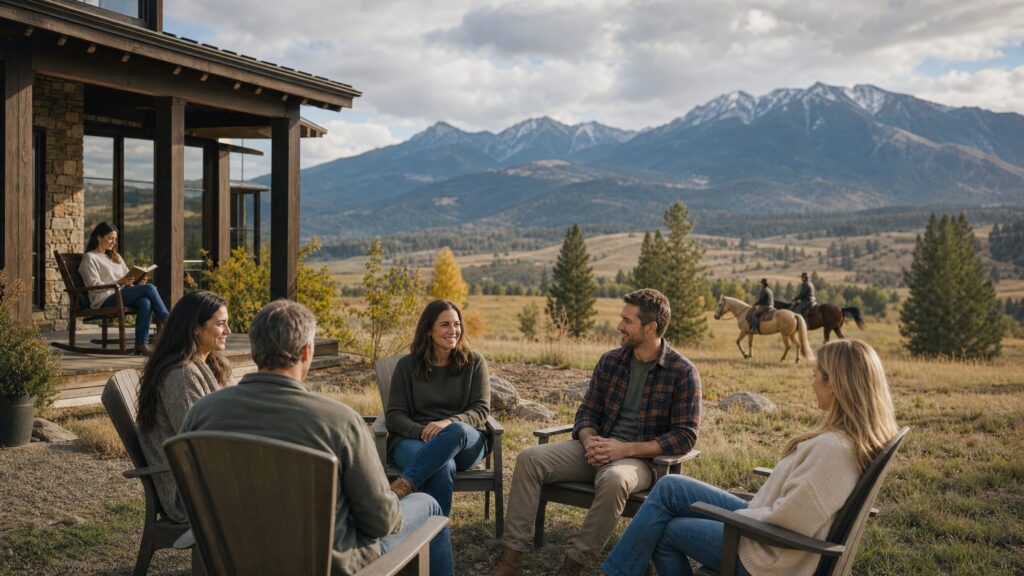
- Location Matters: Montana-specific programs offer unique benefits like equine therapy and rural transportation support that address local challenges.
- Commit to Time: Research indicates that stays of 90 days or longer significantly improve long-term sobriety rates compared to shorter durations.
- Verify Support: Look for “Dual Diagnosis” capabilities to ensure underlying mental health issues (anxiety, depression) are treated alongside addiction.
- Immediate Action: Same-day admissions are often available to prevent delays; contact admissions immediately to check insurance and bed availability.
Foundation: Understanding Residential Rehab Montana
Residential treatment provides 24-hour structured care in a safe, supervised environment designed specifically for individuals facing psychiatric challenges, addiction disorders, or co-occurring conditions. When you are looking for residential rehab Montana options, you are essentially looking for a “reset button.” Unlike outpatient programs where you return home after sessions, residential treatment means living at the treatment facility for weeks or months, fully immersed in this healing journey.
This intensive level of care creates a therapeutic community where every aspect of your day supports healing. You’ll participate in individual therapy, group sessions, educational workshops, and wellness activities—all while being monitored by trained professionals who can address concerns as they arise. The live-in setting removes you from environments, relationships, or situations that may have contributed to your struggles, giving you space to focus entirely on getting better.
A typical day is highly structured to help establish healthy routines. It might look like this:
- 7:00 AM: Morning meditation
- 8:00 AM: Breakfast
- 9:00 AM: Individual therapy
- 11:00 AM: Group counseling
- 1:00 PM: Lunch and recreational time
- 3:00 PM: Educational workshops
- 6:00 PM: Dinner
- 10:00 PM: Lights out after evening reflection
These programs vary in their specific approaches, but quality care always includes evidence-based therapies tailored to your unique needs. You might work through trauma, learn to manage anxiety or depression, develop relapse prevention strategies, or address underlying issues you’ve never fully explored.
What Makes Residential Rehab Effective
The secret sauce behind residential rehab Montana programs like Rocky Mountain Treatment Center is the safe, structured environment. When you’re away from old triggers and surrounded by a supportive team, you get space to focus on healing. Research shows that residential treatment leads to significant improvements in both substance use and mental health for most people who attend5.
Practice This: Picture what it’s like to spend your days in a place where every detail, from therapy sessions to meals, is set up to help you grow. Write down three ways this might help you or someone you care about stay focused on recovery.
The Science Behind Immersive Treatment
Think of your brain like a garden. When you’re in residential rehab, you’re moved out of the “weeds” of daily triggers and planted in fresh soil—meaning a safe, structured setting that lets healthy habits take root. Science shows that these immersive environments help people stick to new routines, avoid relapsing, and boost mental health5. Having round-the-clock care, expert staff, and daily therapy all in one place is what sets these programs apart from outpatient care or trying to quit alone.
Why 71% Complete Quality Programs
Quality programs like Rocky Mountain Treatment Center see about 71% of clients complete treatment, which is a huge step toward lasting recovery3. This strong completion rate comes from having caring staff, personalized care plans, and plenty of support options such as group therapy and family involvement. These elements create a sense of belonging and motivation that help people follow through, even when recovery feels tough. Medication-assisted treatment and low staff-to-client ratios are also linked to better outcomes, as they address both cravings and emotional needs3.

Montana’s Unique Treatment Landscape
Montana faces some of the highest increases in opioid overdose deaths in the country—a 117% jump since 2014—and methamphetamine use impacts families deeply, with over 65% of child removals tied to meth in recent years1, 2. Yet, Montana’s wide-open spaces and tight-knit communities also mean rural barriers, like distance and limited providers, are real.
| Feature | Standard Urban Rehab | Montana-Specific Rehab |
|---|---|---|
| Environment | Clinical, often crowded | Nature-focused, spacious, calming |
| Therapies | Traditional Talk Therapy | Includes Equine Therapy & Outdoor Experiential |
| Access | Public Transit available | Requires Transportation Support (Shuttles/Pickups) |
| Community | Large, anonymous groups | Small, tight-knit peer groups |
Local programs, including Rocky Mountain, focus on rural-friendly solutions: same-day admissions, transportation help, and therapies that work for both city and country residents. Along with traditional counseling, some centers offer unique treatments like equine therapy, which research shows can improve motivation and retention in recovery7.
Addressing Opioid & Meth Crises Locally
Residential rehab Montana style means programs are built to respond to urgent local needs with targeted therapies, expert staff, and safe detox options. Centers like Rocky Mountain Treatment Center use medication-assisted treatment—which makes a person 40% more likely to complete rehab—and offer counseling that addresses both opioid and meth recovery3, 8.

Overcoming Rural Treatment Barriers
In Montana, long distances, limited public transportation, and fewer treatment locations often make it tough to reach help. But local programs have stepped up: Rocky Mountain Treatment Center offers same-day admissions and helps arrange rides, so you’re not stuck waiting or worrying about how to get there. Telehealth options and flexible scheduling are also making it easier for people in small towns or on ranches to stay connected to care3.
Essential Components of Quality Residential Rehab Montana
When evaluating inpatient recovery programs, certain core components distinguish truly effective care from standard services. Understanding these essential elements helps you identify facilities that prioritize comprehensive, evidence-based recovery.
- Medical Supervision: Continuous access to healthcare professionals ensures safe detoxification and management of withdrawal symptoms.
- Evidence-Based Therapies: Quality programs incorporate proven therapeutic modalities like cognitive behavioral therapy (CBT) and motivational interviewing.
- Individualized Planning: Rather than applying a one-size-fits-all approach, exceptional facilities conduct thorough assessments and create personalized recovery roadmaps.
- Dual Diagnosis Capabilities: Staff trained to address depression, anxiety, PTSD, and other psychiatric disorders alongside addiction disorders.
- Family Involvement: Programming that strengthens your support system and addresses relationship dynamics.
- Aftercare Planning: Connecting you with outpatient services, support groups, and sober living options before you leave.
Medical Detox & Safety Protocols
Think of detox as a gentle bridge from active substance use to recovery. At Rocky Mountain, experienced nurses and doctors monitor you 24/7, ready to manage withdrawal symptoms and keep you comfortable. This round-the-clock support is more than just a safety net; it’s the foundation for real healing. Research shows that programs with medical detox, proper monitoring, and medication-assisted treatment help people complete treatment at much higher rates3, 8.
Checklist for Safety: When calling a center, ask: “Do you have on-site nurses 24/7?” and “What are your emergency protocols?”
24/7 Monitoring for Safe Withdrawal
Imagine starting a tough hike—you’d want a knowledgeable guide watching out for you the whole way. That’s what Rocky Mountain Treatment Center provides: nurses and doctors are always nearby, ready to help if symptoms get tough or you just need reassurance. Research shows that residential programs with round-the-clock monitoring lower the chances of dangerous withdrawal complications and increase the odds of completing treatment5.
Medication-Assisted Treatment Benefits
Think of MAT (Medication-Assisted Treatment) as a helpful tool that quiets cravings and balances brain chemistry, making it easier to focus on healing. At Rocky Mountain Treatment Center, doctors use safe, FDA-approved medications alongside counseling and group support. Research shows that MAT can make someone 40% more likely to complete treatment, which means a much better shot at lasting recovery8.
Therapeutic Approaches That Work
Imagine you’re learning a new skill—just like mastering a sport or musical instrument, building a strong recovery needs regular practice with the right tools. That’s why top Montana addiction centers use a mix of proven therapies.
Evidence-Based Counseling Methods
Cognitive-Behavioral Therapy (CBT) is like a mental toolbox. It helps you spot unhelpful thoughts and replace them with healthier habits, making it easier to handle cravings and prevent relapse. Motivational Interviewing is another proven method—it’s like having a supportive coach who helps you find your own reasons to change. Research shows that both CBT and Motivational Interviewing lower the risk of returning to substance use, especially when started early in treatment and continued with support5, 6.

Experiential & Holistic Therapies
Think of experiential therapies as new ways to practice living well—sort of like learning by doing, not just talking. At Rocky Mountain, options like equine-assisted therapy let you build trust and confidence by working with horses, which research shows can increase motivation and help people stay engaged in treatment7. Mindfulness sessions, art activities, and nature walks give you space to handle stress and discover healthy coping skills, addressing your mental and emotional sides together.
Advanced Recovery Support Systems
Measuring your progress throughout treatment provides crucial insights that guide your path to wellness. Modern treatment programs use sophisticated assessment tools and outcome tracking systems to evaluate multiple dimensions of recovery—far beyond simply monitoring abstinence.

Comprehensive progress evaluation includes standardized clinical assessments that measure psychological symptoms, cravings, emotional regulation, and quality of life indicators. These validated instruments provide objective data points that reveal patterns you might not notice yourself. By tracking these metrics at regular intervals, your treatment team can identify what’s working well and where additional support might strengthen your recovery.
Family Involvement & Relationship Repair
Think of recovery like building a bridge—having family support on both sides helps you cross tough waters more safely. Rocky Mountain Treatment Center welcomes families into the healing process with group sessions, education, and support. Research shows that programs involving family can reduce substance use by 6% and boost chances for lasting recovery4.
Why Family Programs Reduce Use by 6%
Imagine a tug-of-war: on one side is addiction, and on the other is your support system. When family gets involved through family therapy and relationship counseling, you gain more people pulling with you, not against you. Research shows that having loved ones participate in structured sessions lowers the risk of relapse and increases motivation to stick with treatment4.
Rebuilding Trust Through Education
Imagine you and your family are learning a new language together—the language of recovery. Family education sessions at Rocky Mountain shine a light on how addiction works, why certain behaviors happen, and what recovery really means. When everyone gets the facts—not just feelings—it’s easier to let go of blame and start fresh.
Dual Diagnosis & Co-Occurring Disorders
Think of recovery like fixing a house with both a leaky roof and faulty wiring. If you only fix one problem, the house still isn’t safe. That’s why Rocky Mountain specializes in dual diagnosis care, where experts treat anxiety, depression, PTSD, or bipolar disorder right alongside addiction. Research shows that integrated care—treating both conditions in one setting—improves recovery engagement and long-term success5.

Integrated Mental Health Treatment
Think of integrated care as fixing all the parts of a machine at once, instead of just patching one broken piece. At Rocky Mountain, clinicians use a team approach—psychiatrists, counselors, and nurses work together to spot any mental health needs early, and build a care plan that addresses everything at once. This means you get therapy, medication support, and recovery counseling, all in one place.
Addressing Root Causes, Not Symptoms
Think of addiction like a tree: the visible branches are things like cravings or mood swings, but the real problem lies underground—in old trauma, chronic stress, or untreated mental health conditions. At Rocky Mountain, the team uses in-depth assessments to spot these “roots” early. From there, you’ll get personalized care that combines addiction therapy, trauma counseling, and support for co-occurring disorders.
Long-Term Success & Aftercare Planning
Recovery doesn’t end when you complete a treatment program—it’s an ongoing journey that requires planning, support, and commitment. A comprehensive aftercare plan serves as your roadmap for maintaining sobriety and building a fulfilling life beyond addiction. Research shows that individuals who actively participate in aftercare programs are 42% more likely to maintain sobriety one year post-treatment compared to those without structured follow-up care.
Your aftercare plan typically includes several key components working together to support your continued success:
- Regular Therapy: Sessions to help you process emotions and develop coping strategies.
- Support Groups: Meetings that connect you with others who understand your experiences.
- Medication Management: Crucial if you’re addressing co-occurring mental health conditions or using MAT.
- Routine Building: Establishing consistent sleep patterns, physical activity, and stress management.
Building Your Continuing Care Strategy
Think of your recovery journey like hiking a mountain trail—finishing residential treatment gets you to a sturdy basecamp, but you’ll need a clear map and trusted guides for the path ahead. That’s where continuing care comes in. Research shows that people who join ongoing support for at least nine months are twice as likely to remain substance-free after a year compared to those who stop after three months (71.7% vs. 37.4%)2.
Action Step: Write out your ideal support map for after treatment. Include things like group meetings, a recovery mentor, or weekly counseling.
Preventing Relapse Through Connection
Think of recovery like crossing a river—having strong bridges of support means you’re less likely to get swept away by old habits. At Rocky Mountain Treatment Center, your aftercare plan includes connecting you to recovery counseling and peer groups, so you’re never facing challenges alone. These regular connections help you spot triggers early, celebrate wins, and feel part of a community that understands your journey.
Alumni Support & Community Resources
Think of alumni support like a team you can count on, even after you leave Rocky Mountain Treatment Center. Staying connected with others who’ve walked the same path helps you share wins, ask for advice, and keep motivation high. Montana’s recovery resources—like local peer groups, sober events, and certified recovery coaches—offer extra layers of connection and encouragement.
Practical Considerations for Montana Residents
Living in Montana comes with unique challenges—long distances, rural roads, and limited local providers. Rocky Mountain Treatment Center keeps these realities in mind, offering help with insurance paperwork and connecting you with financial resources that might otherwise be tough to track down. Montana residents often worry about getting to treatment quickly, so Rocky Mountain makes same-day admissions and transportation support a priority.
Insurance Coverage & Financial Options
Think of navigating insurance like solving a puzzle, but you don’t have to do it alone. Rocky Mountain Treatment Center’s admissions team helps you check your benefits, fill out paperwork, and understand what costs are covered. Thanks to the Mental Health Parity and Addiction Equity Act, most private insurance plans must cover addiction therapy and recovery counseling on par with other health needs10. If you don’t have insurance, Rocky Mountain connects you with state grants, sliding scale fees, or payment plans.
Same-Day Admission & Transportation
Think of reaching out for help like catching a train—you don’t want to miss your chance because of paperwork or a long drive. Rocky Mountain Treatment Center offers same-day admissions so you can get started right when you’re ready, not days or weeks later. If travel is tough, their team can help arrange rides or connect you with transportation options—especially important for folks living far from town or without reliable vehicles.
Frequently Asked Questions
As you consider taking this important step, you probably have practical questions about what treatment actually looks like—from the financial investment to what happens in those first uncertain hours. Below, you’ll find answers to the concerns people most often raise when they’re ready to move from thinking about treatment to actually starting it.
How do I know if I need residential treatment versus outpatient care?
If you’re wondering whether you need residential rehab Montana programs like Rocky Mountain Treatment Center or if outpatient care would work, consider a few signs. Residential treatment is usually best if you find it hard to stop using substances on your own, have tried outpatient therapy without long-term success, or face serious withdrawal symptoms. It’s also helpful if your home life is stressful or your triggers are everywhere, making it tough to stay on track.
Outpatient care might fit if you have a strong support system at home, stable housing, and can manage your daily routines without using. Research shows that people with more severe substance use or co-occurring mental health issues do better in a structured, live-in setting, while those with milder addiction and good support sometimes thrive in outpatient programs9.
What happens during the first 24 hours of residential treatment?
During your first 24 hours at a residential rehab Montana center like Rocky Mountain Treatment Center, you’ll be welcomed by staff who guide you every step of the way. You’ll start with a gentle check-in and a thorough assessment—think of this as a friendly interview and health check to see what support you need most. Medical staff will ask about your health, substance use, and any mental health concerns to make sure your detox and care plan are safe and personalized5.
Once you’re settled, you’ll meet your care team, get a tour of the center, and start settling into your new room. The first day often includes orientation to daily routines, introductions to other residents, and a chance to ask questions about addiction therapy and recovery counseling.
Can I bring my phone or have contact with family during treatment?
Most residential rehab Montana programs, including Rocky Mountain Treatment Center, have guidelines to help you focus fully on your recovery journey. Usually, you’ll be asked to limit or temporarily give up personal phone use—especially during your first days—so you can settle in without outside stress or distractions. But that doesn’t mean you’ll be cut off from family. Scheduled phone calls, video chats, and family therapy sessions are a regular part of care, helping you stay connected with loved ones while you work on healing. Research shows that family involvement and regular communication can boost recovery success and reduce relapse risk4.
How does medication-assisted treatment work for opioid addiction?
Medication-assisted treatment (MAT) is a proven approach used in residential rehab Montana programs like Rocky Mountain Treatment Center to help people overcome opioid addiction. MAT combines FDA-approved medications—such as buprenorphine, methadone, or naltrexone—with addiction therapy and recovery counseling. These medicines work by easing withdrawal symptoms and reducing cravings, helping your brain and body find balance so you can focus on healing. Research shows that MAT can make you 40% more likely to complete treatment and gives you a stronger chance at long-term recovery compared to therapy alone8.
What if I’ve been to rehab before and relapsed—will it work this time?
Relapse doesn’t mean you’ve failed—it just means recovery is a process, not a one-time event. In fact, research shows that relapse rates for substance use are similar to those for other chronic conditions like diabetes or asthma, with 40-60% of people experiencing setbacks along the way5. Coming back to a residential rehab Montana program, like Rocky Mountain Treatment Center, can absolutely help, especially when you try new supports such as updated therapy, medication-assisted treatment, or stronger aftercare.
Is 30 days long enough, or should I plan for a longer stay?
A 30-day stay in a residential rehab Montana program like Rocky Mountain Treatment Center can be a great start, but many people benefit from a longer stay—especially if they have a history of relapse or complex challenges. Research shows that programs lasting 90 days or more lead to much better long-term outcomes, with improved rates of staying substance-free and better overall well-being5, 7.
How will my employer or coworkers find out I’m in treatment?
Your privacy is protected when you enroll in a residential rehab Montana program like Rocky Mountain Treatment Center. By law, treatment centers cannot share your health information—including your stay in addiction therapy or recovery counseling—with employers or coworkers unless you give written permission. Most people use vacation, sick leave, or medical leave when entering treatment, and the details you share with your workplace are up to you. Research shows that privacy concerns are a major barrier to seeking help, which is why strict confidentiality rules are in place for all addiction treatment services5.
What kind of support is available after I complete the program?
After you finish a residential rehab Montana program at Rocky Mountain Treatment Center, you don’t have to face recovery alone. Support continues with a custom aftercare plan that might include weekly check-ins, alumni support groups, ongoing addiction therapy, and access to local recovery counseling. Research shows that people who stay connected to aftercare for nine months or more are twice as likely to remain substance-free after a year compared to those who stop at three months (71.7% vs. 37.4%)2.
Does insurance really cover residential treatment, and how much will I pay?
Yes, most insurance plans are now required to cover residential rehab Montana programs like Rocky Mountain Treatment Center, thanks to the Mental Health Parity and Addiction Equity Act. This law makes sure your plan treats addiction therapy and recovery counseling the same as other medical needs10. Your exact out-of-pocket cost will depend on your insurance (private, Medicaid, or no coverage), your deductible, and any co-pays. Rocky Mountain’s admissions team will help you check your benefits, handle paperwork, and explore options like state grants or sliding-scale fees if you’re uninsured.
Can my family participate in my treatment even if they live far away?
Yes, your family can absolutely participate in your treatment at a residential rehab Montana facility like Rocky Mountain Treatment Center—even if they live far away. Many programs use video calls, scheduled phone sessions, and virtual family therapy to keep loved ones involved, no matter the distance. Research shows that family involvement—whether in person or online—helps lower relapse risk and boosts long-term recovery, making it a crucial part of addiction therapy and recovery counseling4.
What makes treatment in Montana different from facilities in other states?
Treatment in Montana stands out because it’s built around the real needs of our local communities and landscape. Residential rehab Montana programs like Rocky Mountain Treatment Center blend evidence-based addiction therapy with extra support for rural residents—think same-day admissions, transportation help, and therapies that match Montana’s unique challenges. Unlike centers in big cities, Montana facilities often offer smaller group sizes, more personalized attention, and even therapies like equine-assisted recovery, which research shows can boost motivation and engagement7.
How do you handle co-occurring mental health issues like depression or anxiety?
At Rocky Mountain Treatment Center, co-occurring mental health issues like depression or anxiety are addressed right alongside addiction in a fully integrated approach. This means your care team—made up of addiction therapists, mental health counselors, and medical staff—works together to create a plan that treats both challenges at the same time. Research shows that treating co-occurring disorders together helps people stay engaged in treatment and reach better long-term outcomes compared to treating only one issue at a time5.
What is equine therapy and how does it help with addiction recovery?
Equine therapy is a unique, hands-on approach offered at some residential rehab Montana programs, including Rocky Mountain Treatment Center. In equine therapy, you work directly with horses—helping to groom, lead, or care for them—guided by a trained therapist. Research shows that equine-assisted therapy can boost motivation, help you stay engaged in addiction therapy, and make recovery feel more meaningful7. Programs that include experiential methods like equine therapy often see higher participation and better retention in recovery counseling7.
Can I start treatment immediately, or is there a waiting list?
You can usually start treatment at a residential rehab Montana center like Rocky Mountain Treatment Center right away—there’s often no long waiting list. Same-day admission is a top priority, especially since research shows over 95% of people nationwide who needed rehab in 2023 didn’t get it, often due to delays or access issues5. The admissions team works quickly to help you with paperwork, insurance, and any travel needs so you can begin your addiction therapy or recovery counseling as soon as you’re ready.
What should I pack and bring with me to residential treatment?
When you’re preparing for a stay at a residential rehab Montana center like Rocky Mountain Treatment Center, pack for comfort and simplicity. Bring comfortable clothes for a range of weather, sturdy shoes, personal toiletries (no alcohol-based products), and any prescription medications in original bottles. Most centers recommend a week’s worth of clothing, a journal, and a favorite book. This approach is common in trusted addiction therapy and recovery counseling programs to help you settle in and focus fully on healing5.
Taking Your First Step Toward Recovery
Making the decision to seek help for addiction or co-occurring psychiatric challenges is one of the most courageous steps you can take. If you’ve read this far, you’re already moving in the right direction. Recovery isn’t about having all the answers right now—it’s about taking that first meaningful action toward a healthier future.
Start by having an honest conversation with yourself about where you are in your journey. Acknowledge your challenges without judgment—whether you’re struggling with substance use, mental health concerns, or both. This self-awareness becomes the foundation for positive change. You might also consider reaching out to someone you trust—a friend, family member, or healthcare provider—to share what you’re experiencing. Speaking your concerns aloud can help clarify your thoughts and reduce the isolation that often accompanies these struggles.
When you’re ready to explore professional support, look for residential treatment programs that offer the quality indicators we’ve discussed: comprehensive medical supervision, evidence-based therapies, and integrated dual diagnosis treatment. Effective recovery programs recognize that everyone’s journey is different and provide personalized care tailored to your unique situation. The structured environment of residential care gives you the space to focus entirely on healing, away from everyday triggers and stressors, while receiving 24/7 support from experienced professionals.
The most important thing to remember is that seeking help is a sign of strength, not weakness. Recovery is possible, and you don’t have to navigate this path alone. Quality residential treatment centers will assess your specific needs, address any co-occurring emotional or psychological concerns through their dual diagnosis capabilities, and create a customized plan that sets you up for long-term success.
Your first step might be calling to schedule a pre-admission assessment, where clinicians can evaluate your needs and determine if residential treatment is right for you. During this confidential conversation, you can ask about their medical protocols, therapeutic approaches, and how they’ll support both your addiction recovery and mental health needs. Whatever that step looks like for you, take it today. The life you want is waiting on the other side of this decision, and compassionate, evidence-based residential care is available to help you get there.
References
- Drug Overdose Deaths in Montana 2014-2023. https://dphhs.mt.gov/assets/publichealth/EMSTS/Data/DrugOverdoseDeaths_2014-2023.pdf
- Summary of Methamphetamine Use in Montana. https://dphhs.mt.gov/assets/publichealth/Epidemiology/MethamphetamineSummary2020.pdf
- What Predicts Residential Treatment Completion?. https://www.recoveryanswers.org/research-post/what-predicts-residential-treatment-completion/
- Involving Family Members in Substance Use Disorder Treatment Can Enhance Patient Outcomes. https://www.recoveryanswers.org/research-post/involve-family-in-treatment-enhance-substance-use-disorder-outcomes/
- Residential Treatment for Substance Use Disorder: A Review and Meta-Analysis. https://www.ncbi.nlm.nih.gov/books/NBK541232/
- Cognitive-Behavioral Therapy for Substance Use Disorders: Evidence and Applications. https://pmc.ncbi.nlm.nih.gov/articles/PMC2897895/
- Equine-Assisted Services for Individuals with Substance Use Disorders: A Scoping Review. https://pmc.ncbi.nlm.nih.gov/articles/PMC9749232/
- Medication-Assisted Treatment (MAT) for Opioid Use Disorder: A Public Health Strategy. https://www.naco.org/resource/osc-mat
- ASAM Patient Placement Criteria for Treatment of Psychoactive Substance Use Disorders. https://www.ncbi.nlm.nih.gov/books/NBK64109/
- The Mental Health Parity and Addiction Equity Act (MHPAEA): Requirements and Implementation. https://www.cms.gov/marketplace/private-health-insurance/mental-health-parity-addiction-equity