
Key Takeaways: Assessing Your Need for Care
- Decision Flowchart: If you have failed outpatient attempts, lack a sober home environment, or have high medical withdrawal risks, residential care is the indicated clinical pathway.
- Success Metrics: Completion of a 90-day continuum (including 30 days inpatient) is the strongest predictor of long-term recovery and professional reintegration.
- Immediate Action: If you are using substances to function daily or experiencing withdrawal symptoms, schedule a professional assessment immediately to determine medical safety requirements.
When Your Current Support Isn’t Enough: Do I Need Inpatient Treatment?
Signs Daily Life Has Become Unmanageable
When your daily routines start breaking down—missed appointments, skipped meals, or avoiding people who care about you—it’s a real sign that life is slipping out of your hands. If you are asking yourself, “do I need inpatient treatment,” look for these specific indicators in your daily life:
- Struggling to keep up with work, school, or family responsibilities
- Neglecting hygiene, meals, or personal care
- Isolating from friends or loved ones
- Using substances to cope with stress or emotions almost every day
- Feeling unable to stop or cut back, despite repeated efforts
- Experiencing frequent cravings or withdrawal symptoms
- Facing legal, financial, or health problems due to substance use
If you notice you’re using substances just to get through the day, or you’re constantly thinking, “Why can’t I control this anymore?”—you’re not alone. In fact, research shows that people who experience these disruptions are much more likely to benefit from structured support, like inpatient treatment, because a safe, stable environment helps reset old routines and build new ones.2
“Consider this method if you’ve tried outpatient therapy or support groups, but find yourself right back where you started. This approach is ideal for those who need 24/7 guidance to break patterns that have taken over daily life.”
Remember, it’s okay if you can’t do this alone—asking, “Do I Need Inpatient Treatment?” is a brave step forward. Up next, you’ll see how different treatment intensity levels align with your unique needs.
Understanding Treatment Intensity Levels
When weighing, “Do I Need Inpatient Treatment?” it helps to understand how these intensity levels fit different needs. Outpatient programs require less disruption to daily life and cost less (often under $1,000), but people with serious addiction, co-occurring mental health issues, or unstable home situations often need more.

| Level of Care | Structure & Commitment | Best Suited For |
|---|---|---|
| Outpatient | Weekly or bi-weekly sessions; continue living at home. | Mild symptoms and a strong daily support network. |
| Intensive Outpatient / Partial Hospitalization | Multiple sessions per week, daytime structure, home at night. | Moderate symptoms or relapse risk; requires a stable home environment. |
| Inpatient / Residential | 24/7 on-site care for 30 days or more. | Severe symptoms, failed outpatient attempts, or unsafe living environments. |
Residential programs, though a bigger time and resource commitment, offer a safe, immersive space—clients are over three times more likely to complete residential treatment compared to outpatient.2
Opt for inpatient care when cravings, triggers, or withdrawal symptoms threaten your safety, or when past lower-intensity programs haven’t worked. This solution fits those who need structure and round-the-clock support to build new habits and regain control. Yes, the investment is significant, but the chance to truly reset your life is worth celebrating—even small progress in a stable setting matters.
The Six-Dimension Assessment Framework: Do I Need Inpatient Treatment?
Medical and Withdrawal Risk Factors
Medical and withdrawal risk factors are a key dimension in the six-dimension assessment framework, based on the ASAM Criteria—a standard tool for matching people to the safest and most effective level of care.4 Withdrawal refers to the physical and psychological symptoms that happen when you suddenly cut back or quit a substance your body has come to depend on. These symptoms can range from mild anxiety to life-threatening seizures.
Assessment Tool: Medical & Withdrawal Risk Quick Screen
- Have you experienced seizures, delirium, or severe confusion during withdrawal?
- Are there underlying health conditions (like heart, liver, or respiratory problems) that could complicate detox?
- Do you need daily medication to manage withdrawal or cravings?
- Have you tried to stop using on your own, only to end up in the ER or urgent care?
- Is there a history of overdose or serious medical events linked to your substance use?
This approach works best when your medical risks are high or withdrawal symptoms have spiraled out of control in the past. Inpatient settings provide 24/7 medical monitoring and access to medications that outpatient programs simply can’t match—especially important for substances like alcohol, benzodiazepines, or opioids, where complications can become dangerous quickly.5
If you’re weighing, “Do I Need Inpatient Treatment?” and you recognize any red flags in your medical or withdrawal history, prioritizing safety is not just smart—it’s something to be proud of. Every time you choose safety, you’re making real progress.
Environmental and Relapse Triggers
Environmental and relapse triggers are a central part of the six-dimension assessment. Triggers are situations, people, or places that stir up cravings or make substance use feel automatic again. When your environment is packed with these obstacles, even the strongest motivation can wear thin.
Trigger Mapping Tool: Spotting Environmental Roadblocks
- Are you living with people who actively use substances or who don’t support your recovery?
- Is your home, workplace, or neighborhood full of reminders or access to drugs or alcohol?
- Do you often feel unsafe or overwhelmed by stressors in your daily environment?
- Have past attempts to quit failed mainly because of people, places, or situations around you?
- Do you have limited access to sober social support?
Research shows that residential treatment protects people from these triggers, which is why clients in residential programs are more than three times as likely to complete treatment compared to those in outpatient settings.2 This path makes sense for individuals who’ve tried to quit but keep getting pulled back in by their surroundings. If your home or community feels like a minefield, a structured setting with built-in support can give you the breathing room you need to focus on healing.
What Makes Residential Programs Effective
Why Completion Rates Matter for Recovery
Let’s be honest—sticking with treatment until the very end is tough, especially when life pulls you in a hundred directions. But here’s something you can celebrate: people who complete residential programs are more than three times as likely to finish treatment compared to those in outpatient care.2 That’s a big deal, because finishing what you start gives you a stronger foundation for lasting change.
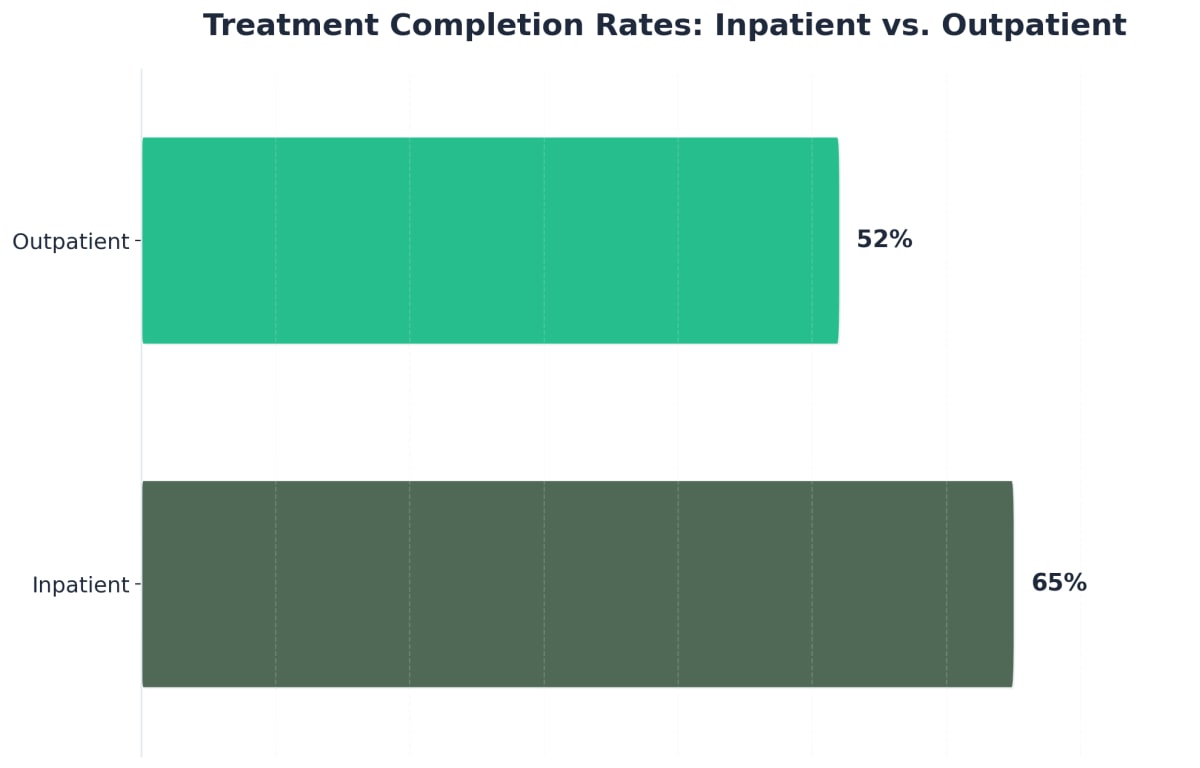
Progress Tracker: How Completion Rates Impact Recovery Success
- Completion Rates: Residential programs see about 65% of clients complete their course, while outpatient programs average just 52%.2
- Relapse Risk: That extra completion makes a real dent in relapse risk.
- Long-term Results: Finishing a program is a critical predictor of sustained sobriety.
If you’re asking, “Do I Need Inpatient Treatment?” and you’ve struggled to finish less intensive programs, you’re not alone. This approach is ideal for those who need extra support and structure to overcome barriers that have tripped them up before. Every time you show up, even on the hardest days, you’re building trust in yourself and your recovery.
The 90-Day Retention Milestone Explained
Hitting the 90-day retention milestone means you’ve stayed engaged in treatment for three months—a proven turning point for many people seeking lasting recovery. Why is this number so important? Research consistently shows that staying in treatment for at least 90 days is the best predictor of positive outcomes and successful discharge.3
Milestone Tracker: Are You Approaching the 90-Day Mark?
- How many days have you stayed in your current treatment program?
- Have you made it through the first 30, 60, and now 90 days?
- What changes have you noticed in urges, mood, or relationships since starting?
The first few weeks can feel overwhelming, but as you settle into a new routine, your brain and body start to relearn healthier patterns. Each week you stick with it, you’re not just avoiding old habits—you’re building new strengths. This stage is especially meaningful if you’re wondering, “Do I Need Inpatient Treatment?” and have struggled with relapse after shorter attempts. The 90-day period allows enough time for trust to grow, cravings to fade, and new coping skills to take root.
Matching Your Situation to the Right Care
Opioid Use and Medication-Assisted Options
If you’re asking yourself, “Do I Need Inpatient Treatment?”—especially with opioid use—there are some unique factors to weigh. Research shows over 90% of people who complete opioid detox without moving on to medication-assisted treatment (MAT) return to use within months.5 MAT combines medications like buprenorphine or methadone with counseling and support, helping to reduce cravings, prevent overdose, and make recovery feel possible—not just temporary.5
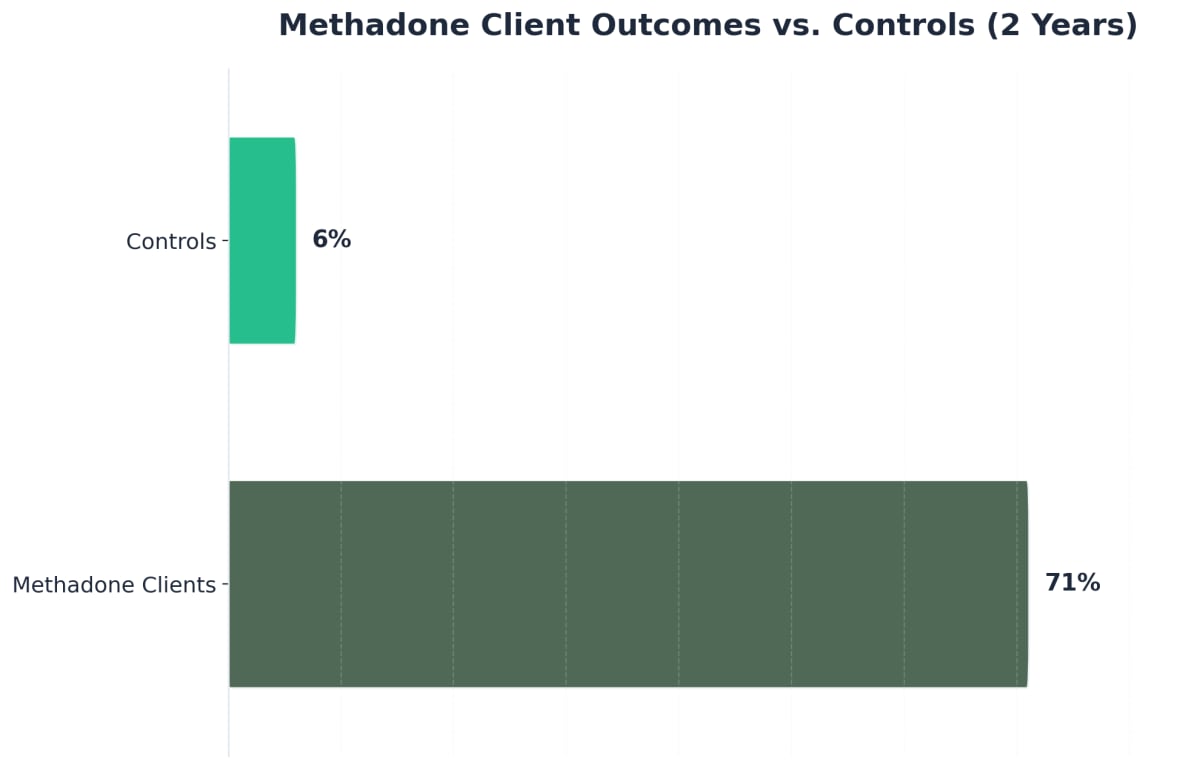
Medication-Assisted Options Checklist: Are These Opioid Recovery Supports Right for You?
- Have you tried to stop using opioids but faced overwhelming cravings or repeated relapses?
- Did detox alone lead to rapid return to opioid use?
- Are you looking for support that addresses both physical withdrawal and long-term recovery?
- Have outpatient options felt too risky or unsupported given your current situation?
Opt for inpatient care when cravings or withdrawal symptoms threaten your safety, or when home isn’t a safe place to detox. Inpatient programs offer around-the-clock supervision and timely access to MAT, which can boost your chances of success. This strategy suits people who need intensive stabilization and a reset from chaotic patterns, especially if past attempts have been short-lived.
Co-Occurring Mental Health Considerations
If you’re asking, “Do I Need Inpatient Treatment?” and you’re living with both addiction and mental health challenges, you’re in good company. People facing co-occurring conditions often have a tougher recovery path, with research showing that treating both at the same time—rather than one after the other—yields safer and more effective outcomes.6
Integrated Assessment Tool: Are Mental Health and Substance Use Intertwined for You?
- Do you experience persistent anxiety, depression, or trauma-related symptoms alongside substance use?
- Have you found that treating just one issue—mental health or addiction—hasn’t led to lasting change?
- Do intense mood swings, panic attacks, or flashbacks make daily functioning even harder?
- Have outpatient or sequential treatments failed to address both your mental health and substance use together?
Integrated treatment models, where therapy addresses trauma, depression, or anxiety alongside addiction, help you build tools for every part of your life—not just one piece at a time. Prioritize a residential setting when symptoms of PTSD, depression, or other mental health concerns feel overwhelming or when past efforts haven’t worked because care wasn’t truly integrated. This approach is ideal for those who need a stable environment and a team that understands the full picture, not just the addiction or the mental health diagnosis.
Frequently Asked Questions
What’s the typical cost range for residential treatment programs?
Costs for residential treatment programs can vary widely, and it’s completely normal to feel overwhelmed by the numbers at first. Typical inpatient program costs start around $2,000 but can climb as high as $40,000 depending on location, amenities, length of stay, and the level of medical or psychiatric care included 9. Outpatient options usually cost under $1,000, but remember that higher costs for residential care often reflect more intensive support and resources. If you’re asking, “Do I Need Inpatient Treatment?” weigh the cost against the value of round-the-clock structure, safety, and the increased chance of completing your program—those gains can be life-changing 2.
Can I transition from residential to outpatient care partway through?
Absolutely—you can transition from residential to outpatient care if your needs and progress support it. Many programs are designed with this step-down approach in mind, allowing you to start with intensive support and gradually move to less structured settings as you gain confidence and stability. This path makes sense for people who begin asking, “Do I Need Inpatient Treatment?” but later feel ready for more independence after building new routines and coping skills. Research shows that longer treatment duration, even when it includes both inpatient and outpatient phases, is linked to better recovery outcomes 9. If you’re feeling anxious about making this transition, remember: moving forward at your own pace is still progress.
How do I know if my insurance will cover residential treatment?
Wondering if your insurance will cover residential treatment? Start by calling your insurance company and asking about coverage for inpatient rehab or substance use disorder treatment—they’ll walk you through what’s included, what’s not, and what documentation is needed. Most private insurance plans are required by law to offer some coverage for mental health and substance use treatment, but what’s approved can vary widely based on your specific policy and provider network 9. If you’re asking, “Do I Need Inpatient Treatment?” and want to make sure your costs are manageable, it’s okay to ask for a written summary of your benefits—knowing your options is a real step forward.
What happens if I need to leave treatment early for work or family?
Leaving residential treatment early for work or family can be stressful, but you’re not alone in facing this decision. Most programs understand life’s demands and will work with you to develop a discharge or transition plan that fits your needs. While completing the full recommended stay is linked to better recovery outcomes—especially if you’re asking, “Do I Need Inpatient Treatment?”—sometimes life pulls you away sooner than planned 9. If this happens, you might shift to outpatient care, receive aftercare resources, or set up follow-ups to stay connected. Remember, every bit of progress counts; even a shorter stay can be a step toward lasting change.
Is detox included in residential programs or separate?
Most residential treatment programs include detox as the first step, especially when withdrawal risks are high or when someone needs close monitoring at the start. Detox refers to the medically supervised process of clearing substances from your body while managing withdrawal symptoms safely. Programs that offer detox provide 24/7 support and medical care, making this stage much safer than trying to quit cold turkey at home 5. Still, some facilities may require you to complete detox separately before entering their main residential program, so always check ahead. If you’re asking, “Do I Need Inpatient Treatment?” and have concerns about withdrawal, choosing a program with integrated detox offers extra reassurance that your safety and comfort come first.
How soon can I start if I decide residential treatment is right?
If you’re ready to move forward, you might be surprised at how quickly residential treatment can begin—many programs offer same-day or next-day admissions if space is available 9. The actual start date depends on factors like current bed availability, your medical needs (such as whether detox is required), and how quickly pre-admission paperwork and insurance confirmations are completed. For most, the process takes just a few days, not weeks. If you’re asking, “Do I Need Inpatient Treatment?” and feel ready now, reaching out today often means you can start the process right away. Every day you take action is progress.
What kind of support is available after completing a residential program?
After completing a residential program, ongoing support is key to keeping your recovery on track. Most programs offer aftercare planning, which might include weekly group therapy, alumni meetings, or virtual support sessions to help maintain your progress and connect with others who understand the journey. Some facilities also provide ongoing case management, helping you navigate challenges like finding housing, securing work, or accessing mental health resources. If you’re asking, “Do I Need Inpatient Treatment?” and worried about what happens next, know that research links continued engagement—through aftercare, support groups, or outpatient counseling—to better long-term outcomes 9. Every bit of support you accept helps strengthen your recovery.
Your Path Forward Starts Today
You know the treatment landscape—maybe you’ve even guided others through it. Now finding yourself on this side of the conversation carries its own weight. The cognitive dissonance is real: understanding what needs to happen professionally while facing the personal resistance that comes with needing it yourself.
Here’s what that actually looks like in practice. Medical detox isn’t just protocol—it’s the reset that lets you step back into your professional life without the physical interference that’s been compromising your judgment and performance. A structured 30-day residential program removes you from the environment where maintaining appearances has become exhausting, giving you space to address what’s actually happening without the daily performance.
The specifics matter here. Individual counseling that goes beyond surface interventions. Group work with others who understand professional stakes—not just personal ones. Evidence-based approaches you’d recognize, delivered by a team where over 80% are in recovery themselves. They know both the clinical framework and the lived experience of rebuilding professional credibility.
In Montana’s setting, equine therapy offers something you can’t replicate in an office—immediate, honest feedback that cuts through the narratives we build. Family week addresses the relationships that treatment often isolates from, and structured alumni support means the transition back doesn’t happen in a vacuum.
This isn’t about starting over. It’s about clearing the interference so you can return to the professional effectiveness you’ve built—with the foundation to sustain it. Rocky Mountain Treatment Center in Great Falls structures that 30-day intensive specifically for that outcome. Same-day admission means you don’t lose momentum once you’ve made the decision. The choice to address this now, on your terms, is still yours to make.
References
- The Effectiveness of Treatment – Treating Drug Problems – NCBI/NIH. https://www.ncbi.nlm.nih.gov/books/NBK235506/
- Residential Versus Outpatient Treatment in the US – Recovery Answers. https://www.recoveryanswers.org/research-post/residential-versus-outpatient-treatment-in-the-us/
- Substance Use Disorder Treatment Outcomes – PMC/NIH. https://pmc.ncbi.nlm.nih.gov/articles/PMC12180564/
- ASAM Criteria – Fourth Edition. https://www.asam.org/asam-criteria
- Medically Supervised Withdrawal (Detoxification) from Opioids. https://pcssnow.org/courses/detoxification-from-opioids/
- Concurrent Treatment of Substance Use and PTSD – PMC/NIH. https://pmc.ncbi.nlm.nih.gov/articles/PMC4928573/
- Residential Treatment Compared With Outpatient – PMC/NIH. https://pmc.ncbi.nlm.nih.gov/articles/PMC3046940/
- Opioid Withdrawal – StatPearls – NCBI/NIH. https://www.ncbi.nlm.nih.gov/books/NBK526012/
- Inpatient vs. Outpatient Rehab: What’s Right For You? – Healthline. https://www.healthline.com/health/substance-use/inpatient-vs-outpatient-rehab
- SAMHSA – Substance Abuse and Mental Health Services Administration. https://www.samhsa.gov