
Key Takeaways
- Recognize the Signs: Acknowledge when outpatient care is insufficient and residential structure is required for safety.
- Prioritize Medical Safety: Understand the necessity of medically supervised detox to manage withdrawal risks.
- Engage in Evidence-Based Care: Utilize CBT, MET, and integrated dual-diagnosis treatment for comprehensive healing.
- Build a Support System: Involve family in therapy and establish a robust aftercare plan to prevent relapse.
- Final Outcome: By accepting the same level of care you recommend to others, you can safely withdraw, reset your routines, and return to your professional life with renewed stability.
When Alcohol Rehab Inpatient Treatment Becomes Essential
You already know when someone needs alcohol rehab inpatient treatment—you’ve probably made that assessment countless times in your career. The question now is whether you can extend that same clinical judgment to yourself. If you’re reading this, part of you already recognizes the signs: daily use that’s become non-negotiable, failed attempts to cut back that you’ve hidden from colleagues, or physical dependence that makes the thought of withdrawal genuinely frightening. You understand what residential care offers because you’ve explained it to others. The challenge isn’t understanding—it’s accepting that you’ve reached the point where you need it.
The cognitive dissonance hits hard. You’re the professional who knows the treatment continuum, who understands evidence-based interventions, who’s guided others toward the care they needed. Now you’re facing the reality that outpatient support—the level of care that feels more manageable, more compatible with maintaining your professional identity—isn’t sufficient for what you’re dealing with. Residential treatment means stepping away completely, and that distance serves a purpose you’ve articulated to clients but never imagined needing yourself: removal from the environment where your addiction has become entrenched.
The 30-day residential timeframe exists for specific clinical reasons you already understand. It’s long enough for your body to move through acute withdrawal with medical supervision, for your brain chemistry to begin stabilizing, and for you to engage in the intensive therapeutic work that addresses underlying issues rather than just managing symptoms. It’s structured enough to interrupt the patterns that outpatient care couldn’t touch, but concentrated enough to be realistic when you’re trying to preserve some semblance of your professional life. You know the research on treatment duration and outcomes—you’ve probably cited it. The question is whether you’ll apply that knowledge to your own situation.
Medical supervision during withdrawal isn’t theoretical for you—you understand the risks of unsupervised detox from alcohol or benzodiazepines, the complications that can arise, the protocols that keep people safe. You know that “toughing it out” isn’t brave when withdrawal can be medically dangerous. Around-the-clock monitoring, medication-assisted management of symptoms, and clinical oversight aren’t luxuries—they’re standard of care. You’d never recommend a client attempt detox alone if they had significant physical dependence. The same standard applies to you.
What residential treatment provides beyond medical safety is focused time away from the constant negotiation with yourself. You understand decision fatigue, executive function depletion, and how addiction hijacks the brain’s reward system. The structured daily schedule—therapy sessions, group work, therapeutic activities, rest—removes the hundreds of micro-decisions that drain your willpower. You’ve seen how this structure helps clients rebuild healthy routines. You know it works because you’ve watched it work. The question is whether you’ll let it work for you.
If you’re experiencing severe withdrawal symptoms, managing co-occurring mental health conditions, lacking stability in your home environment, or recognizing that previous attempts at outpatient treatment haven’t created lasting change—you already know what level of care is indicated. You’ve made this clinical determination for others. The hardest part of being a professional in crisis is applying your own expertise to yourself, acknowledging that needing intensive support isn’t professional failure. It’s appropriate treatment matching. You deserve the same standard of care you’d recommend without hesitation to someone sitting across from you.
Medical Safety During Alcohol Rehab Inpatient Treatment
Understanding Detox Protocols
Detox is where alcohol rehab inpatient treatment begins for many clients, and it’s often the most physically demanding stage. You already know how critical it is to manage withdrawal safely, but let’s take a closer look at what structured detox protocols actually involve. Medical teams start by stabilizing vital signs and monitoring for complications—seizures, severe confusion, or heart issues are real risks with alcohol withdrawal and require prompt intervention.
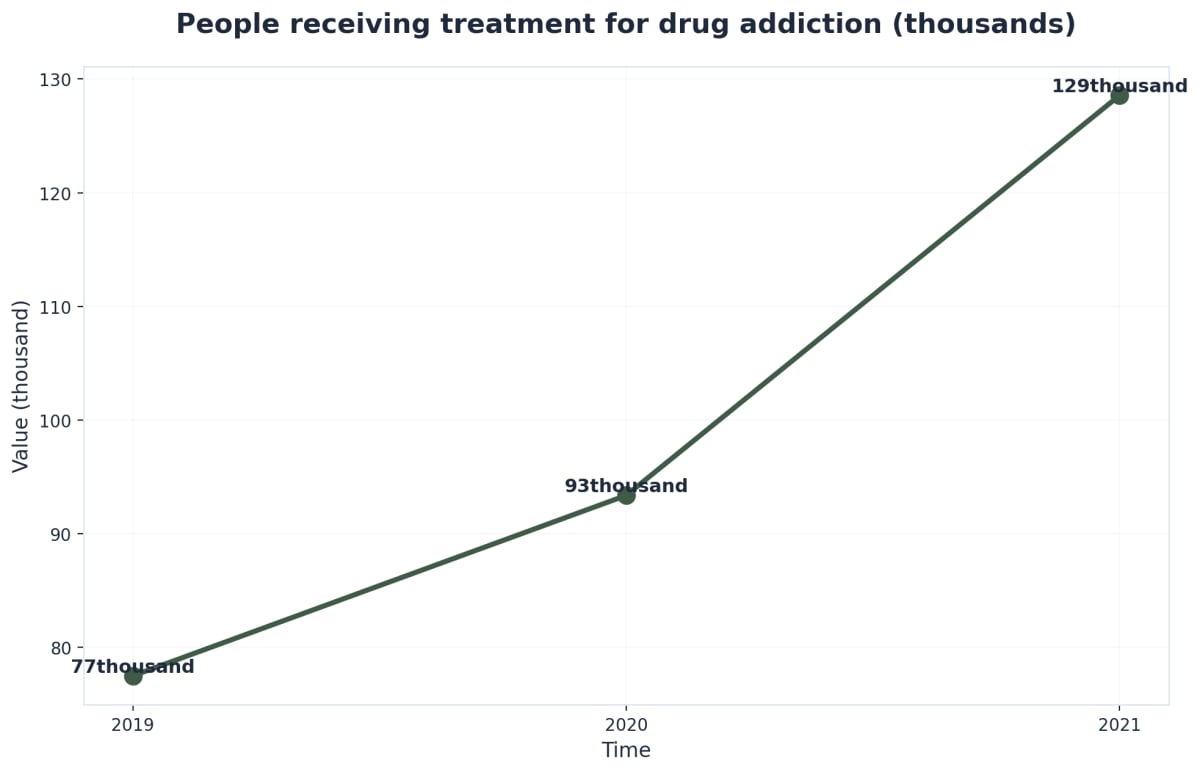
The environment is kept calm and supportive, with continuous staff presence to help ease anxiety and pain. Medications may be used to reduce symptoms and prevent serious events, always tailored to the individual’s health history and severity of dependence1. But detox protocols aren’t just about managing symptoms—they’re about setting a foundation for engagement and hope. Professionals assess for co-occurring mental health issues right away, since untreated depression or anxiety can undermine the whole process. Hydration, nutrition, and sleep are closely supported, recognizing that physical wellness impacts motivation and clarity. Each day, staff reinforce that withdrawal discomfort is temporary and progress is possible, even when it feels overwhelming.
Here’s a quick table outlining some core elements of quality detox in residential settings:
| Element | Purpose |
|---|---|
| 24-hour monitoring | Immediate response to complications |
| Individualized meds | Symptom relief, safety |
| Mental health screening | Early identification of co-occurring issues |
| Supportive environment | Reduces stress, builds trust |
| Hydration/nutrition | Promotes physical stability |
Yes, this is challenging work, and every moment of safety you provide makes a difference. Next, let’s explore how comprehensive assessment standards further protect clients through the withdrawal process.
Comprehensive Assessment Standards
You know how critical a thorough assessment is for safe and effective alcohol rehab inpatient treatment. Before any real progress can happen, a multidimensional evaluation is the foundation. This isn’t just a quick intake—quality programs use structured tools like the ASAM Criteria to review six key dimensions: withdrawal risk, physical health, mental health, readiness to change, relapse potential, and the person’s living environment8. This level of detail means you can spot hidden risks that might otherwise go unnoticed, such as unreported medical issues, trauma history, or risk factors for self-harm.
A comprehensive assessment guides the team’s response from the very start. It helps ensure that medication needs are identified, mental health concerns aren’t missed, and every safety protocol is in place. This is not about putting clients in a box; it’s about building a plan that respects their unique context and needs. The process should feel supportive, not judgmental—every question serves the goal of keeping the client safe and engaged. For those with dual diagnoses or fluctuating motivation, this kind of assessment is especially important, since it allows for swift adjustments as new challenges arise4.
Here’s a table summarizing the key assessment areas:
| Assessment Area | Why It Matters |
|---|---|
| Withdrawal risk | Guides medical safety steps |
| Biomedical conditions | Informs medication & care plans |
| Mental health | Identifies co-occurring disorders |
| Readiness to change | Shapes engagement strategies |
| Relapse potential | Flags risk and informs monitoring |
| Recovery environment | Addresses external support/barriers |
Yes, this process can feel overwhelming for clients, but every detail you gather lays the groundwork for real safety and hope. Coming up, we’ll look at the core therapeutic approaches that truly support long-term healing.
Evidence-Based Therapies That Work
Core Therapeutic Approaches
Once clients are stabilized and assessed, the real work of healing begins. At the heart of effective alcohol rehab inpatient treatment are therapies proven through research to help people change their thinking and behaviors around alcohol. You already know that no one approach fits every client, but evidence-based modalities like Cognitive-Behavioral Therapy (CBT) and Motivational Enhancement Therapy (MET) are often the backbone of residential programs. These therapies don’t just address drinking—they help clients identify triggers, challenge negative beliefs, and build new coping strategies. This is where the hard work happens, and it’s where you’ll see small shifts turn into lasting progress3.

CBT is widely used for its ability to help clients spot the patterns that keep them stuck. Through structured sessions, individuals learn to interrupt automatic thoughts and choose healthier responses. MET, on the other hand, focuses on building a client’s own motivation to change, meeting them where they are without judgment—especially valuable when ambivalence is high. Group therapy is another cornerstone, offering a space where clients can connect with peers, practice new skills, and see they’re not alone in the process.
Holistic and experiential therapies are becoming more common in residential settings. Activities like mindfulness, yoga, art, and even animal-assisted therapy can help reduce anxiety, improve emotional regulation, and foster genuine engagement. These approaches recognize that healing isn’t just cognitive—it’s emotional and physical too. Here’s a table summarizing core therapy types used in quality inpatient centers:
| Therapy Type | Main Benefit |
|---|---|
| Cognitive-Behavioral | Reshape thought/behavior patterns |
| Motivational Enhancement | Boost readiness for change |
| Group Therapy | Peer support, skill building |
| Mindfulness/Experiential | Lower anxiety, increase self-awareness |
Yes, this is challenging, and that’s okay—every skill a client builds is a step forward. Next, we’ll focus on the unique strategies needed to treat co-occurring mental health concerns in this setting.
Treating Co-Occurring Mental Health
Supporting clients with both substance use and mental health disorders takes extra compassion and skill. In alcohol rehab inpatient treatment, integrated care means addiction and mental health professionals work together, side-by-side, so clients don’t have to keep their struggles separate. When depression, anxiety, PTSD, or trauma are present, treating just the substance use is never enough—unaddressed mental health symptoms are a top reason for relapse4. That’s why evidence-based programs now blend therapies for both, making sure everyone’s needs get recognized and honored.
You know that each client’s story is unique. Some may have mental health diagnoses that predate their drinking; others might experience depression or anxiety as a result of their substance use. The first step is always a careful assessment, using tools that screen for both substance use and psychiatric symptoms. From there, the team can build a plan that includes medication management, trauma-informed therapy, and regular check-ins to catch any changes in mood or behavior. A trauma-informed approach is especially important—many clients arrive with histories that require safety, trust, and a gentle pace.
Here’s a table showing key elements of integrated treatment for dual diagnoses:
| Integrated Care Element | Why It Matters |
|---|---|
| Joint treatment planning | Ensures both conditions are addressed |
| Medication support | Stabilizes mood, reduces relapse risk |
| Trauma-informed therapy | Builds trust, avoids re-traumatization |
| Regular reassessment | Catches symptom changes early |
Yes, this can feel daunting, and that’s okay—every time you help a client feel seen and supported, you’re building hope. Up next, you’ll see how family involvement and education can strengthen the foundation for long-term recovery.
Building Long-Term Recovery Support
Family Involvement and Education
You know how much family dynamics can shape the course of recovery in alcohol rehab inpatient treatment. When loved ones are part of the process, outcomes improve—not just for your client, but for the whole support system. Families often carry their own pain, confusion, and hope into treatment. By including them in therapy and education sessions, you help everyone move forward together.
Family therapy is more than just a supportive add-on. It provides a safe space to address old wounds, improve communication, and break cycles like enabling or codependency. Evidence shows that programs involving families see better engagement and reduced relapse rates6. Education sessions, meanwhile, equip families with tools to understand addiction as a medical condition, not a moral failing. This shift reduces shame and empowers loved ones to provide healthy, sustainable support.
Here’s a table summarizing key benefits of family involvement:
| Benefit | Description |
|---|---|
| Improved communication | Reduces misunderstandings and conflict |
| Healthier boundaries | Lowers codependency and enabling |
| Increased support | Strengthens recovery environment |
| Reduced relapse risk | Family learns how to support without rescuing |
Yes, bringing families into the healing process can feel messy and emotional, and that’s okay. Every honest conversation is a step toward lasting change. Next, let’s explore how relapse prevention and aftercare planning provide a safety net for long-term recovery.
Relapse Prevention and Aftercare
Relapse prevention planning is a cornerstone of effective alcohol rehab inpatient treatment. You know how vital it is to help clients recognize that relapse isn’t a sign of failure—it’s a common, expected part of recovery, with rates between 40% and 60% even after structured treatment5. That’s why a strong aftercare strategy matters so much. By working with clients before discharge, you can identify their unique high-risk situations—whether it’s certain social circles, emotional triggers, or unstructured downtime—and develop practical coping skills for each.
A truly supportive aftercare plan does more than hand off a list of resources. It involves concrete steps: arranging therapy appointments, connecting clients with mutual-help groups, and maintaining regular check-ins. Evidence shows that assertive linkages to continuing care—sometimes called a “warm handoff”—significantly improve engagement and reduce relapse risk2. Ongoing connection matters: the more supported someone feels after leaving inpatient care, the more likely they are to reach out if they hit a rough patch.
Here’s a table highlighting essential components of a robust aftercare plan:
| Aftercare Element | Why It Matters |
|---|---|
| Scheduled therapy | Maintains momentum and accountability |
| Mutual-help groups | Offers peer support and community |
| Regular check-ins | Early detection of setbacks or concerns |
| Individualized plan | Addresses each client’s unique needs |
Yes, setbacks are tough, and that’s okay—every time you help a client get back on track, you’re building their confidence and resilience. Next, we’ll look at how to guide clients in finding the right fit for their ongoing recovery journey.
Frequently Asked Questions
What if I’ve tried treatment before and it didn’t work?
If you or your client has been through alcohol rehab inpatient treatment before and didn’t find success, you’re not alone. Relapse is common—40-60% of people experience it at some point, much like with other chronic conditions5. That doesn’t mean treatment failed or that change isn’t possible. Every attempt at recovery offers new insights and skills, even if it feels discouraging in the moment. Sometimes, it takes trying different therapeutic approaches, a new treatment environment, or more integrated mental health support to make progress. Yes, this feels tough, and that’s okay—each effort is a step forward, and persistence is a sign of courage, not defeat.
How long does it typically take to feel ready to leave residential treatment?
The length of stay in alcohol rehab inpatient treatment can vary, but most structured residential programs last about 28 to 30 days. Feeling truly ready to leave is not just about time passing—it’s about seeing progress in physical health, emotional stability, and daily routines. For some clients, readiness comes near the end of the scheduled stay, while others may need extensions or step-down care depending on their specific needs and co-occurring conditions. Studies show that longer treatment is linked to better outcomes, but the real marker is a client’s confidence in their coping skills, support network, and relapse prevention plan2. Yes, this process can feel slow, and that’s okay—every bit of progress is worth celebrating.
Are there alternatives to 12-step programs if that approach doesn’t feel right for me?
You’re not alone if the 12-step model doesn’t feel like the right fit for you or your clients. There are several alternatives that offer different philosophies and structures—all with evidence supporting their effectiveness. Secular mutual-help groups like SMART Recovery, Women for Sobriety, and LifeRing use cognitive-behavioral and motivational tools rather than a spiritual framework. Research shows that these alternatives can be just as effective as 12-step programs, with similar levels of group support, cohesion, and satisfaction among participants9. Most quality alcohol rehab inpatient treatment centers now offer or support these alternatives, so clients can choose the path that aligns with their own beliefs and comfort. Yes, finding the right support system can take some trial and error, and that’s okay—every step toward connection is progress.
What happens if I experience a relapse after completing inpatient treatment?
Experiencing a relapse after completing alcohol rehab inpatient treatment is more common than many realize—roughly 40-60% of people in recovery will have at least one relapse, similar to conditions like diabetes or hypertension5. This does not erase the progress you or your client have made. Instead, it’s a sign that extra support or new strategies may be needed. The best next step is to reach out—whether to a counselor, a support group, or a trusted peer—to review what happened and adjust the recovery plan. Yes, this feels discouraging, and that’s okay. Every time someone seeks help after a setback, they’re showing strength and moving forward.
How can I tell if a treatment center is actually accredited and legitimate?
To confirm a treatment center’s legitimacy and accreditation, start by checking if it holds current state licensing and national accreditation from organizations like CARF (Commission on Accreditation of Rehabilitation Facilities) or The Joint Commission. Legitimate alcohol rehab inpatient treatment centers are transparent about these credentials and will provide documentation if asked. Accredited programs must meet rigorous standards for safety, quality of care, and staff qualifications2. It’s also smart to look for red flags—centers that avoid answering questions, make unrealistic cure promises, or focus more on amenities than clinical services may not meet best-practice standards7. Yes, this can be a lot to verify, and that’s okay—every question you ask helps ensure safety and quality for your clients.
What should I do if my insurance doesn’t cover the full cost of treatment?
If your insurance doesn’t cover the full cost of alcohol rehab inpatient treatment, it’s normal to feel overwhelmed or discouraged. Start by having an open conversation with the treatment center’s financial team—they can often help you understand your options and may offer payment plans or sliding scale fees based on income. Some programs have scholarships or grants to help bridge the gap. You can also look into state or local resources, as some counties have funds set aside for addiction treatment. While not every avenue will be a fit, persistence pays off, and exploring multiple funding sources increases the chances of accessing needed care2. Yes, this is stressful, and that’s okay—every effort you make is a step toward safety and healing.
Finding the Right Fit for Your Recovery
Recognizing you need help is one thing. Actually choosing a program and making the call? That’s where many helping professionals get stuck. You know exactly what to look for in quality care—you’ve probably recommended programs to clients countless times. But when it’s your own recovery, that professional knowledge can become analysis paralysis.
Here’s what actually matters when you’re the one seeking treatment: Can you trust yourself to this process? The same evidence-based approaches you’ve guided others through—they work for you too. Co-occurring disorder treatment, trauma-informed care, family involvement—you already know these elements are essential. The challenge isn’t finding them; it’s allowing yourself to receive them.
What might matter more right now is the environment itself. Some professionals find that getting away from their daily context—the place where they’re always the helper—creates necessary space for their own healing. A residential program in a different setting, maybe somewhere like Montana where the landscape itself offers perspective, can make it easier to step out of your professional role and into genuine recovery work.
Consider what you’ve rarely prioritized: experiential approaches that bypass intellectual defenses. Equine therapy, for instance, creates authentic connection without the clinical framework you can hide behind. Staff who share recovery experience—not just clinical credentials—often reach the parts of you that your professional armor protects. These aren’t extras; they’re access points to the healing you need but struggle to accept.
You’ve helped countless people take this step. You deserve the same quality of care you’ve advocated for others. If you’re ready to explore what 30-day residential treatment could look like for you, Rocky Mountain Treatment Center offers confidential conversations with professionals who understand both the clinical side and the personal courage this decision requires.
References
- Specialized Substance Abuse Treatment Programs – Chapter 5. https://www.ncbi.nlm.nih.gov/books/NBK64273/
- Guide: 11 Indicators of Quality Addiction Treatment. https://www.recoveryanswers.org/resource/guide-quality-addiction-treatment/
- Recommend Evidence-Based Treatment: Know the Options. https://www.niaaa.nih.gov/health-professionals-communities/core-resource-on-alcohol/recommend-evidence-based-treatment-know-options
- Substance Use Disorder Treatment for People with Co-Occurring Disorders. https://www.samhsa.gov/co-occurring-disorders
- Addiction Relapse Prevention – StatPearls. https://www.ncbi.nlm.nih.gov/books/NBK551500/
- The Importance of Family Therapy in Substance Use Disorder Treatment. https://www.samhsa.gov/blog/importance-family-therapy-substance-use-disorder-treatment
- Red Flags for Addiction Treatment Centers. https://www.monmouthcountynj.gov/documents/103/Red%20Flags%20for%20Addiction%20Treatment%20Centers.pdf
- About the ASAM Criteria. https://www.asam.org/asam-criteria/about
- Comparison of 12-step Groups to Mutual Help Alternatives for AUD. https://www.ncbi.nlm.nih.gov/pmc/articles/PMC5003503/
- Recovery-Oriented Mutual Self-help Groups. https://www.va.gov/WHOLEHEALTHLIBRARY/tools/recovery-oriented-mutual-self-help-groups.asp