
Executive Summary: Sustaining Your Recovery
For professionals navigating the complexities of addiction, success relies on infrastructure, not just intent. Here are the core components of a lasting recovery plan:
- Developmental Progression: Treat recovery as a skill-building process. Use the checklists below to score your current “Recovery Capital” and identify gaps in your emotional and mental defense systems.
- Strategic Infrastructure: Success requires a daily framework. Implement the “Routine & Self-Care Builder” to reduce decision fatigue and automate healthy choices.
- Immediate Action: If you identify with the “Mental” stage of relapse described in Section 1.2, your immediate next step is to activate your continuing care network (Zoom group or sponsor) within 24 hours.
Why a Sober Lifestyle Requires More Than Willpower
Understanding Recovery as a Developmental Process
Recovery isn’t just about gritting your teeth and pushing through—it’s a journey of growth, healing, and change that unfolds over time. Think of it as building strength after an injury: you need patience, guidance, and new skills at each stage. A sustainable sober lifestyle is built on these incremental improvements rather than overnight transformation.
Here’s a quick self-check tool to help you see where you are in your recovery development:
- Skill Acquisition: Are you learning new coping skills weekly?
- Support Infrastructure: Do you have support systems in place (groups, mentors, or therapy)?
- Relational Repair: Are you focusing on repairing relationships or rebuilding trust?
- Routine Building: Have you started to build new routines that support your goals?
If you’re finding gaps, don’t worry—every step forward counts. Recognizing recovery as a developmental process means understanding that setbacks don’t erase progress. In fact, research highlights that long-term success hinges on addressing root causes, building daily structure, and nurturing connections—not just willpower alone.2
This approach makes sense for professionals who are relapse-prone: it allows you to pace yourself, measure growth, and build sustainable change. The sober lifestyle thrives when you treat recovery as a series of milestones, not an all-or-nothing sprint. Yes, this is challenging, and that’s okay—your progress is real, even on hard days.
Up next, we’ll look at the three stages of relapse so you can spot early warning signs and protect the growth you’ve worked so hard to achieve.
The Three Stages of Relapse You Need to Know
Relapse doesn’t just happen in a single moment—it unfolds in three distinct stages: emotional, mental, and physical. Recognizing these stages early gives you a real advantage, especially if you’ve experienced cycles of sobriety and return to use. Here’s a quick assessment you can use to spot where you (or a peer) might be in this process:
- Emotional: Are you isolating, bottling up feelings, or neglecting self-care?
- Mental: Have you caught yourself romanticizing past use, bargaining, or daydreaming about substances?
- Physical: Are you making plans or taking steps to actually use again?
Research shows that relapse is a gradual process—not a sudden event—with clear warning signs at each stage. Early intervention is much more effective in the emotional and mental stages, before things escalate to physical relapse.7
If you notice yourself drifting into old habits, remember: this doesn’t mean failure. Catching these signs is a sign of progress. This approach suits professionals who want a practical, nonjudgmental way to keep their sober lifestyle on track. Yes, it can feel discouraging to notice warning signs, but every time you interrupt the pattern, you’re building new skills and resilience.
Next, you’ll see how daily structure and self-care routines form the foundation that supports you through these vulnerable moments.

Building Your Daily Foundation for a Sober Lifestyle
Creating Structure Through Routine and Self-Care
A steady daily routine is your anchor when living a sober lifestyle, especially if relapse has been a part of your story. Let’s start with a practical tool you can use right now:
| Routine Component | Self-Check Question | Why It Matters |
|---|---|---|
| Sleep Hygiene | Do you have set wake-up and sleep times? | Regulates mood and reduces vulnerability to stress. |
| Emotional Audit | Is there a daily check-in (journaling, group)? | Prevents emotional buildup that leads to relapse. |
| Physical Reset | Are meals and movement built in? | Stabilizes blood sugar and energy levels. |
| Pause Ritual | Do you take a short self-care moment? | Interrupts the “autopilot” of a busy professional life. |
If you feel overwhelmed by creating structure, remember: it’s not about perfection. Research shows that routines help reduce decision fatigue, improve mood, and lower the risk of relapse by providing predictability and healthy distraction.2 This path makes sense for professionals who thrive on accountability and visible progress. Even a simple checklist on your phone can reinforce positive habits.
Self-care isn’t just bubble baths—it’s about meeting your basic needs every day so your brain and body can heal. That might mean planning meals ahead, scheduling recovery calls, or giving yourself permission to rest. One study highlights that self-care routines, such as regular sleep and mindful breaks, are proven relapse prevention strategies and support emotional regulation.2
Yes, building a routine takes effort, and you’ll have days that feel off. Give yourself credit for every small win—each step adds up. Next, you’ll see how investing in your physical health further builds your recovery capital and strengthens your foundation.
Physical Health as Recovery Capital
Your physical health isn’t just a bonus in recovery—it’s a powerful form of recovery capital. Recovery capital refers to the resources (internal and external) that support your ability to sustain a sober lifestyle. Here’s a quick assessment tool to help you spot where you’re building strength:
- Movement: Are you moving your body daily, even with just a walk or stretch?
- Maintenance: Do you have regular medical or mental health check-ins?
- Fuel: Are you fueling with balanced meals and staying hydrated?
- Rest: Are you getting adequate sleep most nights?
If your answers are mixed, that’s okay—every effort is valuable. Research reveals that exercise isn’t just good for your body; it also reduces substance cravings and promotes emotional regulation.3 Even moderate physical activity can lower your risk of relapse and improve your overall sense of wellbeing. This approach works best when you view physical health as a pillar, not an afterthought.
Why Physical Health Stabilizes Mood
Consider this route if you’ve noticed energy swings or mood dips after treatment. Investing in physical health—through movement, sleep, nutrition, and regular healthcare—makes it easier to handle stress and boosts your confidence. Studies highlight that these actions are linked to higher abstinence rates and better long-term recovery outcomes.3Remember, progress isn’t linear, and small steps still lead to big change. Up next, you’ll explore how connection and community support strengthen your sober lifestyle for the long haul.
The Power of Connection in Long-Term Sobriety
Why 12-Step and Peer Support Work Long-Term
Peer support and 12-step communities give you something most treatment plans can’t: lived experience, steady connection, and accountability that sticks around for the long haul. If you’re navigating a relapse-prone pattern, here’s a quick self-check to see how you’re tapping into these resources:
- Frequency: Do you have at least one recovery meeting or group touchpoint each week?
- Mentorship: Have you connected with a sponsor, mentor, or peer in the last 7 days?
- Vulnerability: Are you sharing honestly about struggles—not just successes?
- Safety Net: Is there someone in your circle who checks in if you go quiet or skip a meeting?
If these aren’t yet habits, you’re not alone—many professionals find it takes time to build this rhythm. Research confirms that people who stay connected to 12-step or peer groups have higher rates of continuous abstinence, even compared to other established treatments.6
Studies show that those who actively engage in these groups are more likely to maintain a sober lifestyle for years, and even see healthcare costs drop over time.6, 8
This strategy suits those who value real-world accountability and don’t want to go it alone. When you surround yourself with people who’ve walked this path, you gain encouragement, tools, and a sense of belonging—especially when motivation dips. Yes, there are days when it feels hard to show up, but every meeting builds your support network.
Next, you’ll discover how involving family can add another protective layer to your long-term recovery.
Involving Family in Your Recovery Journey
Bringing family into your recovery journey adds a layer of support that few other resources can match. Here’s a practical tool to help you assess and strengthen family involvement in your sober lifestyle:
- Transparency: Do you have regular, open conversations about your recovery with family members?
- Education: Are your loved ones aware of your triggers and warning signs?
- Participation: Have you invited family to participate in therapy, support groups, or educational sessions?
- Contingency Planning: Is there a plan for handling conflicts or high-stress situations together?
If some of these areas feel shaky, you’re not alone. Involving family isn’t about perfection—it’s about building bridges and practicing new ways to connect. Research shows that when families are part of the treatment and recovery process, outcomes improve: people experience fewer relapses, build healthier communication patterns, and report a stronger sense of belonging.10 This approach is ideal for professionals who want to create a home environment that reinforces recovery rather than undermining it.
Yes, difficult conversations and old patterns might resurface, but every honest effort you make helps your family become allies in your long-term success. Even small steps, like inviting a loved one to a group session or asking for their support on a tough day, can strengthen your foundation.
Next, you’ll see how continuing care acts as your safety net, keeping your progress steady after formal treatment ends.
Continuing Care: Your Safety Net After Treatment
What Effective Continuing Care Actually Looks Like
Effective continuing care is more than checking a box after residential treatment—it’s an active, ongoing process that gives you real support where and when you need it. To see if your aftercare plan covers the essentials, here’s a quick assessment tool:
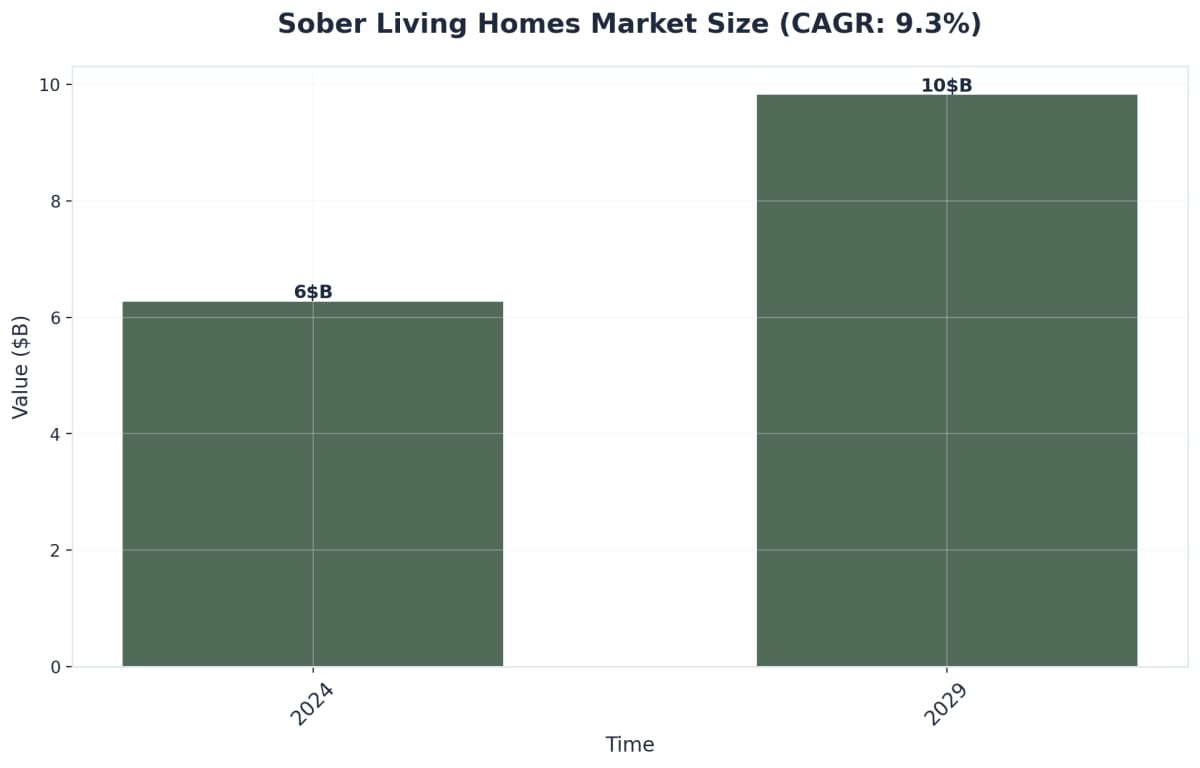
- Virtual Connection: Do you have weekly group sessions (like Zoom groups) for ongoing connection?
- Professional Oversight: Is there a regular, scheduled check-in with a counselor or recovery coach?
- Crisis Access: Are you able to access support quickly when cravings or stress flare up?
- Community: Does your plan include alumni or peer community access for long-term accountability?
If you’re missing any of these, you’re not alone. Many professionals find that a structured continuing care plan—especially one that’s flexible and extends beyond the first few months—makes all the difference. Research confirms that people at higher risk for relapse benefit greatly from ongoing care, with outcomes improving the longer and more actively they stay engaged.4
This solution fits those who want to keep their sober lifestyle strong after leaving a highly structured environment. Options like weekly Zoom groups, alumni networks, and scheduled check-ins can bridge the gap between inpatient care and daily life. Yes, staying involved takes effort, but every connection you nurture is a layer of protection.
Up next, you’ll learn practical ways to manage high-risk situations and triggers as you continue to build confidence outside the safety net of treatment.
Managing High-Risk Situations and Triggers
Managing high-risk situations and triggers is a skill set you build, not something you’re just born with. Here’s a hands-on tool you can use to map your most vulnerable moments:
- Identification: What places, people, or emotions regularly spark cravings?
- Strategy: Do you have a go-to coping skill for each trigger (breathing, call, walk, meeting)?
- Exit Plan: Is your exit strategy clear if you end up in a risky environment?
- Accountability: Who is your accountability contact in moments of stress?
If answering these questions feels tough, that’s normal. Triggers can shift over time, and even seasoned professionals can get caught off guard. Research shows that actively managing high-risk situations—by developing escape plans and practicing skills like mindfulness and assertive refusal—significantly reduces the risk of relapse.1, 7 This approach works best when you treat managing triggers as an ongoing, adaptive process, not a one-time fix.
Consider this method if you’ve found yourself surprised by cravings after months of stability. Even just pausing to name a trigger and reaching out for support can interrupt the automatic cycle that leads to use.7
Try using a simple code or script for yourself in these moments:
STOP: Stop, Take a breath, Observe what you are feeling, Proceed with a healthy choice.Remember, every time you use a coping strategy instead of old patterns, you’re reinforcing your sober lifestyle and building resilience for the next challenge. As you move forward, let’s focus on turning these protective strategies into daily habits so that your confidence and recovery plan grow stronger with each passing week.
Frequently Asked Questions
How long does it take for your brain to heal in recovery?
Healing in recovery is a gradual process, especially for your brain. Most people experience noticeable improvements in mood, focus, and sleep within the first few months, but brain imaging studies show that real neurological healing continues for 6 to 24 months after stopping substance use.3 Over time, your brain’s ability to manage stress, experience pleasure, and regulate emotions strengthens, supporting a sustainable sober lifestyle. That means if you’re feeling frustrated by slow progress, you’re not alone—your brain is still working hard to reset. Every day you stick with recovery, you’re helping those neural pathways rebuild and making long-term change possible.3
What if I can’t afford ongoing therapy or support groups after treatment?
If ongoing therapy or support groups feel out of reach financially, remember you still have options for maintaining your sober lifestyle. Research highlights that peer-led groups like 12-step meetings and community recovery groups are often free and widely accessible.6, 8 Many professionals turn to these networks for steady support, accountability, and real-world strategies. Virtual meetings, online forums, and recovery apps also provide connection without cost, offering tools and encouragement anytime you need them.4 This approach is ideal for those who want to keep building recovery capital even when resources are limited. Every effort you make counts—showing up, sharing, or simply listening can reinforce your progress and help you stay on track.
How do I rebuild relationships with family members who don’t trust me yet?
Rebuilding relationships with family after trust has been broken is rarely quick—but it is absolutely possible. Start by focusing on consistent actions, not promises. Even small, reliable steps like regular check-ins or showing up for family events can slowly shift the dynamic. Research shows that involving family in your recovery and practicing open communication leads to fewer relapses and healthier relationships.10 Let loved ones see your commitment to a sober lifestyle over time rather than expecting instant forgiveness. This path makes sense for professionals seeking to restore trust: patience, steady effort, and honest conversations will help you rebuild connection and make your support system stronger.
Is it normal to feel emotionally numb or overwhelmed in early recovery?
Yes, feeling emotionally numb or overwhelmed is very common in early recovery. Your brain and body are adjusting to life without substances, and these changes can temporarily dull emotions or make feelings seem unmanageable. This is part of the adjustment period as your nervous system works to rebalance after prolonged substance use. Research shows that emotional ups and downs are a natural phase of building a sober lifestyle, and over time, most people experience improved emotional stability as their brain heals.3 If you’re struggling, remember you’re not alone—many professionals face these challenges, and each day you stick with recovery, you’re moving forward.
What should I do if I’m experiencing strong cravings months into sobriety?
If you’re experiencing strong cravings months into sobriety, know that this is a normal part of building a lasting sober lifestyle—especially under stress or sudden change. Pause and check in: are you tired, hungry, isolated, or overwhelmed? Cravings often pass within 20–30 minutes, so try grounding techniques like deep breathing, movement, or calling a peer. Research shows that practicing mindfulness and reaching out for support can significantly reduce the risk of acting on cravings.7 This method works when you treat cravings as signals, not failures. Remember, every time you reach for a healthy coping tool, you’re strengthening your recovery muscle.
How do I handle social situations where everyone else is drinking?
Handling social situations where alcohol is present takes planning and self-compassion. Before attending, decide on your boundaries—bring a non-alcoholic drink, have a supportive peer on standby, and give yourself permission to leave early if needed. The rise in alcohol-free beverage options and the 85% jump in non-alcoholic drinkers in the US show you’re not alone choosing a sober lifestyle.8 Practice a simple script for declining drinks and refocus on connecting through conversation or shared activities. If you feel triggered, step outside for a few breaths or reach out to your support network. Every event you navigate builds confidence and resilience.
Your Next 30 Days: Taking Action Today
You know how this works. You’ve seen the statistics, maybe even counseled others through them. But when it’s your own third, fourth, or fifth attempt at recovery, the vulnerability of seeking help again cuts deeper than any clinical understanding ever prepared you for. Here’s what you also know: the difference between lasting recovery and the revolving door isn’t willpower—it’s infrastructure.
The 30-day residential model works for relapse-prone individuals when it’s built on a foundation that extends far beyond discharge day. What matters isn’t just the intensity of treatment during those initial weeks—it’s the structure waiting on the other side. Weekly Zoom groups that keep you connected to your cohort. Regular check-ins that catch warning signs before they become crises. A lifelong alumni network that understands both the professional mask you wear and the person beneath it. This continuing care infrastructure is what prevents treatment from becoming a temporary reprieve rather than a genuine turning point.
Montana’s landscape offers something the clinical setting alone can’t—space to rebuild without the immediate pressure of your professional identity. Combined with evidence-based treatment and a community-focused approach, that environment creates room for the kind of honest work that’s harder to do when you’re surrounded by the system you know too well. The next 30 days matter, but what happens in the months and years after matters more. Seek out programs like Rocky Mountain Treatment Center where continuing care isn’t an afterthought—it’s the entire point.
References
- Addiction Relapse Prevention – StatPearls – NCBI Bookshelf. https://www.ncbi.nlm.nih.gov/books/NBK551500/
- Relapse Prevention and the Five Rules of Recovery. https://pmc.ncbi.nlm.nih.gov/articles/PMC4553654/
- Enhancing Substance Use Disorder Recovery through Integrated Exercise and Cognitive-Behavioral Strategies. https://pmc.ncbi.nlm.nih.gov/articles/PMC11201577/
- Impact of Continuing Care for Substance Use Disorder Recovery. https://pmc.ncbi.nlm.nih.gov/articles/PMC7813220/
- Pathways to Long-Term Recovery: A Preliminary Investigation. https://pmc.ncbi.nlm.nih.gov/articles/PMC1852519/
- Alcoholics Anonymous and 12-Step Facilitation Treatments for Alcohol Use Disorder. https://pmc.ncbi.nlm.nih.gov/articles/PMC8060988/
- Mindfulness-Based Relapse Prevention and Related Approaches to Substance Use Disorder Treatment. https://pmc.ncbi.nlm.nih.gov/articles/PMC9471944/
- Benefits of Peer Support Groups in the Treatment of Addiction. https://pmc.ncbi.nlm.nih.gov/articles/PMC5047716/
- The Impact of Peer-Based Recovery Support Services. https://pmc.ncbi.nlm.nih.gov/articles/PMC12528342/
- Family Involvement in Treatment and Recovery for Substance Use Disorders. https://pmc.ncbi.nlm.nih.gov/articles/PMC8380649/