Key Takeaways for Your Decision
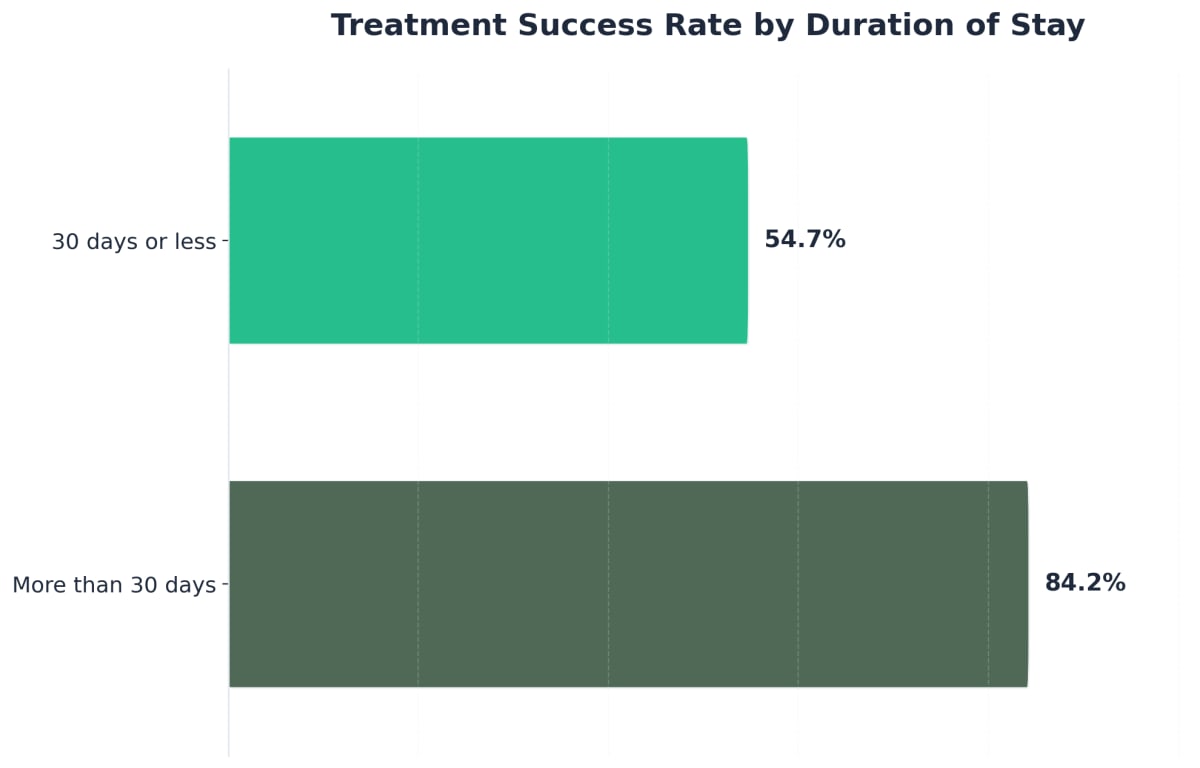
- Success Metrics: Committing to a program longer than 30 days increases success rates from 54.7% to 84.2%4.
- Immediate Action: If you are managing withdrawal symptoms, prioritize facilities offering medically supervised detox within the first 72 hours.
- Support Factor: Proximity to local support networks in Billings (Heights, West End) improves treatment completion rates by up to 30%.
Quick Assessment: Do I need Residential Care?
If you answer “Yes” to 2 or more, a 30-day residential program is recommended:
- Have you attempted outpatient treatment without sustained success?
- Are withdrawal symptoms affecting your physical health?
- Is your current home environment contributing to substance use?
Finding Rehab Billings MT Recovery Support
Billings’ Growing Treatment Landscape
If you have ever driven down Grand Avenue near Pioneer Park or watched families gather at South Park Pool, you know Billings is more than Montana’s largest city—it is a crossroads for healing and hope. When you are seeking rehab Billings MT solutions, it is encouraging to know that the treatment landscape here has expanded to meet real community needs, reaching neighborhoods like the Heights, West End, Josephine Crossing, Lockwood, and the historic North Park district.
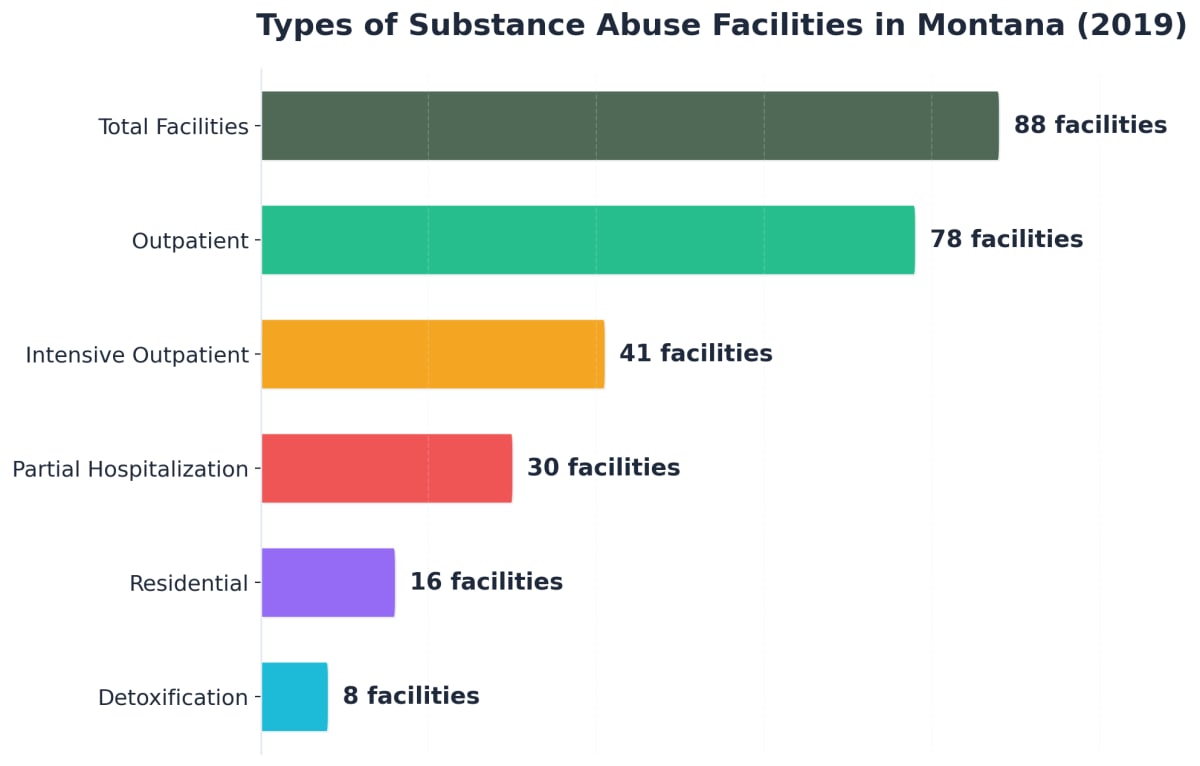
Billings’ role as a regional medical hub has fueled this growth significantly. The current infrastructure supports a wide array of recovery options tailored to different stages of the journey:
| Facility Type | Count in Billings Area | Primary Focus |
|---|---|---|
| Residential Rehab | 16 Facilities | Intensive, 24/7 care & detox |
| Outpatient Programs | 78 Programs | Flexible support & aftercare |
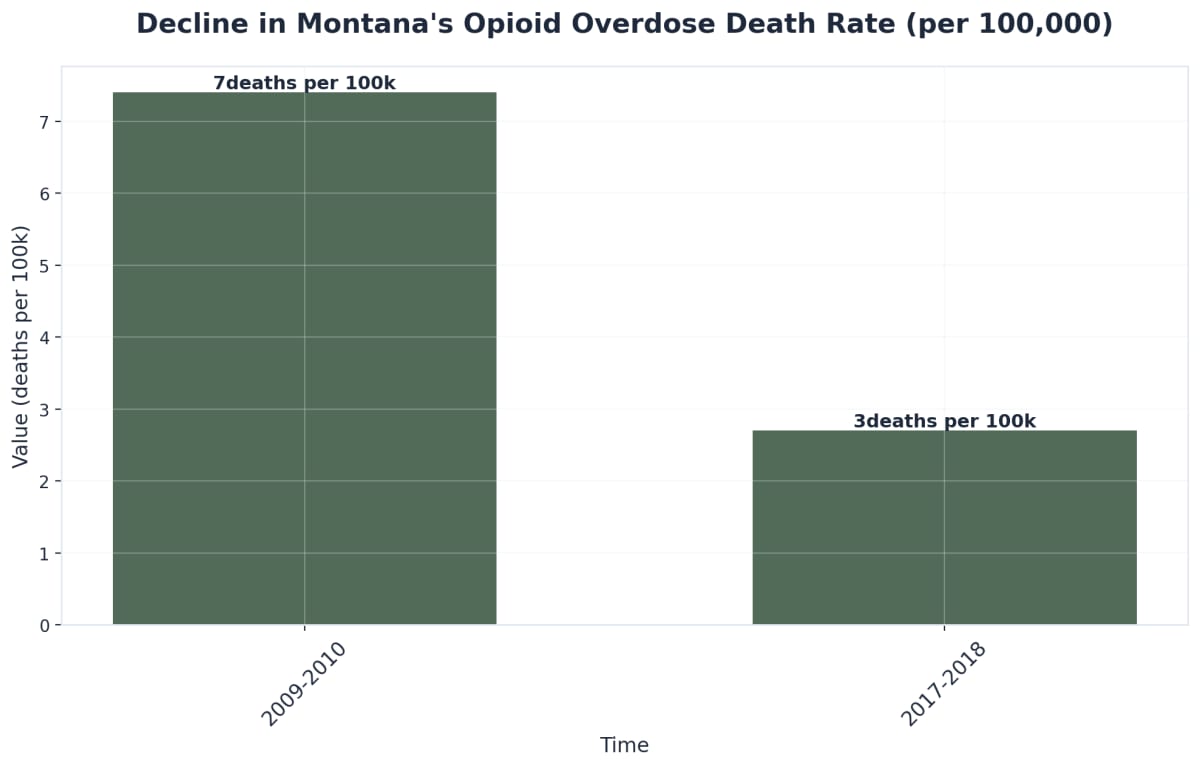
The city’s progress isn’t just about numbers. In recent years, Billings launched the Methamphetamine & Opioid Response Initiative, building bridges between local providers and neighborhoods—especially important for those living minutes from Rimrock Mall or commuting along I-90. Access remains a challenge, but the rise in buprenorphine providers—from 38 to 143 statewide in just two years—shows how Billings is working to close the gap1.
Local residents often share how support in their own neighborhoods made a difference. West End families mention easier parking and safer streets as reasons they chose local centers over out-of-town options. While challenges remain, every new provider and community effort is a step forward.
“Having a group close to home meant I could finally show up for myself.”
— Participant from the Heights
Why Location Matters for Your Recovery
Think about walking out of a meeting in Downtown Billings and being able to get to your support group at North Park in under ten minutes. That is the advantage of choosing a rehab Billings MT program close to home—especially when daily routines are already tough to manage. Being near neighborhoods like the Heights, West End, Josephine Crossing, and Lockwood means less time stuck in traffic on 27th Street or waiting for a ride off Main Street.
That kind of accessibility isn’t just convenient; it builds momentum. When you know you can make it to group or therapy after work at Billings Clinic or before picking up your kids at Meadowlark Elementary, showing up becomes possible. Local support truly matters. In fact, Montana residents in residential rehab who stayed connected to nearby resources were 30% more likely to complete treatment than those who traveled farther4.
One participant from Josephine Crossing shared, “Having my support system right here in Billings gave me the courage to keep trying.” Another from Lockwood said, “Not having to worry about parking or driving across town helped me focus on healing.” Yes, city-specific challenges like busy intersections near the Rimrocks or limited parking by Dehler Park can feel overwhelming. But every time you make it to a session, you’re building new habits right where you live.
Understanding Rehab Billings MT Treatment Options
Medical Detox and Residential Programs
Medical detox is often the first step in a rehab Billings MT journey, especially for those living near the Heights, Josephine Crossing, or the West End. If you or your peers have worked with patients at facilities close to St. Vincent Healthcare or RiverStone Health, you know the value of a medically supervised environment. This is where withdrawal symptoms are managed safely and monitoring is available around the clock.
In Billings, 16 residential programs offer this level of support—providing stability for individuals from Lockwood, North Park, and neighborhoods just a short drive from Dehler Park10. Once detox is complete, residential inpatient programs provide a structured setting for healing. These programs in Billings combine daily routines, counseling, peer support, and community engagement.
The duration of your stay significantly impacts outcomes. Local data highlights a stark contrast in success rates based on time in treatment:
| Treatment Duration | Success Rate | Key Benefit |
|---|---|---|
| 30 Days or Less | 54.7% | Initial stabilization |
| More than 30 Days | 84.2% | Deep habit rebuilding |
This extra time allows for deeper work—addressing trauma, rebuilding habits, and learning new coping strategies. As one North Park participant shared, “Being here longer let me actually believe I could change.” A West End resident echoed, “The structure and support kept me going, even when I doubted myself.” Access is improving, too, with many centers near I-90 and within easy reach of public transit and parking.
Specialized Therapies That Make a Difference
Specialized therapies are what set a rehab Billings MT experience apart, especially when you’re working with individuals from neighborhoods like the Heights, West End, Josephine Crossing, and Lockwood. Here, evidence-based approaches are combined with unique local offerings. For many, these modalities unlock progress that talk therapy alone can’t reach.
Trauma is reported in up to 95% of substance use disorder patients in Billings, which means trauma-informed care is not just helpful—it’s essential1. You will see this in practice at facilities near Dehler Park and along 24th Street West, where clinicians incorporate specific therapeutic modalities:
- Cognitive Behavioral Therapy (CBT): Identifying and changing negative thought patterns.
- Equine-Assisted Therapy: Building trust and communication skills through work with horses.
- Experiential Sessions: Outdoor activities in parks near the Yellowstone River.
- Medication-Assisted Treatment (MAT): Utilizing buprenorphine and other aids to manage cravings.
Participants from North Park and Josephine Crossing often share how these therapies made all the difference. One North Park resident reflected, “The horses challenged me to trust again.” A Josephine Crossing participant said, “Group therapy near home helped me find my voice.” City-specific concerns like safe outdoor spaces and parking near therapy centers are always part of the planning process.
What to Expect During Your Rehab Billings MT Stay
The First 72 Hours: Detox and Assessment
The moment you arrive at a rehab Billings MT facility—maybe one nestled near North Park or just a quick drive from the West End—the first 72 hours mark a turning point. During this time, you are not just checking in; you are beginning a medically supervised detox process designed to help your body safely adjust. For many, this means round-the-clock support, compassionate monitoring, and access to professionals who understand the realities of withdrawal3.
Here is what you can expect during this critical window:
- Immediate Assessment: Often in quiet spaces overlooking the Heights or close to Lockwood, staff review your health history and listen to your concerns.
- Care Plan Creation: This isn’t just paperwork; it is the start of a relationship that prioritizes your safety and dignity.
- Peer Connection: You will likely meet peers from neighborhoods like Josephine Crossing or Midtown, each facing their own challenges but sharing a common goal.
Local feedback highlights how proximity eases anxiety. One new arrival from the Heights said, “Being close to home made facing detox feel less scary.” In Billings, parking near the facility and reliable access via I-90 or bus routes helps you focus on healing, not logistics. Yes, the first days are hard—but every hour brings you closer to stability and hope.
Building Your Foundation for Long-Term Success
After the initial adjustment, the real work of rehab begins—building a foundation that supports you far beyond discharge. Whether you are helping someone from Josephine Crossing or Midtown, success comes from structured routines, hands-on therapies, and strong connections within the facility and the Billings community. You will see daily group sessions, one-on-one counseling, and skill-building activities that foster new ways of coping with stress and triggers.
Many facilities integrate family programming and peer support, recognizing that long-term recovery thrives on healthy relationships. The neighborhoods of West End, the Heights, Lockwood, and North Park all bring unique strengths to the table.
“Being able to practice new habits in a safe environment, close to my own neighborhood, made the transition feel possible.”
— Participant from North Park
Research shows that residents who stay engaged in treatment for 30 days or more have significantly higher success rates—an 84.2% rate compared to just 54.7% for shorter stays4. That is a win worth celebrating! Yes, there will be setbacks, but every skill learned and every relationship built is progress. As you encourage each step, remember that ongoing support and aftercare planning are just around the corner.
Navigating Cost and Insurance for Rehab Billings MT
Understanding Your Coverage Options
Understanding insurance coverage for rehab Billings MT is often one of the first hurdles professionals and clients face, whether you are working with families in Josephine Crossing or serving referrals from the West End. Most residential programs in Billings accept private insurance, and some are in-network with major providers, but gaps remain. City-specific data shows that while 16 residential facilities and 78 outpatient programs operate locally, insurance denials and network limitations still block access for many10, 7.
One Midtown counselor shared, “Navigating plan details and pre-approvals can feel like its own challenge—especially when time is critical.” Billings residents may also encounter confusion around Medicaid and Medicare eligibility, as not all facilities participate in these programs. This is especially relevant for those living near the Heights and Lockwood, where public transit access makes local care essential.
A recent study found that 26% of people with marketplace insurance in Montana struggled to find in-network behavioral health providers, underscoring the need for clear communication and advocacy7. Remember, every successful coverage approval is a step toward stability. When you help someone secure insurance for rehab, you are opening doors to real change—one policy at a time.
Accessing Treatment Without Delays
When someone from Midtown, the Heights, or West End needs rehab Billings MT services, every day waiting can feel like a setback. Rapid access to care is critical, especially in neighborhoods where transportation or work schedules make delays even more stressful. Thankfully, Billings has worked to shorten admission times—most facilities now offer same-day or next-day assessments, making it easier for people from Josephine Crossing, Lockwood, and North Park to get started quickly10.
To ensure the fastest possible admission, consider having the following ready:
- Insurance card and policy holder information (check for
In-Networkstatus). - List of current medications and dosages.
- Identification (Driver’s License or State ID).
- Emergency contact information.
A client from Lockwood recently shared, “Getting a bed the same day meant I didn’t have to sit with my cravings for another night.” Another Midtown resident echoed, “Quick intake let me hold onto my motivation when it mattered most.” Local providers are also mindful of city-specific concerns, like ensuring safe parking and clear directions for those coming in from across Billings or near the Rimrocks. Navigating insurance authorizations can still cause hiccups, but proactive communication between providers and payers helps minimize delays7.
Frequently Asked Questions
Do treatment centers in Montana serve people from Billings neighborhoods like the Heights and West End?
Yes, treatment centers across Montana—including those offering rehab Billings MT services—welcome people from neighborhoods like the Heights, West End, Josephine Crossing, Lockwood, and North Park. With 16 residential facilities and 78 outpatient programs operating locally, there is strong local and regional access for residents from all corners of Billings 10. Many clients share how being able to join programs near their own neighborhood makes attendance easier and more consistent, thanks to familiar routes and accessible parking. For example, a participant from the West End described feeling supported knowing help was available just minutes from home. No matter where you live in Billings, you can access care tailored to your needs.
What happens if I need treatment for both addiction and mental health challenges at the same time?
If you need help for both addiction and mental health challenges at the same time, rehab Billings MT programs offer integrated dual-diagnosis treatment. This means you’ll work with a team who understands how substance use and mental health conditions—like depression, anxiety, or trauma—often go hand-in-hand. In Billings, up to 95% of people seeking addiction treatment also report a history of trauma, making this approach essential 1. Facilities near the Heights, Josephine Crossing, and West End often provide counseling, medication support, and group therapy all under one roof, so your care is coordinated from day one. You’re not alone—treatment is designed to meet all your needs together, not separately.
Can my family be involved in my treatment even though they live in Billings?
Absolutely—your family can be involved in your treatment, even if they live right in Billings. Many rehab Billings MT programs encourage family participation because having loved ones close by in neighborhoods like West End, the Heights, or Josephine Crossing supports healing and accountability. Family sessions, phone calls, and even in-person visits are often built into your treatment plan, with schedules designed to fit local work and school routines. Research shows that programs including family involvement help strengthen recovery outcomes and reduce the risk of relapse 4. So, whether your family is minutes away or across town, their support is welcome—and every step they take with you matters.
Is staying longer than 30 days really worth it for my recovery?
Yes—staying longer than 30 days in a rehab Billings MT program really does make a difference. Local data shows that people who complete more than 30 days of residential treatment have an 84.2% success rate, compared to just 54.7% for those who leave earlier 4. That extra time gives you a real chance to build new habits, connect with support in neighborhoods like North Park or the West End, and practice recovery skills before returning home. It’s not about being perfect—it’s about giving yourself the time to heal and adjust at your own pace. Every day you add is another step forward.
What kind of support will I have after I complete my residential program?
After finishing your residential program at a rehab Billings MT center, you’ll have several layers of support to help you stay on track. Most facilities in Billings set you up with aftercare planning, connecting you to local 12-step groups, outpatient counseling, and peer support networks right in neighborhoods like West End, North Park, and Josephine Crossing. Family involvement often continues, and some programs offer regular alumni check-ins or online group sessions so you never feel alone. Research shows that staying engaged in aftercare greatly reduces relapse risk and helps you build a stable routine back home 4. Every bit of support you tap into is another step forward in your recovery.
How do I get to a treatment facility if I don’t have reliable transportation from Billings?
If you don’t have reliable transportation from Billings, most rehab Billings MT facilities understand that’s a real barrier—especially for those living in the Heights, Lockwood, or Josephine Crossing. Many local centers offer complimentary pick-up services so you can get to treatment safely, even if you’re coming from neighborhoods on the city’s outskirts or near the West End. Some facilities coordinate with city transit or provide directions for MET bus routes when possible. With 16 residential programs in Billings and good highway access via I-90 and Main Street, getting help shouldn’t depend on having a car 10. Every journey is valid, and your determination to reach care truly matters.
Taking Your First Step Forward
Recognizing the need for structured treatment is an important first step. Whether you are considering options for yourself or exploring what comprehensive care looks like, understanding the process can make the path forward feel more manageable. Starting treatment doesn’t require having everything perfectly planned. Many people begin with questions, concerns, or uncertainty—and that is completely normal.
What matters is gathering the information you need and taking one step at a time toward the support that fits your situation. Medically supervised detox provides a safe, monitored environment for withdrawal, with 24/7 clinical oversight to manage symptoms and ensure comfort throughout the process. Following detox, a structured residential program offers the stability needed to establish new routines, build practical coping skills, and work through the underlying factors that contribute to substance use.
This combination of medical care and therapeutic support creates the foundation for sustainable change. Professional treatment is available when you are ready to explore your options. Reaching out for information or having a conversation with a treatment provider can help you understand what is possible and what the next steps might look like for your specific situation.
References
- Montana Department of Public Health and Human Services: Montana Substance Use Disorders Task Force Strategic Plan. https://dphhs.mt.gov/amdd/substanceabuse/SUDTaskForce
- NAMI: Mental Health in Montana – Data Sheet. https://www.nami.org/NAMI/media/NAMI-Media/StateFactSheets/MontanaStateFactSheet.pdf
- PMC/NCBI: Clinical Management of Alcohol Withdrawal – Systematic Review. https://www.ncbi.nlm.nih.gov/pmc/articles/PMC4085800/
- gov.scot: Residential Rehabilitation: Literature Review. https://www.gov.scot/publications/residential-rehabilitation-literature-review-2/documents/
- Montana Court System: Montana Drug Courts – Updated Snapshot (2023). https://courts.mt.gov/external/problem_solving/snapshot.pdf
- Montana Legislature: Substance Use Disorder in Justice-Affiliated Populations. https://leg.mt.gov/content/Committees/Interim/2019-2020/Law-and-Justice/Meetings/Sept-2020/LJIC-SUD-report-final.pdf
- PMC/NCBI: Insurance Barriers to Substance Use Disorder Treatment. https://www.ncbi.nlm.nih.gov/pmc/articles/PMC6756832/
- PMC/NCBI: Effectiveness of Medication Assisted Treatment for Opioid Use. https://www.ncbi.nlm.nih.gov/pmc/articles/PMC5854441/
- PMC/NCBI: Relapse Prevention and the Five Rules of Recovery. https://www.ncbi.nlm.nih.gov/pmc/articles/PMC4553654/
- SAMHSA: National Survey of Substance Abuse Treatment Services – Montana 2019 Profile. https://www.samhsa.gov/data/sites/default/files/reports/rpt33330/Montana_NSSATS.pdf