
Key Takeaways
- Essential Prerequisites: A willingness to temporarily step away from your professional practice and a commitment to medically supervised detox.
- Professional Impact: Securing your health now protects your career, your license, and your long-term business outcomes.
- Structured Healing: A 30-day residential reset provides the necessary boundary between your high-stress environment and your recovery.
- Verify medical detox capabilities to ensure clinical safety.
- Evaluate the treatment philosophy for evidence-based, dual-diagnosis support.
- Assess aftercare and transition planning for sustainable professional reintegration.
Why Inpatient Rehab Alcohol Treatment Works
As a professional, you are used to managing crises for others, but acknowledging your own need for an inpatient rehab alcohol program can feel daunting. Yes, stepping away from your practice or business is challenging, and that’s okay. Every step forward counts! You understand the fundamentals of clinical care, which means you know that willpower alone isn’t a medical strategy. To protect your career and your well-being, you need a structured, evidence-based approach.
Medical Safety During Withdrawal
Alcohol withdrawal is not only uncomfortable—it can also be dangerous. When someone stops drinking after heavy or long-term use, their body can react in ways that are hard to predict. Symptoms like shaking, sweating, anxiety, and even seizures or delirium tremens (DTs) may develop. DTs can be life-threatening, making medical oversight essential during the early days of recovery.
Inpatient programs provide a safe environment where trained staff can monitor vital signs, manage symptoms, and respond quickly if emergencies arise. Medical detox in an inpatient setting reduces the risk of complications because support is available 24/7. Medications may be used to ease withdrawal, prevent seizures, and make the process less distressing.
“Effective treatment must address withdrawal safely and provide both medical and psychological support to help each person get through this tough phase.” — National Institute on Drug Abuse3
This level of care not only protects physical health—it also reassures you that you’re not facing withdrawal alone. It’s normal to feel anxious about what detox will be like, but choosing a medically supervised environment can make all the difference. Every step you take is a step toward healing, and reaching out for help is something to celebrate. Next, let’s look at how the structure of residential care breaks unhealthy routines and supports lasting change.
Structure Breaks the Cycle
The structured environment of residential care is a powerful tool for breaking old patterns and making space for new habits. Daily schedules are predictable and purposeful, with each hour designed to support recovery. When you enter this kind of setting, your days are filled with therapy, wellness activities, and time for reflection.
This steady rhythm leaves little room for the chaos and unpredictability that often come with high-stress careers and addiction. Having a routine means you can focus your energy on healing instead of worrying about what’s next. Simple things like regular meal times, group sessions, and recreation build a solid foundation. Over time, these routines help retrain your mind and body, making it easier to let go of triggers and unhealthy behaviors.
It’s normal to feel uneasy about a new routine, especially when it’s so different from what you’re used to. But every day you stick with the structure is a win worth celebrating. Remember, the structure isn’t there to control you—it’s there to give you the freedom to grow, step by step. This stable, supportive structure is only part of what makes care effective. Next, you’ll want to make sure the facility you choose can offer safe medical detox to match this supportive environment.
Step 1: Verify Medical Detox Capabilities
Medical detox isn’t just a nice-to-have feature—it’s often the essential first step that makes everything else possible. When you’re looking at residential programs, you need to know whether they can safely support you through withdrawal, because this phase can be physically challenging and, in some cases, medically serious.
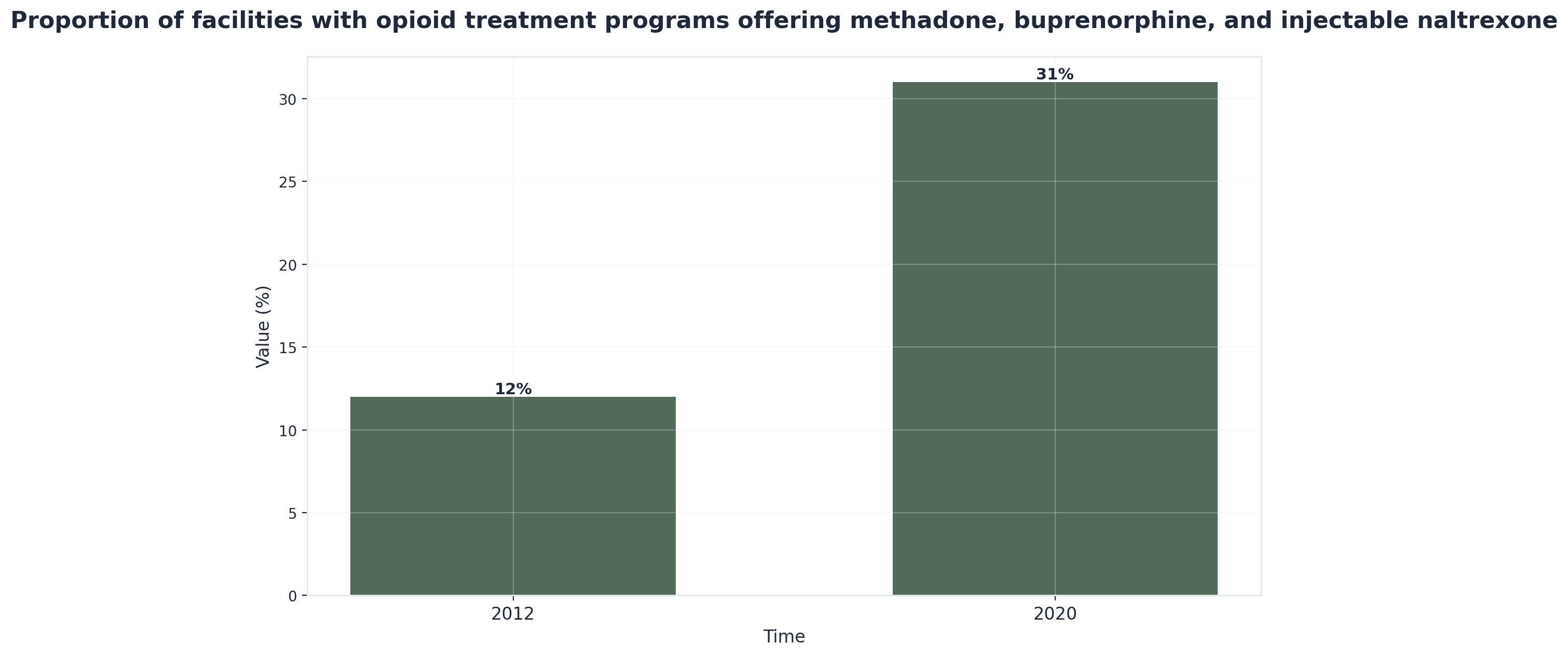
Start by asking directly: “Do you provide on-site medical detox?” Some facilities offer it, while others require you to complete detox elsewhere before admission. If you need detox services, finding a program that handles both detox and residential treatment in one location removes the stress of coordinating multiple facilities during an already difficult time.
What does “medically monitored” actually mean?
Don’t hesitate to ask specific questions about their detox protocols. How do they manage symptoms? What medications do they use to ease discomfort and ensure safety? A quality program will have clear, evidence-based protocols tailored to different substances. They should be able to explain their approach in terms you understand, without making you feel like you’re asking too much.
Also verify the transition process from detox to residential treatment. Ideally, you’ll move seamlessly from medical detox into the therapeutic programming without changing locations or adjusting to a new environment. This continuity helps you stay focused on recovery rather than dealing with logistical disruptions. Look for programs that integrate detox and residential care under one roof, where the same compassionate team supports you through both phases.
Finally, confirm insurance coverage for detox services specifically. Sometimes insurance covers residential treatment but has different requirements for detox. Getting clarity upfront prevents surprise bills and allows you to move forward with confidence. Remember, asking these questions shows strength—you’re taking charge of your recovery by making informed decisions about your care.
Step 2: Evaluate Treatment Philosophy
Evidence-Based Therapies That Work
When evaluating a program, you know that a solid treatment philosophy must center around proven, evidence-based therapies. These approaches help clients not just stop drinking, but actually build the skills and resilience to maintain sobriety long after discharge. The gold standard is a combination of behavioral therapies, like cognitive-behavioral therapy (CBT) and motivational interviewing, paired with medication-assisted treatment when appropriate.
Research shows that this blend is most effective for treating substance use disorders—meaning that clients benefit from both medication to reduce cravings and therapy to address underlying patterns and triggers5. You’ll also want to see a strong focus on individualized treatment planning. Each person brings their own strengths, history, and needs.
- Customized Plans: Evidence-based programs respond with custom plans that adjust over time, rather than a one-size-fits-all model.
- Regular Assessments: Look for facilities that use regular assessments to track progress and update goals.
- Proactive Adjustments: This process keeps clients engaged and helps prevent relapse by meeting changing needs head-on3.
Validating the use of evidence-based therapies isn’t just about ticking a box—it’s about giving yourself the best shot at lasting recovery. Yes, implementing these approaches takes effort, but every small step forward is worth celebrating. Next, let’s explore why integrated support for co-occurring mental health conditions is so critical.
Co-Occurring Disorder Support
When you’re assessing a facility, don’t overlook the importance of integrated support for co-occurring mental health conditions. Many professionals facing substance use disorders also struggle with depression, anxiety, trauma, or burnout. Treating just the addiction without addressing underlying mental health can leave you feeling stuck in a cycle of relapse and frustration.
The most effective programs are those that treat the whole person, not just the substance use. Integrated care means mental health professionals and addiction counselors work side by side, developing a unified plan that adapts as needs change. For clients with dual diagnoses, this approach reduces the risk of symptom flare-ups and helps prevent one condition from making the other worse.
“Effective treatment must address multiple needs—including mental health, relationships, and social support—alongside the addiction itself.” — National Institute on Drug Abuse3
You know how overwhelming it can feel when mental health and substance use collide. That’s why programs offering trauma-informed therapy, psychiatric medication management, and group support for mental health make such a difference. Every time you advocate for comprehensive co-occurring disorder support, you’re giving yourself a real chance at sustained recovery. Yes, the road can be challenging, but every day spent in a truly integrated program builds resilience and hope.
Step 3: Assess Aftercare and Support for Inpatient Rehab Alcohol
Transition Planning That Sticks
Transition planning is the bridge that connects the structure of residential care with real-world success after discharge. As you know from experience, the best programs start building this bridge from day one—not just in the final week. Effective transition planning means you leave with more than hope; you walk out with a concrete plan, support contacts, and realistic next steps for maintaining sobriety while returning to your career.
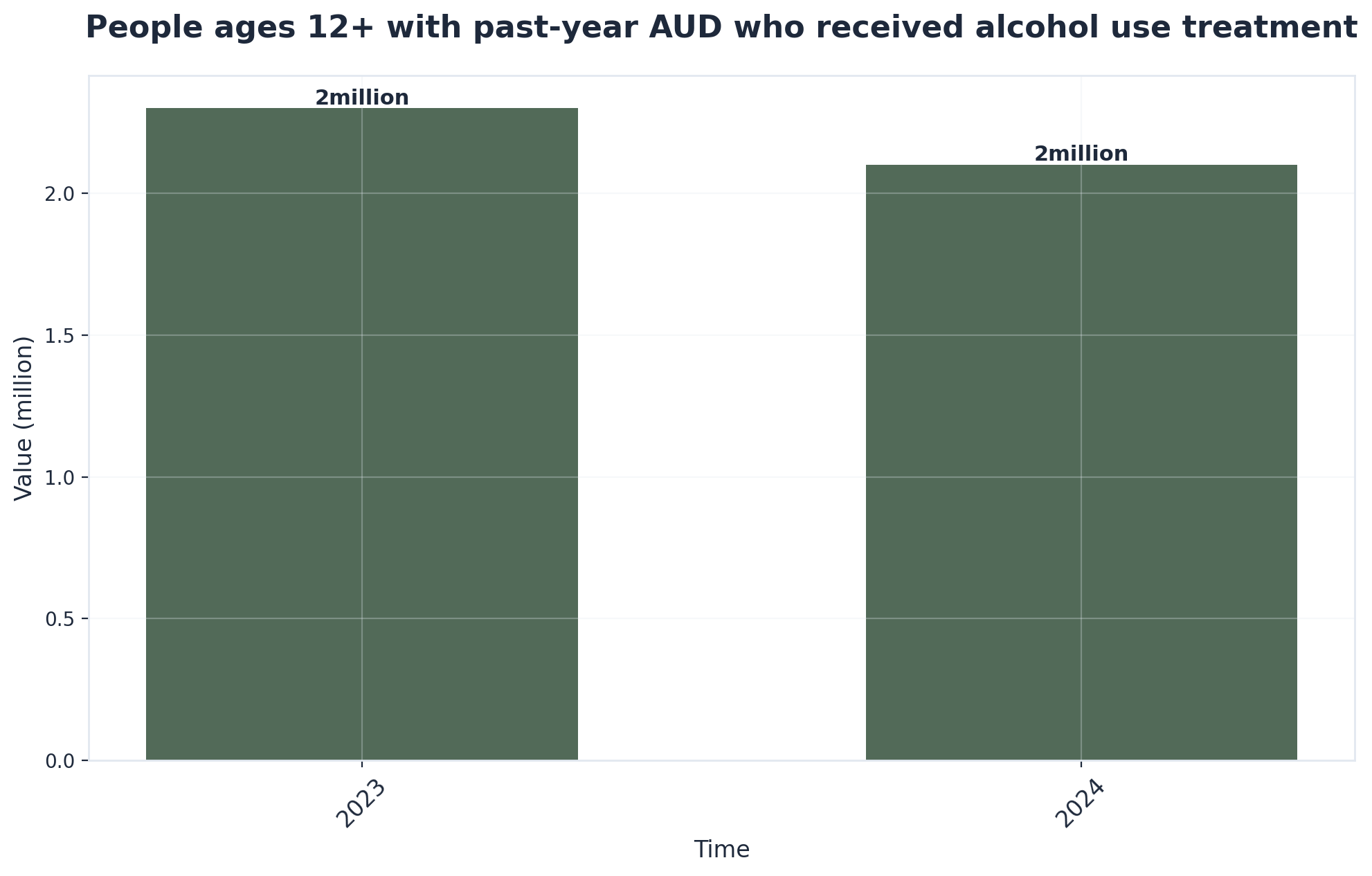
A strong transition plan identifies potential triggers and high-risk situations, then pairs these with specific coping strategies. It should include referrals to local outpatient therapy, peer support groups, and—when possible—ongoing case management. Many programs now offer telehealth check-ins or virtual alumni groups, a development that expanded rapidly in recent years and has been shown to improve post-treatment engagement1.
When aftercare is thoughtfully designed, you are far more likely to remain connected to your recovery network and less likely to return to old habits. Here’s a quick table summarizing the core elements of a transition plan that sticks:
| Transition Plan Element | Why It Matters |
|---|---|
| Individualized Aftercare | Tailored to unique needs for stronger engagement |
| Peer Support Connections | Reduces isolation and increases accountability |
| Telehealth or Virtual Groups | Ensures access, especially for rural or remote clients |
| Relapse Prevention Tools | Prepares clients for real-life professional challenges |
| Family Involvement | Builds a strong home and social support system |
Yes, change brings uncertainty, and it’s normal to feel anxious about what comes next. Every effort you make to solidify transition planning is a step toward lasting progress and hope. Next, let’s highlight some common pitfalls to avoid as you assess aftercare approaches.
Common Mistakes to Avoid
Even with strong intentions, it’s easy to fall into a few common traps when assessing aftercare and support. One frequent mistake is assuming that a generic, one-size-fits-all aftercare plan will be enough. But every professional brings unique needs, triggers, and high-stress environments. Overlooking this can leave gaps that make relapse more likely.
Another pitfall is underestimating the ongoing need for peer and family support. Sometimes, after a structured stay, you may focus so much on independence and getting back to work that you neglect these crucial connections. Research shows that ongoing engagement with support groups and family involvement significantly improves recovery outcomes3.
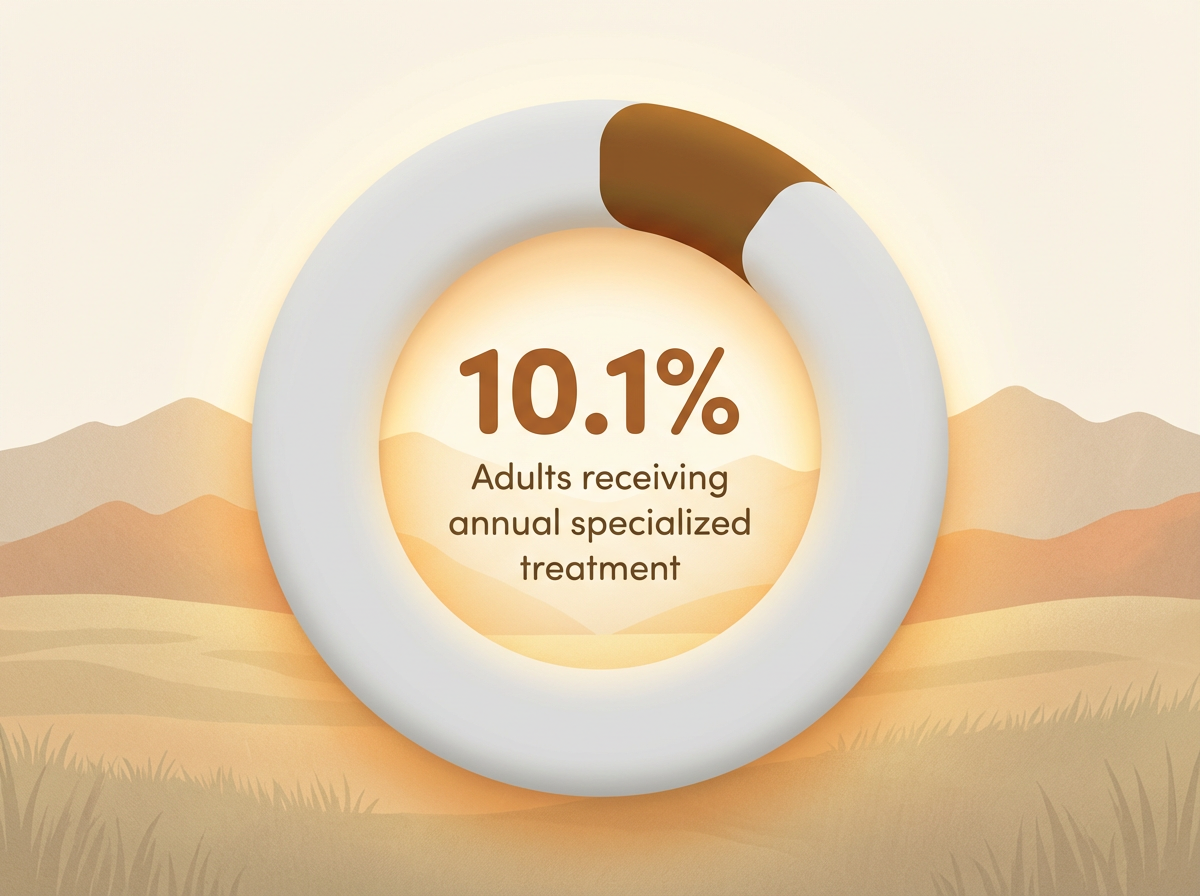
A third mistake is treating aftercare as an afterthought—something to address only in the final days of treatment. When aftercare is rushed or vague, you leave feeling unprepared for real-world stressors and are more likely to disengage from your recovery network. In fact, only about 10-20% of those with substance use disorders receive specialized treatment at all, underscoring how easy it is to fall through the cracks if aftercare isn’t robust3.
// Professional Transition Checklist
[ ] Medical clearance obtained for return to work
[ ] Outpatient therapy schedule integrated with work hours
[ ] Peer support network engaged and accessible
To help you spot these pitfalls quickly, here’s a table summarizing the most common mistakes:
| Mistake | Impact on Recovery |
|---|---|
| Generic Aftercare | Missed needs, higher relapse risk |
| Weak Peer/Family Support | Isolation, less accountability |
| Late or Vague Aftercare Plan | Poor readiness, disengagement |
Yes, these challenges are real—but every time you catch one early, you’re building a stronger, safer bridge to long-term recovery. You can save this guide for future reference by pressing Ctrl + D. Next, let’s address some of the most frequently asked questions.
Frequently Asked Questions
How long does inpatient alcohol treatment typically last?
Most inpatient rehab alcohol programs last about 28 to 30 days, though some can extend to 60 or 90 days based on a client’s needs. The standard 30-day timeframe gives enough structure for safe withdrawal, therapy, and skill-building, but it’s not a one-size-fits-all process. Some people with complex needs or dual diagnoses may benefit from longer stays if insurance and clinical recommendations align 7. Research shows that consistent participation for at least several weeks leads to better outcomes and lower relapse rates compared to shorter interventions 3. Yes, committing to this length of time can feel overwhelming, but every day in a supportive environment helps lay a stronger foundation for lasting recovery.
What happens if I have both alcohol addiction and anxiety or depression?
If you’re facing both alcohol addiction and anxiety or depression, you’re not alone—and you deserve care that treats both together. The best inpatient rehab alcohol programs offer integrated treatment, where mental health professionals and addiction counselors work as a team. This means your anxiety or depression isn’t seen as a side note, but as a core part of your recovery plan. Research shows that treating only the addiction or only the mental health condition leads to poorer results, but combining therapies boosts your chances of lasting recovery 38. You can expect a mix of counseling, group support, and sometimes medication management to help manage symptoms. Yes, this can feel like a lot to take on at once, but every day you work on both, you’re building a safer, more stable future.
Will my insurance cover inpatient alcohol rehab?
Many inpatient rehab alcohol programs do accept private insurance, but the exact coverage depends on your plan and the facility’s network status. Most major insurance companies will cover at least part of the cost if the treatment is deemed medically necessary. It’s important to call your insurance provider and ask about your benefits for inpatient substance use treatment. Be sure to confirm which specific services are included—such as medical detox, counseling, or aftercare.
Some plans may require pre-authorization, or limit the length of stay they’ll cover. Coverage for inpatient rehab alcohol can vary widely, so you might need to advocate for your client’s needs or help them gather documentation. According to SAMHSA, insurance restrictions now focus heavily on demonstrating clinical necessity and treatment outcomes 1. Yes, this process can feel overwhelming, but every question you ask helps ensure access to needed care.
Can I bring my phone or personal items to inpatient treatment?
Most inpatient rehab alcohol programs do allow you to bring personal items, but there are usually guidelines on what’s permitted. For example, you can often pack comfortable clothes, personal hygiene products, and a few supportive items from home. However, policies about cell phones and electronics vary. Some facilities require clients to turn in phones at admission to help them focus on recovery and minimize outside distractions. Others might allow limited use for scheduled family calls or emergencies. It’s always best to check with the specific program ahead of time so you and your clients know what to expect. Clear boundaries around personal items can actually make the transition into treatment smoother and support a stronger start to recovery 7.
What if I relapse after completing a 30-day program?
If you experience relapse after completing a 30-day inpatient rehab alcohol program, remember that setbacks are a normal part of the recovery journey—not a sign of failure. Many people need multiple rounds of treatment or ongoing support to achieve lasting sobriety, and research confirms that long-term recovery often involves recommitting to care after a slip 3. What matters most is how you respond: reaching out for help, reassessing your support network, and adjusting your aftercare plan are all positive, proactive steps. Yes, it can feel discouraging, but every effort you make to get back on track builds resilience for the future. Each restart is a chance to learn and grow stronger.
How do I know if a program is accredited and legitimate?
To confirm that an inpatient rehab alcohol program is accredited and legitimate, start by checking for certifications from respected organizations like CARF and The Joint Commission. These groups set strict standards for safety, treatment quality, and staff qualifications. Accredited programs are reviewed regularly and must show a commitment to ongoing improvement and outcomes tracking 45. You can usually find accreditation details on a facility’s website or by contacting the accrediting body directly.
It’s also helpful to verify the facility’s state license and look for transparent information about staff credentials and treatment approaches. Yes, doing this homework takes extra effort, but every question you ask helps protect clients and ensure they’re getting care that meets the highest standards.
Conclusion
Understanding medical detox requirements isn’t just about gathering information—it’s about verifying the safety foundation that makes residential treatment possible. You know better than most that withdrawal carries real medical risks, and that 30 days of intensive work can only happen when detox is handled right from day one. This article covered what to verify because your professional knowledge doesn’t eliminate your need for proper medical supervision when you’re the one going through it.
Your situation requires something most professionals don’t: the assurance of discretion alongside clinical competence. You need a place where 24/7 medical monitoring is standard, where staff understand both the physiology of withdrawal and the weight of what you’re risking to be there. Centers where the majority of staff are in recovery themselves—who’ve sat where you’re sitting—often provide that combination of clinical skill and genuine understanding without the performance or judgment.
The foundation matters because everything else builds on it. When detox is managed safely in a setting that respects your privacy, you can actually engage in the residential work ahead. The counseling, the structure, the reset of your daily patterns: none of it happens if withdrawal isn’t handled with both medical precision and human compassion.
If you’re ready to verify that a program has the medical detox capabilities and residential structure you need, reaching out for a confidential conversation is the next step. You don’t have to have all the answers before you make the call—just the willingness to ask the right questions about your safety and your path forward. Facilities like Rocky Mountain Treatment Center in Great Falls, Montana, offer a 30-day residential program complete with medically monitored detox, equine therapy, and a compassionate staff largely in recovery themselves, ready to help you reset and reclaim your professional life.
References
- Substance Abuse and Mental Health Services Administration (SAMHSA). https://www.samhsa.gov/
- National Institute on Alcohol Abuse and Alcoholism (NIAAA). https://www.niaaa.nih.gov/
- National Institute on Drug Abuse (NIDA). https://www.drugabuse.gov/
- Commission on Accreditation of Rehabilitation Facilities (CARF). https://www.carf.org/
- The Joint Commission. https://www.jointcommission.org/
- American Society of Addiction Medicine (ASAM). https://www.asam.org/
- SAMHSA Treatment Improvement Protocols (TIPs). https://store.samhsa.gov/product/treatment-improvement-protocols
- National Alliance on Mental Illness (NAMI) – Co-Occurring Conditions. https://www.nami.org/Get-Involved/Advocate/Policy-Platform/Addiction-Mental-Illness
- Montana Department of Public Health & Human Services. https://www.montana.gov/dphhs/
- CDC – Alcohol and Public Health. https://www.cdc.gov/alcohol/