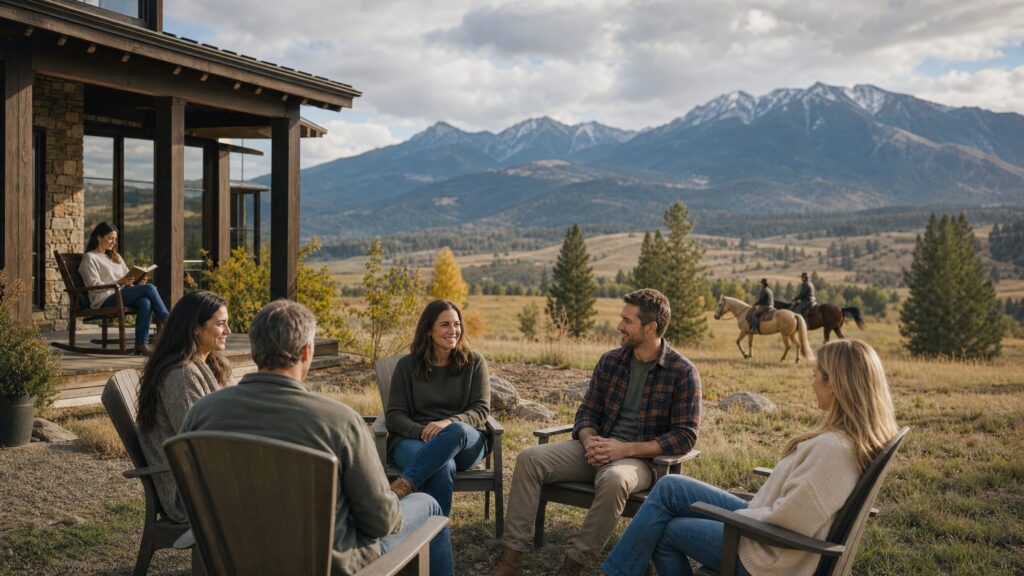
Key Takeaways for Your Journey
- Personalized Assessment: Use the tools provided to distinguish between religious obligation and genuine spiritual need, ensuring your path aligns with your current values.
- Evidence-Based Impact: Understand that spiritual practices are not just abstract concepts; they are proven to reshape neural pathways and improve emotional regulation within 4-8 weeks.
- Actionable Integration: Move beyond theory by incorporating body-based therapies—like equine-assisted learning—to bypass cognitive barriers and deepen connection.
What Finding Spirituality in Recovery Really Means
As a professional or someone deeply invested in the recovery landscape, you understand that clinical protocols are essential, but the human spirit often requires a different kind of nourishment. Finding spirituality in recovery is not about adhering to a rigid dogma; it is about discovering a personal sense of connection that sustains you when willpower alone is not enough.
Beyond Religion: Your Personal Path
Tool: Personal Spirituality Exploration Checklist
- What activities make you feel most connected, calm, or purposeful?
- Do you prefer quiet reflection, movement, or creative expression?
- Are there moments in your recovery when you’ve felt a sense of hope or belonging? What sparked this?
- What beliefs or practices support your values, even if they aren’t religious?
- How comfortable are you exploring new spiritual ideas, or do you prefer familiar paths?
Spirituality in recovery goes beyond religious doctrine. It is your personal journey—sometimes rooted in tradition, sometimes built from scratch. If you have ever hesitated because you do not identify with a specific faith, know that you are far from alone. Research shows that even those who consider themselves atheist or agnostic can benefit just as much from spiritual recovery practices as those with religious backgrounds9.
The heart of spirituality is about meaning, connection, and growth—not rules or rituals. This process is ideal for anyone seeking a deeper sense of purpose, whether that comes from nature walks, meditation, music, or acts of service. If you feel unsure or even wary from past spiritual hurts, that is valid, too. Every step forward counts as you shape your own path.
The Science Behind Spiritual Healing
Tool: Spiritual Impact Assessment Checklist
- Have you noticed moments of calm or clarity after meditation or prayer?
- Do you experience a stronger sense of connection or hope during group spiritual activities?
- Are intense cravings or emotional lows less overwhelming when you engage in spiritual practices?
- Has your sense of purpose or self-worth grown as you’ve explored spiritual tools?
- Can you identify any changes in your daily mood or decision-making since starting a spiritual practice?
Science backs up what many in recovery feel: spiritual practices can truly change your brain and your life. Neuroscientists have found that regular meditation and prayer can reshape brain areas linked to self-awareness and emotion control within just a few weeks4. For many, this means fewer impulsive decisions and better stress management—two huge wins in recovery.
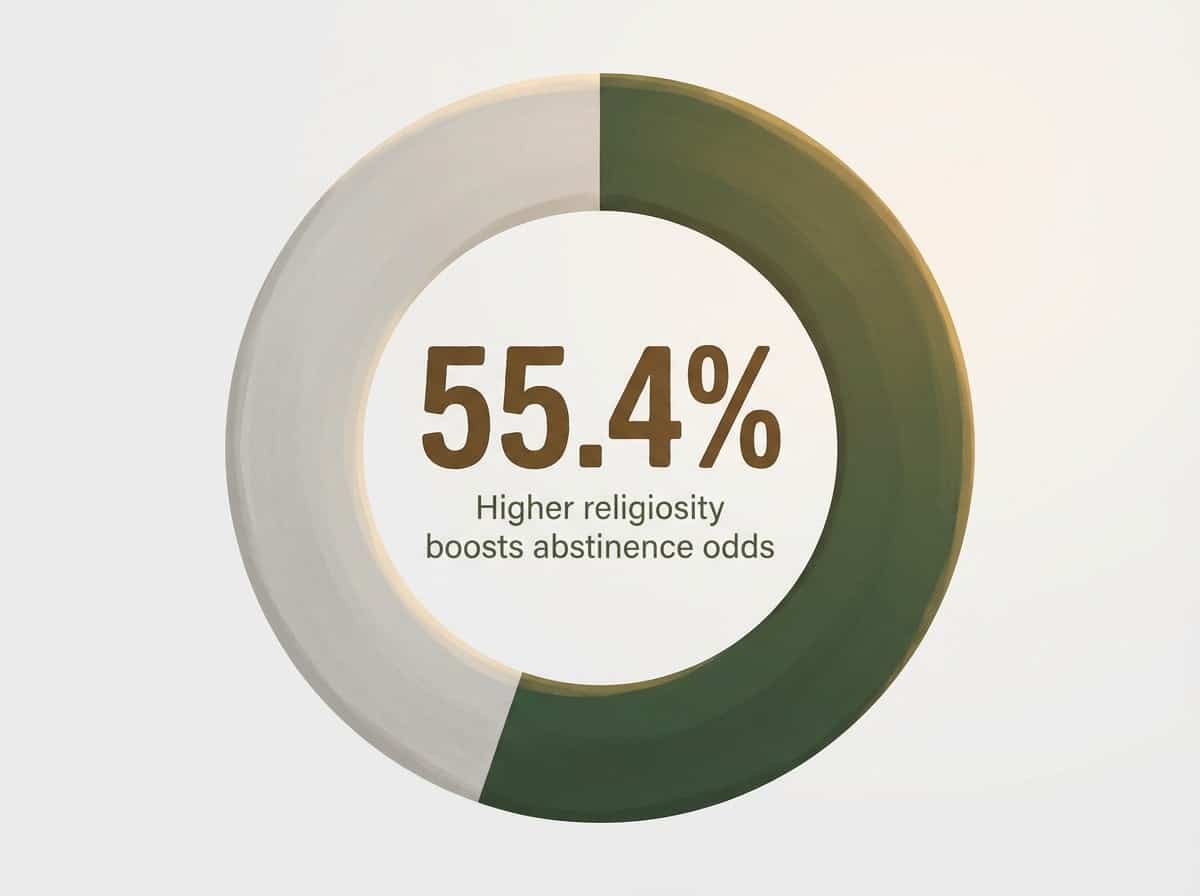
“In one large study, 82% of people who experienced a spiritual awakening during addiction treatment stayed completely abstinent after a year, compared to only 55% of those who didn’t.” 1
This approach works best when you are looking for tools that go beyond willpower and want to tap into deeper motivation. Mindfulness, gratitude, and service all have measurable effects on both brain chemistry and recovery outcomes4. Finding spirituality in recovery isn’t just wishful thinking—it is a path grounded in evidence and experience. Yes, it can feel hard to start, but every effort you make is a real investment in your well-being.
Assessing Your Spiritual Starting Point
Questions to Discover Your Needs
| Reflection Question | Insight Goal |
|---|---|
| When do you feel most at peace, connected, or inspired? | Identify your natural spiritual environment. |
| What beliefs or values help you make sense of tough times? | Clarify your foundational resilience factors. |
| Do you long for forgiveness, hope, or a sense of belonging? | Pinpoint specific emotional needs. |
| What would make spiritual exploration feel safer right now? | Establish necessary boundaries. |
Taking time to answer these questions helps reveal your starting point for finding spirituality in recovery. Sometimes it is obvious—you might crave nature, prayer, or creative rituals. Other times, your needs may feel like a blank slate or even a jumble of past hurts. That is okay.
Research shows that even small steps, like identifying your core values or seeking connection, can help guide your spiritual path and support addiction recovery outcomes9. This method works when you want to clarify what you are truly seeking—whether that is comfort, meaning, or a new sense of direction. Every insight you gain brings you closer to a recovery journey that honors your spirit as well as your sobriety.
Navigating Past Spiritual Wounds
Tool: Past Spiritual Wounds Reflection Exercise
- Identify a memory of spiritual or religious hurt—write down what happened and how it made you feel.
- Name any fears or hesitations you carry about spiritual exploration today.
- List supportive people or safe spaces where you can talk about these wounds without judgment.
- Ask yourself: What would healing look or feel like for you, even in small steps?
- Consider what boundaries and self-care practices could protect your spirit as you move forward.
Yes, spiritual wounds can run deep. Maybe past experiences in faith communities left you feeling judged, excluded, or unsafe. You are not alone in this—many in recovery have been hurt by rigid beliefs or broken trust. Research highlights that addressing spiritual trauma is a vital step for finding spirituality in recovery, and healing often requires a gentle, individualized approach8.
This path makes sense for anyone who feels wary, skeptical, or even angry about spirituality. You deserve to go at your own pace. Sometimes, just naming what hurt you is a win. Other times, seeking out supportive peers or trauma-informed spiritual care can help rebuild trust. Remember, your story matters, and every small act of self-compassion is progress.
Practical Spiritual Practices That Work
Daily Practices for Connection
Building a spiritual practice doesn’t have to be complicated or time-consuming. In fact, most daily spiritual habits take just 5–15 minutes and require little more than your attention. What matters is finding consistency and meaning in the small actions you choose.
Tool: Daily Spiritual Connection Checklist
- Start your day with a grounding ritual (deep breathing, a simple prayer, or mindful silence).
- Set a daily intention or affirmation that aligns with your values.
- Pause for gratitude—write down or speak aloud three things you’re thankful for.
- Take mindful breaks: step outside, notice nature, or listen to a piece of calming music.
- End your day with gentle reflection: What moments brought you peace or connection today?
If you are a busy professional, try anchoring your spiritual check-in to an existing routine—like right after your morning coffee or during your evening wind-down. For those in early recovery, a daily journal or gratitude list can help track progress and offer hope on tough days. This approach works best when you are looking for tangible, low-barrier ways to nurture your spirit without feeling overwhelmed.
Research shows that even brief daily moments of spiritual engagement—such as meditation, prayer, or gratitude—can reduce cravings, improve mood, and support long-term recovery outcomes4. Every small act of connection, whether it is a quiet pause or a thoughtful word, is a win. Yes, some days may feel harder than others, but showing up for yourself in these little ways truly matters.
Experiential and Body-Based Approaches
Sometimes, the most powerful moments of finding spirituality in recovery happen not in your mind, but through your body. These hands-on, sensory experiences can spark a sense of belonging, calm, and inner wisdom that words alone can’t always reach. If you have ever felt peace while working with your hands, moving in rhythm, or connecting to an animal or the land, you have already tasted what experiential spirituality can offer.
Tool: Experiential Spiritual Practices Menu
- Walking meditation or mindful hiking.
- Yoga or gentle stretching with breath focus.
- Art expression or music-making as spiritual ritual.
- Equine-assisted therapy: Guided time with horses to develop emotional awareness.
- Drumming, dance, or somatic movement circles.
- Tactile prayer beads or nature-based altar building.
Consider this route if you want to get out of your head and feel more centered in your body—especially when talk-based spiritual practices feel distant or overwhelming. For some, yoga or mindful movement can ease anxiety and promote self-acceptance. Others may find deep connection through art, music, or equine therapy, where working with horses builds trust, emotional awareness, and healthy boundaries. This approach suits organizations and individuals seeking holistic, trauma-sensitive recovery tools that invite the whole self to heal.
Research confirms that integrative practices like yoga, somatic movement, and equine therapy can regulate the nervous system, reduce stress, and foster emotional resilience in recovery4. Many programs offer these experiential options as part of a daily or weekly schedule, typically requiring 30–60 minutes per session and minimal equipment beyond open space and a safe, supportive environment.
Building Community and Accountability
Community and accountability function as core therapeutic mechanisms in residential addiction treatment, creating the relational infrastructure that supports lasting behavioral change. These are not abstract concepts—they are the daily interactions, structured commitments, and peer dynamics that treatment professionals leverage to reinforce recovery principles and interrupt isolation patterns common in active addiction.
Residential settings create intensive peer environments where clients engage in shared therapeutic experiences throughout each day. Group process work, communal living responsibilities, and collective participation in programming generate natural bonds among individuals at similar points in their recovery journey. These connections serve multiple clinical functions:
- They normalize the recovery experience.
- They provide peer modeling of healthy coping strategies.
- They create horizontal accountability structures that complement vertical clinical relationships.
Many of these peer connections extend beyond discharge, forming the social support networks that research consistently identifies as protective factors against relapse. Structured accountability emerges through programmatic design—scheduled commitments to group sessions, spiritual practices, and therapeutic activities that clients honor not only individually but as members of a treatment community.
When peers commit to morning meditation, Bible study, or Wellbriety circles together, they create mutual investment in consistent participation. This peer-based accountability often proves more powerful than staff oversight alone, as clients respond to the expectations and encouragement of those walking similar paths. Faith-based programming deepens these accountability structures by introducing shared spiritual frameworks and practices.
Experiential therapies like equine-assisted work amplify community-building through shared challenge and non-verbal learning. When clients work alongside horses and peers in guided activities, they practice boundary-setting, emotional regulation, and trust-building in real time. These embodied experiences create powerful bonding opportunities and generate material for processing in group settings, strengthening both individual insight and collective cohesion.
Frequently Asked Questions
How long does it take to see real changes from spiritual practices in recovery?
You might notice small shifts from spiritual practices in recovery within a few days—like a brief sense of calm after meditation or a spark of hope during group prayer. But research shows that sustained, noticeable changes in mood, self-awareness, and even brain function can begin within 4-8 weeks of regular practice 4. This path makes sense for anyone who values steady growth over quick fixes. Remember, everyone’s timeline is different and progress isn’t always linear. Celebrate each step, even if it feels minor—finding spirituality in recovery is a gradual process, and every bit of effort leads you forward.
Can spiritual practices help if I’ve experienced religious trauma?
Absolutely—spiritual practices can offer healing even if you’ve experienced religious trauma. It’s normal to feel hesitant or even triggered by anything that resembles past harms. The key is to choose practices and environments that feel safe, supportive, and nonjudgmental. Many find comfort in mindfulness, nature-based rituals, creative expression, or trauma-informed groups that honor all beliefs. Research highlights that a gentle, individualized approach helps address spiritual wounds at your own pace, making it possible to start finding spirituality in recovery without reopening old scars 8. Every small step toward reclaiming your spiritual journey is progress, and your boundaries always matter.
What if I’m skeptical about spirituality but want to give it a try?
It’s completely normal to feel skeptical about spirituality, especially if it hasn’t played a role in your life before. You don’t have to believe in a higher power or follow any specific tradition to start exploring. Many people begin by focusing on practical tools—like mindfulness, gratitude, or connecting with nature—that don’t require any spiritual beliefs at all. Research shows that even those who identify as atheist or agnostic can benefit from spiritual practices when they’re open to the experience 9. This solution fits anyone who’s curious but hesitant: you can take it slow, try what feels right, and notice if any practices bring a sense of calm or meaning. Remember, exploring is a win in itself.
How do I choose between different spiritual approaches in recovery?
Choosing between spiritual approaches in recovery is all about listening to what feels authentic and helpful for you right now. Start by reflecting on what brings you a sense of peace, purpose, or connection—whether that’s prayer, mindfulness, time in nature, creative expression, or group rituals. Research shows that the most effective spiritual practices are the ones you can engage with regularly and safely, even if they look different from what others choose 9. This strategy suits anyone who values personal choice and flexibility: you’re allowed to experiment, combine, or switch practices as your needs change. Yes, it takes patience to find your fit—so celebrate each small discovery as a win on your journey toward finding spirituality in recovery.
Are there spiritual practices that work for atheists and agnostics?
Yes, there are many spiritual practices that work beautifully for atheists and agnostics. You might find meaning and connection through mindfulness, meditation, gratitude journaling, or walking in nature—none of which require belief in a higher power. Creative activities like art, music, or volunteering can also foster a sense of purpose and belonging. Research shows that people who identify as atheist or agnostic benefit just as much from spiritual recovery practices as those with religious backgrounds, especially when they focus on personal growth and connection rather than religious doctrine 9. Opt for practices that feel authentic and supportive, and remember: your path is valid, wherever you begin.
What does spiritual distress mean and is it normal during recovery?
Spiritual distress means feeling lost, disconnected, or even anxious about your beliefs, values, or sense of meaning—especially as you’re working on recovery. This could show up as questioning your purpose, doubting your spiritual path, or feeling like your old ways of connecting just aren’t working anymore. Yes, it’s completely normal to experience this while finding spirituality in recovery. In fact, research notes that spiritual distress often signals a period of growth or deeper exploration, not failure 8. It’s okay to feel unsettled—these struggles can help you clarify what really matters and open up space for new forms of hope and connection.
Your Journey to Finding Spirituality in Recovery Starts Now
As professionals working in or alongside the recovery field, understanding how spiritual components integrate into residential treatment helps you better serve those seeking faith-aligned care. The principles we have explored—community support, structured accountability, and optional spiritual practices—represent a growing recognition that recovery addresses more than behavioral change alone.
When evaluating or recommending programs that offer spiritual components, look for approaches that balance respect for diverse beliefs with genuine integration. Effective programs create space for traditional faith practices, indigenous wisdom traditions, and personal spiritual exploration without requiring participation. This optional framework allows residents to engage with spiritual recovery tools—whether Bible study, meditation, or Wellbriety programming—at their own pace and comfort level.
The evidence continues to support what many in our field have observed: residential programs that combine clinical treatment with optional spiritual components often resonate deeply with individuals seeking meaning alongside sobriety. As you guide others toward appropriate care or deepen your own understanding of faith-based approaches, remember that the most effective programs, like Rocky Mountain Treatment Center, honor both the science of addiction treatment and the human need for connection to something greater than ourselves.
References
- Religiosity Trajectories and Their Association with Abstinence among Individuals Completing Residential Substance Use Treatment. https://pmc.ncbi.nlm.nih.gov/articles/PMC8827378/
- The Role of Religion and Spirituality in Mental Health. https://pmc.ncbi.nlm.nih.gov/articles/PMC6759672/
- Religiosity and substance use and abuse among adolescents in the United States. https://pmc.ncbi.nlm.nih.gov/articles/PMC1526775/
- Mindfulness-based interventions for substance use disorders. https://pmc.ncbi.nlm.nih.gov/articles/PMC6247953/
- Peer-Based Addiction Recovery Support: History, Theory, Practice, and Process. https://pmc.ncbi.nlm.nih.gov/articles/PMC5047716/
- Human connection as a treatment for addiction. https://pmc.ncbi.nlm.nih.gov/articles/PMC9318152/
- “It’s Like an Anchor”: A Qualitative Study of a Brief Prayer Intervention for Christians in Addiction Recovery. https://pmc.ncbi.nlm.nih.gov/articles/PMC12503004/
- Spirituality and Trauma. https://www.ptsd.va.gov/professional/treat/txessentials/spirituality_trauma.asp
- Spiritual Approaches To Addiction Recovery. https://www.mentalhealth.com/library/spiritual-approaches-to-addiction-recovery
- Spirituality in Recovery. https://www.rehabrocky.com/spirituality-in-recovery/