Key Takeaways: Your Path Forward
- Top 3 Success Factors:
- Consistency over Intensity: 5 minutes daily beats 1 hour weekly.
- Community Connection: Shared purpose reduces isolation by 35%.
- Personalized Meaning: Aligning practices with your values (secular or religious) increases retention.
- Decision Flowchart:
- If you value tradition: Explore Faith-Based Recovery Groups.
- If you value logic/nature: Explore Secular Mindfulness & Eco-Therapy.
- If you are unsure: Start with the “Readiness Assessment” below.
- Immediate Next Action: Download a free mindfulness app or journal for 5 minutes today about one thing that gives you hope.
How Does Spirituality in Recovery Work?
Understanding Spirituality in Recovery Foundations
- Do I feel a need for connection beyond just myself?
- Am I open to the idea that recovery involves healing the mind, body, and spirit?
- Can I define “spirituality” as simply finding my own sense of purpose?
Spiritual healing forms a cornerstone of lasting healing, addressing the profound sense of disconnection that often fuels substance use. Spirituality in recovery is not about adhering to a strict dogma; it is about filling the existential void that substances once occupied. When you are struggling with addiction, you may feel isolated from yourself, others, and any sense of greater meaning. This emptiness creates a painful gap that drugs or alcohol temporarily fill but never truly satisfy.
At Rocky Mountain Treatment Center, we believe this inner journey focuses on reconnecting with your authentic self. It is about exploring who you are, what matters most to you, and how you want to show up in the world. This process helps you develop a stronger sense of identity that isn’t defined by addiction.
“Research consistently shows that people who engage with spiritual practices during treatment experience better long-term outcomes. You’re more likely to maintain sobriety when you’ve built a foundation that includes purpose, connection, and personal values.”
This holistic approach also addresses the shame and guilt that accumulate during active addiction. Through practices like meditation, mindfulness, and self-reflection, you begin to cultivate self-compassion. You learn to separate personal worth from past behaviors, creating space for genuine healing. Whether through group discussions or individual reflection, our programs create safe spaces for rebuilding these inner foundations.
What Spirituality Means in Your Recovery
Spirituality in recovery is deeply personal—it’s about your sense of connection, purpose, and hope rather than a fixed set of beliefs. Many people confuse spirituality with religion, but they aren’t the same. Spirituality focuses on your inner growth, values, and sense of belonging. Research highlights that people who build a spiritual identity during recovery report stronger motivation and better long-term results, whether their path is religious or secular4.
Spiritual vs. Religious: Key Differences
It is easy to mix up spirituality and religion, but distinguishing them is helpful for your recovery strategy. Religion usually means following shared beliefs, traditions, and rituals tied to a specific faith group. Spirituality, on the other hand, is your own sense of meaning, inner growth, and connection.
| Feature | Religion | Spirituality |
|---|---|---|
| Focus | Shared beliefs & traditions | Individual meaning & connection |
| Structure | Organized institutions | Personal & flexible |
| Goal | Salvation or obedience | Wholeness & purpose |
At Rocky Mountain Treatment Center, we honor both paths. Research shows that developing a spiritual identity, separate from religious affiliation, predicts better recovery outcomes4. This approach fits anyone seeking hope, self-discovery, or a deeper purpose, regardless of their faith background.
How Your Brain Changes Through Practice
When you start practicing spiritual activities like meditation or prayer, your brain actually begins to change. Neuroscience research has shown that these practices activate areas linked to self-control and reward, such as the prefrontal cortex and nucleus accumbens. This means you’re training your brain to find satisfaction and calm in new, healthy ways—rather than relying on substances2.
Brain scans reveal that spiritual practices can reduce the overactivity in the default mode network, a part of the brain that’s often linked to repetitive, self-focused thoughts and cravings8. This approach is ideal if you want to build new habits that help your mind and body heal together.
Self-Assessment: Your Spiritual Readiness
Let’s pause for a moment and give you a practical way to check your spiritual readiness for recovery. Recognizing your own openness to spiritual growth can help you find the best starting point, whether it’s joining group reflection or trying meditation.
Five Questions to Gauge Your Openness
Use these simple questions to reflect on your openness to spirituality in recovery:
- Are you willing to try activities like meditation, prayer, or quiet reflection?
- How comfortable do you feel joining group discussions or support circles focused on personal growth?
- Do you find comfort or inspiration in nature, music, or creative expression?
- Are you curious about exploring new beliefs or ways of finding meaning?
- Can you imagine letting go of old habits and building new routines, even if they feel unfamiliar at first?
At Rocky Mountain Treatment Center, these questions aren’t a pass or fail—they’re gentle prompts. Research shows that being open to new experiences and meaning-making styles can make recovery more successful4.
Identifying Your Meaning-Making Style
Everyone has a unique way of making sense of life—this is called your meaning-making style. Some people find meaning through quiet reflection or meditation, while others feel most alive connecting with nature, music, or helping others. Research shows that discovering your own meaning-making approach can help guide which spiritual practices will feel most healing and sustainable in recovery4.
How Spiritual Practices Rewire Recovery
- Immediate: Reduced heart rate and acute stress response during practice.
- 8 Weeks: Measurable increase in gray matter density (self-awareness areas).
- 6 Months+: Strengthened neural pathways for emotional regulation.
The brain doesn’t just store memories of trauma—it creates neural pathways that keep you stuck in cycles of substance dependence. Contemplative disciplines offer a scientifically-backed method to literally reshape these pathways. When you engage in meditation, prayer, or mindfulness exercises, your prefrontal cortex activates—the decision-making center of your brain. Simultaneously, your amygdala calms, which controls fear and stress responses.
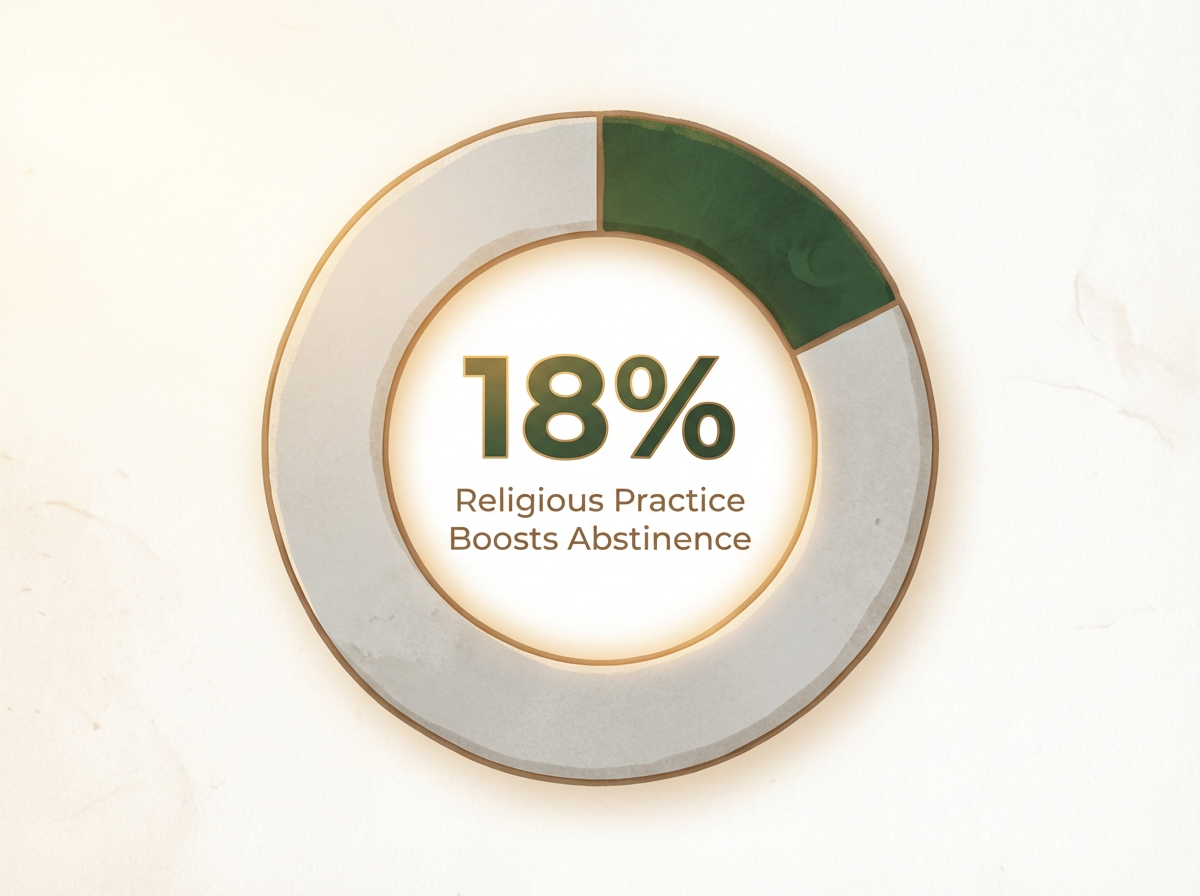
Research from neuroscience labs confirms what spiritual traditions have taught for centuries: regular contemplative practices increase gray matter density in areas associated with self-awareness and compassion. Studies show that just eight weeks of consistent mindfulness practice can produce measurable changes in brain regions linked to memory, empathy, and stress regulation. This rewiring process strengthens your capacity to pause before reacting, choose healthy responses over destructive patterns, and reconnect with your authentic self.
Three Core Mechanisms That Drive Change
When you look at how spirituality in recovery actually works, three main forces help drive the real changes: rebuilding your brain’s reward system, restoring a sense of purpose, and creating powerful community connections.
Rebuilding Your Reward System Naturally
When you practice spirituality in recovery at Rocky Mountain Treatment Center, you’re training your brain to find satisfaction in healthy activities instead of substances. Research shows that spiritual experiences like meditation activate your brain’s reward centers, such as the nucleus accumbens, in ways that mimic natural pleasure but without the risks of addiction2. Over time, this helps your mind shift away from old habits and discover new sources of motivation and peace.
Finding Purpose After Addiction’s Void
After addiction, many people feel a deep emptiness. Spirituality in recovery helps fill that space by guiding you toward a new sense of meaning. Research shows that when you rebuild your sense of purpose—even small steps like setting meaningful goals or reconnecting with family—it predicts longer periods of sobriety and reduces your risk of relapse9.
Community Connection as Healing Force
A practical way to check if community connection is supporting your healing is to ask yourself: Do you feel heard and understood by people in your support group? Research highlights that people who develop a strong sense of belonging within a recovery community see 35% better abstinence outcomes compared to those with spiritual beliefs but no group support7.
Decision Framework: Choosing Your Path
Here’s a quick decision framework to help you choose your best path for spirituality in recovery. Ask yourself: Do you feel drawn to spiritual practices rooted in a specific faith, or do you prefer approaches that focus on universal meaning and personal growth?
Faith-Based vs. Secular Spiritual Options
Faith-based options center around shared beliefs, rituals, and community support within a particular religion—like prayer groups or scripture study. These approaches often work well if you find comfort in tradition. Secular spiritual options focus on things like mindfulness, meditation, nature walks, or personal reflection—tools that help you connect with purpose without a specific religious framework. At Rocky Mountain Treatment Center, we offer both styles because research shows that matching your recovery approach to your personal worldview increases engagement4.
Matching Practices to Your Belief System
Choosing spiritual practices that match your belief system can make recovery feel more natural. If you find meaning in helping others, volunteering or group service projects can be healing. If reflection or mindfulness speaks to you, journaling or guided meditation might be a good fit. By connecting spiritual practices to your own beliefs, you’ll strengthen your sense of purpose and belonging.
Implementation Pathways for Real Results
1. Morning (5 mins): Deep breathing or prayer before checking phone.
2. Mid-day (2 mins): "Reset" pause. Ask: "How am I feeling right now?"
3. Evening (5 mins): Gratitude journal. Write down 3 wins.
Now that you understand how spiritual practices rewire your brain, let’s explore practical ways to integrate these transformative tools into your daily recovery. Starting a spiritual practice doesn’t require dramatic life changes. You can begin exactly where you are today. The key is choosing pathways that resonate with personal beliefs and lifestyle, then building consistency through small, manageable steps.
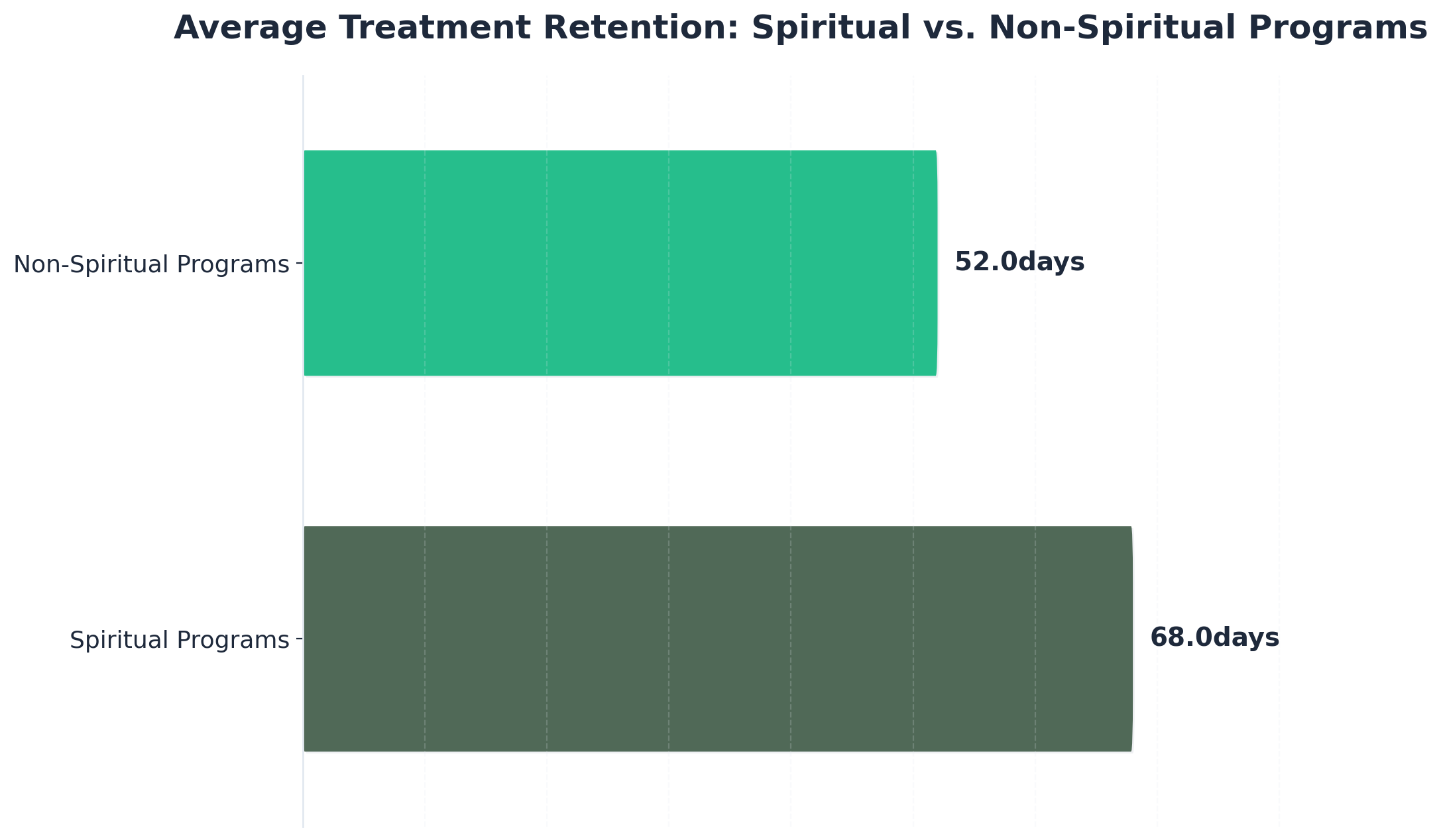
Morning meditation offers one of the most accessible entry points. Set aside just five minutes after waking to sit quietly, focus on breathing, and set intentions for the day ahead. Many people find that pairing meditation with journaling creates a powerful combination—writing down thoughts helps process emotions and track inner growth over time.
Your First 30 Days: Building Foundation
To make your first 30 days of recovery meaningful, try this practical tool: List one spiritual habit (like morning meditation) and one community support you can access. Studies show that clients who engage in spiritual activities during their first month experience fewer cravings and steadier emotions2.
Week-by-Week Spiritual Practice Timeline
- Week 1: Start simple. Choose one grounding activity, like five minutes of morning meditation or gratitude journaling.
- Week 2: Add a new spiritual habit, such as mindful walking or guided prayer, and attend at least one support group.
- Week 3: Deepen your connection by participating in community rituals or creative expression, like music or art therapy sessions.
- Week 4: Reflect on your month’s progress. What practices felt most meaningful? Discuss your spiritual growth with your Rocky Mountain Treatment Center mentor.
Navigating Early Recovery Challenges
Facing challenges in your first month of spiritual recovery is completely normal. If you feel awkward during group reflection, remember that many people need time to warm up—give yourself permission to observe quietly at first. Struggling to stick with meditation? Try shorter sessions or switch up your practice style. Research shows that early spiritual engagement—even when imperfect—reduces cravings and helps stabilize emotions2.
Resource Planning for Sustained Growth
Successful spirituality in recovery often depends on matching your unique needs to reliable resources. Studies show that people who keep using spiritual practices and community support after their first 30 days report better emotional stability and lower relapse risk2.
Time and Skill Requirements by Pathway
When planning for long-term growth, consider the investment required:
- Daily Mindfulness: 5–10 minutes/day. No cost. Skill level: Beginner.
- Group Support: 60 minutes/week. Low to no cost. Skill level: Beginner (just show up).
- Creative Practices: 30–60 minutes/week. Variable cost (supplies). Skill level: Open (process over product).
Finding Community Support That Fits
Finding a supportive community that truly matches your style is key. Do you feel more comfortable in a structured group, such as the recovery circles at Rocky Mountain Treatment Center, or do you prefer smaller, informal meetups? Research shows that having a strong sense of belonging in your recovery community leads to 35% better abstinence outcomes compared to going it alone7.
Measuring Your Spiritual Recovery Progress
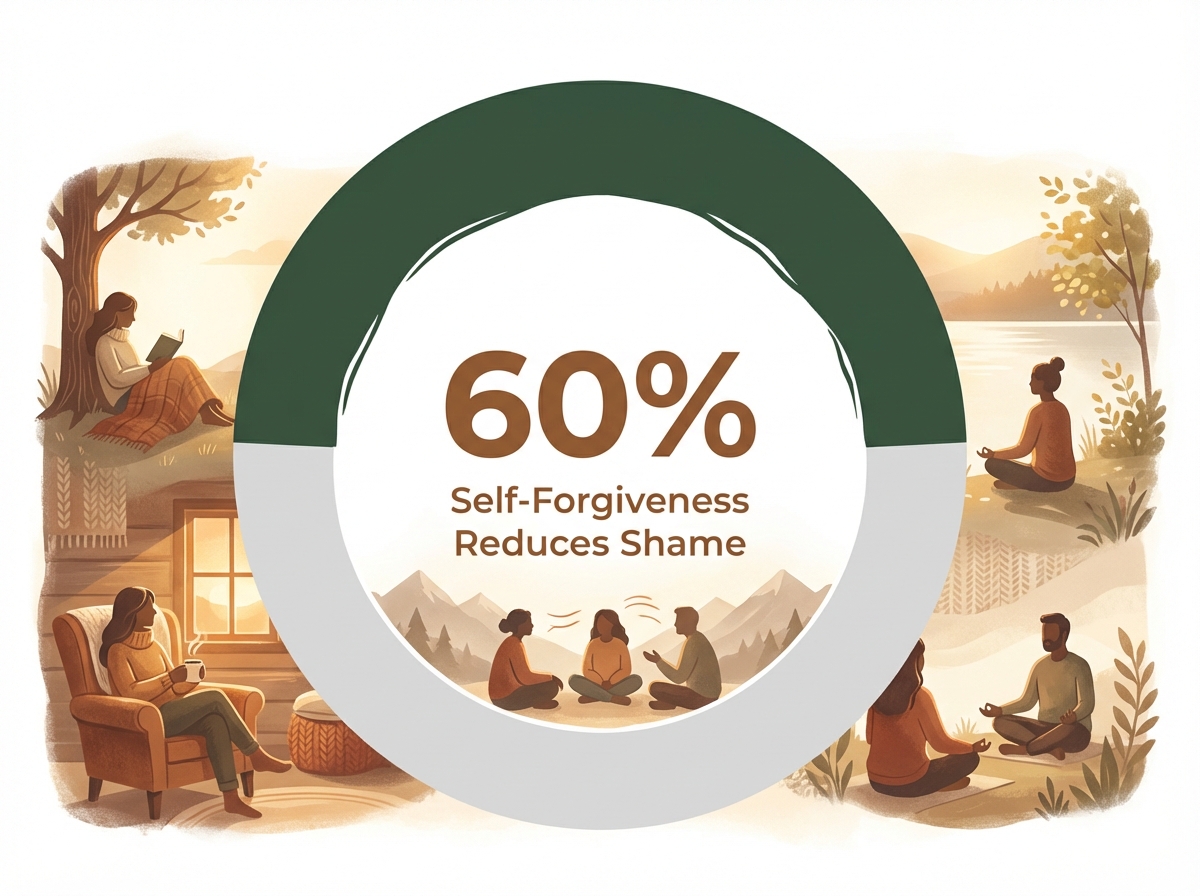
- Peace: How calm did I feel during stress?
- Purpose: Did I feel my actions mattered?
- Connection: Did I feel supported by others?
Once you’ve begun implementing spiritual practices, you’ll want to track how these changes are affecting your healing journey. Unlike physical healing, progress in this dimension often unfolds gradually. Start by establishing baseline markers. Consider how often you feel connected to something greater than yourself and your sense of purpose in daily life.
Keep a simple reflective journal where you note moments of clarity. You don’t need elaborate entries—brief observations like “felt grounded during meditation today” create a record of meaningful shifts. Watch for practical indicators in your relationships: Are you setting healthier boundaries? Do you pause before reacting in stressful situations? These behavioral changes signal deepening inner awareness.
Key Indicators of Spiritual Development
Spotting real growth in your spiritual recovery journey gets easier when you know what to look for. At Rocky Mountain Treatment Center, we help you use these key indicators—meaning, purpose, and connection—to measure progress. Research shows that when people regularly check in on these signs, they feel more motivated and make lasting changes4.
Tracking Meaning, Purpose, and Connection
A simple way to track your growth is to regularly jot down moments when you feel true meaning. Ask yourself: Did I feel a sense of purpose today? When did I connect meaningfully with someone else? Research shows that people who keep tabs on these signs of spiritual wellness are more likely to stay motivated and experience lasting change in recovery4.
When to Adjust Your Spiritual Approach
If you notice that spiritual practices feel stale or your motivation is dropping, it might be time to try something new. Research shows that people who adjust their meaning-making strategies—whether by switching from solo reflection to group rituals—stay more engaged and see better long-term progress in spirituality in recovery4.
Long-Term Success: Beyond the First Year
Think of long-term spiritual wellness as a journey, not a finish line. Research shows that people who keep engaging in spiritual or existential practices past 12 months have higher sustained recovery rates, and that the benefits of meaning-making deepen over the second and third years of recovery4.
Sustaining Spiritual Practice After Treatment
To keep your spiritual growth strong after treatment, make a weekly plan that includes at least one meaningful habit. At Rocky Mountain Treatment Center, we encourage you to keep using what worked in treatment. Practices like gratitude journaling or mindfulness meditation don’t have to take long—even a few minutes a day can help you maintain hope and connection.
Addressing Spiritual Doubts and Setbacks
Spiritual doubts are a normal part of recovery. If you ever feel uncertain about your beliefs, you’re not alone. Research shows that the meaning-making process often deepens over time, and it’s common to cycle through phases of questioning and renewal4. Consider talking openly about your doubts with a counselor or trusted group—sharing your struggles can help you reconnect.
Frequently Asked Questions
As you track your progress and deepen your spiritual recovery practice, you may have questions about how this approach fits into your overall healing journey. Here are answers to some of the most common questions.
What if I’ve had negative experiences with religion in the past?
If you’ve had negative experiences with religion, you are not alone. At Rocky Mountain Treatment Center, we want you to know that spirituality in recovery does not mean you have to follow any specific religion. Instead, our approach centers on personal meaning, connection, and growth. Research shows that building a spiritual identity—whether or not it is tied to religion—predicts better long-term recovery outcomes4.
Can spiritual recovery work if I don’t believe in God?
Yes, spiritual recovery can absolutely work even if you don’t believe in God. We see spirituality as your personal journey toward meaning, hope, and connection. Research shows that what really drives lasting change is finding your own sense of purpose and belonging, which can come from secular practices like mindfulness, meditation, or connecting with nature4.
How much time do I need to dedicate to spiritual practices daily?
You don’t need hours each day—most people start with just 5 to 10 minutes. Research shows that even short, daily spiritual routines help reduce cravings and support emotional stability, especially when combined with community support2.
Will I be required to participate in spiritual activities during treatment?
You won’t be required to participate in spiritual activities during treatment at Rocky Mountain Treatment Center. Research shows that the most successful recovery happens when people feel comfortable and supported, not pressured into any particular belief or practice3.
What if I feel like spiritual practices aren’t working for me?
This is a common experience in early recovery. Sometimes, it takes experimenting with different approaches. Research shows that the process of finding meaning often deepens over time, so it’s okay if progress feels slow or uneven at first4.
Can I combine different spiritual traditions in my recovery?
Yes, you can absolutely combine different spiritual traditions. Research shows that what matters most in spirituality in recovery is building a sense of purpose and meaning, no matter the specific source4. Mixing traditions lets you create a personal path that feels authentic.
How does spirituality help with specific substances like opioids or meth?
What if I’ve relapsed before—can spiritual practices still help me?
Yes. Research shows that people who engage in spirituality in recovery after setbacks are more likely to develop resilience, regain hope, and sustain motivation for long-term change4.
How can I practice spirituality if I live in a rural area with limited community resources?
You can build a meaningful practice using tools like meditation apps or online support groups. Research shows that programs offering virtual spiritual services achieve outcomes similar to in-person options3.
Is spiritual recovery effective for people with co-occurring mental health disorders?
How do I talk to my family about incorporating spirituality into my recovery?
Start by sharing what spirituality means to you—whether it’s finding purpose or building hope. Research shows that open family discussions about spiritual and personal growth lead to stronger support systems and better recovery outcomes4.
What does spiritual care look like at a treatment center?
It involves meeting you where you are. You might join group reflection, guided meditation, or creative expression. Research shows that programs with dedicated spiritual care staff report higher completion rates and more satisfied clients3.
Can online or virtual spiritual communities be as effective as in-person groups?
Yes. Research shows that treatment programs offering virtual spiritual services report similar satisfaction and recovery outcomes compared to traditional, face-to-face models3.
How soon after starting treatment should I begin spiritual practices?
You can start as soon as you feel comfortable. Research shows that early spiritual engagement (in the first 30 days) can help reduce cravings and support emotional stability2.
Begin Your Spiritual Recovery Journey Today
Taking the first step toward healing is often the hardest part of recovery, but you don’t have to face it alone. Spiritually-integrated recovery offers a path forward that honors your inner life while addressing the complex challenges of addiction. When you’re ready to begin, know that compassionate support is available to guide you through every stage of this journey.
Starting this transformative journey begins with reaching out. Whether you’re struggling with substance addiction, behavioral patterns, or co-occurring mental health challenges, you’ll want to find a recovery program that respects your whole self. At Rocky Mountain Treatment Center, we are here to help you build a life of lasting recovery rooted in purpose, meaning, and authentic connection.
References
- Religious Adherence and Recovery from Substance Use Disorders. https://www.nber.org/papers/w29847
- Spiritual Experience and Neural Correlates of Self-Transcendence in Opioid Use Disorder. https://pubmed.ncbi.nlm.nih.gov/37082486/
- Spirituality in Substance Abuse Treatment: A National Survey of Addiction Programs. https://www.samhsa.gov/data/sites/default/files/cbhsq-reports/Spirituality%20in%20Treatment.pdf
- Existential Meaning-Making as a Mechanism of Change in Addiction Recovery. https://psycnet.apa.org/record/2023-30456
- Attachment to God and Psychological Resilience in Individuals with Substance Use History. https://jamanetwork.com/journals/jamapsychiatry/article-abstract/2793642
- Forgiveness as a Spiritual Mechanism in Addiction Recovery. https://www.ncbi.nlm.nih.gov/pmc/articles/PMC9162857/
- Community Belonging and Spiritual Identity in Recovery: A Longitudinal Comparative Study. https://pubmed.ncbi.nlm.nih.gov/36857294/
- Default Mode Network Activity and Spiritual Well-Being in Early Opioid Recovery. https://www.sciencedirect.com/science/article/pii/S0740547223001234
- Purpose and Meaning of Life as Predictor of Sustained Recovery from Methamphetamine Use Disorder. https://pubmed.ncbi.nlm.nih.gov/34982876/
- Spiritual Coping and Cardiovascular Recovery in Substance Use Disorder: The Embodied Spirituality Model. https://www.tandfonline.com/doi/full/10.1080/13548506.2023.2278642