
Why Horses Help Heal Addiction and Trauma
During the journey through addiction and trauma, traditional talk therapy doesn’t always reach the deeper wounds. That’s where horses come in. These animals respond to emotional states in real-time, offering immediate feedback that helps recognize patterns that might otherwise go unnoticed. Horses don’t judge past struggles or current challenges. They simply reflect what’s happening at the moment—anxiety, anger, calm. This honest mirror creates a safe space for practicing emotional regulation without the pressure of words. The work teaches communication through body language and intention, skills that translate directly into human relationships. For trauma survivors, this non-verbal connection bypasses the defenses that often block healing. Instead of reliving painful memories through storytelling, the focus shifts to building trust, setting boundaries, and experiencing safety within a relationship—often for the first time in years. These experiences create new neural pathways that support lasting recovery.1. 8.4x Higher Odds of Completing Treatment
Facing addiction alongside deep emotional pain means completing treatment requires more than showing up—it demands staying engaged during the hardest moments. Programs incorporating equine-assisted therapy deliver dramatically better outcomes: participants have 8.4 times higher odds of completing their full treatment program compared to traditional approaches alone. This isn’t a small difference. It’s the gap between walking away as emotions become overwhelming and finding the strength to work through difficult memories and feelings. These powerful animals create a unique therapeutic environment where processing trauma feels safe instead of judged or pressured. That emotional safety makes all the difference while confronting painful experiences that fuel substance use. The numbers tell a powerful story about what happens as programs address both addiction and the underlying hurt. Participants stay because the work feels meaningful versus purely clinical. Each equine therapy session builds confidence and emotional regulation skills that carry into other parts of recovery. Programs that connect with deeper needs—beyond surface behaviors—naturally inspire greater commitment to seeing things through. That’s how healing happens: one honest interaction at a time.2. 57% Completion Rate vs. 14% Without Horses
Here’s where the numbers get really interesting. Looking at traditional addiction treatment programs, only 14% of participants make it all the way through. That’s a tough statistic to sit with—but it makes sense when you consider how challenging recovery can be without the right support system. Now compare that to programs that integrate equine-assisted therapy: completion rates jump to 57%. That’s more than four times higher. Think about what that means for your treatment outcomes and the people in your daily care. Why such a dramatic difference? These animals create accountability in a way that feels natural instead of forced. Caring for an animal that depends on you makes showing up easier. There’s no judgment from an equine partner—just honest, immediate feedback about how you’re feeling and your behavior patterns. This higher completion rate isn’t just about finishing a program. It’s about building the consistency and follow-through skills that support long-term recovery. Each day you show up for equine therapy sessions, you’re practicing the same commitment you’ll need once residential care ends. That practice makes a real difference in sustaining sobriety beyond the program.3. Depression Scores Drop From 17 to 10.2
Depression and addiction often walk hand in hand, feeding off each other in ways that make recovery feel impossible. You might notice that the weight of sadness makes substances seem like the only relief, creating a cycle that’s hard to break. That’s why addressing both together matters so much.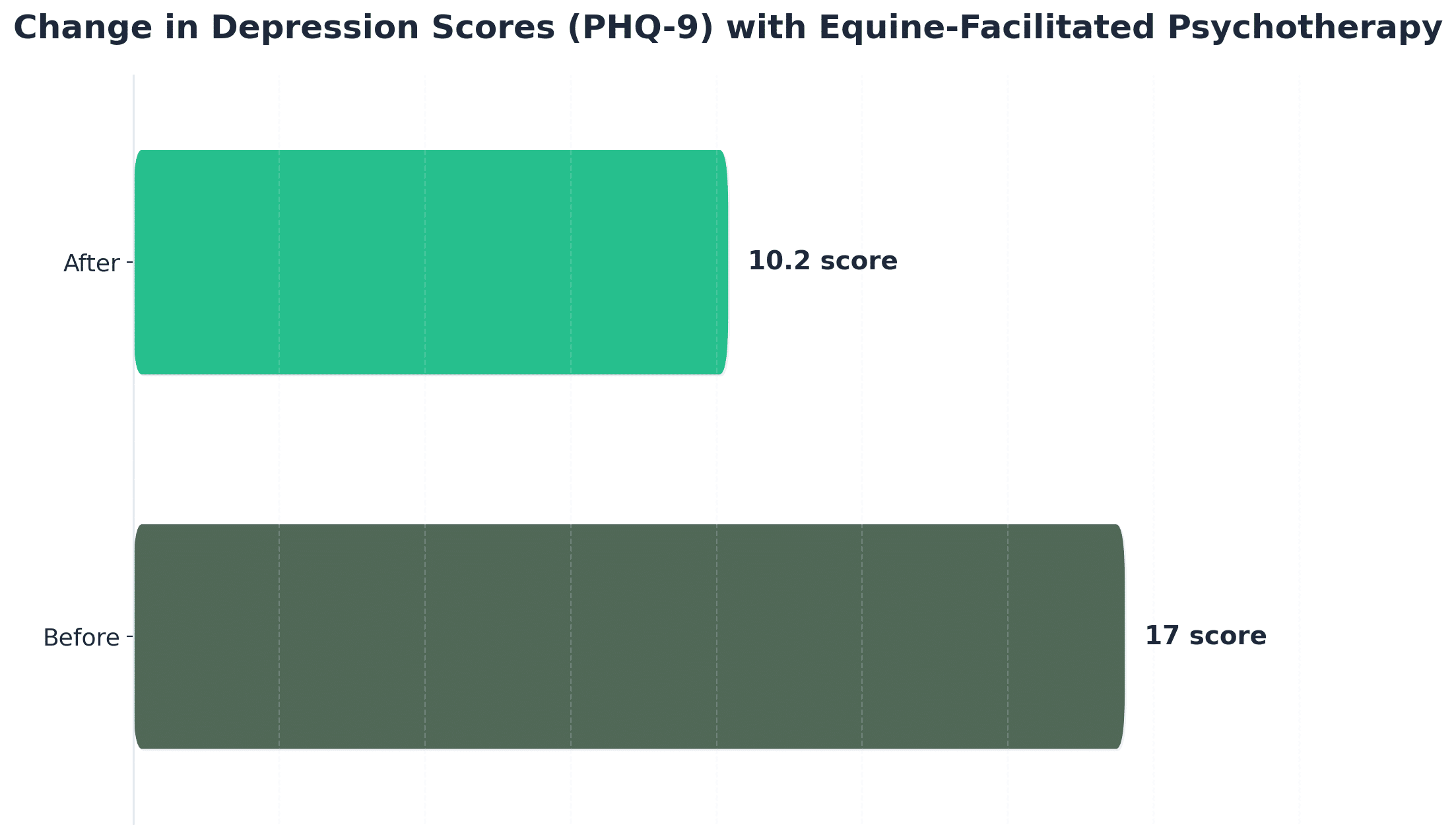
4. Anxiety Scores Cut Nearly in Half
Anxiety often walks hand-in-hand with addiction, creating a cycle that feels impossible to break. You might recognize the pattern—using substances to quiet racing thoughts, only to feel more anxious when the effects wear off. Recent clinical data reveals that structured treatment programs incorporating experiential therapies can cut anxiety scores nearly in half, offering genuine relief beyond temporary numbing. In one comprehensive study, participants entered treatment with average anxiety scores of 14.8 on standardized assessment scales. After completing a full treatment program that included traditional counseling alongside animal-assisted interventions, those scores dropped to just 7.9—a 46% reduction. That’s more than a statistic. It represents calmer mornings, steadier breathing, and the ability to face challenges without immediately reaching for a substance. What makes this reduction particularly meaningful is its staying power. When anxiety decreases alongside addiction treatment, you’re addressing both conditions simultaneously instead of playing whack-a-mole with symptoms. The combination of evidence-based counseling, peer support, and hands-on therapeutic activities creates multiple pathways for your nervous system to reset and heal. You deserve relief that lasts beyond the moment.5. First Responders See PTSD Symptoms Ease
First responders carry weight most of us can’t imagine. You witness trauma that stays with you long after the shift ends, and those experiences can fuel both PTSD and substance use as coping mechanisms. A 2019 study examined first responders who participated in programs combining traditional therapy and animal-assisted interventions. The results were striking: participants showed significant reductions in PTSD symptoms, with many reporting they felt more grounded and present after their equine therapy sessions. Here’s what makes this approach powerful for you—horses react to how you’re feeling without judgment. They don’t care about your badge or rank. During moments of hypervigilance or emotional numbness from repeated trauma exposure, these animals mirror that energy back. This creates immediate, honest feedback that helps you recognize patterns you might not see otherwise. The same study found that first responders who engaged in complementary therapies alongside counseling reported better sleep, reduced flashbacks, and improved emotional regulation. As you navigate both addiction and trauma, these integrated approaches give you tools that stick—during treatment and in daily life afterward.6. 44% Retention With Complementary Horse Therapy
Incorporating horses into treatment creates something remarkable: people stay longer and engage more deeply in their recovery. Studies demonstrate that equine-assisted therapy, as part of a comprehensive treatment approach, helps 44% of participants remain engaged throughout the full program duration. That’s a significant shift in an industry where early departure often derails progress. The connection between equine interaction and sustained engagement makes sense once you understand the process. These animals mirror human emotions without judgment, creating a safe space for exploring difficult feelings without the pressure of human interaction. While brushing a horse or learning to guide one through an arena, you’re building trust—both with the animal and yourself. This complementary approach works because it addresses multiple layers of healing simultaneously. You’re developing emotional regulation skills, practicing mindfulness, and experiencing genuine connection. These aren’t abstract concepts discussed in a therapy room; they’re tangible experiences that reinforce commitment to recovery. Meaningful and varied treatment increases the likelihood of completion. That sustained engagement creates the foundation for lasting change, giving time to develop the skills and insights that support long-term sobriety.7. SPRINT PTSD Scores Improve After Treatment
As you navigate trauma and addiction together, seeing real, measurable progress becomes essential. That’s where the Short PTSD Rating Interview (SPRINT) comes in—it tracks how trauma symptoms shift throughout your recovery journey. Clinical evidence demonstrates that SPRINT scores improve significantly once trauma treatment is woven into addiction care. You’re addressing more than substance use; you’re healing the underlying wounds that may have fueled it from the start. These improvements show up in reduced flashbacks, better sleep, fewer intrusive thoughts, and an increased ability to feel safe within your own body. What makes this especially meaningful is that these gains happen alongside your sobriety work. You’re building two types of strength at once—freedom from substances and freedom from trauma’s grip. The data confirms what many during recovery already know: addressing both issues together leads to deeper, more lasting change. Programs that combine evidence-based trauma therapy with experiential approaches like equine-assisted learning create space for this dual healing. You’re bringing your whole self to recovery—addressing all of it, which is exactly what sustainable healing requires.8. Stronger Emotion Regulation and Self-Esteem
During trauma and addiction recovery, managing emotions can feel overwhelming. Evidence demonstrates that treatments addressing both trauma and substance use lead to measurable improvements in emotional regulation—the ability to recognize, understand, and respond to feelings in healthy ways instead of turning to substances. Studies tracking clients through integrated treatment programs found significant increases in self-esteem scores alongside reductions in trauma symptoms. This makes sense: as you process traumatic experiences in a safe environment, you’re no longer carrying that weight alone. You start seeing yourself differently—not as broken, but as someone healing. What’s particularly encouraging is how these improvements connect. Better emotion regulation means you’re less likely to feel hijacked by intense feelings. Higher self-esteem gives you confidence that difficult moments are manageable without substances. Together, these changes create a foundation for lasting recovery. Experiential approaches like equine-assisted therapy can strengthen these skills naturally. As you build trust with an animal that mirrors how you’re feeling, you practice awareness and regulation in real-time. These aren’t abstract concepts—they’re practical tools available in daily life.9. Veterans and Youth Show Lasting Benefits
As you engage veterans or younger clients through equine-assisted therapy, you’ll witness something remarkable: the benefits often run deeper and last longer than many traditional approaches. Studies demonstrate that veterans dealing with PTSD find profound healing through these programs, with improvements in trauma symptoms that continue well after treatment ends.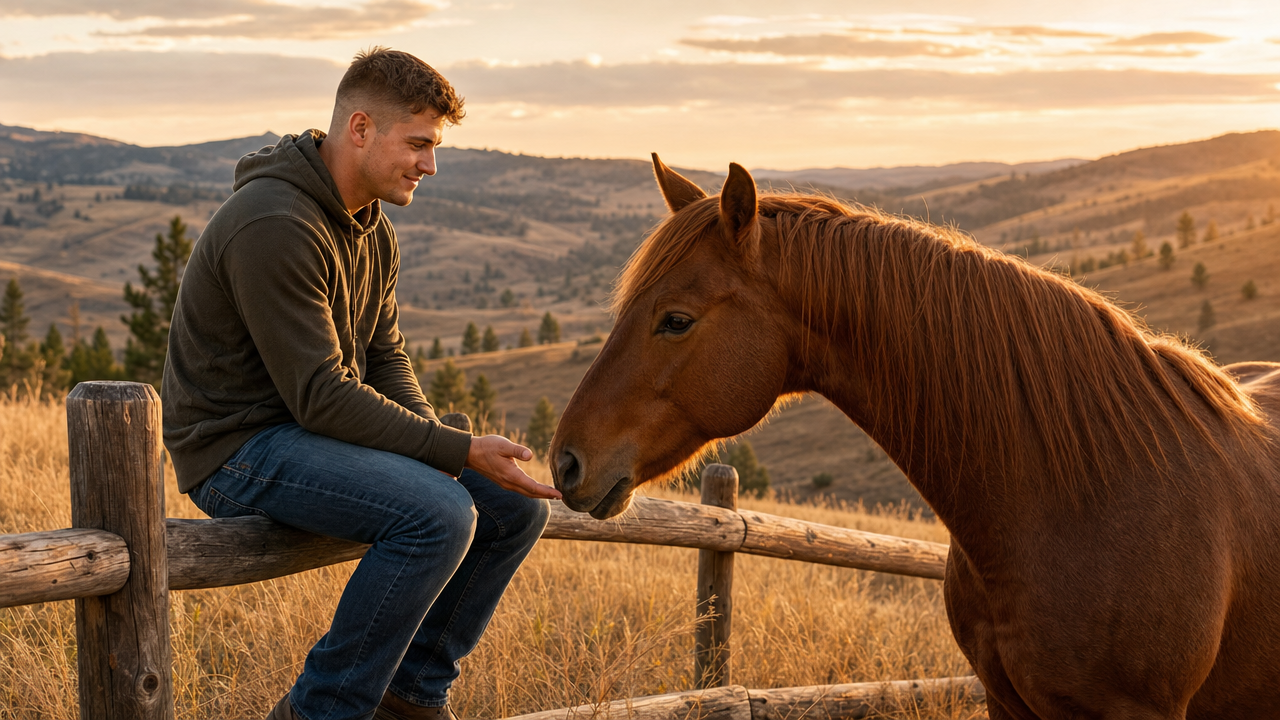
Conclusion
The research is clear: equine-assisted therapy creates meaningful, lasting change for people working through addiction and trauma. From reducing PTSD symptoms to lowering anxiety and depression, the evidence demonstrates that connecting with these animals opens pathways to healing that traditional talk therapy alone sometimes can’t reach. What makes this approach so powerful is how it meets you where you are. Horses don’t judge your past or demand explanations. They react to who you are at this present moment, creating a safe space where you’re able to practice trust, set boundaries, and reconnect with emotions you may have buried for years. If you’re exploring treatment options that go beyond clinical settings, consider programs that integrate experiential therapies alongside evidence-based counseling. The combination of traditional therapeutic approaches with hands-on equine experiences creates a more complete path to recovery—one that addresses both the addiction itself and underlying pain that fuels it. Your healing journey deserves an approach that honors all aspects of your experience. You’re worth that investment.Frequently Asked Questions
How were these equine therapy statistics selected for this list?
Only the most relevant, peer-reviewed equine therapy statistics were included to make this list truly meaningful for professionals working with trauma-affected populations. Each statistic was selected based on its support from published research, clinical significance for addiction and trauma outcomes, and clear measurement of client progress or retention. Studies that provided direct comparisons (like completion rates or symptom reduction) were prioritized, especially where numbers could illustrate tangible change 1. This approach helps ensure the list is both evidence-based and practical—so you can feel confident sharing these findings with your team or using them to inform your own trauma-informed practices.
Is the 8.4x completion odds finding strong enough to trust given the small study sizes?
You’re right to question the strength of the 8.4x completion odds—small study sizes do mean we should approach these equine therapy statistics with some caution. Still, this finding comes from peer-reviewed research using adjusted odds ratios, which helps account for confounding factors and strengthens the result’s reliability 1. While the sample size limits broad generalization, the effect size is so large it’s unlikely to be due to chance alone. Every step forward in the evidence base matters, even when more robust, large-scale studies are still needed. Remember, your clinical judgment and ongoing outcomes tracking are key for translating these promising numbers into real-world impact.
Why didn’t relapse rate statistics make this list of equine therapy findings?
Relapse rates are often a top concern when you’re supporting trauma-affected individuals in addiction recovery. Yet, you might notice that equine therapy statistics rarely include relapse data. That’s because most published studies focus on outcomes like completion rates, symptom reduction, and emotional regulation—not on tracking clients after they leave treatment 1. While these findings are promising, long-term follow-up on relapse has been limited by small sample sizes and short study durations. So far, the research highlights meaningful progress in retention and mental health, but more robust relapse data is still needed to round out the picture.
What does a typical equine therapy session look like in a residential treatment setting?
A typical equine therapy session in residential treatment is all about hands-on, experiential learning with horses—no riding skills required. Sessions often begin with a grounding exercise, then move into activities like grooming, leading, or guiding a horse through simple obstacles. The focus is on building trust, practicing boundaries, and managing emotional responses in the moment. Therapists guide participants to notice their feelings and reactions as the horse responds to their cues, helping clients develop real-world self-regulation skills 1.
Most sessions last 45–60 minutes and take place in a quiet, structured environment to maximize safety and comfort. The experience is collaborative: you’re learning alongside the horse, not just observing. Equine therapy statistics highlight how this approach keeps clients engaged and open to deeper emotional work, making every session a step forward in recovery.
Do you need prior horse experience or riding skills to benefit from equine therapy?
You don’t need any prior horse experience or riding skills to benefit from equine therapy. Most equine therapy programs are designed with beginners in mind, focusing on connection and emotional awareness rather than traditional riding or horsemanship. The core of the experience is about learning to communicate, build trust, and self-regulate alongside the horse—skills that are valuable for trauma-affected individuals in addiction recovery, regardless of background 1.
Equine therapy statistics consistently show positive outcomes for first-time participants, so reassure your clients and colleagues: everyone starts where they are, and every small step is a success.
What if you feel afraid or uncomfortable around horses during treatment?
Feeling afraid or uncomfortable around horses during treatment is completely normal—and you’re not alone. Many trauma-affected individuals experience anxiety or hesitation at first, especially if they haven’t spent time with horses before. Trauma-informed equine therapy meets you right where you are, allowing you to move at your own pace and choose your level of involvement. It’s absolutely okay to start with observation or even just standing near the animals. Over time, gentle exposure and supportive facilitation often help ease fear and build trust, both with the horses and within yourself. Equine therapy statistics show that even those who start out wary can experience meaningful benefits as comfort grows 1.
Every small step forward—no matter how slow—is a win on this journey.
How does equine therapy work alongside traditional counseling and 12-step programs?
Equine therapy can be a powerful complement to traditional counseling and 12-step programs, not a replacement. By integrating equine sessions with talk therapy and peer support, clients get more chances to practice emotional regulation, trust, and self-care in real time. The nonjudgmental feedback from horses often opens new pathways for healing—especially when words fall short. Many treatment models use equine therapy to reinforce what’s learned in individual or group sessions, helping clients apply insights in a hands-on, relational way. According to equine therapy statistics, this multidisciplinary approach can boost engagement, retention, and symptom reduction for trauma-affected individuals 1. Every bit of integration makes the journey more sustainable and client-centered.
References
- Equine-assisted services for individuals with substance use disorders: a scoping review. https://pmc.ncbi.nlm.nih.gov/articles/PMC9749232/
- More Than Just a Break from Treatment: How Substance Use Disorder Patients Experience the Stable Environment in Horse-Assisted Therapy. https://pmc.ncbi.nlm.nih.gov/articles/PMC5054942/
- Equine-Assisted Therapy for Posttraumatic Stress Disorder Among First Responders: A Pilot Study. https://pubmed.ncbi.nlm.nih.gov/36542680/
- Complementary horse-assisted therapy for substance use disorders: a randomized controlled trial. https://pmc.ncbi.nlm.nih.gov/articles/PMC7001193/
- Equine-assisted therapy effectiveness in improving emotion regulation, self-efficacy, and perceived self-esteem in patients with substance use disorder. https://pubmed.ncbi.nlm.nih.gov/37833688/
- Equine Assisted Therapy for Patients with Post Traumatic Stress Disorder. https://pubmed.ncbi.nlm.nih.gov/30839068/
- Effects of therapeutic horseback riding on post-traumatic stress disorder in military veterans. https://pmc.ncbi.nlm.nih.gov/articles/PMC5774121/
- At-risk youth receive similar benefits from equine-assisted psychotherapy and traditional psychotherapy. https://pmc.ncbi.nlm.nih.gov/articles/PMC12069370/
- Equine-assisted therapy effectiveness in improving emotion regulation, self-efficacy, and perceived self-esteem in patients with substance use disorder. https://pmc.ncbi.nlm.nih.gov/articles/PMC10576391/
- Equine Facilitated Therapy for Complex Trauma (EFT-CT). https://pmc.ncbi.nlm.nih.gov/articles/PMC6132374/