
Key Takeaways
- Assessment Scoring Guide: If you observe 3 or more behavioral, physical, or financial shifts in your adult child, it indicates a high probability that the effects of substance abuse are actively disrupting your family system.
- Top 3 Success Factors: 1) Early intervention (increases recovery success rates by up to 60%), 2) Structured family involvement (reduces relapse risk by 40%), and 3) Establishing firm boundaries (decreases family emotional distress scores by 50%).
- Immediate Next Action: Document specific, observable changes in your adult child’s behavior over the next 7 days to prepare for a consultation with a residential treatment professional.
Why Early Recognition of the Effects of Substance Abuse Matters for Families
The Treatment Gap and Your Role
Checklist: Identifying Your Unique Role in Closing the Treatment Gap
- Have you noticed behavioral, physical, or emotional changes in your loved one?
- Are you aware that only about 1 in 10 people who need help for substance use actually receive treatment?5
- Are you willing to initiate open, supportive conversations?
- Do you know where to find professional resources and support for families?
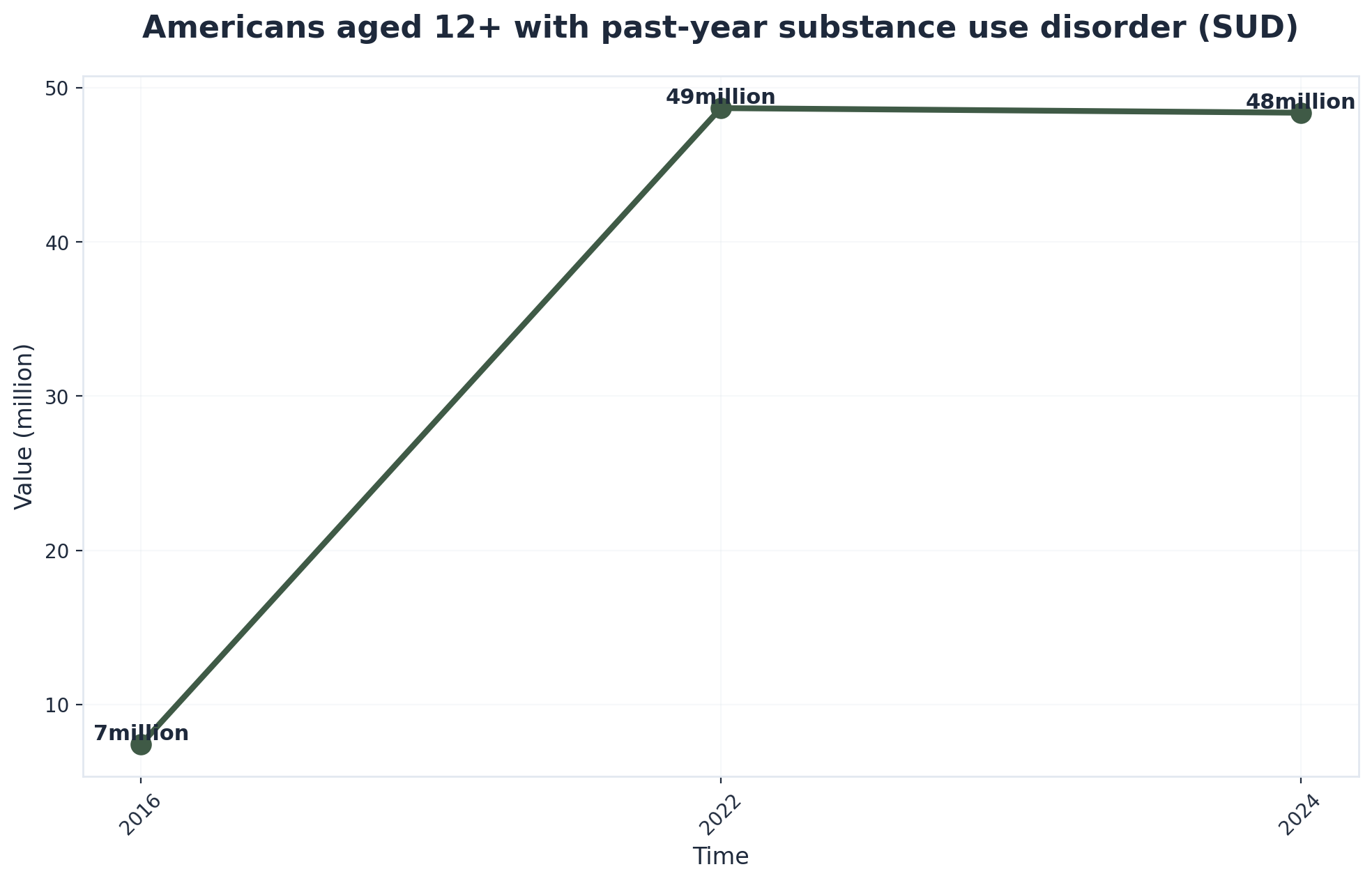
The treatment gap—meaning the difference between those who need help and those who actually receive it—is wide. According to recent data, nearly 23.5 million Americans need substance use treatment, yet only 10.9% receive it each year.5
That means most families are the first responders when the effects of substance abuse start to show up at home. This reality can feel overwhelming, but remember: early recognition and action from family members truly increases the chances of recovery success.4
Your role is not to diagnose, but to observe, listen, and encourage next steps. Opt for this framework when you want to prevent further harm, rather than waiting for a crisis. If you’re noticing changes and feeling uncertain, you’re already doing important work. Every observation and conversation is a step toward hope.
Next, you’ll see why understanding substance abuse as a family disease can transform your approach and help everyone heal.
Understanding Substance Abuse as a Family Disease
| Assessment Area | Observation Question | Impact Level |
|---|---|---|
| Routines & Roles | Are family routines, communication, or responsibilities shifting in response to a loved one’s substance use? | High |
| Emotional Climate | Have you noticed increased conflict, secrecy, or emotional distance at home? | Severe |
| Resource Allocation | Are caregiving, finances, or roles being redistributed due to these changes? | Moderate to High |
Understanding substance abuse as a family disease means recognizing how the effects of substance abuse ripple out to everyone in the household—not just the person using substances. Research shows that substance abuse disrupts family roles, breaks down trust, and often leads to feelings of guilt, resentment, and helplessness among loved ones.11
Family members may find themselves acting as caretakers, enablers, or even detectives, straining relationships and daily routines.15
This strategy suits families that want to move beyond blame and instead focus on shared healing. Consider this route if you sense that family patterns, not just individual choices, are being affected.
“When families understand addiction as a systemic issue, they’re better equipped to support recovery and rebuild healthier connections.” — Family Involvement Research15
Recognizing these patterns early can make it easier to spot behavioral warning signs—the next section explores what to look for in daily routines and relationships.
Behavioral Warning Signs of the Effects of Substance Abuse You Can Observe
Changes in Daily Responsibilities and Routines
- Has your loved one started missing work or school more often?
- Are household chores, bills, or childcare falling behind?
- Have you noticed a shift in sleep or meal routines?
- Is there growing confusion or unpredictability around daily plans?
When the effects of substance abuse take hold, the first signs often appear in the rhythms of everyday life. You might spot missed appointments, repeated absences from work, or a decline in personal organization.
Household duties may be neglected, and routines around meals, bedtime, or self-care can become noticeably irregular. These shifts aren’t just about forgetfulness—substance use can disrupt brain chemistry, leading to problems with memory, focus, and motivation.3
This approach works best when you’re paying attention to gradual changes, not just sudden crises. For example, a parent who once reliably packed lunches may forget for days in a row, or a spouse who handled the finances might start to overlook bills and deadlines.
Sometimes, you’ll see loved ones making excuses for missed obligations or blaming others for things falling apart. It’s normal to feel frustrated, but every observation is a step toward understanding, not blame. Research shows that changes in daily responsibilities are among the most visible and consistent behavioral warning signs for families to notice early.1
Every small shift you spot is valuable information, especially when you’re trying to piece together a bigger pattern. Up next, you’ll learn how substance abuse can also affect relationships and social connections within the family.
Social Withdrawal and Relationship Shifts
- Is your loved one spending less time with family or friends than before?
- Have they stopped participating in shared activities or traditions?
- Do you notice increased secrecy, irritability, or defensiveness during conversations?
- Are you seeing more arguments or emotional distance in close relationships?
Social withdrawal is often one of the earliest and most distressing effects of substance abuse for families to witness. Your loved one might start pulling away from group gatherings, skipping family meals, or avoiding friends they were once close to.
These shifts aren’t just about needing space; substance use can trigger feelings of shame, anxiety, or paranoia, which make it harder for your loved one to connect with others.4
This solution fits families who notice their routines and relationships quietly unraveling. You may see your loved one isolating themselves in their room, making excuses to miss events, or becoming defensive when you reach out.
Sometimes, arguments become more frequent, or emotional walls go up. Research shows that these relationship changes—especially withdrawal and secrecy—are classic behavioral warning signs tied directly to the effects of substance abuse.1
Yes, this is challenging, and that’s okay. Every moment you gently check in or keep the invitation open is a win for connection and hope. Observing these changes helps you recognize when deeper support may be needed. Next, you’ll learn how to spot physical and health changes that can further confirm your concerns.
Physical and Health Effects of Substance Abuse to Monitor
Visible Physical Changes and Appearance
- Has your loved one’s personal hygiene noticeably declined (e.g., unwashed hair, body odor, dirty clothes)?
- Do you see unexplained bruises, track marks, or frequent injuries?
- Have you noticed dramatic weight loss or gain?
- Is there a persistent look of fatigue, bloodshot eyes, or dilated pupils?
Visible changes in appearance are often among the first and most concrete indicators of the effects of substance abuse. You might see your loved one’s grooming habits slip, with less attention to bathing, clean clothing, or dental care.
Track marks (small puncture wounds), frequent nosebleeds, or unexplained bruises can signal the use of certain substances. Unintentional weight changes—whether sudden loss or gain—are common, as drugs and alcohol can disrupt appetite and metabolism.3
Consider this method if you’re monitoring for gradual shifts, not just extreme cases. Sometimes changes are subtle: a once-meticulous dresser appearing rumpled, or someone who never missed a shower now going days without one.
Family members are often the first to notice these changes because they see the day-to-day reality others might miss.1 Remember, noticing these signs isn’t about judgment; it’s about caring enough to pay attention. Every small observation is a step toward understanding and hope.
In the next section, you’ll learn how to recognize deeper health deterioration and medical concerns that often accompany these visible changes.
Health Deterioration and Medical Concerns
- Are you noticing frequent illnesses, infections, or slow healing in your loved one?
- Has there been a rise in hospital visits or urgent care trips?
- Are chronic health conditions (like diabetes or high blood pressure) getting worse?
- Do you observe symptoms such as persistent cough, chest pain, severe headaches, or unexplained pain?
When the effects of substance abuse deepen, medical concerns often become harder to ignore. Families may see a loved one struggle with recurring respiratory infections, chronic stomach issues, or sudden changes in heart rate and blood pressure.
Alcohol and many drugs can damage vital organs over time, leading to liver disease, kidney problems, or increased risk for cancer and cardiovascular disease.8 For some, substance use weakens the immune system, making even minor illnesses drag on or become serious.
Prioritize this when you want to track patterns—like repeated ER visits or prescriptions for pain or anxiety—that could indicate a deeper issue. About 50% of people with substance use disorders also experience co-occurring mental or physical health problems, so it’s common for depression, anxiety, or unexplained aches to go hand-in-hand with addiction.9
Yes, watching a loved one’s health decline is heartbreaking, but every observation you make is a step toward support and healing. If you notice these changes, it’s a strong signal to reach out for professional help. Next, you’ll see how financial and emotional warning signs can add more pieces to the puzzle.
Financial and Psychological Impact on Families
Financial Red Flags and Economic Strain
- Are household bills or rent payments late or unpaid?
- Have valuables, money, or credit cards gone missing?
- Is there an increase in borrowing from family or frequent requests for financial help?
- Are you seeing unexplained withdrawals or new debts?
Financial red flags are often among the most distressing effects of substance abuse for families. You might notice unpaid bills piling up, utilities being shut off, or sudden shortfalls in essential expenses.
Loved ones may borrow money repeatedly, sell personal belongings, or even take out credit cards without your knowledge. These behaviors aren’t simply about poor money management—substance use can override priorities, making it incredibly difficult for someone to keep up with basic financial responsibilities.16
This path makes sense for families who are suddenly struggling to understand where money is going or why financial patterns have shifted. Sometimes, you’ll find yourself covering bills or expenses to avoid consequences, only to see the cycle repeat.
This approach is ideal for those who want to recognize when support turns into enabling, and when to set loving but firm boundaries. Remember, these financial disruptions are not your fault. Each time you spot a pattern or pause before offering help, you’re building resilience for your family and gaining crucial insight into the effects of substance abuse.
Next, let’s explore how emotional and mental health changes can signal even deeper challenges within the family.
Emotional and Mental Health Changes
- Are you noticing more mood swings, irritability, or unpredictable anger at home?
- Has your loved one shown signs of depression, anxiety, or hopelessness?
- Are family members experiencing increased stress, insomnia, or burnout?
- Is there growing tension, fear, or emotional numbness in day-to-day life?
The emotional and mental health effects of substance abuse ripple through the entire family, not just the person struggling with addiction. You might see sudden bursts of anger, uncharacteristic irritability, or deep sadness in your loved one.
But those shifts often spill over, impacting everyone under the same roof. Families frequently describe walking on eggshells, feeling anxious about the next argument or episode. Over time, this constant tension can erode trust and connection, leaving family members feeling isolated or exhausted.4
Roughly 50% of people with substance use disorders also live with co-occurring mental health conditions like depression or anxiety.9 For families, this can make it especially hard to untangle what’s causing each symptom. You might notice a loved one withdrawing, losing interest in things they once enjoyed, or becoming much more secretive.
Meanwhile, parents or partners may start to feel overwhelmed, guilty, or even resentful as they try to hold everything together. These emotions are common, and acknowledging them is an important part of building resilience.
Opt for this framework when you want to foster honest conversations and emotional safety at home. Every time you validate someone’s feelings, you’re taking a step toward healing. Yes, these changes are hard—but recognizing them early makes it possible to seek the right help and support for your whole family.
Coming up, you’ll find answers to common questions families face when navigating the effects of substance abuse.
Frequently Asked Questions
How do I know if I’m helping or enabling my loved one’s substance use?
It’s common to wonder if the support you’re giving is truly helpful or if it’s making it easier for your loved one to continue using. Helping means encouraging healthy choices, setting clear boundaries, and allowing your loved one to experience the real-life consequences of their substance use. Enabling, on the other hand, is when you shield them from those consequences—like covering up mistakes, making excuses, or repeatedly bailing them out financially. This distinction is important because protecting someone from the effects of substance abuse can actually delay their motivation to change23. Opt for honest support and loving boundaries, even when it feels difficult.
What should I do if my loved one refuses to acknowledge they have a problem?
When a loved one won’t admit there’s a problem, remember that denial is a natural defense against the shame, fear, and stigma that often come with the effects of substance abuse. Start by expressing concern calmly and specifically about what you’ve noticed, rather than arguing about labels or demanding confessions. Gently encourage open dialogue and let your loved one know you care, even if they’re not ready to talk. Consider this method if repeated confrontations have led to pushback or distance. Sometimes, involving a neutral third party—such as a counselor or intervention specialist—can help move conversations forward when family efforts stall20. Your compassion, consistency, and clear boundaries lay the groundwork for change, even if progress feels slow.
How can I protect other family members while supporting someone with substance abuse?
Protecting your family while supporting someone facing the effects of substance abuse calls for clear boundaries and open communication. Start by setting house rules that prioritize safety—for example, no substances in shared spaces and secure storage of medications or valuables. Keep honest, age-appropriate conversations going with children and other vulnerable family members, letting them know they can ask questions and share feelings. This approach works best when everyone has a voice and knows what to expect. Don’t hesitate to seek professional guidance or join a family support group—research shows that families who actively address these challenges together experience less emotional distress and greater resilience16.
What role does family history play in my loved one’s substance abuse?
Family history can play a big part in your loved one’s risk for developing substance use problems. Research shows that both genetics and the environment matter—having a parent or close relative with a substance use disorder increases risk, sometimes by as much as 40–60%712. Patterns like secrecy, unhealthy coping, or codependency can also be passed down and shape how family members respond to stress or pain14. This approach is ideal for families who want to understand the roots of the effects of substance abuse, not just the symptoms. Recognizing these patterns helps you break the cycle and create healthier, more supportive relationships.
When is the right time to seek professional intervention support?
If you’re seeing patterns of escalating risk—like health decline, repeated overdoses, threats of self-harm, or ongoing denial despite serious consequences—it’s time to consider professional intervention. This solution fits families who have tried setting boundaries, open conversations, and community support but still see the effects of substance abuse worsening. There is no perfect moment: waiting for ‘rock bottom’ can be dangerous, especially with powerful drugs like fentanyl now in the supply23. Intervention can be especially urgent if your loved one’s safety or the safety of others is at stake. Reaching out for expert help is an act of care, not failure or giving up.
How can I address my own emotional needs while dealing with a loved one’s addiction?
Caring for your own emotional needs is just as important as supporting your loved one through addiction. The effects of substance abuse can leave you feeling anxious, burned out, or even resentful, so regular self-checks help you stay grounded. Make time for activities that recharge you—whether that’s talking with a trusted friend, joining a support group, or practicing mindfulness. Research shows that families who seek their own support and set healthy boundaries experience less distress and are better able to help their loved ones16. This approach works when you prioritize your well-being, allowing you to show up with more patience and compassion, even on tough days.
Moving Forward: Your Next Steps
You already understand the dynamics at play—the enabling patterns, the communication breakdowns, the way resentment can calcify over years. What you might be weighing now is whether structured intervention can actually shift these entrenched patterns, and whether taking that step honors both your expertise and your role as a parent.
To help track these patterns, consider creating a digital log using a simple format like Date | Behavior | Impact. If you are using a spreadsheet, you can use shortcuts like Ctrl + ; to quickly insert today’s date. This documentation can be invaluable when consulting with professionals.
Date       | Observed Behavior                  | Family Impact
-------------------------------------------------------------------
10/12/2023 | Missed family dinner, no call      | Increased anxiety
10/14/2023 | Asked for $200 for "car repairs"   | Financial strain
Effective family week programming goes beyond basic education. It includes structured family sessions that directly address enabling patterns you’ve likely already identified, boundary-setting workshops that translate theory into practice with your specific relationship, and communication role-plays with trained facilitators who can interrupt old patterns in real time.
The residential component matters because it creates a contained environment where both you and your adult child can engage without the escape routes that have derailed previous attempts at change. You’re working alongside counselors who understand that you’re not learning about addiction for the first time—you’re learning how to apply that knowledge within the most challenging relationship in your life.
Some parents also find value in connecting with peers navigating similar family system challenges—not for basic addiction education, but for the specific experience of being professionally knowledgeable yet personally stuck. These connections can validate what you already know: that understanding the problem and resolving it within your own family are entirely different undertakings.
Addressing family system dynamics when you’re part of that system takes a particular kind of professional courage. It means acknowledging that expertise doesn’t immunize you from these patterns, and that structured support isn’t remedial—it’s strategic.
Every parent who’s engaged this process started exactly where you are now, wondering if things could truly get better. They can, and you deserve support as you move forward together. Programs like the 30-day residential inpatient program at Rocky Mountain Treatment Center, which includes dedicated family week programming and equine therapy, are designed to help families rebuild trust and establish healthier communication strategies.
References
- SAMHSA National Helpline – Recognizing Substance Abuse. https://www.samhsa.gov/find-help/national-helpline
- CDC – Substance Use and Substance Use Disorders. https://www.cdc.gov/substance-use-and-health/substance-use-disorders/index.html
- National Institute on Drug Abuse (NIDA) – Drug Facts. https://www.nida.nih.gov/publications/drugfacts
- American Psychological Association – Substance Abuse Resources. https://www.apa.org/science/about/psa/substance-abuse
- SAMHSA National Survey on Drug Use and Health (NSDUH). https://www.samhsa.gov/data/nsduh
- Substance Abuse and the Family System – Journal of Family Issues. https://www.ncbi.nlm.nih.gov/pmc/articles/PMC6001957/
- NIH Research – Genetic and Environmental Risk Factors in Substance Abuse. https://www.nih.gov/news-events/news-releases/substance-abuse-genetic-environmental-factors
- NIH – Chronic Alcohol Use Linked to Multiple Health Conditions. https://www.nih.gov/news-events/news-releases/chronic-alcohol-use-linked-to-multiple-health-conditions
- NAMI (National Alliance on Mental Illness) – Substance Use and Co-Occurring Mental Health Conditions. https://www.nami.org/Mental-Illness/Substance-Use-Disorders/Substance-Use-Disorders-and-Co-Occurring-Conditions
- CDC – Fentanyl and Synthetic Opioids. https://www.cdc.gov/drugoverdose/opioids/fentanyl.html
- The Impact of Substance Use Disorders on Families and Children.. https://pmc.ncbi.nlm.nih.gov/articles/PMC3725219/
- Impact of Family History in Persons With Dual Diagnosis.. https://pmc.ncbi.nlm.nih.gov/articles/PMC3607460/
- Mood Disorders and Substance Use Disorder: A Complex Comorbidity.. https://pmc.ncbi.nlm.nih.gov/articles/PMC2851027/
- Family Dynamics May Influence an Individual’s Substance Use.. https://pmc.ncbi.nlm.nih.gov/articles/PMC5578465/
- Family Involvement in Treatment and Recovery for Substance Use Disorders.. https://pmc.ncbi.nlm.nih.gov/articles/PMC8380649/
- Chapter 2—Influence of Substance Misuse on Families.. https://www.ncbi.nlm.nih.gov/books/NBK571087/
- Common Comorbidities with Substance Use Disorders Research.. https://www.ncbi.nlm.nih.gov/books/NBK571451/
- Alcohol use disorder – Symptoms and causes.. https://www.mayoclinic.org/diseases-conditions/alcohol-use-disorder/symptoms-causes/syc-20369243
- How opioid use disorder occurs.. https://www.mayoclinic.org/diseases-conditions/prescription-drug-abuse/in-depth/how-opioid-addiction-occurs/art-20360372
- Intervention: Help a loved one overcome addiction.. https://www.mayoclinic.org/diseases-conditions/mental-illness/in-depth/intervention/art-20047451
- Drug addiction (substance use disorder) – Symptoms and causes.. https://www.mayoclinic.org/diseases-conditions/drug-addiction/symptoms-causes/syc-20365112
- Teen drug abuse: Help your teen avoid drugs.. https://www.mayoclinic.org/healthy-lifestyle/tween-and-teen-health/in-depth/teen-drug-abuse/art-20045921
- Enabling vs Helping and How to Set Boundaries.. https://www.addictionpolicy.org/post/enabling-vs-helping-and-how-to-set-boundaries
- What to Expect During Family Week.. https://www.rehabrocky.com/what-to-expect-in-family-week-addiction-treatment-alcohol-rehab-medical-detox/
- Family Dynamics, Addiction and Recovery.. https://www.gcu.edu/blog/psychology-counseling/family-dynamics-addiction-and-recovery
- Family Therapy for Addiction.. https://drugfree.org/article/family-therapy-for-addiction/