
Key Takeaways
- Decision Flowchart: If experiencing severe symptoms or recent relapse, prioritize inpatient care (typically a 30-day investment); if stable with a safe home environment, outpatient integrated care is highly effective.
- Top 3 Success Factors: 1) Consistent attendance (aim for 6+ months for significant shifts), 2) Medication adherence (supported by 71% retention rates in specialized groups), 3) Active participation in trauma-informed coping strategies.
- Immediate Next Action: Evaluate your current support system using the integrated care checklist below to determine if your dual diagnosis needs are being met simultaneously.
Why Integrated Treatment Changes Everything in Dual Diagnosis Group Therapy
The Sequential Model’s Hidden Costs
Let’s name the elephant in the room: The sequential model—where addiction is addressed first and mental health second—often means no real coordination at all. For professionals navigating dual diagnosis group therapy, this approach quietly piles on hidden costs. Delayed mental health care can prolong distress and fuel relapse, while addiction-only groups may overlook or misunderstand psychiatric symptoms.
| Sequential Treatment Warning Signs | Impact on Recovery |
|---|---|
| Addiction and mental health services delivered separately with long wait times | Prolongs distress and increases vulnerability to relapse |
| Clients relapse or disengage when mental health needs are deferred | Undoes hard-won progress and damages therapeutic trust |
| Staff express uncertainty about medication or psychiatric support | Leaves participants feeling isolated or misunderstood |
Research demonstrates that people with co-occurring disorders in non-integrated care experience higher dropout rates, poorer psychiatric improvement, and only modest substance use gains compared to those in integrated programs2. Even well-intentioned providers, by splitting treatment, risk leaving participants feeling isolated. Real-world scenarios show that someone waiting for mental health support after detox often cycles back to substance use.
You’re not alone if you’ve felt frustrated by these gaps. Yes, this is challenging, and that’s okay. Every step toward integrated care brings hope for a more connected, effective path forward. Next, let’s explore how integrated care can break this cycle and support true recovery.
How Integrated Care Breaks the Cycle
Decision Tool: Is Integrated Care Meeting Your Real Needs?
- Do your group sessions address both substance use and mental health symptoms each week?
- Are providers from both specialties collaborating on care plans?
- Is there a clear path for medication management and crisis support built into the group process?
You know just how discouraging it can be when you get stuck in a cycle of progress and setback. Integrated care—delivering addiction and mental health treatment together, rather than one after the other—breaks that pattern by tackling both struggles head-on and at the same time. In dual diagnosis group therapy, this means you aren’t forced to “pick a problem”; every session recognizes the full reality of co-occurring challenges.
This approach works best when your recovery depends on treating depression, anxiety, trauma, and substance use as deeply connected parts of your life. Recent research confirms the value: integrated programs yield stronger reductions in psychiatric symptoms and at least as much—if not more—progress in substance use outcomes, compared to non-integrated approaches2.
Clients often report feeling seen, supported, and less isolated, making it easier to stay engaged week after week. Every time you work toward truly integrated care, you’re breaking the cycle that traps so many in repeated relapse and despair. Next, we’ll uncover how shared experience within group therapy becomes a powerful force for healing.
The Therapeutic Power of Shared Experience
Group Cohesion as a Healing Mechanism
When you’re part of a dual diagnosis group therapy setting, group cohesion becomes more than just a buzzword—it’s the engine that keeps hope alive. Group cohesion means the sense of belonging, trust, and shared purpose that grows when members feel safe enough to be real with each other. In these groups, that safety is no small thing.
- Open Sharing: Do members openly share setbacks and small victories, without fear of judgment?
- Mutual Support: Are side conversations and mutual support happening outside of formal sessions?
- Shared Purpose: Is there a sense of “we’re in this together,” even on tough days?
It’s what lets you and your peers risk honesty about cravings, symptoms, or even setbacks, knowing you’ll be met with understanding instead of shame. Studies have shown that strong group cohesion is a key driver of positive outcomes in therapy, leading to higher engagement and better recovery rates6.
When you notice members checking in on each other or celebrating progress as a team, that’s cohesion in action—breaking down isolation and reinforcing everyone’s reasons to keep going. This strategy suits professionals who have struggled with feeling alone or misunderstood in recovery and need community to fuel lasting change. Ready to see how peer support within these groups deepens understanding and resilience? That’s what we’ll dive into next.
Peer Support That Understands Both Battles
| Peer Support Self-Check | Indicator of True Understanding |
|---|---|
| Validating both struggles | Members recognize addiction and mental health challenges equally |
| Stigma-free environment | Open conversations about medication, trauma, or anxiety |
| Space for setbacks | The group honors difficulties in both arenas, not just substance use |
You know the relief that comes when someone truly “gets it”—not just the addiction piece, but the tangled reality of living with mental health symptoms too. In dual diagnosis group therapy, peer support means connecting with people who carry the same double burden. This lived understanding breaks down shame and isolation, helping you feel seen in all your complexity.
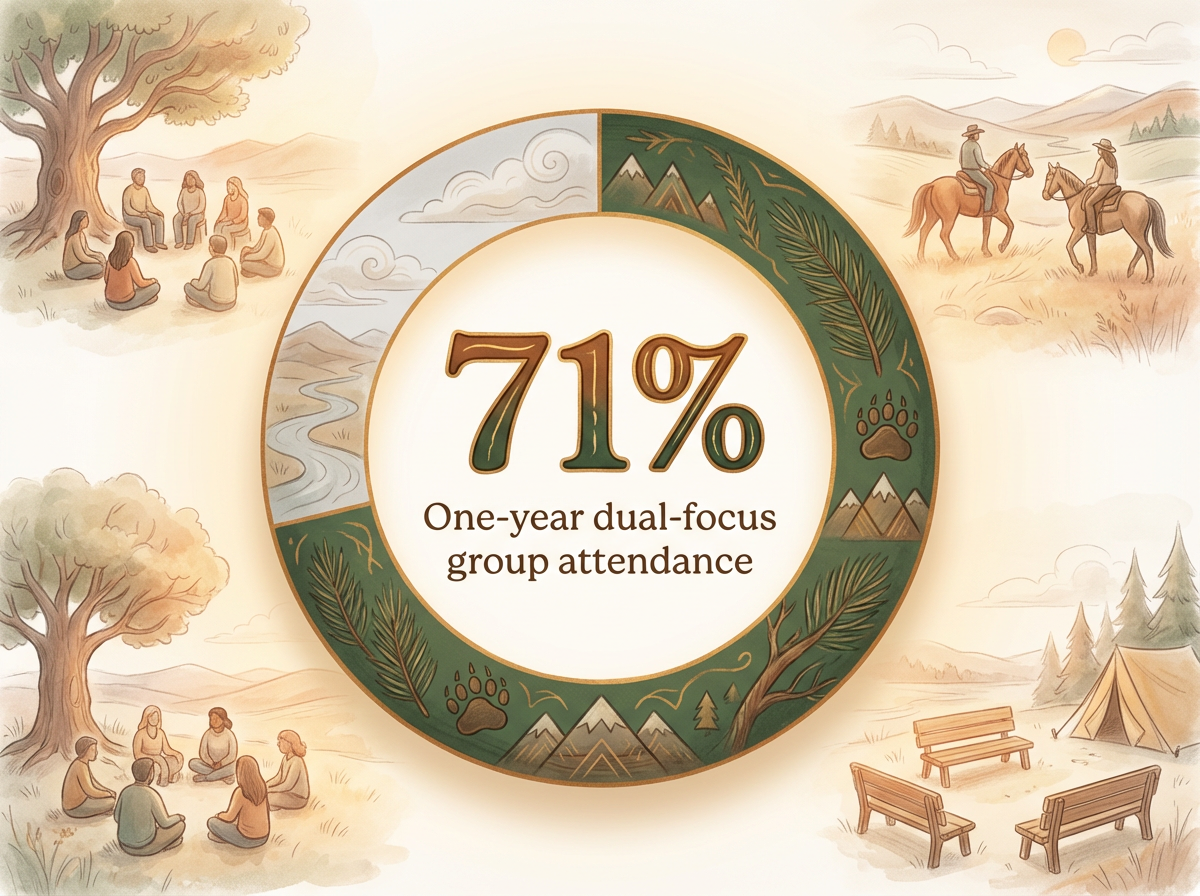
When a peer shares a story about navigating both cravings and panic attacks, or celebrates sticking with medication through a tough week, it models resilience you can trust. Research backs this up: in specialized dual recovery groups, 71% of members still attended weekly meetings a year later—a retention rate much higher than traditional addiction groups for this population1.
That kind of steady engagement comes from belonging to a group that understands both battles, not just one. Opt for this framework when you crave a community where setbacks and victories in both mental health and substance use are honored equally. Up next, we’ll look at which evidence-based approaches work best when woven into this kind of supportive group environment.
Evidence-Based Approaches That Work Together
CBT, DBT, and ACT in Group Settings
| Therapy Model | Core Focus | Best Used When… |
|---|---|---|
| CBT (Cognitive Behavioral Therapy) | Reshaping unhelpful thought patterns | Struggling with negative self-talk and distorted thinking |
| DBT (Dialectical Behavior Therapy) | Mindfulness and emotional regulation | Facing emotional volatility, impulsivity, or self-harm |
| ACT (Acceptance and Commitment Therapy) | Accepting tough thoughts to drive value-based actions | Stuck in avoidance or feeling hopeless about change |
When you’re in a dual diagnosis group therapy setting, weaving together approaches like CBT, DBT, and ACT can make all the difference. Each model brings practical tools to the table and addresses overlapping challenges faced by those living with both substance use and mental health issues. CBT focuses on helping group members recognize and reshape unhelpful thought patterns—this is especially useful when anxiety, depression, or distorted beliefs about recovery show up.
Consider this method if your group needs concrete skills for challenging negative thinking and building healthier habits7. DBT, with its roots in mindfulness and emotional regulation, is a lifeline for clients who feel their emotions are in the driver’s seat. It introduces skills for distress tolerance and interpersonal effectiveness, making it ideal for groups where intense mood swings or relationship chaos are part of the mix4.
ACT takes a different angle by guiding participants to accept tough thoughts and feelings without letting them derail value-driven actions. Studies back its power in reducing anxiety and depression in group settings5. A blended approach, tailored to the group’s evolving needs, is ideal for complex dual diagnosis populations. Every time you introduce and reinforce these evidence-based skills, you’re building a toolbox that supports lasting change.
Trauma-Informed Models for Co-Occurring PTSD
- Does your group routinely screen for trauma history, not just substance use and mood symptoms?
- Are safety and trust-building explicit goals in every session?
- Is psychoeducation about PTSD and its link to addiction a core part of your curriculum?
- Are relapse and trauma reactions addressed together, not as separate “issues”?
When you’re working with dual diagnosis group therapy, co-occurring PTSD (Post-Traumatic Stress Disorder) can quietly shape every participant’s experience. Trauma-informed models, such as Seeking Safety and COPE, have transformed how groups address these overlapping wounds. Instead of avoiding trauma work for fear it could trigger relapse, these models integrate education about trauma symptoms, coping skills, and relapse prevention—side by side, and from the very first session.
Research shows that concurrent treatment of substance use and PTSD doesn’t increase risk; in fact, it can drive better outcomes for both conditions9. These models emphasize grounding techniques, flexible pacing, and a strong focus on choice and empowerment. For example, Seeking Safety is structured around topics like “Honesty,” “Taking Good Care of Yourself,” and “Coping with Triggers,” giving practical tools to manage both flashbacks and cravings in the same breath.
This path makes sense for groups that include members whose substance use is tightly linked to trauma—a scenario that’s far more common than many realize. Every trauma-informed adaptation you make in group therapy helps break cycles of shame and silence, creating room for real recovery9. Next, we’ll examine how to track progress and keep momentum strong as your group grows together.
Measuring Success and Sustaining Progress in Dual Diagnosis Group Therapy
Recovery isn’t just about getting through treatment—it’s about building a life that lasts while continuing to show up professionally for others facing similar struggles. You’ve done the hard work of addressing both your mental health and substance use together, and now comes an equally important phase: tracking your progress while maintaining the clinical boundaries that keep you effective in your work. This dual perspective—professional and personal—creates unique measurement challenges that colleagues without lived experience rarely consider.
“Effective self-measurement means knowing when you’re using your expertise to support your recovery and when you’re using it to avoid the messy, non-clinical reality of your own healing.”
You already know the clinical markers of successful dual diagnosis treatment, but applying that knowledge to your own recovery requires a different kind of honesty. The challenge isn’t understanding what progress looks like—it’s maintaining enough distance from your clinical training to actually feel your recovery rather than just analyze it. You might catch yourself intellectualizing emotions instead of processing them, or using your professional vocabulary to create distance from uncomfortable truths.
Track your progress with the same rigor you’d apply professionally, but resist the urge to over-pathologize your experience. Simple, consistent check-ins work better than elaborate clinical self-assessments. Notice patterns in your triggers, stress responses, and coping strategies. Are you maintaining boundaries between your clients’ struggles and your own? Can you sit with difficult emotions during your workday without reaching for old patterns?
If you use digital journaling to track your mood and cravings, a simple text template can keep you consistent. You might use a format like this:
Date: [YYYY-MM-DD]
Mood Score (1-10): []
Craving Intensity (1-10): []
Primary Trigger: []
Coping Skill Used: []
Tip: Press Ctrl + D (or Cmd + D on Mac) to bookmark your online recovery portal for quick access.
Your treatment team provides essential external perspective, especially when your clinical knowledge makes it tempting to self-manage. Whether it’s weekly therapy sessions, monthly psychiatry appointments, or supervision that addresses both your professional development and personal recovery, these conversations offer calibration you can’t provide yourself. Integrated care that addresses both conditions simultaneously becomes particularly valuable when you’re navigating the complexity of being both clinician and client.
Peer support takes on different meaning when you work in the field. Connecting with other professionals in recovery offers something your clinical colleagues and your clients cannot: understanding of the specific challenge of maintaining your own recovery while holding space for others. Prioritize this when you need accountability that respects your professional identity while keeping you grounded in your personal journey.
Sustaining progress means building routines that protect both your recovery and your capacity to serve others effectively. You understand intellectually that structure matters—regular sleep, consistent self-care, boundaries around work hours—but implementing these basics while managing the emotional weight of your work requires intentional commitment. You’re measuring success not against clinical outcomes or professional standards, but against your own capacity to live authentically while serving others.
Frequently Asked Questions
How do I choose between inpatient and outpatient dual diagnosis group therapy?
Choosing between inpatient and outpatient dual diagnosis group therapy comes down to your current needs and level of stability. Inpatient programs provide 24/7 support, making them a strong fit if you’re facing severe symptoms, recent relapse, or lack a safe home environment. Outpatient groups work well when you have a stable living situation and can safely manage daily triggers with scheduled group support. Research shows that both settings are effective when programs are truly integrated, addressing both substance use and mental health together2. If you’re unsure, consider a professional assessment—your situation is unique, and there’s no shame in needing extra support to stay safe and connected.
What’s the typical cost range for dual diagnosis group therapy programs?
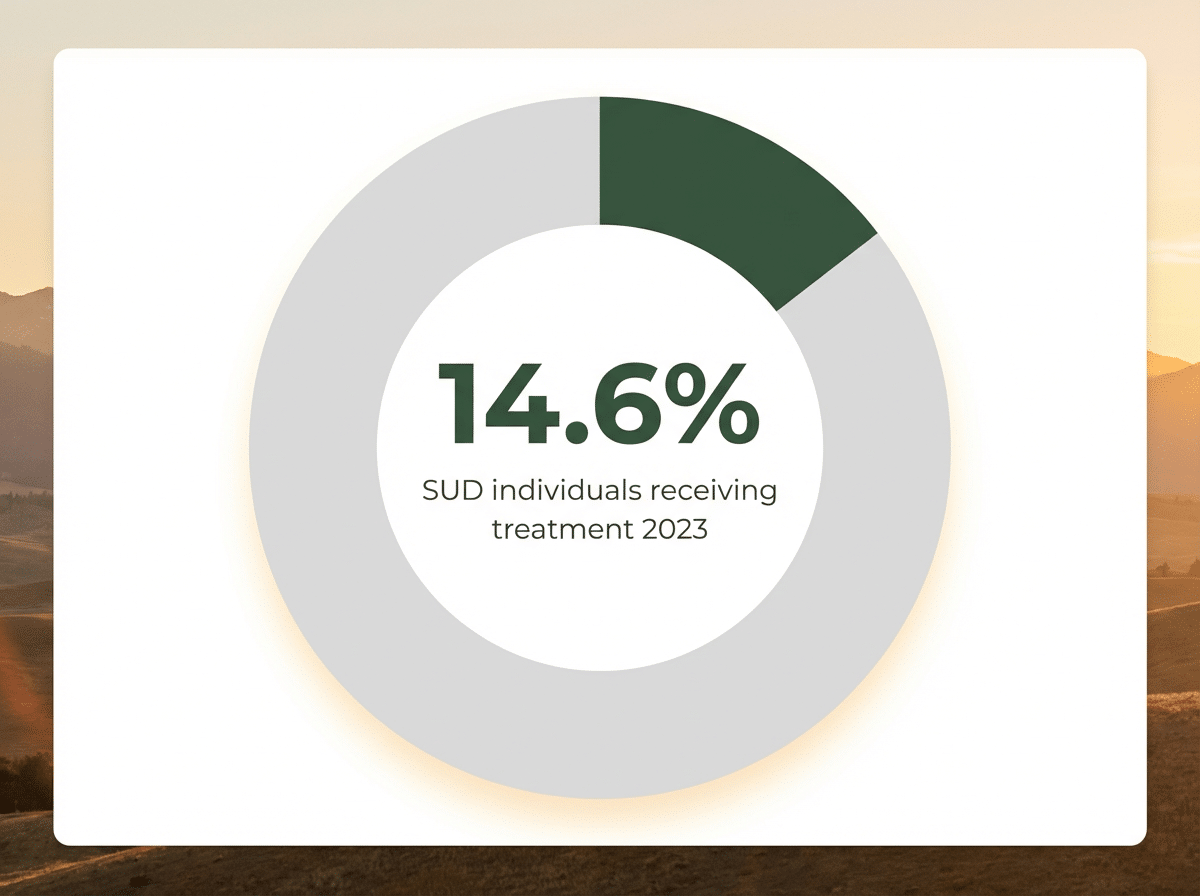
Typical costs for dual diagnosis group therapy programs vary widely, depending on location, setting, and level of care. While exact figures are difficult to pin down due to differences in insurance coverage and program structure, outpatient group sessions are generally more affordable than inpatient care. Many participants use private insurance to offset expenses, but out-of-pocket costs can still be a barrier for some. Unfortunately, research highlights that only 14.6% of people with a substance use disorder received any form of treatment in 2023, often due to cost and access issues10. If you’re feeling overwhelmed by the financial aspect, remember you’re not alone—seeking support is a win in itself.
How long does it take to see real progress in dual diagnosis group therapy?
The journey to seeing real progress in dual diagnosis group therapy is different for everyone. Many participants begin to notice small changes—like feeling less isolated or more hopeful—within the first few weeks. More significant shifts in symptoms, relationships, or substance use often take several months of consistent attendance and active participation. In specialized dual focus groups, 71% of members were still attending weekly after one year, which shows that steady involvement pays off for long-term recovery1. Progress isn’t always linear—there will be ups and downs—but every bit of effort matters. Be patient with yourself; lasting change is a process, not a race.
Can I participate in dual diagnosis groups if I’m still taking psychiatric medications?
Absolutely—you can participate in dual diagnosis group therapy while taking psychiatric medications. In fact, integrated groups explicitly support medication adherence as a vital part of recovery. This solution fits those who need both medical and peer support to manage co-occurring conditions. Unlike some traditional addiction groups that may discourage medication, specialized dual focus groups recognize its importance for stability and quality of life1. If you ever feel judged about your medication use, remember you’re not alone—many in these groups share the same experience. Keep communicating openly with your providers and group; every honest conversation is a step toward healing.
What happens if my symptoms get worse during group therapy?
If your symptoms get worse during dual diagnosis group therapy, remember this isn’t a failure—it’s a sign your care plan may need adjustment. Sometimes, increased anxiety, depression, or cravings can surface as you open up in a supportive group. The best step is to let your facilitator know early. Integrated programs are designed to respond quickly: options include a temporary increase in individual support, medication review, or connecting with crisis resources if needed. This approach works best when you communicate openly, so your team can pivot and provide extra help. You deserve care that adapts as your needs change2.
Are online dual diagnosis group sessions as effective as in-person meetings?
Online dual diagnosis group therapy sessions can be just as effective as in-person meetings for many individuals, especially when they are built on integrated, evidence-based approaches. Recent trends show a rise in virtual groups, making care more accessible to those in rural or isolated areas or with transportation barriers1. Group cohesion and peer support—the very heart of dual diagnosis group therapy—can absolutely flourish online, provided there’s strong facilitation and a focus on safety and connection. This path makes sense for participants who need flexibility or feel more comfortable engaging from home. If you value convenience but worry about losing connection, remember: meaningful growth and support can happen on any platform.
Conclusion
Working in the treatment field while managing your own dual diagnosis creates a unique paradox—you understand the clinical protocols intimately, yet navigating them as a patient presents challenges your clients never see. The confidentiality concerns, the complexity of finding qualified providers outside your professional network, and the logistics of stepping away from clinical responsibilities all add layers of difficulty to an already challenging situation.
Your professional knowledge is both an asset and a potential barrier. You recognize quality integrated care when you see it, understand the evidence base for simultaneous treatment of co-occurring conditions, and know exactly what comprehensive assessment should entail. Yet this same expertise can make it harder to accept the vulnerable position of being the one receiving care rather than providing it. Finding treatment that respects your professional understanding while addressing your personal needs requires providers who can navigate this delicate balance.
The reality is that professionals in our field face the same struggles with addiction and mental health as anyone else—sometimes compounded by the unique stressors of this work. When you’re ready to seek the integrated treatment you’d recommend to your own clients, specialized programs like those at Rocky Mountain Treatment Center offer care designed with an understanding of what it means to treat colleagues in the field. You already know what effective dual diagnosis treatment looks like; the challenge is allowing yourself to receive it.
References
- Effectiveness of Dual Focus Mutual Aid for Co-occurring Substance Use Disorders and Mental Health Conditions. https://pmc.ncbi.nlm.nih.gov/articles/PMC2923916/
- Integrated vs non-integrated treatment outcomes in dual diagnosis. https://pmc.ncbi.nlm.nih.gov/articles/PMC10157410/
- Integrated Dual Disorder Treatment (IDDT) Model. https://case.edu/socialwork/centerforebp/practices/substance-abuse-mental-illness/integrated-dual-disorder-treatment
- Efficacy of Dialectical Behavior Therapy in the Treatment of Borderline Personality Disorder. https://pmc.ncbi.nlm.nih.gov/articles/PMC10896753/
- Effects of group Acceptance and Commitment Therapy (ACT) on anxiety and depressive symptoms in adults: A meta-analysis. https://pubmed.ncbi.nlm.nih.gov/35489560/
- A Systematic Review of Therapeutic Alliance, Group Cohesion and Empathy in Cancer Psychotherapy. https://pmc.ncbi.nlm.nih.gov/articles/PMC2830397/
- Types of Groups Commonly Used in Substance Abuse Treatment. https://www.ncbi.nlm.nih.gov/books/NBK64214/
- Neuroscience: The Brain in Addiction and Recovery. https://www.niaaa.nih.gov/health-professionals-communities/core-resource-on-alcohol/neuroscience-brain-addiction-and-recovery
- Concurrent Treatment of Substance Use and PTSD. https://pmc.ncbi.nlm.nih.gov/articles/PMC4928573/
- Reflecting on NIDA’s 50th year and looking to 2025. https://nida.nih.gov/about-nida/noras-blog/2025/01/reflecting-nidas-50th-year-looking-to-2025


