
Key Takeaways
- The Core Problem: Managing alcohol withdrawal without professional medical support exposes individuals to severe, unpredictable, and potentially life-threatening health risks.
- Medically Supervised Detox: Provides 24/7 monitoring and symptom-triggered medications to safely manage acute withdrawal. (Best for: Individuals with severe dependence or a history of withdrawal complications.)
- Nutritional Intervention: Utilizes targeted supplements like thiamine to prevent permanent neurological damage. (Best for: Anyone entering detox with a chronic alcohol use history.)
- Long-Term Care Integration: Connects patients to medication-assisted treatment and behavioral therapies immediately following stabilization. (Best for: Clients ready to transition from acute detox into sustained recovery programs.)
Why Alcohol Detox and Withdrawal Can Be Life-Threatening
How Your Brain Adapts to Alcohol
When you’re guiding clients through the critical early stages of recovery, you know that managing an alcohol detox is one of the most delicate challenges you face. Alcohol fundamentally changes the way brain cells communicate, slowing down certain pathways and ramping up others to keep the body’s systems in balance. Over time, the brain gets so used to alcohol always being present that it starts working overtime just to overcome its depressive effects.
This process is called neuroadaptation. The brain’s natural calming signals weaken, while the stress signals get significantly stronger. When alcohol is suddenly removed, there’s nothing left to dampen that massive stress response. This chemical chaos is exactly what leads to agitation, tremors, severe anxiety, and—in the worst cases—seizures or delirium tremens. It’s not just about your client feeling uncomfortable; the physiological risk is real, immediate, and serious.8
“Every step toward recovery is a win—helping someone get through this first stage safely is a powerful achievement that sets the foundation for their entire journey.”
As a professional, you recognize that detoxification isn’t just about removing substances from the system. It’s about actively supporting the brain as it readjusts and begins the complex healing process. Each unmanaged attempt at withdrawal can actually make the next one riskier, a neurological phenomenon known as the “kindling effect.”8 Next, we’ll look at what happens when these withdrawal symptoms cross the line into a true medical emergency.
When Withdrawal Becomes a Medical Emergency
You’ve likely seen how quickly alcohol withdrawal can shift from manageable discomfort to real danger. While mild symptoms like insomnia or anxiety are tough for your clients to endure, the real emergency starts when withdrawal escalates to seizures, hallucinations, or delirium tremens (DTs). DTs can include profound confusion, high fever, rapid heartbeat, and even life-threatening cardiovascular or respiratory problems.
Without immediate medical attention, DTs can be fatal. Mortality rates can reach 5% to 10% if left untreated, but thankfully, this risk drops dramatically with proper, timely care.5 Seizures are another critical concern, as over 90% happen within the first 48 hours of stopping alcohol.1 Even a single seizure is a clear signal that the situation has turned into a medical crisis. This is the exact moment when your quick, skilled intervention truly saves lives.
Here’s a brief comparison to help you identify clinical red flags:
| Warning Sign | Risk Level |
|---|---|
| Mild tremors, sweating, nausea | Low (Requires close monitoring) |
| Auditory or visual hallucinations, confusion | High (Urgent medical review needed) |
| Seizures, high fever, rapid pulse | Critical (Immediate emergency intervention) |
Yes, this process is unpredictable and frightening for the individual, and it’s absolutely normal to feel a heightened sense of urgency when a patient’s symptoms begin to escalate. Every time you act quickly and connect someone with the higher level of care they need, you’re making a life-saving difference. Next, we’ll explore how medical supervision provides a crucial safety net during the detox process.
Medical Supervision: Your Safety Net During Alcohol Detox
How Symptom-Triggered Medication Works
When you’re guiding someone through detox, you know just how unpredictable withdrawal symptoms can be from hour to hour. Symptom-triggered medication protocols are one of the most effective clinical tools for keeping things safe and manageable. Instead of giving medication on a rigid, fixed schedule, this approach relies on close monitoring—using standardized assessment tools like the CIWA-Ar scale—to decide exactly when and how much medication is actually needed.
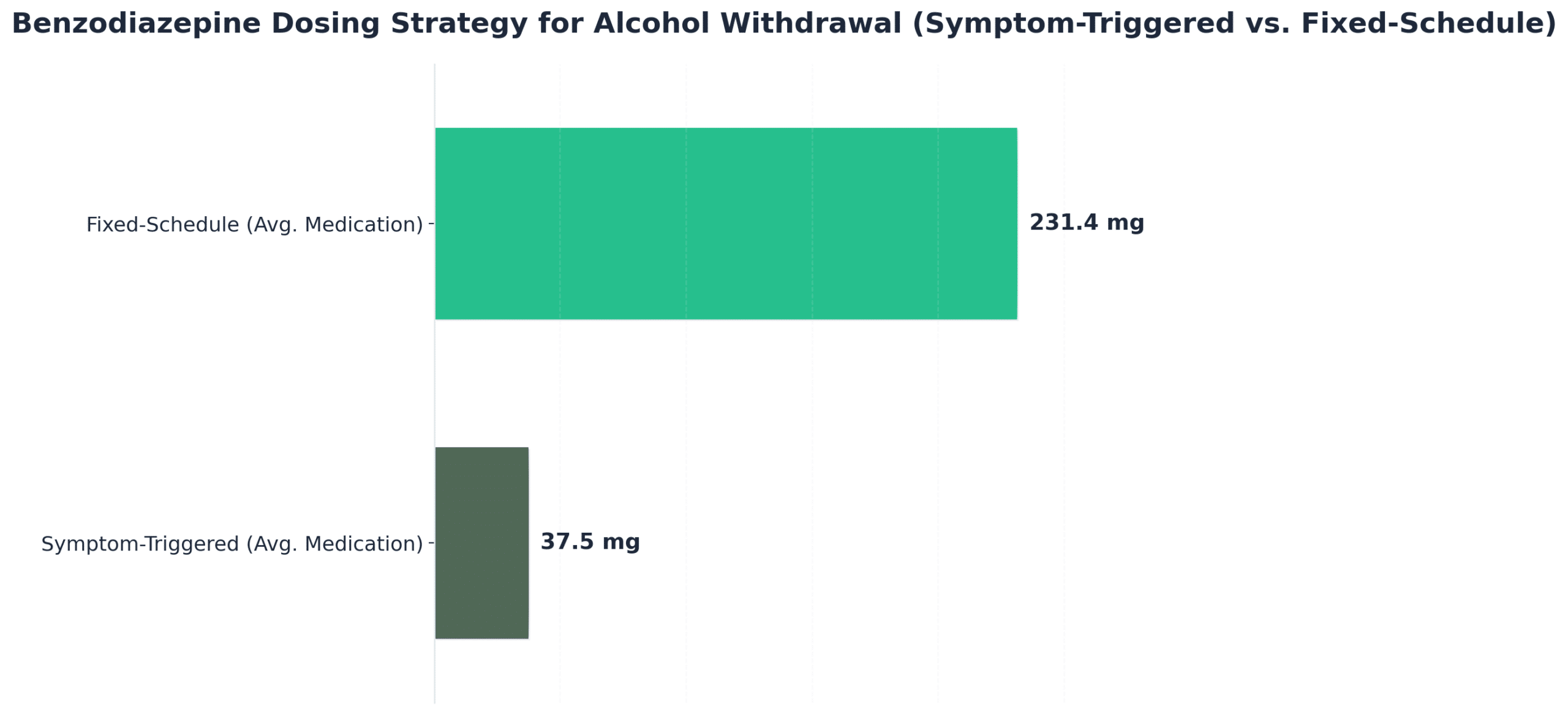
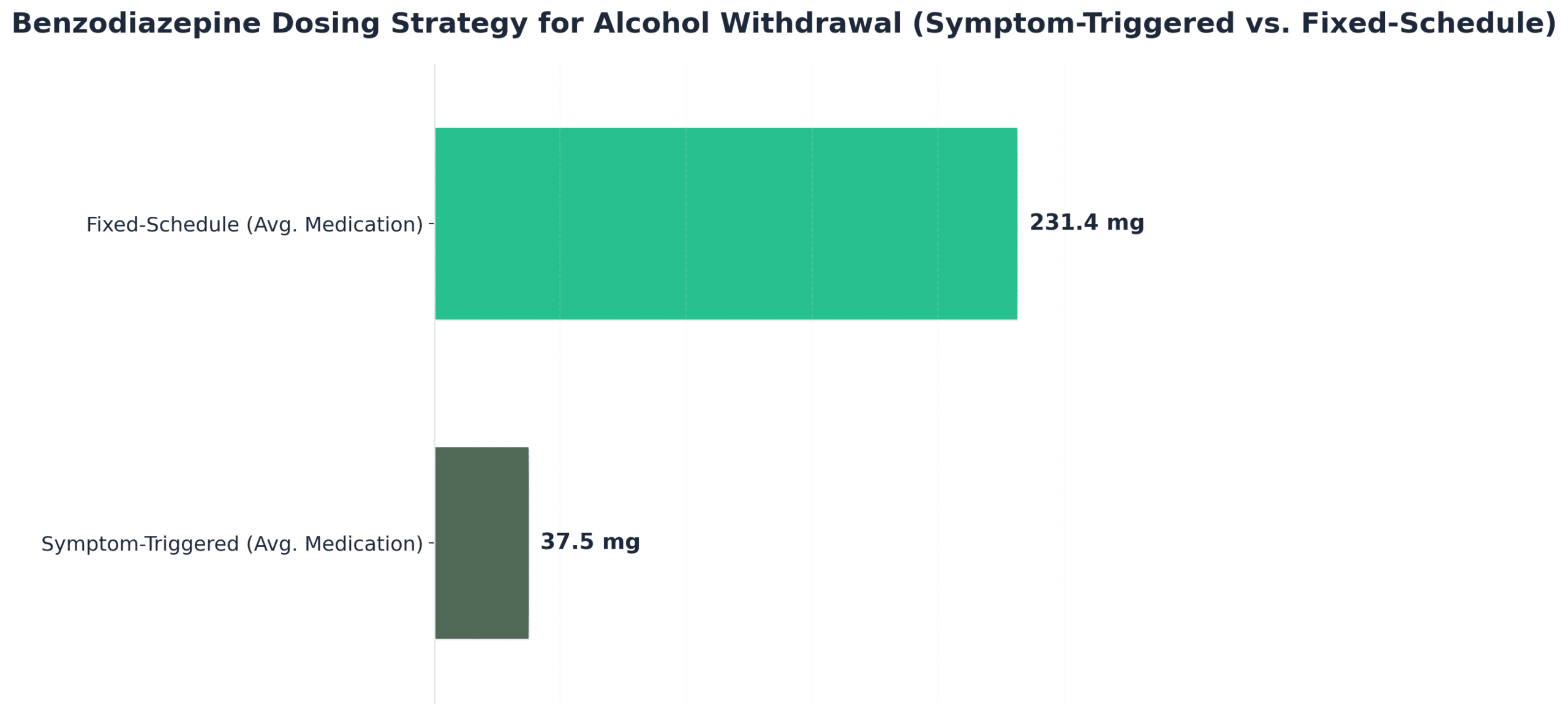
This dynamic method is a game changer for patient comfort and safety. According to landmark clinical studies, symptom-triggered benzodiazepine dosing uses six times less medication and shortens treatment duration by more than two-thirds compared to fixed-schedule dosing (averaging 20 hours versus nearly 63 hours).6 That means less risk of over-sedation, fewer side effects, and smoother transitions into the next phase of recovery.
Here’s a quick look at how symptom-triggered medication compares to fixed-schedule dosing:
| Approach | Pros | Cons |
|---|---|---|
| Symptom-Triggered | Less medication used, shorter facility stays, highly tailored to the individual | Requires 24/7 skilled nursing and continuous monitoring |
| Fixed-Schedule | Predictable timing, simpler protocol to administer | Higher total medication doses, longer stays, increased risk of over-sedation |
Yes, this requires more hands-on attention from the clinical team, but every extra minute spent monitoring pays off in safety and better long-term outcomes. Every adjustment made helps someone avoid serious complications and keeps their recovery on track. Up next, let’s look at why nutritional support is just as vital for protecting the brain.
Nutritional Support to Prevent Brain Damage
You know just how important it is to protect the brain during detox, especially when withdrawal puts people at risk for serious, lasting complications. One of the most effective—and sometimes overlooked—tools in your arsenal is aggressive nutritional support, with a strong focus on thiamine (vitamin B1). Chronic alcohol use quickly depletes thiamine stores, leaving the brain highly vulnerable.
Deep Dive: Understanding Wernicke-Korsakoff Syndrome
Without early, high-dose thiamine supplementation, patients are at high risk for Wernicke-Korsakoff syndrome. This severe neurological condition can cause profound memory loss, confusion, loss of muscle coordination, and even permanent brain damage. Immediate intervention is the only way to prevent these irreversible changes.2Providing thiamine before administering any glucose is a critical clinical rule, since glucose can actually worsen neurological injury if thiamine is lacking. Medical teams also prioritize other essential nutrients, such as folate and magnesium, which are frequently depleted in heavy drinkers. This holistic, medically sound approach helps the brain and body heal simultaneously.
Let’s break down the main elements of nutritional support during detox:
- Thiamine: Prevents Wernicke-Korsakoff syndrome; must always be given before glucose.
- Folate: Supports nerve repair and red blood cell health.
- Magnesium: Helps reduce the risk of seizures and painful muscle cramps.
| Nutrient | Why It Matters | When to Give |
|---|---|---|
| Thiamine | Prevents permanent brain damage | Immediately, before glucose |
| Folate | Supports nerve function and recovery | Early in the detox process |
| Magnesium | Helps prevent seizures and cramps | As needed based on lab panels |
Yes, integrating this level of nutritional care takes extra attention to detail, but every ounce of prevention here safeguards your client’s recovery in a powerful way. Up next, we’ll see how 24/7 monitoring and medication management keep the process safe from start to finish.
What Happens in a Supervised Alcohol Detox Program
24/7 Monitoring and Medication Management
You know just how much reassurance comes from having an experienced medical team watching over every moment of the detox process. Around-the-clock monitoring is the absolute backbone of safety, especially in those first critical 72 hours when withdrawal symptoms can spike fast and unpredictably. Nurses and medical staff continuously check vital signs, assess mental status, and track hydration, making sure no sign of trouble goes unnoticed.
When documenting these critical transitions in your facility’s electronic health record (EHR), you might use a quick shortcut like Ctrl + M to pull up the medication administration record. For standardized billing and tracking, ensure you are using the correct diagnostic markers, such as the inline code ICD-10-CM F10.239 for alcohol dependence with withdrawal. If a patient’s symptoms suddenly worsen—say, rapid pulse, confusion, or tremors—medications can be adjusted immediately, keeping complications like seizures or delirium tremens at bay.1
Medication management during medically supervised detox is not just about handing out pills. It’s a careful, clinical balance—administering the right type and dose, watching for side effects, and tapering down in a way that minimizes discomfort and risk. Benzodiazepines are often used to calm the central nervous system, but only as needed, based on real-time assessments. This flexible approach has been shown to use less medication overall and shorten the treatment window, leading to safer outcomes.6
| Benefit of 24/7 Care | Why It Matters for Your Clients |
|---|---|
| Immediate intervention | Catches medical emergencies before they escalate |
| Tailored medication use | Reduces side effects and significantly improves comfort |
| Continuous reassurance | Helps highly anxious patients feel safe and supported |
Yes, it’s demanding work, but every round of observation is a chance to prevent harm and support healing. Next, let’s see how preparing for long-term recovery begins right within the walls of the detox facility.
Preparing for Long-Term Recovery
Getting a client through detox safely is a huge milestone, and you know just how important it is to use this brief window to plant seeds for lasting recovery. Detox programs aren’t just about stabilizing the body—they’re about starting honest conversations, building trust, and helping each person imagine a future beyond withdrawal. During supervised care, clients are introduced to the core elements of long-term treatment that will shape their journey forward.
Integrated planning starts right away. Medical teams often begin discussions about FDA-approved medications like naltrexone or acamprosate, which can reduce cravings and help prevent relapse once the acute phase is complete.9 Early education about therapy—such as cognitive behavioral therapy and motivational interviewing—helps clients see that recovery is about more than just stopping drinking; it’s about learning new ways to handle stress, triggers, and relationships.3 Peer support is also introduced, as research shows that connecting with others who have walked this road increases the chances of sustained recovery.10
| Support Option | Primary Benefit | Clinical Consideration |
|---|---|---|
| Medication (MAT) | Reduces cravings and relapse risk | Requires ongoing medical follow-up |
| Behavioral Therapy | Builds essential coping skills | Requires ongoing patient effort and engagement |
| Peer Support | Provides vital encouragement | Must help the client find the right cultural fit |
It’s absolutely normal for people to feel uncertain about the future at this stage. Every small step—whether it’s asking a question or showing up for a support group—moves them closer to healing. Next, we’ll explore how to build a strong recovery foundation after detox ends.
Building Your Recovery Foundation After Detox
Medication-Assisted Treatment Options
Medication-assisted treatment (MAT) gives you powerful, evidence-based tools to help people maintain sobriety after the initial detox phase. FDA-approved options include naltrexone, acamprosate, and disulfiram—each with a unique pharmacological way of supporting the brain’s healing process. Naltrexone blocks the rewarding effects of alcohol, significantly reducing cravings.
Acamprosate helps restore the chemical balance in the brain and minimizes the urge to drink, while disulfiram creates an unpleasant physical reaction if alcohol is consumed, acting as a strong deterrent.9 The best choice often depends on the individual’s medical history, liver function, and personal motivation.
Here’s a quick comparison to help you match the right treatment with your client’s needs:
| Medication | How It Works | Pros | Cons |
|---|---|---|---|
| Naltrexone | Blocks reward pathway, reduces cravings | No sedation, available as daily pill or monthly shot | Contraindicated for severe liver issues |
| Acamprosate | Restores brain balance, reduces urges | Few drug interactions, generally very safe | Requires 2-3 daily doses, which can affect compliance |
| Disulfiram | Causes severe illness if alcohol is consumed | Acts as a very strong psychological deterrent | High medical risk if alcohol is actually used |
Yes, starting MAT right after detox can feel like adding another layer of change for an overwhelmed client, but every new routine is a step forward. These medications aren’t a magic cure, but they give your clients a real fighting chance at long-term stability. Up next, let’s explore the therapy and support systems that keep recovery going strong.
Therapy and Support Systems That Work
Therapy and support systems are the true backbone of lasting recovery. You know better than anyone that willpower alone isn’t enough—people need structure, encouragement, and the right psychological tools to rebuild their lives. Evidence-based therapies like cognitive behavioral therapy (CBT) and motivational interviewing (MI) help clients identify their unique triggers, manage cravings, and develop healthier ways to cope with stress.
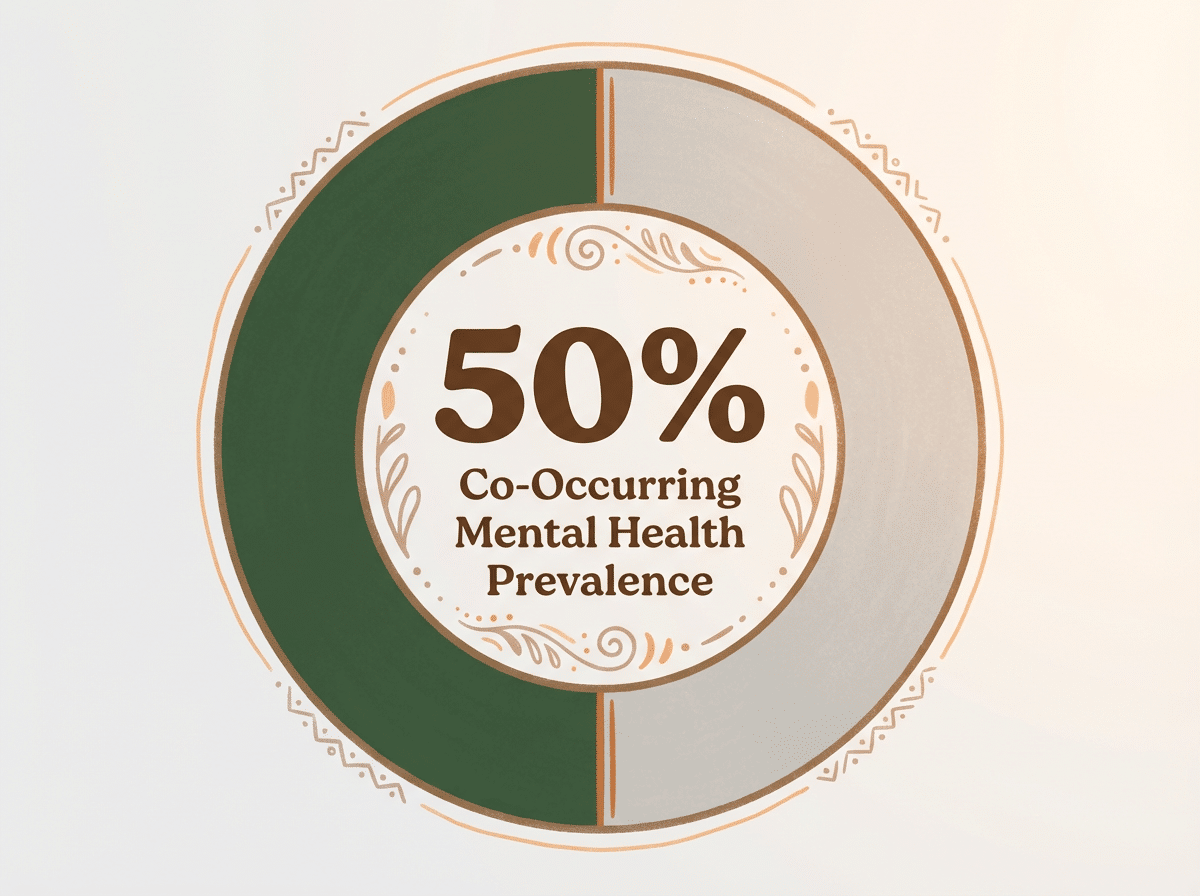
These approaches promote deep self-awareness and resilience, making relapse significantly less likely.3 Peer support is equally powerful. Group programs and recovery communities offer understanding, accountability, and hope—especially for those who feel isolated by their addiction. About 50% of individuals with a substance use disorder also have a co-occurring mental health condition, so integrated support that addresses both addiction and mental health is absolutely crucial for sustained progress.10
| Approach | Pros | Cons |
|---|---|---|
| CBT / MI | Excellent skill-building, proven clinical results | Requires ongoing time and emotional commitment |
| Peer Support Groups | Constant encouragement, shared lived experience | Not a one-size-fits-all solution; requires finding the right group |
| Integrated Care | Effectively addresses dual diagnosis and root causes | May require access to specialized psychiatric providers |
Yes, sticking with therapy and support groups can be tough for clients, especially when their motivation dips. But every meeting attended and every honest conversation is another solid building block for their recovery. The next section will guide you through practical steps for taking the first step toward safety.
Frequently Asked Questions
How do I know if I need inpatient detox versus outpatient care?
Deciding between inpatient and outpatient alcohol detox comes down to safety and medical risk. If you’re seeing severe withdrawal symptoms—like past seizures, hallucinations, heart problems, or delirium tremens—inpatient care is the safest choice. It offers 24/7 monitoring, immediate medication adjustments, and nutritional support that can prevent life-threatening complications 7. Outpatient detox may work for those with mild withdrawal, stable home support, and no serious health issues. Here’s a quick comparison:
| Setting | Best For | Key Benefit |
|---|---|---|
| Inpatient | Severe symptoms, past complications | Full medical support |
| Outpatient | Mild symptoms, strong support at home | Flexibility, comfort |
If there’s ever doubt, leaning toward inpatient is the safest call—your caution can save lives.
What happens if I’ve tried to detox before and it didn’t work?
If previous attempts at alcohol detox didn’t lead to lasting recovery, you’re not alone—and it doesn’t mean you’ve failed. Each withdrawal can actually make symptoms more intense and risky, a phenomenon known as the “kindling effect” 8. That’s why it’s common for people to need several tries before things finally click. What matters most is learning from each experience and making adjustments. Maybe a more structured, medically supervised detox is needed this time, or perhaps integrating medication, therapy, and peer support will offer a stronger foundation 9. Every attempt is growth—your perseverance truly matters.
Will insurance cover medically supervised detox services?
Insurance coverage for medically supervised alcohol detox can be a real relief, especially when you know how costly inpatient care can be. Most private insurance plans do cover detox services if they’re considered medically necessary, and many facilities work directly with insurers to handle pre-authorization and billing 7. The exact coverage depends on the plan’s network, deductibles, and any exclusions. While this process can feel overwhelming, remember that your clients are not alone—treatment centers often have staff who can help clarify benefits and advocate for approval. Every step toward coverage is a win, opening the door to safer, structured care.
Can I detox safely if I also have anxiety or depression?
Yes, you absolutely can detox safely if you also have anxiety or depression, but it does require extra planning and care. Around half of people facing alcohol use disorder also experience a mental health condition like anxiety or depression, so you’re not alone in this challenge 10. In a medically supervised alcohol detox, professionals are trained to watch for changes in mood, anxiety, or worsening depression and can adjust medications or provide additional support as needed. Integrated care—where mental health and substance use symptoms are both addressed—leads to better outcomes. Be open about your symptoms so your team can help you feel safe and supported every step of the way.
How long does it take to feel normal again after detox?
It’s completely normal to wonder when you’ll feel “yourself” again after alcohol detox. Most people see their worst symptoms ease within 3–7 days of stopping alcohol, but feeling truly normal can take longer. Physical symptoms fade first, while sleep, mood, and energy may take weeks to settle as your brain and body adjust 1. For some, it can take a month or more to regain full clarity and emotional balance. Your progress is unique—don’t get discouraged if things aren’t perfect right away. Sticking with aftercare, therapy, and healthy routines will help speed up the healing process.
What should I bring with me to a detox program?
Packing for an alcohol detox program is all about comfort, safety, and having what you need to focus on healing. You’ll want to bring a few changes of comfortable clothes, sleepwear, and personal hygiene items (like a toothbrush and unscented soap). Most centers ask you to leave behind anything with alcohol in the ingredients, such as mouthwash or certain lotions. Bring only essential medications in their original bottles—medical staff will review them for safety. A list of emergency contacts, your insurance card, and a small notebook for journaling or tracking your progress are helpful. Personal electronics and valuables are usually best left at home, since many programs limit their use for your safety 7.
Remember, bringing a favorite book or simple comfort item (like a photo) can offer extra reassurance as you settle in.
Taking the First Step Toward Safety
Recognizing the need for medical intervention during acute withdrawal represents sound clinical judgment. The physiological demands of detoxification require structured monitoring protocols—particularly during the initial 72-96 hours when complications are most likely to emerge. Medically supervised environments provide the stabilization framework necessary before therapeutic interventions can begin effectively.
Withdrawal management without medical oversight introduces preventable risks, from dehydration and electrolyte imbalances to potentially dangerous cardiovascular or neurological complications. Evidence consistently demonstrates that 24/7 medical monitoring reduces adverse events, manages symptom progression through appropriate pharmaceutical protocols, and establishes the physiological baseline required for subsequent treatment phases. Clinical staff can titrate interventions in real-time and address co-occurring conditions that often complicate the detoxification process.
The decision to pursue medically supervised detox isn’t about patient willpower—it’s about implementing evidence-based protocols that optimize outcomes. Structured detoxification programs provide the controlled environment necessary to safely complete withdrawal while beginning the assessment and stabilization work that informs longer-term treatment planning. At Rocky Mountain Treatment Center, we provide the 24/7 medically supervised detoxification services and comprehensive 30-day residential programs your clients need to safely stabilize and begin their healing journey in a compassionate, home-like Montana setting.
References
- Alcohol Withdrawal: Symptoms, Treatment & Timeline. https://my.clevelandclinic.org/health/diseases/alcohol-withdrawal
- Thiamine (vitamin B1) treatment in patients with alcohol dependence. https://pubmed.ncbi.nlm.nih.gov/27818067/
- Alcohol Withdrawal Syndrome – StatPearls. https://www.ncbi.nlm.nih.gov/books/NBK441882/
- Dual Diagnosis (Co-Occurring Disorders). https://my.clevelandclinic.org/health/diseases/24426-dual-diagnosis
- Delirium Tremens: Assessment and Management. https://pmc.ncbi.nlm.nih.gov/articles/PMC6286444/
- Symptom-Triggered vs Fixed-Schedule Doses of Benzodiazepine. https://jamanetwork.com/journals/jamainternalmedicine/fullarticle/211434
- Settings, Levels of Care, and Patient Placement. https://www.ncbi.nlm.nih.gov/books/NBK64109/
- How Adaptation of the Brain to Alcohol Leads to Dependence. https://pmc.ncbi.nlm.nih.gov/articles/PMC2923844/
- Medications Development Program. https://www.niaaa.nih.gov/medications-development-program
- Psychiatric comorbidities in alcohol use disorder. https://pmc.ncbi.nlm.nih.gov/articles/PMC7006178/