
Executive Summary: Navigating Family Recovery
- Systemic Impact: Addiction reorganizes family dynamics; evidence shows family involvement can reduce substance use days by 40%.
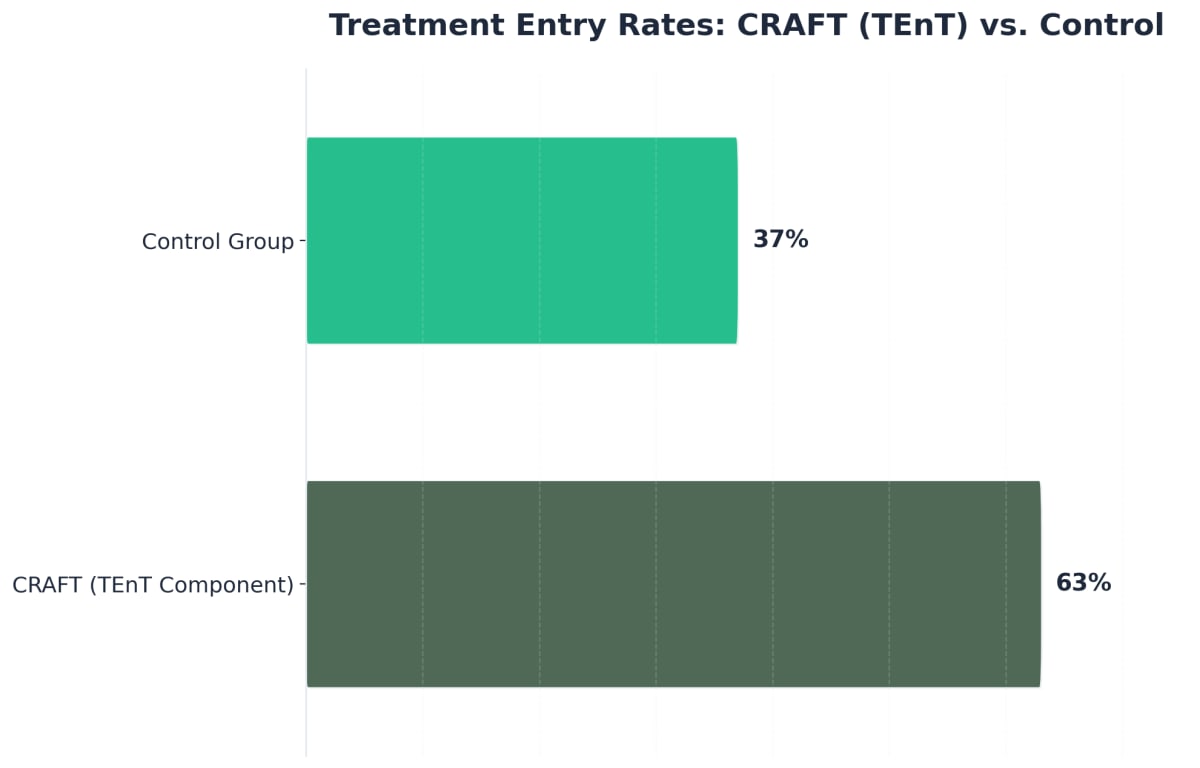
- Strategic Engagement: Utilizing frameworks like CRAFT can triple the likelihood of a loved one entering treatment compared to traditional interventions.
- Local Solutions: Family programs Great Falls MT leverage telehealth and intensive workshops to overcome regional geographic barriers.
- Immediate Action: Assess your current family communication patterns using the tools provided below to identify enabling behaviors versus supportive boundaries.
Integrating family programs Great Falls MT into a treatment plan is not merely an adjunct service; it is a clinical necessity for sustainable outcomes. As a professional, you likely understand the theoretical frameworks of family systems—homeostasis, roles, and boundaries—but applying them when your own household in Fox Farm or Riverview is in crisis presents a distinct challenge. This guide bridges that gap, offering professional insights for your personal journey to help you navigate the intersection of clinical knowledge and emotional reality.
Why Family Programs Great Falls MT Address Addiction as a Family Disease
How Substance Use Disrupts Family Systems
Identify if your family system has shifted to accommodate the addiction:
- Hyper-vigilance: Are family members constantly monitoring the loved one’s mood to predict safety?
- Role Rigidity: Have members adopted fixed roles (e.g., the Rescuer, the Scapegoat) to maintain stability?
- Secrecy: Is there an implicit rule to not discuss the “elephant in the room” with outsiders?
Substance use rarely stays confined to the individual; it ripples through the entire family system, forcing a reorganization of daily life to accommodate the pathology. You may observe how the addiction sparks cycles of mistrust and emotional distance, creating a new, maladaptive homeostasis. In Montana, data indicates that nearly 70% of child removals in 2019 involved parental drug use, highlighting the severe systemic fracture caused by substances like methamphetamine.4 This reality impacts families across Great Falls, from the quiet streets near Gibson Park to the busy corridors of Central Avenue.
When addiction enters the picture, the family system often compensates. Parents may become over-functioning to cover deficits, while siblings might withdraw to avoid conflict. Dysfunctional patterns—such as enabling or blaming—become entrenched survival mechanisms. Families in neighborhoods like the West Side or Black Eagle often report feeling professionally isolated, managing these complex dynamics privately while maintaining a public facade of normalcy.
Recovery begins with disrupting these patterns. One local family shared that structured programming allowed them to break the silence, shifting from reactive crisis management to proactive connection. Understanding these systemic disruptions is the prerequisite for effective engagement with family programs in Great Falls.
The Evidence for Family-Centered Recovery
The clinical evidence supports a shift from individual-only treatment to systemic interventions. When addiction affects a household, involving the family unit significantly enhances prognosis. Family programs in Great Falls are designed not just for support, but to actively restructure the relational environment to support sobriety.
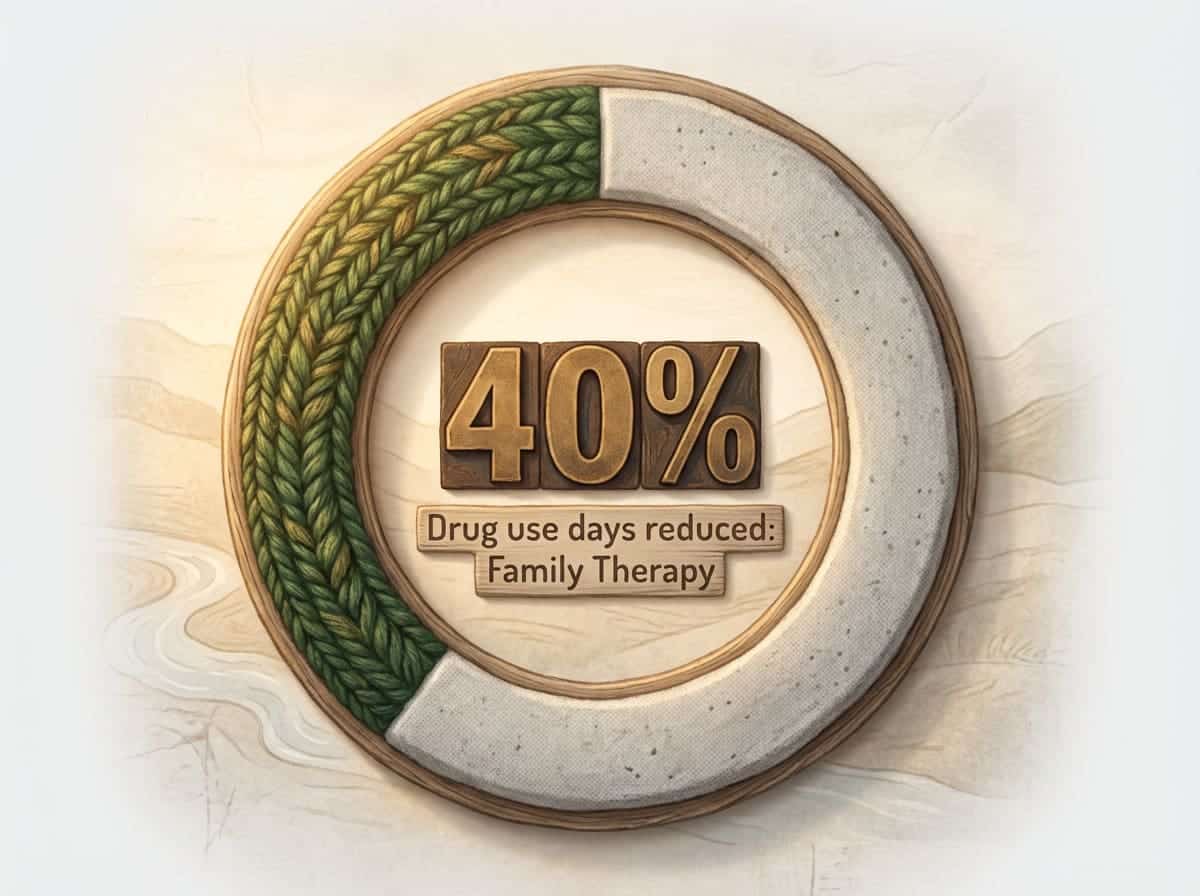
“A comprehensive meta-analysis found that family therapy slashed days of drug use by nearly 40% compared to other standard treatments such as CBT or group counseling.”2
Furthermore, evidence-based methodologies like Community Reinforcement and Family Training (CRAFT) demonstrate that equipping family members with engagement skills can triple the odds of a resistant loved one entering treatment.15 This is a critical metric for families attempting to facilitate care for a reluctant partner or child. Local testimonies reinforce this data; families near the Missouri River report that acquiring these skills allowed them to set boundaries that were firm yet compassionate, ultimately fostering an environment conducive to recovery.
Montana’s Unique Family Recovery Challenges
Methamphetamine’s Impact on Montana Families
| Substance Type | Percentage of Cases | Impact Factor |
|---|---|---|
| Methamphetamine | 65.3% | High volatility, rapid systemic breakdown |
| Other Substances | 34.7% | Variable |
Methamphetamine presents a specific, high-acuity challenge for Montana families. The drug’s prevalence in Great Falls neighborhoods—from Fox Farm to the West Side—creates distinct behavioral crises. As noted in the data, methamphetamine was the primary drug in over 65% of child removal cases involving parental substance use in the state.4 This statistic represents a profound level of family fragmentation and trauma that requires specialized intervention.
The impact is operational as well as emotional. Families in Riverview and Black Eagle describe the unpredictability associated with meth use—financial instability, erratic behavior, and safety concerns—as a constant drain on family resources. For professionals balancing careers near Malmstrom or I-15, the stress of managing these crises can be debilitating. Recognizing the specific volatility of methamphetamine is essential for selecting a program equipped to handle these dynamics.
Geographic Barriers to Family Participation
Montana’s geography imposes logistical constraints on treatment participation. For families living outside the immediate Great Falls loop, distance and weather can impede consistent attendance. A 45-minute commute from rural areas to Downtown for a therapy session becomes a significant hurdle when compounded by winter road conditions or work schedules.
However, the landscape of care is evolving. Telehealth has emerged as a vital bridge, allowing families to engage in family programs Great Falls MT from their homes. Research confirms that virtual support is a key mechanism for overcoming these geographic barriers, ensuring that families in outlying areas remain connected to the recovery process.12 This hybrid approach allows for consistent therapeutic engagement without the logistical friction of daily travel.
Proven Approaches in Family Programs Great Falls MT
Structured Programs That Repair Relationships
- Scenario A (High Resistance): Use CRAFT. Focuses on positive reinforcement and self-care to motivate treatment entry.
- Scenario B (In Treatment): Use Behavioral Couples Therapy (BCT). Focuses on restructuring the relationship to support abstinence.
Structured family programs utilize evidence-based modalities to repair the systemic damage caused by addiction. Approaches such as Behavioral Couples Therapy (BCT) and Community Reinforcement and Family Training (CRAFT) move beyond simple support groups to provide actionable skills for relationship repair. These models are proven to reduce substance use and improve relationship functioning significantly more than individual treatment alone.2
For families in Great Falls, this means moving from a dynamic of suspicion to one of collaboration. A family in Riverview reported that structured sessions provided a neutral ground to dismantle years of accumulated resentment. By focusing on specific behavioral changes rather than abstract blame, these programs facilitate a pragmatic path forward.
Building Communication and Healthy Boundaries
Effective recovery requires a recalibration of communication patterns. The “kitchen table” conversations in homes across Midtown or Gibson Park are where recovery is tested. The challenge lies in shifting from reactive, emotional exchanges to clear, assertive communication. Research consistently shows that families who practice respectful dialogue and set clear expectations reduce conflict and support lasting recovery.1
Family programs Great Falls MT emphasize the acquisition of these skills. Techniques such as “I” statements (“I feel worried when…”) replace accusatory language, lowering defensiveness. Setting boundaries—such as defining acceptable behavior regarding finances or substance use—is not about punishment, but about protecting the family system’s integrity. One West Side couple noted that establishing these clear parameters allowed them to support their loved one without sacrificing their own well-being.
What Effective Family Programs Great Falls MT Deliver
Intensive Family Week Experiences
View Sample Family Week Itinerary
- Day 1: Education & Assessment. Neurobiology of addiction, family roles identification, and impact statements.
- Day 2: Skill Acquisition. Communication workshops, boundary setting role-play, and conflict resolution drills.
- Day 3: Integration & Planning. Joint sessions with the loved one, continuing care planning, and alumni resource connection.
Intensive family week experiences provide a dedicated container for accelerated healing. These three-day programs, accessible to residents from Fox Farm to Riverview, remove the family from daily distractions to focus entirely on the recovery dynamic. The immersion allows for deep work that might take months to achieve in weekly hourly sessions.
During these intensives, participants engage in experiential activities designed to break through intellectual defenses and foster emotional honesty. Research indicates that such immersive programs can produce up to a 40% greater reduction in drug use days compared to individual therapy alone.2 For local families, this structured environment offers a safe space to address the “unspoken” issues and align on a recovery plan.
Long-Term Support Beyond Residential Care
Recovery is a longitudinal process, not an acute event. Long-term support mechanisms are vital for sustaining the gains made during residential treatment. Whether you reside near the Missouri River or in the surrounding counties, ongoing connection through alumni groups and check-ins provides the necessary scaffolding for the transition home.
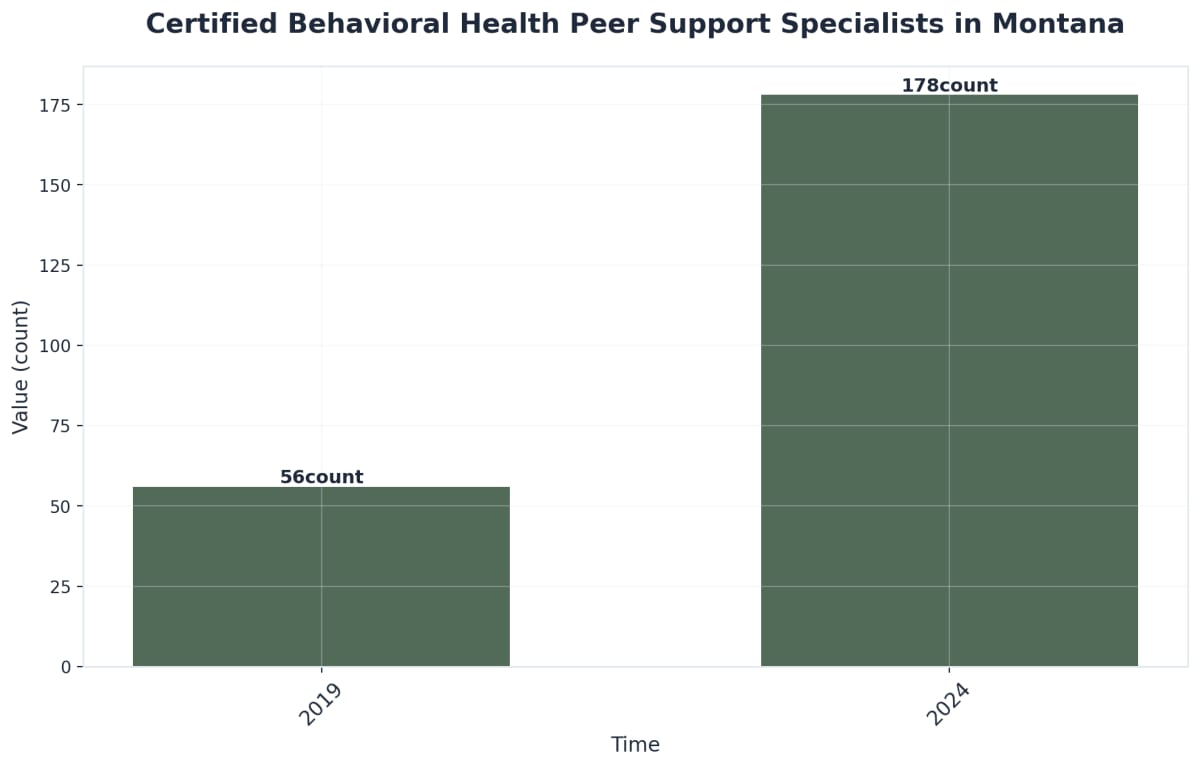
Families often find the post-discharge period to be the most vulnerable. Regular engagement with support networks helps mitigate the risk of relapse and reinforces the new family norms established during treatment. Virtual meetings have made this continuity of care more accessible, ensuring that professional guidance remains available regardless of physical proximity to the facility.1
Frequently Asked Questions
How do I know if I’m enabling versus supporting my loved one’s recovery?
Knowing the difference between enabling and supporting starts with asking: Is my action making recovery easier, or is it making continued substance use less painful? Supporting means encouraging healthy choices, setting boundaries, and celebrating progress—like attending family programs Great Falls MT or having honest conversations, even when they’re tough. Enabling, on the other hand, often looks like covering up consequences, making excuses, or rescuing your loved one from the natural results of their actions. Research highlights that healthy support—such as clear communication and boundary-setting—reduces conflict and improves outcomes for the whole family 1. Trust yourself: if you’re acting out of fear or guilt, pause and reflect. Every step toward healthy support matters.
What if my loved one refuses to let me participate in their treatment?
When your loved one doesn’t want you involved in their treatment, it’s natural to feel frustrated, especially in a close-knit city like Great Falls where family ties run deep. Remember—resistance is often rooted in shame, fear, or exhaustion, not a lack of care. Evidence-based approaches like Community Reinforcement and Family Training (CRAFT) show that when family members learn new engagement skills, treatment entry rates for even the most reluctant individuals can triple compared to standard support groups 15. You still have options: connect with family programs Great Falls MT offers for your own education and support, whether or not your loved one is ready. Every bit of progress you make helps set the stage for eventual healing.
Can family involvement help if my loved one has relapsed multiple times?
Yes, family involvement can still make a powerful difference—even after multiple relapses. Relapse is a frustrating and painful part of recovery for many in Great Falls, whether your loved one lives near Midtown, Skyline, or out by Gibson Park. Family programs Great Falls MT are built on the understanding that healing happens in small steps, and progress isn’t erased by setbacks. Research shows that when families stay engaged—by improving communication, learning new skills, and supporting healthy boundaries—long-term outcomes improve and relapse risk drops 1. Remember, every time you show up for a meeting, practice patience, or set a loving limit, you’re contributing to lasting change.
How can I participate in treatment when I live hours away from the facility?
Living several hours from Great Falls doesn’t mean you have to miss out on family programs Great Falls MT offers. Thanks to the rise of telehealth, many local centers now provide virtual sessions, workshops, and support groups that you can join from home or even during a break at work. Families from neighborhoods like Fox Farm, Downtown, and Riverview have found that video-based participation makes it possible to stay connected—no need to battle traffic on 10th Avenue South or worry about winter road closures. Research confirms that telehealth and virtual support are key tools for overcoming Montana’s geographic barriers to care 12. Every virtual session you attend is a step forward for your family’s healing.
What happens to my children if I need to attend family programming?
Worrying about your children while attending family programming is completely normal, especially for Great Falls families balancing work, school, and transportation across neighborhoods like Fox Farm, Midtown, or Riverview. Many local family programs in Great Falls MT offer on-site childcare or flexible scheduling so parents can participate without added stress. In some cases, programs will connect you with community partners or trusted local resources for short-term care—making support possible even if you live near Malmstrom or Downtown. Research emphasizes that keeping families together and involved can reduce the trauma of separation, benefiting both parent and child 12. Every effort to stay engaged in your loved one’s recovery counts, and asking for help with childcare is a sign of strength, not weakness.
How do I rebuild trust after years of broken promises and lies?
Rebuilding trust after years of broken promises is tough, especially in places like Midtown or Riverview where neighbors know your story and privacy can feel thin. Start small—consistent honesty, showing up when you say you will, and allowing time for wounds to heal. Research shows that trust grows when families in Great Falls practice clear communication, set realistic expectations, and celebrate each step forward, even if it’s just a shared meal or a calm conversation 1. Family programs Great Falls MT teach practical tools for honesty and boundary-setting, so progress happens little by little. Each honest effort matters and helps repair the foundation for future hope.
Family-Centered Recovery in Great Falls
When someone you love enters treatment, you face a unique professional paradox: you understand addiction treatment from a clinical perspective, yet find yourself navigating the deeply personal terrain of family recovery. The intersection of professional knowledge and personal pain creates complexities that structured family programming is specifically designed to address—not as remedial education, but as guided application of what you already know to the relationship that matters most.
You’re familiar with the clinical frameworks around communication patterns, boundary-setting, and enabling behaviors. The challenge isn’t understanding these concepts—it’s implementing them when emotions run high and history runs deep. Structured family sessions provide the facilitated space to translate professional knowledge into personal practice, working through the specific relational wounds that have accumulated. These sessions acknowledge that knowing the right approach and executing it with someone you love are entirely different challenges.
Family-focused programming creates peer connection with others managing similar professional-personal intersections, while offering experiential components that rebuild relational foundations in practical, measurable ways. Educational elements reinforce the neurobiological aspects you’re already versed in, while structured activities create new interaction patterns to replace damaged ones. This collaborative framework supports the sustainable recovery your loved one needs while giving you concrete strategies for the ongoing journey—strategies that bridge the gap between what you know professionally and what you need personally.
References
- Involving Family Members in Substance Use Disorder Treatment. https://www.recoveryanswers.org/research-post/involving-family-members-substance-use-disorder-treatment/
- Family-Based Treatments for Adolescent Substance Use: A Review of the Family-Based Treatment Literature. https://www.ncbi.nlm.nih.gov/pmc/articles/PMC3109780/
- The Impact of Substance Use Disorders on Families and Children: From Theory to Practice. https://www.ncbi.nlm.nih.gov/pmc/articles/PMC3725219/
- A Summary of Methamphetamine Use in Montana, 2015-2018. https://dphhs.mt.gov/assets/publichealth/EMSTS/opioids/MethReport.pdf
- The Role of the Family in Alcohol Use Disorder Recovery for Adults. https://www.ncbi.nlm.nih.gov/pmc/articles/PMC4970987/
- A Component Analysis of Community Reinforcement and Family Training (CRAFT): Treatment Entry of Drug-Abusing Individuals. https://www.ncbi.nlm.nih.gov/pmc/articles/PMC4281989/
- Behavioral couples therapy for women with a drug-abusing partner. https://www.ncbi.nlm.nih.gov/pmc/articles/PMC2858279/
- Behavioral Couples Therapy. https://www.recoveryanswers.org/research-post/behavioral-couples-therapy/
- Do Family and Friends Play a Role in Recovery Capital?. https://www.recoveryanswers.org/research-post/family-friends-play-role-recovery-capital/
- Attachment and Substance Use Disorders: A Review of the Literature and a Transdiagnostic Framework. https://www.ncbi.nlm.nih.gov/pmc/articles/PMC4575900/
- Research on Family Involvement and Treatment Phases [1]. not_available
- SAMHSA National Helpline & Treatment Locator. https://www.samhsa.gov/find-help/national-helpline
- Al-Anon Family Groups. https://al-anon.org/
- Nar-Anon Family Groups. https://www.nar-anon.org/
- Community Reinforcement and Family Training (CRAFT). https://www.apa.org/ptsd-guideline/treatments/community-reinforcement-family-training
- SMART Recovery Family & Friends. https://www.smartrecovery.org/family/