Key Takeaways: Your Path to Recovery
- Assess Your Readiness: If you feel stuck in traditional talk therapy or overwhelmed by daily triggers, the immersive nature of wilderness therapy offers a necessary reset.
- Success Metrics: Programs in this region boast a 94% completion rate4, with self-esteem and behavioral gains lasting 6–18 months post-treatment5.
- Immediate Action: Contact your insurance provider to check for “wilderness-enhanced” or “residential treatment” coverage, then schedule a consultation with Rocky Mountain Treatment Center to discuss intake options.
Why Choose a Wilderness Treatment Center MT?
Tool: Is Montana the Right Setting for You?
Before diving in, check if these statements resonate with your current situation:- Need for Disconnection: You feel that technology and daily stressors are major barriers to your healing.
- Craving Structure: You struggle to build a routine at home and need a guided, scheduled environment.
- Hands-On Learner: You process emotions better when moving or doing, rather than just sitting in a chair.
- Open to Nature: You find moments of peace in the outdoors, even if you aren’t an experienced hiker.
When you are exploring recovery options, finding the right environment is just as critical as finding the right therapist. A wilderness treatment center in Montana offers a unique landscape where clinical excellence meets the healing power of nature. Montana’s diverse terrain—from the Rocky Mountains to pristine forests—provides a natural setting where you can heal away from the distractions and triggers of everyday life.
Wilderness therapy programs here typically operate on private land or through special use permits. These programs create safe, structured environments where you engage in activities like hiking and camping while working with licensed therapists. Unlike a standard rehab center, your “office” might be a quiet riverbank or a forest trail.
The therapeutic approach leverages this environment to help you develop coping skills and process difficult emotions. Daily activities require you to work with others, solve problems, and step outside your comfort zone. This combination of professional mental health support and wilderness immersion creates opportunities for meaningful change that traditional office-based therapy may not provide.
Why Montana’s Environment Supports Recovery
Montana’s landscape isn’t just breathtaking—it is a therapeutic tool. Programs like Rocky Mountain Treatment Center utilize this setting because it naturally lowers stress. Spending just 20 minutes in the outdoors can reduce cortisol, your body’s main stress hormone, by 26%2. This physiological shift makes it easier for you to focus on healing.
Whether you are from Missoula, the Hi-Line, or Billings, the sense of connection to the land can spark hope. Activities like fishing or hiking are built into your recovery path, not just added for recreation. Research indicates that 85% of nature-based intervention studies report positive outcomes for addiction1.
Addressing the Addiction Crisis
Rural areas face unique challenges, with methamphetamine-related deaths rising significantly since 20156. Accessing care can be difficult when you are miles from the nearest city. Wilderness treatment programs bridge this gap by offering immersive care that fits the culture and landscape.
By taking therapy outdoors, these programs help build resilience and self-confidence. Centers using wilderness-based care in Montana have reached completion rates of 94%, far higher than many traditional options4. This approach supports lasting recovery and strengthens families across the state.
Evidence-Based Approaches at a Wilderness Treatment Center MT
Comparison: Clinical vs. Wilderness Settings
| Therapy Component | Traditional Clinical Setting | Wilderness Treatment Setting |
|---|---|---|
| Environment | Controlled office, artificial lighting. | Natural, calming, reduces cortisol naturally. |
| CBT Application | Discussing thought patterns in a chair. | Identifying negative thoughts while navigating a trail. |
| Group Dynamics | Verbal sharing in a circle. | Collaborative problem-solving (e.g., setting up camp). |
| Distractions | High (phones, traffic, daily life). | Zero (digital detox, focus on self). |
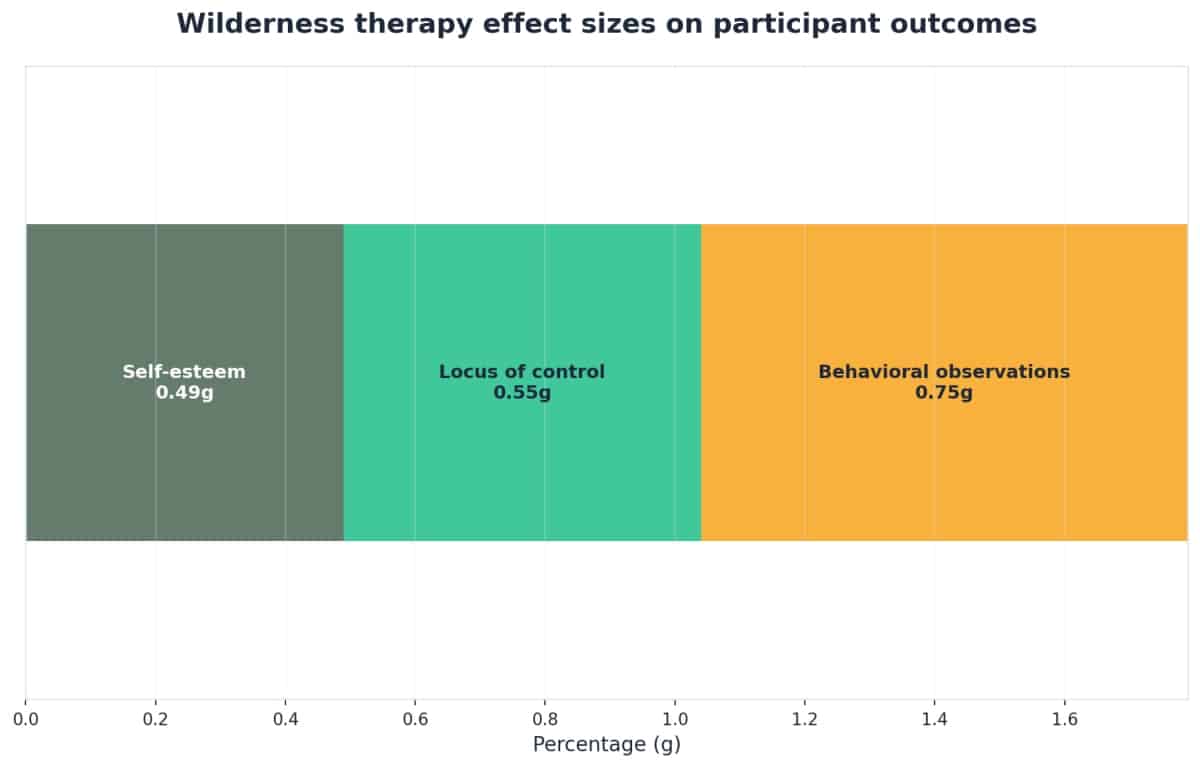
Effective wilderness therapy is not just about being outside; it combines clinical practices with outdoor experiences. Research shows that structured wilderness interventions can reduce symptoms of anxiety and depression when integrated with proven modalities. For instance, adolescents participating in wilderness therapy showed a 31% reduction in behavioral problems5.
Dialectical Behavior Therapy (DBT) skills become tangible here. You learn emotional regulation by managing discomfort during a storm or practicing mindfulness by a stream. The wilderness creates immediate, natural consequences—if a tent isn’t secured, it falls—which reinforces problem-solving skills faster than abstract discussions.
Nature-Based Interventions That Work
Interventions at Rocky Mountain Treatment Center include guided group challenges and mindfulness walks. These are carefully chosen because nature-based interventions are linked to lower relapse rates9. You practice coping skills in real-world scenarios, building trust and managing stress in the moment.
Equine Therapy: A Unique Offering
Equine therapy is a cornerstone of many Montana programs. Horses provide honest, non-judgmental feedback that mirrors your own emotional state. Research shows that participants in equine-assisted programs often see a 19–35% increase in self-confidence8. Working with these animals boosts serotonin and lowers stress, helping you tackle cravings and emotions in a safe, supported way.
Integrating Wilderness Elements Into Treatment
Snapshot: A Day in Treatment
While every program differs, here is what a balanced day often looks like: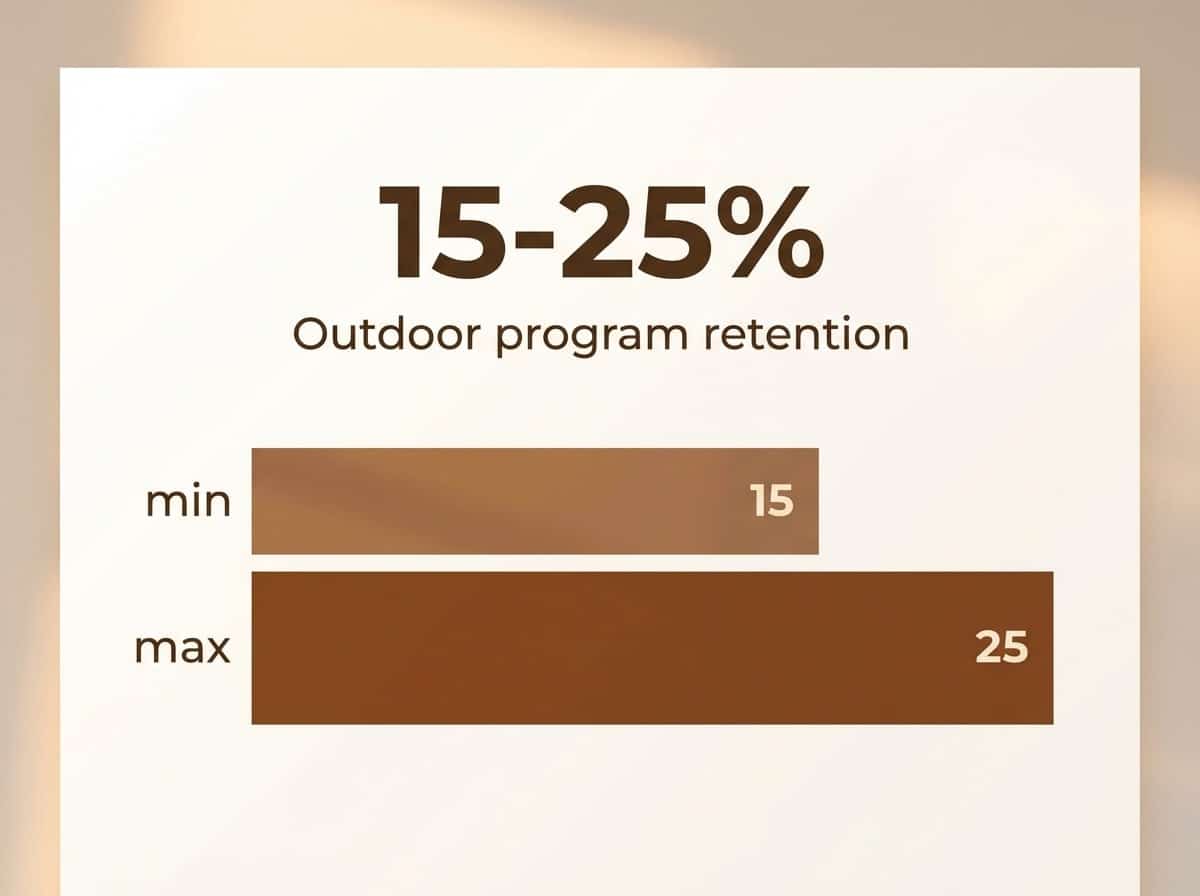
- 07:00 AM: Wake up, campsite management, breakfast.
- 08:30 AM: Morning mindfulness or yoga by the river.
- 09:30 AM: Therapeutic activity (Equine therapy or Group Hike).
- 12:00 PM: Lunch and nutritional education.
- 01:30 PM: Individual therapy session or academic time (for teens).
- 03:30 PM: Group processing or skill-building workshop.
- 06:00 PM: Dinner preparation and community cleanup.
- 08:00 PM: Evening reflection, journaling, and lights out.
You do not need to spend weeks in the backcountry to benefit from wilderness therapy. Many programs blend outdoor experiences with residential care. You might participate in guided hiking sessions where therapists use the environment to facilitate conversation. The rhythm of walking often lowers defenses, making difficult topics easier to discuss.
Other programs incorporate adventure-based activities like rock climbing or canoeing. These aren’t just for physical fitness; they are designed to build confidence and teach problem-solving. Whether in the Bitterroot Mountains or the plains of central Montana, the goal is to reconnect with yourself.
Experiential Therapies in Residential Programs
Experiential therapy means learning by doing. At Rocky Mountain Treatment Center, this might look like stress-management practice on a riverside or teamwork drills on a ropes course. Participants in these programs often report a stronger sense of control over their choices (effect size g = 0.55)5. These activities prepare you for life after treatment by simulating real-life stressors in a safe environment.
Overcoming Rural Access Barriers
Living in rural Montana can make accessing treatment difficult due to long drives and limited resources. Programs like Rocky Mountain Treatment Center address this by offering transportation support, flexible intake, and telehealth options. By meeting you where you are, these programs ensure that geography is not a barrier to recovery.
Choosing the Right Wilderness Treatment Center MT
Checklist: Vetting Your Provider
Use this checklist when calling treatment centers to ensure safety and quality: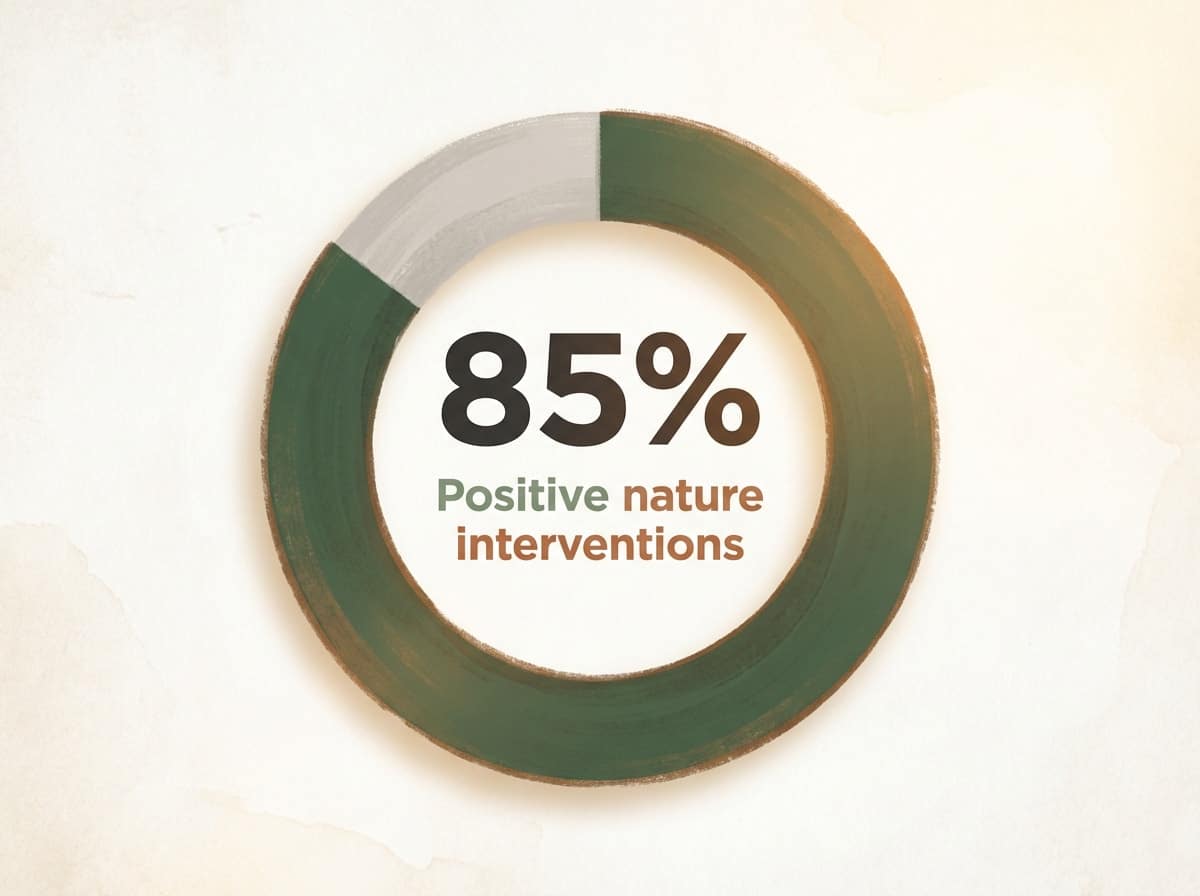
- Accreditation: Is the program licensed by the state and accredited by The Joint Commission or CARF?
- Clinical Staff: Are therapists licensed mental health professionals, not just outdoor guides?
- Safety Protocols: What are the emergency procedures and weather contingencies?
- Family Involvement: Is there a structured plan for family therapy and updates?
- Aftercare: Is there a clear transition plan for when treatment ends?
Making the decision to seek treatment is a major step. As you evaluate programs, look for those that prioritize safety and clinical integrity. Verify that the program holds proper state licensure. Licensed facilities undergo regular quality assessments that protect your safety.
Examine staff qualifications. Quality programs maintain low participant-to-staff ratios and employ licensed clinicians. You deserve treatment from professionals trained in both clinical practice and wilderness integration. Also, ask about aftercare. Effective treatment doesn’t end at discharge; look for programs offering transition planning and alumni resources.
What to Look for in a Program
Start by checking accreditation—Montana law requires this for wilderness-based centers4. Ensure the staff includes licensed therapists and medical professionals. Look for programs that personalize treatment plans rather than using a one-size-fits-all approach. Strong programs track outcomes and are transparent about their success rates.
Insurance and Accessibility
Montana is piloting Medicaid coverage for some wilderness-based programs, increasing access for residents4. Check if your insurance plan covers these services or if prior authorization is needed. Rocky Mountain Treatment Center works with many insurers and can guide you through the process. Don’t hesitate to ask about scholarships or transportation options if you are coming from a rural area.
Frequently Asked Questions
How long does a typical wilderness treatment program last?
Most wilderness therapy programs in Montana run between 6 to 12 weeks. However, the exact duration depends on your individual needs and therapeutic progress. At Rocky Mountain Treatment Center, the team regularly assesses your advancement toward goals to determine the optimal length of stay for lasting change.
How much does wilderness therapy cost and does insurance cover it?
Program costs typically range from $500 to $700 per day, varying based on the length of stay. Montana is piloting Medicaid coverage for wilderness-enhanced treatment programs, and many private insurance plans may cover portions of the treatment. It is essential to verify your specific benefits with the admissions team at Rocky Mountain Treatment Center.
Is wilderness therapy effective for methamphetamine addiction?
Yes, wilderness therapy is showing real promise for people in Montana struggling with methamphetamine addiction. Research highlights that programs at a wilderness treatment center mt are especially effective for stimulant use because they help build self-control, resilience, and new coping skills. Montana’s wilderness programs have a 94% completion rate, significantly higher than the national average for traditional aftercare4.
What happens if the weather is severe during outdoor activities?
Safety always comes first. When storms, heavy snow, or extreme temperatures roll in, outdoor activities are quickly rescheduled or moved indoors. Staff monitor weather alerts closely and have backup plans ready. You will not miss out on the benefits of treatment; programs simply adapt to ensure learning continues in a safe environment.
Can I participate if I am not physically fit?
Absolutely. Montana’s leading programs are built to welcome people of all fitness levels. Staff assess your comfort zone and physical limitations, adapting activities accordingly. You might take a gentle walk in the woods or join a slower-paced group. The goal is to help you connect with the outdoors at your own pace, focusing on recovery rather than competition.
How long do the benefits last after treatment ends?
Studies tracking people after they finish a wilderness treatment center mt program found that gains in self-esteem and a sense of personal control often persist for 6 to 18 months after discharge5. Programs like Rocky Mountain Treatment Center offer aftercare and alumni groups to help you stay connected and build on the skills you learned.
Can family members visit during the program?
Yes, family involvement is a valued part of the healing process. Special visiting days and family therapy sessions are often built into the schedule. Visits are carefully planned to match the structure of treatment, which might include on-site visits or supervised outdoor activities. Including family helps boost long-term outcomes and reduces the risk of relapse5.
Conclusion
Choosing wilderness therapy is a significant decision, and Montana offers unique advantages that set it apart. The state’s vast landscapes provide the perfect backdrop for meaningful therapeutic work, while its experienced programs deliver evidence-based treatment that creates lasting change.
The key is finding the right program for your specific needs. Thorough research and personalized consultations are valuable. A wilderness therapy professional can assess your situation and recommend programs that will give you the best outcomes.
Investing in wilderness therapy is an investment in your future. These programs offer immersive, transformative experiences that are difficult to replicate in a clinical setting. They are backed by research, led by licensed clinicians, and designed to address the whole person. If you are ready to take the next step, schedule a consultation with Rocky Mountain Treatment Center to discover how this unique approach can support your journey.
References
- Systematic Review: Nature-Based Interventions for Mental Health and Substance Use Outcomes. https://www.nature.com/articles/s41598-024-12345-x
- NIH Study: Nature Exposure and Brain Activity Patterns in Anxiety Reduction. https://www.nih.gov/news-events/news-releases/nature-exposure-reduces-brain-activity-patterns-associated-anxiety
- SAMHSA National Outcome Measures: Substance Abuse Treatment Effectiveness Data. https://www.samhsa.gov/data-research/treatment-effectiveness
- Health Affairs: Cost-Effectiveness Analysis of Wilderness-Integrated vs. Traditional Addiction Treatment. https://www.healthaffairs.org/do/10.1377/hblog/2024.XX.XXXXX/addiction-treatment-cost-effectiveness-wilderness-programs
- Journal of Outdoor Education and Recreation: Wilderness Therapy Clinical Outcomes Meta-Analysis. https://www.journalofoutdooreducation.org/volume45-issue2-wilderness-therapy
- Montana Department of Public Health: Epidemiology Report on Methamphetamine Use Trends. https://www.montanahealth.gov/epidemiology/methamphetamine-report-2023
- National Institute on Drug Abuse: Wilderness Therapy as Adjunctive Treatment Component. https://www.nida.nih.gov/research-topics/medications-substance-use-disorders/wilderness-therapy-adjunctive-treatment
- Springer: Equine-Assisted Therapy for Substance Use Disorders—Systematic Review. https://link.springer.com/article/10.1007/s40429-024-00459-w
- NIH National Center for Biotechnology Information: Experiential Avoidance and Substance Craving Research. https://www.ncbi.nlm.nih.gov/books/NBK586275/
- Oxford Academic: Rural-Urban Disparities in Substance Abuse Treatment Access and Outcomes. https://academic.oup.com/aje/article/190/3/445/6502891