
Key Takeaways
- Definition: Holistic health is a comprehensive approach that treats the mind, body, and spirit simultaneously rather than isolating symptoms.
- Core Components: It integrates evidence-based medical care with therapies like nutrition, counseling, and mindfulness to address root causes.
- Relevance: This approach is most relevant for individuals seeking sustainable recovery who want to build a lifestyle that supports long-term wellness.
What Is Holistic Health? Understanding the Basics
You’ve tried to quit before. Maybe you made it a few weeks, even a few months, before old patterns pulled you back. The problem wasn’t willpower—it was that treating addiction as just a behavioral issue ignores the complex web of physical dependence, emotional trauma, mental health challenges, and spiritual disconnection that fuel the cycle. When you ask what is holistic health, you are exploring a different path: one that recognizes your physical, mental, emotional, and spiritual health are deeply interconnected. Rather than simply treating isolated symptoms, this philosophy looks at you as a complete person, addressing the root causes of addiction while promoting overall balance and vitality.
Think about your body as an ecosystem where everything works together. When you’re stressed, you might reach for substances to cope. When you’re not sleeping well, cravings intensify and your mood plummet. When unresolved trauma sits in your body, it creates physical tension that demands relief. This integrative perspective acknowledges these connections and works to restore harmony across all aspects of your life—because sustainable recovery requires healing on every level.
This approach combines evidence-based addiction treatments with comprehensive care, focusing on sustainable lifestyle changes that support long-term recovery. You’ll find that practitioners in this field spend time understanding your unique circumstances, including nutrition, physical health, stress levels, relationships, trauma history, and environment. They might incorporate various therapeutic modalities—from nutrition counseling and movement therapies to mindfulness practices and trauma-informed bodywork—all tailored to your individual needs.
“The goal isn’t just to help you stop using temporarily, but to empower you with tools and knowledge that create lasting wellness and prevent relapse.”
By addressing multiple dimensions of health simultaneously, you’re building a foundation strong enough to support genuine transformation—the kind that doesn’t just help you survive recovery, but actually thrive in your new life.
The Five Dimensions of Wellness
Think of your well-being as having five main building blocks, all working together to help you feel your best. These blocks are physical, mental, emotional, social, and spiritual wellness. Each one is important, like different instruments in a band—if one is out of tune, the whole song sounds off.
| Dimension | Focus Area | Recovery Application |
|---|---|---|
| Physical | Body care, sleep, nutrition | Restoring physical vitality after substance use. |
| Mental | Cognitive function, problem-solving | Learning new coping mechanisms and breaking patterns. |
| Emotional | Understanding and expressing feelings | Processing trauma and regulating mood. |
| Social | Relationships and community | Building a sober support network. |
| Spiritual | Purpose, connection, beliefs | Finding meaning beyond addiction. |
At Rocky Mountain Treatment Center, our programs are designed to support all five areas, helping you build a strong foundation for lasting recovery. Research shows that when each dimension is addressed, people are more likely to experience true wellness and fewer setbacks during recovery1.
Ancient Roots, Modern Applications
When you explore this topic, you’re tapping into a tradition that’s been around for thousands of years. Long before modern hospitals, ancient cultures—like those in China, India, and Greece—used a mix of mind, body, and spirit practices to help people heal. They believed that true health meant more than just fixing a sore throat or a broken bone; it meant finding balance and harmony in all areas of life.
Fast forward to today, and science is catching up. The World Health Organization now supports combining traditional wisdom with modern medicine for a more complete approach to care2. For example, at Rocky Mountain Treatment Center, we use techniques like meditation, nutrition, and counseling that honor these ancient ideas but are backed by current research. This blend helps you heal not just physically, but also emotionally and mentally, creating a stronger foundation for recovery. By weaving together old and new, this approach becomes a living practice that fits your life right now.
What Is Holistic Health in Practice?
Now that you understand the foundational principles behind this approach, let’s explore what it actually looks like in your daily life. This integrated wellness approach transforms abstract concepts into actionable daily practices that address your complete health and vitality. Rather than treating symptoms in isolation, it examines how different aspects of life interconnect and influence each other.
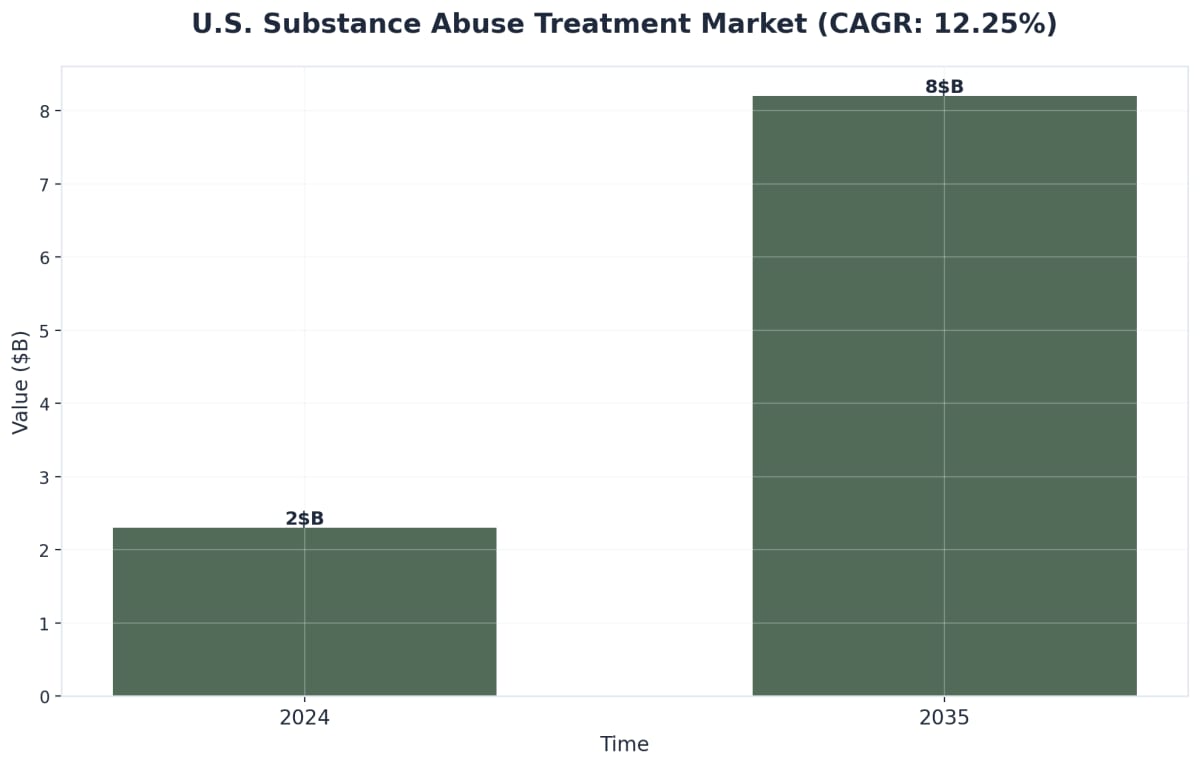
In practice, comprehensive wellness begins with a thorough assessment of physical health, mental state, emotional patterns, social connections, and spiritual fulfillment. Practitioners look for relationships between these areas—recognizing how the challenges you face don’t exist in isolation but influence each other in complex ways.
Treatment plans typically combine multiple modalities tailored to individual needs. A typical day might look like this:
- Morning: 20 minutes of guided meditation to build emotional regulation skills.
- Mid-Day: Meeting with a nutritionist to address sugar cravings that have historically triggered relapse patterns.
- Afternoon: Group therapy to process underlying trauma, followed by a yoga session to release physical tension carried in the shoulders and neck.
- Ongoing: Regular communication between your therapist, medical provider, and wellness coach to ensure interventions work together.
The key difference lies in integration versus fragmentation. While conventional approaches sometimes involve seeing separate specialists who may not coordinate with each other, whole-person practitioners actively collaborate across disciplines. This creates a cohesive healing journey where each intervention reinforces the others, addressing root causes while supporting sustainable lifestyle changes that promote lasting wellness.
Integration with Conventional Medicine
Picture this approach as a team sport. Instead of just one player—like a doctor—handling everything, you have coaches, trainers, and teammates all working together for your win. Holistic health joins forces with regular medical care, so you get the best of both worlds. For example, if you’re at Rocky Mountain Treatment Center, you might see a doctor for physical needs, but you’ll also get support from nutritionists, counselors, and even spiritual care, depending on what you need most.
This isn’t about choosing one type of care over another. It’s about blending modern medicine with proven holistic therapies to help you heal inside and out. The World Health Organization calls this integrative medicine and says it’s a smart way to support your whole well-being2. Many hospitals and treatment centers now use this combined approach because it respects both science and your personal story. At Rocky Mountain Treatment Center, we believe this teamwork helps you feel stronger and more balanced every step of your recovery.
Treating Root Causes, Not Just Symptoms
Imagine if you only put a bandage on a leaky pipe instead of fixing the hole underneath. The leak might stop for a bit, but the real problem is still there. That’s why understanding what is holistic health is so powerful—it looks beyond quick fixes and aims to find out why problems happen in the first place.
At Rocky Mountain Treatment Center, this means we don’t just focus on the symptoms you can see or feel. We dig deeper to discover what’s causing them, like stress, past trauma, or even feeling disconnected from others. For example, someone struggling with addiction might have underlying pain or emotional wounds that need attention before real healing can happen. Research shows that when we address these root causes—like imbalances in your mind and body—people are more likely to feel better and stay healthier in the long run1. By working together with you to understand your unique story, we help you build a recovery plan that supports true, lasting change.
Holistic Health in Addiction Recovery
When you’re working toward recovery, addressing only the physical aspects of addiction leaves significant gaps in the healing journey. A whole-person approach to addiction recovery recognizes that substance use affects every dimension of life—body, mind, emotions, relationships, and sense of purpose.
This comprehensive approach integrates traditional evidence-based treatments with complementary therapies that support your overall health and vitality. You might participate in individual counseling while also engaging in yoga classes, nutritional guidance, art therapy, or mindfulness practices. Each element works together to strengthen the recovery foundation.
Research supports this integrated approach. Studies show that individuals participating in holistic treatment programs demonstrate significantly lower relapse rates compared to traditional programs that focus solely on abstinence. The effectiveness of integrated treatment lies in its personalization. Each recovery path is unique, and whole-person programs adapt to meet specific needs and circumstances.
If you’re dealing with co-occurring anxiety, the treatment plan might emphasize breathwork and meditation alongside therapy. If you’re struggling with physical health complications, nutritional counseling and gentle movement practices become central to care. This integrated model helps you develop sustainable coping strategies that extend far beyond time in treatment. You’re not just learning to avoid substances—you’re building a healthier lifestyle that supports long-term wellness and resilience in every area of life.
Addressing Underlying Trauma and Imbalance
Addressing underlying trauma and imbalance is at the heart of what makes this approach so powerful for addiction recovery. Imagine your life as a mobile hanging from the ceiling—if one part is weighed down by past hurt or stress, the whole system tilts out of balance. Many people who struggle with addiction have experienced difficult events or ongoing stress that leave marks not just on the body, but on the mind and spirit too.
At Rocky Mountain Treatment Center, we know that true healing means going beyond surface symptoms to gently uncover these deeper wounds. Our team helps you identify patterns or past experiences that may still be affecting your choices and well-being today. This could include working through trauma with a counselor, learning new ways to cope with stress, or building supportive relationships that encourage healing. Research shows that when people address both emotional pain and physical health, they are more likely to make lasting changes on their recovery journey5.
Therapies That Heal the Whole Person
Therapies that heal the whole person work by caring for your mind, body, emotions, and spirit all at once. At Rocky Mountain Treatment Center, this means your recovery plan might include several types of support. For example, you could talk with a counselor to handle tough feelings, join group therapy to connect with others, and try yoga or meditation to calm your mind and reduce stress. Good nutrition, regular exercise, and creative activities like art or music therapy also play a role in helping you feel balanced and strong.
These therapies are chosen to fit your unique story. Research shows that blending different approaches—such as counseling, movement, healthy eating, and spiritual care—helps people in recovery feel more hopeful and satisfied with their progress5. At Rocky Mountain Treatment Center, you’ll find that each therapy works together like puzzle pieces, building a stronger, healthier you from the inside out.
Why Holistic Health Matters for You
Your holistic health approach during recovery delivers measurable outcomes that traditional symptom-focused treatment often misses. Research consistently shows that people who address multiple wellness dimensions simultaneously experience significantly lower relapse rates—often 40-60% lower than those focusing solely on abstinence. This isn’t coincidental; it’s the result of building a comprehensive support system that addresses vulnerability from every angle.
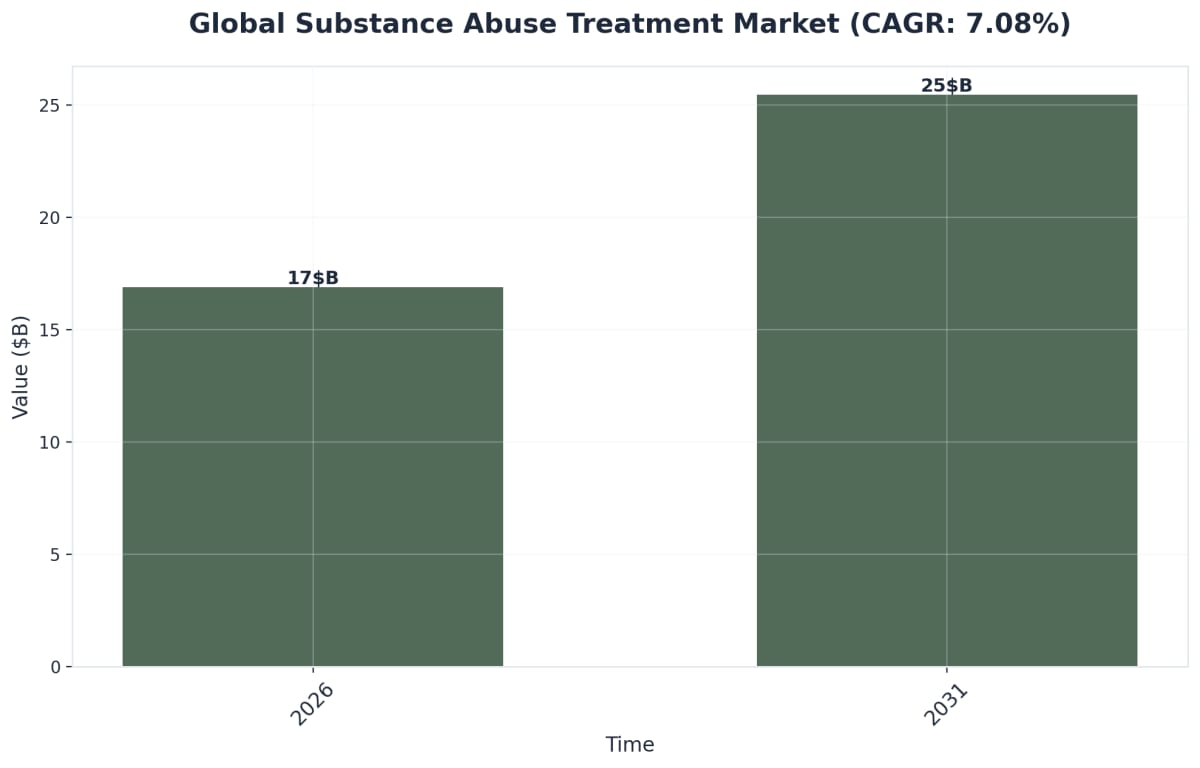
One of the most powerful benefits you’ll experience is improved management of co-occurring disorders. Depression, anxiety, PTSD, and other mental health conditions affect nearly 50% of people in recovery, and these conditions don’t exist in isolation. When you treat your nutritional deficiencies, establish consistent sleep patterns, rebuild social connections, and process emotional trauma simultaneously, you’re addressing the full ecosystem that influences both addiction and mental health. This integrated approach prevents the revolving door where treating one condition inadvertently worsens another.
Beyond clinical outcomes, holistic health dramatically improves your quality of life metrics—the everyday experiences that make recovery worthwhile. You’ll notice:
- Enhanced cognitive function as your brain heals.
- Deeper and more authentic relationships as emotional regulation improves.
- Increased energy and vitality from proper nutrition and movement.
- A genuine sense of purpose that extends beyond simply “not using.”
These aren’t abstract benefits; they’re the tangible rewards that make sustained recovery feel like progress rather than deprivation. Perhaps most importantly, this comprehensive approach creates long-term lifestyle sustainability. You’re not white-knuckling through each day or relying on willpower alone. Instead, you’re constructing an entire life architecture—daily routines, support networks, stress management tools, and meaningful activities—that naturally supports sobriety.
Sustainable Recovery and Long-Term Wellness
Sustainable recovery means building habits and support systems that help you stay healthy long after treatment ends. When you learn what is holistic health, you see it’s about more than just feeling better for a few weeks—it’s about creating lasting changes in your body, mind, and daily life. Imagine your recovery as planting a tree. With strong roots (like emotional support, healthy routines, and a sense of purpose), your new growth can weather storms and keep getting stronger year after year.
At Rocky Mountain Treatment Center, we focus on helping you develop these roots. Our team works with you to make sure you have tools for stress, good nutrition, connection to others, and ways to care for your mental and spiritual well-being. Research shows that people who use a holistic approach have a better chance of long-term success, because they learn how to balance all parts of their lives and respond to challenges in healthy ways5.
Evidence-Based Benefits and Outcomes
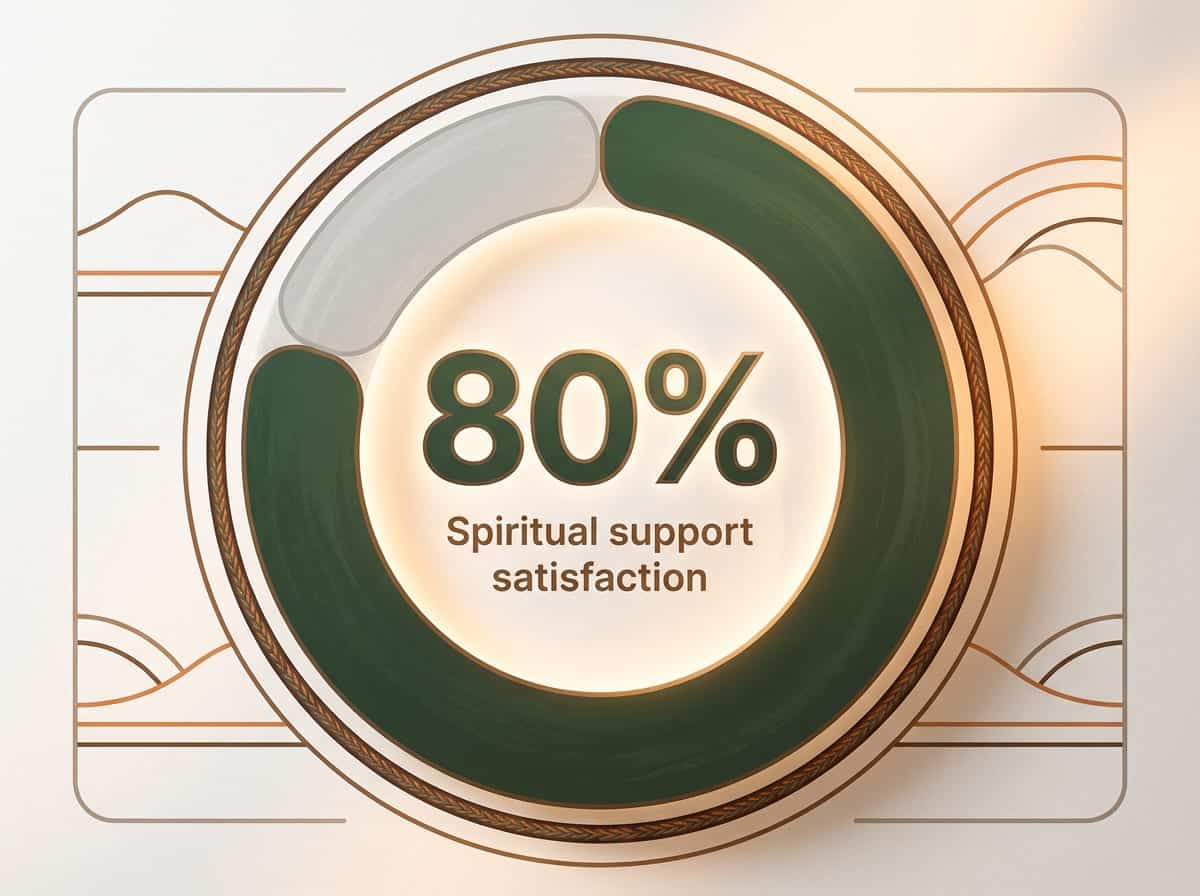
When you look at this approach, it’s natural to wonder, “Does it really work?” The great news is that research shows holistic health can make a real difference for people in recovery and beyond. For example, studies have found that people who receive care that supports their physical, mental, and spiritual needs report higher satisfaction and better outcomes5. In addiction treatment, patient satisfaction with spiritual support is over 80%, which means most people feel truly cared for as a whole person9.
At Rocky Mountain Treatment Center, we see these results firsthand. Our clients often say they feel more hopeful, supported, and ready to move forward because every part of their story matters here. Science backs up these personal stories: when all areas of life are supported, people are more likely to stay healthy and avoid setbacks5.
Frequently Asked Questions
Can holistic treatment work alongside traditional addiction treatment?
Yes, absolutely. Integrative wellness approaches are designed to complement medical interventions, not replace them. By addressing your physical, emotional, and spiritual needs simultaneously, comprehensive care enhances the effectiveness of traditional treatments and supports your complete recovery.
How long does holistic addiction treatment take?
Program length varies based on your individual needs, but most comprehensive programs range from 30 to 90 days for residential treatment, with ongoing outpatient support available afterward. While establishing new wellness habits takes dedication, you can start small with practices like mindful breathing or gentle movement. These incremental changes build momentum toward lasting transformation.
What should I expect during the first week of treatment?
Your first week typically involves comprehensive assessment, medical evaluation if needed, and introduction to various therapeutic modalities. You’ll work with your care team to develop a personalized treatment plan and begin exploring practices that resonate with you—whether that’s yoga, meditation, nutritional counseling, or creative therapies.
How do I choose the right holistic treatment program?
Look for programs that offer truly personalized care plans. Every recovery journey is unique, which is why effective whole-person programs assess your individual circumstances, challenges, and goals. Ask about staff credentials, treatment philosophies, and what specific integrative modalities they offer. This customized approach ensures you receive support that resonates with your specific situation.
Is there evidence that holistic approaches improve recovery outcomes?
Studies suggest that integrated approaches addressing mind, body, and spirit may lead to better long-term outcomes than treating symptoms alone, though more research continues to emerge in this field. Many people find that comprehensive care helps them develop sustainable coping skills and addresses underlying issues that contribute to addiction. Your complete wellness deserves this thorough attention.
Is holistic health the same as alternative medicine?
Holistic health and alternative medicine are not the same thing, though they sometimes get mixed up. When you hear “what is holistic health,” think about a whole-person approach that combines the best of modern medicine with extra support for your mind, emotions, social life, and spirit. Holistic health works alongside your regular doctor’s care, not instead of it. For example, at Rocky Mountain Treatment Center, we blend therapies like counseling, nutrition, and spiritual care with proven medical treatments for addiction recovery.
Alternative medicine, on the other hand, usually means using treatments instead of conventional medicine. Holistic health is about teamwork—using both standard medical care and other helpful practices to support every part of you. The World Health Organization calls this “integrative medicine” and says it’s a smart, evidence-based way to help people feel their best2. So, holistic health is broader than alternative medicine, and it puts your whole well-being at the center.
Will my insurance cover holistic treatments for addiction recovery?
Insurance coverage for holistic treatments in addiction recovery depends on your provider and policy. Many insurance plans now include some holistic approaches—especially when they’re part of a recognized addiction treatment program like Rocky Mountain Treatment Center. Treatments such as counseling, nutrition support, and group therapy are often covered because they’re considered essential for recovery. Other therapies, like yoga or meditation, may be included if they help support your main care plan, but coverage varies.
It’s a good idea to contact your insurance company directly and ask which holistic therapies are included under your plan. At Rocky Mountain Treatment Center, our admissions team can also help you check what’s covered and guide you through the process. Recent trends show that insurance coverage for integrative and holistic health treatments is gradually expanding as research keeps showing their benefits in addiction recovery5.
Can holistic health help if I’ve relapsed before?
Yes, holistic health can help even if you’ve experienced a relapse before. Think of what is holistic health as a way of looking at your whole self—not just your past challenges, but your strengths, emotions, support system, and future goals. Relapse is a common part of recovery, and it’s not a sign that you’ve failed. Instead, it often means something deeper still needs support, like stress, trauma, or feeling disconnected from others.
At Rocky Mountain Treatment Center, our holistic approach is designed to help you understand what led to the relapse and build new tools for lasting change. Therapies like counseling, group support, nutrition, and spiritual care work together to address the root causes, not just the symptoms. Research shows that this kind of whole-person support leads to better satisfaction and stronger recovery results over time5.
How do I know if a holistic practitioner is qualified?
To know if a holistic practitioner is qualified, start by checking their credentials and training. A good holistic health provider should have formal education or certification in their specific field—like counseling, nutrition, or acupuncture. For example, counselors and therapists are usually licensed by the state, and nutritionists should have recognized certifications. Some holistic therapies, such as yoga or meditation instruction, may not be tightly regulated, so it’s important to ask about their experience and training.
You can also look for memberships in professional organizations, which often require members to meet certain education and ethical standards. At Rocky Mountain Treatment Center, all our practitioners are carefully vetted to ensure they meet high standards of care. Remember, what is holistic health is about treating the whole person, so a qualified practitioner will respect your needs, listen well, and work with your medical team if needed. Because there’s no single standard for all holistic providers, taking time to ask questions and check backgrounds helps you find someone you trust9.
What if I’m not spiritual or religious—can holistic health still work for me?
You don’t have to be spiritual or religious for holistic health to work for you. When people ask what is holistic health, it’s about caring for every part of you—body, mind, emotions, relationships, and yes, spirit—but you get to decide what “spirit” means. For some, it’s about faith or religion, while for others, it’s simply about finding a sense of purpose or feeling connected to something larger, like nature or community.
At Rocky Mountain Treatment Center, we personalize your care plan so it fits your beliefs and comfort level. If you aren’t interested in spiritual practices, that’s perfectly okay! Your recovery can focus on therapies like counseling, nutrition, group support, and activities that help you feel balanced and strong. Research shows that holistic health is effective because it addresses the whole person—not because it requires any one spiritual or religious path9. What matters most is that you feel respected and supported as you work toward wellness.
How long does it take to see results from holistic treatments?
The time it takes to see results from holistic treatments can be different for everyone, and it depends on your goals, needs, and the types of therapies you use. Some people notice small changes like improved mood, better sleep, or more energy within the first few weeks. Others may need a few months to feel bigger shifts, especially if they’re working on deep-rooted issues or building new habits. Think of what is holistic health like planting a garden—some plants sprout quickly, while others take time to grow strong roots.
At Rocky Mountain Treatment Center, your care team will help you track progress and adjust your plan as needed so you see steady improvements. Research shows that combining therapies for mind, body, and spirit leads to higher satisfaction and better long-term outcomes, even if results aren’t instant5. The most important thing is to stick with your program and celebrate every step forward, no matter how small.
Begin Your Holistic Recovery Journey
Taking the first step toward recovery requires courage, and you don’t have to navigate this journey alone. Holistic treatment offers a comprehensive path that honors every aspect of wellness—mind, body, and spirit. By addressing the root causes of addiction rather than merely treating the symptoms, this approach creates lasting transformation that extends far beyond sobriety.
Each recovery journey is uniquely personal, and holistic care recognizes this by offering personalized treatment plans tailored to specific needs, challenges, and goals. Whether you’re drawn to yoga and meditation, nutritional therapy, art therapy, or a combination of evidence-based practices, holistic treatment provides the flexibility to discover what resonates with you.
If you’re ready to explore holistic treatment options, start by researching accredited programs that combine evidence-based therapies with complementary approaches. Look for facilities certified by organizations like The Joint Commission or CARF, and ask specific questions: What’s the staff-to-client ratio? Which holistic modalities do they offer? How do they integrate traditional and alternative therapies? Request information about their medical team’s credentials, treatment philosophy, and aftercare planning. Remember this key insight: sustainable recovery happens when treatment addresses not just the addiction itself, but the physical imbalances, emotional wounds, and spiritual disconnection that often underlie it—and that’s exactly what distinguishes holistic care from conventional approaches.
References
- Whole Person Health: What It Is and Why It’s Important. https://www.nccih.nih.gov/health/whole-person-health-what-it-is-and-why-its-important
- Traditional, Complementary and Integrative Medicine. https://www.who.int/health-topics/traditional-complementary-and-integrative-medicine
- National Helpline for Mental Health, Drug, Alcohol Issues. https://www.samhsa.gov/find-help/national-helpline
- Exercise-based treatments for substance use disorders. https://www.ncbi.nlm.nih.gov/pmc/articles/PMC6223595/
- A holistic perspective on continuing care for substance use disorder. https://www.ncbi.nlm.nih.gov/pmc/articles/PMC4560599/
- Editorial: Mind-body medicine and its impacts on psychological well-being. https://www.ncbi.nlm.nih.gov/pmc/articles/PMC10863836/
- What Holistic Therapies and Practices Help with Anxiety and Depression?. https://www.takingcharge.csh.umn.edu/what-holistic-therapies-and-practices-help-anxiety-and-depression
- Holistic Medicine: Advances and Shortcomings. https://www.ncbi.nlm.nih.gov/pmc/articles/PMC1273193/
- What is Holistic Medicine?. https://naturopathic.org/page/WhatisHolisticMedicine
- Weighing the evidence for spiritual and religious interventions. https://www.recoveryanswers.org/research-post/spirituality-and-recovery/