
Key Takeaways
- Editor’s Pick: Integrated Care (combining multiple therapies) offers the highest chance of long-term success.
- Cognitive-Behavioral Therapy (CBT): Essential for identifying triggers and rewiring negative thought patterns.
- Medication-Assisted Treatment (MAT): Critical for stabilizing brain chemistry and managing physical cravings.
- Family & Group Support: vital for rebuilding trust and creating a sustainable safety net.
- Holistic Options: Experiential therapies like equine therapy help process emotions that are hard to put into words.
Why Personalized Types of Treatment for Drug Addiction Matter
Navigating the various types of treatment for drug addiction can feel overwhelming, but understanding your options is the first step toward healing. Psychological challenges affect everyone differently. What works remarkably well for one person might not resonate with another, even when they share similar symptoms. This fundamental truth underscores why personalized treatment approaches are the cornerstone of effective care at Rocky Mountain Treatment Center.
Your unique combination of life experiences, genetic factors, and personality traits influences how you respond to therapy. A treatment plan that considers your individual needs creates a stronger foundation for lasting change compared to a one-size-fits-all approach. Research consistently demonstrates that personalized therapy leads to better outcomes, helping you stay engaged and achieve your recovery goals.
“The most effective treatment is one that treats the whole person, not just the symptoms. Finding the right therapeutic ‘key’ unlocks your potential for growth and healing.”
When treatment feels personally relevant, you are more likely to apply what you learn to daily life. You will develop coping strategies that fit your lifestyle and behavioral changes that feel authentic. By exploring the different types of treatment for drug addiction available, you can work with our team to identify which methods will best support your path to recovery.
Type 1: Cognitive-Behavioral Therapy (CBT)
Cognitive-Behavioral Therapy (CBT) is one of the most researched and effective approaches in addiction treatment. It enables you to identify and change the thought patterns and behaviors that contribute to substance use. Instead of just addressing surface-level symptoms, CBT equips you with practical tools to recognize triggers and manage difficult emotions.
At Rocky Mountain Treatment Center, you work closely with a therapist to understand the connection between your thoughts, feelings, and actions. For example, you might explore how stress at work triggers the urge to drink. Once you recognize these patterns, you can develop specific strategies to interrupt the cycle.
How CBT Rewires Thought Patterns
CBT helps you break the cycle of addiction by teaching you to spot and challenge unhelpful thoughts. Many people with substance use disorders get stuck in negative thinking patterns—like believing they can’t handle stress without drugs. CBT gives you practical tools to notice these thoughts and swap them for healthier ones. Studies show that this step-by-step approach actually helps rewire the brain’s response to triggers1.
Long-Term Success Rates with CBT
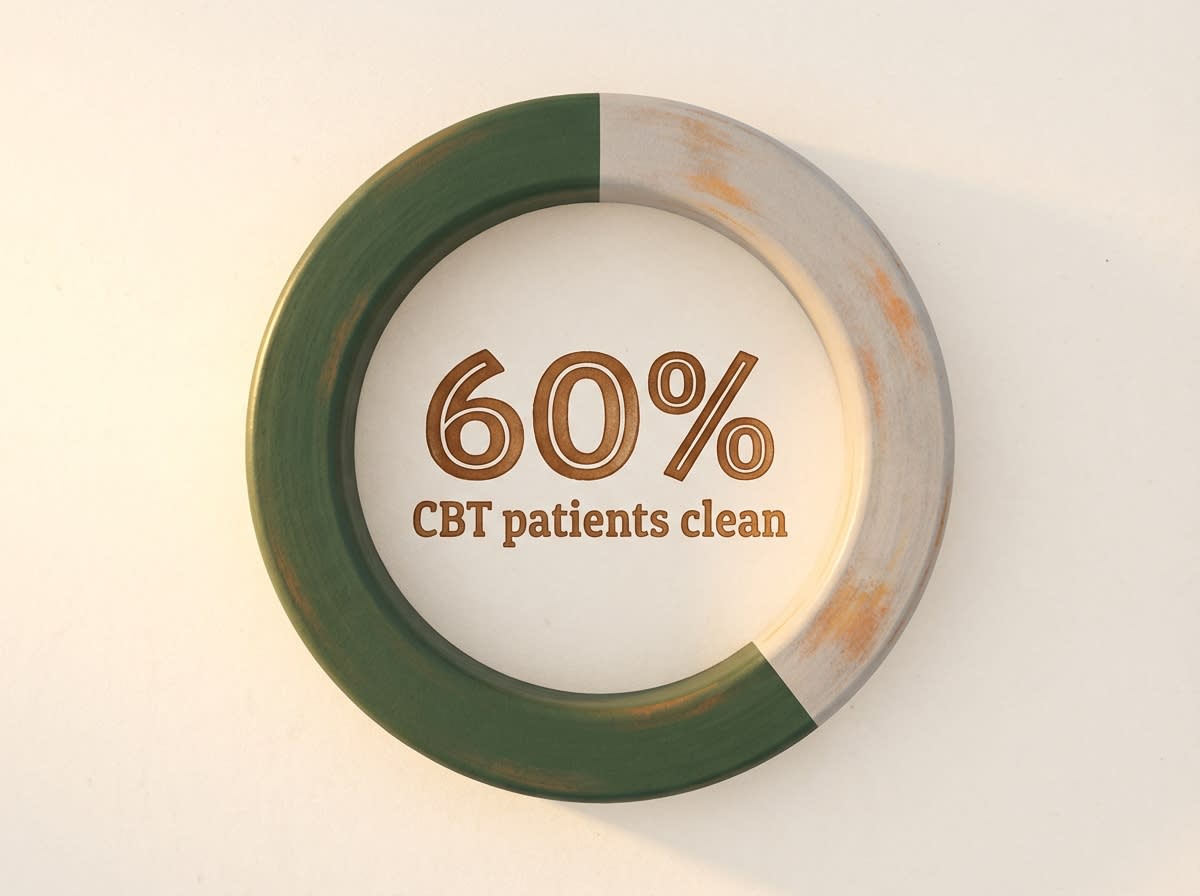
When it comes to long-lasting recovery, CBT stands out. Studies have shown that 60% of people who completed a CBT program had clean toxicology screens one year later2. This suggests that the skills learned in CBT continue to work long after sessions end, providing a durable toolkit for preventing relapse.
Type 2: Medication-Assisted Treatment (MAT)
Medication-Assisted Treatment (MAT) combines FDA-approved medications with counseling to treat addiction disorders. This research-supported approach addresses both the physical and psychological aspects of addiction. MAT works by normalizing brain chemistry, blocking the euphoric effects of substances, and relieving physiological cravings.
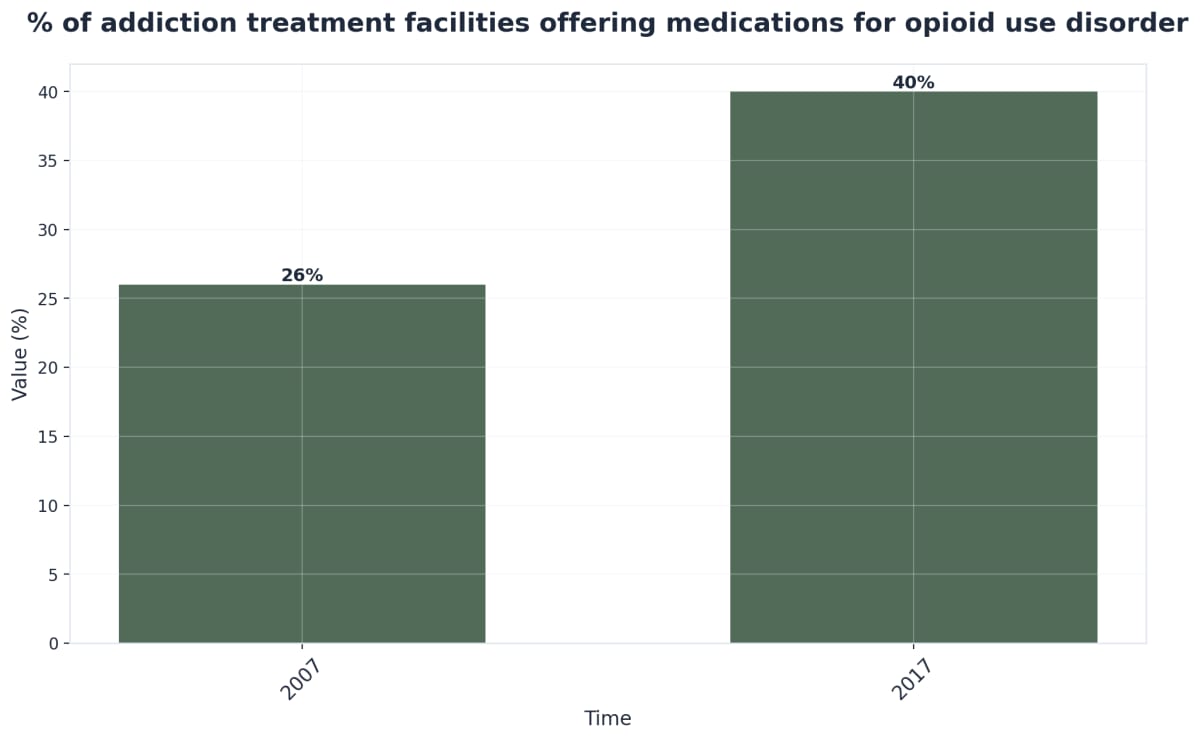
Research consistently demonstrates that MAT increases retention in treatment programs and reduces the risk of relapse3. You are more likely to stay engaged in therapy when you aren’t battling intense physical withdrawal symptoms. This stability creates the foundation you need to focus on the psychological work of recovery.
Three FDA-Approved Medications
At Rocky Mountain Treatment Center, we utilize proven medications to support your journey:
- Methadone: Balances brain chemistry and reduces cravings.
- Buprenorphine: Lessens withdrawal symptoms and lowers misuse risk.
- Naltrexone: Blocks the effects of opioids and alcohol to prevent relapse.
Dispelling MAT Misconceptions
A common myth is that MAT just swaps one addiction for another. In reality, these medications do not create a “high” when used as prescribed—they restore balance so you can focus on recovery. Research confirms MAT is one of the most effective evidence-based approaches for opioid and alcohol use disorders3.
Type 3: Motivational Interviewing (MI)
Motivational Interviewing is a collaborative conversation that helps you discover your own reasons for change. Unlike traditional therapy where a counselor might direct you, this approach recognizes you as the expert on your own life. Your therapist acts as a guide, supporting you as you explore your mixed feelings about recovery.
Building Intrinsic Motivation
MI helps you tap into “intrinsic motivation”—your internal desire to get better. At Rocky Mountain Treatment Center, we invite you to share what matters most to you. This self-driven motivation makes treatment for substance use disorders more effective because the commitment comes from within you. Research shows that when you feel heard and respected, you are more likely to stick with your recovery plan4.
Type 4: Contingency Management
Contingency Management (CM) takes a practical, reward-based approach. It operates on a simple principle: positive behaviors receive positive reinforcement. When you meet specific milestones—like attending therapy or providing a drug-free test—you earn tangible rewards. This immediate feedback creates powerful motivation to maintain sobriety.
The Science of Positive Reinforcement
When you earn a reward for healthy choices, your brain begins to associate recovery with good feelings. Studies show that people using CM are 2.4 times more likely to have drug-free urine tests during treatment compared to those who don’t use this approach5. It is particularly effective for stimulant use disorders where no FDA-approved medications currently exist.
Type 5: Family Therapy
Addiction doesn’t just affect the individual; it impacts the entire family system. Family therapy brings your loved ones into the treatment process to address relationship dynamics and rebuild trust. At Rocky Mountain Treatment Center, these sessions create a safe space where everyone can express their feelings and learn how to support recovery without compromising their own well-being.
Healing Relationships During Recovery
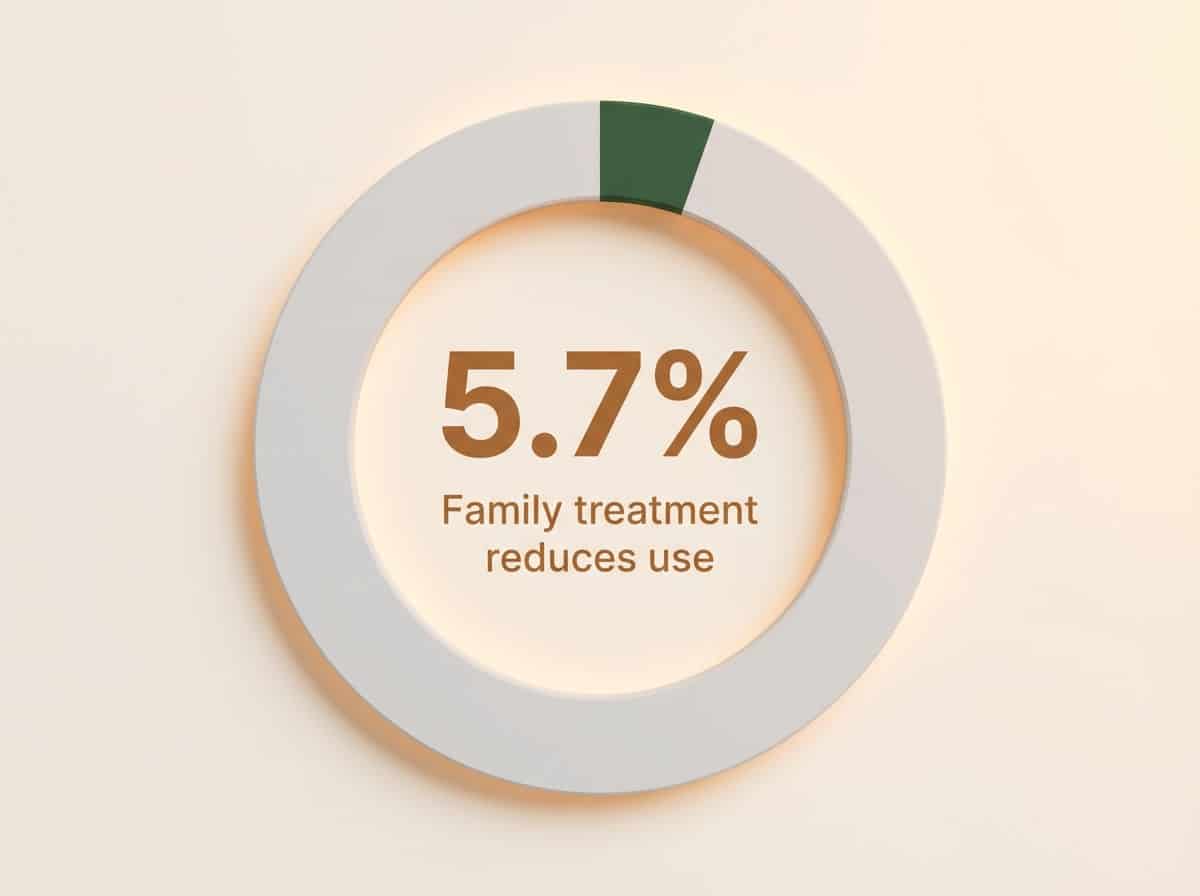
Research shows that involving family can lower the chances of relapse and improve communication6. Family-focused addiction therapy gives you and your loved ones a platform to set healthy boundaries and repair past damage. These changes make the whole family unit stronger and provide you with a sustainable support network.
Type 6: Group Therapy
Group therapy brings together individuals facing similar challenges in a supportive environment. Instead of one-on-one sessions, you meet with peers who truly understand what you are going through. This setting reduces isolation and provides a unique opportunity to practice social skills and receive feedback in real-time.
The Power of Peer Support
Hearing others share honest stories helps you realize you aren’t alone. Peer encouragement is proven to boost motivation and build confidence. Research indicates that group settings help people develop healthy behaviors by learning from—and cheering on—each other7.
Type 7: Dialectical Behavior Therapy (DBT)
Dialectical Behavior Therapy (DBT) combines cognitive behavioral techniques with mindfulness. It focuses on balancing acceptance and change. You learn to accept your current emotions while working to change unhelpful patterns. This is particularly effective for individuals who experience intense emotions or struggle with dual diagnosis.
Managing Emotions and Cravings
DBT teaches skills like distress tolerance and emotion regulation. Learning to pause and accept emotions, instead of reacting impulsively, helps you ride out cravings without giving in. Research shows DBT improves retention in treatment and leads to significant reductions in substance use8.
Type 8: Experiential Therapies
Experiential therapies take a hands-on approach, engaging the body and senses. These methods recognize that trauma and addiction often live in the physical self. Common options include equine therapy, art therapy, and adventure therapy.
Equine-Assisted Therapy Benefits
Working with horses can reveal emotional patterns that are difficult to talk about. Horses respond to your feelings in real-time, acting as a mirror for your internal state. This helps build trust, self-esteem, and healthy boundaries in a non-judgmental environment8.
Combining Types of Treatment for Drug Addiction for Success
The journey to recovery isn’t one-size-fits-all. Most people benefit from combining multiple therapeutic approaches. Research consistently demonstrates that integrated treatment plans—blending therapies like CBT with medication and group support—produce better outcomes than standalone treatments.
| Treatment Type | Primary Focus | Best For |
|---|---|---|
| CBT | Thoughts & Behaviors | Identifying triggers and preventing relapse |
| MAT | Physical Cravings | Opioid and Alcohol Use Disorders |
| Family Therapy | Relationships | Rebuilding trust and support systems |
| DBT | Emotional Regulation | Dual diagnosis and high stress |
At Rocky Mountain Treatment Center, we work with you to create a personalized mix. Whether you need the structure of inpatient rehab or the flexibility of outpatient care, the right combination of therapies provides the foundation for lasting recovery.
Frequently Asked Questions
What is the most effective treatment?
There isn’t a single “most effective” treatment for everyone because the best results come from blending several types of treatment for drug addiction. Research shows that combining proven therapies—like medication-assisted treatment, behavioral counseling, and support from family or groups—leads to better and longer-lasting recovery than using just one approach8. At Rocky Mountain Treatment Center, your care team creates a personal plan that fits your needs.
How long does addiction treatment take?
The length of addiction treatment depends on your personal needs. Many people start with a short-term program (like 30 days), but research shows that longer treatment—at least 90 days—leads to better recovery and lower relapse rates8. We help you find the right timeline, whether you need detox, inpatient rehab, or outpatient care.
Does insurance cover these treatments?
Yes, many insurance plans help cover the types of treatment for drug addiction, including counseling and MAT. Coverage varies by provider. At Rocky Mountain Treatment Center, our team is happy to help you understand your insurance benefits and what services are included.
Can I combine different treatment types?
Yes, combining treatments is often the best approach. Using several addiction therapy options together helps cover all important parts of recovery, from cravings to coping skills. Studies show that people who pair multiple evidence-based treatments see better results8.
Will medication-assisted treatment just replace one addiction with another?
No. Medications like methadone and buprenorphine are prescribed to restore healthy brain chemistry, not to create a “high.” Research shows that MAT helps people stay in treatment longer and lowers the risk of relapse, making it a key tool in evidence-based addiction therapy3.
What happens if I’ve been through treatment before and relapsed?
Relapse is not a failure; it’s a sign that the treatment plan needs adjusting. Many people need multiple rounds of treatment. Trying again with different types of treatment for drug addiction, or combining approaches, often leads to better results8.
Are there specific treatments for methamphetamine addiction?
Yes. Contingency management (CM) is highly effective for stimulant use disorders. It rewards you for healthy choices and has been shown to make you 2.4 times more likely to stay drug-free during treatment5.
How involved will my family be?
Family involvement is encouraged at Rocky Mountain Treatment Center. Research shows that when families participate in therapy, everyone learns to communicate better, rebuilding trust and lowering the risk of relapse9.
Is there treatment for dual diagnosis?
Yes. Therapies like Dialectical Behavior Therapy (DBT) are designed to address both substance use disorders and mental health conditions like depression or anxiety. Treating both simultaneously leads to better improvements in both areas8.
What support is available after treatment?
Aftercare planning includes ongoing counseling, peer support groups, and check-ins. Staying connected to therapy through booster sessions greatly improves long-term recovery8.
References
- Cognitive-Behavioral Therapy for Substance Use Disorders – NIH. https://pmc.ncbi.nlm.nih.gov/articles/PMC2897895/
- Cognitive-Behavioral Therapy for Substance Use Disorders – NIH. https://pmc.ncbi.nlm.nih.gov/articles/PMC2897895/
- Medication-Assisted Treatment FAQ. https://dph.illinois.gov/topics-services/opioids/treatment/mat-faq.html
- USING MOTIVATIONAL INTERVIEWING – Advisory 35. https://library.samhsa.gov/sites/default/files/PEP20-02-02-014.pdf
- Contingency Management for Adults with Substance Use Disorder. https://www.chcs.org/resource/contingency-management-for-adults-with-substance-use-disorder/
- THE IMPORTANCE OF FAMILY THERAPY IN SUBSTANCE USE DISORDER TREATMENT. https://library.samhsa.gov/sites/default/files/pep20-02-02-016.pdf
- 2 Types of Groups Commonly Used in Substance Abuse Treatment. https://www.ncbi.nlm.nih.gov/books/NBK64214/
- Evidence-based practices for substance use disorders. https://pmc.ncbi.nlm.nih.gov/articles/PMC3678283/
- Family Involvement in Treatment and Recovery for Substance Use. https://pmc.ncbi.nlm.nih.gov/articles/PMC8380649/