
Key Takeaways: Choosing Your Path
- Decision Guide: If you prefer structured teamwork and routine, choose Horse-Assisted Therapy (HAT). If you need deep emotional processing with a clinician, choose Equine-Assisted Psychotherapy (EAP).
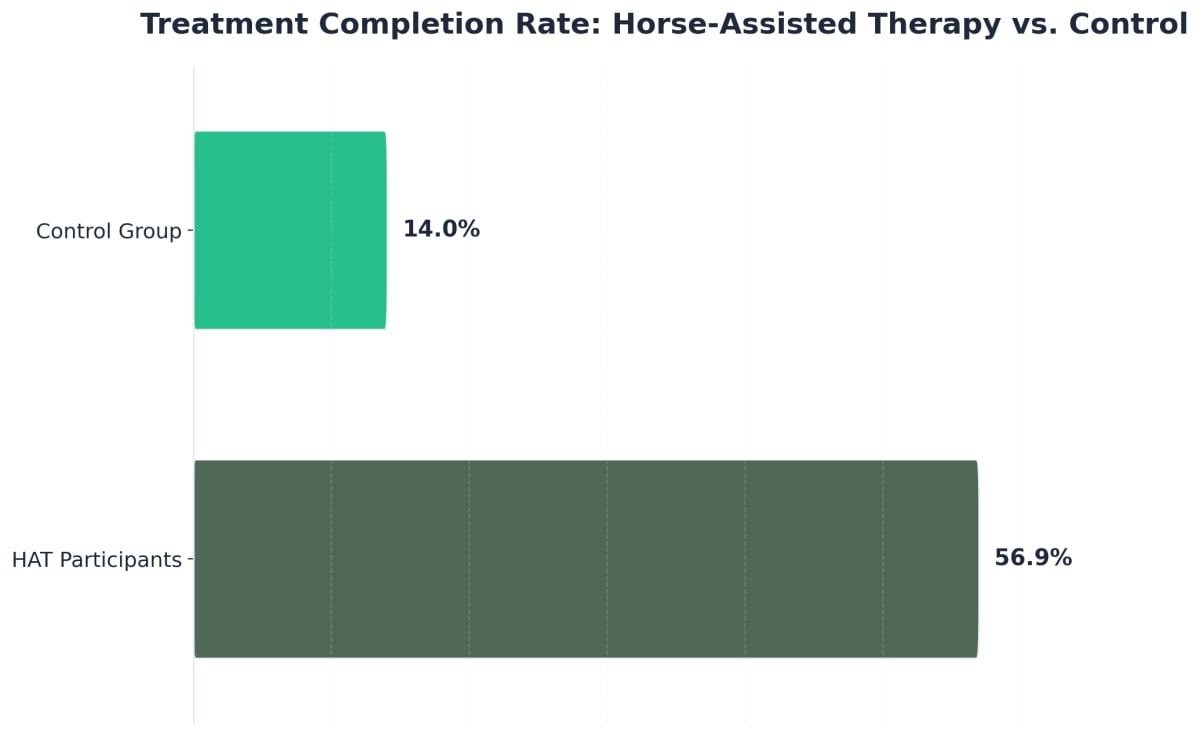
- Success Metrics: Participants in horse-assisted programs are up to 8x more likely to complete addiction treatment compared to standard care1.
- Immediate Action: Use the self-assessment in Section 3 to determine your readiness, then search for PATH International certified providers in your area.
How Types of Equine Therapy Work in Addiction Treatment
When exploring the different types of equine therapy, working with horses in addiction treatment creates a unique healing environment where you work alongside these animals under the guidance of trained professionals. Unlike traditional talk therapy, this experiential approach engages you physically and emotionally, helping you develop crucial recovery skills through hands-on activities with these intuitive creatures.
During sessions at Rocky Mountain Treatment Center, you’ll participate in activities like grooming, leading, and caring for horses—not necessarily riding them. These seemingly simple tasks require you to be present, calm, and aware of your body language and emotions. Horses respond immediately to your energy and intentions, providing real-time feedback that helps you recognize patterns in your behavior and emotional responses.
“The therapeutic process works because horses mirror human emotions without judgment. When you approach a horse feeling anxious or disconnected, the horse may become restless or step away.”
As you learn to regulate your emotions and communicate clearly, the horse responds with trust and cooperation. This immediate feedback loop helps you build self-awareness, emotional regulation, and healthy relationship skills—all essential for lasting recovery. Licensed therapists integrate these interactions into your overall treatment plan, helping you process insights gained during sessions and apply them to your recovery journey.
The Science Behind Horse-Human Connection
Let’s break down why the bond between people and horses is so powerful in addiction recovery. Scientists have found that horses are highly attuned to our body language and emotions. When you interact with a horse, even just brushing or leading it, your brain starts to change in measurable ways.
For example, spending time with horses can increase your serotonin by about 5%, a chemical that helps you feel calm and positive. At the same time, stress hormones like cortisol drop and oxytocin—the “connection” hormone—goes up, making you feel more at ease and open to healing7.
At Rocky Mountain Treatment Center, these brain and body shifts are part of what makes equine therapy so unique. Every session is designed to help you practice new ways of managing feelings and reactions, all while getting honest feedback from a gentle animal that doesn’t judge. This approach works best when you want therapy that goes beyond talking and helps you experience real emotional change.
Why Horses Make Effective Co-Therapists
Horses stand out as co-therapists because of their natural sensitivity and honest reactions. Unlike people, horses don’t hide how they feel—they instantly mirror your mood, energy, or stress. This helps you spot patterns in your own behavior and practice new ways of interacting, all in a safe space. Many people in recovery say these real-time, non-judgmental responses help them build self-confidence and stay motivated during tough moments2.
At Rocky Mountain Treatment Center, you’ll notice that our horses aren’t just animals—they’re partners in your healing journey. They help break down barriers faster than traditional talk therapy alone, especially for those who find it hard to open up. You don’t need horse experience; just a willingness to try. Research shows people using this approach report stronger bonds, higher self-efficacy (that’s your belief in your ability to succeed), and better emotional control2.
Main Types of Equine Therapy Services
Equine-assisted services encompass several distinct approaches, each designed to address different aspects of healing and recovery. Understanding these variations can help you identify which type best aligns with your addiction treatment goals.
| Therapy Type | Primary Focus | Typical Activity |
|---|---|---|
| Equine-Assisted Psychotherapy (EAP) | Clinical mental health & trauma processing | Groundwork, obstacle courses, guided reflection (No riding) |
| Equine-Assisted Learning (EAL) | Life skills & leadership development | Problem-solving tasks, team movement of horses |
| Therapeutic Riding | Physical coordination & emotional regulation | Mounted horsemanship, balance exercises |
Equine-Assisted Psychotherapy (EAP) integrates traditional mental health therapy with horse interactions. Licensed therapists guide sessions where you engage in ground activities with horses—no riding involved. For example, you might work with a therapist to lead a horse through an obstacle course, processing how your communication style affects the horse’s response—mirroring how you interact with people in recovery.
Equine-Assisted Learning (EAL) focuses on building life skills rather than addressing clinical issues. Through problem-solving activities with horses, you develop leadership abilities, communication skills, and self-confidence that translate directly to maintaining sobriety in everyday situations. You might participate in activities like grooming a horse while practicing mindfulness, or working as a team to move a horse from one area to another without using force.
Therapeutic Riding combines physical activity with emotional benefits particularly valuable in addiction recovery. Under professional instruction, you learn horsemanship while building core strength, balance, and coordination. The rhythmic motion and connection with the horse create a calming effect that reduces cravings and anxiety, supporting mental wellness during the challenging early stages of recovery.
Equine-Assisted Psychotherapy (EAP)
Let’s break down Equine-Assisted Psychotherapy (EAP) with a simple self-check tool:
- Do you prefer therapy that’s active, not just talk-based?
- Are you working on emotional growth or mental health challenges?
- Would you like real-time, honest feedback in a safe environment?
EAP is a type of equine therapy where you and a licensed therapist work alongside a horse, focusing on emotional discovery and problem-solving. There’s no riding involved—activities usually include observation, groundwork (like leading or grooming), and guided reflection. This makes EAP accessible for people of all abilities.
At Rocky Mountain Treatment Center, EAP sessions help you explore feelings and behaviors in a hands-on way. Horses react to your mood and actions, offering instant, non-judgmental responses. Research shows EAP can produce mental health benefits similar to traditional therapy, with improvements of 18–23% in psychological wellness for at-risk youth3.
Horse-Assisted Therapy (HAT) Programs
Let’s take a close look at what makes Horse-Assisted Therapy (HAT) unique for addiction recovery at Rocky Mountain Treatment Center:
- Are you looking for hands-on, practical activities in your therapy?
- Do you want to experience teamwork and responsibility with animals?
- Would you benefit from a supportive group setting?
HAT is a type of equine therapy where you participate in daily horse care—grooming, leading, feeding, and stable chores—right alongside peers and professionals. There’s no pressure to ride; most activities are on the ground, making the program accessible to all. These real-world tasks build trust, boost confidence, and help you develop routines—skills that can make life after treatment easier.
At Rocky Mountain Treatment Center, HAT is woven into group recovery work, so you’re not just building connection with horses but also with others in your program. This approach works best when you want structure, community, and gentle feedback from both animals and people. Research shows that HAT participants are 8 times more likely to complete treatment than those who don’t take part in these programs1.
Self-Assessment: Are These Types of Equine Therapy Right for You?
Equine therapy isn’t for everyone—and that’s okay. Understanding whether this approach fits your recovery needs helps you make the best choice for your healing journey. Before diving into horse-assisted therapy, take a moment to evaluate whether this approach aligns with your needs and circumstances using this quick self-assessment:
- I’m open to experiential, non-traditional therapeutic methods
- I’m comfortable around large animals or willing to work through initial nervousness
- I want to develop emotional regulation and self-awareness skills
- I learn best through hands-on experiences rather than just talking
- I’m seeking support for anxiety, trauma, depression, or relationship challenges
Consider the therapeutic goals you’re pursuing. This intervention excels at addressing anxiety, depression, trauma, relationship challenges, and behavioral issues. If you’re seeking support for emotional regulation, building confidence, or improving communication skills, this approach may be particularly beneficial. Those recovering from addiction or managing PTSD often find the experiential nature of horse-based therapy creates breakthroughs that traditional talk therapy alone doesn’t achieve.
That said, equine therapy might not be the best fit in certain situations. If you have a severe horse phobia that triggers panic attacks, the stress may outweigh therapeutic benefits—at least initially. Certain physical limitations or health conditions may also require careful consideration, though many programs offer groundwork activities that don’t require riding.
Decision Framework for Choosing Your Path
Let’s walk through a simple decision tool to help you pick the right path among the types of equine therapy available at Rocky Mountain Treatment Center:
- If you want hands-on activities and teamwork in a group: Horse-Assisted Therapy (HAT) might be your best fit. HAT is great for those who value routine, responsibility, and connecting with peers through daily horse care. Many find that this approach builds confidence and helps them stick with recovery1.
- If you prefer guided self-reflection with a therapist and a horse (no riding required): Equine-Assisted Psychotherapy (EAP) is likely the right choice. EAP is designed for those who want to explore emotions, work on mental health, and receive instant, honest feedback in a safe setting. Studies show EAP can boost psychological wellness by up to 23% in some groups3.
This framework suits anyone who wants a clear, supportive way to match personal goals with the right program. At Rocky Mountain Treatment Center, our team is ready to help you talk through these options and create a plan that fits.
Understanding Costs and Accessibility
Let’s break down what you can expect when it comes to costs and how easy it is to access the different types of equine therapy at Rocky Mountain Treatment Center.
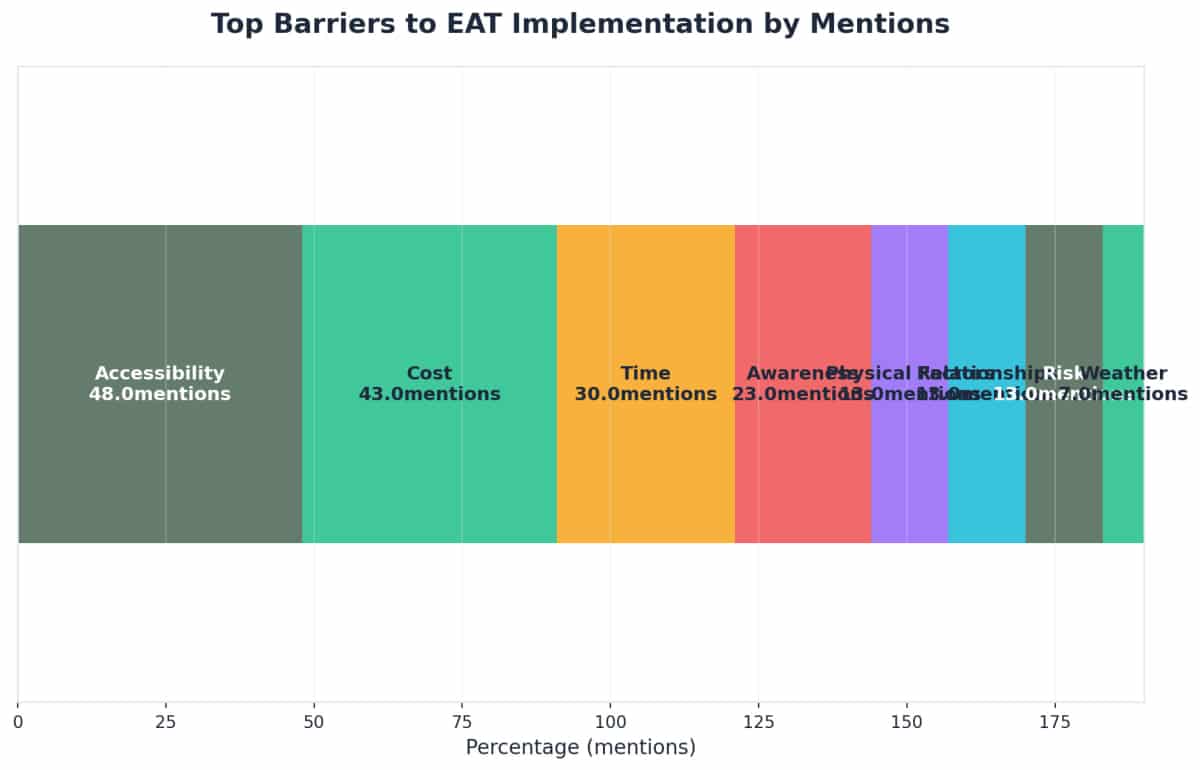
- Cost: Most private equine-assisted psychotherapy sessions range from $75 to $200 each, with group sessions often costing 20–40% less6.
- Insurance: Insurance rarely covers these treatments, so many clients pay out of pocket or seek financial assistance through grants or nonprofit support6.
- Time: Commitment is flexible: some people attend once a week, while others join intensive programs as part of their addiction recovery.
- Access: Challenges can include limited program availability, transportation, and physical access for those with mobility needs5.
At Rocky Mountain Treatment Center, we work to make the main types of equine therapy as welcoming as possible—regardless of your prior experience with horses or therapy. Our staff can help you explore payment options and will guide you through program choices that match your comfort level and schedule.
Your Next 30 Days: Implementation Pathways
Starting this horse-centered therapeutic approach doesn’t require months of planning. You can take meaningful steps within the next 30 days to explore this treatment modality.
- Week 1: Research and Connection. Reach out to local programs offering horse-assisted therapy to schedule facility tours. Ask about their therapeutic approaches, staff credentials, and typical session structures. Many programs offer introductory sessions where you can meet the horses and therapists before committing to regular treatment.
- Week 2: Consult Healthcare Providers. Share what you’ve learned about this horse-based intervention and discuss how it might complement the existing treatment plan you’re following. Their insights can help you identify specific goals to address through this modality.
- Week 3: The Trial Period. Schedule a first session and approach it with openness and curiosity. Pay attention to how you feel during and after the experience. Notice which activities resonate most and what challenges emerge.
- Week 4: Informed Decision. By now, you’ll have enough information to make an informed decision. If the experience feels beneficial, work together with the therapist to establish a regular schedule. Most clients find that weekly or bi-weekly sessions provide the consistency needed for meaningful progress.
Week-by-Week Action Plan for Recovery
To make your recovery journey feel manageable, here’s a practical week-by-week action plan that guides you through your first month with the types of equine therapy at Rocky Mountain Treatment Center.

Weekly Recovery Action Tool
- Week 1: Meet your therapist and the horses. Focus on building comfort—simple activities like grooming or leading a horse help you ease into the routine. Set a small personal goal for the week, such as practicing trust or noticing your body’s reactions.
- Week 2: Begin structured activities—maybe a group exercise or a guided reflection with your horse partner. Notice how the horse responds to your mood and actions. This is a good time to start tracking your feelings after each session.
- Week 3: Deepen your skills. You might take on more responsibility (like helping with stable chores) if you’re in HAT, or explore deeper emotions in EAP. Many clients report a boost in confidence and motivation at this stage2.
- Week 4: Reflect on your progress and share insights with your therapist or group. Adjust your personal goals for the next month. By now, you’ll likely feel more comfortable and notice positive changes—research shows that sticking with these programs increases your chance of completing addiction treatment by over 8 times1.
Resource Planning and Timeline Expectations
Planning ahead for the resources and time you’ll need can make your first month with the types of equine therapy smooth and stress-free. Here’s a quick resource planning tool to help you get started:
- Budget: Plan for $75–$200 per private session; group sessions are 20–40% less6.
- Time: Set aside 60–90 minutes per session, plus travel time.
- Logistics: Search for equine therapy near me or contact Rocky Mountain Treatment Center directly. Discuss any physical needs with staff5.
- Gear: Bring comfortable clothes that can get dusty—no special gear required.
Rocky Mountain Treatment Center is dedicated to making all types of equine therapy as welcoming as possible, no matter your background or experience. While costs and access can be barriers for some, our team will help you explore financial support options and design a plan that fits your life6.
Frequently Asked Questions
Will my insurance cover equine therapy sessions?
Insurance coverage for equine therapy sessions is, unfortunately, quite limited. Most private health insurance plans do not cover the cost of equine-assisted psychotherapy or horse-assisted therapy sessions, even when these are part of a licensed addiction treatment program6. That means you’ll likely need to pay out of pocket for most types of equine therapy at Rocky Mountain Treatment Center. Typical session costs range from $75 to $200 each, and group sessions may be 20–40% less expensive6.
Some clients are able to find help through grants, nonprofit support, or flexible payment plans offered by therapy providers. If you’re concerned about the cost, the team at Rocky Mountain Treatment Center will work with you to explore financial options and make these unique therapies as accessible as possible.
Do I need any horse experience to benefit from equine therapy?
No horse experience is needed to benefit from equine therapy at Rocky Mountain Treatment Center. All of the main types of equine therapy—like Equine-Assisted Psychotherapy (EAP) and Horse-Assisted Therapy (HAT)—are designed for beginners as well as those with equestrian backgrounds. Our certified therapists and equine specialists guide you step-by-step, making sure you feel comfortable and safe around the horses from day one.
Sessions usually start with simple activities such as grooming, leading, or observing the horses. These interactions help you build trust and confidence, even if you’ve never been near a horse before. Research shows that the most important factors are your openness to the experience and willingness to participate, not previous horse knowledge2.
How does equine therapy compare to traditional talk therapy for addiction?
Equine therapy offers a hands-on, interactive alternative to traditional talk therapy for addiction, and both can play important roles in your recovery. While talk therapy (like counseling or cognitive behavioral therapy) focuses on conversation and reflection with a trained therapist, types of equine therapy at Rocky Mountain Treatment Center add the unique element of working directly with horses. This creates opportunities to learn through action—such as grooming, leading, or simply being present with the horse.
Recent research shows that for many people, equine-assisted psychotherapy produces improvements in emotional wellbeing and resilience that are similar to what’s seen in traditional therapy, with gains of 18–23% in mental health measures for at-risk groups3. The big difference is how the experience feels: horses provide immediate, honest feedback without judgment.
What if I’m physically unable to ride a horse?
You don’t need to worry if riding a horse isn’t possible for you—most types of equine therapy at Rocky Mountain Treatment Center are designed to be fully accessible, even if you have limited mobility. The focus is on ground-based activities like grooming, leading, and connecting with horses through observation and gentle interaction. These experiences can provide the same emotional and therapeutic benefits as riding, such as building trust, improving self-esteem, and practicing new coping skills5.
How do I find a qualified equine therapy provider?
Finding a qualified equine therapy provider is all about making sure you’ll get safe, effective care from trained professionals. Start by checking for certifications from organizations like PATH International, which sets national standards and requires both written and hands-on exams for equine-assisted service providers10. You’ll want to look for therapists or centers that are open about their credentials and have experience with the specific types of equine therapy you’re interested in.
At Rocky Mountain Treatment Center, our certified team is dedicated to providing trustworthy, results-focused care in a welcoming setting. If you’re in Montana, you can reach out directly to Rocky Mountain Treatment Center to learn more about our certified programs.
Can equine therapy help if I’ve relapsed after previous treatment?
Yes, equine therapy can offer real support if you’ve relapsed after previous addiction treatment. Returning to recovery after a setback can feel discouraging, but the types of equine therapy at Rocky Mountain Treatment Center are designed to help you reconnect with motivation and build new skills in a non-judgmental space. Horses respond honestly to your emotions and actions, which can help you notice patterns and practice coping strategies in real time.
Research shows that people who participate in horse-assisted therapy are over 8 times more likely to complete their treatment than those in standard programs, which means sticking with recovery is more possible—even if you’ve struggled before1.
What happens during a typical equine therapy session?
A typical equine therapy session at Rocky Mountain Treatment Center is welcoming, structured, and hands-on—no horse experience required. You’ll usually start by meeting with a certified therapist and equine specialist who guide you through each step. Most sessions take place in a calm, outdoor setting and last around 60–90 minutes. Activities focus on building trust and connection, both with yourself and the horse.
The horse responds to your mood and actions in real time, offering honest, non-judgmental feedback that helps you practice coping skills and emotional regulation. There’s rarely any riding—groundwork is the focus for most types of equine therapy, making it accessible for everyone. Research shows that these sessions can help reduce stress and boost motivation for recovery, thanks to the unique bond you form with the horse2.
Starting Your Recovery Journey in Montana
Taking the first step toward equine-assisted therapy is a courageous decision, and finding the right program sets the foundation for meaningful healing. Whether you’re exploring this approach for yourself or a loved one, knowing what to look for in a quality equine therapy program helps you make informed decisions about your recovery journey.
Begin by verifying that facilities hold proper certifications. Look for PATH International (Professional Association of Therapeutic Horsemanship) accreditation, which ensures safety standards and ethical practices. Ask about therapist credentials—EAGALA (Equine Assisted Growth and Learning Association) certification or similar qualifications indicate specialized training in combining mental health treatment with equine interaction.
Inquire specifically about their approach to addiction recovery: How do they structure sessions? What’s their philosophy on using horses as healing partners? How do they integrate equine work with evidence-based addiction treatment? During initial consultations, ask about their experience with your specific situation, whether that involves co-occurring mental health conditions, trauma history, or particular substance dependencies.
Quality programs will clearly explain what to expect in your first sessions—typically groundwork activities focused on building awareness and connection rather than riding. When you’re ready to explore this transformative approach, reach out to certified programs and trust your instincts about which environment feels right for your healing journey.
References
- Substance use disorder treatment retention and completion: a prospective study of horse-assisted therapy (HAT) for young adults. https://pmc.ncbi.nlm.nih.gov/articles/PMC4672500/
- Equine-assisted services for individuals with substance use disorders: A scoping review. https://pmc.ncbi.nlm.nih.gov/articles/PMC9749232/
- At-risk youth receive similar benefits from equine-assisted psychotherapy as traditional psychotherapy. https://www.frontiersin.org/journals/psychiatry/articles/10.3389/fpsyt.2025.1518783/full
- Neural changes following equine-assisted therapy for posttraumatic stress disorder. https://pmc.ncbi.nlm.nih.gov/articles/PMC7978114/
- Unbridled Healing: Identifying the Barriers of Equine-Assisted Therapy. https://scholarworks.uark.edu/cgi/viewcontent.cgi?article=1019&context=hdfsrsuht
- How Much Does Equine Therapy Cost? – Eagala. https://www.eagala.org/blog/equine-therapy-cost/
- Characterizing stress during animal interaction: a focus on equine-assisted services—a brief review. https://frontiersin.org/journals/veterinary-science/articles/10.3389/fvets.2023.1303354/full
- Substance Use Disorder Treatment: Complementary Approaches – VA Whole Health. https://www.va.gov/WHOLEHEALTHLIBRARY/tools/substance-use-disorder-treatment-complementary-approaches.asp
- More Than Just a Break from Treatment: How Substance Use Disorder Patients Experience the Stable Environment in Horse-Assisted Therapy. https://pmc.ncbi.nlm.nih.gov/articles/PMC5054942/
- PATH International Certification Information. https://pathintl.org/certification/