
Key Takeaways: Your Recovery Roadmap
- Assess Your Situation: If you find yourself needing larger doses to feel normal or are unable to stop despite negative consequences, professional intervention is likely required.
- Success Factors: The most effective recovery plans include Medication-Assisted Treatment (MAT) for at least 12 months, combined with behavioral therapy and family support.
- Immediate Action: Don’t wait for “rock bottom.” Call a specialist today to verify your insurance benefits—most plans cover addiction treatment under mental health parity laws.
Understanding Why You Need Opioid Addiction Help
Self-Assessment: Has Your Brain Chemistry Changed?
Before diving into the science, ask yourself these three questions to see if your brain’s reward system has been compromised:- Do you need more of the substance to get the same relief (tolerance)?
- Do you feel physically ill or anxious when you haven’t used for a few hours (withdrawal)?
- Have you tried to cut back on your own but found yourself unable to stick to it (loss of control)?
Opioid addiction isn’t a moral failing or a lack of willpower—it’s a chronic medical condition that fundamentally changes how your brain functions. When you are seeking opioid addiction help, it is vital to understand that repeated use of prescription painkillers or illicit drugs hijacks your brain’s reward system. This creates powerful physical and psychological dependencies that are incredibly difficult to overcome alone.
Here’s what happens in your brain: Opioids flood your system with dopamine, creating intense feelings of pleasure and relief. Over time, your brain adapts by reducing its natural dopamine production and becoming less responsive to the drug. This means you need increasingly larger doses to feel normal, not just to get high. Your brain literally rewires itself around the substance.
“It’s not about weakness—it’s about biology. Your brain sends overwhelming signals to continue using, affecting judgment and decision-making.”
This rewiring affects the areas of your brain responsible for judgment, decision-making, learning, memory, and behavior control. That’s why even when you desperately want to quit, your brain sends overwhelming signals to continue using. Understanding addiction as a brain disorder is crucial because it shifts treatment from a purely behavioral approach to a comprehensive medical one. Effective recovery requires addressing both the physical changes in your brain and the behavioral patterns that developed alongside them. That’s where evidence-based treatment approaches make all the difference in your journey to recovery.
How Opioids Rewire Your Brain’s Pathways
Opioids have a sneaky way of changing your brain, and it all comes down to how they mess with your natural reward system. When you use opioids, your brain gets flooded with feel-good chemicals. Over time, your brain starts to rely on the drug to feel any pleasure at all. This makes everyday joys—like spending time with friends or enjoying a good meal—feel less exciting. Instead, your brain gets stuck chasing that opioid high.
Scientists now know that repeated opioid use actually changes the structure and function of the brain, especially in areas that control decisions and self-control. This is why quitting can feel nearly impossible, even when you really want to stop. The good news? Your brain has a built-in ability to heal, called neuroplasticity, which means these changes aren’t permanent with the right help4.
At Rocky Mountain Treatment Center, we use proven therapies to support your brain’s healing process. If you’re looking for opioid addiction help that truly understands the science behind recovery, our team is here to guide you. Next, you’ll see why determination alone isn’t enough to break the cycle.
Why Willpower Alone Isn’t Enough for Recovery
If you’ve ever wondered why just trying harder or using willpower hasn’t worked, you’re not alone. Opioid addiction rewires your brain’s pathways, so cravings and habits can override even the strongest determination. This isn’t about weakness—it’s a medical condition that changes how you process rewards and make choices4.
Imagine trying to push a car uphill, but the brakes are locked. That’s how willpower feels against opioid addiction. Repeated opioid use can make your brain depend on the drug to feel normal, making it much harder to quit without help. Studies show that people who only try to stop opioids on their own face relapse rates over 90% within months, while those who get evidence-based treatment are much more likely to recover1.
At Rocky Mountain Treatment Center, we don’t expect you to fight this battle alone. Real opioid addiction help combines medical care, therapy, and community support—giving you every tool you need to heal, not just the hope that willpower will be enough.
Medication-Assisted Treatment: A Core Part of Opioid Addiction Help
When you’re ready to begin recovery, medication-assisted treatment (MAT) offers the strongest foundation for success. This approach combines FDA-approved medications with counseling and behavioral therapies to treat opioid use disorder comprehensively. To help you understand your options, here is a comparison of the most common medications used:
| Medication | How It Works | Best For |
|---|---|---|
| Methadone | Full agonist; reduces cravings and withdrawal without the high. | Patients needing high structure; daily clinic visits required. |
| Buprenorphine (Suboxone) | Partial agonist; lowers overdose risk and cravings. | Patients needing flexibility; can often be taken at home. |
| Naltrexone (Vivitrol) | Antagonist; blocks opioid receptors entirely. | Patients who have already completed detox and want to prevent relapse. |
MAT works by normalizing brain chemistry, blocking the euphoric effects of opioids, and relieving physiological cravings without producing the high associated with misuse. Think of it as giving your brain the support it needs to heal while you focus on rebuilding your life. Depending on your individual needs, you may use MAT for several months, multiple years, or even indefinitely—just as someone with diabetes might require ongoing insulin therapy.
Let’s address a common concern directly: MAT is not “replacing one drug with another.” This misconception prevents many people from accessing life-saving treatment. MAT medications are prescribed at stable, therapeutic doses that don’t produce euphoria. They allow your brain to function normally while you develop the skills and support systems needed for lasting recovery. This is medicine working exactly as intended—treating a medical condition.
Research from the Substance Abuse and Mental Health Services Administration (SAMHSA) shows that MAT reduces overdose deaths by approximately 50% and significantly improves treatment retention compared to behavioral therapy alone. The right medication depends on your unique situation, medical history, and recovery goals. A comprehensive treatment program will help you determine which option aligns best with your path forward.
How Buprenorphine Reduces Overdose Risk by 76%
Buprenorphine is one of the most effective tools available for opioid addiction help, and the science behind it is both fascinating and reassuring. Here’s how it works: buprenorphine is a medication that gently attaches to the same brain receptors as opioids, but it doesn’t give you the same high. Instead, it stops withdrawal symptoms and blocks cravings, making the process of recovery much more manageable.
A major reason buprenorphine stands out is its safety profile. Even a moderate daily dose (4mg) can fill about half of the brain’s opioid receptors, helping to ease urges and prevent relapse. With higher doses, it blocks up to 80% of those receptors, making it very hard for other opioids—like heroin or fentanyl—to have any effect at all3. What’s truly remarkable: people who use buprenorphine as part of their treatment are 76% less likely to die from an overdose in the first three months compared to those who go without this medication1.
At Rocky Mountain Treatment Center, we use buprenorphine as a cornerstone of our medication-assisted treatment. It’s not about swapping one addiction for another—it’s about giving your brain a real chance to heal while you work on building a healthier future. If you’re searching for opioid addiction help that saves lives, buprenorphine might be your strongest first step.
What to Expect During Medically Monitored Detox
Starting medically monitored detox might sound intimidating, but you’re not alone in this step. Detox is your body’s way of clearing opioids, and it’s often the first part of opioid addiction help at Rocky Mountain Treatment Center. During detox, trained medical staff watch over you around the clock to keep you safe and as comfortable as possible. They use medicines approved by the FDA to ease withdrawal symptoms like chills, anxiety, and muscle aches. This way, you don’t have to face the hardest days without support.
One big worry people have is about withdrawal being painful or dangerous. While withdrawal symptoms are real, having a medical team by your side means you get relief quickly if things get tough. That’s why, at Rocky Mountain Treatment Center, detox is just the beginning—we help you transition smoothly into ongoing care, so you’re set up for real, lasting progress.
Behavioral Therapies That Address Root Causes
Therapy Decision Matrix: Which Approach Fits You?
- If you struggle with negative self-talk: Cognitive Behavioral Therapy (CBT) helps reframe those thoughts.
- If you feel overwhelmed by emotions: Dialectical Behavior Therapy (DBT) teaches distress tolerance.
- If you feel ambivalent about quitting: Motivational Interviewing helps you find your own “why.”
While medication helps stabilize your physical symptoms, behavioral therapies dig deeper to understand why you turned to substances in the first place. These evidence-based approaches give you practical tools to reshape thought patterns, manage triggers, and build healthier coping mechanisms that last long after treatment ends.
Cognitive Behavioral Therapy (CBT) stands out as one of the most effective options. You’ll work with a therapist to identify negative thinking patterns that fuel addictive behaviors, then learn strategies to interrupt and replace them. Many people discover that their substance use was masking underlying issues like anxiety, trauma, or depression—addressing these root causes becomes essential to lasting recovery.
Dialectical Behavior Therapy (DBT) teaches you four key skill sets: mindfulness, distress tolerance, emotion regulation, and interpersonal effectiveness. These skills help you navigate difficult emotions without reaching for substances as a quick fix. Motivational interviewing helps you find your own reasons for change rather than feeling pressured by others. This collaborative approach respects your autonomy while strengthening your commitment to recovery.
The most successful treatment programs combine these behavioral therapies with medication support, creating a comprehensive approach that addresses both your mind and body. You deserve care that treats the whole person, not just the symptoms.
Cognitive-Behavioral Therapy for Lasting Change
Cognitive-Behavioral Therapy (CBT) is one of the most trusted ways to build lasting change during opioid addiction recovery. At its heart, CBT helps you spot the patterns in your thoughts and actions that keep you stuck. For example, you might notice that stress or certain places make you want to use opioids. In CBT, you’ll work with a caring therapist to break down these triggers and learn practical ways to respond differently.
What’s great about CBT is that it’s not just about talking—it’s about practicing real-life skills. You’ll learn how to challenge negative thoughts, handle cravings, and plan for tricky situations so you don’t fall back into old habits. Research shows that CBT is effective for reducing substance use and that its benefits last over time, helping many people stay on the path to recovery11.
At Rocky Mountain Treatment Center, our team uses CBT as part of the opioid addiction help we offer. We guide you step by step, so you can build confidence and healthier routines. Next, let’s see how support from family can make your recovery even stronger.
Why Family Involvement Strengthens Your Recovery
Recovery from opioid addiction isn’t something you have to do alone. In fact, involving your family can make your progress stronger and more lasting. When those closest to you understand what you’re going through, they can offer encouragement, help you avoid triggers, and celebrate each step forward. Family therapy and support are proven to boost treatment success, helping everyone learn new ways to communicate and solve problems together.
At Rocky Mountain Treatment Center, we welcome families into the healing process because we know how much it matters. Family involvement can:
- Improve your chances of staying in treatment
- Lower stress and misunderstandings at home
- Give loved ones tools to support your recovery
- Help repair trust and rebuild healthy relationships
Research shows that family-based therapy leads to better engagement, fewer relapses, and stronger relationships over time9. The journey isn’t just about you—it’s about building a support system that will stand with you, both during and after treatment. If you’re looking for opioid addiction help that truly supports your whole family, our team is here to guide every step.
Building Recovery Capital Through Community Support
While clinical therapies provide the essential foundation for addressing substance use disorders, your long-term success depends equally on the resources and support systems you build within your community. Recovery capital refers to the internal and external resources that support your journey toward lasting sobriety.
Consider someone six months into recovery: they might have developed internal capital through learning stress management techniques and building confidence in their ability to navigate triggers, while simultaneously building external capital by securing a job, reconnecting with supportive family members, and establishing a network of sober friends.
Peer support groups offer invaluable connections with others who understand your experiences firsthand. Whether through 12-step programs, SMART Recovery, or other mutual aid groups, these communities provide accountability, encouragement, and practical wisdom from those who’ve walked similar paths. Many people find that helping others in their recovery journey strengthens their own commitment to sobriety.
Treatment programs that emphasize community integration prepare you for life beyond clinical care. This includes connecting you with local recovery resources, teaching you how to build sober social networks, and helping you develop meaningful routines that support wellness. By combining professional treatment with strong community ties, you create multiple layers of support that reinforce your recovery every day.
Accessing Opioid Addiction Help in Montana
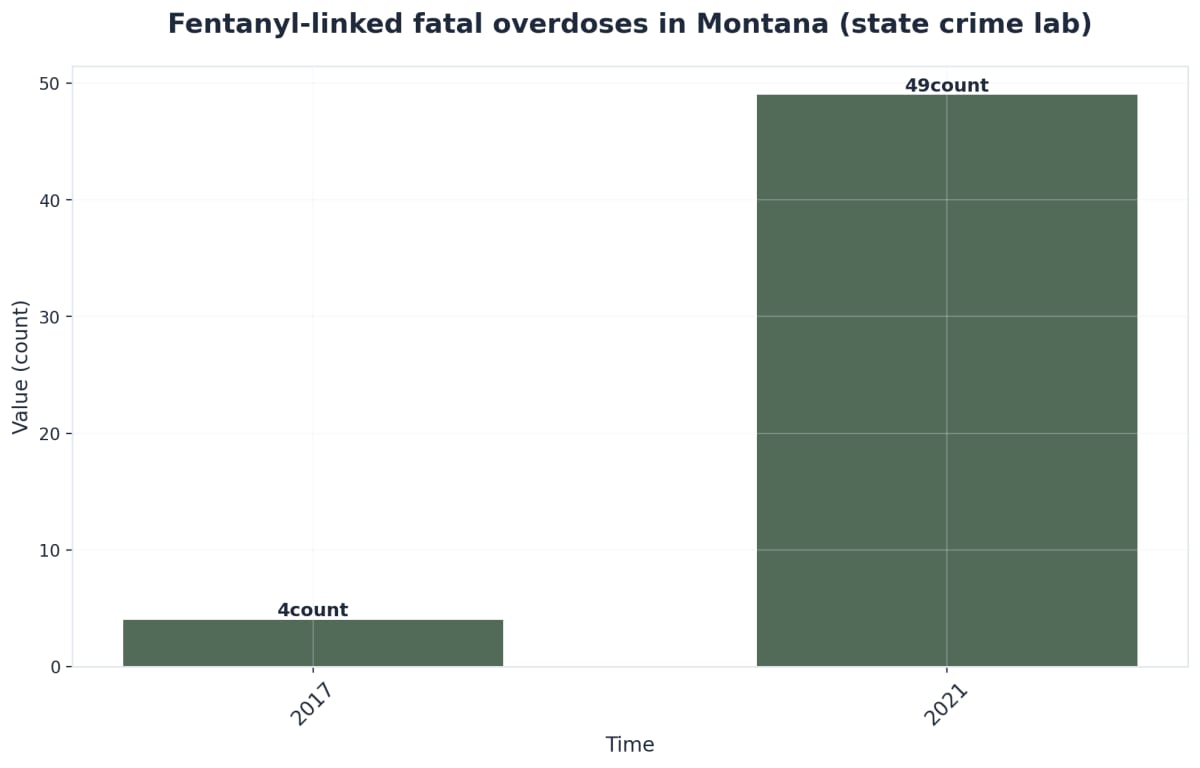
If you’re searching for opioid addiction help in Montana, you might feel lost about where to start. It’s common to run into challenges like stigma, a shortage of local providers, or confusing insurance steps. But you are not alone, and there are resources right here in Montana to support your recovery journey.
Rocky Mountain Treatment Center offers a welcoming place for Montanans seeking evidence-based care. We provide medication-assisted treatment, counseling, and peer support—all under one roof. Recent changes in federal law have also made it easier for Montana residents to access lifesaving medications like buprenorphine by expanding who can prescribe them7. Plus, Montana’s Medicaid expansion has helped more people get treatment, with states that expanded Medicaid seeing a 200% increase in prescriptions for opioid treatment medications compared to states that didn’t7.
If you’re not sure what steps to take next, our team can guide you through the process, from verifying insurance coverage to connecting you with peer recovery specialists. Finding opioid addiction help in Montana is possible—and reaching out is a strong first step toward lasting recovery.
Aftercare Programs That Prevent Relapse Long-Term
Finishing treatment is a huge milestone, but real-life challenges don’t just disappear after you leave a program. That’s where aftercare comes in. Aftercare programs give you ongoing support and structure, helping you stay on track and avoid relapse as you rebuild your life. Research shows that people who continue with aftercare—like regular check-ins, counseling, or support groups—have much better chances of staying in recovery for the long haul8.
At Rocky Mountain Treatment Center, our aftercare plans are shaped around your needs. You might join a weekly relapse prevention group, connect with a peer recovery coach, or take part in community events that keep you feeling supported. Here’s a quick look at the pros and cons:
- Pros: Keeps you connected to a strong support network; helps catch warning signs early; builds confidence and recovery skills.
- Cons: Takes ongoing commitment and time; support options may vary by location.
If you’re seeking opioid addiction help that lasts, aftercare is your safety net and springboard for long-term success8.
Frequently Asked Questions
How long does addiction treatment typically take?
Treatment duration varies based on your individual needs and the level of care required. Outpatient programs typically run 8-12 weeks with sessions several times per week, while intensive outpatient (IOP) programs last 6-8 weeks with more frequent sessions. Residential treatment programs usually range from 30 to 90 days, with some extended care options lasting up to six months.
Will my insurance cover addiction treatment?
Most major insurance providers cover addiction treatment services under mental health and substance use disorder benefits, thanks to the Mental Health Parity and Addiction Equity Act. To verify your specific coverage, call the member services number on your insurance card and ask about your behavioral health benefits, including copays, deductibles, and any pre-authorization requirements. Treatment centers can also conduct a free benefits verification for you.
Is my treatment information confidential from my employer?
Yes, your addiction treatment records are protected by federal law under 42 CFR Part 2, which provides stricter confidentiality protections than standard medical privacy laws. Treatment centers cannot disclose that you’re receiving services without your written consent, and your employer cannot access your treatment information. If you’re using employer-sponsored insurance, your employer will not receive details about the specific services you’re receiving.
What happens if I relapse during or after treatment?
Relapse is often part of the recovery process and doesn’t mean treatment has failed. If you relapse during treatment, your care team will reassess your treatment plan and may recommend a higher level of care or additional support services. After completing a program, most treatment centers offer continuing care options, alumni programs, and crisis support to help you get back on track quickly if relapse occurs.
Can I continue working while in treatment?
Many treatment options allow you to maintain work commitments. Outpatient programs typically schedule sessions during evening hours or weekends to accommodate work schedules. Intensive outpatient programs (IOP) usually meet 3-4 days per week for several hours, which some people manage alongside full-time work. Residential programs require time away from work, but you may be able to use FMLA (Family and Medical Leave Act) protections to preserve your job.
What does treatment cost if I’m paying out-of-pocket?
Without insurance, outpatient treatment typically costs $1,400-$10,000 for a full program, while intensive outpatient programs range from $3,000-$10,000. Residential treatment is more expensive, generally ranging from $6,000-$20,000 for 30 days at standard facilities, though luxury centers can cost significantly more. Many treatment centers offer sliding-scale fees based on income, payment plans, or can connect you with state-funded programs if cost is a barrier.
How do I convince a loved one to accept opioid addiction treatment?
It can be heartbreaking to watch someone you care about struggle with opioid addiction, especially when they don’t see the need for treatment. The truth is, convincing a loved one to accept opioid addiction help takes patience and empathy. Start by having an honest, caring conversation—focus on your concern for their well-being, not on blame. Use “I” statements, such as “I’m worried about your health,” rather than “You have a problem.”
Expect some resistance; stigma and fear often make people hesitate to seek treatment6. Try to listen without judgment, and offer information about how opioid addiction is a medical condition, not a moral failing4. Let them know there are safe, proven treatments—like the ones at Rocky Mountain Treatment Center—that focus on healing both the mind and body. Sometimes, sharing real stories of recovery or inviting them to meet with a counselor can help lower fears.
Remember, you can’t force someone into recovery, but gentle support and open communication can be the first step toward accepting opioid addiction help.
Will my insurance cover medication-assisted treatment for opioid addiction?
You’re probably wondering if your insurance will cover medication-assisted treatment (MAT) for opioid addiction. The answer is often yes—most private insurance plans, Medicaid, and even Medicare now cover MAT, including medications like buprenorphine and methadone. Federal laws require insurance companies to offer mental health and substance use treatment benefits that are comparable to other medical care. However, there can still be obstacles: some plans may need prior authorization, or might only cover certain medications or providers, leading to frustrating delays7.
At Rocky Mountain Treatment Center, our team helps you navigate insurance questions and paperwork so you can focus on getting well. Medicaid expansion, for example, has helped increase access to opioid addiction help, with states seeing a 200% rise in prescriptions for treatment medications when they expanded coverage7. If you’re unsure about your coverage, let us check your benefits and guide you through your options—finding help should never be out of reach.
What happens if I relapse after completing treatment?
It’s common to feel discouraged if you experience a relapse after finishing treatment, but relapse does not mean you’ve failed. Opioid addiction is a chronic brain disorder, and setbacks are often part of the recovery journey. Many people need several tries before they find lasting stability4. If you relapse, try to reach out for opioid addiction help as soon as possible—don’t wait or feel ashamed. At Rocky Mountain Treatment Center, we treat relapse as a signal that you may need extra support or a new approach, not as a reason to give up. We’ll help you look at what led to the setback, adjust your treatment plan, and reconnect you with therapy, medication, or community support as needed. Remember, recovery is a process, and each step, even after a slip, brings you closer to your goals.
How long does medication-assisted treatment typically last?
The length of medication-assisted treatment (MAT) for opioid addiction is different for everyone. Some people benefit from MAT for several months, while others may need it for years or even long-term to feel stable and avoid relapse. There’s no strict timeline—what matters most is your comfort, safety, and progress in recovery. Medical experts and studies agree that staying on medications like buprenorphine or methadone for at least 12 months can greatly reduce overdose risk and improve your chances of lasting recovery1.
At Rocky Mountain Treatment Center, your care team checks in with you regularly to see how you’re feeling and if you’re ready to make any changes. You’ll never be rushed—decisions about stopping or continuing MAT are made together, based on your goals and well-being. Remember, getting opioid addiction help is about building a foundation for the life you want, not following a one-size-fits-all rule.
Can I work or attend school while in outpatient opioid addiction treatment?
Yes, you can usually work or attend school while taking part in outpatient opioid addiction treatment. Outpatient programs at Rocky Mountain Treatment Center are designed to fit into your daily life, so you can keep up with important responsibilities like a job or classes. You’ll attend scheduled therapy sessions or medical check-ins around your work or school hours, and our team helps you build routines that support both recovery and your goals outside of treatment.
Some people find it helpful to talk with their employer or school about their treatment schedule, while others prefer to keep it private. Outpatient care gives you the flexibility to manage treatment and stay active in your community, which can boost your confidence and sense of normalcy. Studies show that staying connected to work or school improves recovery outcomes and helps people stick with opioid addiction help over time7.
If you’re worried about balancing both, our counselors can help you make a plan that works for you. Recovery is possible—and it doesn’t mean putting your life on hold.
Is medication-assisted treatment just replacing one addiction with another?
This is a common concern, but medication-assisted treatment (MAT) is not just swapping one addiction for another. Medications like buprenorphine or methadone are given at controlled doses and under medical supervision to help stabilize your brain, reduce cravings, and prevent risky withdrawal symptoms. These medicines do not create the same “high” or compulsive need as street opioids. Instead, they support your recovery so you can focus on counseling, rebuilding relationships, and daily life. Research shows MAT can lower the risk of fatal overdose by up to 76% in the first three months and greatly improves your chances of staying in recovery1.
At Rocky Mountain Treatment Center, our team uses MAT as a tool for healing, not as a replacement for one problem with another. If you’re looking for opioid addiction help that gives you a real chance at long-term recovery, MAT is a proven, life-saving option.
How do treatment programs address co-occurring mental health conditions alongside opioid addiction?
Treatment programs like those at Rocky Mountain Treatment Center understand that opioid addiction and mental health issues often go hand in hand. This is called having co-occurring, or dual, diagnoses. In fact, research shows that about 36 to 40 percent of people getting help for substance use disorders also have serious mental health conditions, like depression or anxiety1.
When you come in for opioid addiction help, our team does a full assessment to spot any mental health concerns right away. We build your treatment plan to include both medication for opioid addiction and therapy for your mental health needs—sometimes even with specialized counselors or psychiatric care. This way, you get support for all the challenges you’re facing, not just one part. Treating both at the same time leads to better results and a smoother recovery journey. If you’re worried about your mental health while seeking opioid addiction help, know that you’ll get care for your whole self—not just your symptoms—every step of the way at Rocky Mountain Treatment Center.
Your Path Forward Starts With One Call
Taking the first step toward recovery from opioid addiction doesn’t have to feel overwhelming. Whether you’re struggling with prescription painkillers, heroin, or fentanyl, professional treatment programs offer real solutions that can help you reclaim your life and build a future free from dependency.
The journey begins with a simple phone call. When you reach out to a treatment center, a compassionate intake specialist will listen without judgment, answer your questions, and explain your options. Come prepared with basic information: your substance use history, any medications you’re currently taking, your insurance details, and whether you need immediate medical detox. Don’t worry if you don’t have all the answers—they’ll guide you through the process step by step.
Many people feel anxious about making that first call, worried about cost, time commitment, or what others might think. These concerns are completely normal. Ask treatment centers about their payment options, insurance coverage, outpatient versus inpatient programs, and aftercare support. Understanding what to expect—from the intake assessment to the treatment approach to the length of the program—can ease your anxiety and help you make an informed decision.
Ready to start your recovery journey? Reach out to a qualified treatment program today. Whether you call a national helpline, contact your doctor, or research local facilities, that first conversation is your gateway to healing. Your path to feeling healthier, rebuilding relationships, and rediscovering purpose is just one call away.
References
- 2025 Report on substance use and treatment. https://www.ama-assn.org/press-center/ama-press-releases/ama-2025-report-substance-use-and-treatment
- Comparative effectiveness of different treatment pathways for opioid use disorder. https://jamanetwork.com/journals/jamanetworkopen/fullarticle/2760032
- Buprenorphine and naloxone. https://www.ncbi.nlm.nih.gov/books/NBK603725/
- Guiding principles for addressing the stigma on opioid addiction. https://americanhealth.jhu.edu/news/guiding-principles-addressing-stigma-opioid-addiction
- Mayor Adams announces opioid overdose deaths in city drop significantly. https://www.nyc.gov/mayors-office/news/2025/10/mayor-adams-announces-opioid-overdose-deaths-in-city-drop-signif
- Stigma and discrimination. https://nida.nih.gov/research-topics/stigma-discrimination
- Improving access to evidence-based medical treatment for opioid use disorder. https://nam.edu/perspectives/improving-access-to-evidence-based-medical-treatment-for-opioid-use-disorder-strategies-to-address-key-barriers-within-the-treatment-system/
- Introduction to peer support services for people with substance use disorders. https://www.ncbi.nlm.nih.gov/books/NBK596266/
- The importance of family therapy in substance use disorder treatment. https://library.samhsa.gov/sites/default/files/pep20-02-02-016.pdf
- Polysubstance use: A dangerous fourth wave in the opioid crisis. https://healthcity.bmc.org/polysubstance-use-dangerous-fourth-wave-opioid-crisis/”
- Behavioral therapies for drug abuse. https://pmc.ncbi.nlm.nih.gov/articles/PMC2897895/