
Key Steps for Finding Inpatient Treatment Near Me
- A list of substances used and frequency of use.
- Your insurance card and policy information.
- A list of any current medical or mental health symptoms.
- A phone or computer to research and contact facilities.
- Assess your specific treatment needs (detox, dual diagnosis, etc.).
- Research and compare accredited facilities.
- Navigate insurance coverage and financial options.
- Evaluate the quality of aftercare and family support.
Step 1: Assess Your Needs for Inpatient Treatment Near Me
Finding the right inpatient treatment near me can feel like a big mountain to climb, but taking it one step at a time makes it much easier. Before you start calling facilities, take a moment to honestly look at what you need. This self-assessment is the foundation for finding a program that fits your life and gives you the best chance at lasting recovery.
Start by asking yourself a few important questions about your situation:
- Substance Use: Do you feel sick or shaky when you stop using? This might mean you need medical detox.
- Daily Life: Is your home environment stressful or triggering? If so, a residential program that gives you a break from daily life might be best.
- Mental Health: Do you also struggle with anxiety, depression, or trauma? You will want a program that treats these alongside addiction.
- Past Attempts: Have you tried treatment before? Think about what worked and what didn’t so you can try a new approach.
Finally, think about what makes you feel safe and motivated. Do you prefer group settings or one-on-one talks? Are you interested in holistic tools like yoga or art? Understanding these preferences helps you find a place, like Rocky Mountain Treatment Center, where you can truly engage in healing.
Identify Your Substance Use Pattern
To get the most out of searching for inpatient treatment near me, it’s helpful to understand your own substance use pattern. Start by writing down which substances you use—alcohol, prescription pills, or other drugs—and how often you use them. Try to be honest with yourself about your daily or weekly habits.
Noticing if your use has changed over time, or if you need more to feel the same effects, is a key step. This process can feel uncomfortable, but it’s a sign you’re taking your recovery seriously. At Rocky Mountain Treatment Center, our team encourages you to bring this information when you reach out. It helps us guide you to the best residential rehab or addiction program for your situation. Research shows that carefully identifying your use leads to better care and outcomes.3
Recognize Physical Dependence Signs
One of the most important things you can do when looking for inpatient treatment near me is to spot signs of physical dependence on substances. This means noticing if your body has gotten used to alcohol, prescription pills, or drugs. For example, you might feel shaky, anxious, or sick when you haven’t used in a while.
Needing more of a substance to feel its effects or feeling withdrawal symptoms are both signs that your body is dependent. These signs can be easy to miss, especially if they’ve built up slowly over time. At Rocky Mountain Treatment Center, we help you recognize these patterns so you can share them during your assessment. Research shows that people who receive a full evaluation for physical dependence are much more likely to get the right addiction treatment and have better results.3 Noticing these changes in your body is a brave step, and it helps you match with a residential rehab or detox program that truly fits your needs.
Document Co-Occurring Mental Health
It’s just as important to write down any mental health symptoms you notice as it is to track your substance use pattern. Many people searching for inpatient treatment near me also deal with things like anxiety, depression, mood swings, or trouble sleeping. These symptoms can sometimes overlap with withdrawal or substance effects, so listing them clearly will help your care team see the full picture.
Research shows that people with both addiction and mental health conditions need a treatment plan that addresses both issues at the same time for the best results.3 At Rocky Mountain Treatment Center, our programs are designed for individuals with co-occurring disorders, offering support for both your emotional and recovery needs. Bringing a list of your symptoms—like feeling sad often, panic attacks, or changes in appetite—makes it easier for the staff to match you with the right dual diagnosis treatment or residential program.
Determine Required Level of Care
Once you have a clearer sense of your substance use and mental health needs, it’s time to decide what level of care you’ll need from inpatient treatment near me. Levels of care range from medically monitored detox to residential programs and can even include less intensive options like day treatment.
The right match depends on how severe your symptoms are, whether you have co-occurring mental health issues, and how much support you need to stay safe and make progress. At Rocky Mountain Treatment Center, we use tools like the ASAM Criteria to guide this decision, making sure you get the safest and most effective care possible.6 Research shows that people who are matched with the correct intensity of residential treatment or detox have a better chance at long-term recovery.6 Next, we’ll look at exactly how these professional placement standards work and why they matter for your journey.
Understanding ASAM Criteria Standards
When you search for inpatient treatment near me, you might hear about something called the ASAM Criteria. This set of standards helps professionals decide which level of addiction care is safest and most helpful for you. The ASAM Criteria looks at six areas of your life, including your health, mental state, living situation, and how ready you are for change.
Each area gets special attention so nothing important is missed. At Rocky Mountain Treatment Center, we use the ASAM Criteria to make sure your treatment plan fits your real needs, not a one-size-fits-all approach. Studies show that using these standards leads to better matching and results for people entering residential treatment or detox programs.6 If you’re unsure what to expect, just remember: this process is all about finding what works best for you.
When Medically Monitored Detox Matters
Sometimes, starting inpatient treatment near me means you’ll need a medically monitored detox first. This is most important if you use substances like alcohol, benzodiazepines, or opioids, where stopping suddenly can be risky to your health. During medically supervised detox, doctors and nurses check your vital signs, help manage withdrawal symptoms, and keep you safe around the clock.
This step lowers the chance of dangerous complications and helps prepare your body for the next part of recovery.10 At Rocky Mountain Treatment Center, we make sure you get the right level of support from the very beginning, so you can safely move from detox into residential care or another addiction program. Research shows that people who move directly from detox into ongoing substance abuse treatment are far more likely to succeed in recovery.10 If you notice withdrawal symptoms or feel worried about stopping on your own, choosing a program with on-site medical detox is the safest choice for your journey.
Step 2: Research Facilities for Inpatient Treatment Near Me
Once you understand what type of care best fits your situation, it’s time to explore your options. This research phase helps you find facilities that align with your specific requirements and recovery goals. Start by creating a list of potential rehab programs in your area or regions you’re willing to travel to.
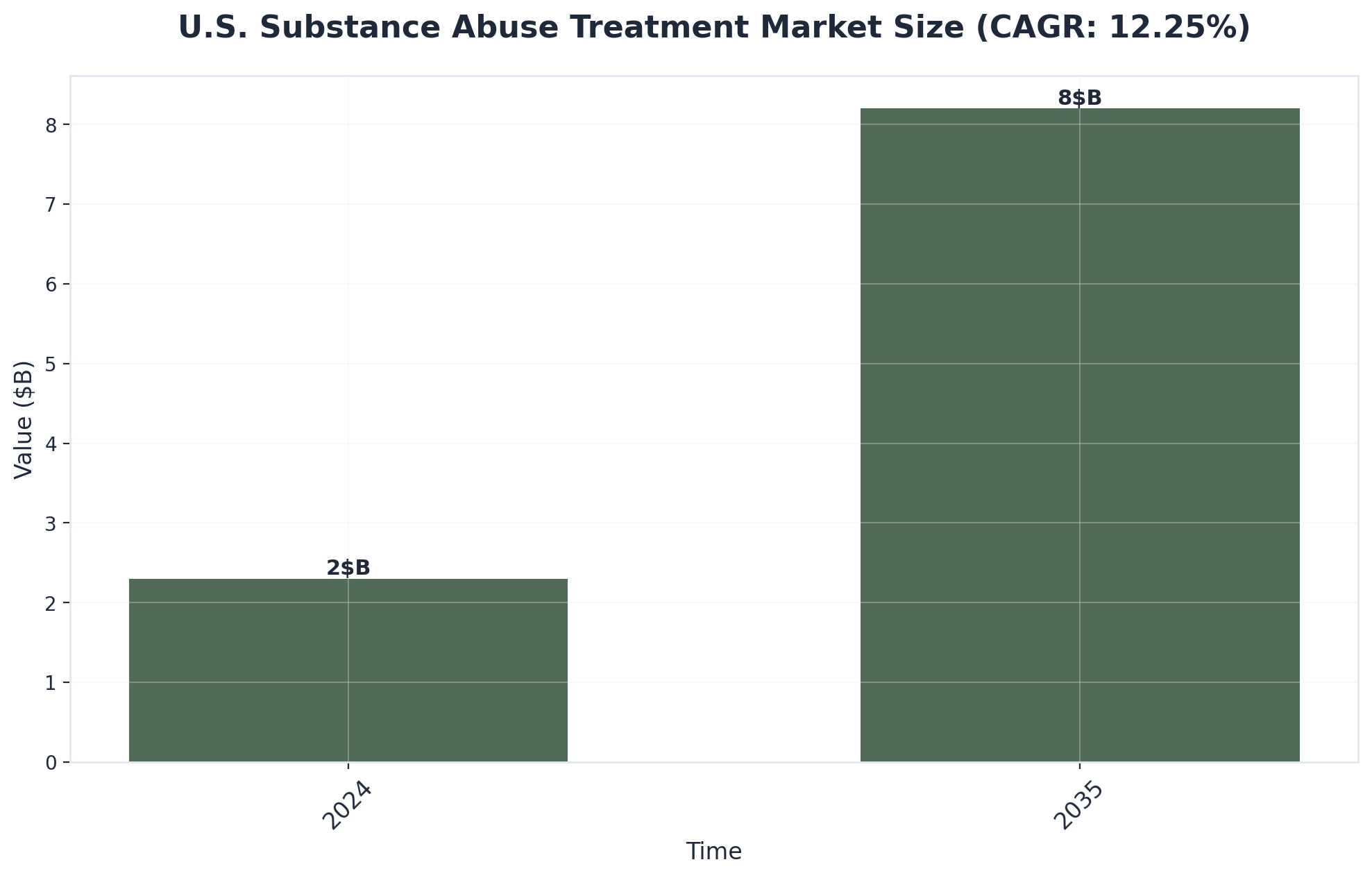
Many people find success with local programs that keep them close to support systems, while others benefit from the fresh start that comes with traveling to a different location. Consider what environment will best support your recovery journey. Look for facilities that specialize in treating your primary concerns. If you’re dealing with co-occurring psychiatric conditions alongside substance use, seek programs with dual diagnosis expertise.
Verify each facility’s credentials and accreditation status. Legitimate rehab facilities hold licenses from state health departments and accreditations from organizations like The Joint Commission or CARF International. These credentials indicate that a facility meets established standards for care quality and safety. Read reviews and testimonials, but approach them thoughtfully. While personal experiences provide valuable insights, remember that recovery is highly individual.
Don’t hesitate to contact facilities directly with questions. Ask about their treatment philosophies, staff-to-client ratios, daily schedules, and what makes their program unique. Quality recovery programs welcome inquiries and provide transparent information about their services. Consider visiting top-choice facilities if possible. A tour gives you firsthand insight into the environment, staff interactions, and overall atmosphere.
Verify Credentials and Accreditation
Verifying credentials and accreditation is a key step when choosing an inpatient treatment near me. You want to feel confident that your care is safe and meets high standards. Start by checking if the facility is licensed by the state, which means it follows important safety and treatment rules. Next, look for national accreditation from organizations like The Joint Commission or CARF.
These groups inspect addiction rehab centers to make sure they meet strict quality guidelines. At Rocky Mountain Treatment Center, we’re proud to be fully licensed and accredited, so you know you’re in good hands. Research shows that people who choose accredited residential programs have better recovery outcomes because these places use proven treatment methods and employ skilled professionals.2 When you pick a center with the right credentials, you’re making a strong choice for your journey.
Check State Licensing Requirements
When you’re searching for inpatient treatment near me, checking a center’s state license is one of the simplest ways to know you’re looking at a safe and legal program. Each state has its own rules for addiction rehab and residential treatment, and a license means the facility meets important standards, like building safety, staff training, and health inspections.
You can usually find out if a facility is licensed by visiting your state’s health department website or asking the treatment center directly. At Rocky Mountain Treatment Center, we openly share our state licensing details so you can feel confident in your choice. Facilities that follow these rules are more likely to use proven approaches and offer a higher level of care for people struggling with substance abuse or dual diagnosis concerns. According to national data, licensed and accredited centers deliver better recovery outcomes for their clients.2
Evaluate Staff Qualifications
Evaluating staff qualifications is a smart move when narrowing down your options for inpatient treatment near me. You’ll want to know that the people caring for you or your loved one have the right training and experience. Look for centers like Rocky Mountain Treatment Center that employ licensed addiction counselors, doctors, nurses, and therapists with backgrounds in substance use and mental health care.
Staff with certifications in addiction treatment or dual diagnosis are more likely to use up-to-date and proven approaches. Facilities with well-qualified teams can better handle complex cases and support long-term recovery. In fact, national research confirms that accredited residential programs with skilled professionals lead to better outcomes for people with substance abuse or co-occurring disorders.2 Checking the staff’s credentials gives you peace of mind and shows that the treatment center takes your recovery seriously.
Compare Treatment Approaches Offered
Once you’ve checked the credentials of a facility, it’s time to look closely at the types of treatment they offer. Not all inpatient treatment near me programs are the same—some focus mostly on proven therapies like cognitive behavioral therapy or medication support, while others also include holistic options such as art, yoga, or mindfulness.
At Rocky Mountain Treatment Center, we combine evidence-based addiction rehab with supportive therapies to give you the best chance at lasting recovery. Studies show that using proven approaches and matching programs to your unique needs can make a real difference in outcomes.3 When comparing different residential treatment centers or dual diagnosis programs, ask about what therapies are available and how the staff will create a plan just for you.
Evidence-Based vs. Holistic Therapies
When exploring inpatient treatment near me, you’ll come across both evidence-based and holistic therapies. Evidence-based therapies are treatments that have been carefully studied by experts and shown to help people recover. This might include things like cognitive behavioral therapy (CBT), medication support, or group counseling. These approaches are recommended by national health organizations and are the foundation of care at places like Rocky Mountain Treatment Center.
On the other hand, holistic therapies focus on your whole well-being—body, mind, and spirit. Options such as art therapy, yoga, or mindfulness can help you manage stress, boost mood, and build healthy habits alongside your main treatment. Research shows that using evidence-based addiction rehab, and adding supportive therapies, leads to better recovery rates, especially for people with mental health needs too.3 Here’s a quick comparison to help you see the difference:
| Therapy Type | Main Focus | Common Examples |
|---|---|---|
| Evidence-Based | Proven, scientific methods | CBT, medication, group therapy |
| Holistic | Whole-person support | Yoga, art, mindfulness |
At Rocky Mountain Treatment Center, you’ll find a blend of both, so your recovery plan fits who you are and what you need most. As you continue your search, consider which blend of therapies feels right for you and ask how each program builds its treatment plans.
Specialized Programs for Your Needs
Some people searching for inpatient treatment near me have special needs that go beyond standard addiction rehab. That’s why specialized programs can make a big difference. For example, Rocky Mountain Treatment Center offers care for dual diagnosis, which means help for both substance use and mental health issues at the same time. This is important because up to half of people in treatment have both conditions, and matching care to both leads to better results.3
“Research shows women who complete treatment are nine times more likely to stay sober compared to those who don’t finish, while men are three times more likely.”8
There are also programs for certain groups, like women, veterans, or people with trauma histories. Here’s a simple table showing a few types of specialized programs you might find:
| Program Type | Who It’s For | Why It Matters |
|---|---|---|
| Dual Diagnosis | Mental health + addiction | Treats both issues together for success |
| Gender-Specific | Women or men | Addresses unique recovery needs |
| Trauma-Informed | People with trauma history | Creates a safe, supportive environment |
At Rocky Mountain Treatment Center, our team helps you find the right program for your background and needs, so you feel supported every step of the way. Looking for specialized support is a smart way to make sure you get care that fits your life and gives you the best shot at long-term recovery.
Step 3: Navigate Insurance and Costs
Understanding the financial aspects of treatment helps you make informed decisions without unnecessary stress. Most facilities accept various forms of insurance, but coverage varies significantly between providers and plans. Start by calling your insurance company directly to ask specific questions about behavioral health and substance abuse benefits, including inpatient and outpatient coverage limits, deductible requirements, and any pre-authorization needed.
Request a list of in-network facilities from your insurance provider, as these typically offer lower out-of-pocket costs. When you contact potential programs, ask their admissions team to verify your benefits. Many rehabilitation centers offer free insurance verification services that break down exactly what your plan covers, what you’ll pay, and whether any gaps exist in coverage.
If you don’t have insurance or your plan offers limited coverage, don’t let that stop you from seeking care. Many facilities provide sliding scale fees based on income, payment plans that spread costs over time, or scholarships for those who qualify. Some accept Medicaid or Medicare, while others work with state-funded programs that can significantly reduce expenses.
Beyond insurance, consider the total cost picture. This includes any time away from work, travel expenses if the facility isn’t local, and medications you might need during or after treatment. Some employers offer Employee Assistance Programs that provide confidential support and may cover initial costs. Remember that investing in proper treatment now often prevents more expensive health complications, legal issues, or lost opportunities down the road.
Understand Your Coverage Options
Understanding your coverage options is a key part of choosing an inpatient treatment near me. Insurance plans can be confusing, but you have important rights and choices. Federal law says your insurance must cover addiction rehab and mental health care just like it covers other health needs, thanks to mental health parity protections.7
This means services like residential treatment, dual diagnosis programs, and substance abuse care—like those at Rocky Mountain Treatment Center—should be included under your plan. To get started, check if the treatment centers you’re interested in are considered in-network providers. In-network means your insurance will usually pay more of the cost, and you’ll have fewer headaches with paperwork. If you’re unsure, our team at Rocky Mountain Treatment Center can help you review your options and explain how your plan handles addiction and mental health services.
Mental Health Parity Protections
Mental health parity protections make a big difference when searching for inpatient treatment near me. These federal rules say your health insurance has to cover addiction rehab and mental health care the same way it covers doctor visits or surgeries. That means your plan can’t have stricter rules for residential treatment, dual diagnosis programs, or substance abuse care compared to other medical care.7
If you have a deductible or a limit on visits for medical treatment, the same should apply to mental health and addiction services at Rocky Mountain Treatment Center. This protection helps make sure you get fair access to the care you need for recovery, not just what the insurance company decides. Knowing about these rules empowers you to ask your insurance about your rights and helps you spot if something seems off with your coverage.
Verify In-Network Provider Status
Verifying if a treatment center is an in-network provider is a big part of managing costs for inpatient treatment near me. An in-network facility has a contract with your insurance company, which usually means your plan will cover more of the cost. Start by calling the customer service number on your insurance card or visiting your insurer’s website.
Ask for a list of in-network addiction rehab, residential treatment, or dual diagnosis programs in your area. Be sure to double-check with the treatment center itself, too, since network status can change. At Rocky Mountain Treatment Center, our admissions team works directly with most major insurance companies and is happy to check your benefits for you. According to government resources, using in-network programs improves access and reduces administrative hassles for people seeking substance use or mental health treatment.2
Plan for Out-of-Pocket Expenses
Planning for out-of-pocket expenses is an important step as you look for inpatient treatment near me. Even with insurance, you might face costs like deductibles, copays, or services not fully covered by your plan. Take time to ask each treatment center, including Rocky Mountain Treatment Center, for a clear list of what you might need to pay yourself.
Many people don’t realize that these extra expenses can add up and catch you off guard if you’re not prepared. Research from federal resources shows that understanding your benefits and asking for a cost breakdown helps you avoid surprises and stay focused on your recovery.2 If you need help, our admissions team can explain typical out-of-pocket costs for residential or dual diagnosis programs. Getting a clear picture now means you can plan ahead and confidently take the next step toward healing.
Request Transparent Cost Breakdown
Requesting a transparent cost breakdown is a smart way to avoid surprises as you consider inpatient treatment near me. Ask each treatment center, including Rocky Mountain Treatment Center, for a written list that shows what your insurance covers and what you may owe out-of-pocket. This list should include items like deductibles, copays, room and board, therapy sessions, and any extra charges for services such as dual diagnosis care or medication.
Getting these details in writing helps you compare costs between different addiction rehab or residential treatment programs and plan your budget. Research from government resources shows that asking for clear, upfront information about treatment expenses is one of the best ways to stay informed and reduce financial stress during your recovery journey.2 If you’re ever unsure about a charge, don’t be afraid to ask questions—at Rocky Mountain Treatment Center, our admissions team is happy to walk you through each item so you feel confident and prepared.
Explore Financial Assistance Options
Exploring financial assistance options can make all the difference when costs feel overwhelming as you search for inpatient treatment near me. Many treatment centers, including Rocky Mountain Treatment Center, understand that paying for addiction rehab or residential programs isn’t easy for everyone. That’s why they offer several ways to help with expenses.
You might find scholarships, sliding-scale fees based on your income, or payment plans that let you spread out costs over time. Some centers also help you connect with state or local grants, or guide you through applying for public programs if you qualify. According to federal resources, asking about financial help and exploring all available options increases your chances of getting the care you need without delay.2 If you’re unsure where to start, Rocky Mountain Treatment Center’s admissions team can walk you through the steps and help you find the best support for your situation.
Step 4: Evaluate Aftercare Support
The quality of continuing care can make or break your long-term recovery success. When evaluating treatment programs, you’ll want to look beyond the initial treatment phase and understand what happens when you transition back to daily life. Strong post-treatment programs typically include structured alumni support groups where you can connect with others who’ve completed treatment.
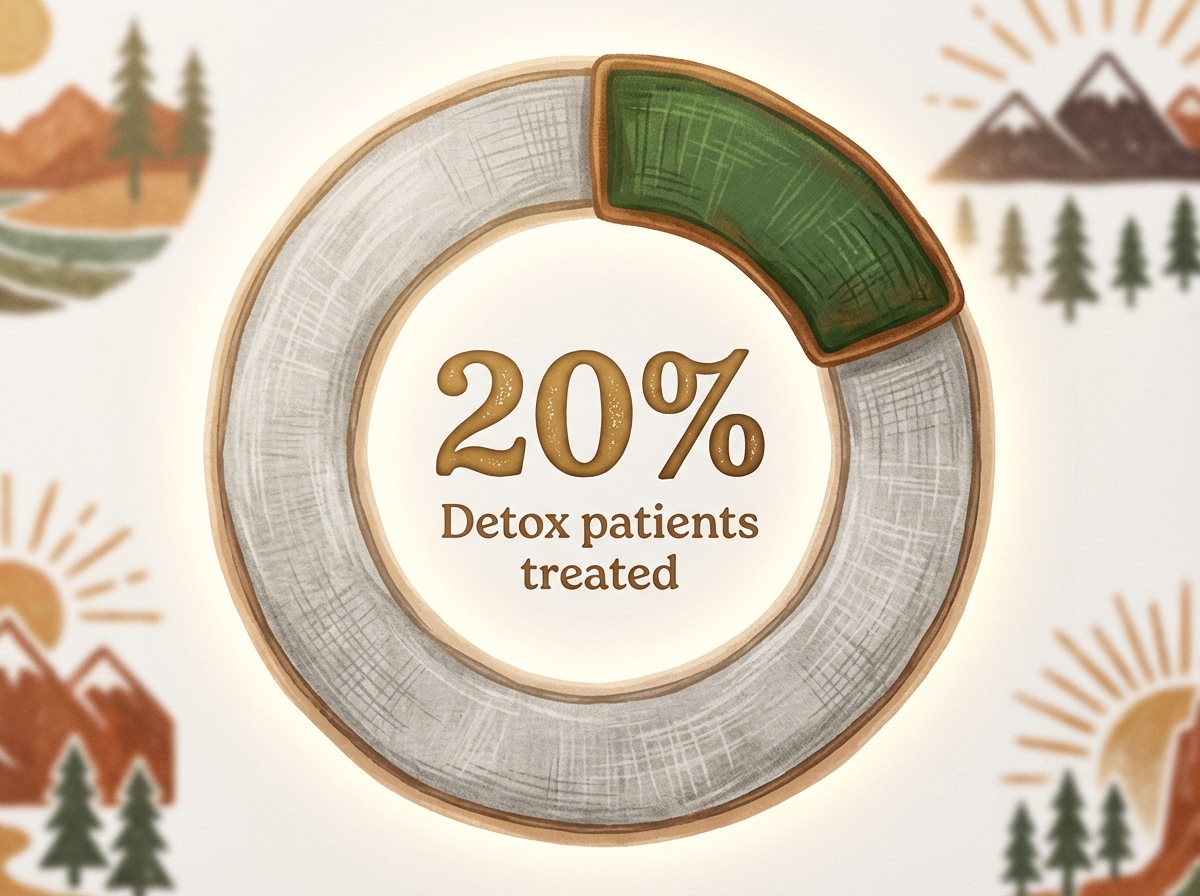
These communities provide accountability and understanding during challenging moments. Look for programs that offer regular check-ins with counselors, either through scheduled phone calls, video sessions, or in-person meetings during your first year of recovery. Effective aftercare components often include 30, 60, and 90-day check-in calls with your primary counselor, monthly alumni meetings (both virtual and in-person options), and 24/7 access to a crisis hotline for moments when you need immediate support.
Ask potential facilities specific questions about their continuing care offerings. How long does post-discharge support last? Most comprehensive programs offer 6-12 months of structured aftercare, with some providing lifetime alumni access. Is it included in your treatment cost, or does it require additional fees? What resources are available if you’re struggling months after leaving the program? The best facilities view recovery as a lifelong journey and provide tools to support you accordingly.
You’ll also want to consider whether the program helps you develop a concrete transition plan. This should include strategies for managing triggers, building a support network in your community, and accessing local resources like 12-step meetings or therapy. Some programs offer sober living arrangements or step-down options that allow you to gradually reintegrate into daily responsibilities while maintaining structure and support.
Assess Continuing Care Programs
When you’re choosing inpatient treatment near me, it’s important to look closely at what kind of continuing care programs are offered once your main stay is over. Recovery doesn’t end at discharge—having ongoing support like outpatient counseling, recovery check-ins, or relapse prevention groups can make a big difference in staying on track.
At Rocky Mountain Treatment Center, our care team helps you build a personalized aftercare plan, so you have the right support to face daily life after residential treatment. Research shows that people who participate in structured continuing care are much more likely to avoid relapse compared to those who don’t follow up after leaving a residential program.5 Ask about options such as regular check-ins, group therapy, or telehealth appointments, and make sure these services match your needs for substance use and mental health recovery.
Why Aftercare Reduces Relapse Risk
Aftercare plays a huge role in helping people stay sober after finishing inpatient treatment near me. When you leave a residential program, the real test begins—everyday life brings new challenges and triggers. This is where continuing care, like outpatient counseling or support groups, makes a real difference.
Research shows that people who stick with structured aftercare are much less likely to relapse compared to those who stop all treatment once they leave a rehab center.5 At Rocky Mountain Treatment Center, our team helps you set up a plan for follow-up care, so you always have someone to turn to when things get tough. Support doesn’t end at discharge. Ongoing services help you practice healthy habits, manage stress, and stay connected to your recovery goals. These programs are especially valuable for people dealing with both substance use and mental health challenges, often called dual diagnosis care.
Look for Active Outreach Models
When exploring continuing care after inpatient treatment near me, it’s wise to look for programs that use active outreach models. These programs don’t just wait for you to reach out—they check in with you regularly, sometimes by phone, text, or even home visits. This extra support helps you stay connected and motivated, especially when life gets busy or you face tough moments.
At Rocky Mountain Treatment Center, we believe in reaching out to you, not just waiting for you to come back. Research shows that people who receive continuing care with active outreach have much better substance use outcomes than those who only get standard follow-up.5 Active outreach can include reminders about group sessions, encouragement to attend check-ins, and quick responses if you feel at risk for relapse. These models are especially helpful for those managing both addiction and mental health needs, making recovery more lasting.
Consider Family Involvement Options
When choosing inpatient treatment near me, it’s helpful to think about how your family can be part of your recovery journey. Family involvement isn’t just about having loved ones visit—it can include special education sessions, support groups, or even family therapy led by professionals. At Rocky Mountain Treatment Center, we know that bringing family into the process helps build a stronger, more lasting foundation for recovery.
Research shows that when families take part in treatment, people often have fewer weeks of substance use each year and feel more supported as they adjust to life after a residential program.4 If you’re considering addiction rehab or a dual diagnosis program, ask about options for family education, family-based counseling, and whether there are programs designed to help loved ones understand both substance abuse and mental health issues. These options make it easier for everyone to work together and support healthy changes.
Benefits of Family-Based Interventions
Family-based interventions bring powerful benefits when you’re searching for inpatient treatment near me. When loved ones are included in addiction rehab, it’s not just about extra support—it actually leads to better outcomes.
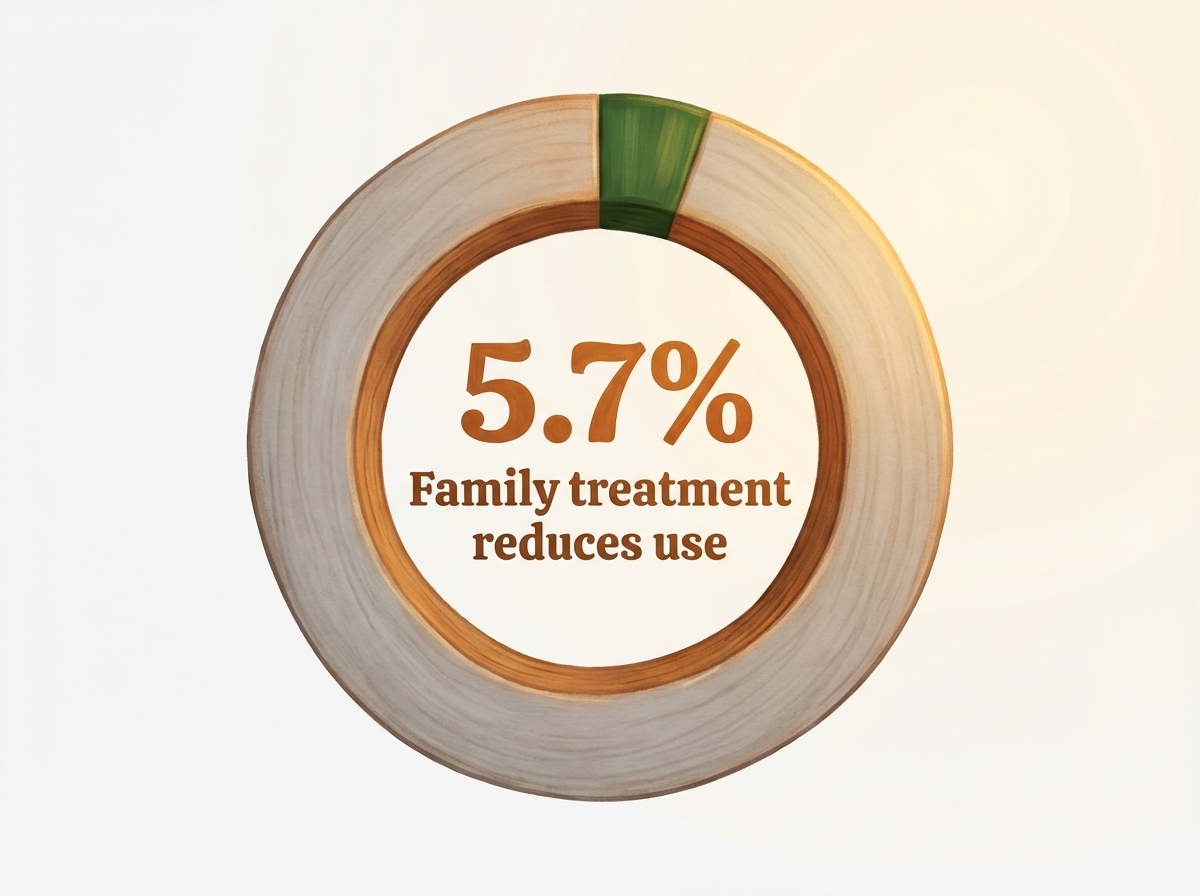
“Research shows that people in residential programs with family involvement experience a 5.7% drop in how often they use substances, which is about three fewer weeks each year struggling with addiction.”4
At Rocky Mountain Treatment Center, we encourage family participation because it helps everyone understand the challenges of substance use and mental health recovery. Families learn new ways to communicate, manage stress, and support healthy routines. This is especially important for those in dual diagnosis programs, where recovery can feel even more complicated. Involving family helps build trust and gives you a stronger safety net as you adjust after leaving residential care.
Family Week and Education Programs
Family week and education programs are special parts of many inpatient treatment near me options, including Rocky Mountain Treatment Center. These programs invite your loved ones to join you for a few days of learning and support. During family week, there are group sessions where families talk about the challenges that come with substance use and mental health recovery.
Your family gets to learn about addiction, how it affects everyone, and what steps help the whole family heal. Education programs also teach skills for better communication, setting healthy boundaries, and supporting recovery at home. Research shows that when families take part in these sessions, people in residential treatment feel less alone and have stronger support when they leave.4 These programs can be especially helpful for those in dual diagnosis care, since mental health and addiction concerns often touch everyone in the family.
Common Mistakes When Choosing Treatment
Now that you understand the key factors in choosing treatment—from assessing your needs to evaluating aftercare—let’s look at common pitfalls that can derail even well-intentioned searches. Understanding these mistakes can help you avoid setbacks and find the right path to recovery from the start.
One of the most frequent mistakes is choosing a facility based solely on location or convenience. While proximity to home might seem practical, it shouldn’t be the primary deciding factor. The quality of care, specialized programs, and treatment approach matter far more than how close the facility is to your family. Sometimes the best recovery happens when you step away from familiar environments and triggers.
Another common error is overlooking the importance of specialized care. Not all rehabilitation facilities offer the same level of expertise for specific conditions. If you’re dealing with co-occurring psychological or psychiatric issues alongside substance use, finding a program equipped to address both simultaneously becomes essential. Generic treatment approaches often fall short when specialized care is required.
Many people also rush the decision-making process, feeling pressured to enter treatment immediately without proper research. While urgency is understandable, taking a few extra days to thoroughly evaluate your options can make the difference between successful recovery and relapse. Ask questions, tour facilities when possible, and speak with admissions counselors to get a complete picture.
Ignoring financial considerations until after admission creates unnecessary stress. Understanding what your insurance covers, what out-of-pocket expenses to expect, and whether payment plans are available should happen before you commit. Financial surprises during treatment can become distractions from your recovery focus. Finally, many people discount the significance of aftercare planning. Treatment doesn’t end when you complete a program.
Overlooking Dual Diagnosis Treatment
It’s easy to miss the importance of dual diagnosis treatment when looking for inpatient treatment near me. Dual diagnosis means having both a substance use disorder and a mental health condition, like depression or anxiety. Many people don’t realize these often go hand in hand—up to half of those seeking addiction help also struggle with a mental health issue.3
If you pick a residential rehab or addiction program that treats only substance abuse and ignores mental health symptoms, you may not get the full support you need. This can lead to unfinished treatment or quick relapse, which is a common challenge for people with both conditions. At Rocky Mountain Treatment Center, we specialize in dual diagnosis care, making sure your recovery plan addresses both sides of the problem. Our programs use proven methods to help you manage symptoms together, not separately, which research shows leads to much better recovery outcomes.3
Choosing Based on Location Alone
It might seem easiest to pick inpatient treatment near me based just on how close it is to home, but this approach can leave out what matters most—quality care and the right support for your needs. While convenience is helpful, choosing a residential rehab or addiction program only because it’s nearby can lead to disappointment if the program isn’t a good match for your substance abuse or mental health challenges.
National research shows that nearly 50% of people drop out of treatment within the first month, often because the program doesn’t fit their situation well.11 At Rocky Mountain Treatment Center, we encourage you to consider factors like program quality, proven therapies, and whether dual diagnosis support is available. Looking beyond location helps ensure you find a facility that’s truly prepared to support your recovery journey, whether you need substance abuse treatment, mental health care, or both.
Frequently Asked Questions
You likely have questions about starting addiction treatment, and that’s completely natural. Understanding what to expect can boost your confidence about taking this important step toward healing.
What happens if I’ve tried inpatient treatment before and relapsed?
If you’ve tried inpatient treatment near me before and experienced a relapse, you’re not alone—and it doesn’t mean you can’t recover. Many people need more than one stay in a residential program or addiction rehab to find what truly works for them. Relapsing is actually a common part of the journey, especially if you have both substance use and mental health challenges, which is called dual diagnosis. At Rocky Mountain Treatment Center, we help you look at what happened last time and adjust your new treatment plan so it fits your real needs. Research shows that sticking with aftercare and having ongoing support, like continuing care check-ins or recovery management, can make a big difference in helping you stay on track after leaving a program.5 Trying again with a program that addresses both substance abuse and mental health recovery—and that offers strong aftercare—gives you the best shot at lasting change. Don’t give up; each attempt brings you closer to your goals.
How do I know if I need 30 days or 60-90 days of treatment?
Deciding between 30 days or 60-90 days of inpatient treatment near me depends on your personal needs, the severity of your substance use, and whether you also have mental health concerns. For some people, a 30-day residential program is enough to help them stabilize and learn new recovery skills. But if you have a long history of addiction, have tried rehab before, or are dealing with both substance use and mental health issues (dual diagnosis), research shows that 60-90 day programs often lead to better results and can give you more time to heal.3 At Rocky Mountain Treatment Center, our team starts with a detailed assessment to help you figure out what length of stay is best for you. We know that longer treatment allows more time for therapy, building healthy habits, and planning for life after discharge. If you’re unsure, talking openly with our staff can help you choose the right level of care and make sure your residential rehab or addiction program matches your recovery goals.
Can my family visit me during inpatient treatment?
Yes, most inpatient treatment centers, including Rocky Mountain Treatment Center, allow family visits during your stay. Family involvement is a big part of recovery for many people. Programs often set specific visiting hours and may have guidelines, like attending family education sessions or group meetings. These visits help keep you connected to loved ones, which can make your time in residential treatment feel more supportive and less isolating. Research shows that when families are part of the process, people in inpatient treatment near me have fewer weeks of substance use each year and feel more prepared for life after discharge.4 If you’re considering a residential program or addiction rehab, ask about their visiting policies and any family support options. Staying connected with family is especially important for those with both substance abuse and mental health needs, as it strengthens your recovery network and helps everyone understand how to support your healing journey.
What if I’m afraid of withdrawal symptoms during detox?
Feeling nervous about withdrawal symptoms is a common worry for people considering inpatient treatment near me. The good news is, at Rocky Mountain Treatment Center, you won’t have to face this alone. Our medical team is trained to help you through detox in a safe and supportive way. For many substances—like alcohol, opioids, or certain prescription drugs—stopping suddenly can lead to discomfort or health risks. That’s why medically monitored detox is offered as part of many residential treatment programs. During this process, you’ll be checked regularly, and staff can give you medications or other care to ease symptoms and keep you comfortable. Research shows that medically supervised detox lowers the risk of dangerous complications and helps set you up for success in the next steps of recovery.10 If you’re worried about withdrawal, choosing a treatment center with on-site medical detox and around-the-clock support can help you feel safe and cared for every step of the way.
Will my employer or coworkers find out I’m in treatment?
You might worry that your employer or coworkers will find out you’re getting help through inpatient treatment near me, but your privacy is protected by law. Most addiction rehab and residential treatment programs—including Rocky Mountain Treatment Center—follow strict rules to keep your health information confidential. Federal laws like HIPAA make it illegal for treatment centers to share your medical details with your job or coworkers without your written permission.2 If you need time off, you may qualify for medical leave under the Family and Medical Leave Act (FMLA), which allows you to take care of your health privately. You’re not required to share the reason for your absence with coworkers, and your employer can’t legally tell others about your treatment. If you have more questions about workplace privacy while attending a residential program or dual diagnosis care, our team at Rocky Mountain Treatment Center can walk you through the process and your rights. Remember, seeking substance abuse help or mental health support is your choice, and your information stays protected.
What if my insurance doesn’t cover the full cost of treatment?
If your insurance doesn’t cover all the costs for inpatient treatment near me, you still have options. Many addiction rehab and residential programs, including Rocky Mountain Treatment Center, offer financial assistance to help bridge the gap. This support might include payment plans, sliding-scale fees based on your income, or scholarships. Some centers can help you apply for state or local grants, or guide you in finding public resources if you qualify. According to government sources, asking about these options and getting a clear cost breakdown makes it easier to get substance abuse or dual diagnosis treatment without unnecessary delays.2 You may also want to check if your plan covers more at in-network facilities or if there are extra benefits for mental health and substance use care. Don’t hesitate to reach out to the admissions team—they’re ready to answer questions and help you find solutions so you can focus on your recovery journey.
How do I convince a loved one to enter inpatient treatment?
Convincing a loved one to enter inpatient treatment near me can feel overwhelming, especially when emotions run high or your loved one is hesitant. The most important thing is to approach the conversation with patience and compassion. Instead of arguing or pressuring, try sharing specific concerns about their substance use or mental health struggles in a calm, caring way. Let them know that you’re worried because you care, not because you want to control them. Sometimes, people feel ashamed or afraid of being judged—remind your loved one that addiction is a health issue, not a moral failing, and that help is available at places like Rocky Mountain Treatment Center. Research shows that family support and involvement can significantly increase the chances of someone agreeing to seek residential treatment or dual diagnosis care.4 You might also offer to help with practical steps, such as making calls, reviewing treatment options, or attending family education sessions together. If they’re still unsure, suggest talking to a professional for a neutral opinion, or connect them with others who’ve been through recovery. Remember, your encouragement can make a real difference, but the decision to enter treatment must ultimately be theirs.
Is inpatient treatment better than outpatient for opioid addiction?
Choosing between inpatient and outpatient care for opioid addiction depends on your needs, but inpatient treatment often provides more structure and safety—especially if you have a long history of opioid use, medical complications, or struggle with cravings and triggers at home. Inpatient treatment near me, such as the programs at Rocky Mountain Treatment Center, offers 24/7 support, medical supervision for withdrawal, and a focused environment away from daily stress. This can be crucial for people who need a strong foundation to start recovery or have tried outpatient care without success. Outpatient programs work well for some, but research highlights that residential treatment is especially effective for complex cases and those at higher risk for relapse.10 Most experts recommend inpatient or residential care for moderate to severe opioid addiction, since it lets you focus fully on healing while building new coping skills. If you’re unsure which is better for your situation, reach out to our team—we’ll guide you through the options and help match you with a program that fits your unique recovery journey.
What happens after I complete the inpatient program?
After finishing your inpatient treatment near me, your journey isn’t over—it’s just moving to the next phase. Most people step into what’s called aftercare or continuing care, which is designed to help you stay strong in recovery as you return to regular life. This might include outpatient therapy, joining support groups, or regular check-ins with your care team. At Rocky Mountain Treatment Center, we’ll help you set up a personalized aftercare plan before you leave, so you have clear steps and support waiting for you. Research shows that taking part in structured aftercare—like counseling or group sessions—makes you much more likely to avoid relapse and continue making progress.5 These services are especially helpful if you have both substance abuse and mental health needs, since ongoing support can keep your recovery on track. Remember, graduating from a residential program is a big achievement, but staying connected with your aftercare plan gives you the best shot at lasting wellness.
Can I bring my phone or personal belongings to treatment?
Whether you can bring your phone or personal belongings to inpatient treatment near me depends on the specific center’s rules. At Rocky Mountain Treatment Center, we want you to feel comfortable while also making sure your recovery environment is safe and focused. Most residential programs have policies about what you can and can’t bring. Phones are often collected or limited during your stay to help you focus on treatment and avoid outside distractions. Items like clothing, toiletries, and a few personal comfort items are usually allowed, but things like electronics, sharp objects, or anything that could disrupt group safety are not. Before admission, our team provides a clear packing list so you know exactly what’s welcome and what’s best left at home. If you have questions about a certain item, just ask! These guidelines help everyone stay focused on healing in a supportive setting—one of the key benefits of choosing a structured inpatient rehab or residential program.2
What if I have a mental health condition along with my addiction?
If you have a mental health condition along with your addiction, you’re not alone—this is called having a co-occurring disorder, or dual diagnosis. Many people searching for inpatient treatment near me need support for both substance use and mental health issues like depression, anxiety, or bipolar disorder. The best results come from integrated care, where both problems are treated together in a coordinated way. At Rocky Mountain Treatment Center, our programs are designed for people with dual diagnosis needs, offering therapies and support that address both sides of the struggle. Research shows that when mental health and addiction are treated at the same time, people are more likely to recover and less likely to relapse.3 If you’re worried your symptoms might overlap, don’t hesitate to ask about specialized dual diagnosis or residential programs. Getting comprehensive care helps you heal fully—not just from addiction, but from the emotional pain that often comes with it.
How quickly can I start treatment once I decide to go?
Once you decide you’re ready for inpatient treatment near me, getting started can happen surprisingly fast. At Rocky Mountain Treatment Center, we know that timing matters—people are more likely to follow through when help is available right away. Many addiction rehab and residential programs offer same-day or next-day admissions if beds are open, especially for urgent cases. The process usually starts with a quick phone call or online form, where you share your information and discuss your needs. After that, staff will help you with an initial assessment, check insurance, and guide you through paperwork. National treatment locators confirm that most accredited centers work hard to reduce wait times and speed up intake so you can begin recovery as soon as possible.2 If you need detox, admissions may be even more urgent for your safety. Don’t hesitate to reach out—admissions teams at places like Rocky Mountain Treatment Center are ready to help you move forward without delay.
What makes one inpatient facility different from another?
What makes one inpatient facility stand out from another usually comes down to a few key areas: the quality of care, the types of programs available, the experience of the staff, and how well the treatment matches your specific needs. For instance, some centers—like Rocky Mountain Treatment Center—are fully licensed and accredited, which means they follow proven safety and treatment standards. Others may offer unique options, such as dual diagnosis care for people struggling with both addiction and mental health challenges, or specialized programs for women, veterans, or people with trauma histories. The therapies offered also matter; look for places that provide a mix of evidence-based treatments (like group counseling and medication support) and supportive therapies such as mindfulness or art. Research shows that accredited facilities with skilled staff and a variety of treatment approaches deliver better recovery outcomes for people seeking inpatient treatment near me.2 When comparing addiction rehab or residential programs, ask about staff training, aftercare support, and family involvement options. The right fit is the one where you feel safe, understood, and supported in every step of your recovery journey.
Will I be judged or shamed for my addiction at treatment?
You might worry about being judged or shamed when you enter inpatient treatment near me, but places like Rocky Mountain Treatment Center are designed to be welcoming and nonjudgmental. The staff understands that addiction is a health issue, not a personal failing. Everyone on the team—from counselors to nurses—has been trained to support you with kindness and respect. In fact, research shows that stigma and fear of judgment are big reasons people hesitate to get help, especially for women and parents.9 At Rocky Mountain Treatment Center, creating a safe, supportive space is a top priority, so you can focus on healing without feeling embarrassed or blamed. If you’re looking for addiction rehab or a residential program, remember that treatment centers are filled with people who understand what you’re going through. You’ll be surrounded by others on the same path, and together, you’ll find encouragement, acceptance, and real support for both substance abuse and mental health recovery.
Take the First Step Toward Recovery
Starting your journey toward addiction recovery doesn’t have to feel overwhelming. The most important thing to remember is that reaching out for support is a sign of courage and self-awareness. Every person who has successfully achieved lasting recovery started exactly where you are now—researching options and considering their path forward.
If you’ve been struggling with substance use, whether it’s a recent concern or something you’ve been battling for years, know that effective treatment is available. The four-step process outlined above—assessing your treatment needs, researching facilities, navigating costs and insurance, and evaluating aftercare support—provides a roadmap for finding the right program for your unique situation.
Begin by contacting treatment facilities that align with your needs and preferences. During initial consultations with admissions counselors, you’ll have the opportunity to discuss your situation, ask questions about their treatment approaches, and determine which program feels right for you. These conversations are confidential, judgment-free, and designed to help you make an informed decision about your recovery.
Many people find it helpful to prepare questions before speaking with treatment centers. You might want to ask about their treatment philosophy, what a typical day looks like, how they incorporate aftercare planning, and what kind of outcomes their clients typically experience. These are all valid questions that any reputable facility will be happy to address. If you need immediate guidance, consider calling a national treatment helpline to speak with a specialist who can help you navigate your options.
Remember that recovery is not a linear process. Some days will feel easier than others, and that’s completely normal. What matters is that you’re taking action to address what’s been holding you back. With the right treatment program and comprehensive aftercare support, you can overcome addiction and build a future defined by health, purpose, and freedom. You deserve to reclaim your life and discover your full potential. Take that first step today.
References
- SAMHSA’s National Helpline for Mental Health, Drug, Alcohol Issues. https://www.samhsa.gov/find-help/helplines/national-helpline
- FindTreatment.gov – SAMHSA’s Treatment Locator. https://findtreatment.gov
- Finding Help for Co-Occurring Substance Use and Mental Disorders – National Institute of Mental Health. https://www.nimh.nih.gov/health/topics/substance-use-and-mental-health
- Family Involvement in Treatment and Recovery for Substance Use Disorders. https://pmc.ncbi.nlm.nih.gov/articles/PMC8380649/
- Impact of Continuing Care on Recovery From Substance Use Disorder. https://pmc.ncbi.nlm.nih.gov/articles/PMC7813220/
- About The ASAM Criteria – American Society of Addiction Medicine. https://www.asam.org/asam-criteria/about-the-asam-criteria
- Mental Health and Substance Use Disorder Parity – Department of Labor. https://www.dol.gov/agencies/ebsa/laws-and-regulations/laws/mental-health-and-substance-use-disorder-parity
- Gender and Use of Substance Abuse Treatment Services. https://pmc.ncbi.nlm.nih.gov/articles/PMC6470905/
- Stigma as a Barrier to Substance Abuse Treatment. https://pmc.ncbi.nlm.nih.gov/articles/PMC5754000/
- Overview, Essential Concepts, and Definitions in Detoxification. https://www.ncbi.nlm.nih.gov/books/NBK64119/
- Principles of Drug Addiction Treatment: A Research-Based Guide (Third Edition). https://nida.nih.gov/publications/principles-drug-addiction-treatment-research-based-guide-third-edition/