
Key Takeaways: Your Path to Whole-Person Recovery
- Treat the Whole You:Holistic healing therapies address mind, body, and spirit simultaneously, filling gaps left by standard medical care.
- Proven Results: Integrating practices like yoga and mindfulness can reduce relapse risk and boost natural dopamine levels by up to 65%4.
- Customizable Action: You don’t need to do everything at once; starting with just 5 minutes of daily breathwork makes a measurable difference.
- RMTC Support: Rocky Mountain Treatment Center combines clinical excellence with creative arts, nature therapy, and nutritional support for a balanced recovery.
How Holistic Healing Therapies Support Lasting Recovery
When you are navigating the path to recovery from substance use disorder, you might hear the term “holistic healing” and wonder what it really means for your daily life. At its core, holistic healing therapies recognize that addiction doesn’t just affect one part of your life—it impacts your body, mind, emotions, and spirit. This comprehensive approach addresses all these interconnected aspects instead of focusing solely on stopping substance use.
Understanding Holistic Healing Therapies in Recovery
Traditional treatment methods often concentrate on the physical and psychological symptoms of addiction. While these approaches are valuable and necessary, holistic healing expands the scope of recovery to include practices that nurture your overall well-being. Think of it as treating the whole person, not just the addiction.
Holistic therapies work alongside evidence-based treatments like cognitive behavioral therapy and medication-assisted treatment. They are designed to complement your primary treatment plan by helping you develop healthy coping mechanisms, reduce stress, and reconnect with yourself. These practices might include:
- Mindfulness & Meditation: For stress reduction and craving management.
- Yoga & Movement: For physical repair and nervous system regulation.
- Creative Arts: For emotional expression without words.
- Nutritional Counseling: For repairing metabolic damage.
“The goal isn’t to replace proven medical interventions but to enhance them. When you address the underlying factors that contribute to addiction—such as unresolved trauma, chronic stress, or disconnection from your body—you create a stronger foundation for lasting recovery.”
What Makes Holistic Therapies Different
Holistic therapies set themselves apart because they care for your entire self—not just your symptoms. Unlike approaches that focus only on stopping substance use, holistic healing therapies include creative arts, yoga, nutrition, and mindfulness. These options aim to strengthen your mind, body, and emotional well-being together. For example, Rocky Mountain Treatment Center offers art and music therapy, which help lower stress and build confidence during recovery9.
The Mind-Body-Spirit Connection
Think of recovery as a puzzle—your mind, body, and spirit are all important pieces that fit together. Holistic healing therapies recognize this by weaving together mental health support, physical wellness, and a sense of purpose or connection. For example, mindfulness and yoga, both available at Rocky Mountain Treatment Center, help your brain and body recover at the same time by reducing stress, lifting your mood, and even boosting natural dopamine levels by up to 65% during yoga nidra meditation4.
How Traditional Treatment Falls Short
Traditional treatment methods often focus only on stopping substance use, using counseling and medication without fully addressing your emotional or physical health. This limited approach can leave gaps—like not helping you manage stress, build self-esteem, or repair your body’s natural balance. Research shows that while standard treatment helps reduce substance use, it doesn’t always give you tools for long-term wellness or relapse prevention3.
Self-Assessment: Is Holistic Care Right for You?
Let’s start with a quick self-check to see if holistic care could support your recovery. Ask yourself the following diagnostic questions:
- Do you want emotional healing, not just symptom control?
- Are you interested in therapies like mindfulness, art, or yoga?
- Do you struggle with stress, anxiety, or low energy?
- Are you looking for ways to boost your mood naturally?
If you answered yes to any of these, holistic healing therapies might be a good match. At Rocky Mountain Treatment Center, many people find these whole-person therapies help fill the gaps left by traditional treatment—especially for managing stress and rebuilding confidence9.
Evidence-Based Holistic Healing Therapies That Work
When you’re exploring holistic approaches to addiction recovery, it’s essential to focus on therapies backed by solid research. These evidence-based practices combine the best of traditional wisdom with modern scientific validation, giving you confidence in your treatment choices.

| Therapy Type | Best For | Key Benefit | Typical Commitment |
|---|---|---|---|
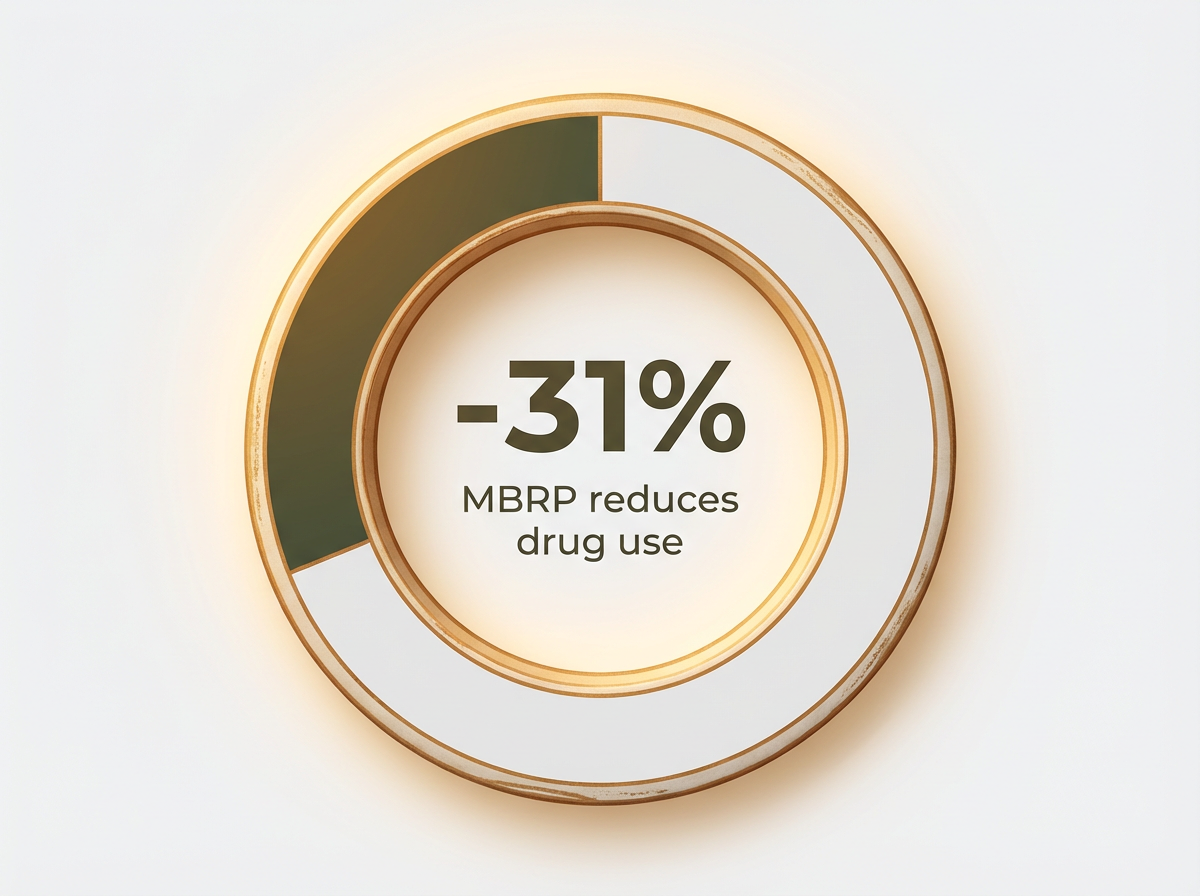
| Mindfulness | Craving management & anxiety | Reduces drug use days by up to 31%7 | 10-20 mins daily |
| Yoga / Movement | Nervous system repair | Boosts natural dopamine by up to 65%4 | 2-3 sessions/week |
| Acupuncture | Withdrawal symptoms & sleep | Lowers cravings and improves sleep quality5 | Weekly sessions |
| Art/Music Therapy | Emotional processing | Reduces depression and builds self-awareness9 | Weekly groups |
Mindfulness and Meditation for Relapse Prevention
Mindfulness and meditation are powerful tools you can use to support relapse prevention during recovery. At Rocky Mountain Treatment Center, these mind-body practices are woven into many treatment plans because they do more than help you relax—they train your brain to notice cravings and stress without letting them take over. Research confirms that adding mindfulness-based practices to your recovery plan can lower the number of drug use days by 31% over a year compared to standard care7.
Breathing Exercises and Craving Management
When cravings strike, having a simple breathing exercise can be your secret weapon. Try this simple technique known as “Box Breathing”:
The Box Breathing Technique:
- Inhale slowly through your nose for a count of
4. - Hold your breath for a count of
4. - Exhale slowly through your mouth for a count of
4. - Pause and hold empty for a count of
4.
This technique, part of mindfulness-based relapse prevention at Rocky Mountain Treatment Center, helps calm your body and gives your mind space to choose a healthier response. Studies show that mindfulness and breathing exercises can lower the urge to use substances by helping you stay present and manage stress in the moment7.
Movement-Based Therapies for Brain Healing
Movement-based therapies are a powerful part of holistic healing therapies because they help your brain recover, not just your body. At Rocky Mountain Treatment Center, activities like yoga and guided recreation are included for a reason—they support your brain’s reward system, which can be damaged by addiction. Yoga, for example, has been shown to increase natural dopamine in the brain by up to 65% during meditation, helping restore motivation and joy4.
Implementing Holistic Healing Therapies for Your Situation
Now that you understand the evidence behind specific holistic therapies for addiction recovery, the question becomes: which approaches make sense for your particular situation? Your implementation pathway depends on where you are in your recovery journey, your treatment setting, and the unique challenges you’re facing.
Pathway 1: Early Recovery (Weeks 1-4)
If you’re in early recovery, your nervous system is likely unbalanced from withdrawal. Focus on grounding practices like gentle yoga and acupuncture. These offer immediate physical relief. Start with 2-3 sessions per week to create consistency.
Pathway 2: Long-Term Maintenance
For long-term maintenance, shift focus to resilience. Nutritional therapy becomes valuable here to repair metabolic damage. Combine this with ongoing mindfulness practice to recognize triggers before they escalate.
Pathway 3: Managing Co-Occurring Conditions
If you have depression, PTSD, or anxiety, trauma-informed yoga helps process stored trauma in the body, while art therapy can help express emotions that are too hard to speak about. Ensure your holistic practitioners communicate with your psychiatric team.
Decision Framework: Choosing Your Therapies
Choosing your holistic healing therapies can feel overwhelming, but a clear decision framework makes it easier. Try this simple tool:
- List your main challenges: (e.g., cravings, anxiety, low motivation).
- Rate your comfort: Do you prefer movement, creativity, or quiet reflection?
- Identify specific needs: Do you need support for trauma or a co-occurring mental health condition?
At Rocky Mountain Treatment Center, our team works with you to map out therapies like mindfulness, art therapy, yoga, and nature-based activities. Research shows that when these integrative treatments are matched to your unique situation, long-term recovery outcomes improve3.
Resource Planning for Holistic Treatment
Getting ready for holistic healing therapies means planning your resources wisely. Start by listing what you’ll need: time for therapy sessions, any transportation, and support from family or friends. At Rocky Mountain Treatment Center, staff work with you to design a schedule that fits your job, school, or caregiving responsibilities.
Insurance Coverage and Cost Considerations
When you’re planning for holistic healing therapies, it’s smart to check how your insurance and budget fit together. Some insurance plans now cover integrative treatments like mindfulness, yoga, and even acupuncture, especially when they’re part of a licensed recovery program such as Rocky Mountain Treatment Center. However, coverage can vary, and certain creative therapies or nutritional support might be considered extras.
Your Next 30 Days Action Plan
Taking action within the next month sets the foundation for integrating holistic therapies into your recovery journey. Here is a structured plan to build a sustainable approach that complements your primary addiction treatment.

- Days 1-7: Foundation and First Steps Schedule a consultation with your primary addiction counselor to discuss adding holistic therapies. Attend your first beginner yoga class specifically designed for recovery. Start a simple tracking journal with three columns: cravings/triggers, holistic practices completed, and mood/energy levels.
- Days 8-14: Establishing Your Routine Add mindfulness meditation to your mornings—just 5 minutes to start. Schedule your first acupuncture session; track sleep quality and anxiety levels over the following 72 hours. Attend yoga twice this week. Check in with your counselor about how holistic practices are affecting your primary recovery work.
- Days 15-21: Integration and Adjustment Review your tracking journal to identify patterns. Does yoga before group therapy help you engage more openly? Add breathwork techniques (like the box breathing mentioned earlier) to use during moments of acute craving. If any holistic therapy feels triggering, pause it and discuss with your treatment team immediately.
- Days 22-30: Refinement and Commitment Evaluate which holistic therapies provide the most tangible support. Create a sustainable weekly schedule: identify which practices you’ll maintain 2-3 times weekly versus daily. Celebrate that you’ve created a personalized toolkit of coping strategies beyond traditional treatment alone.
Measuring Your Holistic Healing Progress
Tracking your progress with holistic healing therapies helps you see real change and stay motivated. Create a weekly chart where you check off activities—like group yoga, mindfulness practice, or art therapy—offered at Rocky Mountain Treatment Center. Research shows that regular participation in mind-body and creative therapies leads to stronger recovery outcomes and better emotional balance39.
Frequently Asked Questions
As you explore holistic recovery options, you likely have questions about how these approaches work in the context of addiction treatment. Here are answers to some of the most common questions people ask.
Will holistic therapies work if I’ve already tried traditional treatment without success?
Yes, holistic healing therapies can be helpful even if traditional treatment hasn’t worked for you before. Many people find that combining therapies like mindfulness, yoga, art, and nutrition support—with the guidance of Rocky Mountain Treatment Center—addresses areas that standard care might miss, such as managing stress or rebuilding confidence. Research shows these integrative approaches can lower relapse risk and help you build new coping skills when used alongside, or after, traditional methods37.
How much does holistic addiction treatment typically cost?
The cost of holistic addiction treatment can vary a lot, depending on the therapies you choose, the length of your stay, and what your insurance covers. Some insurance plans now help pay for integrative approaches like mindfulness, yoga, and acupuncture when they’re offered at licensed centers such as Rocky Mountain Treatment Center35. Creative therapies and nutritional support might be considered extras, so checking your policy is a smart first step.
Can I use holistic therapies alongside medication-assisted treatment for opioid addiction?
Yes, you can use holistic healing therapies together with medication-assisted treatment (MAT) for opioid addiction. In fact, combining approaches often brings the best results. For example, research shows that adding therapies like acupuncture to your MAT plan can help lower methadone cravings and improve sleep quality5. At Rocky Mountain Treatment Center, holistic options like mindfulness, yoga, and creative activities are offered alongside medical care.
What holistic therapies are most effective for managing withdrawal symptoms?
Some of the most effective holistic healing therapies for managing withdrawal symptoms are mindfulness-based practices, yoga, acupuncture, and creative arts therapies. Mindfulness and meditation can ease anxiety and help you handle cravings as they arise37. Yoga not only helps reduce stress but can also boost your natural dopamine levels4. Acupuncture has been shown to lower drug cravings and improve sleep quality for people going through opioid withdrawal5.
How do I know if a treatment center’s holistic program is evidence-based or just trendy?
To spot whether a treatment center’s holistic program is truly evidence-based, start by asking if the therapies offered—like mindfulness, yoga, or art therapy—have research behind them and are integrated with traditional addiction care. Look for clear mention of scientific studies, accredited staff, and regular outcome tracking. Programs at Rocky Mountain Treatment Center are built on proven methods, such as mindfulness-based relapse prevention and creative arts therapies39.
Are holistic therapies safe for older adults or people with chronic health conditions?
Yes, holistic therapies can be safe for older adults and people with chronic health conditions when they are tailored to your needs and supervised by trained professionals. At Rocky Mountain Treatment Center, therapies like mindfulness, gentle yoga, and creative arts are adapted to suit different ages and physical abilities. Research shows that mind-body practices can improve mood and reduce stress without putting extra strain on your body34.
What’s the difference between spiritual therapy and faith-based treatment in holistic recovery?
Spiritual therapy in holistic recovery focuses on helping you find personal meaning, purpose, or a sense of connection—without tying you to any specific religion or set of beliefs. It can include practices like mindfulness or exploring your own values. In contrast, faith-based treatment usually centers around a particular religious tradition and often uses prayer or scripture. At Rocky Mountain Treatment Center, spiritual therapy is available to help you explore what gives you hope or inner strength10.
How soon after starting holistic therapies will I notice a difference in my cravings?
Everyone’s experience is unique, but many people notice some early changes in cravings within the first few weeks after starting holistic healing therapies. Practices like mindfulness and yoga can help you feel calmer and more in control, which may make cravings easier to manage right away37. Research suggests that steady participation in mind-body therapies can continue to lower cravings and drug use over several months34.
Can holistic therapies help with both my addiction and my anxiety or depression?
Yes, holistic healing therapies can support both addiction recovery and mental health challenges like anxiety or depression. Mind-body approaches such as mindfulness, yoga, and art therapy are shown to improve mood, reduce stress, and build emotional resilience39. Research highlights that when you combine these therapies with traditional counseling, people often experience better relief from anxiety and depression while also making progress in sobriety3.
What holistic approaches work best for meth or stimulant addiction specifically?
For meth or stimulant addiction, holistic approaches that focus on calming the nervous system, rebuilding healthy reward pathways, and supporting emotional healing tend to be most effective. Therapies like mindfulness-based relapse prevention and yoga help manage cravings and increase natural dopamine34. Creative arts therapies are also helpful for reducing anxiety and boosting motivation during recovery9.
Will my insurance cover holistic therapies like acupuncture, yoga, or equine therapy?
Insurance coverage for holistic healing therapies like acupuncture, yoga, or equine therapy depends on your specific plan and the treatment center you choose. Many insurance providers now offer some coverage for integrative therapies—especially when they’re part of a licensed program such as Rocky Mountain Treatment Center35. However, coverage for animal-assisted or equine therapy and certain creative arts therapies is less common.
How can family members participate in holistic healing during my treatment?
Family members can play a meaningful role in holistic healing during your treatment. At Rocky Mountain Treatment Center, loved ones are encouraged to join in supportive activities like family counseling, mindfulness workshops, or creative arts sessions designed for all ages. These inclusive experiences help build trust, reduce stress, and strengthen relationships93.
What holistic practices can I continue at home after leaving treatment?
You can keep many holistic practices going at home to support your recovery even after leaving Rocky Mountain Treatment Center. For example, try setting aside a few minutes each day for mindfulness meditation or gentle yoga34. Creative activities like art, journaling, or music can boost your mood and offer healthy ways to express yourself9. Consider nature walks or spending time outdoors, which research shows can lower anxiety3.
Are there holistic therapies that help repair the brain damage caused by long-term substance use?
Yes, there are holistic healing therapies shown to help repair some brain changes caused by long-term substance use. For example, yoga—especially yoga nidra meditation—can boost your brain’s natural dopamine by up to 65%, which supports the reward system often damaged by addiction4. Mindfulness-based practices and meditation can improve attention, reduce cravings, and help retrain your brain to handle stress in healthier ways37.
Starting Your Holistic Recovery Journey
Taking the first step toward holistic recovery requires tremendous courage—acknowledging that you need comprehensive support for addiction is one of the bravest decisions you’ll ever make. If you’re reading this, you’ve already begun the journey. Now it’s time to transform that awareness into action, because every day you invest in holistic healing is a day that moves you closer to lasting recovery.
Begin with a comprehensive assessment that examines not just your substance use, but your physical health, emotional well-being, trauma history, lifestyle factors, and support systems. This whole-person evaluation reveals the interconnected patterns underlying your addiction, helping create a treatment plan that addresses root causes rather than just managing symptoms.
Most importantly, approach your recovery with patience and self-compassion. Holistic healing happens in layers, honoring the natural timeline your body, mind, and spirit need to restore balance. You’re not just overcoming addiction—you’re reclaiming your whole self and building a life so fulfilling that substances no longer have power over you. That transformation is not only possible; with holistic recovery, it’s within your reach.
References
- Complementary and Alternative Medicine for Substance Use Disorders: A Bibliometric Analysis. https://pmc.ncbi.nlm.nih.gov/articles/PMC8604152/
- Experts Highlight Science-Driven Approaches to Addiction. https://news.vt.edu/articles/2025/09/fralinbiomed-national-recovery-month-addiction-experts.html
- Substance Use Disorder Treatment: Complementary Approaches. https://www.va.gov/WHOLEHEALTHLIBRARY/tools/substance-use-disorder-treatment-complementary-approaches.asp
- Neurobiological Basis for the Application of Yoga in Drug Addiction. https://www.frontiersin.org/journals/psychiatry/articles/10.3389/fpsyt.2024.1373866/full
- Clinical and Economic Evaluation of Acupuncture for Opioid Use Disorder. https://www.frontiersin.org/journals/public-health/articles/10.3389/fpubh.2021.689753/full
- Role of Yoga in Management of Substance-Use Disorders. https://pmc.ncbi.nlm.nih.gov/articles/PMC5812135/
- Effectiveness of Mindfulness-Based Relapse Prevention in Substance Use Disorder Aftercare. https://pmc.ncbi.nlm.nih.gov/articles/PMC8533446/
- Diet, Nutrition, and Substance Use Disorder | USU. https://extension.usu.edu/heart/research/diet-nutrition-and-substance-use-disorder
- The Use of Art and Music Therapy in Substance Abuse Treatment. https://pmc.ncbi.nlm.nih.gov/articles/PMC4268880/
- Spiritual Direction in Addiction Treatment: Two Clinical Trials. https://pmc.ncbi.nlm.nih.gov/articles/PMC2600849/