
Key Takeaways
- Verify Evidence-Based Care: Ensure the center combines holistic methods with proven clinical therapies like CBT and Motivational Interviewing.
- Check Staffing Ratios: Look for low client-to-staff ratios (1:5 to 1:8) to ensure personalized attention and safety.
- Assess Medical Safety: Confirm the facility offers 24/7 medical supervision and appropriate ASAM detox levels.
- Plan for the Long Term: Choose a program with robust aftercare planning and active alumni support networks.
- Outcome: By following these steps, you can confidently select a holistic addiction treatment center that supports whole-person healing and lasting recovery.
7 Steps to Choose a Holistic Addiction Treatment Center
Step 1: Verify Evidence-Based Core Therapies
Choosing the right holistic addiction treatment center might be one of the most important decisions you’ll ever make. The facility you select will shape not just your initial recovery, but potentially your long-term relationship with sobriety. With thousands of treatment centers across the country—each claiming to offer the best care—how do you separate genuine quality from marketing hype?
The seven steps outlined in this guide will walk you through a systematic evaluation process that cuts through the noise. You’ll learn how to verify clinical credentials, assess treatment approaches, evaluate facility quality, and ensure the program can address your specific needs. Whether you’re researching options for yourself or helping a loved one, these criteria will help you identify facilities that deliver evidence-based care with proper medical oversight, adequate duration, and comprehensive support systems.
What makes a dual diagnosis program truly effective? It’s not luxurious amenities or inspiring testimonials—it’s the combination of scientifically validated therapies, qualified staff, individualized treatment planning, and integrated mental health care. The best programs address both your alcohol use disorder and any co-occurring mental health conditions simultaneously, recognizing that lasting recovery requires treating the whole person.
Before committing to any treatment program, you’ll want to confirm they use therapies backed by solid research. Scientifically validated treatments have been rigorously tested and proven effective for alcohol addiction recovery. The gold standard approaches include:
- Cognitive Behavioral Therapy (CBT): Helps you identify and change thought patterns that lead to drinking.
- Motivational Enhancement Therapy (MET): Strengthens your personal commitment to change.
- Dialectical Behavior Therapy (DBT): Teaches practical skills for managing stress and regulating emotions.
- Medication-Assisted Treatment (MAT): Combines FDA-approved medications with counseling to reduce cravings.
When evaluating your options, ask specific questions: What percentage of therapy sessions use these proven methods? How do therapists tailor these approaches to individual needs? Be cautious of facilities that rely heavily on untested or alternative therapies as their primary treatment method. While holistic practices like yoga or art therapy can complement scientifically validated care, they shouldn’t replace it.
“Research shows that combining evidence-based treatment with holistic supports often leads to higher engagement and better long-term results.”1
Look for Proven Behavioral Approaches
When checking a holistic addiction treatment center, see if they use proven behavioral therapies as the main part of their care. These therapies, like cognitive-behavioral therapy (CBT) and motivational interviewing, have strong research support for helping people recover from substance use. At Rocky Mountain Treatment Center, we make sure these science-backed treatments are always at the heart of what we do, blending them with holistic supports for the best results.
According to national research, between 80% and 99% of quality treatment centers offer these proven approaches1. If a program highlights yoga or art therapy but skips these key therapies, it may not give you the strongest chance for lasting recovery. Look for places that offer both clinical and wellness approaches, so you know you’re getting whole-person care.
Cognitive-Behavioral Therapy Integration
Cognitive-behavioral therapy (CBT) is a key part of recovery at any high-quality holistic addiction treatment center. CBT helps you spot negative thoughts and behaviors that keep you stuck in old patterns, then teaches you new ways to cope. At Rocky Mountain Treatment Center, our counselors use CBT alongside holistic supports like meditation and art, so you learn skills for both your mind and your whole self.
Studies show that CBT is highly effective for treating substance use and is recommended by top experts for its lasting results8. When looking for a center, ask if CBT is built into group sessions, one-on-one counseling, and even activities outside the classroom. This blend means you get both evidence-based therapy and wellness activities, which can help you build confidence and handle cravings.
Motivational Interviewing at Intake
Motivational interviewing (MI) is a special conversation style that helps you find your own reasons for making a change. At Rocky Mountain Treatment Center, we use MI right at intake—the very first step when you arrive—so you feel heard and respected from the start. This technique doesn’t pressure you; instead, it helps you talk through your hopes, worries, and goals when it comes to recovery.
Research shows that when holistic addiction treatment centers use motivational interviewing during intake, people are more likely to stay with treatment for at least the first month, which is a critical window for building momentum6. MI is a key evidence-based therapy that pairs well with holistic care and behavioral health support, making your experience feel personal and supportive.
Ensure Holistic Complements, Not Replaces
It’s easy to think that a holistic addiction treatment center should focus mainly on yoga, art, or meditation, but these activities work best as extras—not as the main event. Real recovery is most successful when holistic therapies support, rather than replace, the core of evidence-based addiction care. At Rocky Mountain Treatment Center, we make sure things like mindfulness, nutrition support, or equine-assisted therapy work alongside proven behavioral health treatments.
Research shows that programs combining these approaches lead to higher treatment completion and improved outcomes compared to centers that rely on alternative therapies alone1. Here’s a simple way to remember: if the center offers only holistic options without strong, science-backed therapy, it may not give you the full care you deserve.
The Integration Model That Works
The most effective holistic addiction treatment centers use an integration model, where evidence-based therapies are the foundation and holistic wellness activities serve as important supports. At Rocky Mountain Treatment Center, this means therapies like cognitive-behavioral therapy and motivational interviewing are built into each client’s care plan, while activities like mindfulness, nutrition support, and equine-assisted therapy are woven in to boost your overall well-being.
Research shows that programs combining behavioral health strategies with alternative therapies lead to better treatment completion and long-term recovery compared to centers offering only one or the other1. This approach helps you heal both your mind and body, giving you a stronger start on your recovery journey.
Red Flags in Holistic-Only Programs
If you come across a program calling itself a holistic addiction treatment center but offering only alternative therapies like yoga or art—without any evidence-based behavioral health care—consider that a major warning sign. Research shows that programs relying solely on wellness activities or alternative therapies do not achieve the higher treatment completion rates seen when these are paired with proven behavioral health strategies1.
At Rocky Mountain Treatment Center, we believe true healing happens when clinical care and holistic supports work together for your recovery. If a center skips things like cognitive-behavioral therapy or motivational interviewing, the program may not give you the whole-person care you need. Always ask which behavioral health and wellness activities are included, so you can be sure your treatment is both safe and effective.
Step 2: Assess Co-Occurring Disorder Treatment
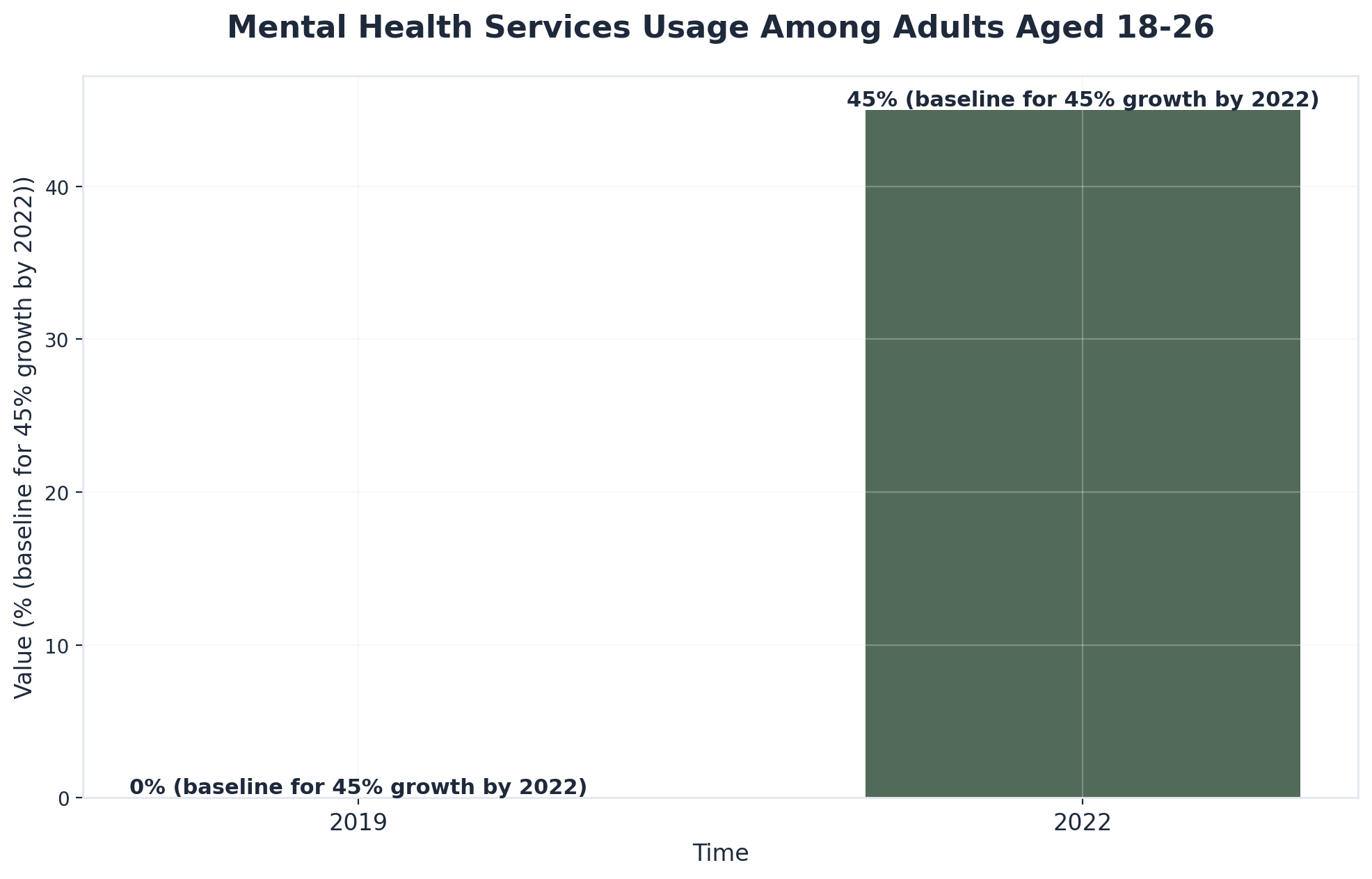
About half of people with alcohol addiction also struggle with mental health conditions like depression, anxiety, or PTSD. According to SAMHSA, approximately 50% of individuals with substance use disorders experience co-occurring psychiatric disorders. This makes integrated treatment absolutely essential for lasting recovery.
When evaluating treatment centers, ask specific questions regarding how they address dual diagnosis. Top-tier programs don’t treat addiction and mental health conditions as separate issues—they recognize that these conditions influence each other and require simultaneous, coordinated care. Look for centers that conduct comprehensive psychiatric evaluations during intake. This assessment should identify all co-occurring conditions, not just those that are immediately apparent.
The treatment approach should include both medication management and therapy. A psychiatrist should be available to prescribe and monitor medications for conditions like depression or anxiety, while therapists should use research-backed methods that address both addiction and psychiatric disorders simultaneously. Cognitive Behavioral Therapy and Dialectical Behavior Therapy are particularly effective for dual diagnosis treatment.
Confirm Integrated Mental Health Services
When choosing a holistic addiction treatment center, you want to make sure mental health care is not just an add-on, but fully woven into your recovery plan. Look for programs like Rocky Mountain Treatment Center, where mental health support is part of every step, not something you have to request separately. This integrated approach means counselors and therapists work together, so if you’re facing depression, anxiety, or trauma along with addiction, you get help for both at the same time.
Studies show that treating mental health and substance use together leads to better recovery outcomes and fewer relapses compared to treating them one after the other3. It’s a good idea to ask if the center offers regular access to behavioral health specialists, and if your treatment plan is adjusted as your needs change.
Simultaneous vs. Sequential Treatment
Understanding the difference between simultaneous and sequential treatment is key when picking a holistic addiction treatment center. Simultaneous treatment means a team helps you with both mental health and addiction at the same time, using a single, coordinated plan. Sequential treatment tries to tackle one issue first—like treating depression before starting addiction care.
Research shows that people get better results and have fewer relapses when both issues are treated together, not one after the other3. At Rocky Mountain Treatment Center, our approach is always simultaneous, with counselors working side-by-side so you don’t have to choose between mental health support and substance use recovery.
Comprehensive Intake Assessment Process
A truly holistic addiction treatment center should start your recovery journey with a thorough intake assessment. This isn’t just a list of questions—it’s a careful process where trained professionals get to know your history, current challenges, strengths, and any mental health concerns you may have. At Rocky Mountain Treatment Center, our team uses a biopsychosocial approach, meaning we look at your physical health, emotional needs, social supports, and past trauma all together.
Research shows that this type of comprehensive assessment at the start leads to a treatment plan that actually fits you and helps address both substance use and co-occurring mental health conditions3. You should expect the intake process to include screenings for depression, anxiety, trauma, and any medical needs, plus time to share your own story.
Evaluate Dual-Diagnosis Expertise
When you’re comparing holistic addiction treatment centers, it’s smart to look closely at their experience with dual-diagnosis care. This means the team knows how to help if you have both substance use challenges and mental health concerns like anxiety or depression. At Rocky Mountain Treatment Center, our staff understands that these issues often go hand-in-hand, and treating both together leads to much better results3.
Programs with strong dual-diagnosis expertise use a mix of behavioral health strategies and wellness activities to support your whole self. They have the right people and tools to recognize when mental health and addiction affect each other, and they adjust your care plan as your needs change.
Staff Credentials for Mental Health
When you’re looking into a holistic addiction treatment center, ask about the credentials of the staff who provide mental health care. You want to see professionals like licensed therapists, clinical social workers, and counselors trained in both addiction and mental health support. At Rocky Mountain Treatment Center, our team includes qualified behavioral health specialists who are experienced in dual-diagnosis care.
Having the right mix of expertise is important because treating substance use and mental health together brings better outcomes and longer-lasting recovery3. A center’s staff should work as a team—including therapists, nurses, and sometimes doctors—so you get full support for your mind and body.
Medication Management Capabilities
Medication management is often an essential part of care for people facing both addiction and mental health challenges. When you’re exploring a holistic addiction treatment center, ask if they offer medication management as part of their dual-diagnosis support. This means having trained professionals who can prescribe, monitor, and adjust medications for things like depression, anxiety, or mood disorders—right alongside your addiction recovery plan.
At Rocky Mountain Treatment Center, our team of behavioral health specialists and medical staff work together to ensure your medication needs are addressed safely and in harmony with therapy and wellness activities. Research shows that programs combining medication with behavioral therapy deliver the best results for people with co-occurring disorders3.
Step 3: Evaluate Staff Composition and Ratios
The quality of care at any treatment facility directly correlates with the expertise and availability of its staff. When assessing potential programs, you’ll want to dig deeper than just credentials—understanding staff composition and patient-to-staff ratios reveals how much personalized attention you or your loved one will actually receive.
Start by asking for details about clinical staff members’ credentials. Look for facilities that employ licensed professionals including psychiatrists, psychologists, licensed clinical social workers (LCSWs), and certified addiction counselors. Top-tier programs maintain a multidisciplinary team that can address the complex layers of dual diagnosis treatment from various therapeutic angles.
Patient-to-staff ratios matter significantly in dual diagnosis care. Look for ratios of no more than 6-8 patients per counselor for individualized care—smaller ratios mean more personalized attention, which is particularly important when managing both psychiatric and substance use challenges simultaneously. For example, a facility with 30 patients should have at least 4-5 clinical staff members on duty at any given time.
Check Client-to-Staff Ratios
When you’re exploring a holistic addiction treatment center, take a close look at the client-to-staff ratio. This number shows how many clients each staff member cares for at a time, and it can really shape your experience. Centers with low client-to-staff ratios—meaning fewer clients for every staff member—are better able to offer personalized attention and support. At Rocky Mountain Treatment Center, our team structure is designed so each person feels seen and heard, not lost in the crowd.
Research shows that understaffed facilities often lead to overworked staff, burnout, and lower quality care, whereas low ratios are linked to better recovery outcomes4. When comparing holistic recovery programs, ask how many clients each therapist, counselor, or peer specialist supports.
Why Low Ratios Improve Outcomes
Low client-to-staff ratios at a holistic addiction treatment center make a big difference in how well you’re supported. With fewer clients for each team member, you get more one-on-one attention, faster responses to your needs, and stronger relationships with staff. This helps you feel truly heard and makes it easier to open up during therapy or wellness activities.
At Rocky Mountain Treatment Center, our smaller group sizes mean we can personalize your recovery plan and notice changes right away, whether you’re in counseling or taking part in alternative therapies. Research shows that facilities with low ratios avoid staff burnout, keep care quality high, and help more people finish treatment successfully4.
| Ratio Type | What It Means | Impact on Care |
|---|---|---|
| Low (1:5-1:8) | 1 staff for every 5-8 clients | More personal support, higher completion rates |
| High (1:12 or more) | 1 staff for every 12+ clients | Less personal attention, higher risk of staff burnout |
Questions to Ask About Staffing
When you talk with a holistic addiction treatment center, don’t be shy about asking for details on their staffing. Try questions like: “What is your average client-to-staff ratio?” and “How many licensed therapists, nurses, or peer specialists are on your team?” It’s also helpful to ask how often you’ll meet one-on-one with your main counselor and who is available if you need support after hours.
At Rocky Mountain Treatment Center, we believe having the right number of behavioral health professionals and wellness staff makes your care safer and more personal. Research confirms that low client-to-staff ratios and a mix of skilled team members improve recovery outcomes and help prevent staff burnout4.
Seek Staff with Lived Recovery Experience
When choosing a holistic addiction treatment center, it’s a smart move to seek out staff members who have lived recovery experience. These are people who have walked their own journey through addiction and now use their insights to help others. Having staff like this on your care team can make the environment feel welcoming and relatable, especially if you’re nervous or unsure.
At Rocky Mountain Treatment Center, we know that peer specialists and staff with personal recovery stories make a difference. Research shows that programs including people with lived recovery experience—alongside licensed therapists and counselors—lead to better engagement and stronger outcomes for those in treatment4.
The Power of Peer-Based Recovery
Peer-based recovery brings a special kind of support to a holistic addiction treatment center. When staff members have their own recovery stories, they truly understand what you’re going through and can offer real empathy, not just advice from a textbook. This personal connection helps break down feelings of shame or isolation, making it easier for you to open up and stay motivated.
At Rocky Mountain Treatment Center, peer specialists share their lived experience to show that change is possible, helping you see hope even on tough days. Research shows that having peer-based support in treatment leads to better engagement and stronger results for people working toward recovery4.
Multidisciplinary Team Approach
A multidisciplinary team approach is a huge advantage at any holistic addiction treatment center. This means you’ll have support from a blend of experts—therapists, nurses, counselors, peer specialists, and wellness staff—who each bring their own strengths to your recovery. By working together, these professionals can tackle every part of your healing journey, from mental health and medical needs to emotional and social growth.
At Rocky Mountain Treatment Center, our team meets regularly to share insights and adjust your plan, so you always have the right mix of clinical care and holistic support. Research shows that centers with this kind of team—especially when they include staff with lived recovery experience—help more people stay engaged and finish treatment successfully4.
Step 4: Investigate Medical Detox Capabilities
Medical detoxification represents one of recovery’s most critical phases, yet not all treatment centers offer this essential service. Before committing to any facility, you’ll want to confirm whether they provide medically supervised detox and understand exactly what that entails for your specific situation.
Withdrawal symptoms can range from uncomfortable to life-threatening, depending on the substance and duration of use. Alcohol, benzodiazepines, and opioids each require different medical protocols to ensure your safety during the detox process. A quality treatment center will have licensed medical professionals available around the clock to monitor vital signs, administer appropriate medications, and respond to any complications that may arise.
Understand ASAM Detox Levels
Understanding ASAM detox levels can help you know what kind of medical support to expect from a holistic addiction treatment center. ASAM stands for the American Society of Addiction Medicine, which sets clear standards for different types of detox care. These levels range from outpatient services (where you visit a clinic for check-ins) to inpatient programs with 24-hour medical support.
At Rocky Mountain Treatment Center, we follow these ASAM guidelines to make sure you get the right level of care for your needs. For example, someone detoxing from alcohol or opioids may need a medically monitored setting with nurses and doctors on-site, while others with lower health risks might do well in a less intensive environment. Matching your detox support to your medical and psychological needs is key for safety and a smooth start to recovery2.
Medically Monitored vs. Managed Detox
When you’re comparing detox options at a holistic addiction treatment center, it helps to know the difference between medically monitored and medically managed detox. Medically monitored detox usually takes place in a residential setting, like Rocky Mountain Treatment Center, where nurses and clinical staff are available 24/7 to watch over your safety, but doctors are available by phone and check in daily. This level of care is great for most people who need support with withdrawal but don’t have life-threatening health problems.
Medically managed detox, on the other hand, is the most intensive. It’s done in a hospital or specialized medical facility with doctors and nurses on-site at all times. This is best for folks with serious medical or psychiatric risks during withdrawal. Choosing the right level is important for both comfort and safety.
| Level | Setting | Staff Availability | Who It’s For |
|---|---|---|---|
| Medically Monitored | Residential Center | 24/7 nurses; doctor by phone/visits | Most substance withdrawals |
| Medically Managed | Hospital Facility | 24/7 doctor and nurse on-site | Severe medical/psychiatric risks |
Substance-Specific Detox Requirements
Each substance comes with its own detox challenges, so it’s important to choose a holistic addiction treatment center that can safely handle the specific withdrawal needs for what you’ve been using. For example, detoxing from alcohol or benzodiazepines can be dangerous without close medical supervision, since withdrawal can cause seizures or other serious health problems. Opioids often bring tough symptoms like muscle pain, nausea, and anxiety, but with the right medication and supportive care, you can get through it safely.
At Rocky Mountain Treatment Center, our team matches your detox plan to the exact substance involved, following ASAM guidelines to keep you safe and comfortable. Research shows that tailoring detox support based on your medical and psychological needs leads to better outcomes and fewer complications during this first step2.
Confirm 24/7 Medical Supervision
To feel truly safe during detox, it’s essential to confirm that the holistic addiction treatment center provides 24/7 medical supervision. This means trained medical staff should be on-site at all times—day and night—ready to respond if you need help or your symptoms change suddenly. At Rocky Mountain Treatment Center, our nurses and clinical team are available around the clock, making sure every client gets immediate care if withdrawal symptoms become uncomfortable or risky.
Research shows that having medical supervision available at all hours greatly reduces complications and helps people start recovery on the right foot2. When you talk to a center, ask how quickly a nurse or doctor can help in an emergency and what safety steps they take for severe withdrawal.
Physician Availability and Response Times
When you’re considering a holistic addiction treatment center, it’s smart to ask about how often a physician is available and how quickly they can respond if you need help during detox. At Rocky Mountain Treatment Center, doctors are always on call and come on-site for regular visits, while nurses and clinical staff stay with you 24/7 to watch for any changes. This means if your withdrawal symptoms become more serious, a nurse can call the doctor right away and get you the care you need, day or night.
Fast physician response—whether by phone or in person—can make a big difference if your health shifts quickly during detox. Research shows that having medical professionals ready to help at all hours is a key part of safe withdrawal management and lowers your risk of complications2.
Safety Protocols for Severe Withdrawal
Safety protocols are a must for anyone facing severe withdrawal, especially in a holistic addiction treatment center where comfort and medical care go hand in hand. At Rocky Mountain Treatment Center, our team follows strict guidelines to keep you safe during this challenging time. For clients at risk of serious symptoms—like seizures or unstable blood pressure—our nurses monitor vital signs frequently and use special checklists to spot early warning signs.
We also keep emergency medications and equipment on hand, so we’re always ready to act fast if things change. Research shows that close monitoring and quick response during withdrawal lowers the chance of dangerous complications and leads to better recovery outcomes2.
Step 5: Review Holistic Addiction Treatment Center Therapy Offerings
Once medical safety is established, look for programs that address healing beyond just the clinical aspects. Modern addiction recovery extends far beyond traditional talk therapy. Top-tier treatment centers recognize that healing needs to address your physical, emotional, and spiritual well-being simultaneously. During your facility assessment, look for programs that integrate research-supported complementary therapies alongside the evidence-based treatments discussed in Step 1.
Holistic therapy offerings might include yoga and meditation sessions that help you reconnect with your body and manage stress without substances. Art and music therapy provide creative outlets for processing emotions that may feel too difficult to express in words. Equine therapy can help build trust and develop emotional regulation skills, while acupuncture may ease withdrawal symptoms and promote relaxation.
Identify Experiential Therapy Options
Experiential therapies are a key part of what sets a holistic addiction treatment center apart from more traditional programs. These hands-on therapies, like equine-assisted therapy and nature-based activities, give you a chance to heal and grow outside of regular talk therapy sessions. At Rocky Mountain Treatment Center, we believe that connecting with animals, the outdoors, and creative activities can help you build confidence, process emotions, and discover new strengths.
Research highlights that centers offering a range of experiential therapies alongside evidence-based treatment see higher engagement and may improve completion rates for people in recovery5. When you’re looking at therapy options, ask whether these activities are built into the daily routine or offered as extras, and make sure there’s something that matches your interests.
Equine-Assisted Therapy Benefits
Equine-assisted therapy is one of the standout experiential therapies you’ll find at a holistic addiction treatment center like Rocky Mountain Treatment Center. This therapy lets you connect with horses in a safe, guided environment, helping you develop trust, patience, and self-awareness. Working with these gentle animals isn’t just about riding or grooming—it’s about learning to recognize your feelings, set healthy boundaries, and build confidence as you guide and care for a horse.
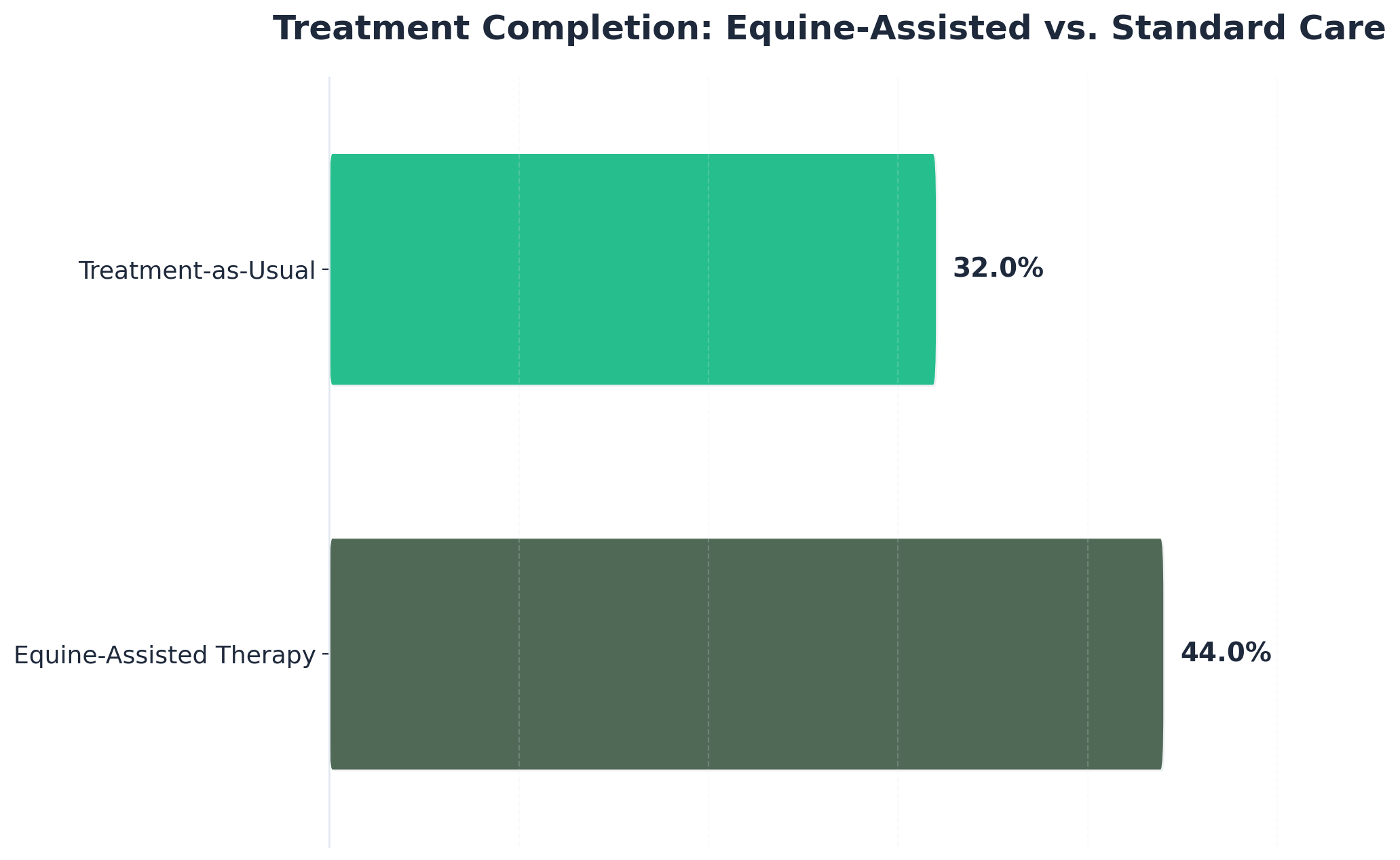
In one study, the treatment completion rate for individuals in an equine therapy group was 44%, compared to 32% in a standard care group5.
| Group | Treatment Completion Rate |
|---|---|
| Equine-Assisted Therapy | 44% |
| Treatment-as-Usual | 32% |
At Rocky Mountain Treatment Center, equine-assisted therapy is woven into our whole-person approach, offering a unique path for hands-on recovery and healing. Experiential therapies like this can complement evidence-based counseling and wellness activities, giving you more tools to build self-confidence and emotional balance.
Nature-Based and Recreational Therapies
Nature-based and recreational therapies are a meaningful part of the healing process at a holistic addiction treatment center. Spending time outdoors—whether it’s hiking, gardening, or simply enjoying the fresh air—can help lower stress, lift your mood, and strengthen your sense of connection to the world around you. At Rocky Mountain Treatment Center, clients often take part in activities like guided nature walks, meditation by the river, or recreational sports.
Research points out that treatment centers incorporating access to natural environments and recreational therapy into their daily routine can help clients feel safer, more grounded, and more engaged in their recovery journey5. When you’re comparing holistic addiction recovery programs, ask how often these outdoor or recreational options are offered and if they’re included regularly, not just as a rare treat.
Explore Wellness and Spiritual Programs
Exploring the wellness and spiritual programs at a holistic addiction treatment center helps you see how your mind, body, and spirit will be supported during recovery. True holistic care means looking beyond just talk therapy or medical care—it includes activities that help you feel balanced, calm, and connected to something bigger than yourself. At Rocky Mountain Treatment Center, wellness offerings like nutrition counseling, meditation, and body-healing classes are part of everyday life, giving you practical ways to reduce stress and rebuild your health.
Some centers also offer spiritual programs, such as mindfulness groups or quiet reflection spaces, which invite you to explore your own beliefs at your own pace. Research shows that programs which attend to a person’s physical, emotional, and spiritual needs—using a wide menu of wellness activities—help people feel safer, more engaged, and more motivated to stick with treatment5.
Nutrition, Meditation, and Body Healing
Nutrition, meditation, and body-healing therapies are powerful wellness activities you’ll find at a holistic addiction treatment center like Rocky Mountain Treatment Center. Eating nourishing meals helps your body recover from the stress of addiction and gives you the energy for therapy and daily life. At our center, you’ll work with nutrition counselors who understand how food choices affect both mood and physical health—supporting your whole-person recovery.
Meditation and mindfulness classes are built into our daily routine, making it easier for you to manage cravings and calm anxious thoughts. Studies show that wellness programs which include body-centered therapies and relaxation exercises help people feel safer, reduce stress, and stay more engaged in treatment5.
Optional vs. Mandatory Spiritual Elements
When you’re considering a holistic addiction treatment center, it’s natural to wonder if spiritual activities will be required or if you’ll have the freedom to choose what feels comfortable. At Rocky Mountain Treatment Center, spiritual elements are always optional, never forced. We recognize that healing looks different for everyone—some people find meaning and calm in mindfulness groups or quiet reflection spaces, while others prefer to focus on wellness activities like meditation or nature walks.
The most supportive holistic recovery programs give you the choice to participate in spiritual offerings at your own pace, respecting your beliefs and comfort zone. Research shows that programs allowing clients to select from a menu of wellness and spiritual activities—rather than making any one approach mandatory—help people feel safer, more motivated, and more engaged in their recovery journey5.
Step 6: Examine Aftercare and Alumni Support
Recovery doesn’t end when treatment does. The transition from a structured treatment environment back to everyday life represents one of the most vulnerable periods in the recovery journey, which is why comprehensive aftercare and alumni support can make the difference between lasting sobriety and relapse.
When assessing treatment centers, ask detailed questions about their aftercare planning process. Quality programs begin discharge planning on day one, working with you throughout treatment to develop a personalized aftercare strategy. This plan should address housing arrangements, outpatient therapy connections, support group recommendations, and strategies for managing triggers in daily life.
Confirm Robust Continuing Care Plans
A strong holistic addiction treatment center will have a clear, personalized plan for continuing care that starts before you finish your main program. At Rocky Mountain Treatment Center, we work with you to design a step-by-step aftercare plan that fits your needs, including regular check-ins, support groups, and connections to local wellness activities. Research shows that clients who join continuing care programs have higher abstinence rates and better long-term outcomes than those who do not receive ongoing support10.
Your plan should include ways to stay connected—like phone calls, virtual meetings, or in-person sessions—so you always have help when life gets tough. Whole-person recovery means your care shouldn’t stop at discharge; instead, it should follow you as you rebuild your life, making sure you have tools for both emotional healing and relapse prevention.
Why Aftercare Determines Long-Term Success
Aftercare is the secret ingredient that can make all the difference in your recovery journey. When you leave a holistic addiction treatment center like Rocky Mountain Treatment Center, life’s challenges don’t disappear—but with a strong aftercare plan, you don’t have to face them alone. Research shows that people who join continuing care programs—like regular check-ins, support groups, or phone calls—have higher abstinence rates and more days without substance use than those who don’t get ongoing support10.
This kind of ongoing recovery support helps you handle triggers, build new routines, and stay motivated, especially during tough times. At Rocky Mountain Treatment Center, aftercare is built into your plan from the start, so you always have access to whole-person support and wellness activities even after you graduate.
Ongoing Monitoring and Check-Ins
Ongoing monitoring and regular check-ins are the backbone of a strong aftercare plan at any holistic addiction treatment center. These check-ins can happen by phone, video call, or in-person, helping you stay connected to your support team and spot small issues before they grow. At Rocky Mountain Treatment Center, our team schedules routine follow-ups to see how you’re doing, offer encouragement, and adjust your recovery plan if life throws you a curveball.
Research finds that regular monitoring and continuing care activities lead to higher rates of abstinence and more days substance-free, showing their real impact on long-term recovery10. This kind of whole-person support—blending behavioral health guidance with wellness activities and check-ins—makes it easier to stay on track even when challenges pop up.
Assess Alumni Community Engagement
A strong alumni community is one of the true strengths of a holistic addiction treatment center like Rocky Mountain Treatment Center. Staying connected with others who share your recovery journey helps you feel supported long after your main program ends. Alumni engagement means you’re invited to join ongoing group meetings, wellness activities, and special events—both online and in person—so you never have to face challenges alone.
Research shows that programs with active alumni involvement and peer-based recovery activities lead to better long-term outcomes and help people stay engaged in healthy routines10. These communities create a safe space where you can celebrate milestones, learn new wellness strategies, and get encouragement when you need it most. At Rocky Mountain Treatment Center, our alumni network brings together people from all walks of life, making it easier to keep whole-person recovery front and center.
Virtual and In-Person Support Groups
Virtual and in-person support groups are a cornerstone of alumni connection at a holistic addiction treatment center. After you finish your main program at Rocky Mountain Treatment Center, you’re welcomed into a caring community that meets regularly—whether online or face-to-face. This means you can join group meetings and wellness activities from home or attend special in-person events, making it easy to stay connected no matter where life takes you.
Research shows that programs offering ongoing peer-based groups, both virtually and in person, help people maintain recovery and build healthy routines long after treatment ends10. These groups aren’t just about sharing challenges; they’re places to celebrate milestones, learn new wellness strategies, and get encouragement when you need it most.
Case Management Beyond Discharge
Case management beyond discharge is a key part of whole-person recovery at a holistic addiction treatment center. At Rocky Mountain Treatment Center, your support doesn’t stop on your last day in the main program. Instead, a dedicated case manager helps guide you through the practical steps of life after treatment—things like finding local support, setting up wellness activities, or connecting you with behavioral health resources in your community.
This extra layer of help can make a big difference in keeping your recovery on track. Research highlights that ongoing case management and alumni engagement lead to better long-term outcomes and help you maintain healthy routines well after leaving residential care10. By blending personal follow-up with access to wellness and behavioral health support, Rocky Mountain’s approach to case management ensures you never have to navigate recovery alone.
Step 7: Consider Location and Accessibility
Location plays a bigger role in recovery success than many people realize. You’ll need to weigh the benefits of staying close to home versus traveling to a new environment for treatment. Choosing a facility near a support network offers distinct advantages. Family members can visit more easily, participate in therapy sessions, and stay connected throughout a recovery journey.

On the other hand, traveling to a treatment center in a different city or state provides distance from triggers and negative influences within a home environment. A change of scenery can offer a fresh perspective and allow you to focus entirely on healing without the distractions of daily life. Many people find that stepping away from their usual surroundings helps them break old patterns more effectively.
Weigh Distance Against Treatment Quality
When you’re deciding between a holistic addiction treatment center close to home and one that’s farther away, it’s important to balance distance with the quality of care you’ll receive. Research shows that people who live more than four miles from their treatment center are less likely to finish their program and often have shorter stays, which can affect recovery4. But sometimes, the best fit for your needs might not be right around the corner.
At Rocky Mountain Treatment Center, we understand that whole-person healing depends on both accessible location and the right blend of evidence-based therapy and wellness activities. If you’re looking at centers farther from home, ask about their transportation options, support for out-of-town clients, and how they help keep you connected with loved ones during your stay. Use the table below to help weigh your options:
| Factor | Close to Home | Farther Away |
|---|---|---|
| Easier family visits | Yes | Sometimes |
| Higher treatment completion rates | Yes (within 4 miles)4 | Lower (more than 4 miles)4 |
| Access to preferred therapies | Varies | Varies |
| Unique programs (like equine or nature-based therapies) | Sometimes | Sometimes |
How Geography Impacts Completion Rates
Where you live makes a real difference in how likely you are to finish treatment at a holistic addiction treatment center. Studies show that people who travel more than four miles to get to their program are less likely to complete care, and their stays tend to be shorter compared to those who live closer4. This is true even when the center offers excellent evidence-based therapy and wellness activities.
At Rocky Mountain Treatment Center, we understand that traveling a long distance can make it harder for family to visit and for you to stay connected with your support network. That’s why we offer flexible solutions to help bridge the gap, so distance doesn’t keep you from whole-person recovery. Remember, making treatment easy to reach boosts your chances of sticking with the program and reaching your goals.
Transportation Solutions and Pickup Services
Transportation can be a major concern when choosing a holistic addiction treatment center, especially if travel distance makes it harder for you or your family to get to the program. That’s why Rocky Mountain Treatment Center offers flexible transportation solutions and pickup services designed to make your journey as smooth as possible. We know that clients who have trouble getting to treatment are less likely to finish the program, which can affect their long-term recovery and well-being4.
Whether you’re coming from nearby or another state, our team can help arrange rides from airports, bus stations, or even your home, so you don’t have to worry about the details. These transportation and pickup options help reduce barriers, making it easier for you to focus on healing through evidence-based therapy and wellness activities.
Verify Insurance and Admission Process
Before you start your journey at a holistic addiction treatment center, it’s important to make sure the admission process feels clear and welcoming. At Rocky Mountain Treatment Center, we know that understanding insurance coverage and what to expect on day one can ease a lot of stress. Ask the admissions team if they accept your insurance and provide a simple breakdown of what’s covered—centers that are up front about costs can help you plan with confidence.
Research shows that programs which support easy access and clear information about next steps are more likely to keep people engaged and help them complete their recovery plan4. A friendly, step-by-step admission process that includes help with paperwork, insurance questions, and what to bring on your first day is a good sign that the center values your whole-person experience.
In-Network Coverage and Cost Transparency
Getting clear information about in-network insurance coverage and costs is one of the best ways to reduce stress when starting at a holistic addiction treatment center. At Rocky Mountain Treatment Center, our admissions team checks your insurance right away and explains what’s covered—so there are no surprises. We believe in being upfront about what your plan includes and what, if anything, you might pay out of pocket.
Programs that make insurance coverage easy to understand, and share a simple breakdown of costs, help keep people engaged and more likely to finish treatment4. Here’s a quick table to help you know what to ask:
| What to Ask | Why It Matters |
|---|---|
| Is my insurance in-network? | Lowers out-of-pocket costs |
| What’s covered/not covered? | Helps you plan and avoid surprises |
| Can I get a cost breakdown? | Makes budgeting and planning easier |
Same-Day Admission Availability
Finding out if a holistic addiction treatment center offers same-day admission can make a huge difference when you or a loved one is ready for help. Quick access matters—research shows that centers with easy entry steps and fast admissions keep people more engaged and help them complete their recovery plan4. At Rocky Mountain Treatment Center, we do our best to welcome new clients the same day they call, guiding you step-by-step through paperwork, insurance questions, and what to bring so you can settle in without delay.
This approach helps reduce anxiety and makes it easier to start your journey toward whole-person healing right away. If you’re comparing centers, ask if same-day admission is available, what you’ll need for a speedy start, and how the team supports you during those first important hours.
Common Mistakes When Choosing Treatment
Even with solid intentions, people often make avoidable mistakes when selecting addiction treatment. Being aware of these common pitfalls can help you make a more informed decision for yourself or a loved one. One of the biggest mistakes is choosing treatment based solely on cost or insurance coverage. While financial considerations matter, the cheapest option isn’t always effective. Treatment is an investment in long-term recovery, and quality care can prevent costly relapses down the road.
Another common error is selecting a treatment center without verifying their credentials and success rates. Not all facilities maintain comparable standards of care. Take time to research whether they’re accredited, whether staff members hold proper licenses, and what their approach to treatment entails. Feel confident asking tough questions about their methods and outcomes.
Prioritizing Amenities Over Outcomes
It’s easy to be drawn to a holistic addiction treatment center that boasts luxury rooms, beautiful scenery, or gourmet meals. While these perks can make your stay more comfortable, they don’t guarantee you’ll get the best care for your recovery. Research shows that real results come from centers that focus on evidence-based therapy, skilled staff, and whole-person healing—not just fancy extras1.
At Rocky Mountain Treatment Center, our priority is your well-being and long-term recovery, so we invest in therapies and support that truly make a difference. Amenities like spas or private suites may sound appealing, but it’s the quality of the clinical program and the strength of the wellness activities that shape your success. When you compare centers, look deeper than the surface details and ask about the treatment methods, staff training, and aftercare options.
Ignoring Accreditation Limitations
It’s a common mistake to think that any holistic addiction treatment center with a big-name accreditation is guaranteed to offer the best care. While accreditations like CARF or the Joint Commission do show a center meets certain safety standards, research shows that simply having these credentials doesn’t mean the program actually uses more evidence-based therapies or delivers stronger results1.
At Rocky Mountain Treatment Center, we believe that whole-person healing goes beyond checking boxes—it’s about using proven behavioral health strategies and wellness activities that truly help you recover. So, don’t stop your search at the accreditation label. Ask about the center’s actual treatment methods, staff training, and the types of ongoing support they provide.
Conclusion
Navigating the world of addiction treatment can feel overwhelming, but you don’t have to figure it out alone. An effective approach combines understanding your specific needs, identifying the right level of care, and working with professionals who can guide you toward solutions that deliver real results for your unique situation.
Remember that successful recovery isn’t about finding a one-size-fits-all miracle cure. It’s about building a comprehensive strategy that addresses the root causes of addiction while supporting your mind, body, and spirit. Whether dealing with alcohol use disorder, opioid dependence, or co-occurring mental health conditions, the holistic strategies we’ve explored can help achieve lasting sobriety.
Start by implementing the foundational steps we’ve discussed: verifying evidence-based therapies, checking staff credentials, and ensuring robust aftercare. From there, look for targeted treatments that address specific concerns, whether that’s trauma-informed care, dual diagnosis support, or experiential therapies like equine-assisted learning.
The journey to recovery is exactly that—a journey. Be patient with yourself while discovering what works best. With proper knowledge, consistent care, and professional support from a center like Rocky Mountain Treatment Center, taking control of your life and revealing a confident, healthy future is within reach.
Frequently Asked Questions
When it comes to choosing a holistic addiction treatment center, you likely have questions about what to expect. Here are answers to some of the most frequently asked concerns patients share during consultations.
What if I’ve been through treatment before and relapsed—will holistic treatment work better this time?
If you’ve gone through treatment before and relapsed, you’re not alone—and it doesn’t mean you can’t recover. Many people find that trying again with a holistic addiction treatment center brings new hope because these programs focus on your whole self: mind, body, and emotions. At Rocky Mountain Treatment Center, we blend proven therapies like cognitive-behavioral therapy with wellness activities and hands-on recovery options, which can help you discover new strengths and stay motivated. Research shows that combining evidence-based treatment with holistic supports often leads to higher engagement and better long-term results, especially for those who’ve struggled in the past1. Every person’s recovery is different, and a program that fits your unique needs—including wellness activities and spiritual or experiential therapies—can help you break old patterns and build a stronger foundation for lasting change. If you’re ready to try again, a holistic approach might be just what helps things click this time.
How do I know if my insurance will cover holistic addiction treatment?
To find out if your insurance will cover care at a holistic addiction treatment center, start by calling the admissions team at Rocky Mountain Treatment Center or your chosen facility. They can check your insurance plan for you and explain what’s included, like coverage for behavioral health services, wellness activities, and any extras. Many insurance plans will pay for evidence-based therapy and medical detox, but coverage for holistic supports such as experiential therapies or nutrition counseling may vary. Research shows that centers with clear, upfront information about insurance coverage and costs help more people complete treatment and feel confident about starting recovery4. Make sure to ask if the center is in-network, what your out-of-pocket costs might be, and if you’ll get a detailed breakdown before you begin. This step-by-step help is part of what makes Rocky Mountain Treatment Center both accessible and welcoming, making your journey to whole-person healing a little easier.
Is it safe to detox from alcohol or opioids at a holistic treatment center?
Yes, it can be safe to detox from alcohol or opioids at a holistic addiction treatment center—as long as the program offers 24/7 medical supervision and follows expert guidelines. At Rocky Mountain Treatment Center, safety during detox is a top priority. Our experienced nurses and clinical team are on-site around the clock, while our doctors are always available if your symptoms become severe. Research shows that matching the detox level to your needs—with proper medical staff and protocols—greatly reduces risks and helps you start recovery on the right foot2. Alcohol and opioid withdrawal can be dangerous without the right support, so always look for a center that combines medical monitoring with whole-person care, including wellness activities and emotional support. If you have underlying health conditions or a history of complicated withdrawal, let the admissions team know so they can create a personalized, safe plan for you.
What if I have depression or anxiety along with my addiction—can holistic centers treat both?
Yes, a holistic addiction treatment center like Rocky Mountain Treatment Center is fully equipped to treat both addiction and mental health challenges such as depression or anxiety. In fact, about half of all people seeking help for substance use also deal with mental health conditions, so integrated care is essential for true healing3. At Rocky Mountain, your treatment plan is designed by a team of behavioral health specialists who work together to address both your emotional and addiction needs at the same time, not one after the other. This approach is called dual-diagnosis care, and research shows it leads to better recovery outcomes than treating each issue separately3. During your stay, you’ll have access to evidence-based therapies, medication support if needed, and wellness activities that nurture your whole self—mind and body.
How long should I expect to stay in a holistic addiction treatment program?
The length of stay at a holistic addiction treatment center can vary depending on your unique needs, recovery goals, and the recommendations of your care team. Most residential programs, like the one at Rocky Mountain Treatment Center, offer a 30-day stay as a starting point, but many people benefit from longer treatment—sometimes 60 days, 90 days, or even more if extra support is needed. Research shows that spending more time in treatment and having ongoing support leads to better recovery outcomes and helps you build a stronger foundation for lasting change10. Your stay will include a mix of evidence-based therapy, wellness activities, and hands-on recovery options, all designed to support your whole-person healing. During your intake assessment, the team will talk with you about the best length of stay for your situation and make adjustments if needed, so you always feel supported on your journey.
Will my family be involved in my treatment at a holistic center?
Family involvement is a key part of the healing journey at a holistic addiction treatment center like Rocky Mountain Treatment Center. We know that support from loved ones can make a real difference, so we offer family education sessions, group meetings, and regular updates—always with your comfort and privacy in mind. Research shows that when families are included, people often feel more motivated and have better long-term recovery outcomes1. At our center, your family can learn about addiction, join special wellness activities, and get tips on how to support your recovery at home. You’re always in control of how much you want your family involved, and we respect your wishes every step of the way. This approach to whole-person healing helps you and your loved ones move forward together.
What happens after I complete the 30-day program—will I be on my own?
You won’t be left on your own after completing the 30-day program at a holistic addiction treatment center like Rocky Mountain Treatment Center. Your care team will help you create a personalized aftercare plan before you even leave, making sure you have regular check-ins, support groups, and access to alumni activities. Research shows that ongoing support after your main program—such as continuing care and alumni engagement—leads to higher abstinence rates and better long-term recovery10. With resources like wellness activities, virtual meetings, and a caring alumni network, you’ll have the tools and community you need to stay connected and supported. At Rocky Mountain, whole-person healing means walking with you every step of the way, so you always have help as you build your new, healthy routine.
Are spiritual or faith-based activities required at holistic treatment centers?
No, spiritual or faith-based activities are not required at most holistic addiction treatment centers. At Rocky Mountain Treatment Center, spiritual programs like mindfulness groups or quiet reflection times are always optional—you decide what feels right for you. We understand that everyone’s path to recovery is unique, so our team encourages you to choose from a variety of wellness activities, whether that’s meditation, nature walks, or simply enjoying peaceful moments. Research shows that when clients are allowed to select their own spiritual or wellness activities, rather than being required to participate in any single approach, they feel safer, more engaged, and more motivated to stick with treatment5. This flexibility is a big part of whole-person healing and supports your comfort and personal beliefs.
What if the treatment center is far from my home—should I choose something closer?
If the holistic addiction treatment center that’s the best fit for you is far from home, you might wonder if you should pick something closer. Research shows that people who live more than four miles from their treatment program are less likely to complete care and often have shorter stays4. This is because distance can make it harder for family to visit and for you to stay connected with your support system. At Rocky Mountain Treatment Center, we understand this challenge and offer transportation solutions and flexible support to help bridge the gap, making treatment more accessible. Sometimes, though, traveling for care is worth it—especially if the center offers the evidence-based therapy, wellness activities, and whole-person healing approach you need. Ask about options for remote check-ins, family involvement, and alumni support, which can help you stay connected no matter the distance.
How do I know if equine therapy or other experiential therapies are right for me?
If you’re wondering if equine therapy or other experiential therapies are a good fit, start by thinking about what feels comfortable and motivating to you. Experiential therapies at a holistic addiction treatment center, like Rocky Mountain Treatment Center, include hands-on activities such as working with horses, art, nature walks, or group challenges. These approaches are meant to help you reconnect with your emotions, build confidence, and practice new skills outside traditional talk therapy. Research shows that people who are interested in experiential therapies—especially equine-assisted therapy—often feel more engaged and motivated in their recovery5. In one study, the treatment completion rate was higher for those in an equine therapy group (44%) compared to standard care (32%), though this difference wasn’t statistically significant5. If you’re drawn to being active, connecting with animals, or learning through doing, these therapies might be a great match.
What’s the difference between a holistic center and a traditional rehab?
The main difference between a holistic addiction treatment center and a traditional rehab is how each one supports your recovery. Traditional rehabs usually focus on talk therapy, group counseling, and sometimes medication to address substance use. These programs are often more structured and may not always include activities that nurture your body and spirit. In contrast, a holistic addiction treatment center like Rocky Mountain Treatment Center blends proven therapies—such as cognitive-behavioral therapy and motivational interviewing—with wellness activities and experiential options. This means you might have access to things like meditation, nature walks, nutrition counseling, or equine-assisted therapy, all alongside traditional behavioral health support. Research shows that combining evidence-based therapy with holistic wellness activities improves engagement and helps people feel more balanced and motivated during recovery1.
Can I bring my phone or stay in contact with loved ones during treatment?
Yes, you can usually stay in contact with your loved ones during your time at a holistic addiction treatment center, though there may be some guidelines around phone use. At Rocky Mountain Treatment Center, we understand how important family and friend support is for whole-person healing, so you’ll have scheduled times to call or video chat with loved ones. While personal phone use might be limited during certain therapy sessions or group activities to help you focus on recovery, the goal is never to cut you off from your support network. Research shows that when people feel connected to family and friends, they’re more likely to complete treatment and feel engaged in their recovery4. Our team is happy to work with you and your loved ones to set up regular check-ins and make sure you’re supported every step of the way.
What if I’m worried about taking time off work for 30 days of treatment?
Feeling nervous about taking 30 days off work for treatment is very common. Many people are worried about job security, income, or simply stepping away from daily responsibilities. The good news is that holistic addiction treatment centers like Rocky Mountain Treatment Center understand these concerns and help you plan ahead. Federal laws like the Family and Medical Leave Act (FMLA) often let you take medical leave without losing your job, and your admissions team can give you documentation for work if needed. Research shows that the longer you spend in a supportive recovery program—with access to wellness activities and behavioral health strategies—the better your long-term outcomes and your ability to keep up with work and life afterward10. Taking this time is truly an investment in your future health and stability.
How do I convince a loved one to go to treatment when they don’t think they need it?
Convincing a loved one to go to a holistic addiction treatment center can be tough, especially if they don’t believe they need help. Start by having an open and gentle conversation—focus on your care and concern rather than blaming or arguing. Listen to their worries and try to understand what’s holding them back. Sometimes people resist treatment because they’re afraid, don’t feel ready, or think holistic programs are only about yoga or wellness activities. Sharing real stories about how centers like Rocky Mountain Treatment Center blend evidence-based therapy with supportive wellness options can help clear up misunderstandings. Research shows that approaches like motivational interviewing—meeting someone where they are, asking thoughtful questions, and helping them find their own reasons to change—can increase willingness to try treatment6.
References
- Tracking the Quality of Addiction Treatment Over Time and Across States – NCBI. https://www.ncbi.nlm.nih.gov/books/NBK559647/
- Settings, Levels of Care, and Patient Placement – NCBI Books. https://www.ncbi.nlm.nih.gov/books/NBK64109/
- Treatment for Substance Use Disorder With Co-Occurring Mental Illness – NCBI. https://www.ncbi.nlm.nih.gov/pmc/articles/PMC6526999/
- Spatial Accessibility of Drug Treatment Facilities and Effects on Outcomes – NCBI. https://www.ncbi.nlm.nih.gov/pmc/articles/PMC4065640/
- Equine-Assisted Services for Individuals with Substance Use Disorders – NCBI. https://www.ncbi.nlm.nih.gov/pmc/articles/PMC9749232/
- Motivational Interviewing to Improve Treatment Engagement and Retention – NCBI. https://pmc.ncbi.nlm.nih.gov/articles/PMC2386852/
- Using Motivational Interviewing in Substance Use Disorder Treatment – SAMHSA. https://library.samhsa.gov/sites/default/files/PEP20-02-02-014.pdf
- An Evaluation of Cognitive Behavioral Therapy for Substance Use Disorder – NCBI. https://pmc.ncbi.nlm.nih.gov/articles/PMC10572095/
- Contingency Management: Using Incentives to Improve Outcomes – NCBI. https://pmc.ncbi.nlm.nih.gov/articles/PMC6834344/
- Continuing Care Research: What We’ve Learned and Where We’re Going – NCBI. https://pmc.ncbi.nlm.nih.gov/articles/PMC2670779/