Montana’s Landscape for Equine-Assisted Healing
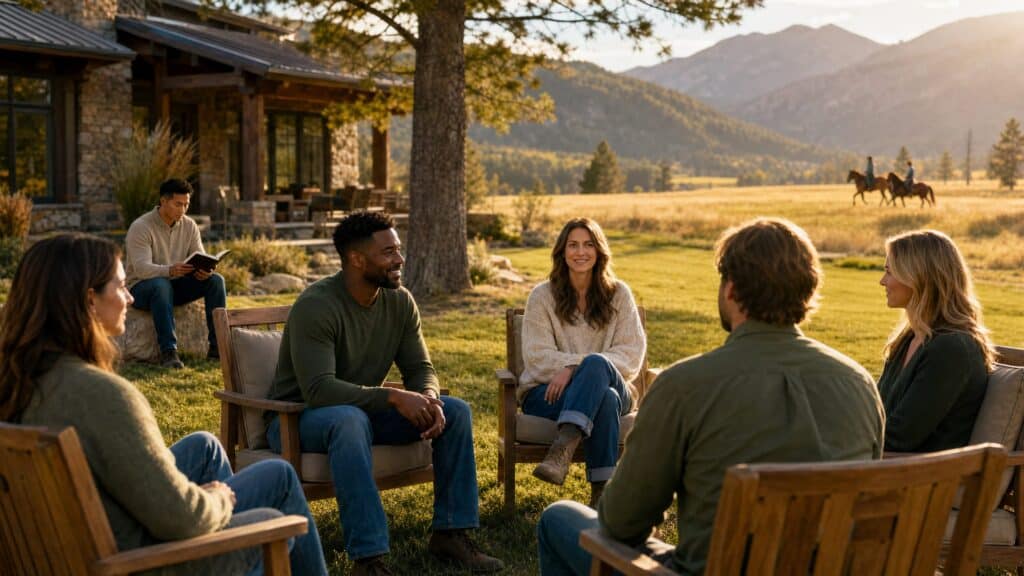
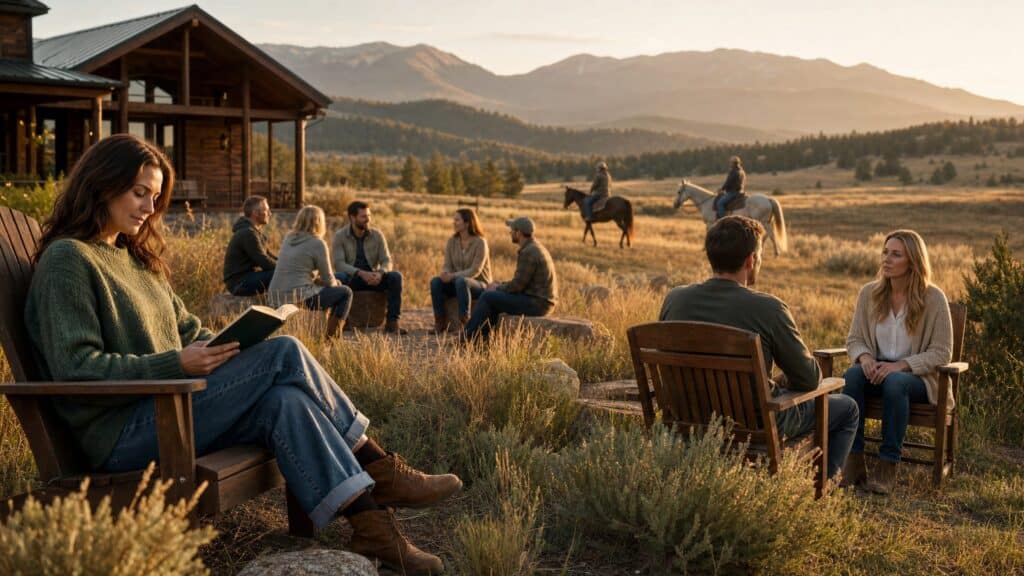
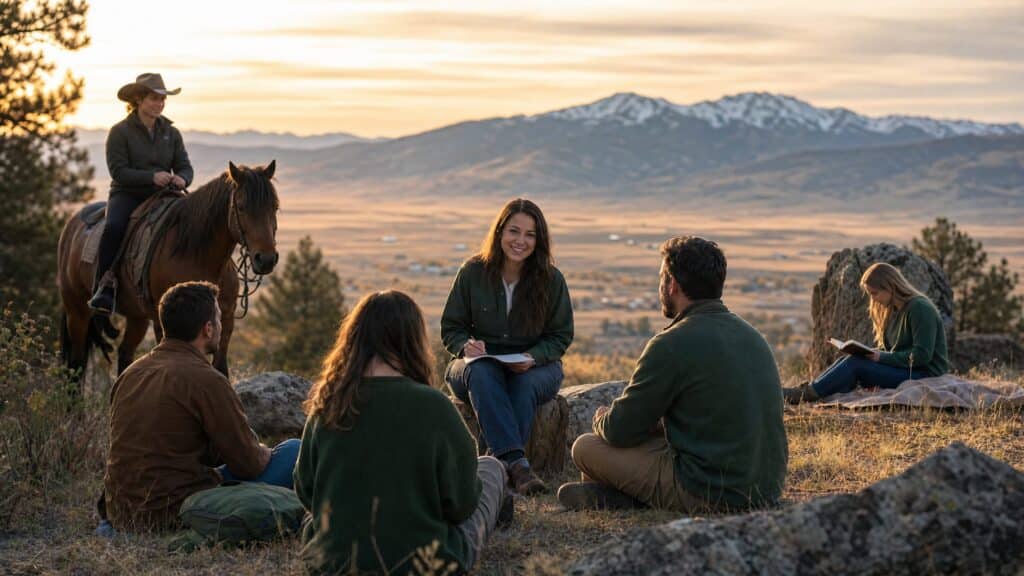
Montana’s landscape offers distinct therapeutic advantages for trauma-informed equine programs. The state’s ranching heritage creates an authentic foundation—facilities here aren’t importing a therapeutic modality; they’re integrating clinical frameworks into environments where human-animal partnerships have existed for generations. This cultural authenticity strengthens therapeutic alliance and reduces the artificial feel that can undermine engagement in trauma-affected populations. The environment itself functions as a clinical asset. Montana’s mountains, open skies, and natural settings create conditions that support nervous system regulation—essential for clients whose trauma responses keep them in heightened arousal states. Research consistently shows that natural environments reduce cortisol levels and support parasympathetic activation. For trauma-affected clients working through addiction, these physiological shifts create windows of tolerance where therapeutic work becomes possible. The spatial openness and reduced sensory overwhelm allow clients to access internal states without the defensive shutdown common in traditional clinical settings. Effective Montana programs integrate equine therapy into comprehensive treatment models that address both substance use and underlying trauma. These structured therapeutic experiences utilize horses’ neurobiological sensitivity to create real-time biofeedback loops. Clients learn to recognize their own dysregulation patterns, practice co-regulation with another nervous system, and develop skills in boundary-setting and trust-building—all fundamental to trauma recovery. Horses provide honest, non-judgmental responses that bypass the shame narratives many trauma-affected clients carry. What distinguishes Montana’s clinical landscape is the integration of expertise with environmental authenticity. Many facilities employ staff with both clinical credentials and lived recovery experience, creating therapeutic relationships grounded in genuine understanding rather than theoretical knowledge alone. This peer-informed approach, combined with settings that naturally encourage reflection and nervous system regulation, creates conditions where sustainable recovery outcomes become achievable for clients with complex trauma histories.How Horses Help Heal Trauma and Addiction
The Science Behind Equine-Assisted Therapy
The science behind equine-assisted therapy is both fascinating and empowering, especially when viewed through a Montana lens. When you work with horses in a therapeutic setting, it’s not just about riding—it’s about building trust, reading nonverbal cues, and experiencing authentic feedback in real time. Research shows that equine therapy MT programs help activate the brain’s emotional regulation systems, leading to measurable improvements in self-esteem, self-efficacy, and stress management for people with substance use disorders 47.
Horses are naturally responsive to human emotions and body language. Their immediate reactions can gently mirror your internal state, offering honest, nonjudgmental feedback. This real-time reflection helps you recognize patterns and practice new coping skills in a safe, supportive environment. Studies even indicate that participants in equine-assisted interventions often stay in treatment longer and report greater motivation to heal—an important win for many Montana communities where retention can be a challenge 7.
Remember, your unique journey deserves approaches that honor both evidence and experience. As you continue, you’ll see how this science connects with trauma-informed care at the heart of equine therapy.
Trauma-Informed Care Through Connection
Trauma-informed care isn’t just a buzzword in Montana—it’s a daily practice, especially when you’re working alongside horses. In equine therapy MT programs, connection and safety come first. Horses respond honestly and without judgment, allowing you to build trust at your own pace. This approach helps address the deep wounds of trauma by creating a space where you can feel seen, calm, and in control.
Recent research with trauma-affected first responders found that equine-assisted therapy led to significant reductions in depression and PTSD symptoms, while also increasing trust—both in themselves and in others 6. These outcomes matter in Montana, where many communities value resilience and authentic relationships. You’ll notice that horses offer instant feedback: if you’re anxious or guarded, they sense it. Over time, learning to regulate your emotions around a horse can translate to more confidence and self-compassion in other settings 8.
Every step you take in this process—whether you’re in the Bitterroot or on the plains—counts toward restoring a sense of safety and connection. Next, we’ll look at how Montana’s regulations help keep equine programs safe and effective for everyone.
Montana Regulations and Licensing Standards
Montana’s expansive therapeutic landscape offers more than natural beauty—it provides the setting for programs held to rigorous standards that protect vulnerable populations during their healing journey. Understanding the regulatory framework governing equine-integrated treatment helps you design programs that meet both clinical excellence and ethical accountability, particularly when working with trauma-affected clients whose safety depends on comprehensive oversight. The Montana Department of Public Health and Human Services oversees behavioral health licensing through its Addictive and Mental Disorders Division. Residential treatment facilities must obtain proper licensure, maintain staff credentials, and follow established protocols for client safety. For professionals developing trauma-informed programs, these regulations establish the baseline infrastructure—documentation systems, emergency procedures, and care delivery standards—that supports specialized interventions like equine work. When clients carry histories of complex trauma, these foundational safeguards become essential rather than bureaucratic. Programs integrating equine activities into trauma treatment navigate additional considerations. While Montana doesn’t require a separate “equine therapy license,” facilities must ensure their experiential activities align with their treatment license scope and clinical model. Staff members facilitating horse-centered sessions typically hold credentials in mental health counseling, social work, or addiction counseling, plus specialized training in equine-assisted interventions. This dual competency matters significantly when working with trauma survivors, who require practitioners who understand both therapeutic boundaries and the unique relational dynamics that emerge in equine environments. The Equine Assisted Growth and Learning Association (EAGALA) provides one widely recognized certification model, though various training pathways exist. What matters most for trauma-informed practice is that facilitators understand both trauma-responsive care principles and safe horse handling—two skill sets that require intentional integration. Horses naturally respond to nervous system states, which can be powerfully therapeutic but also requires practitioners who recognize when activation occurs and how to support regulation. Montana’s Joint Commission accreditation standards add another layer of quality assurance particularly relevant to trauma treatment. Facilities pursuing this voluntary accreditation demonstrate commitment to evidence-based practices, continuous improvement, and comprehensive care delivery. For programs serving trauma-affected populations, accreditation signals that equine-based interventions operate within a framework of professional accountability, not as standalone activities but as integrated components of a cohesive treatment model designed around client safety and therapeutic progression. These regulatory structures create the foundation that allows innovative, experiential work to happen safely—protecting both the clients who deserve careful, competent care and the professionals committed to providing it.Who Benefits Most From Equine Programs in MT
Veterans and First Responders With PTSD
Veterans and first responders in Montana carry invisible scars from service—PTSD can shape every aspect of daily life, often leading to isolation, distrust, and emotional numbness. Equine therapy MT programs are rising as a trauma-informed bridge for these heroes. In recent research, first responders participating in equine-assisted therapy experienced significant drops in depression and trauma symptoms; before starting, five met diagnostic criteria for PTSD, but after just eight weeks, that number dropped to three 6. Veterans in Montana echo these results, reporting that working with horses brings feelings of calm, presence, and renewed trust in themselves and others 25.
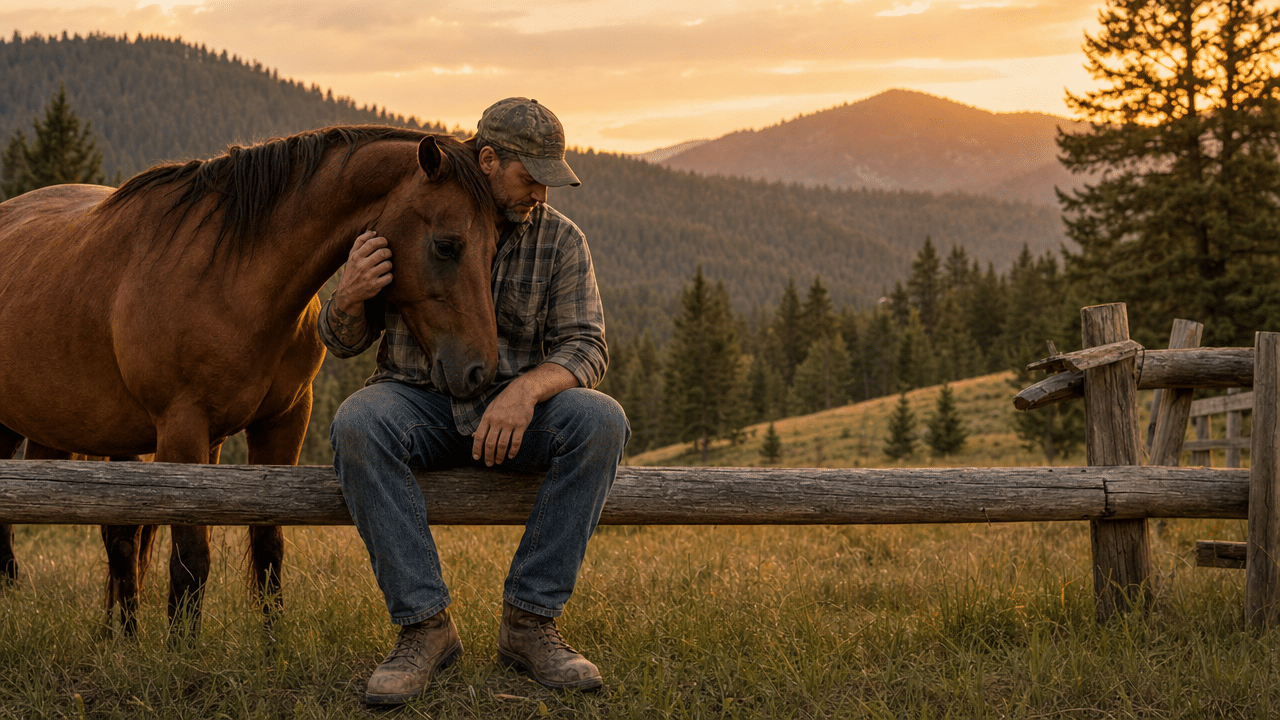
Montana’s strong tradition of service—from the Air Force base in Great Falls to rural volunteer fire departments—means many residents understand the weight of duty. The state’s close-knit communities and open landscapes create a meaningful setting for healing, where horses become nonjudgmental partners in recovery. Every small gain matters: learning to regulate your breath, feeling safe in the moment, or simply connecting without words. These are wins to celebrate, even on difficult days.
Next, let’s turn to how equine therapy supports adults facing the combined challenges of substance use and trauma.
Adults Facing Co-Occurring SUD and Trauma
Adults in Montana who are living with both substance use disorder (SUD) and trauma often find themselves caught in a cycle that feels impossible to break. You see the way trauma and addiction feed off one another—pain leading to substance use, and substance use deepening feelings of shame or isolation. In this context, equine therapy MT programs offer a path that honors both your vulnerability and your strength.
Recent research shows that equine-assisted interventions can boost treatment retention, self-efficacy, and emotional well-being among people with SUD 7. Many participants describe horses as nonjudgmental partners who help them reconnect with trust and confidence, even when trust in people feels out of reach. In Montana, where community runs deep and privacy is respected, this gentle approach resonates across regions—from Helena’s recovery circles to the support networks in Bozeman.
You’re not alone if traditional talk therapy hasn’t reached the roots of your pain. Equine therapy creates a different kind of safe space—one where progress might look like a single moment of calm or the courage to try again after a setback. Every step, no matter how small, is a win on this journey.
Next, let’s see how integrating equine work within residential care settings can amplify these gains for Montanans seeking lasting recovery.
Integrating Equine Work With Residential Care
If you’re working in residential addiction treatment—or collaborating with programs that serve trauma-affected populations—you’ve likely seen how traditional talk therapy sometimes falls short. Clients who’ve experienced trauma often struggle to access memories and emotions through words alone, especially when dissociation, hypervigilance, or somatic responses keep them locked in survival mode. This is where equine work creates something different within the residential setting.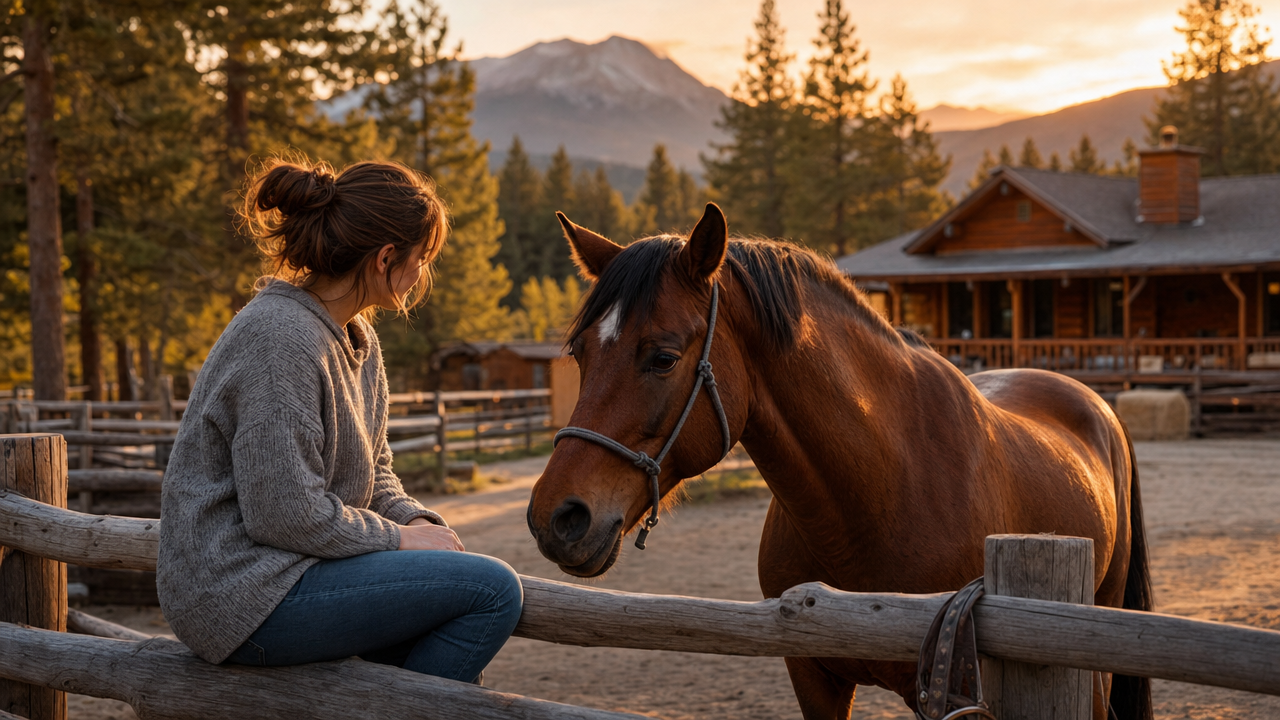
Conclusion
Montana’s integration of equine therapy within residential addiction treatment represents a distinctive convergence of environmental, regulatory, and clinical factors that trauma-informed professionals should understand when considering treatment approaches or referral options. The state’s open-space geography, permissive regulatory framework for experiential therapies, and established infrastructure for residential care create conditions where equine-assisted interventions can function as core treatment components rather than supplementary activities. For professionals working with trauma-affected populations, this integrated residential model offers several clinical advantages worth examining. The continuous therapeutic environment allows equine work to inform and be informed by concurrent individual and group therapy, creating feedback loops that accelerate attachment repair and relational skill development. The horses’ immediate biofeedback on clients’ nervous system states provides real-time data that clinicians can leverage across all treatment modalities, strengthening the coherence of trauma-informed care. As the addiction treatment field continues recognizing trauma as foundational rather than comorbid, Montana’s residential programs demonstrate how environmental and experiential elements can be structurally integrated rather than added peripherally. For professionals considering collaborative care arrangements, referral pathways, or program development, understanding how geography, regulation, and clinical philosophy intersect in Montana’s approach offers valuable insights into creating treatment environments where somatic, relational, and cognitive healing processes can occur simultaneously rather than sequentially.Frequently Asked Questions
Does insurance cover equine therapy as part of addiction treatment in Montana?
Insurance coverage for equine therapy MT as part of addiction treatment can be complex. Some private insurers in Montana may cover equine-assisted therapy when it’s integrated with licensed addiction treatment, especially within accredited residential programs. However, coverage often depends on your specific plan, medical necessity, and whether the therapy is provided by a licensed addiction counselor, as required by state law 10. Montana’s HEART Medicaid demonstration is expanding behavioral health funding, but direct equine therapy reimbursement remains limited 3. It can feel discouraging to navigate these details, but every call and appeal is a step forward—stay persistent and seek support from your facility’s billing team.
Are there liability or safety concerns you should know about before joining an equine program in Montana?
Absolutely, there are important liability and safety considerations for any equine therapy MT program. Montana law (Code 27-1-727) limits liability for equine professionals, but only if participants sign a clear waiver before engaging in horse-related activities 1. This protects both you and program staff, but it’s not a free pass—programs are still responsible for maintaining safe facilities, using qualified staff, and following best practices for trauma-informed care. On top of that, licensed residential programs must meet strict standards for staff background checks, incident reporting, and safety protocols 9. If you have questions or concerns, never hesitate to ask about a program’s safety measures—your peace of mind matters.
Do you need prior horse experience to benefit from equine-assisted therapy?
No prior horse experience is needed to benefit from equine-assisted therapy. In fact, most equine therapy MT programs are designed for people who have never worked with horses before. The focus is on building connection and trust with the animal, not on riding or horsemanship skills. Research highlights that the therapeutic value comes from the relationship and interaction, not technical ability 8. Therapists and equine specialists guide you step by step, making sure you feel supported and safe—especially important when trauma or anxiety is part of your background. Every new connection, even if it feels small, is a reason to celebrate.
How long does it typically take to see results from equine-assisted therapy?
You might notice subtle shifts after just a few equine therapy MT sessions—like feeling calmer or more present with your emotions. In Montana-based studies, some participants reported meaningful changes in mood, trust, and self-awareness after six to eight weeks of weekly sessions 68. For others, especially those living with deep trauma or addiction, it can take longer for changes to feel steady or life-changing. Progress may show up as greater comfort around horses, improved relationships, or renewed hope during recovery. Remember, every small sign of growth matters—healing unfolds at your pace, and that’s worth celebrating.
Can equine therapy replace traditional counseling or medication-assisted treatment?
Equine therapy MT is a powerful complement, but it does not replace traditional counseling or medication-assisted treatment for trauma and addiction. Studies in Montana and beyond highlight that the best outcomes happen when equine-assisted interventions are integrated with established modalities—like individual therapy, group counseling, and, when appropriate, medications 78. Horses offer unique opportunities for emotional growth and trust-building, but licensed addiction counselors are essential for addressing complex mental health and substance use issues 10. If you’re considering shifting away from traditional care, consult your treatment team. Blending approaches can help you get the most out of your healing journey.
What should you look for when choosing a Montana facility that offers equine therapy?
When choosing a Montana facility offering equine therapy MT, focus on programs licensed by the Montana Department of Public Health and Human Services and staffed by Licensed Addiction Counselors with trauma-informed expertise 910. Ask about staff credentials, background checks, and how horses are integrated into the daily treatment plan. Facilities should require liability waivers as outlined in Montana Code 27-1-727 to keep everyone safe 1. Look for a culture of respect and emotional safety—where small steps are recognized and your voice matters. Asking questions and trusting your instincts is always a win during this process.
Is equine therapy available year-round in Montana despite harsh winters?
Yes, equine therapy MT is available year-round in Montana—even when the weather turns harsh. Most programs adapt by using indoor riding arenas or heated barns during the coldest months, making sure sessions stay safe and accessible. This flexibility is essential, especially in places like Great Falls or the Hi-Line where winter weather can be unpredictable. Facilities are required by state regulations to maintain safe environments for both clients and horses, regardless of the season 9. Even if sessions shift indoors, the core therapeutic work continues, so you don’t have to pause your healing journey just because it’s snowing outside.
References
- 27-1-727. Equine activity liability limitations — waivers, MCA. https://archive.legmt.gov/bills/mca/title_0270/chapter_0010/part_0070/section_0270/0270-0010-0070-0270.html
- Equine-assisted interventions for veterans with posttraumatic stress disorder: a systematic review. https://pmc.ncbi.nlm.nih.gov/articles/PMC10654975/
- State of Montana – Medicaid. https://www.medicaid.gov/medicaid/section-1115-demonstrations/downloads/mt-heart-demo-pa.pdf
- Equine-assisted therapy effectiveness in improving emotion regulation, self-efficacy, and perception of self-esteem in patients with substance use disorder. https://pmc.ncbi.nlm.nih.gov/articles/PMC10576391/
- Potential Mechanisms of Action and Outcomes of Equine-Assisted Services for Veterans with a Trauma History: A Systematic Review. https://pmc.ncbi.nlm.nih.gov/articles/PMC10379349/
- Equine-Assisted Therapy for Posttraumatic Stress Disorder Among First Responders. https://pmc.ncbi.nlm.nih.gov/articles/PMC11437700/
- Equine-assisted services for individuals with substance use disorders: a scoping review. https://pmc.ncbi.nlm.nih.gov/articles/PMC9749232/
- Equine-Assisted Psychotherapy: A Creative Approach to Mental Health Treatment. https://scholarworks.umt.edu/gsrc/2025/327/4/
- Rules for Private Residential Programs or Private Outdoor Programs. https://dphhs.mt.gov/assets/oig/RulesforPrivateResidentalProgramsorPrivateOutdoorPrograms.pdf
- Licensing Requirements and Application Checklist Licensed Addiction Counselor. https://boards.bsd.dli.mt.gov/Portals/133/Documents/bbh/BBH-LAC-APP_License-App-Checklist.pdf
- Mont. Admin. r. 8.22.3202 – PERMISSIBLE MEDICATION. https://www.law.cornell.edu/regulations/montana/Mont-Admin-r-8.22.3202