Key Takeaways for Trauma Recovery
- Assessment Guide: If traditional talk therapy feels “stuck” or cognitive processing isn’t reaching somatic symptoms, experiential therapy is the indicated next step.
- Success Factors:
- Consistency: Regular engagement with the equine process builds neural pathways for regulation.
- Integration: Combining arena work with clinical modalities (CBT/EMDR) yields the highest efficacy.
- Patience: Nervous system regulation is a biological process that cannot be rushed.
- Immediate Action: Evaluate your current treatment plan. If somatic regulation is missing, schedule an intake to discuss adding equine modalities.
Healing Trauma with Equine Therapy Great Falls MT: A Local Perspective
Why Great Falls Needs Trauma-Informed Care
When you walk through Downtown Great Falls or along the River’s Edge Trail, it’s clear this city has a spirit of resilience, but also a deep need for trauma-informed care. Neighborhoods like Fox Farm, Riverview, and the area near Malmstrom AFB have all felt the effects of Montana’s rising rates of substance use and trauma exposure. Specifically, equine therapy Great Falls MT has emerged as a critical resource for addressing these deep-seated community needs.6
Between 2014 and 2023, the statistics paint a stark picture of the local landscape:
- Stimulant-related overdose deaths in Montana jumped from 3.1 to 8.2 per 100,000 residents.
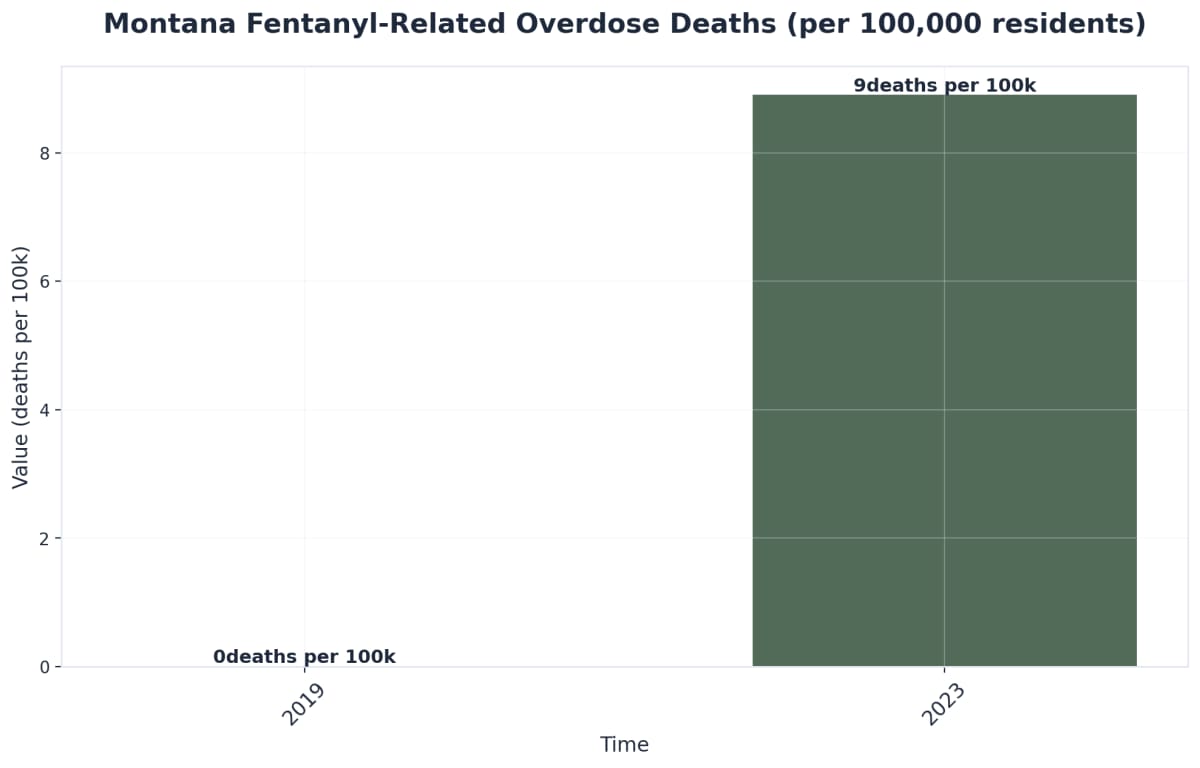
- Fentanyl deaths spiked from nearly zero to 8.9 per 100,000.
- These numbers reflect real struggles felt in homes across Skyline, Black Eagle, and near Lions Park.
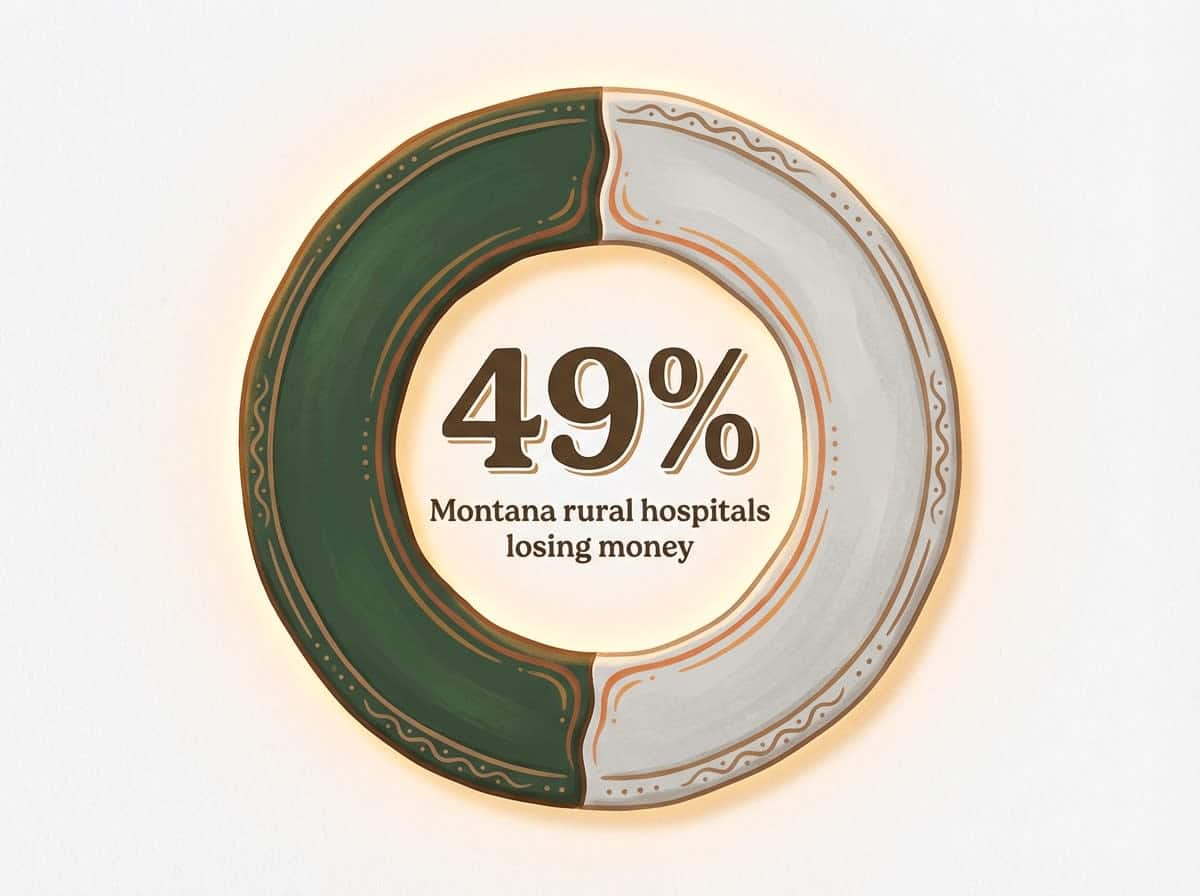
Here in Great Falls, access to traditional mental health and addiction resources is often limited. Nearly half of Montana’s rural hospitals, including several in Cascade County, are operating at a loss, and 16% are at risk of closure. Waiting lists and provider shortages can leave people in neighborhoods like West Hill and Lower Northside feeling isolated or unsupported.10
“When trauma is addressed in a way that honors local realities, every step toward healing is a win.”
That’s why trauma-informed care, especially approaches like equine therapy, have become so vital. These programs fill critical gaps, offering embodied, relational healing that meets people where they are—whether that’s minutes from the Missouri River or right off 10th Avenue South. Next, let’s look at how trauma and addiction intertwine for residents across Great Falls, and why integrated solutions matter.
The Connection Between Trauma and Addiction
In Great Falls, it’s common to see how trauma and addiction weave together—especially in neighborhoods like Riverview, West Hill, and Lower Northside, where the impact of family loss, job insecurity, and community stress is felt every day. Traumatic experiences—whether past abuse, accidents, or grief—don’t just fade away. Instead, they shape how the brain and body respond to stress, making substances like alcohol or meth feel like a quick fix for pain that’s hard to put into words.
Montana Fentanyl-Related Overdose Deaths (per 100,000 residents) (Illustrates the rapid and dramatic increase in fentanyl-related deaths in Montana between 2019 and 2023, where deaths were previously negligible.)For many residents near Gibson Park or along Central Avenue, substance use starts as a way to numb anxiety, nightmares, or intrusive memories. But as research highlights, when trauma goes untreated, these emotional states become overwhelming and drive repeated relapse—even with the best intentions. In other words, addiction isn’t just about the substance; it’s often about trying to survive with unhealed wounds.7
| Trauma Trigger | Common Substance Response | Integrated Treatment Goal |
|---|---|---|
| Hypervigilance / Anxiety | Alcohol or Benzodiazepines (to numb) | Nervous System Regulation |
| Intrusive Memories | Opioids or Methamphetamine (to escape) | Processing & Desensitization |
| Emotional Numbness | Stimulants (to feel something) | Safe Re-embodiment |
You know from experience that lasting recovery requires addressing both trauma and substance use in tandem. Approaches like equine therapy in Great Falls MT bring the body into the healing process, offering a safe space for embodied self-discovery when traditional talk therapy isn’t enough 3. In the past year, two professionals from Black Eagle and the Lower Northside shared how equine therapy gave them a way to process triggers that used to derail their progress—one even noted, “I finally had a breakthrough outside the counseling room.”
How Equine Therapy Great Falls MT Helps Process What Words Can’t
The Neurobiology of Human-Horse Connection
Step into a quiet moment at a Great Falls arena—maybe just outside the West Hill neighborhood or along a gravel road near Black Eagle—and you’ll see something extraordinary: a person and a horse, breathing side by side, both tuned in to each other’s presence. This is where the real work of equine therapy in Great Falls MT begins, rooted not just in tradition but in neuroscience.
Horses are highly attuned to human emotions and body language. Their nervous systems are wired for survival, making them sensitive to even subtle shifts in a person’s mood or stress level. When someone who’s experienced trauma steps into the arena, horses respond to unspoken cues—mirroring tension, calm, fear, or openness without judgment. This feedback loop creates a living biofeedback experience, helping trauma survivors recognize and regulate their own nervous system states.4
In neighborhoods like Riverview, Fox Farm, and Lower Northside, many trauma professionals have seen that words can’t always reach the root of pain. Horses bypass the rational mind, inviting participants to notice their breath, heart rate, and posture. Research shows this connection leads to improvements in emotional awareness, self-efficacy, and self-esteem—key factors for healing trauma and reducing substance use relapse.3
One Great Falls counselor shared a story: “After years of talk therapy, a client from the Skyline area found her first true sense of calm simply by grooming a horse. She told me, ‘I didn’t have to explain—he just knew.’” That’s the kind of breakthrough that often happens here, minutes from the Missouri River.
From Nervous System Regulation to Recovery
When you work with trauma survivors in Great Falls—whether in Fox Farm, Skyline, or the neighborhoods near Giant Springs Park—you see how stress can get stuck in the body. Nervous system dysregulation isn’t just a theory here; it shows up as hypervigilance, emotional shutdown, or that sense of always being “on edge,” especially for those living near busy streets like 10th Avenue South or navigating parking around the Civic Center after a hard day.
Equine therapy in Great Falls MT offers a way to shift those patterns, helping clients move from survival mode toward real recovery. Horses provide immediate, honest feedback about a person’s emotional state. When someone is anxious or shut down, the horse senses it—sometimes even before the client notices. This real-time reflection helps trauma survivors become aware of what’s happening in their bodies and practice new responses.
Over time, small wins become the building blocks for nervous system regulation. These moments matter, especially in a city where access to consistent therapy can be challenging. Consider the progression of regulation:
- Awareness: Noticing the heart racing or breath holding.
- Grounding: Using the horse’s presence to anchor in the “now.”
- Co-Regulation: Syncing with the horse’s calm state to lower internal arousal.
One local clinician shared a success story from the Riverview area: “A client who’d always felt numb after years of trauma said she finally noticed her heart racing while working with a horse. Instead of shutting down, she practiced grounding and felt that anxiety pass. That was a breakthrough.” Research backs up these lived experiences—equine therapy significantly improves emotional regulation and self-efficacy, which are critical for recovery from both trauma and addiction. In fact, 50% of participants in a clinical study reported marked reductions in PTSD and depression after equine sessions, benefits that lasted for months.1,3
What Equine Therapy Great Falls MT Looks Like in Practice
Ground-Based Activities That Build Awareness
Step onto the sand at a Great Falls riding arena—maybe near Fox Farm or just off Central Avenue—and you’ll notice right away: equine therapy sessions here aren’t about horseback riding. They’re about ground-based activities that invite trauma survivors to tune in, connect, and rebuild trust, all while the familiar Montana wind whispers past the River’s Edge Trail. Activities like grooming, leading, or simply standing with a horse set the stage for powerful self-discovery.
In neighborhoods like West Hill, Riverview, and the Lower Northside, where daily stress and safety concerns can keep people on high alert, these hands-on moments offer a safe way to practice presence and self-awareness without pressure. One client from Skyline shared a pivotal moment:
“I realized I was holding my breath. Just noticing that—and letting it out—felt like progress.”
It’s not about getting everything perfect. Every step, even a shaky one, counts as forward movement. The horse responds in real time—mirroring tension, calm, or curiosity—which gives immediate, honest feedback. Research shows this approach can improve emotional regulation and self-efficacy, vital for lasting trauma recovery. Equine therapy in Great Falls MT uses these everyday, accessible activities to help people practice boundaries, assertiveness, and mindfulness—skills that translate directly to life outside the arena.3
Integrating Equine Work with Evidence-Based Care
In Great Falls, integrating equine therapy with evidence-based trauma care isn’t just a best practice—it’s often a necessity for clients from Midtown, Fox Farm, and the Lower Northside who face barriers to traditional services. When you combine hands-on work with horses alongside modalities like Cognitive Processing Therapy (CPT) or Eye Movement Desensitization and Reprocessing (EMDR), you create a stronger safety net for trauma survivors.
Research shows that adding equine therapy to a treatment plan enhances engagement, motivation, and emotional regulation, especially for those with substance use disorders and trauma histories. It’s not about choosing one approach over another—it’s about building a flexible toolkit. Consider this clinical workflow:3
1. Clinical Session (Office): Identify cognitive distortion or trauma trigger.
2. Equine Session (Arena): Somatic practice of boundary setting related to trigger.
3. Integration (Group/Individual): Processing the physical experience of success.
A counselor working in the Riverview area shared, “Clients who felt stuck in talk therapy often found new momentum after equine sessions. One woman from the West Hill neighborhood started opening up about childhood trauma only after she practiced setting boundaries with a horse.” This integration supports the whole person, allowing for both top-down (cognitive) and bottom-up (somatic) healing. In fact, over 50% of participants in a Columbia University study reported lasting reductions in PTSD and depression when equine therapy complemented standard care.1
Accessing Equine Therapy in Great Falls MT
Neighborhoods and Areas We Serve
You know how important it is that equine therapy in Great Falls MT reaches every corner of our community, especially when neighborhoods like Fox Farm, Riverview, and West Hill each bring their own unique needs. Whether you’re working near the River’s Edge Trail, just off Central Avenue, or minutes from Malmstrom AFB, accessibility matters. Sessions are convenient to I-15 and 10th Avenue South, making it easier for clients from Midtown, Lower Northside, and Skyline to participate—no need to fight downtown parking or worry about long drives across town.
Local trauma professionals have seen healing happen everywhere, from a quiet pasture near Gibson Park to a supportive group near Lions Park. Accessibility breaks down into several key factors for your clients:
- Proximity: Centralized locations reduce travel stress for clients in Midtown and Lower Northside.
- Environment: Moving therapy out of clinical offices and into nature (near Giant Springs or local arenas) reduces clinical anxiety.
- Community: Group sessions foster connection among residents facing similar local challenges.
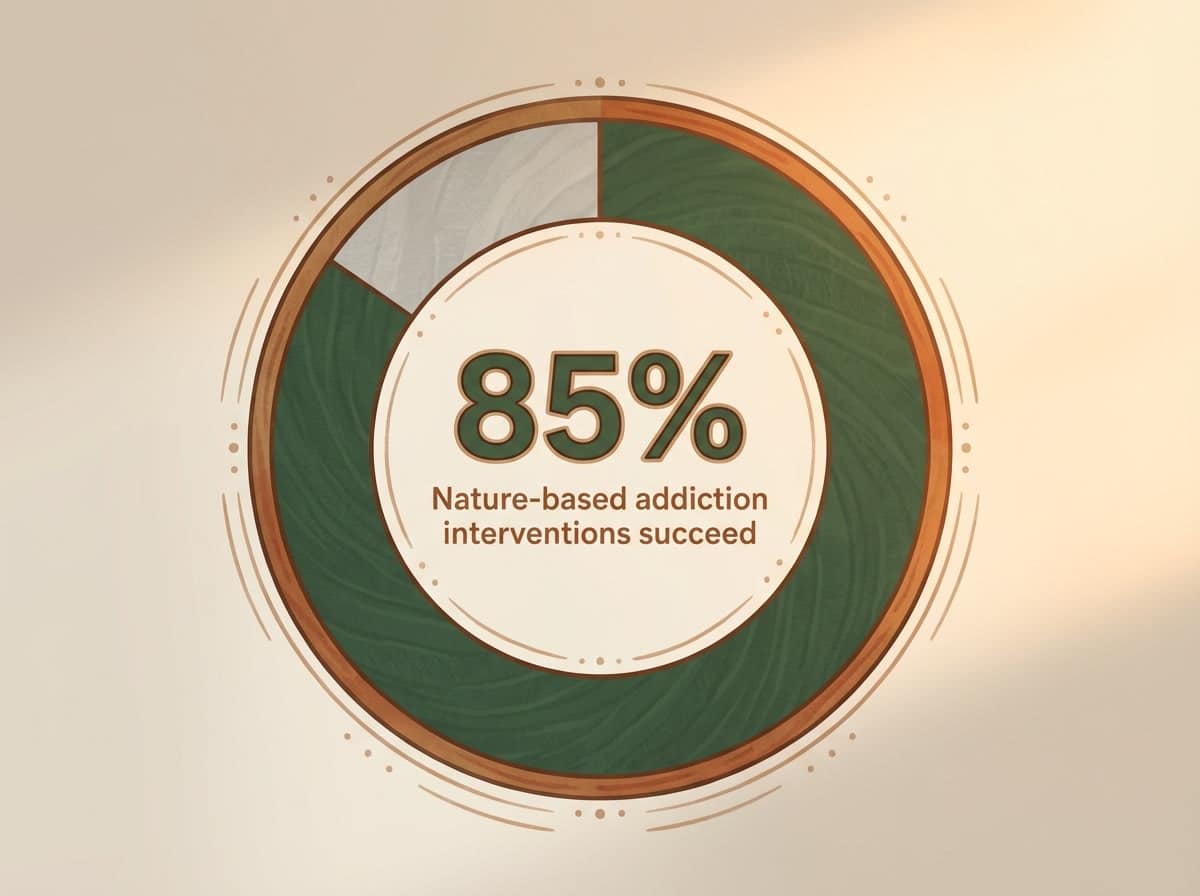
One colleague from the Lower Northside shared how a client, anxious about crossing busy traffic, found calm and confidence through consistent equine sessions. Research shows that bringing nature-based therapies like equine work to local communities increases participation and outcomes—85% of studies report positive effects for addiction and trauma recovery.8
What to Expect: Admissions and Insurance
When it comes to accessing equine therapy in Great Falls MT, you want admissions and insurance to be as straightforward as possible for clients—especially those navigating daily stress in Midtown, West Hill, or near Malmstrom AFB. Most local programs begin with a brief phone intake or online form, followed by a clinical assessment to confirm that trauma-focused equine therapy fits each client’s needs.
Flexibility is key, so sessions are often scheduled around work, family, and transportation, making it easier for those near Central Avenue or Lower Northside to participate without missing critical care. Insurance coverage is a common concern. While many private insurers cover equine therapy as part of a broader behavioral health plan, coverage can vary.
| Payment Method | Typical Coverage Scope | Action Step |
|---|---|---|
| Private Insurance | Often covered under “Experiential Therapy” or “Behavioral Health” | Verify benefits specifically for residential/inpatient codes. |
| Self-Pay | Full access to all modalities | Ask about sliding scales or payment plans. |
| Grants/Scholarships | Varies by program and funding availability | Inquire during initial intake assessment. |
Some providers help clients verify benefits and handle paperwork, which helps reduce the burden for clients already coping with limited healthcare access in Cascade County. In a state where nearly 50% of rural hospitals operate with negative margins, making it hard for residents to find consistent care, these streamlined processes matter. You’re not just guiding someone through paperwork—you’re opening a door to healing.10
Frequently Asked Questions
Do I need horse experience before starting equine therapy?
No, you don’t need any prior horse experience to start equine therapy in Great Falls MT. Most clients, including those from Fox Farm or Midtown, are new to working with horses, and sessions are designed to be welcoming for all comfort levels. Facilitators guide each step, focusing on building trust and safety—for both you and the horse. This approach is especially helpful for trauma survivors, as it allows you to move at your own pace and celebrate each small win, whether you’re simply observing or gently grooming. Research supports that the benefits of equine therapy are accessible regardless of your background with animals.3
How does equine therapy work alongside traditional counseling for trauma?
Equine therapy in Great Falls MT works best when paired with traditional counseling, like trauma-focused CBT or EMDR. While talk therapy helps clients from Midtown, West Hill, or Lower Northside process and make sense of their trauma, equine sessions offer a hands-on way to practice new skills in real time. For many trauma professionals, this blend means clients who feel stuck in the office can find breakthroughs in the arena—learning boundaries, emotional regulation, and self-trust alongside a horse. Studies show combining these approaches leads to greater engagement, motivation, and lasting symptom relief for trauma survivors.3
Can family members participate in equine therapy sessions?
Yes, family members can participate in equine therapy sessions in Great Falls MT, and involving them often strengthens the healing process. For clients from areas like Midtown or West Hill, inviting loved ones into sessions creates opportunities for everyone to learn new ways of communication, rebuild trust, and practice healthy boundaries together. Equine activities—like grooming or leading a horse as a team—allow families to experience connection and progress in a supportive, non-judgmental space. Research consistently shows that family involvement predicts better outcomes in addiction and trauma recovery, especially when using experiential modalities like equine therapy. Every shared step, even a small one, can move the whole family forward.9
What happens if I feel anxious or triggered around horses?
Feeling anxious or triggered around horses is completely normal, especially in the early stages of equine therapy in Great Falls MT. Sessions are designed with trauma safety in mind—facilitators encourage you to pause, step back, or talk through any discomfort at your own pace. In fact, noticing anxiety is already a sign of progress, as it means you’re tuning into your body’s signals instead of shutting down. Research shows that this kind of mindful awareness, supported by non-judgmental facilitators and calm horses, helps trauma survivors build emotional regulation and self-efficacy over time 3. Remember, every small step—like making eye contact or simply being present—counts toward healing.
How long does it take to see benefits from equine therapy?
You might notice small shifts—like feeling calmer or more present—within your first few equine therapy sessions in Great Falls MT, even if you’re working with clients from Fox Farm or Midtown. For many trauma survivors, early benefits show up as increased emotional awareness or moments of self-trust. Research backs this up: over 50% of participants in a Columbia University study reported marked reductions in PTSD and depression after several weeks of equine therapy, with improvements lasting for months 1. Progress looks different for everyone, and celebrating each step forward—no matter how minor—makes a real difference. Patience and consistency are key to sustaining these gains over time.
Is equine therapy covered by insurance in Montana?
Insurance coverage for equine therapy in Montana can vary, and it’s something you’re likely helping clients navigate every week—especially for those in Midtown, West Hill, or the Lower Northside. Many private insurance plans in Great Falls do cover equine therapy if it’s part of an established behavioral health treatment plan, but specifics depend on the insurer and policy details. Some local providers assist with benefit verification and paperwork, which helps reduce the burden for clients already coping with limited healthcare access in Cascade County. For those without insurance, sliding-scale or grant-funded options may be available in certain programs. In a state where nearly half of rural hospitals are operating at a loss, making alternative therapies accessible is crucial. Always encourage clients to check directly with their insurance provider for the most up-to-date information.10
Taking Your Next Step Toward Healing
You’ve spent your career helping others navigate their healing journeys—now it’s worth recognizing when that same compassion needs to turn inward. The integrated approaches you’ve been reading about here aren’t theoretical concepts. They’re practical frameworks that address what you already know to be true: lasting recovery requires treating trauma and addiction together, not as separate issues.
The treatment models that create real change—combining individual counseling with experiential modalities like equine-assisted therapy and holistic practices—work because they address the whole person. You understand this professionally. When trauma remains unaddressed, it continues driving the patterns that keep clients returning to substances. Integrated care interrupts that cycle by helping people process what happened to them while building new coping strategies in real time.
As you consider your own path forward or guide others toward appropriate care, the principles remain consistent: look for programs that treat root causes rather than surface behaviors, that offer personalized approaches rather than one-size-fits-all protocols, and that create safe environments for processing difficult experiences. Facilities specializing in trauma-informed integrated treatment—combining evidence-based counseling, experiential therapies, and comprehensive support—provide the foundation for sustainable recovery. You already know what effective treatment looks like. Trust that knowledge as you take your next step.
References
- Horse Therapy Helps Veterans Overcome Trauma. https://www.columbiapsychiatry.org/news/horse-therapy-helps-veterans-overcome-trauma
- New PTSD Treatment for Veterans Deploys Horses as ‘Therapists’. https://www.cuimc.columbia.edu/news/new-ptsd-treatment-veterans-deploys-horses-therapists
- Equine-assisted therapy effectiveness in improving emotion regulation, self-efficacy, and perceived self-esteem in patients with substance use disorders. https://www.ncbi.nlm.nih.gov/pmc/articles/PMC9478415/
- Equine-Assisted Therapy for Posttraumatic Stress Disorder Among First Responders – pilot project examining clinical outcomes. https://www.ncbi.nlm.nih.gov/pmc/articles/PMC7309190/
- Equine-assisted services for individuals with substance use disorders – Systematic review of EAS in SUD treatment. https://www.ncbi.nlm.nih.gov/pmc/articles/PMC6681283/
- Drug Overdose Deaths in Montana 2014-2023. https://dphhs.mt.gov/publichealth/EMSTS/opioid/DrugOverdoseDeaths
- A Review of PTSD and Current Treatment Strategies. https://www.ncbi.nlm.nih.gov/pmc/articles/PMC8476332/
- A review of natural interventions in substance abuse treatment – Nature-based therapies for addiction. https://www.ncbi.nlm.nih.gov/pmc/articles/PMC7464010/
- Family Involvement in Treatment and Recovery for Substance Use Disorders. https://www.ncbi.nlm.nih.gov/pmc/articles/PMC3860533/
- Challenges in Accessing Mental Health Care during Pregnancy and Postpartum in Rural Montana. https://www.ncbi.nlm.nih.gov/pmc/articles/PMC10110825/
- PTSD and trauma: New APA guidelines highlight evidence-based treatments. https://www.apa.org/monitor/2017/11/ptsd-trauma