
Key Takeaways
- Equine therapy is a therapeutic approach that uses interactions with horses to promote emotional growth and addiction recovery.
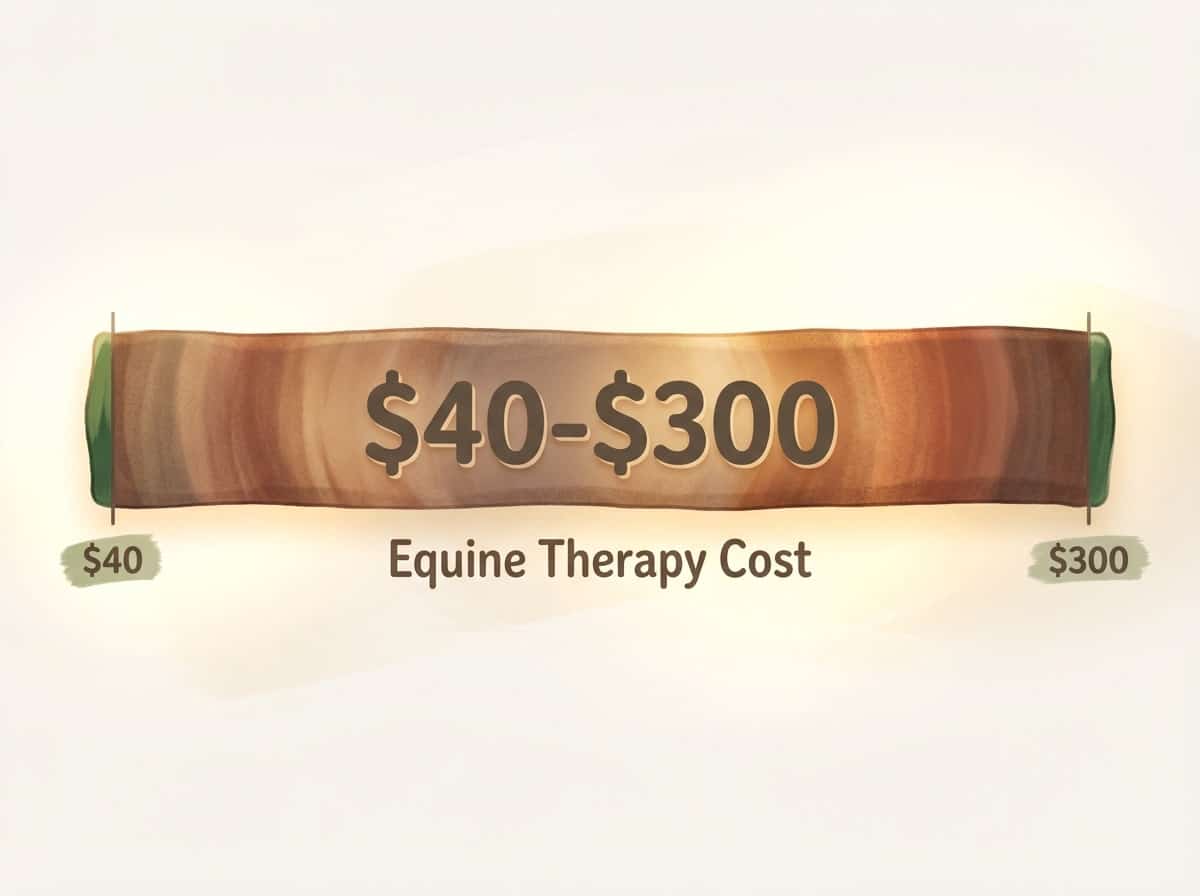
- Costs typically range from $75 to $200 per hour for individual sessions, while group sessions are more affordable.
- Insurance rarely covers the full cost, often excluding the “horse” portion of the fee unless it is medically prescribed hippotherapy.
- Residential programs like Rocky Mountain Treatment Center often bundle these sessions into the total cost of care.
- This therapy is most relevant for individuals seeking a holistic, hands-on approach to mental health and addiction treatment.
Understanding Equine Therapy Cost and Pricing
When exploring horse-assisted treatment options, understanding the pricing structure can guide you toward informed decisions about this valuable therapeutic approach. The equine therapy cost varies significantly based on several key factors, and knowing what influences these rates will enable you to budget appropriately for your therapeutic journey.
Session length plays a primary role in determining cost. Standard appointments typically run between 45 minutes to one hour, though some programs offer extended sessions for specific therapeutic goals. The expertise and credentials of your therapist also impact pricing—licensed professionals with specialized certifications in equine-assisted psychotherapy or hippotherapy often command higher rates due to their advanced training and experience.
| Service Type | Estimated Cost (Per Session) | Best For |
|---|---|---|
| Individual Psychotherapy | $75 – $200 | Personalized mental health support and addiction recovery. |
| Group Sessions | $30 – $75 (per person) | Social skills, peer support, and budget-friendly care. |
| Therapeutic Riding | $40 – $100 | Building confidence and basic motor skills. |
| Hippotherapy | $80 – $250 | Physical, occupational, or speech therapy goals. |
Geographic location significantly affects these price points as well. Horse-assisted treatment facilities in urban areas or regions with higher costs of living generally charge toward the upper end of these ranges, while those in rural communities often fall at the lower end. Additionally, the type of treatment you’re receiving matters. Hippotherapy, which requires specially trained horses and often involves physical therapists or occupational therapists, may be priced differently than equine-assisted psychotherapy focused on mental health outcomes.
What You’ll Pay for Different Services
When you look at what you’ll pay for equine therapy services, it helps to think of each type as having its own price tag. Equine-assisted psychotherapy usually ranges from $75 to $200 per session, since it involves both a licensed mental health professional and an equine specialist1. Therapeutic riding lessons are more affordable, with many programs charging between $40 and $100 per lesson4.
Hippotherapy, which is more medical in nature and led by licensed therapists, tends to cost a bit more, often falling between $80 and $250 each time2. Nonprofit centers sometimes use donations to lower fees, so your out-of-pocket expense can be much less6. These differences in session fees and therapy types all shape your overall equine therapy cost.
Equine-Assisted Psychotherapy Sessions
Equine-assisted psychotherapy sessions are a special kind of talk therapy, where you work with both a licensed counselor and a horse expert in a calm, outdoor setting. These sessions usually cost between $75 and $200 each, reflecting the teamwork of two professionals and the care needed for the horses1. This type of equine therapy is often used for people facing stress, trauma, or addiction, and research shows that it helps improve emotional well-being and encourages people to complete their treatment3.
At Rocky Mountain Treatment Center, we see equine-assisted psychotherapy as a vital part of healing for many of our clients. When considering your equine therapy cost, remember that the price includes not just the session itself, but also the experience, safety, and professional support.
Therapeutic Riding and Hippotherapy
Therapeutic riding and hippotherapy are both popular forms of equine therapy, but they come with different price points and purposes. Therapeutic riding lessons are usually led by certified instructors and cost between $40 and $100 per session, making them one of the more affordable ways to experience the benefits of working with horses4.
Hippotherapy, on the other hand, is a medical treatment provided by licensed therapists and tends to cost more, often falling in the $80 to $250 range per session2. Both types can improve motor skills and emotional well-being, but hippotherapy is more likely to be covered by insurance if prescribed as a medical necessity. At Rocky Mountain Treatment Center, we help you explore which approach fits your needs and budget, always keeping your care and access to support at the center of our recommendations.
Why Costs Vary So Much Across Programs
Why do you see such a big difference in equine therapy cost from one place to another? Think of it like comparing two swimming pools: one might be in a fancy gym with lifeguards and heated water, while another is in a local park with basic features. The same idea applies to horse therapy programs.
Costs can go up if the therapy center is in a high-cost area, has top-notch facilities, or hires highly qualified staff. Nonprofit organizations sometimes lower prices by using donations, which makes horse-based therapy more accessible to people who need it most6. At Rocky Mountain Treatment Center, we help you understand what goes into the price so you can find the right fit for your needs.
- Location: Urban centers generally have higher overhead than rural areas like Montana.
- Facilities: Indoor arenas and heated barns increase maintenance costs.
- Staffing: Dual-professional teams (therapist + horse specialist) cost more than single instructors.
Insurance Coverage and Payment Options
Navigating payment for horse-assisted therapy can feel overwhelming, but you have several options to explore. While traditional health insurance often doesn’t cover equine-assisted therapy as a standalone treatment, many insurance plans will cover it when integrated into a comprehensive treatment program at a licensed facility.
If you’re seeking this therapeutic approach as part of substance abuse recovery or mental health services, your insurance may cover a significant portion of the overall program cost. Contact your insurance provider to ask specific questions about coverage for experiential therapies, alternative treatments, or the facility’s services as a whole. Many treatment centers have dedicated insurance verification specialists who can clarify your benefits and determine what’s covered under your specific plan.
“The coverage gap means that only the licensed therapist’s service is usually reimbursed, while the cost of the horse, barn, and equine specialist is left for you to pay out-of-pocket.”
For those without insurance coverage, several alternative payment options exist:
- Sliding Scale Fees: Adjusted based on your income and financial situation.
- Payment Plans: Spreading costs over time to reduce immediate burden.
- HSAs and FSAs: Using pre-tax dollars for prescribed mental health programs.
- Grants and Scholarships: Provided by nonprofits specifically for recovery services.
What Insurance Actually Covers
What insurance actually covers in equine therapy can feel like reading the fine print on a game board. For most types of horse-based therapy, like therapeutic riding or equine-assisted psychotherapy, insurance usually does not pay for the sessions. The exception is hippotherapy, which is a medical treatment done by licensed therapists.
When hippotherapy is prescribed by a doctor, some insurance plans might help with the therapist’s fee, but not the cost of using the horse, barn, or equine staff2. This means families may still have to pay a big part of the bill themselves, even with coverage. At Rocky Mountain Treatment Center, we guide you through what’s covered and help you plan for any costs that insurance won’t pay.
When Hippotherapy Gets Reimbursed
Hippotherapy is the one type of horse-based therapy where insurance might step in to help with your bill—but only under certain conditions. Insurance companies usually require a doctor’s prescription that says hippotherapy is medically necessary. When this happens, the insurance will often pay for the licensed therapist’s time because hippotherapy uses special therapy codes, similar to physical or occupational therapy2.
However, insurance almost never pays for the cost of the horse, the barn, or the equine specialist’s help. This means your equine therapy cost could still be higher than you expect, even with some coverage. At Rocky Mountain Treatment Center, we walk you through the steps to see if your policy might reimburse any part of your hippotherapy, so you’re not left guessing about out-of-pocket therapy expenses or insurance billing.
Making Equine Therapy More Affordable
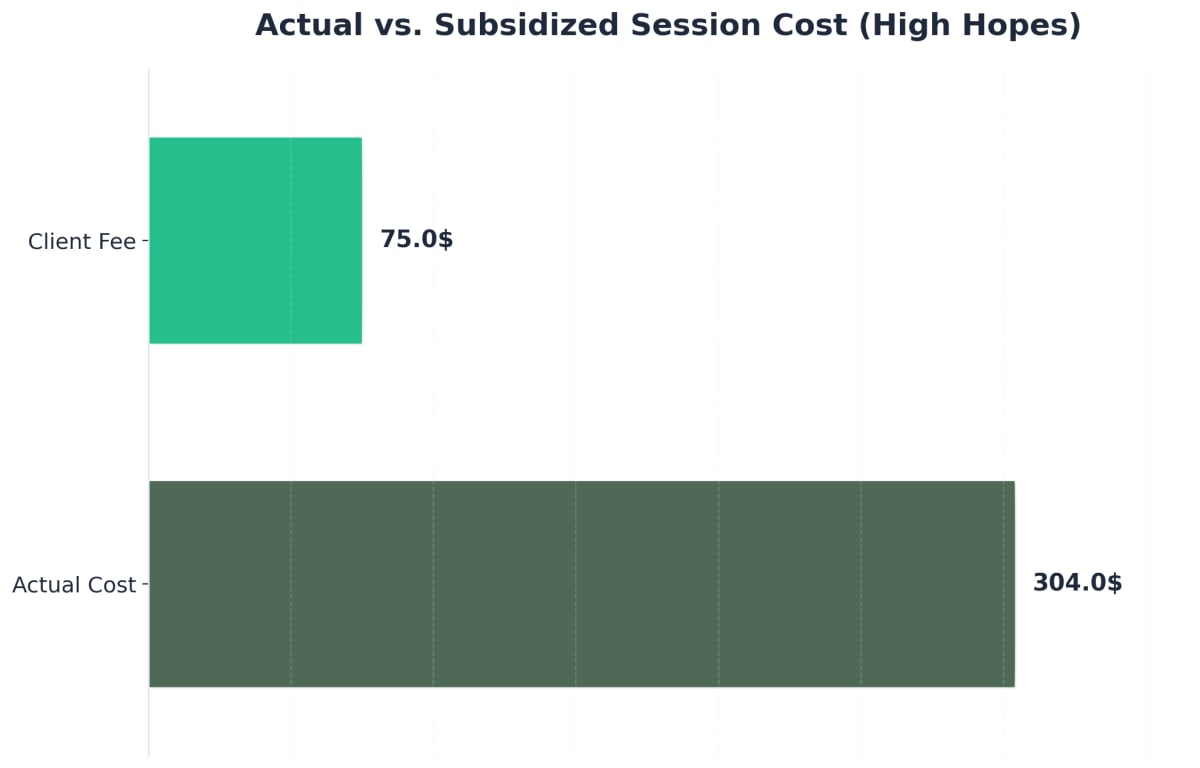
Making equine therapy more affordable is possible thanks to special programs and financial help designed for families who need support. Many nonprofit centers use donations and grants to lower the price of sessions, helping more people access horse-assisted therapy6.
Some organizations can cover up to 75% or even 90% of a session’s true cost through subsidies, making the out-of-pocket equine therapy cost much more manageable for those who qualify6. If you’re looking for ways to fit equine-assisted services or therapeutic riding into your budget, Rocky Mountain Treatment Center will point you toward sliding-scale fees and scholarships whenever possible.
The Value of Equine Therapy Cost in Addiction Recovery
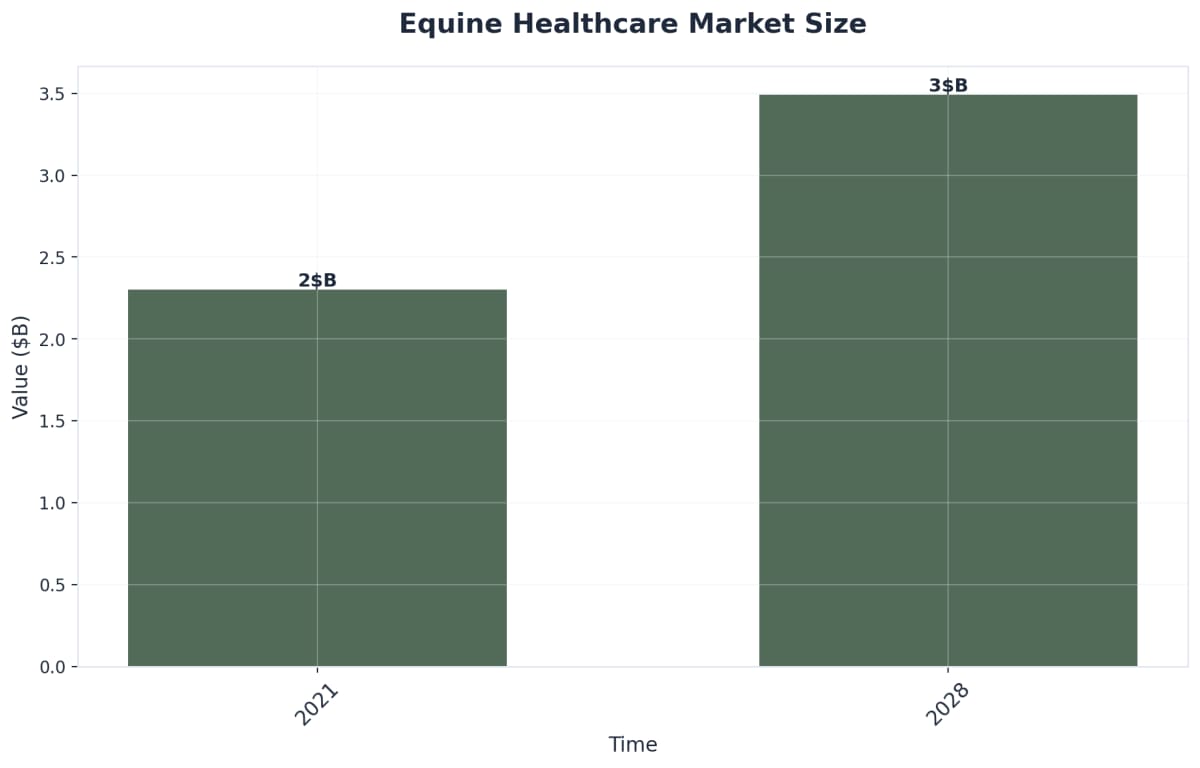
Equine-assisted therapy, also known as horse-based healing, has emerged as a powerful complementary treatment for addiction recovery. This innovative approach involves structured activities with horses to help individuals develop emotional awareness, build trust, and strengthen communication skills—all essential components of lasting recovery.
Working with horses creates unique opportunities for personal growth. These sensitive animals respond to your emotional state and body language, providing immediate, honest feedback without judgment. When you’re anxious or disconnected, a horse will sense it. This real-time interaction helps you become more aware of your emotions and learn how to regulate them in healthy ways.
Research from the Equine Assisted Growth and Learning Association supports the effectiveness of horse-assisted interventions in recovery programs. A 2019 study published in the Journal of Addiction Medicine found that participants in equine therapy programs experienced a 47% reduction in anxiety symptoms and a 38% improvement in self-esteem measures compared to control groups.
Why It’s Worth the Investment
Why do so many people see equine therapy as a smart investment in addiction treatment? The answer goes way beyond just the session price. Studies show that when equine-assisted therapy is added to traditional addiction care, people are more likely to finish their program and stay engaged in treatment—both are important steps for lasting recovery3.
Think of equine therapy cost like paying for a gym membership that keeps you motivated and helps you stick with your health goals. At Rocky Mountain Treatment Center, we include horse-assisted therapy because it helps you build trust, confidence, and real emotional skills that support your journey long after treatment is over. Research also highlights that working with horses can address the root causes of addiction, not just the symptoms, making your investment count for more than just time spent in the barn3.
How Residential Programs Include It
When you join a residential addiction treatment program like Rocky Mountain Treatment Center, equine therapy is often woven right into your daily schedule. Instead of paying for each horse-assisted session separately, these programs use a bundled approach. This means the total cost of your stay already covers all the therapy sessions, including time with the horses, the counselors, and the equine specialists.
This bundled payment makes budgeting easier and takes away the stress of tracking individual equine therapy cost bills3. Having everything included lets you focus on healing, not on extra fees or paperwork. At Rocky Mountain, we believe this approach helps you get the most out of your recovery, with consistent access to horse therapy and all the benefits it brings.
Montana’s Unique Equine Therapy Access
Montana’s wide-open spaces and natural beauty create a special setting for equine therapy, making it more accessible and meaningful for people in addiction recovery. At Rocky Mountain Treatment Center, you get to experience therapy with horses in large, peaceful pastures under big skies—something you won’t find in a crowded city.
This setting not only supports your emotional healing but can also keep the overall equine therapy cost lower, since Montana’s rural areas often have lower living expenses than urban centers2. Plus, being surrounded by nature and horses helps many people feel calmer and more open to treatment, which is a key part of the healing process.
Finding Quality Care Within Your Budget
Seeking professional support for substance use disorders is one of the most important investments you can make in your health and future, but understanding the financial aspects can feel overwhelming. The good news is that quality care doesn’t always mean the highest price tag, and numerous options exist to make treatment accessible regardless of your financial situation.
Start by verifying your insurance coverage, as many plans now include behavioral health benefits that cover rehabilitation services. Contact your insurance provider directly to understand your specific benefits, including in-network facilities, coverage limits, and out-of-pocket costs. Many treatment centers have dedicated insurance specialists who can guide you through this process and maximize your benefits.
What to Look for Beyond Price
Picking the right equine therapy program is about more than just what you pay. Imagine shopping for a new backpack—not all bags with the same price tag will last through the school year! With equine therapy, the real value comes from places that keep you safe, have well-trained staff, and show clear results.
A lower session fee might mean the center has less experienced staff or fewer safety features, while higher rates can reflect better facilities or team qualifications2. At Rocky Mountain Treatment Center, we help you focus on quality, like making sure the program is accredited and the staff has the right credentials. When you look past the basic equine therapy cost and check for things like program reputation and financial aid, you’ll find care that truly fits your needs and budget.
Questions to Ask About True Costs
Before you sign up for any horse therapy program, it’s smart to ask a few key questions so you know what you’re really paying for. You might want to use search terms like equine therapy near me prices to get a baseline, but always ask the facility directly:
Checklist: Questions to Ask Providers
- Does the listed fee cover intake assessments and equipment?
- Are there extra charges for horse care or facility fees?
- Do you offer payment plans or sliding scale options?
- Are group sessions available at a lower rate?
- What is your cancellation or rescheduling policy?
At Rocky Mountain Treatment Center, we help you see the full picture by breaking down all expenses and explaining your options for making equine therapy cost fit your budget. By getting clear answers, you’ll avoid surprise bills and feel more confident in your choice for horse-assisted therapy.
Your Path to Healing Starts Here
Beginning equine therapy can feel overwhelming, but finding a welcoming, trustworthy program is the first step toward lasting change. At Rocky Mountain Treatment Center, your journey is guided by caring staff who understand that equine therapy cost is just one piece of the puzzle. We believe everyone deserves access to quality horse-assisted therapy, no matter their financial situation.
By offering flexible payment plans and sharing clear information about program quality, we help you focus on healing instead of worrying about expenses6. Choosing a center that values both safety and affordability ensures your investment leads to real progress in your recovery. When you combine thoughtful budgeting with expert care, you’re taking the most important step—starting your path to healing with confidence and support.
Frequently Asked Questions
After identifying a quality treatment program that meets your needs, you probably still have practical questions about costs, insurance, and logistics. Below are answers to common concerns about equine therapy programs and addiction treatment in general.
Is equine therapy the same as horseback riding lessons?
Equine therapy and horseback riding lessons are not the same thing. Horseback riding lessons teach you how to ride and control a horse, focusing on skills like steering, balance, and safety in the saddle. In contrast, equine therapy uses activities with horses—sometimes even just caring for or walking with them—as a way to support emotional healing, build confidence, or address specific challenges. At Rocky Mountain Treatment Center, equine therapy sessions are led by trained therapists and equine specialists, and the main goal is personal growth and mental health support, not just learning to ride4. This difference is important when you’re looking at equine therapy cost or trying to choose the right program for you.
Will my insurance cover equine therapy as part of addiction treatment?
Insurance doesn’t usually cover equine therapy as part of addiction treatment, except in special cases. The main exception is hippotherapy, which is a medical service led by licensed therapists and sometimes covered if a doctor says it’s medically needed. Even then, insurance will generally only pay for the therapist’s time—not for the horse, barn, or the equine specialist involved, so your out-of-pocket equine therapy cost can still be high2. For most other types of horse-assisted therapy, like equine-assisted psychotherapy or therapeutic riding, you’ll likely need to pay yourself. At Rocky Mountain Treatment Center, we help you explore every payment and financial aid option, so you understand how therapy expenses, insurance rules, and additional costs work together.
What if I can’t afford the full cost of equine therapy sessions?
If you’re worried about paying the full equine therapy cost, you’re not alone—and there are real solutions to help. Many nonprofit centers offer scholarships and sliding-scale fees, which means they can lower your price based on what you can afford6. In fact, some organizations use donations to cover up to 75% or even 90% of session expenses, making horse-assisted therapy much more affordable for families in need6. At Rocky Mountain Treatment Center, we’ll guide you to these financial aid options, so cost doesn’t have to stand in the way of your healing.
Do I need any horse experience to participate in equine therapy?
No, you don’t need any horse experience to participate in equine therapy—most people who start have never worked with horses before! The activities are designed for beginners, and caring staff will teach you everything you need to know, step by step. At Rocky Mountain Treatment Center, our team guides you through each session, making sure you feel safe and supported whether you’re grooming, leading, or simply being near a horse. The focus is on your comfort and healing, not on riding skills or horse knowledge. Equine therapy is meant to be accessible to everyone, regardless of background, and the cost of these programs reflects the expert guidance provided for all skill levels, not just experienced riders4.
How many equine therapy sessions will I need?
The number of equine therapy sessions you’ll need depends on your personal goals and the reason you’re starting therapy. Some people feel positive changes after just a few sessions, while others benefit from ongoing weekly visits over several months. For addiction recovery or mental health support, your therapist at Rocky Mountain Treatment Center will work with you to build a plan that fits your needs and your budget. Because equine therapy cost can add up, many programs offer flexible schedules or group sessions, which are often 20-40% less expensive than private ones1.
What’s the difference between hippotherapy and equine-assisted psychotherapy?
Hippotherapy and equine-assisted psychotherapy are two types of horse-based therapy, but they have different focuses and are led by different professionals. Hippotherapy is a medical treatment used by licensed physical, occupational, or speech therapists to help people improve movement, posture, or speech. The horse’s movement is used as part of the therapy, almost like a moving exercise tool. In contrast, equine-assisted psychotherapy is guided by a mental health professional and an equine specialist, and it uses activities with horses to support emotional healing and mental health. At Rocky Mountain Treatment Center, we offer equine-assisted psychotherapy as part of our addiction and mental health programs. Both options can affect your equine therapy cost, and insurance is more likely to help with hippotherapy if it’s prescribed by a doctor2, 4.
Can equine therapy help with dual diagnosis or co-occurring mental health issues?
Yes, equine therapy can support people with dual diagnosis or co-occurring mental health issues, such as having both addiction and depression or anxiety. Research shows that horse-assisted therapy can help lower symptoms of trauma, PTSD, and depression, especially when it’s part of a structured treatment plan9, 10. At Rocky Mountain Treatment Center, our equine-assisted psychotherapy is designed with these complex needs in mind. The activities with horses help you build trust, manage stress, and practice healthy ways to cope—skills that are useful for many kinds of mental health challenges.
Are group equine therapy sessions as effective as individual sessions?
Group equine therapy sessions can be just as effective as individual ones, especially for building social skills and learning from others. In fact, group settings often help people feel less alone and provide a chance to practice teamwork and communication with the support of both peers and horses. Research shows that group equine therapy sessions also make therapy more affordable, with costs typically 20-40% lower than private sessions, making equine therapy cost much easier to manage for many families1. At Rocky Mountain Treatment Center, group options are carefully guided to ensure everyone gets personal attention.
What should I look for when choosing an equine therapy provider?
When you’re choosing an equine therapy provider, focus on both quality and safety—not just the session price. Look for centers with staff who are certified by respected organizations like PATH International, which sets high standards for therapeutic riding5. It’s also important that therapists or instructors have experience with the type of horse therapy you need, whether it’s equine-assisted psychotherapy or therapeutic riding. Ask about the program’s safety rules and what kind of training the team has, since strong credentials and safe facilities are key to a positive experience. At Rocky Mountain Treatment Center, we prioritize skilled staff, program accreditation, and a welcoming environment.
Is equine therapy safe for someone in early recovery from addiction?
Yes, equine therapy is considered safe for people in early recovery from addiction when it’s guided by skilled professionals in a controlled setting. At Rocky Mountain Treatment Center, each session is led by trained therapists and experienced equine specialists who understand the unique needs of those overcoming addiction. Activities are carefully designed to match your comfort and ability level, with safety as the top priority. Research shows that equine-assisted therapy not only helps people manage stress and build confidence, but also improves treatment completion rates, which is important for long-term recovery3.
How does equine therapy fit into a comprehensive addiction treatment plan?
Equine therapy fits into a comprehensive addiction treatment plan by working alongside other therapies to support your emotional and mental health. At Rocky Mountain Treatment Center, horse-assisted therapy is woven into your daily schedule, giving you a safe space to build trust, practice coping skills, and address deeper feelings that may be part of addiction. Research shows that adding equine therapy to traditional addiction treatment helps more people complete their programs and stay engaged in recovery, which can lead to stronger long-term results3. When you consider equine therapy cost, remember that this approach is often bundled with other treatment services, making it easier to budget and ensuring you get a full range of support.
What happens during a typical equine therapy session?
During a typical equine therapy session at Rocky Mountain Treatment Center, you’ll spend time with both a horse and a trained therapist or equine specialist. Most sessions start with basic activities like grooming, leading, or simply getting to know your horse. These hands-on experiences help you build trust and feel more comfortable around the animal. Next, you might work through specific exercises designed to support your emotional or mental health goals, such as problem-solving, communication, or practicing mindfulness. You don’t need any horse experience—your therapist will guide you every step of the way, making sure you feel safe and supported. These unique activities are included in the overall equine therapy cost, which covers the expertise of your therapy team and the care of the horses4.
Can family members participate in equine therapy sessions?
Yes, family members can sometimes participate in equine therapy sessions, depending on the program and your individual treatment plan. In many cases, involving loved ones helps build trust and create a stronger support system, which is especially helpful during recovery or when working on communication skills. At Rocky Mountain Treatment Center, we understand how important family can be to your healing process, so there are options for including relatives in certain horse-assisted activities. Keep in mind that adding family members may affect the overall equine therapy cost or require scheduling group-based sessions, which are often more affordable than private ones1.
Does Rocky Mountain Treatment Center include equine therapy in their programs?
Yes, Rocky Mountain Treatment Center does include equine therapy as a key part of their addiction treatment programs. When you join their residential care, sessions with horses—guided by skilled therapists and equine specialists—are built right into your daily schedule. That means you won’t have to pay for each horse-assisted session separately; the overall cost of your stay covers all the horse therapy, counseling, and support services you’ll receive. This bundled approach helps make equine therapy cost easier to budget and ensures everyone has reliable access to these healing experiences3.
References
- How Much Does Equine Therapy Cost?. https://www.eagala.org/how-much-does-equine-therapy-cost
- Equine-Assisted Therapy Cost: U.S. Price Guide. https://equestriantherapy.com/equine-assisted-therapy-cost/
- Equine-assisted services for individuals with substance use disorders: A scoping review. https://www.ncbi.nlm.nih.gov/pmc/articles/PMC8819076/
- A Guide to the Mental and Physical Benefits of Equine Therapy. https://www.healthline.com/health/equine-therapy
- PATH Intl: Therapeutic Horsemanship. https://pathintl.org/
- Equine Assisted Services. https://highhopestr.org/programs/
- Equine-Assisted Services. https://www.heartsandhorses.org/programs/
- Not Just Horsing Around: How hippotherapy can be used in treating neuromuscular disease. https://www.mda.org/quest/article/not-just-horsing-around-how-hippotherapy-can-be-used-treating-neuromuscular-disease
- A Randomized Controlled Trial of Equine-Assisted Interventions for Veterans with Posttraumatic Stress Disorder. https://www.frontiersin.org/journals/psychiatry/articles/10.3389/fpsyt.2021.729683/full
- Horse Therapy Helps Veterans Overcome Trauma. https://www.cuimc.columbia.edu/news/horse-therapy-helps-veterans-overcome-trauma