
Key Takeaways
- Tools Needed: Insurance information, a list of questions for staff, and a notebook for taking notes during tours.
- Step 1: Verify medical credentials, safety protocols, and accreditation status.
- Step 2: Assess the treatment approach to ensure it uses evidence-based therapies.
- Step 3: Examine staff qualifications and client-to-staff ratios for personalized care.
- Step 4: Investigate aftercare programs and family support opportunities.
- Outcome: You will identify a safe, supportive environment that offers the best chance for lasting recovery.
Step 1: Verify Safety at Drug Rehabilitation Centers Near Me
When you begin your search for drug rehabilitation centers near me, your first priority must be verifying medical credentials and safety standards. Before committing to any program, confirm that the facility holds proper state licensing and that the medical director is board-certified in addiction medicine or psychiatry. This demonstrates specialized training in managing withdrawal and complex recovery needs. You can usually verify these credentials through state medical boards or by asking the admissions team directly.
Safety protocols are just as important as the paperwork. Ask the center specifically about how they monitor treatment progress and manage potential medical complications. Reputable providers, like Rocky Mountain Treatment Center, conduct thorough initial assessments that include a full medical history review. This helps identify how your body processes medications and ensures that your detox and treatment plan is safe from day one.
Pay close attention to how the facility handles emergencies. Quality care includes clear communication channels and 24/7 support systems. If you are considering a center that offers medication-assisted treatment, ensure they follow evidence-based protocols with proper medical supervision. A trustworthy provider will never rush your intake or dismiss your safety concerns; they will explain their medical capabilities clearly to ensure you feel secure.
Check Accreditation & Licensing Standards
Checking a rehab center’s accreditation and licensing can give you real confidence in your choice. Accreditation means a trusted outside group—like the Joint Commission or CARF—has given the facility a thumbs-up for meeting strict quality and safety rules. It’s a bit like how schools or hospitals get checked to make sure they’re safe and effective. When you search for drug rehabilitation centers near me, look for these seals on the center’s website or in their lobby. If you don’t see them, just ask! A quality place, like Rocky Mountain Treatment Center, will gladly show proof of both their accreditation and state license.

Why does this matter? Accredited centers are reviewed regularly, so you know they keep up with the latest best practices and safety checks1. This lowers your risk of running into places with shortcuts or outdated approaches. Here’s a quick table to help you spot the difference:
| Feature | Accredited Center | Non-Accredited Center |
|---|---|---|
| Regular safety reviews | Yes | No |
| Trusted oversight | Yes | No |
| Meets strict standards | Yes | Sometimes |
Rocky Mountain Treatment Center is happy to answer your questions about our credentials. Knowing a center is officially recognized is a great first step. Next, you’ll want to learn if medical support is available when it matters most.
Confirm Medically Supervised Detox Availability
When you’re searching for drug rehabilitation centers near me, one of the most important things to ask about is medically supervised detox. Detox can be tough—not just physically, but emotionally too. Without the right medical support, withdrawal from alcohol, opioids, or certain medications can actually be dangerous. That’s why experts recommend a setting where experienced nurses and doctors can watch over you around the clock, especially for substances that can cause seizures or severe symptoms4.
At Rocky Mountain Treatment Center, we make your safety our first priority. Our detox program is fully supervised by medical professionals, so you’re never alone during the toughest moments. Research shows that a medically supervised detox can lower the chance of serious complications by up to 68% and even boost your chances of completing treatment by 40% compared to going it alone4. That’s a big difference when your future is on the line.
If you call or visit a rehab center, ask if medical staff are always on-site during detox. This is a sign the center is serious about your health. When you know you’ll be cared for every step of the way, you can start recovery with confidence.
Step 2: Assess Treatment Approach & Evidence
After verifying credentials, your next priority is evaluating the treatment approach. Evidence-based treatment approaches—those backed by scientific research—consistently produce better outcomes than programs relying solely on willpower or outdated methods. Look for centers that incorporate proven therapies like Cognitive Behavioral Therapy (CBT), Dialectical Behavior Therapy (DBT), and trauma-informed care. These approaches have decades of research supporting their effectiveness in treating addiction and underlying mental health conditions.
The best providers combine multiple evidence-based modalities tailored to individual needs rather than using a one-size-fits-all approach. Ask specific questions during your initial consultation: What therapeutic models do you use? How do you measure treatment progress? What does a typical daily schedule look like? Pay attention to whether providers can clearly explain their treatment approach in plain language without hiding behind clinical terminology.
Be cautious of practices that promise quick fixes or rely heavily on a single treatment method. Addiction recovery is complex, and effective treatment addresses the whole person—psychological wellness, coping skills, life functioning, and family dynamics. You should feel confident that the provider’s approach aligns with current best practices in addiction care and addresses the specific challenges you or your loved one faces.
Evaluate Evidence-Based Therapy Options
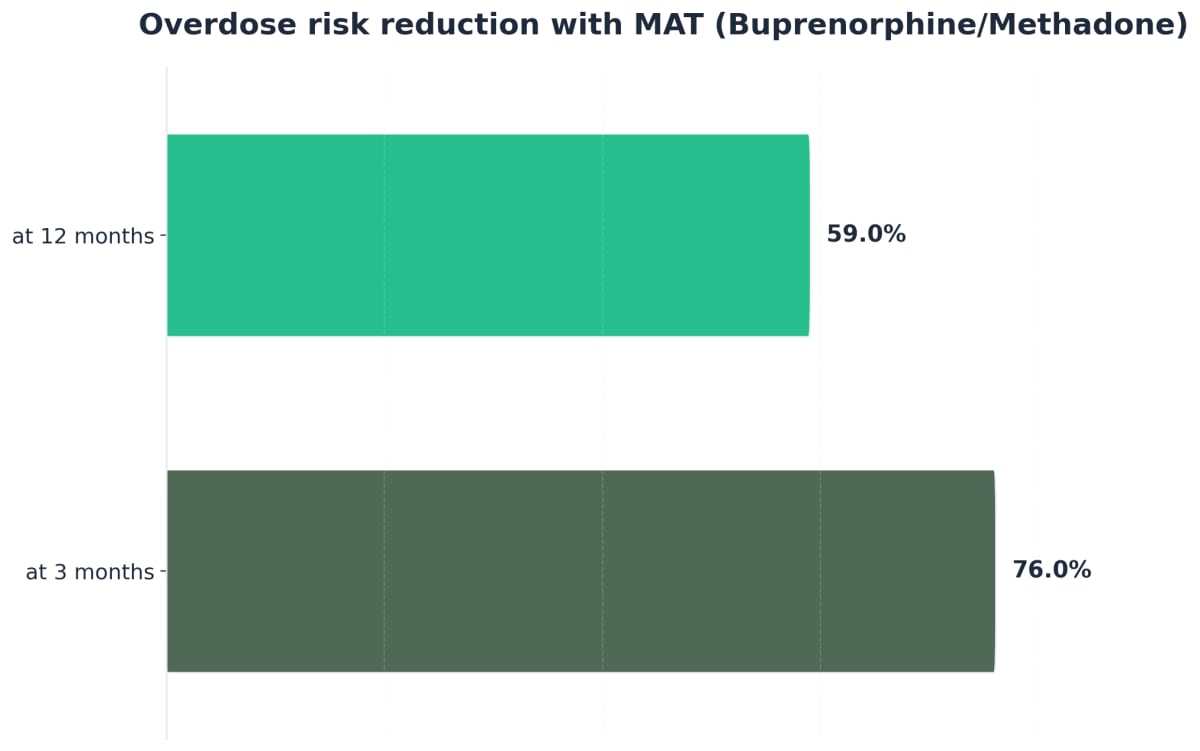
When you explore drug rehabilitation centers near me, ask about the therapies they use to help people recover. The strongest programs rely on evidence-based treatments—these are methods proven to work through years of research. You might hear about cognitive behavioral therapy (CBT), medication-assisted treatment (MAT), and contingency management. For instance, MAT, which uses safe medications like buprenorphine or methadone along with counseling, can lower the risk of overdose by up to 76% after three months and by 59% after a year compared to other types of treatment8. That’s a big difference when your health is on the line.
Don’t be afraid to ask for details about which therapies a center offers and whether they adjust treatment to fit each person’s needs. Some places may stick to only one approach, but the best centers, like Rocky Mountain Treatment Center, use a mix of therapies and update your care as you make progress. Here’s a simple table to help you compare different evidence-based approaches:
| Therapy Type | What It Does |
|---|---|
| Cognitive Behavioral Therapy | Helps you change negative thoughts |
| Medication-Assisted Treatment | Uses medicine plus counseling |
| Contingency Management | Rewards healthy choices |
Choosing a center that uses these proven methods gives you a stronger chance at lasting recovery1.
Identify Co-Occurring Disorder Treatment
When you’re checking out drug rehabilitation centers near me, it’s smart to ask if they can help with both addiction and mental health struggles at the same time. Many people who need addiction treatment also deal with issues like anxiety, depression, or trauma. In fact, research shows that between 40% and 60% of people with substance use problems also have a mental health disorder5. If these issues aren’t treated together, recovery can be much harder.
Here’s what to look for: ask if the center does a full assessment for mental health conditions and if they have staff trained to handle both addiction and things like depression or PTSD. The best centers use something called integrated treatment, which means the same team helps with both problems at once, instead of sending you to two different places. This approach lowers the risk of relapse and helps you feel understood and supported.
At Rocky Mountain Treatment Center, we’re proud to offer this kind of care—our team works with you to build a plan that fits your unique needs, so you don’t have to face anything alone. If you hear a center only treats substance use or makes you find mental health care somewhere else, it may not be the best fit for lasting recovery.
Step 3: Examine Staff Qualifications & Ratios
The expertise and availability of treatment staff directly impact the quality of care you’ll receive. When evaluating residential programs, ask about the credentials of therapists, counselors, and medical personnel. Look for licensed professionals—such as Licensed Clinical Social Workers (LCSWs), Licensed Professional Counselors (LPCs), or psychologists with state certification—who have specialized training in addiction treatment. Industry best practices recommend therapists have at least two years of post-licensure experience in addiction treatment settings.
Staff-to-client ratios matter significantly in residential settings. Lower ratios mean more personalized attention, quicker response to crises, and stronger therapeutic relationships. The Substance Abuse and Mental Health Services Administration (SAMHSA) suggests optimal ratios of 1:3 to 1:5 for residential treatment, while ratios exceeding 1:8 may compromise care quality. Programs meeting or exceeding these standards typically provide more individualized attention than those with higher ratios.
Don’t hesitate to ask about staff turnover rates either. High turnover can disrupt continuity of care and signal workplace issues that might affect treatment quality. Annual turnover rates below 30% are considered healthy in behavioral health settings. Stable, experienced teams create safer, more consistent healing environments. You should also inquire about 24/7 medical supervision, especially for programs addressing substance withdrawal or co-occurring conditions.
Review Staff Credentials & Recovery Experience
When you’re considering drug rehabilitation centers near me, it helps to take a close look at who will be guiding your recovery. Staff credentials are more than just certificates on a wall—they show that the people helping you have solid training and real experience with addiction treatment. The best centers, like Rocky Mountain Treatment Center, are open about their team’s education, special licenses, and how much hands-on work they’ve done with people in recovery.
Why does this matter? Qualified staff make it easier for you to feel understood and safe. According to research, high-quality centers hire a mix of medical professionals, counselors, and peer support specialists. These teams often include doctors, nurses, therapists, and people who have gone through recovery themselves—so you get both expert knowledge and genuine empathy1. Staff in top programs participate in regular supervision and ongoing training to keep their skills sharp and stay up to date with the latest science.
Here’s a quick table to help you compare staff backgrounds:
| Staff Role | Typical Credentials | Value for You |
|---|---|---|
| Medical Doctor/Nurse | MD, RN, addiction certs | Medical safety, withdrawal help |
| Counselor/Therapist | LCSW, LPC, CADC | Emotional support, therapy |
| Peer Specialist | Recovery experience | Relatable, lived advice |
At Rocky Mountain Treatment Center, every team member brings both expertise and heart to your care. Next, let’s see how the number of staff on hand can shape your experience.
Understand Client-to-Staff Ratio Impact
When you’re exploring drug rehabilitation centers near me, one key detail that often gets overlooked is the client-to-staff ratio. This ratio simply means how many clients each staff member is caring for at one time. It might sound like a small thing, but it can change your whole experience. Lower client-to-staff ratios usually mean you get more personal support and attention. That’s important, because research shows that more one-on-one time with skilled staff is connected to better recovery outcomes—making you feel seen and heard at every step1.
If there are too many clients for each staff member, it can be hard to get your questions answered or find help when you’re struggling. At Rocky Mountain Treatment Center, we keep our groups small on purpose. This way, our team has time to really get to know you and respond to your needs quickly. Here’s a simple table to help you understand how ratios might affect your experience:
| Client-to-Staff Ratio | What It Means for You |
|---|---|
| Low (5:1 or less) | More personal support, quick responses |
| High (10:1 or more) | Less attention, longer waits |
When you’re looking at options, don’t be shy—ask any center about their client-to-staff ratio. Up next, we’ll take a closer look at how aftercare and family support can help you keep growing after treatment ends.
Step 4: Investigate Aftercare & Family Support
Once you’ve evaluated credentials and treatment approaches, it’s essential to consider what happens after the initial program ends. The transition from intensive treatment back to daily life represents a critical period, and the best facilities recognize that sustainable recovery requires ongoing support structures. Quality aftercare programs should include alumni support groups, continued therapy sessions, and access to resources during difficult transitions.
Many facilities offer regular check-ins, referrals to community mental health services, and connections to local support networks. You’ll want to know if these services are included in the program or available at an additional cost. Family involvement is equally crucial to long-term wellness. Addiction affects everyone in the household, so comprehensive programs include family therapy sessions, educational workshops, and communication skills training.
Don’t hesitate to ask about the frequency and duration of family sessions. Some centers offer weekly family therapy throughout treatment, while others provide limited options. You should also inquire about family education programs or visiting policies that allow meaningful connection during the recovery process. A facility’s commitment to aftercare and family support reveals how seriously they take sustainable outcomes.
Confirm Continuing Care Program Structure
A strong continuing care plan is like a safety net that supports you after leaving the main program. When you’re comparing drug rehabilitation centers near me, it’s important to ask exactly how they help you stay on track once formal treatment ends. Not all centers offer the same level of support—some may just hand you a list of meetings, while others guide you with real structure and check-ins.
A well-designed aftercare program usually includes regular follow-up sessions, relapse prevention groups, and easy ways to stay in touch with counselors. You might also find alumni gatherings or support networks that make it easier to reach out if you’re having a hard day. At Rocky Mountain Treatment Center, our aftercare plans are built around each person’s needs, so you get a plan that really fits your life. This can include ongoing therapy, access to recovery groups, and help with things like finding a job or safe housing.
Research shows that people who keep up with continuing care are much less likely to relapse—and the best results often come when you stick with support for at least 90 days or longer10. Here’s a table to help you spot the difference in aftercare support:
| Aftercare Feature | Basic Program | Strong Program (like Rocky Mountain) |
|---|---|---|
| One-time referral | Yes | No |
| Ongoing counseling | Sometimes | Yes |
| Alumni support | Rare | Regular events and groups |
| Personalized plan | No | Yes |
When you ask about aftercare, don’t be shy—make sure you know what kind of support is really there for you. Up next, you’ll find out why involving your family can make your recovery even stronger.
Evaluate Family Involvement Opportunities
When you’re comparing drug rehabilitation centers near me, it’s important to ask how the center involves families throughout treatment and recovery. Family support can play a huge role in helping a loved one stay motivated and build healthier routines at home. The best programs don’t just invite families for a single visit—they create real opportunities for learning, healing, and teamwork. Look for options like family therapy sessions, educational workshops, or support groups that teach everyone how to communicate better and handle tough moments together.
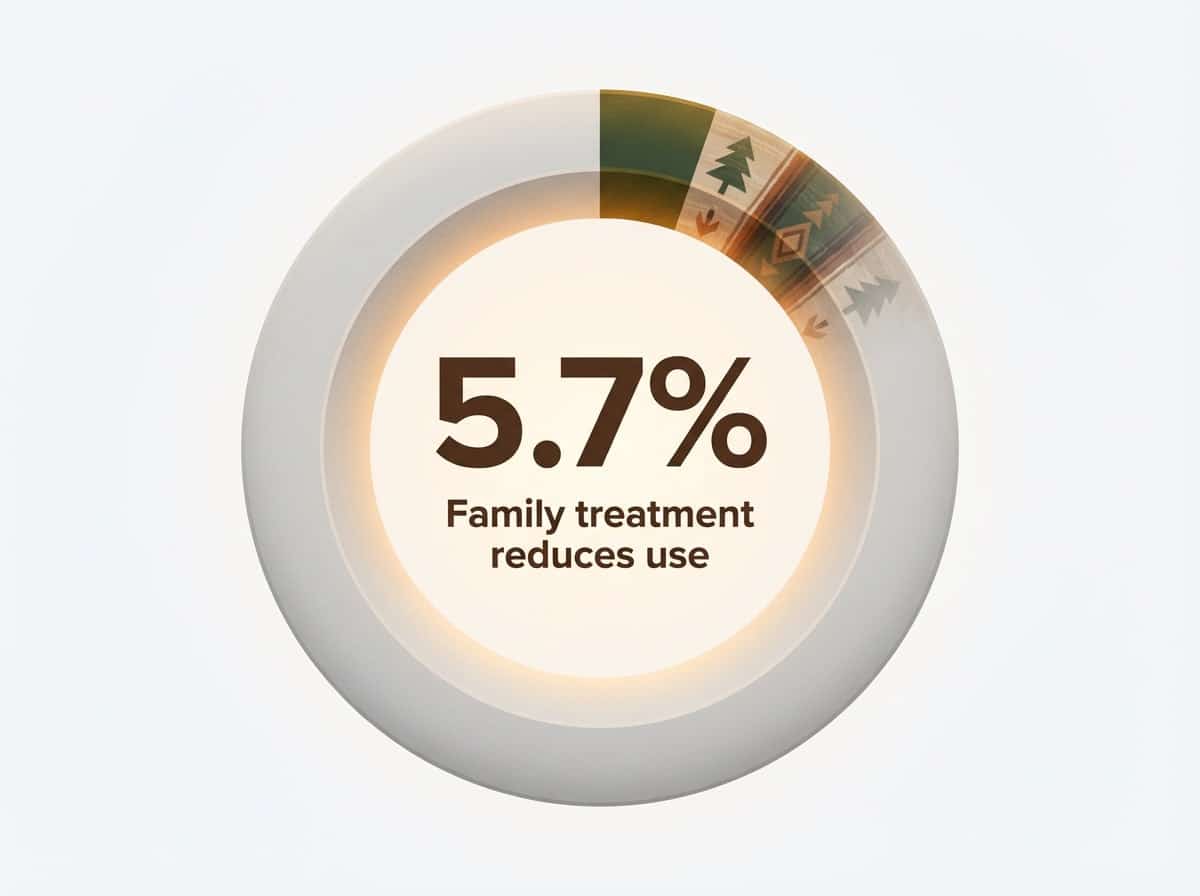
Evidence shows that including families in treatment can lower the chances of relapse and reduce substance use by about 5.7% each year, with these benefits lasting more than a year after treatment ends6. At Rocky Mountain Treatment Center, we believe recovery is stronger when families are part of the journey. Our team welcomes loved ones to join therapy, learn new skills, and find their own support, so everyone feels connected and confident moving forward. When you ask about family involvement, make sure the center is ready to include your whole support network—not just the person in treatment.
Step 5: Spot Red Flags in Drug Rehabilitation Centers Near Me
Unfortunately, the rehab industry attracts unscrupulous operators who prey on vulnerable families. Knowing the warning signs can protect you from making a costly mistake during an already difficult time. Be wary of facilities that guarantee results or promise a cure. Recovery is a deeply personal journey, and no legitimate program can guarantee outcomes. One common scam involves “patient brokers” who receive kickbacks for referring clients to specific facilities—sometimes thousands of dollars per referral—regardless of whether that facility is appropriate for the individual’s needs.
Watch for programs that offer only one treatment approach or those that pressure you into immediate enrollment without allowing time for research or family discussion. Some fraudulent operators use “body brokering” schemes, where they cycle patients through multiple facilities to maximize insurance billings, sometimes discharging clients prematurely only to readmit them elsewhere. Evidence-based care recognizes that different individuals respond to different therapies, so quality facilities provide multiple treatment modalities tailored to each person’s needs.
Another red flag involves facilities that conduct minimal assessments before quoting extremely high costs, then bill insurance for services never actually provided. Legitimate centers provide detailed treatment plans with transparent pricing. Also be cautious of programs that discourage family involvement, refuse to provide licensing information, or have no credentialed medical staff on-site. Before committing, verify the facility’s accreditation through independent organizations, confirm their license status with your state’s health department, and trust your instincts.
Recognize Patient Brokering Warning Signs
When you’re searching for drug rehabilitation centers near me, it’s important to watch for signs of patient brokering—one of the biggest scams in addiction treatment. Patient brokering is when someone gets paid to refer you to a specific rehab center, even if it’s not right for you. These brokers might sound friendly and promise fast help, but their main goal is a commission, not your recovery. Some are paid as much as $500 to $1,000 per referral, which means their advice may be biased or even risky7.
Here are some common warning signs that you might be dealing with a broker rather than a real treatment provider:
| Red Flag | What to Watch For |
|---|---|
| Vague answers | Won’t share details about staff or location |
| Pushy phone calls | Pressure you to sign up right away |
| No clear connection to center | Callers won’t say who they work for |
| Offers to pay for travel | Promises free flights or gifts to attend |
Rocky Mountain Treatment Center never uses paid brokers. Our team answers your questions honestly and helps you find the best fit—even if that’s not with us. If a call feels rushed, secretive, or focused on perks, trust your gut and ask direct questions. Up next, you’ll learn how to spot real transparency around insurance and costs.
Verify Insurance & Cost Transparency
When you’re comparing drug rehabilitation centers near me, don’t overlook how open a center is about insurance and costs. Honest centers lay out what’s covered, what’s not, and how billing works—before you sign up. If you get vague answers or if the staff avoids talking about fees, that’s a major red flag. Scams sometimes hide real costs or promise everything is free, only to surprise you later with big bills or unexpected charges7.
A quality center, like Rocky Mountain Treatment Center, will help you understand your insurance options and explain all out-of-pocket expenses. They’ll also let you know if you need pre-approval from your insurance or what steps are required for coverage. Here’s a simple table to help you spot real transparency:
| Transparency Check | What a Trustworthy Center Does |
|---|---|
| Insurance info upfront | Clearly explains coverage & exclusions |
| Fee breakdown | Lists all costs and payment options |
| Written documentation | Provides details in writing |
Always ask for written details and don’t be afraid to walk away if something feels hidden or confusing. This kind of openness is key to making sure the center is focused on your recovery, not just making a sale. Next, we’ll move on to frequently asked questions that can help you feel even more prepared on your search.
Frequently Asked Questions
You likely have questions about finding the right treatment provider for your needs. Here are answers to some of the most common concerns we hear from people exploring their options.
How do I verify a provider’s credentials? Check with your state’s licensing board to confirm their credentials are active and in good standing. Look for certifications from recognized accrediting bodies like The Joint Commission or CARF. You can also ask to see staff qualifications during your consultation—reputable providers are transparent about their team’s training and expertise.
What should I expect during an initial assessment? A thorough assessment includes a detailed discussion of your treatment needs, complete medical and mental health history review, evaluation by qualified clinical staff, and development of a personalized treatment plan. You should never feel rushed or pressured to commit before you’re ready.
What are the biggest red flags I should watch for? Be cautious of facilities that guarantee specific outcomes, pressure you into immediate decisions, lack proper licensing or accreditation, have inadequate staff credentials, or can’t clearly explain their treatment approach. Trust your instincts—if something feels off during your research or consultation, it probably is.
How long should I expect to stay in a quality rehab program?
Most quality rehab programs recommend a stay of at least 90 days for the best results, whether you choose inpatient or intensive outpatient care. Studies show that people who participate in treatment for 90 days or longer are less likely to relapse and more likely to make progress with their recovery goals10. This gives you time to work through physical withdrawal, learn new coping skills, and build healthy routines before returning home.
Some people may need more time, and a good program will help you decide what’s right for you. At Rocky Mountain Treatment Center, we tailor plans based on your needs, offering flexible options so you can get the support you need for as long as you need it. When you search for drug rehabilitation centers near me, always ask about recommended program lengths and what kind of ongoing support is available to keep you moving forward.
What happens if I relapse after completing treatment?
Relapse can feel discouraging, but it’s actually a common part of recovery for many people. If you or someone you love has a setback after leaving a program, remember that it doesn’t mean treatment failed or that you can’t get back on track. High-quality drug rehabilitation centers near me, like Rocky Mountain Treatment Center, treat relapse as a signal to adjust your support plan—not as a reason to give up. Staff will help you look at what triggered the relapse and work with you to build new coping skills or update your aftercare plan.
Research shows that staying connected with aftercare services and support groups lowers the risk of future relapses and helps people recover faster when slips happen10. If you return to treatment, you may get extra counseling, family support, or new therapy options to fit what you need now. The most important thing is not to lose hope—reaching out quickly for help gives you the best chance to move forward.
Can family members visit during my treatment stay?
Yes, most drug rehabilitation centers near me do allow family members to visit during your treatment stay, but there are usually some guidelines to follow. Family visits are often planned to help you stay connected with your loved ones while you focus on recovery. Many centers, including Rocky Mountain Treatment Center, offer specific visiting hours or family weekends so you and your family can spend quality time together in a supportive environment.
Some centers also include family therapy sessions as part of the treatment plan, which can help everyone learn healthy ways to communicate and support each other. Research shows that involving families in treatment not only strengthens relationships but also reduces the chances of relapse and helps you stay on track, with benefits that can last over a year after treatment ends6. It’s a good idea to ask each center about their visitor policies, as some may have restrictions to protect your privacy and safety.
Will I be able to keep my treatment private from my employer?
Yes, you can keep your treatment private from your employer in almost all situations. When you attend a program at trusted drug rehabilitation centers near me, like Rocky Mountain Treatment Center, your personal health information is protected by strict federal privacy laws such as HIPAA. This means staff cannot tell your employer—or anyone else outside your care team—about your treatment without your written permission. Many people worry about losing their job or facing stigma, but your right to privacy is taken seriously in healthcare settings1.
If you need time off for treatment, you might choose to share only what’s necessary, such as requesting medical leave through the Family and Medical Leave Act (FMLA) if you qualify. Even then, your employer does not get details about your diagnosis or the specific type of care you’re receiving. At Rocky Mountain Treatment Center, we help you understand your rights and can provide any paperwork needed while keeping your information private.
What if the rehab center doesn’t accept my insurance?
If a rehab center doesn’t accept your insurance, don’t lose hope—you still have options. First, ask the admissions team if they offer payment plans, sliding scale fees, or scholarships. Many drug rehabilitation centers near me, including Rocky Mountain Treatment Center, understand that finances shouldn’t stand in the way of getting help, so they’ll work with you to find a solution.
You can also contact your insurance provider directly. Sometimes, they can suggest other local centers in your network or explain how to get pre-authorization for out-of-network care. If you need help, the SAMHSA National Helpline offers free, confidential advice and can connect you with treatment programs that match your insurance or budget2. Don’t be afraid to ask lots of questions about costs and what’s included. A quality center will always be upfront about expenses and help you understand all your options.
How do I know if I need inpatient or outpatient treatment?
Deciding between inpatient and outpatient treatment depends on your needs, your daily life, and how serious your substance use is. Inpatient treatment (sometimes called residential) means you live at the rehab center for a set amount of time. This is best for people who need a safe, structured space away from triggers, or who have struggled with outpatient care before. Outpatient treatment lets you live at home and visit the center for therapy a few times a week—this works well if you have a strong support system and your symptoms are more stable.
Most quality drug rehabilitation centers near me use a careful assessment to help you choose. They look at your health history, the type and amount of substance you use, your living situation, and even your mental health. Tools like the ASAM Criteria help match you to the right level of care by considering both medical and personal needs3. At Rocky Mountain Treatment Center, our caring team walks you through this process step by step, so you feel confident in your treatment plan.
What should I bring with me to rehab?
Packing for rehab doesn’t have to be stressful—just stick to the basics and check with the center first for any special rules. Most drug rehabilitation centers near me, like Rocky Mountain Treatment Center, will give you a list of what’s allowed and what’s not. In general, bring comfortable clothes for about a week, including layers for changing weather, and a pair of shoes for both indoors and outdoors. You’ll also want personal hygiene items (like a toothbrush, toothpaste, soap, and shampoo), but make sure they’re alcohol-free and unopened if the center requires it.
Don’t forget any prescription medications, but keep them in their original bottles with labels. If you wear glasses or contacts, pack those and any supplies you need. A small notebook or journal can help you track your progress or write down thoughts during group sessions. Some people find comfort in bringing a favorite photo or a book (as long as it’s allowed)—but skip anything electronic unless the center says it’s okay. Rocky Mountain Treatment Center recommends leaving valuables at home, since you won’t need them and it keeps things simple.
Conclusion
Choosing the right addiction treatment facility is one of the most important decisions you’ll make on your recovery journey. By following these five essential steps, you can identify a facility that offers the quality care and support you deserve. Start by verifying credentials and accreditation to ensure the facility meets established standards of care. Then assess their treatment approaches to confirm they align with your needs and preferences, whether that’s evidence-based therapies, holistic methods, or specialized programs.
Don’t overlook the importance of examining staff qualifications—the expertise and compassion of your treatment team will significantly impact your experience and outcomes. Finally, investigate the aftercare and continuing support services available, as sustained recovery often depends on the resources you have access to after completing your initial treatment. The facility you choose will become your partner in healing, so take the time to thoroughly evaluate your options.
Ask questions, visit facilities when possible, and trust your instincts about where you’ll feel safe and supported. Remember that the right environment can make all the difference in your recovery journey. Ready to take the next step? Use these criteria to evaluate potential facilities, schedule consultations to discuss your specific needs, and begin building the foundation for lasting recovery and wellness.
References
- Guide: 11 Indicators of Quality Addiction Treatment. https://www.recoveryanswers.org/resource/effective-addiction-treatment-what-makes-a-good-addiction-treatment-program/
- SAMHSA’s National Helpline: Treatment Referral and Information Service. https://www.samhsa.gov/find-help/helplines/national-helpline
- About The ASAM Criteria. https://www.asam.org/asam-criteria/about-the-asam-criteria
- Physical Detoxification Services for Withdrawal From Specific Substances. https://www.ncbi.nlm.nih.gov/books/NBK64116/
- Integrating Treatment for Co-Occurring Mental Health and Alcohol Use Disorders. https://pmc.ncbi.nlm.nih.gov/articles/PMC6799972/
- Family Involvement in Treatment and Recovery for Substance Use Disorders. https://pmc.ncbi.nlm.nih.gov/articles/PMC8380649/
- Addiction Treatment Scams Explained. https://www.recoveryanswers.org/resource/scams-corruption-addiction-industry-explained/
- Comparative Effectiveness of Different Treatment Pathways for Opioid Use Disorder. https://jamanetwork.com/journals/jamanetworkopen/fullarticle/2760032
- Contingency Management for Adults with Substance Use Disorder. https://www.chcs.org/resource/contingency-management-for-adults-with-substance-use-disorder/
- Intensive Outpatient Treatment and the Continuum of Care. https://www.ncbi.nlm.nih/books/NBK64088/