
Key Takeaways
- Essential Tools: Have your insurance card, a list of questions, and your medical history ready.
- The Main Steps:
- Verify accreditation and medical safety protocols.
- Assess treatment approaches and staff credentials.
- Match services to your specific needs (like dual diagnosis).
- Evaluate aftercare plans and family support.
- The Outcome: You will confidently choose a safe, supportive facility that offers the best chance for your lasting recovery.
Finding the right help can feel overwhelming, but you do not have to do it alone. When you start searching for drug recovery centers near me, knowing exactly what to look for ensures you find a safe place to heal. This guide walks you through the essential steps to make the best choice for your future.
Step 1: Verify Accreditation for Drug Recovery Centers Near Me
Before you commit to any treatment center, confirming proper accreditation should be your first priority. Look for facilities accredited by The Joint Commission or the Commission on Accreditation of Rehabilitation Facilities (CARF). These organizations conduct strict checks to ensure centers meet national standards for patient care, safety protocols, and treatment effectiveness.9
Check that the facility employs licensed medical professionals who can manage withdrawal symptoms and co-occurring mental health conditions. A quality center will have physicians, nurses, and psychiatrists on staff—not just counselors. This medical oversight becomes especially critical during detoxification when your body needs careful monitoring. Your health and safety depend on choosing a facility that meets established medical standards.
Do not hesitate to ask about staff-to-patient ratios either. Smaller ratios mean more personalized attention and quicker response times during emergencies. You deserve a treatment environment where someone notices if you are struggling and can intervene immediately.
Take time to verify the facility’s licensing with your state’s health department. Most states maintain online databases where you can confirm a center’s credentials and review any violations or complaints. This simple step protects you from unlicensed operations that may promise recovery but lack the expertise to deliver it safely.
Check for Joint Commission or CARF Status
When you explore drug recovery centers near me, checking for accreditation by The Joint Commission or CARF is a must. These organizations have strict rules that centers must follow to earn their seal of approval. Both The Joint Commission and CARF set national standards for quality care, so their logos mean the facility is serious about your recovery and safety.
Many people find this step confusing because not every logo or certificate on a center’s website means true accreditation. Look for the official names: “The Joint Commission” or “CARF”—these are the real deal. You can usually find this information in the “About Us” or “Accreditations” section of a center’s website. If you do not see it, call the center and ask directly.
A trustworthy place, like Rocky Mountain Treatment Center, will clearly show their accreditation status and explain what it means for you. This helps you feel confident that you are choosing a center with proven safety and care standards. The table below can help you spot the difference between true accreditation and other, less important awards:
| Mark or Seal | What It Means | Should You Trust It? |
|---|---|---|
| The Joint Commission | National safety and quality standards | Yes |
| CARF | International quality standards | Yes |
| Local Chamber of Commerce | Business membership, not healthcare | No |
| Unfamiliar Logos | May not be related to treatment safety | No |
Checking for these trusted accreditations is the first step to making sure a center is right for you.
Confirm 24/7 Medical Monitoring for Detox
When you are looking at drug recovery centers near me, it is vital to find a place that offers 24/7 medical monitoring during detox. The detox process can be tough on your body, and medical issues can come up quickly. Symptoms like changes in mental state, high fever, or sudden spikes in blood pressure are not just uncomfortable—they can be dangerous and need fast attention.8
Having nurses and doctors available at all hours means help is always there if you need it. Rocky Mountain Treatment Center takes this seriously by providing round-the-clock medical care. You are not left alone once the sun goes down. Their staff keeps close watch on your health, checking for withdrawal symptoms and making sure you stay safe. This kind of nonstop support gives you peace of mind so you can focus on getting better.
If you are comparing centers, ask if someone will be there 24 hours a day to monitor your detox. Not every center offers this level of care. Facilities that do are committed to your safety and recovery right from the start.
Step 2: Assess Treatment Approaches & Staff
Once you have confirmed a facility meets basic safety standards, dig deeper into their treatment philosophy and team qualifications. The most effective programs combine evidence-based therapies with personalized care, adapting proven methods to fit your unique situation rather than forcing everyone through identical protocols.
Ask about the specific therapies offered. Look for evidence-based approaches like Cognitive Behavioral Therapy (CBT), which helps you identify and change thought patterns that trigger substance use, or Dialectical Behavior Therapy (DBT), which teaches emotional regulation and distress tolerance skills. Motivational Interviewing strengthens your personal commitment to change, while trauma-informed care addresses underlying experiences that may contribute to addiction.4
Quality facilities employ licensed therapists, certified addiction counselors, and medical professionals who specialize in substance use disorders—not generalists dabbling in addiction treatment. Verify staff credentials by looking for qualifications like LCSW (Licensed Clinical Social Worker), LMFT (Licensed Marriage and Family Therapist), LPC (Licensed Professional Counselor), or CAC (Certified Addiction Counselor). You can typically verify these credentials through your state’s licensing board website.
You should also feel comfortable with the therapeutic approach. Some programs emphasize 12-step principles, while others focus on cognitive behavioral methods, holistic wellness, or family systems work. There is no single “right” approach, but the methods should align with your values and recovery goals. Request information about how the team coordinates care. The best programs feature regular communication between therapists, medical staff, and case managers who work together to support your progress.
Look for Evidence-Based Therapies
When comparing drug recovery centers near me, it is important to check if they use evidence-based therapies. These are treatment methods that are supported by solid research and have helped many people recover from addiction. For example, cognitive-behavioral therapy (CBT) is often used because it teaches you how to recognize triggers and build healthier habits. Motivational interviewing and family counseling are also proven to help people make real changes in their lives.
Some centers might offer only one type of therapy, while others combine several options to create a plan that fits you best. At Rocky Mountain Treatment Center, you will find a blend of these proven approaches, so your care is based on what works instead of guesswork. This gives you a better chance of long-term recovery because your treatment is built on science, not just tradition.
If you are not sure which therapies a center uses, ask for details about their programs. The staff should be happy to explain how their methods work and why they use them. Knowing your care is backed by research can help you feel more confident as you take your next steps.
Evaluate Staff Credentials & Recovery Experience
When picking from drug recovery centers near me, do not just look at the therapies—they only work well if the people guiding you are truly qualified and caring. Staff credentials matter a lot. Look for centers where counselors, nurses, and doctors have the right licenses and training for addiction treatment. This means they have studied what works and how to help you through tough moments.
At Rocky Mountain Treatment Center, for example, you will meet a team that combines professional knowledge with real experience in helping people recover. That kind of mix builds trust and comfort from day one. It is also helpful if some team members have experienced recovery themselves. People who have walked this path often understand the challenges in a way textbooks cannot teach. Research shows that when staff feel confident and supported, clients are more engaged and satisfied with their care.5
Do not be shy about asking for details. You can ask about training, certifications, and whether anyone on the team has personal recovery experience. Centers that are open about their staff’s skills and stories, like Rocky Mountain Treatment Center, usually make you feel welcome and understood.
Step 3: Match Services to Your Specific Needs
Not all addiction treatment centers offer the same services, and finding the right match for your situation can significantly impact recovery outcomes. Start by identifying what level of care you need—whether that is medical detoxification, residential treatment, intensive outpatient programs, or ongoing support services.
Consider any co-occurring mental health conditions that require simultaneous treatment. Many people struggling with addiction also experience depression, anxiety, trauma, or other mental health challenges. Look for centers that provide integrated dual diagnosis treatment rather than addressing addiction in isolation.
Think about practical considerations too. Does the center accommodate your work schedule if you need outpatient care? Do they offer specialized programs for your demographic, such as gender-specific treatment, LGBTQ+-affirming care, or age-appropriate services? If you have family responsibilities, check whether they provide childcare support or flexible scheduling.
Ask about evidence-based therapies that align with your recovery goals. Effective programs typically combine multiple approaches—individual counseling, group therapy, medication-assisted treatment when appropriate, and holistic wellness activities. The right center will customize a treatment plan around your unique circumstances rather than applying a one-size-fits-all approach. Do not hesitate to ask detailed questions about how they will address your specific needs and recovery objectives.
Identify Co-Occurring Disorder Treatment
Many people entering drug recovery centers near me face not only addiction, but also mental health challenges like anxiety, depression, or past trauma. This is called a co-occurring disorder, and treating both issues together is key for lasting recovery. If a center only focuses on substance use and ignores mental health, it is easy to feel stuck in a cycle of relapse.
Research confirms that people who receive care for both substance use and mental health at the same time have a better chance of long-term recovery.3 When you are looking at centers, ask if they offer dual diagnosis or co-occurring disorder treatment. The team should include professionals trained in both addiction and mental health care.
At Rocky Mountain Treatment Center, your treatment plan is built around your full story, not just your diagnosis. Their staff is experienced in helping people manage both mental health and substance use, so you feel supported in every part of your journey. Choosing a center that understands co-occurring disorders means you do not have to fight two battles alone. You will have a team ready to help you heal, grow, and move forward with confidence.
Consider Medication-Assisted Treatment Options
Medication-assisted treatment (MAT) is a key option you should know about when looking at drug recovery centers near me, especially if you or a loved one is recovering from opioid use. MAT combines counseling with medications like methadone, buprenorphine, or naltrexone to help manage cravings and reduce the risk of relapse. This approach is backed by science and can make recovery safer and more comfortable.
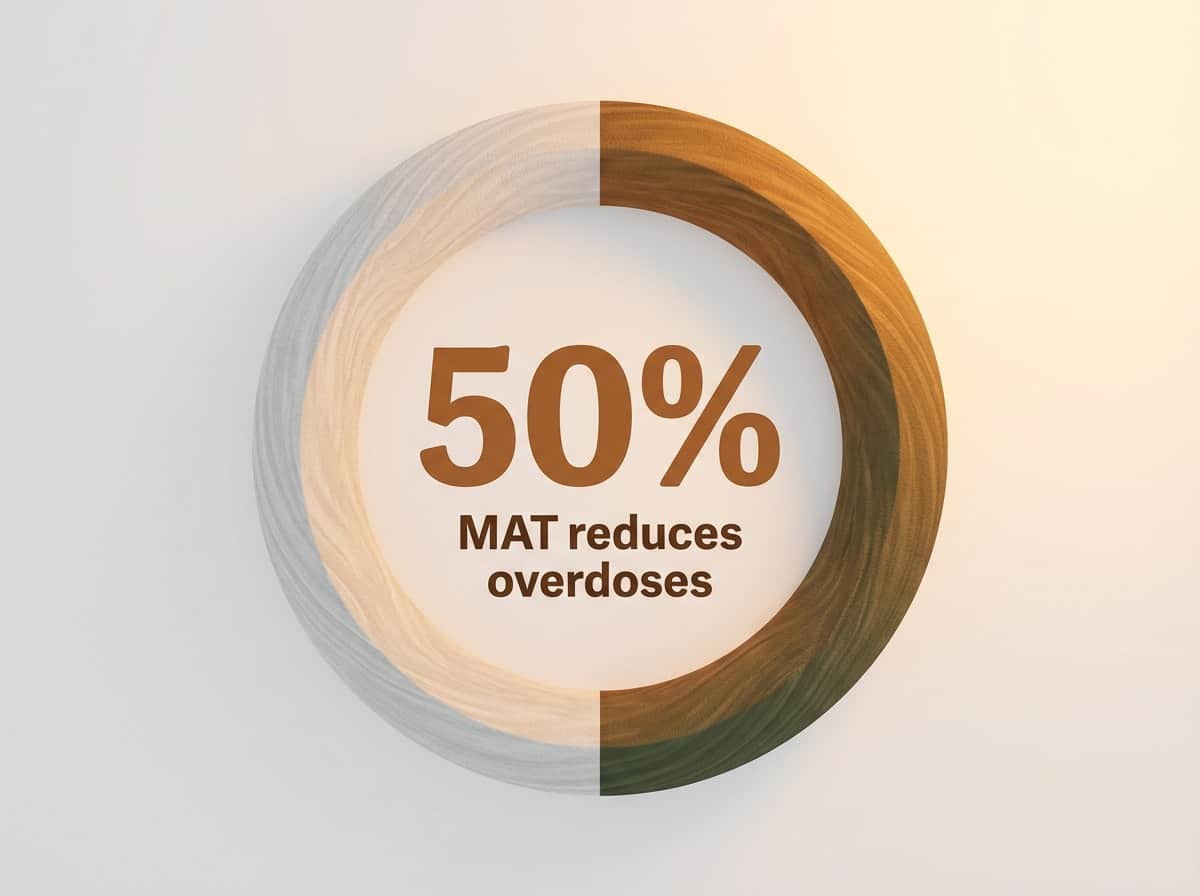
For example, people with opioid use disorder who receive MAT are 50% less likely to die from an overdose compared to those who do not get these medications.2 It is surprising, but fewer than 1 in 5 people who need MAT actually get it.
Ask any center you are considering if they offer MAT and how they decide which medicines are right for each person. At Rocky Mountain Treatment Center, MAT is part of a full recovery plan, and their team works with you to make sure the treatment fits your needs and goals. This kind of personalized care can help you feel more confident as you move forward on your recovery path.
Step 4: Evaluate Aftercare & Family Support
Recovery does not end when treatment does—it is a lifelong journey that requires ongoing support. When evaluating facilities, look closely at their aftercare programs and how they involve your family in the healing process. Strong aftercare services should include alumni programs, ongoing counseling options, and relapse prevention planning.
Look for programs offering at least 12 months of structured follow-up support—quality programs typically provide weekly check-ins for the first month, then transition to bi-weekly sessions for three months, followed by monthly contact throughout the first year. Ask whether the facility offers regular check-ins after discharge, peer support groups, or access to counselors when you need guidance. These connections can make the difference between sustained recovery and struggling alone. Research shows that people who keep up with follow-up care after treatment are much more likely to stay sober and feel supported during tough times.6
To understand what this looks like in practice, consider the contrast: Strong aftercare includes weekly alumni meetings, a 24/7 crisis hotline, quarterly family workshops, and assigned recovery coaches who check in regularly. Inadequate aftercare might consist of just one follow-up call 30 days after discharge with no structured ongoing support. This difference significantly impacts your long-term success.
Family involvement is equally crucial. Addiction affects everyone in the household, and healing works best when your loved ones understand the recovery process. Quality facilities offer family therapy sessions, educational workshops, and resources that help your support system learn how to encourage your progress without enabling harmful behaviors. Research shows that when families get involved, treatment completion rates go up and long-term outcomes improve.7
During facility tours, ask specific questions: How often can family members participate in therapy? What educational materials do you provide to loved ones? Do you offer family weekends or group sessions? How do you help families heal from the trauma addiction has caused? What is your standard aftercare timeline, and how frequently will you contact me during the first year? The best treatment centers recognize that recovery is a team effort. They equip both you and your family with the tools, knowledge, and ongoing support needed to build a healthier future together.
Review Post-Treatment Support Programs
Finishing treatment is a huge accomplishment, but the real journey often starts once you leave the center. That is why it is so important to look closely at the post-treatment support programs offered by drug recovery centers near me. Ongoing support—like regular check-ins, counseling, and alumni groups—can help you stay on a healthy path and avoid setbacks.
Rocky Mountain Treatment Center understands that recovery does not end at discharge. Their aftercare program includes group meetings, scheduled calls with counselors, and an active alumni network. These services are designed to help you stay connected and motivated, even when everyday life gets busy or stressful.
If you choose a center with strong aftercare, you are not just getting a treatment plan—you are joining a community that wants to see you succeed. Ask each center for details about their aftercare. Do they offer regular support groups, phone check-ins, or online meetings? Centers that make aftercare a priority are usually the ones that really care about your long-term recovery.
Confirm Family Involvement Opportunities
Family involvement can make a huge difference in recovery, both for you and for your loved ones. When you look at drug recovery centers near me, check if they invite families to join in the process through counseling sessions, family education days, or even regular support meetings. This happens because addiction affects everyone at home, not just the person going through treatment.
At Rocky Mountain Treatment Center, family engagement is part of the care plan. They offer sessions where relatives can learn about addiction, practice healthy communication, and work through past hurts together. These opportunities help heal relationships, build trust, and create a strong support system for recovery.
If you are comparing centers, ask about options for family therapy, visiting hours, or educational workshops. A welcoming center will be happy to share how they help families stay connected and informed. Even if your family cannot always be there in person, many centers—including Rocky Mountain—offer virtual options to keep everyone involved. This kind of support makes the recovery journey feel less lonely and helps everyone move forward together.
Step 5: Avoid Common Mistakes When Choosing a Facility
Even with the best intentions, you might stumble when selecting a treatment facility. Recognizing these common pitfalls can help you make a more informed decision for your recovery journey. One frequent mistake is choosing based solely on cost or insurance coverage. While your budget matters, the cheapest option may not provide the comprehensive care you need for lasting recovery.
For instance, choosing based solely on cost might mean missing out on medication-assisted treatment that could double your success rate, or evidence-based therapies like cognitive behavioral therapy that significantly reduce relapse risk. Similarly, selecting a facility simply because it is covered by insurance without evaluating treatment quality can compromise your outcomes.
Another misstep is failing to verify credentials and accreditation. Not all facilities maintain the same standards of care. Always confirm that staff members hold proper licenses and that the program meets industry accreditation requirements—unaccredited facilities may lack proper medical oversight, putting your safety at risk during detoxification.
You might also overlook the importance of treatment philosophy alignment. A facility might offer excellent amenities but use approaches that do not resonate with your needs or beliefs. Taking time to understand their treatment modalities ensures better engagement and results. Distance can be deceptive too. While you might assume farther facilities offer better anonymity, proximity often enhances family involvement and aftercare transition.
Local options allow your loved ones to participate in therapy sessions, visit regularly, and build connections with the treatment team—all factors that strengthen your long-term recovery success. Finally, rushing your decision due to crisis pressure frequently leads to regret. Create a simple comparison chart listing your top three facilities, their key features, and how each addresses your specific needs. This structured approach helps you make a confident, informed choice even under pressure.
Focusing Only on Cost Over Quality Indicators
It is easy to get caught up in comparing prices when you search for drug recovery centers near me. Cost matters, but making your choice based only on the lowest price can lead to disappointment and less effective care. Some centers advertise bargain rates or quick-fix programs, but these often skip out on things that really matter—like experienced staff, evidence-based therapies, and strong aftercare support.
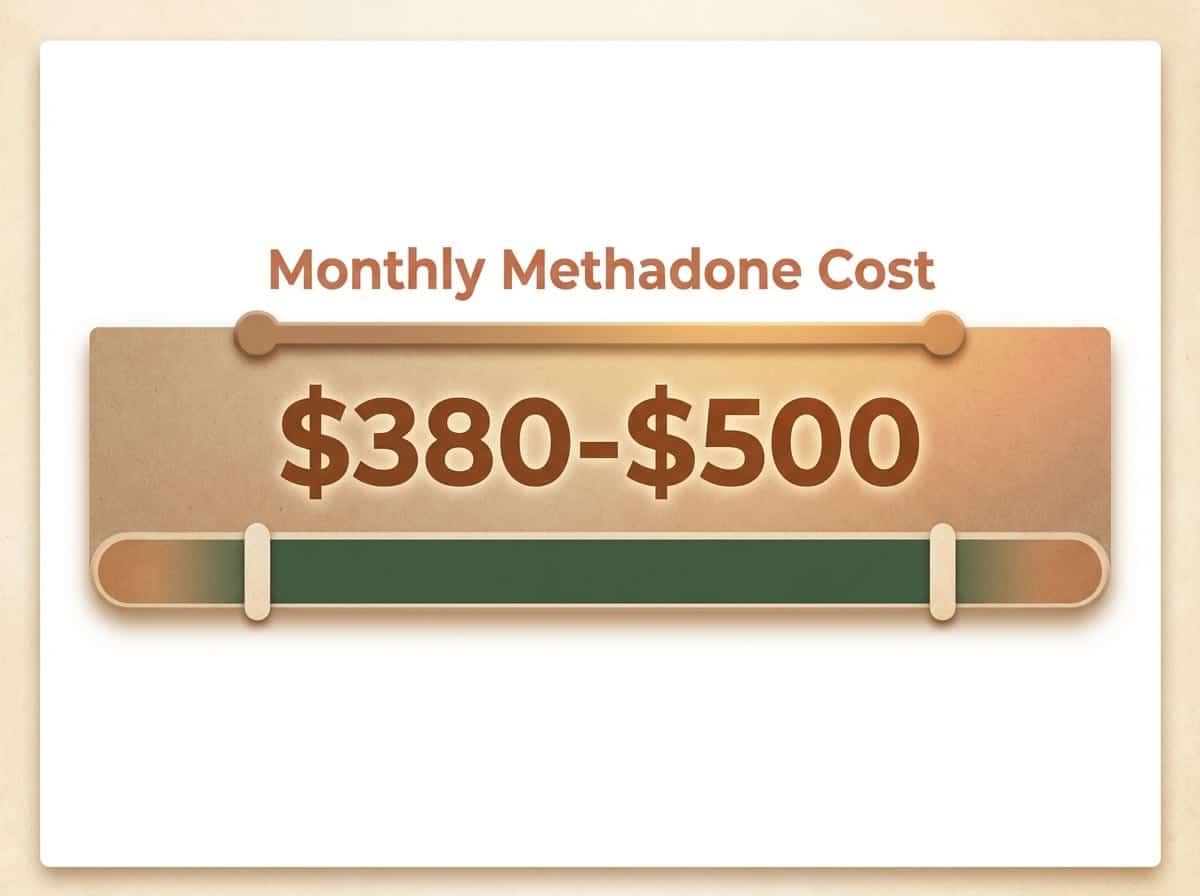
Research shows that centers with strong clinical teams and a focus on long-term results achieve better outcomes for clients, regardless of how much they charge.5 Rocky Mountain Treatment Center believes in putting quality first. Their program is built around proven therapies, licensed professionals, and ongoing support—not just flashy marketing or promises of fast results.
When you evaluate facilities, ask about their accreditation, staff training, and the types of treatment they offer. A center with higher quality indicators may cost a bit more up front, but it can save you time, stress, and even money in the long run by reducing the risk of relapse or repeated treatment. To help you compare, here is a table showing what to focus on instead of just price:
| Factor | Why It Matters |
|---|---|
| Accreditation | Ensures proven safety and quality standards. |
| Staff Credentials | Guarantees you are receiving skilled, professional care. |
| Evidence-Based Therapies | Supports lasting recovery using scientific methods. |
| Aftercare Programs | Helps prevent relapse after you leave the facility. |
Choosing quality means you are investing in real, lasting change. Up next, let’s see why staff-to-client ratios can make or break your recovery experience.
Overlooking Client-to-Staff Ratios
A detail that many people miss when looking at drug recovery centers near me is the client-to-staff ratio. This number tells you how many clients each staff member is responsible for at a time. Why does it matter? When staff are stretched too thin, you may not get the attention or support you need—especially during tough days or group sessions.
Research shows that centers with fewer than five clients per staff member provide much better individualized care and stronger results for recovery.5 At Rocky Mountain Treatment Center, the team works hard to keep these ratios low. This means you will get more one-on-one time with counselors, and your concerns will not fall through the cracks.
A lower ratio is not just about numbers—it is about making sure you feel seen and heard every step of the way. Do not be shy about asking a facility, “How many clients does each counselor or nurse care for?” If the answer is vague or the number seems high, it might be a red flag. Choosing a center that values personal attention can make a huge difference in your experience and your long-term success.
Finding Personalized Care Close to Home
The location of an addiction treatment center plays a more complex role in recovery than you might initially think. When evaluating options, consider how distance from home affects your specific situation. Some people benefit from treatment close to their support network, making family therapy sessions and gradual reintegration easier. Others find that geographic distance provides necessary separation from triggers and unhealthy relationships that contributed to their addiction.
Accessibility matters beyond just miles on a map. Look at facilities that balance your need for focused recovery with practical considerations like family visitation policies, transportation options for aftercare appointments, and proximity to work or school if you are maintaining those commitments. The best centers offer flexible visiting schedules that support family involvement without disrupting the therapeutic environment, recognizing that connection can be healing when properly structured.
Consider your privacy needs when weighing location options. Treatment closer to home may offer convenience but could compromise anonymity in smaller communities where stigma remains a concern. Conversely, facilities in different cities or states can provide a fresh start and reduce the chance of unexpected encounters during early recovery. Ask potential treatment centers how they handle confidentiality, what their policies are regarding outside contact during different treatment phases, and how they help you plan for the transition back to your home environment when treatment concludes.
Frequently Asked Questions
How long should I expect to stay in a drug recovery center?
The length of stay at a drug recovery center depends on your individual needs, the type of program, and your progress along the way. Most residential treatment programs last anywhere from 28 days to several months. Research shows that staying in treatment for at least 90 days is linked to better long-term results, especially for people recovering from opioid use.1 Outpatient programs can be shorter or longer, sometimes fitting around your work or family schedule.
At Rocky Mountain Treatment Center, your team will help you decide what makes sense based on your goals and situation. They know that everyone heals at their own pace. Some people may need a longer stay for the best chance at lasting recovery, while others might move on to outpatient care after a few weeks. If you are searching for drug recovery centers near me, be sure to ask how they determine the right length of stay for you.
What happens if I’ve been through treatment before and relapsed?
Experiencing a relapse after treatment can feel discouraging, but it does not mean you have failed—it is actually a common step in the recovery process. Research shows that relapse rates for substance use disorders are similar to those of other chronic illnesses, ranging from 40-60%.6 Many people need more than one round of treatment to reach their long-term goals.
If you have relapsed, it is important to be honest with yourself and your care team. The right drug recovery centers near me, like Rocky Mountain Treatment Center, welcome you without judgment and help you figure out what changes might make a difference this time. You may need a different type of therapy, extra support with mental health, or a new approach to aftercare. The staff will work with you to adjust your plan and help you keep moving forward. Remember, asking for help again is a sign of strength, not weakness. Each try brings you closer to lasting recovery.
Will my insurance cover addiction treatment, and how do I verify coverage?
Most insurance plans do cover some level of addiction treatment, but the details depend on your provider and the specific plan you have. When you start looking at drug recovery centers near me, the first step is to call the number on your insurance card and ask what types of treatment are included. Some plans cover residential stays, outpatient therapy, or medication-assisted treatment, while others may have limits or require pre-approval.
Rocky Mountain Treatment Center has staff who help you check your benefits, explain what is covered, and guide you through any paperwork or authorizations needed. You can also ask the treatment center to verify your insurance directly—they often do this as a free service to help you feel more at ease. Research shows that insurance coverage can be a deciding factor for many people seeking care, so getting a clear answer early can make your next steps easier.5
If you are ever unsure, do not be afraid to reach out to both your insurer and the center for help. This way, you will know exactly what to expect before you begin your recovery journey.
Can I visit a treatment center before committing to their program?
Yes, you can usually visit a treatment center before deciding to enroll, and doing so is a great idea! Most reputable drug recovery centers near me—including Rocky Mountain Treatment Center—welcome visitors for in-person tours or virtual walk-throughs. Seeing the facility for yourself lets you meet staff, check out living spaces, and ask questions about how daily life and therapy sessions work. This helps you feel more comfortable with your choice and can ease some of the worries people often have about starting treatment.
When you schedule a visit, bring a list of questions or concerns. Ask about staff credentials, daily routines, safety procedures, and how the center supports clients after treatment ends. Research shows that programs with open, welcoming environments and confident, skilled staff tend to keep clients more engaged and satisfied with their care.5 Rocky Mountain Treatment Center encourages these visits, because they believe the right fit is important for your recovery journey. If traveling in person is not possible, many centers now offer virtual tours to help you get a feel for the place from home.
Taking this step can make your decision much easier and give you peace of mind as you move forward.
What if I need treatment for both addiction and mental health issues?
If you need help for both addiction and mental health issues, you are not alone—many people face both challenges at the same time. The good news is that there are drug recovery centers near me, like Rocky Mountain Treatment Center, that offer what is called “co-occurring disorder” or “dual diagnosis” treatment. This means they treat addiction and mental health together, not separately. Research shows that people get better results when both issues are addressed at the same time, instead of focusing on just one.3
When you contact a center, ask if their team includes mental health professionals along with addiction counselors. At Rocky Mountain Treatment Center, your care plan is built around your full story—so you get help for anxiety, depression, trauma, or anything else alongside addiction support. You will also find staff who understand that healing is about your whole well-being, not just stopping substance use.
By choosing a center with experience in co-occurring disorders, you give yourself the best chance at lasting recovery and a healthier future.
How can I tell if a center’s treatment philosophy aligns with my personal beliefs?
It is normal to wonder if a drug recovery center’s approach will fit with your personal beliefs and values. The best way to find out is to ask questions and look for open, honest answers. When you talk with drug recovery centers near me, ask about their treatment philosophy: Do they use only one method, or do they blend different therapies to fit each person? Some centers may focus on 12-step traditions, while others offer a more flexible, science-based approach. You can also ask if they respect cultural, religious, or personal preferences in their care plans.
Rocky Mountain Treatment Center believes that recovery should be personal and respectful of each person’s background. Their team will talk with you about your goals and beliefs, and explain how their programs can be tailored to fit your unique needs. Research shows that when clients feel understood and comfortable with a center’s values, they are more likely to engage in treatment and stick with their recovery plan.5
If you are ever unsure, request a meeting or phone call to discuss philosophy and ask for examples of how the center supports different beliefs. This way, you can choose a place that truly feels right for you.
What should I do if the closest quality treatment center is far from my home?
If the closest quality treatment center is far from your home, it is still possible to get the help you deserve without feeling isolated. Many drug recovery centers near me, such as Rocky Mountain Treatment Center, now offer telehealth services so you can start therapy and attend support groups online. This means you do not have to travel long distances for every session, making it easier to stay connected to care and your loved ones. Research shows that programs with telehealth options help more people stay engaged in treatment, especially when travel or family commitments could get in the way.5
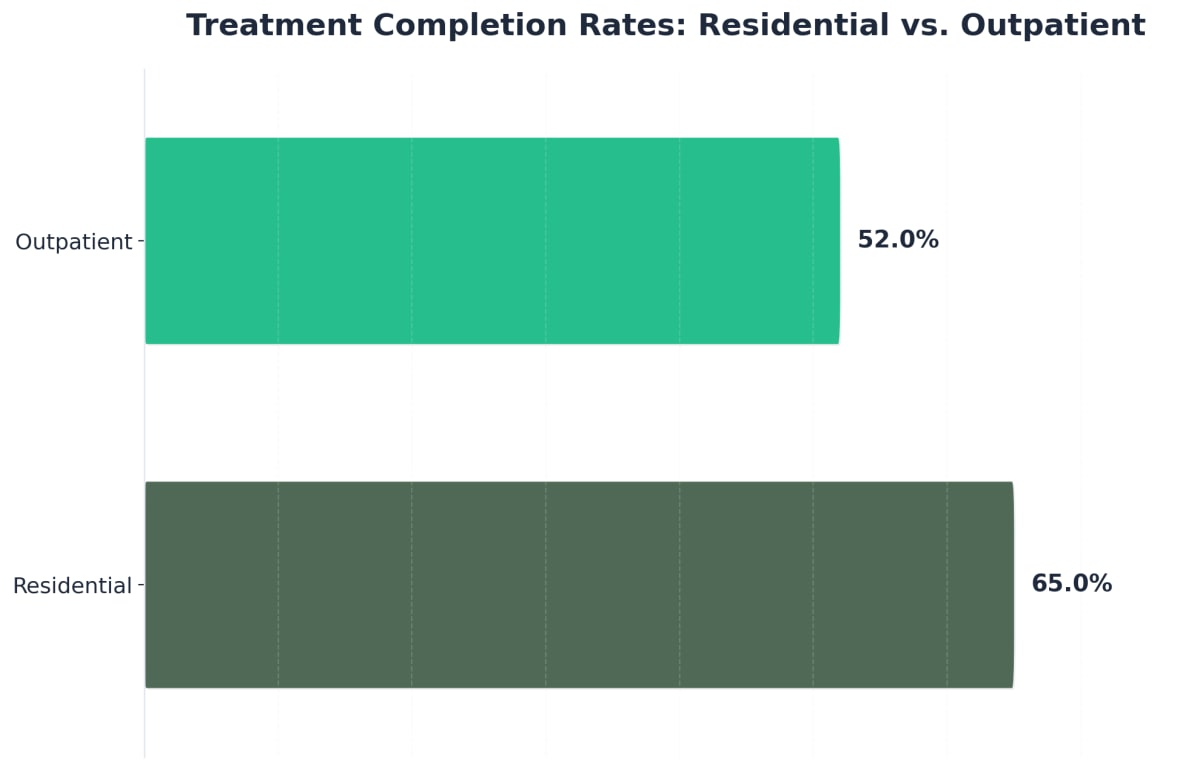
Sometimes, the best option is to temporarily relocate for residential treatment if it means getting higher-quality care. While this can feel like a big step, being in a safe and supportive environment is often worth it—residential programs also tend to have higher completion rates than outpatient ones, especially for certain types of addiction.6 If you choose this path, ask about visitor policies and ways your family can stay involved, even from a distance. Many centers provide virtual family sessions to keep your support network close.
No matter where you are, Rocky Mountain Treatment Center is ready to work with you and find a care plan that fits your unique situation.
References
- Chapter 3. Intensive Outpatient Treatment and the Continuum of Care – NCBI. https://www.ncbi.nlm.nih.gov/books/NBK64088/
- Medications for Opioid Use Disorder – National Institute on Drug Abuse. https://nida.nih.gov/research-topics/medications-opioid-use-disorder
- Trauma-Informed Care: A Sociocultural Perspective – NCBI. https://www.ncbi.nlm.nih.gov/books/NBK207195/
- Evidence-based practices for substance use disorders – PMC/NIH. https://pmc.ncbi.nlm.nih.gov/articles/PMC3678283/
- Program Structure, Staff Perceptions, and Client Engagement in Treatment – PMC. https://pmc.ncbi.nlm.nih.gov/articles/PMC2140244/
- Residential and outpatient treatment completion for substance use disorders in the U.S.: Moderation analysis by demographics and drug of choice – PubMed. https://pubmed.ncbi.nlm.nih.gov/26925821/
- Family-focused practices in addictions: a scoping review protocol – PMC/NIH. https://pmc.ncbi.nlm.nih.gov/articles/PMC5781095/
- Quick Guide For Clinicians Based on TIP 45—Detoxification and Substance Abuse Treatment – NIDA/SAMHSA. https://nida.nih.gov/sites/default/files/samhsa_detoxification_and_substance_abuse_treatment.pdf
- Behavioral Health Care & Human Services Accreditation Program – The Joint Commission. https://www.jointcommission.org/en-us/accreditation/behavioral-health-care-and-human-services
- Cost Analysis: Opioid Dependence, Methadone, Buprenorphine – PMC. https://pmc.ncbi.nlm.nih.gov/articles/PMC2646001/