
Key Takeaways
- Verify Credentials: Always check for state licensing and accreditations from bodies like CARF or The Joint Commission.
- Check Staff Qualifications: Look for licensed professionals and ask about staff-to-patient ratios.
- Assess Treatment Methods: Ensure the facility offers evidence-based therapies and dual diagnosis support if needed.
- Plan for Aftercare: A strong alumni and aftercare program significantly reduces relapse rates.
- Watch for Red Flags: Avoid centers that promise “cures” or pressure you into immediate financial commitments.
Step 1: Verify Accreditation and Licensing
When you begin your search for a drug recovery center near me, the very first step is to confirm that the facility holds proper accreditation. Look for recognition from respected organizations like The Joint Commission or CARF (Commission on Accreditation of Rehabilitation Facilities). These credentials aren’t just paperwork—they are proof that the center meets rigorous standards for safety, treatment quality, and ethical practices.
Start by checking the facility’s website for accreditation badges, then verify them directly through the accrediting organization’s database. Feel free to ask staff about their licensing status during your initial inquiry. Legitimate centers will proudly share this information and explain what their accreditations mean for your care.
You’ll also want to confirm that the facility holds the appropriate state licenses to operate. Each state has different requirements, so search your state’s health department website or contact them directly to verify the center’s standing. Look for any history of violations or sanctions that might raise red flags.
Remember, accreditation demonstrates a commitment to evidence-based practices and continuous improvement. When a treatment center invests in maintaining these credentials, it signals they’re serious about providing quality care. This foundation of legitimacy protects you and ensures you’re entering a program that adheres to professional standards throughout your recovery journey.
Understanding CARF and Joint Commission Standards
Let’s break down what it means when a facility says it’s accredited by CARF or The Joint Commission. These are two of the most respected organizations in the country for checking addiction treatment quality. CARF, which stands for the Commission on Accreditation of Rehabilitation Facilities, sends teams of experts to visit centers.
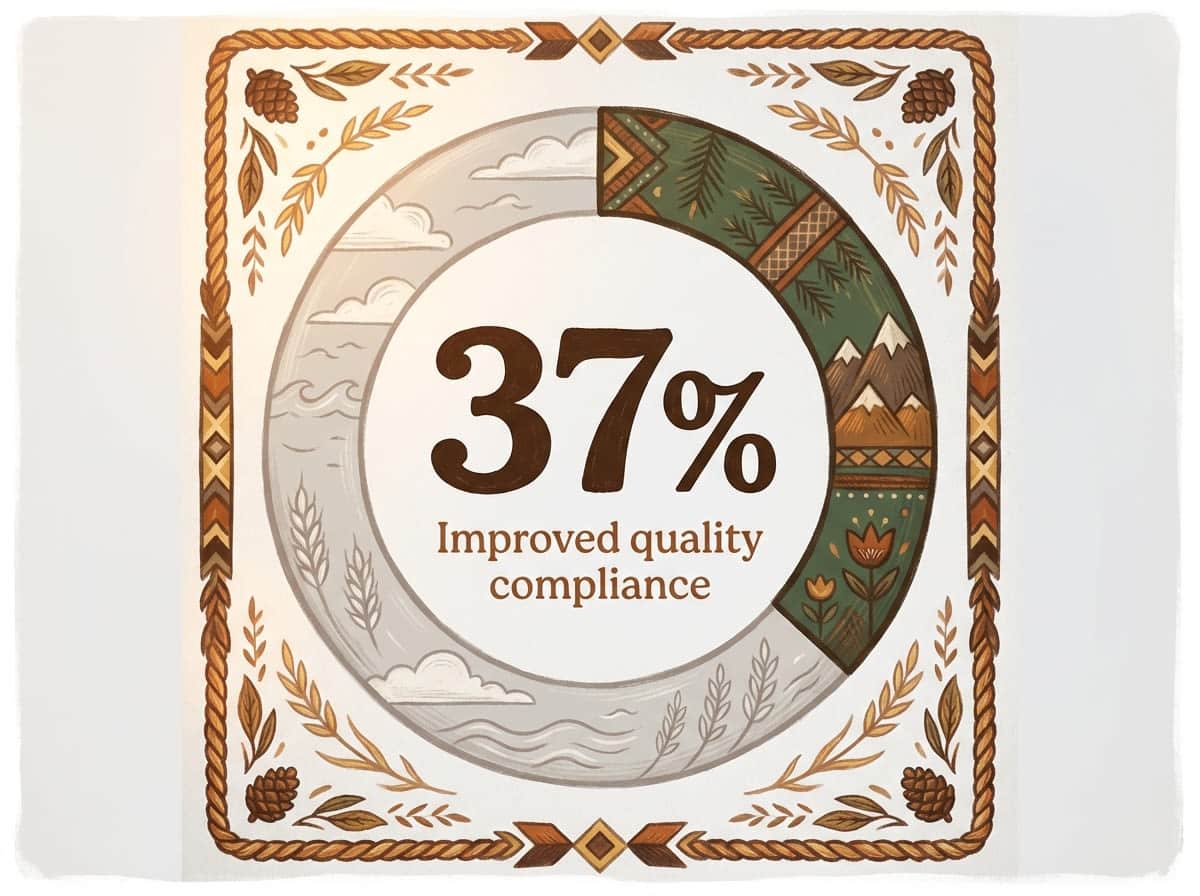
They look at everything—from safety plans and staff training to how well programs help people heal and feel respected. In fact, after a center earns its first CARF accreditation, it often sees a 26% jump in the number of clients it serves and a 37% boost in following quality standards2.
The Joint Commission is another major accrediting body. Its surveyors include doctors, nurses, and other health professionals who visit facilities at least every three years. Their job is to make sure the center keeps up with the latest safety and care guidelines. Both CARF and The Joint Commission require ongoing reviews, so these centers have to prove they’re keeping their standards high.
At Rocky Mountain Treatment Center, we work hard to meet and keep these tough standards. This means you can trust that our team and programs are always focused on your safety, comfort, and results. Next, we’ll talk about why this level of accreditation does even more for your safety and peace of mind.
Why Accreditation Matters for Your Safety
When you choose a facility that holds proper accreditation, you’re choosing a place that’s been carefully checked for your safety. Accredited centers are inspected by outside experts who look for things like safe buildings, clean living spaces, and clear emergency plans. They also check that staff are trained to spot and handle health problems, so you can focus on getting better without extra worry.
These centers are much more likely to follow strict safety and care rules compared to those without accreditation2. At Rocky Mountain Treatment Center, our full accreditation isn’t just a badge—it’s your peace of mind. We’re required to keep up with the latest health, safety, and treatment standards, which means you’re protected by more than just promises. This level of oversight also reduces your risk of running into unqualified staff or unsafe conditions.
| Area Checked | Why It Matters for You |
|---|---|
| Staff Training | Ensures you get expert care |
| Building Safety | Protects your health |
| Emergency Procedures | Keeps you safe in a crisis |
| Treatment Standards | Improves your recovery odds |
Knowing your center is accredited helps you feel confident that you’re in good hands right from the start2.
Step 2: Evaluate Staff at a Drug Recovery Center Near Me
The qualifications of treatment staff directly impact the quality of care you’ll receive. When evaluating a drug recovery center near me, look beyond impressive titles and examine the actual credentials of therapists, counselors, and medical professionals who will guide your recovery journey.
Start by asking about educational backgrounds and professional licenses. Licensed therapists should hold credentials like LCSW (Licensed Clinical Social Worker), LPC (Licensed Professional Counselor), or LMFT (Licensed Marriage and Family Therapist). Medical staff should include board-certified physicians and registered nurses with addiction medicine experience.
Experience matters just as much as credentials. Inquire about how long staff members have worked in addiction treatment and whether they specialize in your specific substance use disorder. Professionals who have dedicated years to this field bring invaluable insights that complement their formal training.
Make sure to ask about staff-to-patient ratios, too. Smaller ratios mean more personalized attention and better outcomes. You deserve a team that has time to understand your unique circumstances and adapt treatment accordingly.
Consider whether any staff members have personal recovery experience. While not essential, counselors in long-term recovery often bring empathy and real-world understanding that enhances the therapeutic relationship. This combination of professional expertise and lived experience creates a supportive environment where healing can truly begin.
What Qualifications to Look for in Treatment Staff
When you’re trying to choose a center, it helps to know exactly what makes a treatment staff truly qualified. Credentials aren’t just fancy letters after a name—they show that a person has finished special training and passed tough tests to help people recover from addiction.
For example, look for staff who are licensed by the state and hold certifications from groups like the American Society of Addiction Medicine (ASAM) or are Certified Addiction Counselors. These qualifications mean the person understands both the medical and emotional sides of addiction and must keep learning every year to stay up to date4.
| Staff Role | Important Credentials | Why It Matters |
|---|---|---|
| Medical Doctor | MD, Board-Certified in Addiction | Handles medical issues |
| Nurse | RN, Addiction Certification (CARN) | Manages daily health needs |
| Counselor | LAC, CAC, LPC, or similar | Guides therapy and support |
| Social Worker | LCSW, MSW | Connects you to resources |
At Rocky Mountain Treatment Center, every member of our team meets or exceeds these standards. This means you’re always cared for by people who know what you’re going through and how to help you move forward. With the right staff in your corner, you can start to feel safe and hopeful about recovery.
The Value of Staff with Lived Recovery Experience
When you’re looking at a treatment center, it’s easy to focus on degrees and certifications. But there’s another kind of knowledge that can be just as powerful: staff members who have walked the recovery path themselves. People with lived experience know firsthand what it’s like to face addiction, manage setbacks, and build a new life.
Their stories and support can make the journey feel less lonely. You might feel more comfortable opening up to someone who truly understands your struggles, not just from textbooks, but from real life. At Rocky Mountain Treatment Center, we value this kind of experience deeply. Many of our team members are in long-term recovery themselves, so they know what works and where the tough spots are.
Research shows that support from peers who have been through recovery leads to better engagement and hope for those starting treatment4. These staff can spot challenges early and offer advice that goes beyond theory—they know what it takes to stick with recovery every day. When choosing a center, ask if any counselors or group leaders are in recovery. Their insight can add a level of trust and encouragement that’s hard to find elsewhere.
Step 3: Assess Treatment Approaches and Services
Different treatment centers offer varying approaches to recovery, so it’s important to find one that aligns with your specific needs and preferences. Start by asking about their core treatment philosophy—whether they follow a 12-step model, use evidence-based therapies like cognitive behavioral therapy (CBT) or dialectical behavior therapy (DBT), or incorporate holistic methods such as mindfulness and yoga.
Look for programs that offer individualized treatment plans rather than a one-size-fits-all approach. Your recovery journey is unique, and your treatment should reflect that. Ask whether they conduct comprehensive assessments to tailor therapies to your situation, including any co-occurring mental health conditions like depression or anxiety.
For example, true individualization might mean adjusting your therapy schedule from three to five sessions per week based on your initial assessment, or switching from group-focused treatment to more intensive one-on-one counseling if you’re dealing with trauma alongside addiction. Consider the range of services available, and ask specific questions to understand how they’ll be applied to your situation.
Ask questions like: How often will I meet one-on-one with a therapist? What does a typical day look like in your program? How do you involve family members in my treatment? Will my treatment plan change as I progress? Quality programs typically combine multiple therapeutic modalities, including individual counseling, group therapy, family therapy, and specialized workshops.
Some centers also offer complementary services like nutritional counseling, fitness programs, and creative arts therapy that support whole-person healing. As part of this individualized approach, be sure to ask about medication-assisted treatment if relevant to your situation. For certain substance dependencies, medications can be an important component that’s integrated into your personalized plan alongside therapy and other supports.
Evidence-Based Therapies You Should Expect
When you’re looking at a treatment center, it’s important to know which therapies actually help people get better. The best centers rely on evidence-based treatments—these are methods proven by research to work for most people facing addiction. You might hear about cognitive-behavioral therapy (CBT), which helps you spot and change patterns that lead to substance use.
There’s also motivational interviewing, a style of counseling that boosts your confidence about making changes. Group therapy and family counseling are common too, since they tackle relationship challenges and help you feel less alone5. Medication-assisted treatment (MAT) is another key tool for some people, especially if opioids or alcohol are involved.
MAT uses safe, doctor-prescribed medicines like buprenorphine or naltrexone, along with therapy, to lower cravings and prevent relapse. Research shows that combining these approaches helps people stay in recovery longer and reduces the risk of overdose5. At Rocky Mountain Treatment Center, you’ll find all these evidence-based therapies under one roof. Our team customizes your plan to match your needs, not just the latest trend or one-size-fits-all solution.
Dual Diagnosis and Co-Occurring Disorder Treatment
If you have both addiction and mental health concerns—like anxiety, depression, or trauma—it’s important to find a center that offers dual diagnosis or co-occurring disorder treatment. This means the center can help you manage both issues at the same time, instead of treating them separately.
Research shows that more than half of people living with substance use disorders also have a mental health condition, but over 50% of them never get treatment for both together3. When these problems are handled together, your chances of lasting recovery go way up. At Rocky Mountain Treatment Center, we believe in caring for the whole person.
Our team is trained to recognize the signs of mental health struggles and addiction, and we build custom plans to address both. This may include therapy for mood or trauma, medication support, and skills training, all in one place. Integrated care can also help you feel less overwhelmed because you don’t have to bounce between different providers or worry about gaps in your support.
Step 4: Review Aftercare and Continuing Support
Recovery doesn’t end when you complete a treatment program—it’s a lifelong journey that requires ongoing support. The quality of a center’s aftercare program is one of the most important differentiators when choosing where to receive treatment, yet it’s often overlooked during the vetting process.
Ask about the center’s aftercare planning process. Quality facilities begin discharge planning from day one, gradually preparing you for life after treatment. They should offer concrete resources like alumni programs, ongoing therapy sessions, and connections to local support groups in your area.
Look for centers that provide structured continuing care options. Strong aftercare programs might include 12 months of weekly alumni group meetings, quarterly check-ins with your counselor for up to two years, or step-down programs where you transition from residential to outpatient care with continued access to peer support networks.
“Studies indicate that patients who participate in aftercare for at least one year have relapse rates 50% lower than those who don’t engage in continuing support.”
You should also inquire about relapse prevention strategies. The best programs teach you practical coping skills and help you develop a personalized relapse prevention plan. They’ll identify your specific triggers and create actionable steps for managing challenging situations.
Feel free to ask about the center’s success rates with aftercare participation. Centers confident in their continuing support services will readily share how they stay connected with graduates and measure long-term outcomes. This commitment to your sustained recovery demonstrates their investment in your success beyond the initial treatment phase.
Why Aftercare Reduces Relapse by 50%
Aftercare is one of the biggest secrets to staying sober after leaving a treatment center. Without ongoing support, it’s easy to feel lost or overwhelmed, especially when real-life challenges pop up. Research backs this up in a big way: people who get continuing care after treatment are about twice as likely to stay sober compared to those who don’t.
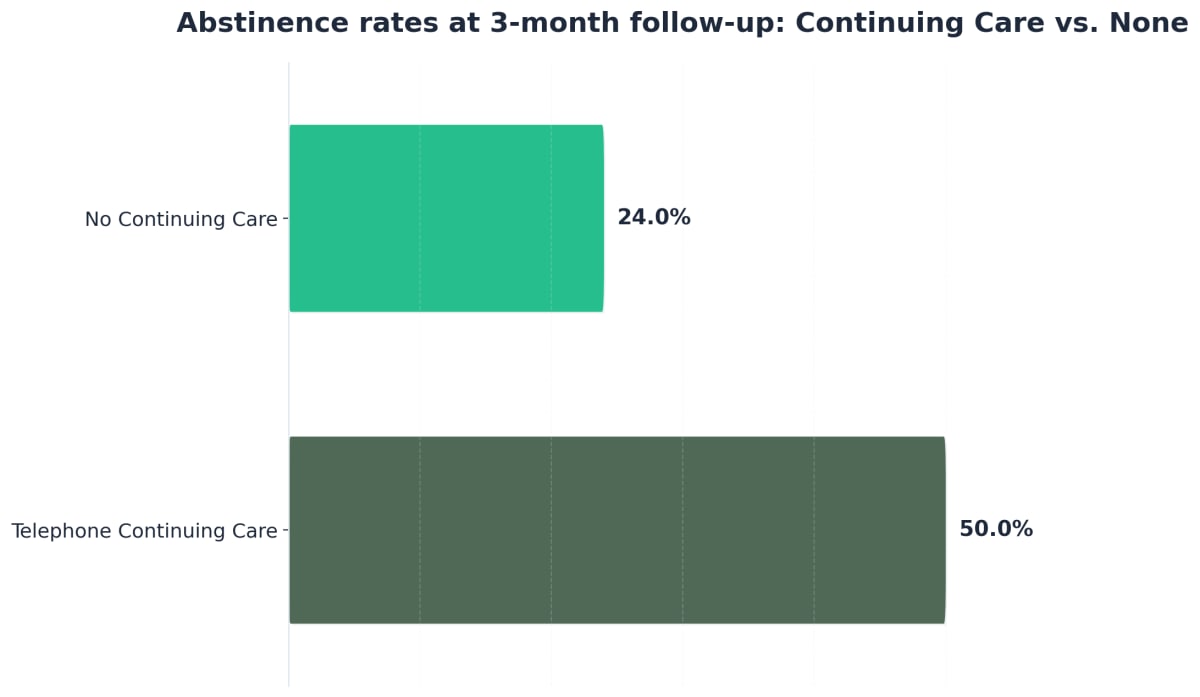
For example, one study found that 50% of people who received regular telephone check-ins after treatment stayed abstinent at three months, compared to just 24% who didn’t get that follow-up9. Even more, only 9% of those with continuing care ended up back in treatment, while 38% of those without it needed to return.
Why does aftercare make such a difference? It gives you a safety net. You have people checking in, offering advice, and reminding you that you’re not alone. At Rocky Mountain Treatment Center, we see aftercare as a way to keep building your recovery muscles, so you’re ready for bumps in the road. Whether it’s group meetings, alumni events, or just a friendly phone call, these touches can cut your risk of relapse by half and help you celebrate every win along the way9.
Questions to Ask About Alumni Programs
Alumni programs can make a huge difference after you finish treatment. These programs help you stay connected, find encouragement, and build a new support system. When you’re checking out different centers, it’s smart to ask a few direct questions about how their alumni program works.
Start by asking if the center offers any regular alumni meetings or events. Some places hold in-person gatherings, while others might have online groups—both can be valuable. Next, find out if the alumni network is just for social support or if it also includes check-ins with counselors, workshops, or opportunities to mentor new clients. This can show you how active and engaged the alumni community really is.
At Rocky Mountain Treatment Center, our alumni program includes regular group meetings, fun events, and ongoing support from staff who know your story. We encourage you to ask about how often alumni connect, what kind of follow-up is available, and whether the center tracks long-term outcomes for its graduates. Research shows that centers with strong alumni connections can help people feel less isolated and more confident about staying in recovery9.
Common Red Flags When Vetting a Drug Recovery Center Near Me
While most treatment centers operate with integrity, certain warning signs should prompt you to look elsewhere. Recognizing these red flags early can save you time and ensure you find a facility that truly prioritizes recovery. Be cautious of centers that guarantee specific outcomes or promise quick fixes.
Addiction recovery is a deeply personal journey, and no reputable program can predict exact results. Similarly, avoid facilities that pressure you into immediate enrollment without allowing time to ask questions or tour the premises. Lack of proper licensing and accreditation is another serious concern.
Quality treatment centers readily share their credentials and welcome inquiries about their staff qualifications. If a facility seems evasive about these details, consider it a major warning sign. Watch out for programs that offer a one-size-fits-all approach without conducting thorough assessments. Effective treatment requires personalized care plans that address your unique circumstances, co-occurring disorders, and individual needs.
Finally, be wary of facilities with poor communication or limited family involvement opportunities. Recovery often benefits from a support system, and centers that discourage family participation or make it difficult to stay informed about your progress may not have your best interests at heart. Trust your instincts—if something feels off during your research or initial contact, it probably is.
Warning Signs of Predatory Practices
Some centers use aggressive or dishonest tactics to get people in the door, so it’s important to know what these predatory practices look like. Watch out for centers that dodge your questions or rush you through the admission process. If staff refuse to provide details about their accreditation, treatment plans, or who will be caring for you, that’s a big warning sign.
Another red flag is when a center guarantees a “100% cure” or promises results in an unrealistically short time—recovery is a journey, not a quick fix. Other predatory behaviors can include asking for large payments up front, refusing to discuss insurance options, or pressuring you to sign contracts without time to think.
Some places may even use so-called “patient brokers” who are paid to steer you to certain centers, sometimes with no concern for your actual needs. According to experts, asking direct questions about licensing, staff training, and aftercare can help you avoid these traps and find a trustworthy provider8. At Rocky Mountain Treatment Center, we believe in honesty, transparency, and your right to ask any question.
Finding Quality Care Close to Home in Montana
If you’re searching for treatment in a rural state like Montana, you’ll find that vast landscapes can make finding quality addiction treatment feel overwhelming—but you have more options than you might think. While rural areas present unique challenges, several accredited facilities across such states offer evidence-based care without requiring you to travel far from your support system.
When searching for local treatment in any state, prioritize centers that maintain proper licensing through your state’s health department and hold accreditation from organizations like The Joint Commission or CARF. These credentials ensure you’re receiving care that meets national standards, even in smaller communities.
Consider facilities that understand rural-specific challenges—isolation, limited public transportation, and the cultural values of close-knit communities. The best programs will offer flexible treatment schedules that accommodate work and family responsibilities while providing comprehensive services including medical detox, individual therapy, group counseling, and aftercare planning.
Make it a priority to visit facilities in person before committing. A quality treatment center will welcome your questions, introduce you to staff members, and clearly explain their approach to recovery. Your healing journey deserves a setting where you feel safe, supported, and understood.
Frequently Asked Questions
You likely have questions about finding and vetting addiction treatment centers, and asking the right questions is crucial to making an informed decision. One of the most common concerns is cost—treatment can range from a few thousand dollars for outpatient programs to $30,000 or more for luxury residential facilities. Many quality centers offer sliding scale fees or payment plans, so don’t let initial price tags discourage you from exploring your options.
Insurance coverage is another frequent question. Most insurance plans now cover addiction treatment thanks to mental health parity laws, but coverage levels vary significantly. When vetting centers, ask specifically what your plan will cover and request a benefits verification. This ties directly back to the transparency criteria we discussed—reputable centers will help you understand costs upfront rather than surprising you later.
You might also wonder about treatment duration and whether you can visit before committing. Quality programs typically last 30, 60, or 90 days for residential care, though your individual needs may vary. Most reputable centers welcome—even encourage—facility tours and consultations before admission. If your first choice doesn’t feel right, remember that finding the right fit matters more than settling quickly.
What if I’ve been through treatment before and relapsed—will a different center really help?
Relapse is a common part of recovery, and it doesn’t mean you’ve failed or that treatment can’t work for you. In fact, about 40-60% of people in recovery experience relapse at some point, which is similar to what happens with other long-term health conditions like diabetes or high blood pressure3. Every person’s journey is different, and sometimes it takes more than one try or a new approach to find lasting success.
Choosing a different drug recovery center near me—especially one that offers updated, evidence-based therapies, strong aftercare, and a personalized treatment plan—can make a real difference. For example, research shows that people who complete treatment with staff approval and get ongoing support are about 50% less likely to relapse than those who leave early or don’t have aftercare in place9. At Rocky Mountain Treatment Center, we adjust our care to fit your unique history, including what’s worked for you before and what hasn’t.
How do I know if a treatment center can handle both my addiction and mental health issues?
To find out if a drug recovery center near me can truly support both your addiction and mental health needs, start by asking if they offer what’s called dual diagnosis or co-occurring disorder treatment. This means the center is set up to treat substance use and mental health struggles—like depression, anxiety, or trauma—at the same time, using a team approach.
Research shows that more than half of people with addiction also face mental health challenges, but over 50% never get help for both together unless they choose a center with integrated care3. A quality center, like Rocky Mountain Treatment Center, will screen for mental health issues during your first visit and have staff trained in both areas.
Can I get quality addiction treatment if I don’t believe in 12-step programs?
Yes, you absolutely can get quality addiction treatment even if you don’t believe in 12-step programs. Many drug recovery centers near me now offer a range of options beyond traditional 12-step models. For example, evidence-based programs like SMART Recovery use tools from science and psychology to help you build healthy habits and manage cravings without any need for a religious or spiritual approach.
In fact, courts in several states now require that centers provide secular alternatives for anyone who asks, recognizing that successful recovery doesn’t look the same for everyone7. At Rocky Mountain Treatment Center, we understand that everyone’s path is different. That’s why we offer both 12-step and non-12-step groups, so you can choose the support style that fits you best.
What should I expect regarding insurance coverage and out-of-pocket costs?
When you reach out to a drug recovery center near me, one of the first things you’ll want to ask about is insurance and what costs you might have to cover yourself. Most quality centers, including Rocky Mountain Treatment Center, work with many insurance plans—like private insurance, Medicaid, or even some state-funded programs. Your actual coverage depends on your plan and the type of treatment you need, so it’s always a good idea to check with both your insurance company and the center.
You might have to pay some out-of-pocket costs, such as deductibles, co-pays, or fees for services not covered by insurance. The center’s admissions team should be able to help you understand your options and explain any costs before you start treatment. If you don’t have insurance, ask about payment plans or financial assistance. SAMHSA also offers a helpline for free advice on treatment options and coverage3.
How long does treatment typically last, and what happens after I complete the program?
The length of treatment at a drug recovery center near me can vary based on your needs and the type of program you choose. Most people start with either a 30, 60, or 90-day plan, but some find that longer-term care gives them the best results. Outpatient programs might last several weeks to a few months, while residential (inpatient) care usually ranges from one to three months. The key is finding a plan that gives you enough time to build healthy habits and feel ready for life outside the center5.
Completing your main treatment is just the beginning. After you finish, most quality centers—like Rocky Mountain Treatment Center—offer aftercare to help you stay on track. This might include follow-up counseling, support group meetings, regular check-ins, or access to an alumni network. Research shows that people who stick with aftercare are about twice as likely to remain sober compared to those who don’t get continuing support9.
Is medication-assisted treatment available, and should I consider it for opioid addiction?
Medication-assisted treatment (MAT) is widely available at most quality drug recovery centers near me, and it’s a proven option you should consider if you’re dealing with opioid addiction. MAT combines FDA-approved medicines—like buprenorphine, methadone, or naltrexone—with counseling and support to manage cravings and lower the risk of overdose. Research shows that people who receive MAT for opioid use disorder have much better outcomes, including fewer overdoses and higher rates of staying in recovery, than those who try to quit with counseling alone10.
At Rocky Mountain Treatment Center, our team offers MAT as part of a whole-person approach. We know that opioid addiction can feel overwhelming, and MAT helps by making withdrawal symptoms milder and giving you a stronger chance to focus on your recovery work.
What if I live in a rural area far from the treatment center—how do I handle transportation?
Living in a rural area doesn’t mean you have to miss out on quality addiction treatment. Many people searching for a drug recovery center near me worry about the distance, but there are helpful options for getting to and from your program. Start by asking the admissions team at Rocky Mountain Treatment Center about transportation solutions—many centers can help arrange rides, carpools, or even shuttle services for clients who live far away.
Telehealth is another big help for rural clients. Rocky Mountain Treatment Center offers virtual counseling and support sessions, so you can get care from home when travel isn’t possible. This approach has become much more common, especially since 2020, and is proven to keep people connected to recovery support3.
Conclusion
Choosing the right addiction treatment center is one of the most important decisions you’ll make on your recovery journey. By taking the time to thoroughly vet potential facilities, you’re investing in your long-term success and well-being. Remember to verify accreditation and licensing, evaluate the qualifications and compassion of the staff, assess whether treatment approaches align with evidence-based practices, review the comprehensiveness of aftercare planning, and stay alert to red flags like guarantees of success or pressure tactics.
These criteria aren’t just checkboxes—they’re essential safeguards that separate quality care from programs that may not serve your best interests. You deserve a treatment environment that respects your unique needs, provides proven therapies, and supports you beyond your initial stay. Don’t hesitate to ask tough questions, request facility tours, or seek second opinions.
A reputable center will welcome your diligence and transparency throughout the selection process. Trust your instincts and use these evaluation tools confidently. The right treatment center is out there, and by applying these standards, you’re positioning yourself for the comprehensive, compassionate care that can truly make a difference in your recovery. Take that first step today—your future self will thank you.
References
- The Joint Commission – Healthcare Accreditation and Certification. https://www.jointcommission.org/
- CARF International – Commission on Accreditation of Rehabilitation Facilities. https://www.carf.org/
- SAMHSA – Substance Abuse and Mental Health Services Administration. https://www.samhsa.gov/
- ASAM – American Society of Addiction Medicine. https://www.asam.org/
- NIDA – National Institute on Drug Abuse. https://www.nida.nih.gov/
- NAATP – National Association of Addiction Treatment Providers. https://www.naatp.org/
- SMART Recovery – Self-Management and Recovery Training. https://www.smartrecovery.org/
- NIAAA – Alcohol Treatment Navigator. https://www.alcoholtreatment.niaaa.nih.gov/
- Continuing Care Research – NIH/NLM. https://www.ncbi.nlm.nih.gov/pmc/articles/PMC2670779/
- Medication-Assisted Treatment for Opioid Use Disorder – NIH/NLM. https://www.ncbi.nlm.nih.gov/pmc/articles/PMC7278292/