Key Takeaways
- Essential Tools: Gather your insurance information, a phone or computer, and a list of questions for facility staff.
- Main Steps:
- Recognize the physical and behavioral signs that indicate you need support.
- Use verified locators like SAMHSA or FindTreatment.gov to find local options.
- Verify your insurance coverage and explore financial aid.
- Evaluate program quality by checking for accreditation and staff credentials.
- Secure a plan for aftercare to ensure long-term success.
- Final Outcome: You will successfully identify and enroll in a reputable treatment program that fits your specific needs and starts your journey to recovery.
How to Find Drug Addiction Help Near Me
Step 1: Recognize When You Need Drug Addiction Help Near Me
The first step toward getting help for dependency issues is often the hardest: acknowledging that you need support. If you are searching for drug addiction help near me, you are already taking a brave step toward a healthier future. Addiction can cloud your judgment and create denial, making it difficult to see the situation clearly. You might find yourself making excuses, minimizing the problem, or convincing yourself that you can handle it alone.
There are several signs that indicate it’s time for you to seek professional help. If you’ve tried to cut back or quit on your own but haven’t been successful, that’s a clear signal. When your drinking or drug use starts interfering with your relationships, work performance, or daily responsibilities, professional intervention becomes necessary. Physical symptoms like withdrawal when you try to stop, increased tolerance requiring more of the substance to feel the same effects, or health problems related to your consumption are red flags you shouldn’t ignore.
Sometimes the people closest to you notice changes before you do. If friends or family members have expressed concern about your habits, take their observations seriously. They care about your wellbeing and can often see patterns you might miss.
“It’s important for you to understand that seeking help isn’t a sign of weakness—it’s a courageous step toward reclaiming your life.”
You don’t have to hit “rock bottom” before reaching out for help. In fact, seeking treatment earlier often leads to better outcomes and prevents further consequences. Whether you’re struggling with alcohol, opioids, stimulants, or other substances, evidence-based treatment programs can provide the medical care, therapy, and support systems you need to achieve lasting recovery. The moment you recognize that assistance is essential is the perfect time to take action.
Understanding Addiction as a Medical Condition
It helps to know that addiction isn’t a personal failure or a weakness—it’s a medical condition that changes how the brain works. This means needing drug addiction help near me is just like reaching out for support with any other health issue. Scientists have shown that substance use disorder is a disease that affects thinking, decision-making, and even the ability to stop using drugs on your own3. When addiction takes hold, willpower alone usually isn’t enough, which is why professional treatment is so important.
At Rocky Mountain Treatment Center, we treat addiction as the complex health issue it is. Our programs focus on healing both your body and mind, helping you build a new foundation for recovery. When you understand that substance use disorder is a treatable illness—not a moral failing—it becomes easier to take the first step and explore options for recovery support or rehab programs near you.
Why Treatment Works for Most People
When you search for drug addiction help near me, it’s normal to wonder if treatment really works. The good news is that most people who stick with a treatment plan can stop using drugs and improve their lives in big ways. Research shows that 40–60% of people who attend professional programs stay sober after treatment, and many also do better at work, in relationships, and feel healthier overall16. Recovery isn’t always a straight line, but real progress happens with the right support.
At Rocky Mountain Treatment Center, we build our programs on proven methods that help people get better. We use therapies and support systems that have helped thousands move past addiction. Finding substance use treatment options that fit your needs—like counseling, medical support, and group therapy—can make all the difference.
Overcoming Stigma That Delays Treatment
Stigma can make it really hard to ask for drug addiction help near me. Many people feel afraid of being judged or misunderstood if they admit they need support. This isn’t just a personal feeling—research shows that stigma is one of the biggest reasons people delay getting help, especially for women, who face 44% higher odds of experiencing stigma as a barrier compared to men7. These worries can keep you from reaching out, even when you know treatment could change your life.
At Rocky Mountain Treatment Center, we believe everyone deserves respect and kindness as they start their recovery journey. Our team understands that shame and embarrassment are real, but you’re not alone—millions of people need substance use treatment options every year. By choosing to look for addiction recovery programs nearby or talking to supportive staff, you’re taking a strong step forward.
Signs You’re Ready for Professional Support
Knowing when you’re ready for professional support can be tricky, but there are some clear signs that it’s time to look for drug addiction help near me. Maybe you’ve tried to cut back on your own and just can’t seem to stop, or you notice your health and relationships are suffering because of drug use. Many people also feel overwhelmed by cravings or start missing important responsibilities at home or work.
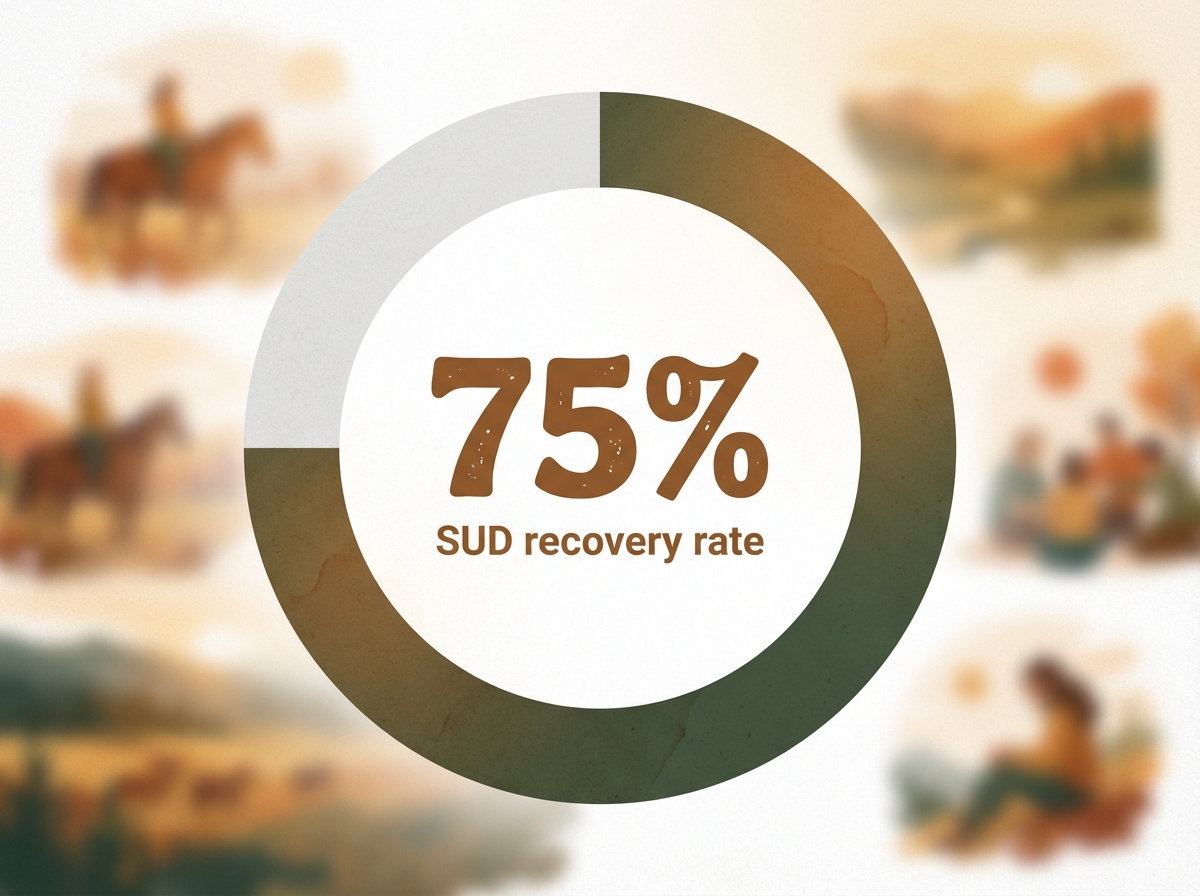
Reaching out to Rocky Mountain Treatment Center means you’re not facing these challenges alone. Our team understands that each person’s story is different, so we offer substance use treatment options that fit your unique needs. If daily life feels out of control or your efforts to manage drug use aren’t working, it could be the right moment to seek professional support. Remember, about 75% of people with substance use disorders eventually recover, and support makes a big difference8.
Physical Warning Signs to Watch For
Physical warning signs are often the first clues that it’s time to look for drug addiction help near me. You might notice changes in your body, like sudden weight loss or gain, bloodshot eyes, or frequent nosebleeds. Sometimes, you may feel especially tired, have trouble sleeping, or find yourself shaking or sweating even when you’re not active. These changes can seem small at first, but over time, they can get worse and even put your health in danger if left untreated.
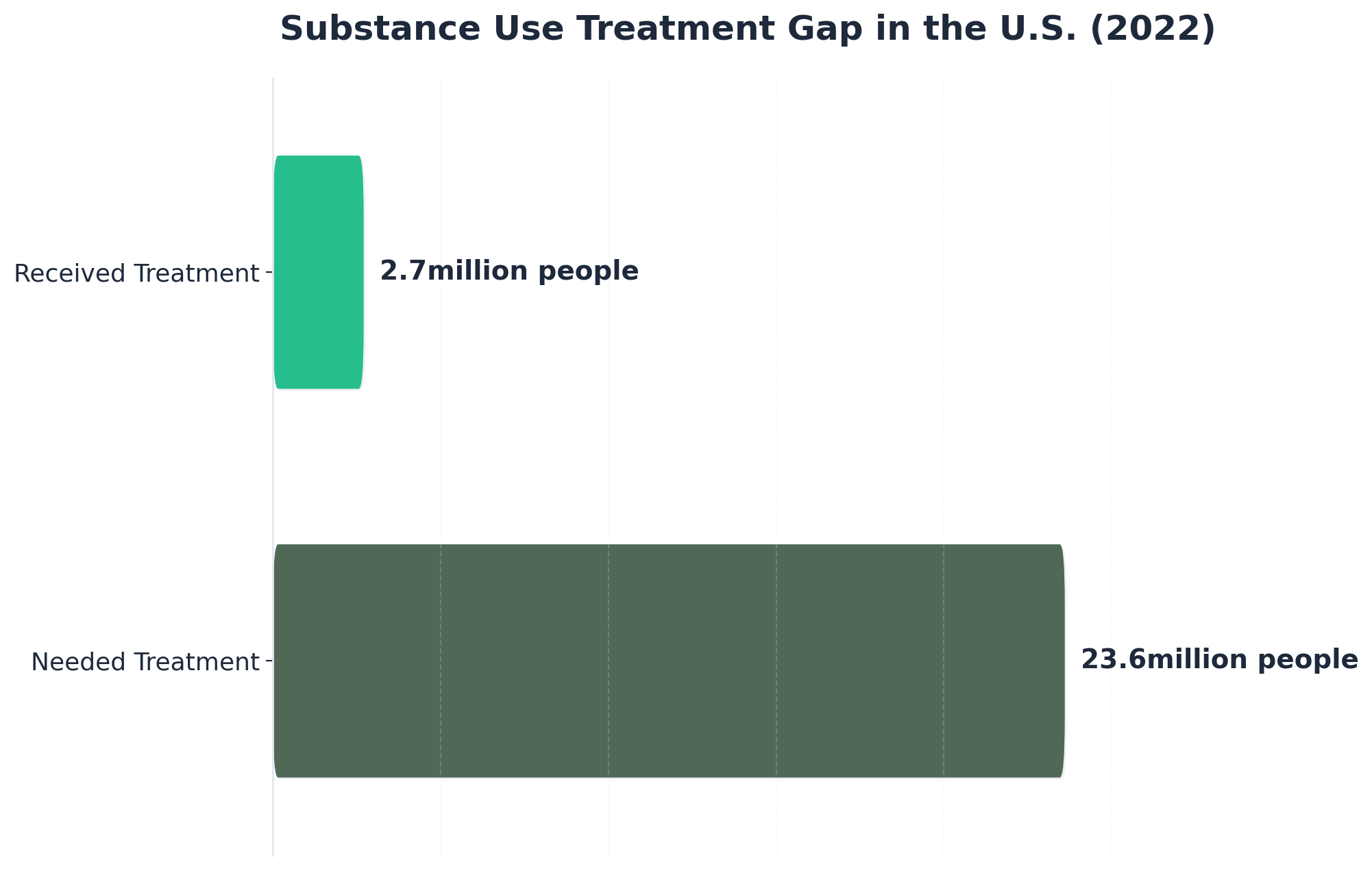
At Rocky Mountain Treatment Center, our caring staff watch for these signs every day. We understand that everyone’s experience with substance use is different, which is why our team is trained to spot both the obvious and the subtle physical symptoms. If you or someone you love is showing signs like unexplained bruises, track marks, or frequent sickness, it’s a good idea to explore substance use treatment options nearby. According to national research, over 23 million Americans need treatment each year, but many wait until physical symptoms become severe before reaching out for support6.
When Daily Life Becomes Unmanageable
When daily routines start slipping away, it’s a clear sign that life has become unmanageable due to substance use. You might miss work or school, struggle to keep up with bills, or find your relationships getting tense and distant. These changes can sneak up, making it feel like you’re stuck in a cycle you can’t break. If you notice your responsibilities piling up or if loved ones mention they’re worried, it may be time to look for options like drug addiction help near me.
At Rocky Mountain Treatment Center, we see many people who reach out when daily life feels overwhelming. Our team helps you sort through these challenges with substance use treatment options that are tailored just for you. Remember, nearly 24 million people in the U.S. need treatment each year, and many only realize it’s time to get support when daily life becomes too much to manage6.
Step 2: Use Resources to Find Drug Addiction Help Near Me
Finding the right treatment program doesn’t have to feel overwhelming. Several free, confidential resources can help you locate quality facilities in your area within minutes. Your best starting point depends on your immediate needs. If you need guidance right now or aren’t sure what type of treatment you need, call SAMHSA’s National Helpline first—their specialists can help you understand your options.
If you already know what you’re looking for and want to compare multiple facilities independently, start with the online treatment locator to build your initial list. SAMHSA’s National Helpline at 1-800-662-4357 is available 24/7 in English and Spanish. This confidential service connects you with local treatment facilities, support groups, and community organizations. The representatives can answer questions about different treatment approaches and insurance coverage without judgment.
The SAMHSA treatment locator website (findtreatment.gov) lets you search by zip code, filtering results by treatment type, payment options, and special programs. You can specify whether you’re seeking inpatient care, outpatient services, or medication-assisted treatment for addiction disorders. For mental health services specifically, the National Alliance on Mental Illness (NAMI) Helpline at 1-800-950-6264 provides personalized guidance.
National Helplines and Online Directories
Finding drug addiction help near me gets easier when you know about national helplines and online directories. These resources are designed to connect you with addiction treatment centers, support groups, and crisis services right in your area. Many people don’t realize that calling a helpline or searching a trusted directory can be the fastest way to get real answers and options for recovery support. The Substance Abuse and Mental Health Services Administration (SAMHSA) offers a free, confidential helpline available 24/7, which can guide you to local programs and answer questions about treatment11.
Online directories like FindTreatment.gov let you search for substance use treatment options by location, type of care, and payment methods, making it simple to find what matches your needs12. At Rocky Mountain Treatment Center, we encourage you to use these tools as a starting point—they’re safe, easy to use, and can help you take that important next step. If you’re looking to compare different support options, see the table below for a quick overview:
| Resource | What It Offers | How to Access |
|---|---|---|
| SAMHSA Helpline | 24/7 phone support, treatment referral | Call 1-800-662-HELP |
| FindTreatment.gov | Searchable treatment directory | Visit website |
| Local Support Groups | Peer support, ongoing meetings | Ask Rocky Mountain staff |
SAMHSA’s Free 24/7 Treatment Referral Line
SAMHSA’s free 24/7 treatment referral line is a lifeline when you need drug addiction help near me but aren’t sure where to turn. By calling 1-800-662-HELP, you’ll reach a caring professional any time of day or night. They’ll listen to your concerns and walk you through local substance use treatment options, including detox, rehab programs, and outpatient care. The service is always confidential, which means your privacy is protected while you ask questions or share your story11.
Many people worry they’ll feel judged or pressured, but the SAMHSA helpline is designed to be supportive and understanding—much like the team at Rocky Mountain Treatment Center. Whether you’re seeking telehealth addiction counseling, in-person treatment, or connections to peer support groups, the helpline can help you find what fits your needs.
FindTreatment.gov for Local Programs
FindTreatment.gov is a simple online tool that helps you search for drug addiction help near me. With this directory, you can enter your zip code and see a list of local rehab centers, outpatient clinics, and telehealth addiction counseling options. You can also filter by services, types of care, and payment methods, which makes it easier to find substance use treatment options that fit your needs12.
At Rocky Mountain Treatment Center, we recommend FindTreatment.gov because it’s private, easy to use, and gives you reliable information. Whether you’re looking for inpatient recovery support or outpatient programs, this tool puts trustworthy options right at your fingertips. Many people find that using an online directory helps them feel less overwhelmed, since it shows all your local choices in one place.
Insurance and Financial Access Options
Understanding your insurance and financial options is a key part of finding drug addiction help near me. Many people worry about the cost of treatment, but there are ways to make substance use recovery more affordable. Private insurance can often cover some or all of your treatment, and government programs or community clinics may offer low-cost or free options if you don’t have coverage. According to national data, millions of people miss out on needed care every year, often because they think they can’t afford it6.
At Rocky Mountain Treatment Center, we help you navigate these choices so you don’t feel lost. Our staff can explain what your insurance will pay for and guide you toward payment plans or sliding-scale fees if needed. Exploring all your options—including telehealth addiction counseling and state-funded programs—means you’re more likely to find the right fit, no matter your budget.
Verifying Your Private Insurance Coverage
Checking your private insurance is an important step when searching for drug addiction help near me. Start by calling the number on your insurance card or visiting your provider’s website. Ask if substance use treatment options—like inpatient rehab, outpatient care, or telehealth addiction counseling—are covered under your plan. It’s helpful to write down the names of in-network treatment centers they suggest, including Rocky Mountain Treatment Center.
Sometimes, your insurance may need extra paperwork or a referral to approve your care. Don’t worry if all the details feel confusing; our team at Rocky Mountain Treatment Center can walk you through the process and answer questions about covered services. National data shows millions of people miss out on treatment each year because they aren’t sure what their insurance covers or how to use it6.
Finding Low-Cost or Free Treatment Centers
If you don’t have insurance, finding low-cost or free drug addiction help near me is still possible. Start by searching for community clinics, government-funded programs, or Federally Qualified Health Centers (FQHCs) in your area. These centers often provide substance use treatment options based on a sliding scale, so you pay what you can afford. According to national health data, around 60 million Americans use FQHCs every year for affordable care, including addiction services2.
You can also use online directories like FindTreatment.gov to filter for programs that offer free or reduced-cost care. State-run addiction recovery centers and telehealth addiction counseling are other good options, especially if you’re worried about travel or transportation. At Rocky Mountain Treatment Center, we’re happy to help you explore all available resources and connect you with local support that fits your budget.
Step 3: Evaluate Treatment Program Quality
Once you’ve identified potential treatment facilities, it’s time to dig deeper into what makes a quality program. Not all addiction treatment centers offer the same level of care, so evaluating their credentials and approach will help you make an informed decision. Start by verifying accreditation and licensing. Look for facilities accredited by organizations like The Joint Commission or the Commission on Accreditation of Rehabilitation Facilities (CARF). These accreditations indicate that a program meets rigorous standards for safety, ethics, and quality of care.
Next, examine the treatment approach and services offered. Effective programs typically provide a combination of evidence-based therapies, including cognitive behavioral therapy, group counseling, and medication-assisted treatment when appropriate. Ask about individualized treatment plans—recovery isn’t one-size-fits-all, and personalized care addresses your unique circumstances, co-occurring mental health conditions, and specific patterns of dependency.
During facility consultations, ask these critical questions to assess quality:
- “What are your completion rates and how do you measure treatment success?”
- “How do you address co-occurring mental health disorders like depression or anxiety?”
- “What does a typical day in your program look like?”
- “What medical oversight do you provide, especially during detox?”
Red flags include facilities that lack licensed medical staff for detoxification, pressure you to commit immediately without allowing time to research, or make unrealistic promises about outcomes. Staff qualifications matter significantly. Quality programs employ licensed counselors, therapists, and medical professionals with specialized training in addiction treatment. Don’t hesitate to ask about staff credentials, experience levels, and the staff-to-client ratio.
Essential Services to Look For
When you’re searching for drug addiction help near me, it’s important to know what services make a treatment program truly effective. Look for centers that offer medically supervised detox, mental health care, and a plan for ongoing support—these are the building blocks that help people recover and stay healthy3. Programs like those at Rocky Mountain Treatment Center provide these essential features, making sure you get the right level of care from day one.
Choosing a center with these core services means you’re more likely to find substance use treatment options that support both your body and mind. Reliable facilities also offer telehealth addiction counseling or in-person therapy, so you can access help in a way that feels comfortable and safe. This approach helps set you up for long-term recovery and builds confidence as you continue your journey.
Medically Supervised Detox Requirements
Medically supervised detox is a must-have when searching for drug addiction help near me. This means doctors and nurses watch over you as your body clears drugs, making sure you’re safe and as comfortable as possible. Detoxing on your own can be risky—some withdrawal symptoms are dangerous and need expert care. That’s why professional programs, like those at Rocky Mountain Treatment Center, use medical supervision to prevent health emergencies and manage pain or anxiety if it comes up.
Centers that offer substance use treatment options with supervised detox follow proven safety steps. They check your vital signs, give medicine if needed, and help you stay hydrated and calm. According to the National Institute on Drug Abuse, having medical support during detox leads to better recovery outcomes and protects your health at every stage3.
Integrated Mental Health Treatment Options
Integrated mental health treatment is a key part of high-quality drug addiction help near me. Many people who struggle with substance use also face challenges like anxiety, depression, or trauma. That’s why the best substance use treatment options bring together addiction care and mental health support in one plan. At Rocky Mountain Treatment Center, you’ll find therapists and counselors who work as a team to treat both issues at the same time, instead of sending you to different places for help.
Research shows that recovery is much stronger when mental health and addiction are treated together, rather than separately3. This approach uses proven therapies like cognitive-behavioral therapy (CBT), which helps you build coping skills and manage triggers. You can also choose between in-person and telehealth addiction counseling to fit your lifestyle.
Staff Credentials and Treatment Approaches
When exploring drug addiction help near me, the skills and training of the staff make a real difference in your recovery. Look for substance use treatment options where the team includes licensed counselors, medical professionals, and therapists who specialize in addiction care. Centers like Rocky Mountain Treatment Center make sure their staff are not only certified but also trained in evidence-based therapies, which means they use methods proven by research to help people get better3.
It also helps to ask about the treatment approaches a program uses. Some centers offer a mix of traditional therapies, such as cognitive-behavioral therapy (CBT), and may include alternative supports like group therapy or telehealth addiction counseling. Programs with well-qualified staff can better adjust care to your needs, whether you need support with withdrawal, mental health, or building life skills. If you want to see how staff credentials and treatment approaches compare, check out the table below for common qualifications and therapy types:
| Staff Credentials | Common Treatment Approaches |
|---|---|
| Licensed counselors | Cognitive-behavioral therapy (CBT) |
| Medical doctors/nurses | 12-step group support |
| Certified addiction therapists | Telehealth counseling |
| Peer support specialists | Motivational interviewing |
Why Staff with Recovery Experience Matters
When you’re searching for drug addiction help near me, having staff with personal recovery experience can make your journey feel a lot less lonely. People who have walked the path of addiction and found their way to recovery truly understand the ups and downs you might face. These peer support specialists offer more than just advice—they bring hope, encouragement, and real-life tips that come from living through similar struggles. Research shows that working with peer support staff can help people stay in treatment longer and feel more satisfied with their care4.
At Rocky Mountain Treatment Center, our team includes peer support workers alongside licensed counselors and medical professionals. This mix makes our substance use treatment options more welcoming and relatable. Whether you’re starting with group therapy, telehealth addiction counseling, or one-on-one sessions, having someone who “gets it” by your side can make a difference.
Evidence-Based vs. Alternative Therapies
When searching for drug addiction help near me, you’ll often see programs offering both evidence-based and alternative therapies. Evidence-based therapies, like cognitive-behavioral therapy (CBT) and medication-assisted treatment (MAT), are proven by research to help people recover from substance use. These methods show strong results for long-term sobriety and improved mental health, which is why Rocky Mountain Treatment Center builds its substance use treatment options around them3.
You’ll also find alternative therapies—such as art therapy, outdoor activities, or yoga—offered at many centers. While these approaches can help you relax, manage stress, or find new hobbies, research shows they work best when combined with proven treatments, not used on their own9.
| Therapy Type | What It Includes | Strengths |
|---|---|---|
| Evidence-Based | CBT, MAT, group counseling | Strong research support, reliable |
| Alternative | Art, music, nature, mindfulness therapies | Supportive, good for wellbeing |
Step 4: Prioritize Aftercare and Support
Recovery doesn’t end when treatment does. The transition back to daily life presents unique challenges, which is why comprehensive aftercare planning is essential for long-term success. When evaluating treatment programs, ask detailed questions about what support looks like after you complete the initial program. Strong aftercare programs typically include ongoing therapy sessions, alumni groups, and regular check-ins with counselors.
These touchpoints help you navigate triggers, manage stress, and maintain the coping strategies you learned during treatment. Look for programs that offer flexible aftercare options that fit your schedule and lifestyle, whether that’s evening support groups, telehealth appointments, or weekend workshops. Consider how the program helps you build a sustainable support network. This might include connecting you with local recovery communities, peer mentors who’ve successfully navigated similar challenges, or family therapy sessions that strengthen your home environment.
Ask about the duration and intensity of aftercare services. Some programs offer structured aftercare for three months, while others provide ongoing support for a year or longer. Understanding this timeline helps you plan accordingly and ensures you won’t feel abandoned once the primary treatment phase concludes. Also inquire about relapse prevention planning. Quality programs don’t just hope for the best—they actively prepare you for potential setbacks with concrete strategies and immediate support resources.
Why Continuing Care Prevents Relapse
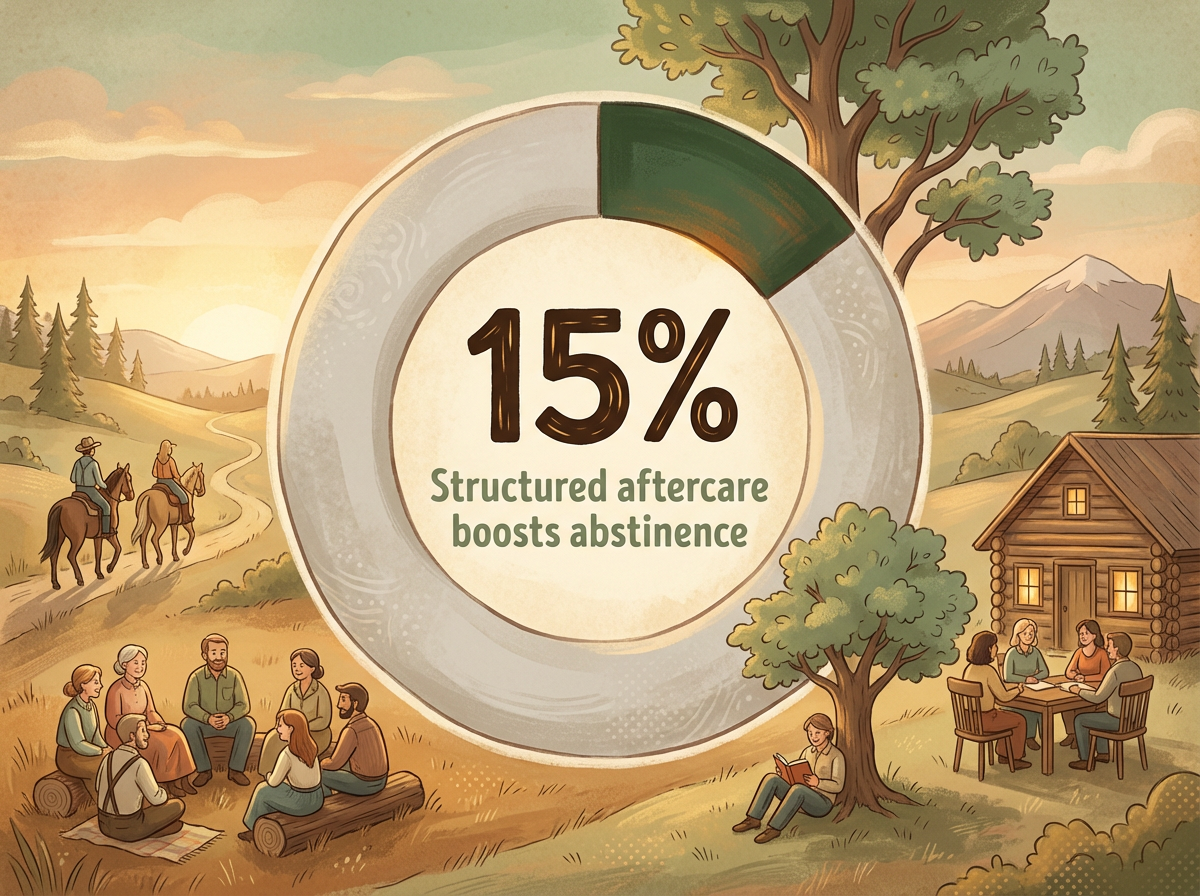
Ongoing support is a major reason why people who get drug addiction help near me are more likely to stay in recovery. After your first round of treatment, it’s easy to think the hard work is over—but that’s when new challenges can pop up. Relapse is a real risk, and that’s why continuing care, like regular check-ins and alumni programs, matters so much. Studies show that people who stick with structured aftercare are 15% more likely to avoid relapse and keep building healthy habits than those who stop after treatment ends5.
At Rocky Mountain Treatment Center, we build our substance use treatment options with this step in mind. You’ll find support through group meetings, telehealth addiction counseling, and peer support groups. These services make it easier to handle tough days and celebrate your wins with others who understand. Recovery is a journey, not a sprint, and having a solid aftercare plan helps you move forward confidently.
The 15% Improvement with Structured Support
Studies show that people who keep up with structured support after finishing drug addiction help near me are 15% more likely to stay sober compared to those who don’t have this extra layer of care5. Structured support means you have regular check-ins, planned meetings, and a schedule to help guide you through the ups and downs of recovery. At Rocky Mountain Treatment Center, our aftercare programs are designed with this research in mind—so you’re not just finishing treatment, but building a life that’s stronger every day. These ongoing substance use treatment options, like telehealth addiction counseling or group follow-ups, keep you connected to people who want to see you succeed.
Alumni Programs and Peer Support Groups
Alumni programs and peer support groups are two powerful ways to stay connected and motivated after you finish your first round of drug addiction help near me. Alumni programs let you keep in touch with others who have completed treatment, offering regular meet-ups, check-ins, and even social events. These connections help remind you that recovery is a team effort, not something you have to do alone. Peer support groups—like 12-step meetings or other community gatherings—give you a safe place to share your story, ask for advice, and learn from others who have been through similar challenges. Research has shown that people who join peer support groups are more likely to stick with recovery and feel satisfied with their progress4.
Overcoming Common Treatment Barriers
Even after finding drug addiction help near me, some people run into common obstacles that make sticking with recovery feel tough. Transportation is a big challenge, especially for those living far from treatment centers in rural areas. Many folks also need immediate help but worry about long wait times for admission. These barriers can make it harder to access substance use treatment options, but there are solutions that really work. For example, telehealth addiction counseling lets you get support from home, while some centers—including Rocky Mountain Treatment Center—offer rides or can help arrange transportation.
Same-day admissions are becoming more common too, which means you can get urgent care when you need it most. Research shows that making support easier to reach helps more people start and stay in recovery2. When you connect with Rocky Mountain Treatment Center, our team helps you tackle these hurdles so you can focus on healing.
Transportation Solutions for Rural Residents
Getting to drug addiction help near me can be tough if you live in a rural area, but you have more transportation solutions than you might think. Many people in rural communities worry about long drives or not having a car, which often makes it hard to reach substance use treatment options. Rocky Mountain Treatment Center understands these challenges and offers support to bridge the gap. Some treatment centers partner with ride services, while local health departments may provide shuttle vans or vouchers for travel costs. Telehealth addiction counseling has also grown, so you can get quality care by phone or video from home if travel isn’t possible2.
| Solution | How It Helps | Where to Find It |
|---|---|---|
| Shuttle services | Scheduled rides to treatment | Local clinics, treatment centers |
| Ride-share or taxi vouchers | Free or discounted transport | Health departments, nonprofits |
| Telehealth counseling | Attend sessions from home | Rocky Mountain Treatment Center |
Same-Day Admission for Immediate Needs
Sometimes, when you’re looking for drug addiction help near me, you need support right away—waiting days or weeks just isn’t an option. This is where same-day admission can be a game changer. Many substance use treatment options, including Rocky Mountain Treatment Center, now offer fast-track admissions so you can start care as soon as the need arises. If you or someone you care about is in crisis, quick access to treatment greatly increases the chances of staying safe and beginning recovery without delay. Recent changes in how centers operate mean that urgent needs can often be met with same-day or next-day openings, especially when you call early or reach out directly online.
Frequently Asked Questions
Choosing the right treatment center is a significant decision, and you likely have questions about what to expect. Here are answers to some of the most common concerns people have when considering professional treatment for addiction and dependency issues.
What if I’ve tried treatment before and relapsed—will it work this time?
Relapse can be discouraging, but it doesn’t mean treatment won’t work for you. Recovery from substance use is rarely a straight path—many people need more than one round of treatment before they find what sticks. In fact, research shows that 40–60% of people who attend professional programs are able to stop using drugs and see real improvements in their health and relationships after treatment, even if they’ve relapsed before16. At Rocky Mountain Treatment Center, we offer substance use treatment options designed to help you learn from past setbacks and try new strategies, whether that’s a different therapy, more aftercare, or added peer support. Drug addiction help near me is about finding what works for you, no matter how many times you’ve had to start again. With each attempt, you’re building new skills and getting closer to lasting recovery. You’re not alone—most people who keep reaching out do find long-term success.
Can I get treatment if I don’t have insurance or can’t afford it?
Yes, you can get drug addiction help near me even if you don’t have insurance or are worried about the cost. Many treatment centers, including Rocky Mountain Treatment Center, offer sliding-scale fees, payment plans, or work with government programs to help make care affordable. Community clinics and Federally Qualified Health Centers (FQHCs) provide substance use treatment options based on what you can pay, and about 60 million Americans use FQHCs each year for low-cost or free services2. You can also find support by searching online directories like FindTreatment.gov, which lets you filter for no-cost or reduced-cost options. Telehealth addiction counseling is another way to get care without breaking the bank, especially if travel is hard. The most important thing is to reach out—there are resources and caring people ready to help you start your recovery, no matter your budget.
How do I know if a treatment center is legitimate and accredited?
To check if a center offering drug addiction help near me is legitimate and accredited, start by asking if they hold national or state accreditation from organizations like The Joint Commission or the Commission on Accreditation of Rehabilitation Facilities (CARF). Accreditation means the program meets strict quality and safety standards for substance use treatment options10. You can also look for clear evidence of licensed staff, transparent treatment approaches, and positive reviews from former clients. Rocky Mountain Treatment Center is fully accredited and follows evidence-based care, which helps you trust that your recovery support is safe and effective. It’s always okay to ask for proof of accreditation or to check an organization’s name in national directories. This gives you confidence that the team helping you is held to high standards for both addiction recovery programs and telehealth addiction counseling.
What’s the difference between inpatient and outpatient treatment, and which do I need?
Inpatient and outpatient treatment are both ways to get drug addiction help near me, but they work in different ways. Inpatient treatment means you stay at a center, like Rocky Mountain Treatment Center, for a set period—usually from a few weeks to a few months. You get 24/7 care, a safe place away from triggers, and daily support from staff and peers. This is helpful if you need a break from your usual environment, have a long history of substance use, or need medical monitoring.
Outpatient treatment lets you live at home while attending scheduled therapy sessions, group meetings, or telehealth addiction counseling. It works well if your substance use is less severe, you have strong support at home, or you need to keep up with work or family. Both options can be effective, and the best fit depends on your needs, health, and daily situation. At Rocky Mountain Treatment Center, our team helps you choose the right substance use treatment options through a careful assessment, following guidelines like the ASAM Criteria to match care to your level of need15. No matter which path you choose, you’ll have a team that supports your recovery every step of the way.
Will my family be involved in my treatment?
Yes, your family can be involved in your treatment if you want their support. Many drug addiction help near me programs, like those at Rocky Mountain Treatment Center, offer family education, group sessions, or counseling to help your loved ones understand what you’re going through. Including family in substance use treatment options can improve communication, build trust, and create a stronger recovery environment for everyone. Research shows that family involvement often helps with motivation and long-term success in recovery3. If you’re interested, our team will talk with you about the best ways to include your family—whether that’s through in-person meetings, telehealth addiction counseling, or special family days. You get to decide how much your family participates, so you feel safe and supported as you heal.
What happens if I need treatment for both addiction and mental health issues?
If you need drug addiction help near me and also struggle with mental health issues like anxiety or depression, you’re not alone—this is very common. The best substance use treatment options are called “integrated treatment.” This means you’ll work with a team that treats both addiction and mental health together, not separately. At Rocky Mountain Treatment Center, our therapists, counselors, and doctors create a plan that covers both sides, so you don’t have to bounce between different places or feel like your needs are ignored. Research shows that treating both problems at the same time leads to better recovery and a healthier future3. You can also choose support that fits your life, like in-person care or telehealth addiction counseling, making it easier to get help when you need it most. If you’re searching for recovery support, look for programs that offer this kind of whole-person care for both mental health and addiction.
How long does addiction treatment typically last?
The length of addiction treatment varies depending on your needs, the type of drug, and the specific program. Most people start with 30, 60, or 90-day residential programs, while others may attend outpatient care or telehealth addiction counseling for several months. Research shows that sticking with substance use treatment options for at least 90 days leads to better recovery outcomes and lower relapse rates3. At Rocky Mountain Treatment Center, we help you build a plan that fits your life—whether you need short-term intensive support or ongoing care. If you’re searching for drug addiction help near me, know that longer engagement in recovery support gives you the best chance for lasting results.
Can I bring my phone or personal belongings to treatment?
Most treatment centers, including Rocky Mountain Treatment Center, allow you to bring some personal belongings like clothes, toiletries, and photos for comfort. When it comes to your phone, each program has its own rules. Some places hold onto your phone for a while to help you focus on recovery, while others may let you use it during certain hours or for approved calls. These guidelines are there to create a safe and supportive environment for everyone receiving drug addiction help near me. You’ll get a packing list before you arrive, so you know exactly what’s welcome and what should stay at home. If you have questions about specific items, just ask your admissions team—they want your stay to feel welcoming and secure. Programs that offer substance use treatment options and recovery support aim to balance your need for connection with the goal of healing. Telehealth addiction counseling is also available in many settings if outside contact is important to your recovery plan3.
What if I live in a rural area far from treatment centers?
Living in a rural area can make finding drug addiction help near me feel challenging, but you have more options than you might realize. Many treatment centers, including Rocky Mountain Treatment Center, now offer telehealth addiction counseling, so you can connect with licensed professionals by phone or video without needing to travel. Local health departments often provide ride services or shuttle vans, and some nonprofits offer vouchers for transportation to substance use treatment options. Federally Qualified Health Centers (FQHCs) are another resource—around 60 million Americans rely on FQHCs each year for care, including addiction support, especially in rural communities2. With these solutions, distance doesn’t have to stand in the way of recovery support or access to group therapy. Our team at Rocky Mountain Treatment Center is ready to help you find the best way to start your journey, even if you’re far from a major city.
Are there treatment programs that include spiritual or faith-based elements?
Yes, there are treatment programs that include spiritual or faith-based elements if that’s important to you. Many centers, including Rocky Mountain Treatment Center, recognize that faith and spirituality can play a big role in recovery. Some people feel stronger when their beliefs are part of the healing process, while others prefer a more neutral approach. Programs with spiritual support might offer prayer, meditation, or group meetings built around shared values. If you’re looking for drug addiction help near me that matches your beliefs, ask about these options when you call or visit a center. Research shows that matching your personal beliefs to your support group can help you feel more comfortable and engaged in treatment, which often leads to better results19. You’ll also find a mix of faith-based, secular, and holistic substance use treatment options available, so you can choose what fits your journey best.
What if I’m worried about taking time off work for treatment?
Worrying about taking time off work is common for people looking for drug addiction help near me. You might feel nervous about telling your employer or losing your job, but there are protections and flexible options to support you. Many laws, including the Family and Medical Leave Act (FMLA), may let you take unpaid time off for health reasons like addiction treatment—without risking your job3. At Rocky Mountain Treatment Center, our admissions team can help you understand your rights and talk through the paperwork you’ll need. If leaving work isn’t possible, ask about outpatient programs or telehealth addiction counseling, which let you get substance use treatment options while still working. These choices are designed to fit busy lives and help more people begin recovery without putting their job at risk. You’ve got caring support ready to help you balance work, privacy, and treatment needs.
How do I prepare for my first day of treatment?
It’s normal to feel a little nervous before your first day of drug addiction help near me, but a few simple steps can help you feel ready and confident. Start by packing comfortable clothes and any personal items allowed by your program—Rocky Mountain Treatment Center provides a clear packing list, so you know what to bring and what to leave at home. Be sure to gather any medications you take, along with a list of allergies or medical needs to share with the staff. If you’re using telehealth addiction counseling, prepare a quiet space and test your device ahead of time.
Most centers ask you to arrive with an open mind and a willingness to participate in group or one-on-one sessions. It helps to write down any questions or worries you have, so you feel prepared to talk with your care team on arrival. Remember, everyone at Rocky Mountain Treatment Center is there to support you from the moment you walk in, making sure you feel welcome and safe as you begin your recovery journey. Studies show that clear communication and support on day one help you make the most of your substance use treatment options3.
What support is available after I complete treatment?
After you complete a round of treatment, support doesn’t just stop—there are many ways to stay connected and keep building your recovery. Programs like Rocky Mountain Treatment Center offer aftercare services such as regular check-ins, alumni groups, and ongoing telehealth addiction counseling. These substance use treatment options help you handle new challenges, celebrate your progress, and connect with others who understand your journey. Research shows that people who continue with structured aftercare are 15% more likely to maintain sobriety than those who don’t have support in place5. If you’re looking for drug addiction help near me, know that aftercare is designed to fit your needs—whether you prefer in-person meetings or virtual support. By staying involved, you make it easier to prevent relapse and move forward with confidence.
Can treatment help if I’m struggling with prescription drug dependence?
Yes, treatment can absolutely help if you’re struggling with prescription drug dependence. Needing drug addiction help near me for prescription medication is common—many people start with a doctor’s prescription and find it hard to stop on their own. Programs like those at Rocky Mountain Treatment Center are designed for this exact situation, with substance use treatment options that include medical supervision, counseling, and sometimes medication-assisted treatment (MAT) to ease withdrawal and support recovery. Research shows that these approaches are effective for prescription drug dependence, whether it’s painkillers, sedatives, or stimulants3. You’ll have access to a caring team who understands how prescription drugs can affect your health and daily life. With the right support, including telehealth addiction counseling and aftercare, you can build new habits and regain control. If you’re searching for recovery support for prescription medications, know that you’re not alone—and there are proven ways to get better.
What if I’m not ready to commit to full treatment but need help now?
If you’re not sure about starting full treatment but need drug addiction help near me right away, you still have options. Many people feel nervous about making a big commitment or worry about what the process will be like. That’s okay—taking small steps can be just as important. Rocky Mountain Treatment Center offers flexible ways to get support, such as telehealth addiction counseling, short-term crisis intervention, or even drop-in peer support groups. These choices let you talk with a caring professional, learn about substance use treatment options, and get advice on managing cravings or stress—without having to enroll in a full program yet. Research shows that even brief contact with support services can make a difference and encourage people to take the next step when they’re ready3. You can always reach out for information or a listening ear, and our team will help you explore what feels comfortable for you now. Remember, help is available whenever you’re ready to move forward.
Your Path to Recovery Starts Today
Taking the first step toward recovery from dependency is one of the most courageous decisions you’ll ever make. While the journey ahead may feel overwhelming, remember that you don’t have to face it alone. Professional support and evidence-based treatment can make all the difference in achieving lasting recovery.
The four steps outlined in this article—recognizing the problem, exploring your treatment options, choosing the right program, and committing to the process—create a roadmap for your recovery journey. Start by honestly assessing where you are right now. Then research the treatment modalities that align with your specific situation, whether that’s outpatient therapy for mild dependency or residential care for more severe cases. Consider practical factors like insurance coverage, location, and how treatment will fit with your responsibilities. Finally, prepare yourself mentally for the commitment ahead by building your support network and setting clear goals.
Many people delay seeking help because they’re unsure where to begin or worry about the commitment involved. The truth is that modern addiction treatment offers flexible options designed to fit into your life. From telehealth counseling sessions to evening support groups, there are pathways to recovery that accommodate work schedules, family responsibilities, and personal preferences.
The most important factor in successful recovery is simply starting. Research consistently shows that people who engage in treatment—regardless of the specific type—have significantly better outcomes than those who attempt to quit on their own. Professional guidance provides you with coping strategies, relapse prevention tools, and ongoing support that increase your chances of long-term success.
If you’re ready to take action, start by calling SAMHSA’s National Helpline today at 1-800-662-4357 for free, confidential support 24/7, or visit findtreatment.gov to explore treatment facilities in your area right now. Your path to recovery is waiting, and taking that first step today could change the trajectory of your entire life.
References
- CDC – Opioid Basics. https://www.cdc.gov/opioids/basics/index.html
- HRSA – Substance Use Disorder Information. https://www.hrsa.gov/substance-use-disorder
- NIDA – Principles of Drug Addiction Treatment. https://www.nida.nih.gov/publications/principles-drug-addiction-treatment-research-based-guide-third-edition
- NIH – Benefits of Peer Support Groups in Addiction Treatment. https://www.nih.nlm.nih.gov/pmc/articles/PMC5047716/
- NIH – Continuing Care Research in Addiction Treatment. https://www.nih.nlm.nih.gov/pmc/articles/PMC2670779/
- SAMHSA – National Survey on Drug Use and Health 2022. https://www.samhsa.gov/data/sites/default/files/NSDUH-2022-NKey.pdf
- NIH – Stigma as Barrier to Substance Abuse Treatment. https://www.ncbi.nlm.nih.gov/pmc/articles/PMC5754000/
- NIH – Natural Recovery and Spontaneous Remission from Addiction. https://www.nih.nlm.nih.gov/pmc/articles/PMC6602820/
- NIH – Nature-Based Interventions in Substance Abuse Treatment. https://www.ncbi.nlm.nih.gov/pmc/articles/PMC11570648/
- The Joint Commission – Addiction Medicine Accreditation Standards. https://www.jcaho.org/standards/addiction-medicine
- SAMHSA’s National Helpline. https://www.samhsa.gov/find-help/national-helpline
- FindTreatment.gov. https://www.findtreatment.gov/
- Medication-Assisted Treatment (MAT). https://www.samhsa.gov/medication-assisted-treatment
- Peer Support and Recovery. https://www.samhsa.gov/brss-tacs/recovery-support-tools/peers
- About the ASAM Criteria. https://www.asam.org/asam-criteria/about
- Principles of Drug Addiction Treatment: A Research-Based Guide (Third Edition). https://nida.nih.gov/publications/principles-drug-addiction-treatment-research-based-guide-third-edition/principles-effective-treatment
- Disparities in Treatment Completion for Alcohol and Other Drug Problems: A National Study. https://www.ncbi.nlm.nih.gov/pmc/articles/PMC4285646/
- Recognition and Management of Withdrawal Delirium (Delirium Tremens). https://www.nejm.org/doi/full/10.1056/NEJMra1407298
- Matching patients to mutual-help groups. https://pubmed.ncbi.nlm.nih.gov/24099071/
- IHS Alcohol and Substance Abuse Branch (ASAB). https://www.ihs.gov/asap/