Key Takeaways: Your Path to Recovery
- Assess Your Needs: If you find yourself needing a drink to feel normal or unable to stop once you start, it may be time to consider professional support.
- Success Factors: Research indicates that 90-day programs, family involvement, and integrated mental health care significantly improve long-term sobriety rates.
- Immediate Action: Don’t let logistics stop you. Rocky Mountain Treatment Center offers transportation assistance and rapid admissions to help you start immediately.
- Local Advantage: Choosing alcohol rehab in Montana keeps you connected to your community and simplifies aftercare, which is crucial for preventing relapse.
Foundation: Understanding the Need for Alcohol Rehab in Montana
Alcohol Use Disorder (AUD) is a medical condition characterized by an impaired ability to stop or control alcohol use despite negative consequences. It is not a moral failing or a lack of willpower—it is a chronic brain disorder that affects millions of people across all demographics. Finding effective alcohol rehab in Montana starts with recognizing that this condition ranges from mild to severe, and understanding where you or your loved one falls on this spectrum is the first step toward appropriate help.
You might notice signs like drinking more than intended, unsuccessful attempts to cut back, spending considerable time obtaining or recovering from alcohol, or continuing to drink despite relationship problems or health issues. What makes AUD particularly challenging is how it affects the brain’s reward system. Over time, alcohol changes the way your brain experiences pleasure and processes stress, making it increasingly difficult to feel normal without drinking.
The good news is that AUD is highly treatable. Research shows that with appropriate care, people can recover and rebuild fulfilling lives. Treatment approaches have evolved significantly, moving beyond one-size-fits-all models to personalized care plans that address your unique circumstances, co-occurring conditions, and personal goals.
Recognizing When You Need Treatment
Many people in Montana miss the early signs of alcohol use disorder, often dismissing them as stress relief or social habits. However, recognizing the shift from heavy drinking to dependence is vital. Remember, only about 1 in 4 people with alcohol use disorder actually seek treatment10. At Rocky Mountain Treatment Center, we help you recognize these signals and support you through each stage.
- Drinking more or longer than intended.
- Wanting to cut down but being unable to.
- Spending a lot of time drinking or recovering from its effects.
- Craving alcohol so strongly you can’t think of anything else.
Signs of Alcohol Dependence vs. Heavy Drinking
Heavy drinking involves consuming more alcohol than is healthy, but alcohol dependence is when your mind and body require alcohol to function. Signs of dependence include physical cravings, withdrawal symptoms like shakiness or nausea when not drinking, and an inability to stop despite wanting to. In Montana, recognizing these signs early is key.
Why Only 23.6% of People Get Help
Despite the availability of care, only about 23.6% of those who need treatment for alcohol use disorder receive it10. Common barriers include:
- Stigma: Fear of judgment from neighbors or colleagues.
- Logistics: Concerns about distance to treatment centers in rural Montana.
- Uncertainty: Not knowing where to start or if insurance will cover it.
At Rocky Mountain Treatment Center, we understand these barriers and create a welcoming space where your questions and concerns are met with understanding.
What Happens During Alcohol Withdrawal
Withdrawal is your body hitting a “reset” button after becoming dependent on alcohol. This process can be physically dangerous if attempted alone. Symptoms range from sweating and anxiety to severe complications like seizures.
“Without medical treatment, about 15% of people with Delirium Tremens (DTs) do not survive, but with proper care, survival rates jump to 95%.”9
Understanding Delirium Tremens Risk
Delirium Tremens (DTs) is a severe form of alcohol withdrawal that involves sudden and severe mental or nervous system changes. Symptoms include confusion, severe shaking, hallucinations, and high fever. This is why Rocky Mountain Treatment Center treats alcohol withdrawal with close medical supervision—your safety is always the top priority.
Why Medical Supervision Matters
Medical professionals can spot warning signs early and provide medications to ease symptoms and prevent seizures. In alcohol rehab in Montana, facilities like Rocky Mountain Treatment Center offer 24/7 medical care combined with emotional support, making the detoxification process much safer and less frightening than attempting to quit “cold turkey” at home.
Intermediate Practice: Evaluating Options for Alcohol Rehab in Montana
Deciding to take action often brings up difficult emotions: uncertainty, anxiety, or doubt. Once you work through that emotional threshold, the next step involves exploring which treatment approaches align with your specific situation. Treatment isn’t one-size-fits-all.
| Feature | Inpatient (Residential) | Outpatient |
|---|---|---|
| Structure | 24/7 supervised support and housing. | Scheduled sessions; live at home. |
| Best For | Severe dependence, unstable home environment, history of relapse. | Mild/moderate AUD, strong home support, work obligations. |
| Success Rate | 40-60% maintain sobriety at 1 year. | Comparable for mild cases; relies on community support. |
| Typical Day | Therapy, education, recreation, medical checks. | Evening/weekend therapy sessions. |
As you evaluate these options, consider factors like the severity of dependence, mental health needs, daily responsibilities, and insurance coverage. Many facilities offer comprehensive assessments that help determine which level of care suits each person best.
Evidence-Based Therapies That Work
Evidence-based therapies are backed by research, not just tradition. Centers such as Rocky Mountain Treatment Center focus on therapies like Cognitive Behavioral Therapy (CBT), family support, and medication options—each shown to help people get and stay sober1.
Cognitive Behavioral Therapy (CBT)
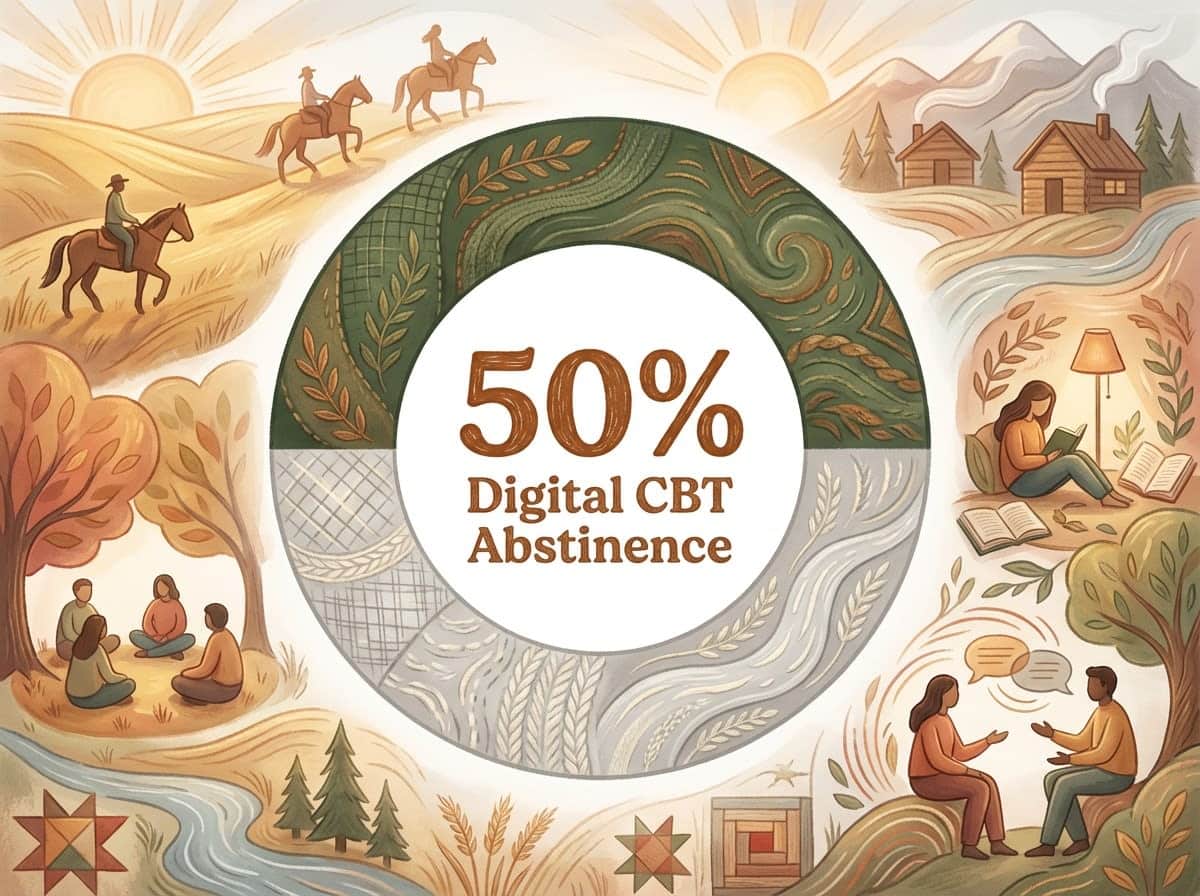
CBT is a mental toolkit that helps you notice unhelpful thoughts so you can make better choices. Research shows that people who use CBT see more than a 50% improvement in days without drinking4. It teaches useful skills for real-life challenges, helping you identify triggers and develop coping strategies that don’t involve alcohol.
Family Therapy and Relationship Repair
Family therapy is like rebuilding the foundation of a house. When alcohol use has caused cracks in trust or communication, working with loved ones can create a stronger, safer support system. Research shows that including family or partners in alcohol rehab in Montana leads to better recovery rates and healthier relationships6, 7.
Medication-Assisted Treatment (MAT)
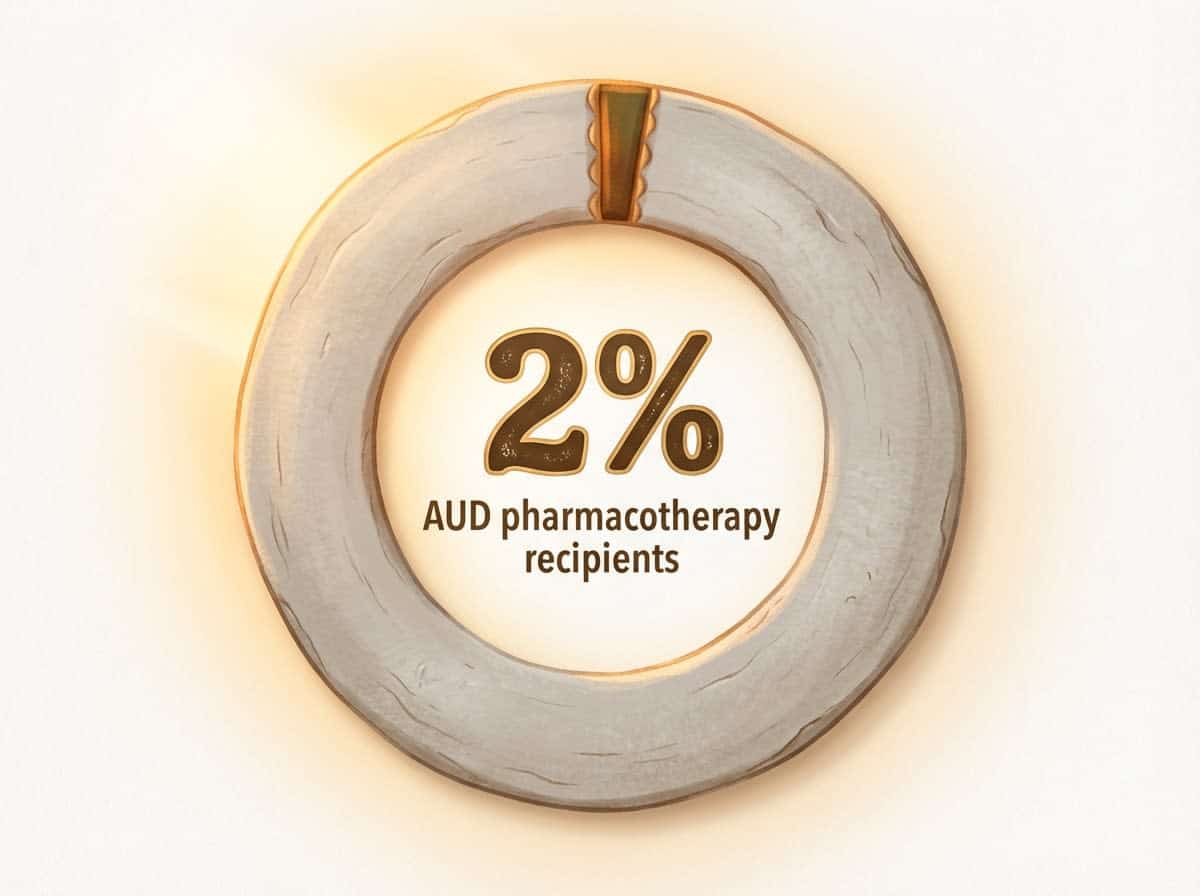
MAT acts as an extra safety net. Medications like naltrexone, acamprosate, and disulfiram can reduce cravings or make drinking feel less rewarding. Even though these medications are FDA-approved, only about 2% of Americans with alcohol use disorder actually receive them3. Programs like Rocky Mountain Treatment Center are committed to offering these science-backed options so your recovery is well supported.
Addressing Co-Occurring Mental Health Issues
Up to 75% of people seeking addiction treatment have experienced trauma or another mental health challenge8. Addressing both mental health and alcohol use disorder together is essential for lasting recovery.
Why Dual Diagnosis Treatment Is Essential
Studies show that people with co-occurring mental health and substance use issues have worse outcomes when only one concern is treated. Integrated care, where both are treated simultaneously, leads to real improvement. At Rocky Mountain Treatment Center, dual diagnosis treatment is woven into our plans to support your mind and body together.
Integrated vs. Sequential Treatment
Integrated treatment is like fixing a leaky roof and a broken heater at the same time. Sequential care tries to fix one problem first and the other later, which often leaves you feeling stuck. Our programs are built to support both challenges at once, so you don’t have to choose between your mental health and your recovery.
Advanced Applications: Choosing a Montana Rehab Facility
Where you receive treatment matters. Research indicates that nature-based and adventure therapy approaches demonstrate measurable benefits. For example, wilderness therapy participants have shown 30% higher treatment completion rates compared to traditional settings.
Montana represents a unique location-based approach. The state’s facilities combine evidence-based therapies with therapeutic outdoor experiences—incorporating adventure therapy, equine-assisted therapy, and wilderness experiences that build confidence. However, you must weigh this against potential drawbacks like distance from family or harsh winters.
Overcoming Montana’s Geographic Barriers
Montana’s wide-open spaces mean some people must travel hours for alcohol rehab in Montana. However, new solutions are making care easier to reach.
Transportation Solutions for Rural Residents
You are not stuck just because you live in a rural area. Many programs, including Rocky Mountain Treatment Center, help arrange rides through:
- Local partners and county health offices.
- Volunteer driver programs.
- Telemedicine for initial assessments and pre-admission planning.
Action Item: If you need a ride, call the admissions team. They are accustomed to coordinating travel from all corners of the state.
Benefits of In-State vs. Out-of-State Treatment
Picking a program close to home keeps you connected to local support systems. Being nearby makes aftercare and follow-up visits much easier, which is important for long-lasting recovery. Studies show the best results often come from programs you can stick with and access easily1. While out-of-state programs offer a “fresh start,” they can make reintegration harder.
Program Features That Improve Outcomes
When selecting a facility, look for specific features that boost long-term success:
- Staff with Lived Experience: Staff who have gone through their own recovery journeys bring empathy and practical advice.
- Experiential Therapies: Activities like art therapy and outdoor adventures help you build confidence and manage stress in ways talk therapy alone cannot.
- Robust Aftercare: A plan that includes support groups, check-ins, and relapse prevention coaching is vital.
Resource Library: Making Your Decision
Once you’ve identified potential facilities, the next step is gathering detailed information. Don’t overlook the value of speaking directly with admissions counselors. Ask specific questions: What is your staff-to-client ratio? How do you handle co-occurring mental health conditions? What does a typical day look like?
Practical Considerations Checklist
Use this checklist to compare alcohol rehab in Montana options. Ensure the facility you choose checks these boxes:
- Insurance: Accepts your plan (Medicaid, Private).
- Accreditation: Licensed by the state and accredited (e.g., Joint Commission).
- Duration: Offers the length of stay you need (30 vs 90 days).
- Family Support: Includes family therapy or visitation.
- Aftercare: Provides a clear plan for when you leave.
Insurance Coverage and Financial Planning
Most Montana addiction treatment centers, including Rocky Mountain Treatment Center, accept a range of insurance plans. Start by calling your provider to ask about coverage for behavioral therapies and residential stays. If you have high deductibles, ask about payment plans or sliding scale fees.
Program Length: 30-Day vs. 90-Day Outcomes
Research shows that 65% of people who complete a 90-day program stay sober one year later, compared to just 35% for 30-day programs1. While a 30-day program is a good start, a 90-day stay allows more time to practice coping skills and build a stronger neurological foundation for sobriety.
Troubleshooting Common Obstacles
Barriers like fear of judgment or past relapses are real, but they don’t have to stop you.
Overcoming Fear and Shame
In close-knit Montana communities, privacy concerns can be paralyzing. Remember that seeking help is a medical decision, not a moral one. At Rocky Mountain Treatment Center, we prioritize confidentiality and respect, ensuring you feel safe from the moment you call.
What to Do If You’ve Relapsed Before
Relapse happens to about 40–60% of people with substance use disorders—similar to rates for asthma or diabetes1. It is not a failure; it is a signal to adjust your treatment plan. If you have relapsed, reach out immediately. We can help you review what worked, what didn’t, and how to strengthen your recovery strategy moving forward.
Frequently Asked Questions about Alcohol Rehab in Montana
Can I bring my family to visit during treatment in Montana?
Yes, many alcohol rehab programs in Montana, including Rocky Mountain Treatment Center, encourage family involvement. Family visits help rebuild trust and create a strong support system. Research shows that including family improves engagement and leads to better outcomes6, 7. Always ask about specific visiting days and family therapy opportunities.
What if I don’t have transportation to get to a Montana rehab facility?
Distance is a common concern in Montana. Many programs, including Rocky Mountain Treatment Center, assist with transportation via local partners or volunteer drivers. Telemedicine is also an option to start treatment from home while travel arrangements are made.
Will my insurance cover alcohol rehab in Montana?
Most insurance plans, including Medicaid and private options, cover evidence-based rehab. Coverage often includes therapies, medication-assisted treatment, and aftercare. Contact your provider or the treatment center’s admissions team to verify your specific benefits.
How do I know if I need a 30-day or 90-day program?
30-day programs are good for a focused start, but 90-day programs offer higher long-term success rates (65% vs 35% sobriety at one year)1. Your choice depends on your history, severity of dependence, and ability to take time away from responsibilities.
What happens if I relapse after completing treatment?
Relapse is a common part of the chronic disease process, affecting 40–60% of individuals. It is not a failure but a sign that the treatment plan needs adjustment. Immediate re-engagement with your support team or treatment center is the best response.
Are medications for alcohol use disorder safe to take long-term?
Yes, FDA-approved medications like naltrexone and acamprosate are generally safe for long-term use when monitored by a healthcare provider. They are effective tools for preventing heavy drinking and supporting abstinence5.
How quickly can I start treatment once I make the decision?
Admissions can often happen within a few days. Centers like Rocky Mountain Treatment Center prioritize rapid intake to help you capitalize on your decision to seek help. Call immediately to check bed availability and start the process.
Taking the First Step Toward Recovery
You’ve explored what alcohol use disorder looks like, compared treatment approaches, and learned what to look for in Montana’s recovery programs. You don’t need to have all the answers before reaching out. The truth is, seeking guidance early often prevents challenges from escalating.
When you’re ready to take concrete action, start by researching facilities that align with your needs. Schedule consultations to ask about their approach, accreditation, and insurance acceptance. Remember that recovery isn’t a straight line—it’s a personal journey. Every person who has successfully transformed their relationship with alcohol started exactly where you are now: informed, thoughtful, and ready to begin.
You deserve support, compassion, and access to care that honors your whole person. If you are looking for alcohol rehab in Montana, Rocky Mountain Treatment Center is here to help you take that next step.
References
- Recommend Evidence-Based Treatment: Know the Options – NIAAA. https://www.niaaa.nih.gov/health-professionals-communities/core-resource-on-alcohol/recommend-evidence-based-treatment-know-options
- Medications Development Program – NIAAA. https://www.niaaa.nih.gov/medications-development-program
- Sobering Perspectives on the Treatment of Alcohol Use Disorder – JAMA Network Open. https://jamanetwork.com/journals/jamanetworkopen/fullarticle/2816968
- A Digital Cognitive Behavioral Therapy Program for Adults With Alcohol Use Disorder – JAMA Network Open. https://jamanetwork.com/journals/jamanetworkopen/fullarticle/2824103
- Medications for Alcohol Use Disorder – American Academy of Family Physicians. https://www.aafp.org/pubs/afp/issues/2016/0315/p457.html
- The Role of the Family in Alcohol Use Disorder Recovery – PMC. https://pmc.ncbi.nlm.nih.gov/articles/PMC8104924/
- The Importance of Family Therapy in Substance Use Disorder Treatment – SAMHSA. https://library.samhsa.gov/sites/default/files/pep20-02-02-016.pdf
- Treatment for Substance Use Disorder With Co-Occurring Mental Health Disorders – PMC. https://pmc.ncbi.nlm.nih.gov/articles/PMC6526999/
- Delirium Tremens: What It Is, Causes, Symptoms & Treatment – Cleveland Clinic. https://my.clevelandclinic.org/health/diseases/25052-delirium-tremens
- Alcohol Use Disorder (AUD) in the United States: Age Groups and Demographic Characteristics – NIAAA. https://www.niaaa.nih.gov/alcohols-effects-health/alcohol-topics/alcohol-facts-and-statistics/alcohol-use-disorder-aud-united-states-age-groups-and-demographic-characteristics