
Key Takeaways
- Assess Your Severity: Use the checklist to distinguish between casual drinking and physical dependence requiring medical detox.
- Choose the Right Path: Compare Inpatient vs. Outpatient care to find the model that fits your safety needs and lifestyle.
- Understand the Process: Review the week-by-week breakdown of what actually happens during the first 30 days of rehab.
- Plan for Success: Implement specific aftercare strategies and build a support network to prevent relapse.
Self-Assessment: Is Alcohol Rehab Right for You?
Recognizing whether you need professional help for alcohol use can feel overwhelming, but honest self-reflection is the first step toward recovery. This alcohol rehab guide gives you simple tools and a clear plan to understand and act on this important decision. Consider how alcohol affects your daily life: Are you missing work or important commitments? Have relationships with family or friends suffered? Do you find yourself drinking more than intended or struggling to stop once you start?
Physical signs matter too. If you experience withdrawal symptoms like shaking, sweating, or anxiety when you haven’t had a drink, your body has developed a dependence that requires medical supervision to address safely. Similarly, if you’ve tried to cut back on your own but haven’t succeeded, structured treatment provides the support and accountability you need.
You don’t need to hit “rock bottom” to seek help. In fact, earlier intervention often leads to better outcomes. If alcohol is causing any negative consequences in your life—whether that’s health concerns, relationship strain, work performance issues, or simply feeling like you’ve lost control—treatment can help you regain stability and build a healthier future.
Professional assessment tools and compassionate staff can help you understand the severity of your situation and recommend the appropriate level of care, whether that’s outpatient counseling, intensive programs, or residential treatment tailored to your specific needs.
Recognizing Withdrawal and Dependence Signs
Knowing the difference between occasional discomfort and real withdrawal is key to understanding alcohol dependence. Here’s a quick reference tool to help you spot the signs:
- Shaking, sweating, or feeling anxious soon after your last drink
- Trouble sleeping or vivid, unsettling dreams
- Nausea, headaches, or a racing heartbeat
- Feeling irritable, restless, or easily upset
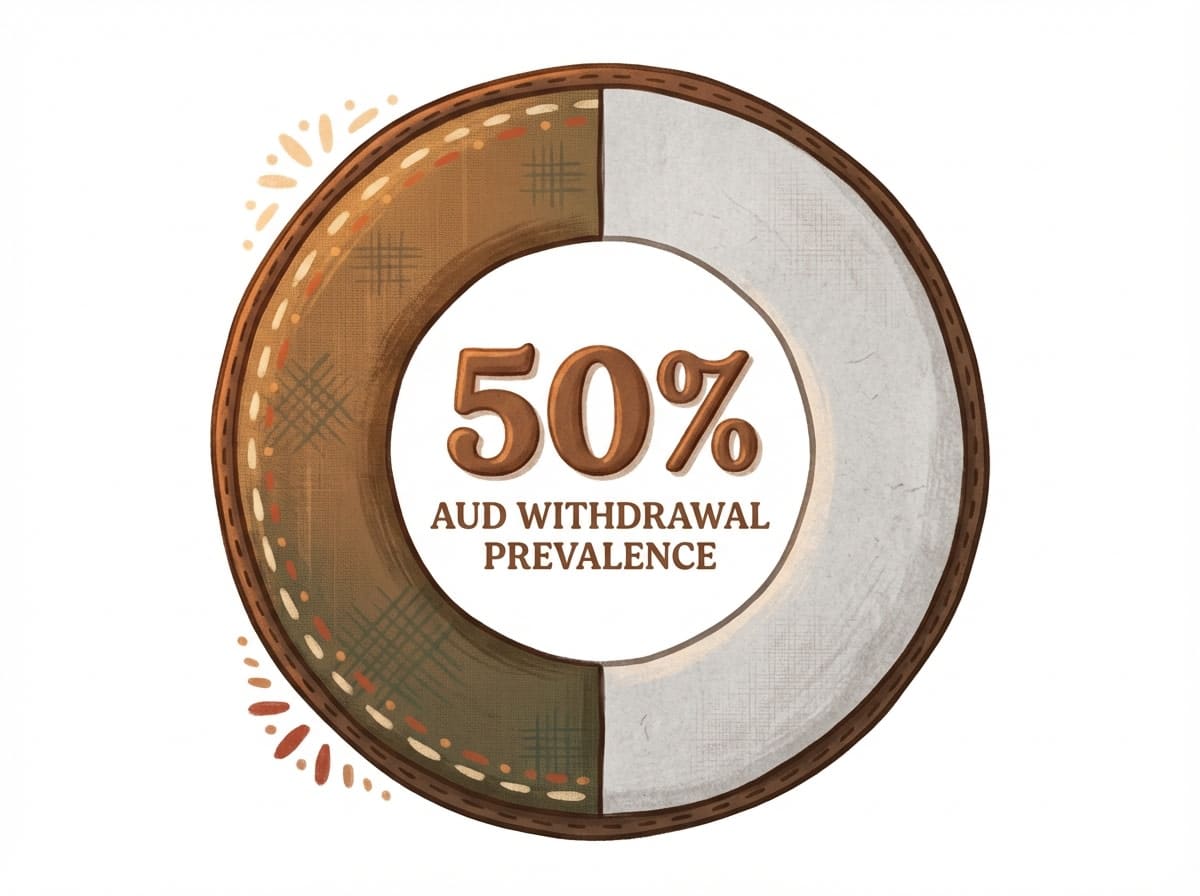
These symptoms usually show up 6 to 24 hours after you stop drinking and can become much stronger over the next couple of days. About half of people with alcohol use disorder face withdrawal when they stop drinking, so these signs are more common than many realize.3
If you experience severe confusion, fever, or see things that aren’t there, these may be signs of a dangerous condition called delirium tremens—this needs medical help right away.3 Rocky Mountain Treatment Center is here to support you every step of the way, helping you recognize when it’s time to take action and get the right care.
Evaluating Your Treatment Readiness
Now that you’ve looked at your symptoms, let’s dig into your readiness for change. Here’s a quick tool to help you reflect:
- Are you open to getting help from others, even if it feels a little scary?
- Do you have time and support to commit to a program right now?
- Are you willing to try new routines or coping skills?
- Do you feel hopeful that things can get better, even if you’re nervous?
This isn’t about being “100% sure”—few people ever are. It’s about noticing if you’re willing to take even small steps toward a healthier path. Research shows that people who complete treatment, especially in supportive settings like Rocky Mountain Treatment Center, see much better outcomes than those who try to go it alone.7
We are designed to help you move at your pace, offering support whether you’re just thinking about treatment or ready to begin. If you find yourself saying “maybe” or “yes” to any of these questions, you’re already taking a positive step.
Decision Framework: Using This Alcohol Rehab Guide
Once you’ve recognized that professional help could benefit you, the next question becomes: which type of treatment is the right fit? Selecting the right treatment path isn’t about finding a one-size-fits-all solution—it’s about matching your unique needs with the most effective approach for your specific situation.
Start by evaluating the severity of your alcohol use. If you experience physical withdrawal symptoms like tremors, sweating, or anxiety when you stop drinking, medically supervised detox becomes essential for your safety. This isn’t negotiable—withdrawal can be dangerous without proper medical support.
Next, consider your support system and daily responsibilities. Inpatient programs offer immersive, 24/7 care in a structured environment, ideal when you need complete separation from triggers or lack stable housing. Outpatient treatment allows you to maintain work and family commitments while receiving regular therapy and support, making it suitable for those with strong home environments and less severe dependence.
Your mental health also plays a crucial role. If you’re managing depression, anxiety, or trauma alongside alcohol use, look for programs offering integrated dual diagnosis treatment. These specialized approaches address both conditions simultaneously, leading to more sustainable recovery outcomes.
Inpatient vs. Outpatient: What Works Best
Let’s look at a quick side-by-side tool to compare inpatient and outpatient alcohol rehab options:

| Feature | Inpatient Treatment | Outpatient Treatment |
|---|---|---|
| Living Situation | You live at Rocky Mountain Treatment Center for a set period. | You sleep at home and visit for therapy. |
| Structure | 24/7 care and a highly structured daily routine. | Scheduled sessions; requires self-motivation outside hours. |
| Best For | Severe withdrawal, unsafe home environment, or need for trigger separation. | Mild-to-moderate symptoms, safe living situation, and work/family duties. |
| Outcome Data | Over 64% completion rate; higher than outpatient care.8 | Allows practice of skills in real-world settings immediately. |
If you’re a small business owner or caregiver, outpatient might fit your schedule best. On the other hand, those needing a fresh start away from daily triggers often thrive in inpatient settings. Rocky Mountain Treatment Center can help you weigh these pros and cons, so you feel confident in your next step.
Treatment Components That Drive Success
To help you spot what makes a treatment program truly effective, use this quick assessment tool:
- Are evidence-based therapies (like Cognitive Behavioral Therapy or CBT) included?
- Does the program offer medical support for withdrawal and ongoing symptoms?
- Is family or peer support encouraged during treatment?
- Are co-occurring mental health needs addressed alongside alcohol use?
At Rocky Mountain Treatment Center, we bring together these key elements because research consistently shows they lead to better results. For example, digital CBT programs have been shown to boost abstinence rates by over 50% for people in recovery.4 Including family in your care plan can help you stay motivated and strengthens your support system.5
Medication-assisted treatment (like naltrexone or acamprosate) is also available and works best when paired with behavioral support.7 This approach is ideal for anyone wanting not just to stop drinking, but to build a healthier, more stable life.
Implementation Pathways: Your Alcohol Rehab Guide to Treatment
Starting rehab can feel overwhelming, but understanding the typical journey helps remove uncertainty. Most people begin with an initial assessment, where treatment professionals evaluate your specific needs, medical history, and personal circumstances. This conversation shapes your personalized treatment plan and sets realistic goals for your recovery.
The first week focuses on stabilization and orientation. You’ll meet your treatment team, settle into your new routine, and begin the detox process if needed. Medical supervision during this phase ensures your safety and comfort as your body adjusts.
Weeks two through four dive into active treatment. You’ll participate in individual therapy sessions, group counseling, and educational workshops that build coping skills. This is where the real work happens—identifying triggers, processing underlying issues, and developing strategies for long-term sobriety.
As you progress, your team continuously adjusts your treatment plan based on your responses and needs. Some people thrive with intensive daily sessions, while others benefit from a more gradual approach. The key is flexibility and honest communication with your care providers.
Week-by-Week: What Happens in Treatment
Let’s break down what a typical first month in alcohol rehab looks like, using a week-by-week planner so you know what to expect at Rocky Mountain Treatment Center.

- Week 1: Orientation & Stabilization Your first days focus on settling in, meeting your care team, and starting group and individual sessions. If you need medical help with withdrawal, this is when it happens—fewer than 10% of people require inpatient detox, but safety comes first.1
- Week 2: Building Skills & Routines Once you’re feeling steadier, you’ll dive into therapy—think Cognitive Behavioral Therapy (CBT) and support groups. You’ll start practicing new coping skills and begin to see how daily routines help rebuild healthy habits. Research shows these evidence-based therapies can boost your chances for lasting recovery.4
- Weeks 3 & 4: Deeper Healing & Planning Ahead Now you’re working on big-picture goals, like managing stress, understanding triggers, and building connections with peers. By the end of week four, you and your counselors will create a plan for aftercare, setting you up for the next steps.
Our goal is to make each phase feel doable, not daunting. Next, you’ll see how mental health support fits into your recovery journey.
Addressing Co-Occurring Mental Health Needs
When you’re working toward recovery, caring for your mental health is just as important as treating alcohol use itself. At Rocky Mountain Treatment Center, your care team doesn’t separate these needs—they address them together, because anxiety, depression, and past traumas often go hand-in-hand with alcohol use disorder.
- Are you experiencing ongoing sadness, anxiety, or trouble sleeping?
- Have you faced trauma or stressful events that still affect you?
- Do you notice your mood impacting your urge to drink?
If you answered yes to any of these, you’re not alone. People in alcohol rehab are much more likely to have co-occurring mental health conditions than the general population, and research shows that treating both at the same time leads to stronger, longer-lasting results.6
Our approach includes therapies for both challenges. This might mean meeting with a counselor for specialized trauma support, joining group sessions that focus on mental wellness, or trying medication that can help with mood as well as cravings. This approach is ideal for those who want a recovery plan that supports their whole self—mind and body.
Your Next 30 Days: Action Plan for Recovery
Recovery doesn’t happen overnight, but having a clear roadmap can make all the difference. The framework below is most applicable to intensive inpatient or partial hospitalization programs—if you’re pursuing outpatient treatment, your timeline will likely be extended, but the core phases remain similar. Think of these stages as building blocks—each phase brings you closer to sustainable healing.
During your initial phase, you’ll focus on stabilization and getting comfortable with your treatment environment. This means attending all scheduled therapy sessions, establishing a daily routine, and beginning to build connections with peers and counselors. It’s normal to feel uncertain, but this foundation is crucial.
Your next phase shifts toward deeper therapeutic work. You’ll start identifying triggers, exploring underlying issues, and developing personalized coping strategies. Many people find this period challenging yet transformative as they begin understanding the root causes of their addiction.
As you progress into the active practice phase, you’ll be applying the skills you’ve learned. This includes participating in group therapy, engaging in wellness activities, and possibly starting family therapy sessions if appropriate for your situation.
Your final phase focuses on preparation and confidence-building. You’ll work with your treatment team to create a detailed aftercare plan, identify support resources, and develop strategies for maintaining sobriety beyond your program. Remember, completing your initial treatment is just the beginning—true recovery is a lifelong journey of growth and self-discovery.
Resource Planning: Insurance and Logistics
Let’s make planning for insurance and day-to-day logistics as straightforward as possible with a quick action checklist:
- Confirm your insurance coverage for aftercare services—call your provider or ask Rocky Mountain Treatment Center’s admissions team for help.
- Gather any ID cards, paperwork, or prescriptions you’ll need for follow-up appointments.
- Set up transportation for medical visits or therapy sessions—consider rides from family, friends, or local transit.
- Organize your calendar so you don’t miss appointments or medication refills.
If paperwork or insurance questions feel overwhelming, remember you’re not alone. We encourage you to lean on staff for support—they can help you understand what’s covered and connect you to community resources if you’re uninsured. Research shows that ongoing care and strong planning lower the risk of relapse and make recovery smoother.5
Building Your Aftercare Support Network
Let’s get practical about building your aftercare support network. Use this step-by-step checklist to make sure you’re surrounded by the right people and resources as you move forward:
- Identify at least one trusted friend, family member, or sponsor you can call during tough moments.
- Join a local or online peer support group—research shows people in peer groups like AA are 35% less likely to relapse than those who aren’t involved.10
- Schedule regular check-ins with your Rocky Mountain Treatment Center counselor or aftercare coordinator.
- Share your recovery goals with your network so they know how to encourage you.
- Keep a list of emergency contacts and community hotlines handy.
This approach works best when you mix both personal connections and formal support. We encourage you to lean on group meetings, alumni programs, and ongoing therapy—these layers of support help you feel less alone and more confident. Remember, asking for help is a sign of strength, and your network will be there to lift you up when challenges come your way.
Frequently Asked Questions
How long does addiction treatment typically last?
Treatment duration varies based on your needs, but most programs follow standard timeframes: outpatient programs typically run 8-12 weeks with sessions 2-3 times per week, intensive outpatient (IOP) lasts 6-12 weeks with 9-12 hours weekly, partial hospitalization programs (PHP) run 2-4 weeks at 5-6 hours daily, and residential treatment ranges from 30-90 days. Many people start with higher intensity care and step down as they progress. Your treatment team will recommend a timeline based on your assessment, substance use history, and recovery goals.
Will my insurance cover rehab costs?
Most insurance plans cover addiction treatment as an essential health benefit under the Affordable Care Act and Mental Health Parity Act. Coverage typically includes detox, outpatient therapy, and often residential care, though your out-of-pocket costs depend on your specific plan’s deductibles and copays. Before starting treatment, call the number on your insurance card or ask the treatment center to verify your benefits—most facilities offer free insurance verification and can explain exactly what you’ll pay.
Can I keep my job while in treatment?
Yes, many people maintain employment during recovery. Outpatient and IOP programs schedule sessions during evenings or weekends specifically for working individuals. The Family and Medical Leave Act (FMLA) may protect your job if you need time off for treatment, and some employers offer Employee Assistance Programs (EAP) that provide confidential support. You don’t have to disclose details to your employer—you can simply request medical leave if needed for intensive treatment.
What happens if I relapse after treatment?
Relapse is a common part of recovery, not a failure. If it happens, you contact your treatment team immediately—they’ll assess whether you need to return to a higher level of care or adjust your current plan. Many programs include relapse prevention planning and alumni support specifically for this reason. The key is viewing relapse as feedback that your recovery plan needs modification, then getting back on track quickly rather than letting shame keep you from reaching out for help.
Can I bring my phone and personal items to alcohol rehab?
You’re probably wondering if you can bring your phone or favorite personal items when you start alcohol rehab at Rocky Mountain Treatment Center. Most treatment centers, including ours, do allow you to pack essentials like comfortable clothes, toiletries, and a few comforting items, such as books or photos. For phones, policies are a bit more specific: you may have limited or supervised access, especially during the first part of your stay. This helps you focus on your recovery without outside distractions, but you’ll still get regular chances to check in with loved ones.
Research shows that feeling comfortable and connected in treatment settings makes it easier to stick with the program and build healthy habits for the future.5
What medications are used during alcohol detox and how do they help?
During alcohol detox at Rocky Mountain Treatment Center, certain medications can make withdrawal safer and more comfortable. The most common are benzodiazepines, which help calm your nervous system and lower the risk of dangerous symptoms like seizures or severe agitation. Other medications, such as anticonvulsants or beta-blockers, might also be used to manage specific symptoms like shaking or high blood pressure. In some cases, vitamins (especially thiamine) are given to prevent complications related to nutrition. These medications are carefully chosen by your care team based on your health and the severity of your withdrawal. The goal is always to keep you stable, comfortable, and safe as your body adjusts.
How can my family be involved in my treatment even if they live far away?
Even if your loved ones can’t be with you in person, they can still play a big role in your recovery at Rocky Mountain Treatment Center. Family involvement might include regular video calls, joining in on virtual family therapy sessions, or participating in educational workshops online. Our team can help set up secure ways for your family to stay connected and informed about your progress, regardless of distance. Research shows that when families are involved—even from afar—people in treatment feel more supported and are more likely to complete their programs and stay committed to recovery.5
Is a 30-day program really long enough to treat alcohol addiction?
A 30-day program can be a strong starting point for treating alcohol addiction, but it isn’t a one-size-fits-all solution. Some people benefit from the structure and support packed into those first four weeks, especially if it’s their first time in treatment or if they have a stable support network waiting at home. However, research now shows that longer programs—such as 45, 60, or even 90 days—often lead to better results and lower relapse rates because they give you more time to build healthy routines and address deeper issues.7
How do I know if I need medication-assisted treatment for alcohol use disorder?
Medication-assisted treatment (MAT) for alcohol use disorder means adding specific medications, like naltrexone or acamprosate, to your recovery plan alongside counseling and support. You might consider MAT if cravings have made it hard to stay sober in the past, you’ve had multiple relapses, or withdrawal symptoms are especially tough. MAT is also a good fit if you want extra help managing urges while building healthy routines. At Rocky Mountain Treatment Center, your care team will talk with you about your drinking history, past treatments, and health needs to see if these medications could make your journey smoother.
What’s the difference between traditional AA meetings and peer support in treatment?
Traditional Alcoholics Anonymous (AA) meetings and peer support in treatment both create a sense of community, but they work a bit differently. AA is a worldwide group that follows a 12-step program, usually outside of formal treatment centers. Meetings are open to anyone who wants to stop drinking, and the focus is on sharing stories and supporting each other’s recovery journey. In contrast, peer support at Rocky Mountain Treatment Center often happens within your treatment program. These groups are led by trained peers or counselors and are designed to match your current recovery stage. Peer support in treatment can include learning new skills together, setting recovery goals, and offering encouragement during tough days.
Start Your Recovery Journey Today
You’ve taken an important step by reading this article—assessing your relationship with alcohol, understanding your treatment options, and learning what the rehab process entails. Now it’s time to translate that knowledge into action. Taking the first step toward alcohol recovery is a courageous decision, and you don’t have to navigate this journey alone. Whether you’re dealing with alcohol use disorder, co-occurring mental health conditions, or both, professional support can make all the difference in achieving lasting wellness.
Recovery looks different for everyone, which is why personalized treatment plans are essential. From medical detox and residential programs to outpatient services and aftercare support, comprehensive treatment addresses your unique needs and circumstances. The right program will meet you where you are and provide the tools, therapies, and community support necessary for sustainable recovery.
If you’re ready to explore your options or have questions about what treatment might look like for you, consider scheduling a confidential assessment with an admissions counselor. Many facilities offer free consultations where you can discuss your situation privately, ask questions about their programs, and understand the specific path forward that’s right for you. Remember, seeking help isn’t a sign of weakness—it’s an act of strength and self-care.
Your journey to healing can begin today. Connect with compassionate professionals who understand what you’re going through and are ready to support your transformation.
References
- An Overview of Outpatient and Inpatient Detoxification – PMC. https://pmc.ncbi.nlm.nih.gov/articles/PMC6761814/
- Chapter 5—Specialized Substance Abuse Treatment Programs – NCBI. https://www.ncbi.nlm.nih.gov/books/NBK64815/
- Alcohol Withdrawal: Symptoms, Treatment & Timeline – Cleveland Clinic. https://my.clevelandclinic.org/health/diseases/alcohol-withdrawal
- A Digital Cognitive Behavioral Therapy Program for Adults With Alcohol Use Disorder – JAMA. https://jamanetwork.com/journals/jamanetworkopen/fullarticle/2824103
- The Role of the Family in Alcohol Use Disorder Recovery for Adults – PMC. https://pmc.ncbi.nlm.nih.gov/articles/PMC8104924/
- Alcohol Use Disorder and Common Co-occurring Conditions – NIAAA. https://www.niaaa.nih.gov/health-professionals-communities/core-resource-on-alcohol/mental-health-issues-alcohol-use-disorder-and-common-co-occurring-conditions
- Long-term drug treatment of patients with alcohol dependence – PMC. https://pmc.ncbi.nlm.nih.gov/articles/PMC4653998/
- Residential Versus Outpatient Treatment in the US – Recovery Answers. https://www.recoveryanswers.org/research-post/residential-versus-outpatient-treatment-in-the-us/
- Dialectical Behavior Therapy for Substance Abusers – PMC. https://pmc.ncbi.nlm.nih.gov/articles/PMC2797106/
- Benefits of peer support groups in the treatment of addiction – PMC. https://pmc.ncbi.nlm.nih.gov/articles/PMC5047716/