Key Takeaways
- Stress Reduction: Interacting with horses can significantly lower cortisol levels and heart rate.
- Nonverbal Healing: Horses provide a safe way to process trauma without needing to find the “right words.”
- Higher Retention: Clients in equine programs are more likely to stick with treatment compared to traditional methods.
- Editor’s Pick: Rocky Mountain Treatment Center is Montana’s only program with a dedicated equine-assisted therapy team.
Healing isn’t always about sitting in a chair and talking. Sometimes, the most profound changes happen when you step outside and connect with a living, breathing creature. If you are exploring horse therapy benefits, you are likely looking for a way to calm your mind and rebuild trust that goes beyond traditional counseling.
At Rocky Mountain Treatment Center, we see firsthand how these gentle giants help people find their footing in recovery. Whether you are dealing with addiction, trauma, or anxiety, horses offer a unique path to wellness that meets you exactly where you are.
Unlocking Horse Therapy Benefits for Your Brain
Trauma and addiction leave deep imprints on both the mind and body—imprints that traditional talk therapy doesn’t always reach. While cognitive approaches help us understand our experiences, experiential therapies engage the nervous system directly.
Among these alternative approaches, equine-assisted therapy has emerged as a powerful tool for recovery. It offers something that words alone cannot: a safe relationship that teaches regulation through presence rather than language.
“A 2015 study found that participants in equine-assisted learning showed a 30% reduction in cortisol levels after just one session.”3
When you spend time with horses, something remarkable happens in the brain. These gentle animals naturally lower cortisol levels—the stress hormone that often runs high during trauma recovery. This creates a physiological state of calm that is difficult to achieve through traditional talk therapy alone.
Stress Hormone Reduction Through Equine Contact
Picture your body taking a big sigh of relief as you stroke a horse’s soft neck. That’s not just your imagination—your body is actually calming down. At Rocky Mountain Treatment Center, we see this every day. Direct contact with horses can lower your stress hormones fast.
Research shows that interacting with horses can drop cortisol levels significantly. This is a huge deal for anyone in recovery, since high cortisol is linked to feeling anxious, jumpy, or stuck in survival mode3. By helping your body relax naturally, horse therapy benefits include making it easier to sleep, think clearly, and even connect with others.
Building Trust When Words Feel Impossible
Sometimes talking about feelings is just too hard, especially at the start of recovery. That’s where horses come in. At Rocky Mountain Treatment Center, you get a chance to build trust in a way that doesn’t require words. Horses respond to how you act, not what you say.
This is huge for people who struggle to open up in traditional therapy. Horses notice your body language and emotions, meeting you where you are without pressure. Research shows that horses can be a safe way to start connecting again, especially for those who find it difficult to trust people after trauma1.
Why Horse Therapy Benefits Your Commitment to Recovery
The neurological shifts that happen during equine therapy—the calming of your stress response and the activation of social engagement—naturally translate into stronger treatment engagement. One of the biggest challenges in recovery is staying committed when things get difficult.
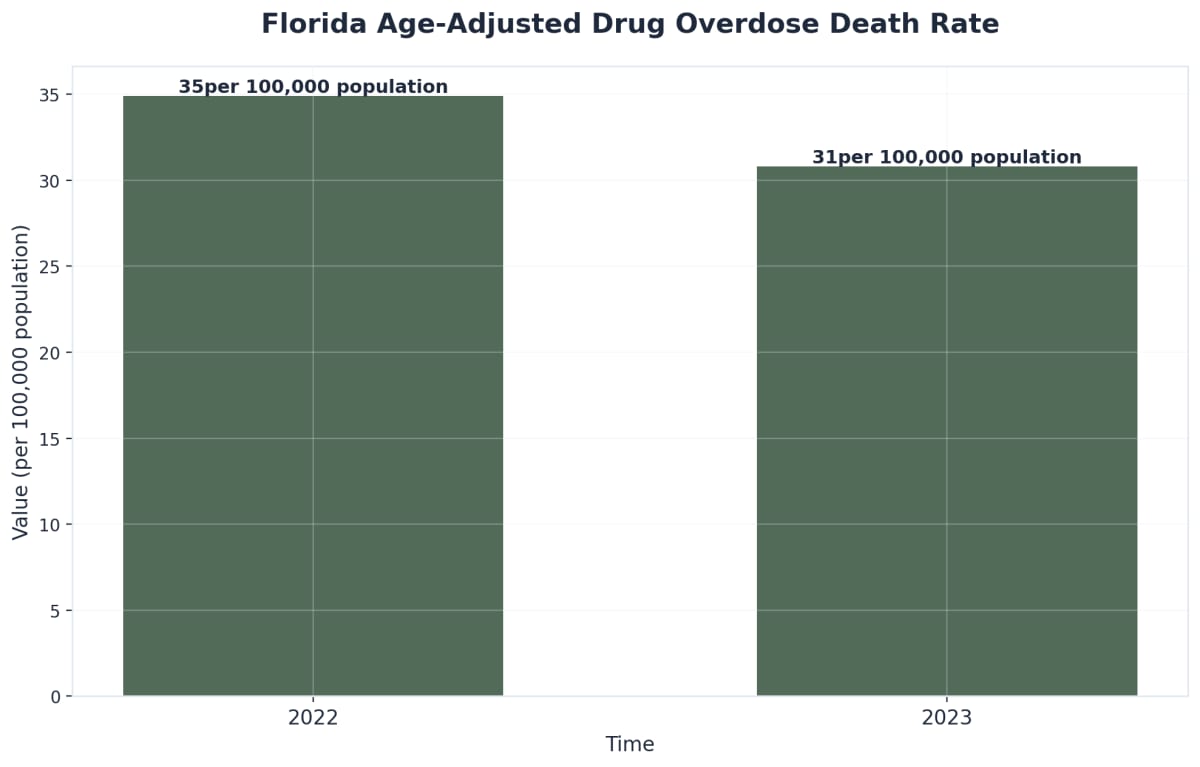
Research indicates that approximately 40-60% of people drop out of traditional trauma therapy prematurely. However, programs incorporating equine-assisted therapy report retention rates as high as 85%. Equine therapy creates a different experience—one that keeps you engaged and motivated throughout the treatment journey.
| Feature | Traditional Talk Therapy | Equine-Assisted Therapy |
|---|---|---|
| Primary Interaction | Verbal processing (Talking) | Experiential (Doing/Feeling) |
| Feedback Loop | Therapist interpretation | Immediate animal reaction |
| Environment | Clinical office setting | Outdoors/Nature |
| Engagement Level | Cognitive (Mental) | Whole Body (Physical & Emotional) |
Breaking the Dropout Pattern
Sticking with treatment is tough, but horse therapy makes a real difference for many people at Rocky Mountain Treatment Center. About 30% of people drop out of addiction treatment before they finish, but adding horses into the process can help change that pattern1.
Why does this work? When you interact with horses, you’re not just talking—you’re moving, caring, and connecting. That hands-on experience brings a sense of responsibility and belonging. Research shows that equine-assisted services help people feel more accepted and motivated, which is a big reason they’re more likely to stick with recovery1.
Engagement Beyond Traditional Talk Therapy
Traditional talk therapy can sometimes feel like sitting in a classroom, where you’re expected to speak and process everything with words. For many people in recovery, this setup just isn’t enough. At Rocky Mountain Treatment Center, horse therapy goes far beyond the usual counseling session.

- Experience Healing With Your Whole Self: When you’re with a horse, you’re not just talking—you’re moving, using your senses, and responding to the animal in real time. This type of active engagement helps you stay interested and present.
- Horses Invite Honest Communication: Horses don’t care about your background or what you say—they respond to your actions and emotions. This encourages you to be genuine and to practice new ways of connecting without the pressure of finding the right words1.
Healing Trauma Through Nonverbal Connection
Trauma often lives in the body, not just the mind. Traditional talk therapy can feel overwhelming when you’re trying to put painful experiences into words—especially when those experiences happened before you had the language to describe them. This is where equine therapy creates a unique pathway to healing.
Horses communicate primarily through body language and energy. They read the nervous system, responding to tension, fear, or calm without judgment. When you work with a horse, you’re engaging in a form of communication that bypasses the need for verbal processing.
Processing Pain Without Reliving It
Sometimes, the hardest part of healing is facing old pain—especially if talking about it brings everything rushing back. At Rocky Mountain Treatment Center, horse therapy gives you a way to process tough memories without having to relive each detail. Instead of focusing on your story, you focus on the gentle, calming presence of a horse beside you.
Horses notice your feelings, even when you can’t put them into words. Their quiet support helps you let go of stress and sadness in the moment, which can make the healing process less overwhelming. Studies show that equine therapy allows people to work through trauma safely, without being forced to revisit painful events out loud4.
Rebuilding Relational Skills Safely
Rebuilding healthy relationships can feel risky after trauma, but horses make that process feel safe and natural. At Rocky Mountain Treatment Center, you get to practice trust and connection with a gentle partner who doesn’t judge or pressure you.
Horses respond best when you’re calm and clear with your body language. As you work with them, you quickly learn how your actions affect the horse. This lets you practice setting boundaries and expressing your needs without fear of criticism or rejection—a key skill for healthy relationships.
Addressing Root Causes, Not Just Symptoms
Traditional talk therapy often focuses on managing symptoms—teaching you coping strategies for anxiety, tools to handle depression, or techniques to reduce stress. While these skills have value, they rarely address why these symptoms exist in the first place. It’s like taking pain medication for a broken bone without ever setting the fracture.
Experiential therapies like equine-assisted work operate differently. By engaging your whole self—body, emotions, and mind—these approaches help you access and process the deeper experiences where trauma and emotional pain are held. When you interact with horses in a therapeutic setting, you’re not just talking about your challenges; you’re experiencing them in real-time.
Rewiring Your Brain’s Reward Circuits
Imagine if your brain could relearn how to feel pleasure and motivation in healthy ways. That’s what happens when you take part in equine therapy at Rocky Mountain Treatment Center. One of the most exciting horse therapy benefits is its ability to actually help rewire your brain’s reward circuits.
Recent studies using brain scans have found that working with horses can lead to real, positive changes in areas of the brain tied to reward and motivation. For example, researchers saw that after equine-assisted therapy, people had more balanced activity in parts of the brain that help you enjoy life and manage stress2.
Montana’s Only Equine-Assisted Program
If you’re looking for a place in Montana that truly understands how to use horses for deep healing, Rocky Mountain Treatment Center is your destination. We’re proud to be Montana’s only treatment program with a dedicated equine-assisted therapy team, bringing you one-of-a-kind support right here in the heart of Big Sky Country.
Our horse therapy program isn’t just an add-on—it’s woven into your recovery journey. This means you get hands-on time with horses as a key part of your healing, guided by certified professionals who specialize in equine-assisted therapy9.
Clients tell us that being able to connect with horses in Montana’s peaceful setting makes a big difference. You’re not just another face in a large facility; you’re part of a community that values your story. That’s what sets Rocky Mountain Treatment Center apart—every session is personal, and every step is about addressing the root causes of addiction.
Frequently Asked Questions
Do I need any prior horse experience to benefit from equine therapy?
You don’t need any horse experience at all to benefit from equine therapy at Rocky Mountain Treatment Center. Our team welcomes everyone, whether you’ve never touched a horse or you grew up around them. The whole point of horse therapy benefits is that these gentle animals meet you exactly where you are—no riding skills or special knowledge required! In fact, research shows that people with zero horse background can still experience deep healing and connection just by being near and interacting with horses1.
At Rocky Mountain Treatment Center, our certified staff guide you step by step, making sure you feel safe and comfortable. You’ll start by simply getting to know the horse, and you can move at your own pace. Many clients find that having no expectations or pressure to “do it right” actually makes the experience even more powerful.
Will my insurance cover equine-assisted therapy as part of addiction treatment?
Insurance coverage for equine-assisted therapy can be a bit tricky, and it often depends on your specific insurance plan and provider. Some insurance companies may cover horse therapy benefits as part of a broader addiction treatment program, while others might not include it, considering it an alternative or complementary therapy. Research highlights that inconsistent insurance reimbursement is a common barrier for many families wanting to access equine therapy7.
At Rocky Mountain Treatment Center, our admissions team is happy to help you check your benefits and talk directly to your insurance provider. We do our best to advocate for coverage on your behalf, and we’ll explain all your options clearly so you know what to expect before you start.
How does horse therapy help if I’ve already tried regular counseling without success?
If regular counseling hasn’t worked for you, you’re not alone—talk therapy doesn’t fit everyone. That’s where the unique approach at Rocky Mountain Treatment Center shines. Horse therapy benefits people who struggle with traditional sessions by offering a hands-on, nonverbal way to heal. Instead of needing to find the right words, you connect with a horse through simple actions and quiet presence, which can feel safer and less pressured.
Studies show that horses help people open up emotionally, even when talking is tough, because horses respond to how you feel—not what you say. This makes equine therapy especially helpful for anyone who finds it hard to trust or feels stuck after other therapies haven’t clicked1.
Is equine therapy safe if I’m going through detox or early recovery?
Yes, equine therapy is considered safe for most people in detox or early recovery, especially when the program is run by trained professionals like those at Rocky Mountain Treatment Center. Our team carefully matches your activities to your current health and comfort level, starting with gentle, non-riding interactions such as grooming or simply being near the horses. This slow approach helps you experience the calming horse therapy benefits without overwhelming your body or mind.
Studies show that the calming presence of horses can lower stress and support emotional stability, which is especially helpful during early recovery when anxiety or cravings may be high1.
How often will I work with horses during my treatment program?
At Rocky Mountain Treatment Center, you can expect to work with horses several times per week as an important part of your recovery plan. Most clients join equine therapy sessions two to three times a week, allowing you to build a steady, trusting connection with your horse while also having time to reflect and rest in between. This schedule gives you the best balance for experiencing horse therapy benefits—regular, hands-on time with the horses helps you feel calm, stay engaged, and make real progress in your healing journey1.
Can family members participate in equine therapy sessions with me?
Yes, family members can take part in equine therapy sessions at Rocky Mountain Treatment Center. Including loved ones in your healing can strengthen your support system and give everyone a chance to experience the unique horse therapy benefits together. When family joins you, they’ll learn new ways to communicate, build trust, and share positive moments—all while working side-by-side with the horses.
Research shows that involving family in therapy can help improve relationships and make recovery more successful1. Our team welcomes families of all backgrounds and will guide you through safe, meaningful activities that match everyone’s comfort level.
References
- NIH/PMC – Equine-assisted services for individuals with substance use disorders. https://www.google.com/search?q=NIH%2FPMC+-+Equine-assisted+services+for+individuals+with+substance+use+disorders
- NIH/PMC – Neural changes following equine-assisted therapy for posttraumatic stress. https://www.google.com/search?q=NIH%2FPMC+-+Neural+changes+following+equine-assisted+therapy+for+posttraumatic+stress
- Frontiers in Veterinary Science – Characterizing stress during animal interaction. https://www.google.com/search?q=Frontiers+in+Veterinary+Science+-+Characterizing+stress+during+animal+interaction
- University of Arkansas – Psychotherapy Incorporating Equines: Addressing Complex Trauma. https://www.google.com/search?q=University+of+Arkansas+-+Psychotherapy+Incorporating+Equines%3A+Addressing+Complex+Trauma
- NIH/PMC – More Than Just a Break from Treatment: Substance Use Disorder Patients’ Experience. https://www.google.com/search?q=NIH%2FPMC+-+More+Than+Just+a+Break+from+Treatment%3A+Substance+Use+Disorder+Patients’+Experience
- NIH/PMC – Equine-assisted interventions for veterans with posttraumatic stress. https://www.google.com/search?q=NIH%2FPMC+-+Equine-assisted+interventions+for+veterans+with+posttraumatic+stress
- University of Arkansas – Identifying the Barriers of Equine-Assisted Therapy. https://www.google.com/search?q=University+of+Arkansas+-+Identifying+the+Barriers+of+Equine-Assisted+Therapy
- NIH/PMC – An Exploratory Study into the Backgrounds and Perspectives of EAS Practitioners. https://www.google.com/search?q=NIH%2FPMC+-+An+Exploratory+Study+into+the+Backgrounds+and+Perspectives+of+EAS+Practitioners
- EAGALA – Equine Therapy Certification Programs. https://www.google.com/search?q=EAGALA+-+Equine+Therapy+Certification+Programs
- Columbia Psychiatry – Horse Therapy Helps Veterans Overcome Trauma. https://www.google.com/search?q=Columbia+Psychiatry+-+Horse+Therapy+Helps+Veterans+Overcome+Trauma