
Key Takeaways: Your Decision Roadmap
Before committing to a facility, use this quick assessment to ensure you are choosing a safe, effective path for recovery:- Verify Medical Safety: Does the center have on-site medical staff (MDs, RNs) for detox and ongoing care? (Crucial for safety).
- Check Credentials: Are the therapists licensed (LCSW, LAC, LPC) specifically in addiction and mental health?
- Look for Integration: Does the program combine holistic tools (yoga, meditation) with evidence-based medicine (MAT, CBT), rather than replacing it?
- Demand Aftercare: Is there a written, long-term plan for support after the initial 30 days?
- Immediate Action: If a facility discourages medication or family involvement, consider this a red flag and seek a second opinion immediately.
When Holistic Drug Treatment Centers Replace Evidence-Based Care
- “We don’t believe in using medication; we use supplements instead.”
- “Our program is 100% natural and chemical-free.”
- “You can detox comfortably with just herbal teas and meditation.”
Navigating the landscape of holistic drug treatment centers can be overwhelming. The word “holistic” sounds appealing—it suggests treating the whole person rather than just symptoms. However, some facilities use this term to mask a troubling absence of scientifically validated practices. When programs prioritize alternative therapies over proven medical treatments, they put vulnerable individuals at serious risk.
Scientifically validated care means using treatments that have been rigorously tested and research-supported. For addiction and behavioral health conditions, this includes approaches like cognitive behavioral therapy (CBT), medication-assisted treatment (MAT), and other interventions with documented success rates. These methods aren’t just theoretical—they’ve helped millions of people achieve lasting recovery.
Red flags appear when programs describe their approach as “purely holistic” or suggest that traditional medical treatments are unnecessary. While complementary therapies like yoga, meditation, or art therapy can enhance recovery, they should never replace proven clinical interventions. A legitimate program integrates these supportive practices alongside research-backed treatments, not instead of them.
Some facilities may dismiss medications for conditions like opioid addiction or depression, claiming their “natural” methods are superior. This ideology-driven approach ignores decades of research showing that medication-assisted treatment significantly improves outcomes for many individuals. Refusing to offer these options—or pressuring clients to discontinue prescribed medications—crosses from preference into dangerous territory.
“Quality rehab programs strike a balance. They offer clinically proven therapies as their foundation while incorporating complementary wellness practices that support overall healing.”
You should feel confident that your care plan is grounded in science, customized to your needs, and delivered by qualified professionals who understand both traditional and innovative approaches. When evaluating programs, ask directly about their clinical methods. Request information about their success rates and how they measure outcomes. A reputable facility will gladly explain their research-supported framework and how additional therapies complement—rather than replace—proven treatments.
Missing Medical Detox and Clinical Support
When holistic drug treatment centers skip medical detox or lack clinical oversight, people are put at risk during withdrawal. This often trips folks up because detox can seem simple—just stop using and start fresh, right? But without medical supervision, withdrawal from substances like alcohol or opioids can become dangerous, even life-threatening.
Data from the American Society of Addiction Medicine shows that proper withdrawal management requires a full medical assessment and monitoring4. Always check that any rehab you consider, like Rocky Mountain Treatment Center, offers both medical detox and ongoing clinical support. Ask about on-site medical staff and personalized care plans. This way, you get the safest start on your recovery journey.
Why Safe Withdrawal Requires Medical Monitoring
Safe withdrawal isn’t just about willpower—it’s about protecting your body and mind when you’re at your most vulnerable. Medical monitoring is crucial during detox because withdrawal from drugs or alcohol can trigger dangerous symptoms like seizures, heart problems, or severe dehydration. Without trained medical staff, these complications can quickly become life-threatening.
The American Society of Addiction Medicine stresses that every person starting detox needs a complete medical evaluation and ongoing monitoring for safety4. When you choose a center like Rocky Mountain Treatment Center, you get this level of care—licensed professionals track your progress, adjust treatments, and respond fast if problems arise. This means you’re much less likely to face serious health risks and more likely to complete detox safely.
The Danger of Yoga-Only Opioid Treatment
It can sound appealing when holistic drug treatment centers claim that yoga or meditation alone can help you overcome opioid addiction. But here’s the problem: while yoga can reduce stress and support your well-being, there’s no scientific proof that it can safely manage opioid withdrawal or replace medications proven to save lives.
The FDA and leading experts agree that medication-assisted treatment (MAT) is the gold standard for opioid use disorder, and relying solely on alternative therapies puts people at risk of relapse or overdose6. If a center offers only yoga or other holistic methods for opioids, ask specifically about their MAT options and medical credentials. At Rocky Mountain Treatment Center, we blend wellness practices with proven medical care—never one instead of the other.
Rejecting Medication-Assisted Treatment
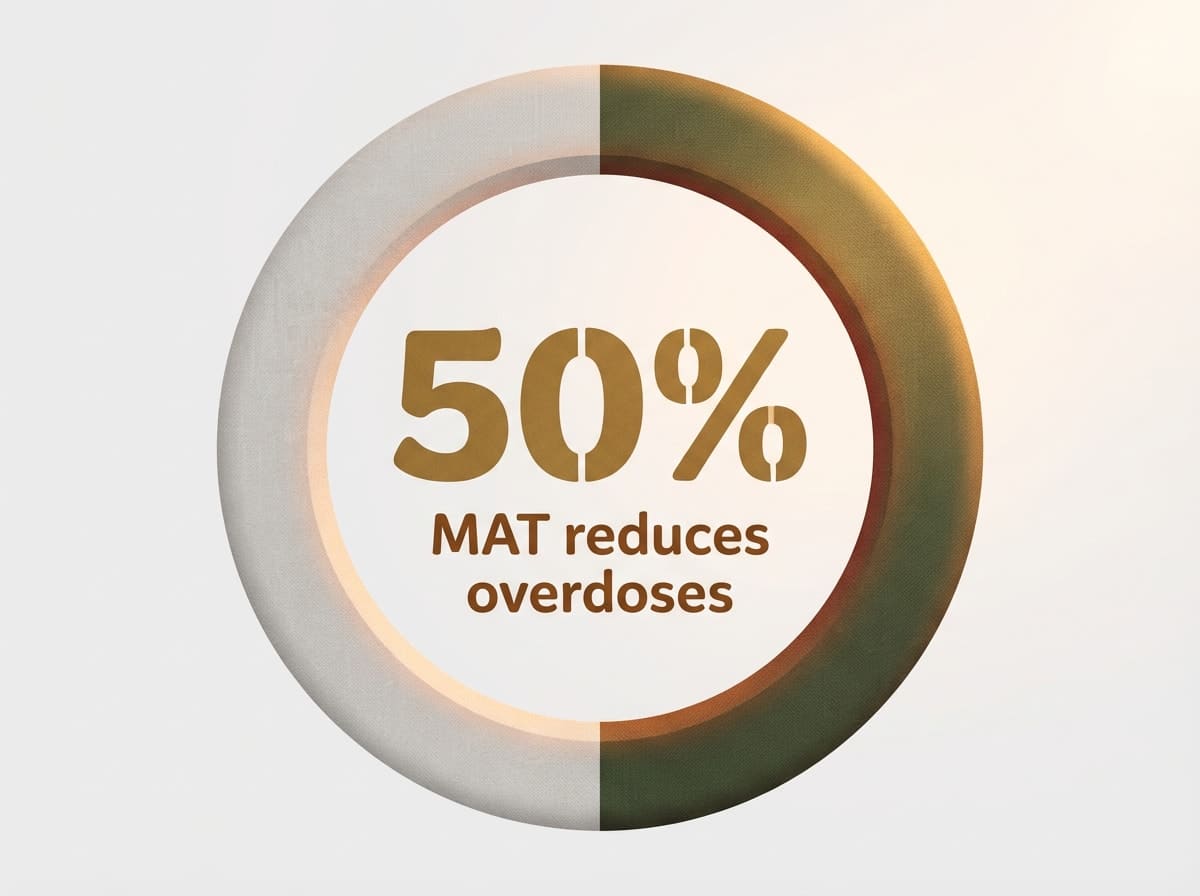
Some holistic drug treatment centers may discourage or even refuse to offer medication-assisted treatment, thinking that “natural” recovery is better. But skipping MAT can actually make recovery much harder and more dangerous. Studies show that MAT can cut the risk of overdose death in half for people struggling with opioid addiction9.
If a center refuses MAT, you could be missing out on one of the most effective, research-backed tools for long-term success. Before committing, ask if the program offers MAT and if their team supports evidence-based medication options. At Rocky Mountain Treatment Center, we integrate medication with supportive therapies, always tailoring care to your needs.
How MAT Reduces Overdose Death by 50%
Medication-assisted treatment (MAT) is a true lifesaver for people with opioid addiction. Here’s the key fact: using MAT can cut the risk of overdose death by 50% compared to going without it9. That’s not just a small difference—it’s a dramatic boost in survival, confirmed by the CDC.
Holistic drug treatment centers that leave out these life-saving medications put people in real danger. To make sure you or your loved one gets this protection, always ask if MAT with FDA-approved medications like buprenorphine or methadone is part of the program. At Rocky Mountain Treatment Center, MAT is integrated into our care, alongside supportive therapies and whole-person healing.
Recognizing Anti-Medication Bias as a Red Flag
A big warning sign at some holistic drug treatment centers is when staff or marketing materials suggest that medications are “unnatural” or not needed for recovery. This kind of bias can pressure people to skip medication-assisted treatment, even though science shows it’s one of the safest and most effective ways to treat opioid and alcohol addiction1.
Skipping out on these proven options can make relapse more likely and put your health at risk. Listen for any negative talk about FDA-approved medicines or claims that “pure” recovery means no medication. Ask directly if the program supports medication when it’s appropriate. At Rocky Mountain Treatment Center, we respect your choices and make sure all options—including medication—are explained and available.
Unqualified Staff and Credential Gaps in Holistic Drug Treatment Centers
| Role Title | Required Credential | Why It Matters |
|---|---|---|
| Therapist / Counselor | LCSW, LPC, LAC, LMFT | Ensures they are trained to treat mental health and trauma. |
| Medical Staff | MD, DO, RN, NP | Required for safe detox and medication management. |
| Wellness Coach | Certificate (varies) | Good for support, but cannot replace clinical therapy. |
When evaluating rehabilitation facilities, you might assume that everyone on staff holds appropriate licenses and credentials for the care they’re providing. Unfortunately, this isn’t always the case. Some programs employ practitioners who lack proper qualifications, creating serious risks for patients seeking legitimate behavioral health or addiction services.
Credential gaps often appear in several forms. You may encounter “life coaches” or “wellness consultants” providing therapy-like services without clinical licenses. Some facilities employ recent graduates or interns as primary therapists without adequate supervision. Others feature staff members whose credentials don’t match the interventions they’re administering—such as someone without specialized training in trauma therapy leading trauma-focused groups.
These gaps matter because proper training directly impacts recovery outcomes. Licensed professionals spend years developing skills through education, supervised practice, and ongoing continuing education. They’re held to ethical standards and can be held accountable through licensing boards. When programs cut corners on staffing qualifications, you’re essentially paying for expertise you’re not receiving.
Red flags include vague staff descriptions on websites that avoid mentioning specific licenses or credentials. You might also notice high staff turnover, which can indicate a facility prioritizes cost savings over qualified professionals. Some organizations list impressive-sounding certifications that aren’t recognized by legitimate professional organizations.
Quality rehabilitation programs maintain transparent staffing information and ensure every practitioner operates within their scope of practice. They employ licensed therapists, psychiatrists, and medical professionals with verifiable credentials and specialized training in scientifically validated approaches. Before committing to any program, verify staff credentials directly through state licensing boards and ask detailed questions about who will be providing your care.
Practitioners Without Addiction Credentials
This is a trap many fall into at some holistic drug treatment centers: you might meet warm, caring staff who lead meditation or group sessions, but ask yourself—do they really have addiction-specific training? Without proper credentials, even the most enthusiastic practitioner may not recognize warning signs of relapse, know how to manage a crisis, or provide therapies proven to help you recover.
The Joint Commission sets clear standards: addiction counseling and behavioral therapies should only be delivered by professionals trained in those fields3. If a program can’t show you real credentials, you’re not getting the qualified support you deserve. When researching centers like Rocky Mountain Treatment Center, ask for proof of licensing and addiction counseling certification. Don’t settle for staff who only have background in yoga, nutrition, or general wellness—true recovery requires expertise in substance use disorders.
What Legitimate Licensing Looks Like
Knowing what legitimate licensing looks like is key when evaluating holistic drug treatment centers. Licensed addiction counselors and therapists have specific credentials—like LAC (Licensed Addiction Counselor), LCSW (Licensed Clinical Social Worker), or LPC (Licensed Professional Counselor)—and are regulated by state boards. These titles are more than just letters; they show the practitioner has completed approved education, passed rigorous exams, and maintains ongoing training.
The Joint Commission, which sets safety and quality standards for treatment centers, requires that counseling and behavioral therapies be delivered by trained, licensed professionals—not just those with general wellness backgrounds3. At Rocky Mountain Treatment Center, we make sure our staff’s qualifications are easy for you to check, so you can feel confident you’re getting care from real addiction specialists.
Why Lived Experience Needs Clinical Training
It’s inspiring to meet someone at holistic drug treatment centers who’s been through recovery themselves. Personal stories can offer hope and understanding. But here’s where people get tripped up: lived experience alone doesn’t replace the need for clinical training. Even if a practitioner has walked in your shoes, they may not know how to handle crises, use evidence-based therapies, or spot mental health issues without formal education.
The Joint Commission clearly states that addiction counseling must be delivered by professionals trained in evidence-based methods, not just those with personal recovery backgrounds3. When looking at treatment options like Rocky Mountain Treatment Center, check that staff combine their recovery experience with proper credentials, such as addiction counselor certification or mental health licensing. This way, you benefit from both empathy and expert care.
Absence of Licensed Medical Professionals
It’s a big risk when holistic drug treatment centers don’t have real medical experts on staff. This might not seem obvious at first—after all, the staff could be friendly and offer lots of wellness options. But without a licensed physician, nurse, or psychiatrist, serious health needs can go unnoticed. For example, people with addiction often have other health problems or mental health issues that require professional care.
National treatment standards stress that only trained medical professionals can spot symptoms, prescribe medication, and safely handle emergencies3. Always ask if a doctor, nurse, or mental health clinician is available on site, and whether they help plan your care. At Rocky Mountain Treatment Center, licensed medical staff are part of your support team every step of the way.
Co-Occurring Disorders Require Psychiatric Care
Many people entering holistic drug treatment centers also struggle with depression, anxiety, or other mental health challenges. This often gets overlooked, but treating addiction without addressing these co-occurring conditions can set you up for relapse. National guidelines require that real psychiatric care is part of any quality addiction program, not just optional3.
Only licensed psychiatrists or mental health clinicians can diagnose and treat both addiction and mental illness together. Always check if psychiatrists or mental health professionals are on staff, and ask how they handle dual diagnoses. At Rocky Mountain Treatment Center, our team is trained to treat both substance use and mental health, so you get true whole-person support.
Red Flags in Staffing Transparency
A major warning sign at some holistic drug treatment centers is when it’s hard to learn who’s actually on your care team. If you can’t easily find names, medical credentials, or licensing details on the website or during a tour, that’s a red flag. Facilities that hide or dodge questions about staff qualifications may be trying to cover up a lack of proper medical professionals.
According to the Joint Commission, accredited centers should clearly display staff credentials and roles so you know you’re in safe hands3. Ask for a staff directory, including who is licensed to provide medical and mental health care. At Rocky Mountain Treatment Center, we make our team’s credentials easy to find and explain how each specialist supports your recovery.
Marketing Claims That Contradict Science
- “Guaranteed Cure”: Addiction is a chronic condition; no one can guarantee a cure.
- “100% Success Rate”: Honest facilities track relapse rates and know 100% is impossible.
- “Proprietary Secret Method”: Science is shared, not hidden. Effective treatments are peer-reviewed.
- “Rapid Detox”: Rushing the process can be physically dangerous.
Some rehabilitation facilities make bold promises that sound impressive but fall apart under scientific scrutiny. When you’re researching programs, watch for claims that contradict established medical research or oversimplify the complex nature of addiction recovery. One common red flag is guaranteeing specific success rates or promising permanent cures.
You might see claims like “98% success rate” or “cure your addiction in 30 days”—language that sounds reassuring but ignores medical reality. Addiction is a chronic condition, and while recovery is absolutely possible, no legitimate program can guarantee you’ll never face challenges again. Research shows that 40-60% of people experience relapse during recovery, similar to other chronic conditions like diabetes or hypertension.
Scientifically validated care focuses on giving you tools to manage your condition long-term, not quick fixes that promise miraculous results. You might also encounter programs promoting proprietary methods that supposedly work better than established treatments. Be skeptical of facilities that downplay or dismiss proven approaches like cognitive behavioral therapy, medication-assisted treatment, or trauma-informed care in favor of their exclusive techniques.
While innovation has its place, effective intervention should build on decades of scientific research, not ignore it. Another concerning claim involves rapid detox programs that promise painless withdrawal in just days. Detoxification is a medical process that requires careful monitoring and appropriate timelines. Programs that rush this critical phase or minimize its challenges may be prioritizing marketing appeal over your safety and comfort.
Watch for rehab programs that claim to treat all types of addiction and co-occurring disorders with a single approach. Effective care recognizes that your needs are unique and requires individualized plans. A quality program will conduct thorough assessments and tailor protocols to address your specific situation, psychological wellness needs, and recovery goals.
Promises of Cures Through Alternative Methods
You might see holistic drug treatment centers advertising miracle cures through things like acupuncture, reiki, or herbal remedies. This can be tempting, especially when you want fast relief. But here’s the caution: addiction is a chronic condition, not something that can be “cured” with a single alternative therapy. Research shows that most alternative methods haven’t been proven to work on their own and should only be used alongside evidence-based care5.
When you choose a program like Rocky Mountain Treatment Center, you know that any holistic treatments—such as mindfulness or yoga—are there to support, not replace, proven therapies and medical care. To protect yourself, always ask for clear evidence behind any treatment claim and steer clear of facilities that guarantee a cure.
Why Addiction Is Chronic, Not Curable
Addiction isn’t something you can just cure and move on from—it’s a chronic illness, much like diabetes or high blood pressure. This often confuses people, especially when holistic drug treatment centers advertise quick fixes or miracle alternative therapies. But research and medical guidelines show that substance use disorders require ongoing, evidence-based care because relapse is a normal part of the recovery process8.
Trying to “cure” addiction with a single method, such as acupuncture or herbal remedies, misses the bigger picture and can set you up for disappointment or even danger. At Rocky Mountain Treatment Center, we help you understand that recovery is a journey, not a one-time event. We use holistic supports like mindfulness or yoga to boost your well-being—but always as part of a larger, science-backed plan.
Spotting Exaggerated Success Rate Claims
It’s easy to feel hopeful when holistic drug treatment centers claim extremely high or guaranteed success rates. But this is a common trap—real recovery stats are never 100%, and anyone who promises otherwise isn’t being honest. Exaggerated numbers often ignore the fact that addiction is a chronic condition, and relapse can happen even with the best support.
Research shows that many alternative therapies lack solid evidence for long-term effectiveness, especially when used alone5. Always ask how a center measures its results and if those stats include only people who finish the whole program. Be cautious if they can’t provide data from independent sources or if their numbers seem much higher than national averages. At Rocky Mountain Treatment Center, we believe in sharing realistic expectations.
One-Size-Fits-All Holistic Programs
Here’s a common pitfall: some holistic drug treatment centers take a cookie-cutter approach, offering the same blend of yoga, meditation, or art therapy to everyone—no matter their unique needs. While these activities can be helpful, addiction is not a one-size-fits-all problem. Research from NIDA highlights that effective addiction care always starts with an individualized assessment and a plan that fits your personal situation, not just what’s easy for the facility to offer1.
When programs skip this step, you could miss out on proven treatments or get stuck with options that don’t address your real challenges. At Rocky Mountain Treatment Center, we believe your recovery should be as unique as you are. Ask how the program tailors care to each person, and don’t be afraid to request an individualized assessment up front.
Why Individualized Assessment Matters
Why does individualized assessment matter so much in holistic drug treatment centers? Every person’s struggle with addiction is different—what works for one may not work for another. Research shows that effective addiction care needs a personal assessment and a plan made just for you, not a generic mix of therapies1.
If a center skips this step, you might end up with options that don’t fit your history, health, or goals. At Rocky Mountain Treatment Center, we start with a full assessment to understand your background, health needs, and what truly motivates you. This way, your treatment plan can combine things like behavioral therapy, counseling, and supportive holistic therapies in the way that’s best for you.
The Opportunity Cost of Unproven Treatment
Choosing unproven therapies at holistic drug treatment centers can mean missing out on treatments that actually help you recover. This often trips people up—you may spend valuable time, energy, and hope on methods with little scientific backing, while putting off options that have strong evidence behind them.
Research shows that ‘opportunity costs’ happen when people forgo proven addiction therapies, like medication or behavioral counseling, in favor of alternatives that aren’t backed by research10. Always ask if the program at a place like Rocky Mountain Treatment Center includes evidence-based treatments, and don’t be afraid to seek a second opinion if you’re unsure.
Inadequate Aftercare and Relapse Prevention
- Week 1 Post-Discharge: First appointment with an outpatient therapist scheduled.
- Month 1: Connection to a local support group (AA, NA, SMART Recovery).
- Month 3: Follow-up assessment to adjust the care plan.
- Ongoing: Access to alumni networks or peer support.
Recovery doesn’t end when you complete a rehabilitation program—it’s just beginning. Yet many facilities discharge clients without comprehensive aftercare plans, leaving them vulnerable during the critical transition back to daily life. This gap in support significantly increases the risk of relapse and can undermine all the progress made during your stay.
Effective relapse prevention requires ongoing support that addresses the underlying causes of addiction, not just the symptoms. When rehab programs fail to provide structured aftercare, clients often struggle to maintain sobriety once they’re back in their usual environments, facing the same triggers and stressors that contributed to their substance use in the first place.
Warning signs of inadequate aftercare include programs that don’t offer follow-up sessions, lack connections to community support resources, or fail to develop personalized relapse prevention strategies. Some facilities might provide a generic list of local meetings but offer no individualized plan for managing specific challenges you’ll face.
Quality aftercare should include regular check-ins with therapists or counselors, access to support groups, strategies for managing triggers and cravings, and resources for addressing co-occurring psychological conditions. You deserve an approach that recognizes recovery as a long-term journey requiring sustained support.
Holistic rehabilitation programs understand that lasting recovery involves treating the whole person—mind, body, and spirit. This means integrating clinically proven therapies with complementary approaches like mindfulness practices, nutritional counseling, and physical wellness programs. When these elements work together within a comprehensive aftercare framework, they create a strong foundation for sustained recovery.
Before committing to any recovery program, ask detailed questions about their aftercare services. How long does support continue? What specific resources do they provide? How do they help clients build sustainable recovery habits? The answers will reveal whether they’re truly invested in your long-term success.
No Structured Post-Treatment Support Plan
A major pitfall with some holistic drug treatment centers is the lack of a structured post-treatment support plan. Without clear aftercare, it’s far too easy to leave the program and suddenly feel alone—making it more likely you’ll slip back into old habits. Research from NIDA shows that ongoing support after initial treatment is key for lasting recovery and relapse prevention, not just a bonus1.
Always ask if the center (like Rocky Mountain Treatment Center) builds a step-by-step aftercare plan for you—this should include scheduled support group meetings, ongoing counseling, and relapse prevention resources. Don’t settle for vague promises; real support starts with a written, personalized plan. Holistic rehab programs that truly help you succeed will focus on supporting your long-term journey, not just your first 30 days.
Why 30 Days Is Just the Beginning
Think of your first 30 days in holistic drug treatment centers as a strong launchpad, not the whole journey. Many people feel hopeful after a month, but research from NIDA shows that addiction is a long-term condition, and lasting recovery depends on staying connected to support and therapy over time—not just during the initial program1.
This often trips people up because it’s easy to believe you’re “fixed” after a short stay, only to discover old triggers waiting outside. At Rocky Mountain Treatment Center, we know real healing happens gradually. We help set you up with ongoing support, relapse prevention, and connections to resources before you even leave. Remember: the end of your 30 days is just the beginning of your lifelong recovery path.
What Comprehensive Aftercare Should Include
A truly comprehensive aftercare plan from holistic drug treatment centers should set you up for long-term success, not just a hopeful send-off. Here’s what to look for: scheduled follow-up counseling sessions (either in person or virtually), support group referrals, relapse prevention planning, and help connecting with community resources.
The National Institute on Drug Abuse (NIDA) highlights that ongoing care—including regular check-ins and access to behavioral therapy—is a key factor in reducing relapse risk1. At Rocky Mountain Treatment Center, we build a personalized aftercare plan with you, making sure you have access to both holistic supports (like mindfulness or nutrition) and evidence-based options (such as therapy or medication).
Lack of Accreditation or Quality Standards
It’s a real risk when holistic drug treatment centers skip out on recognized accreditation or don’t follow clear quality standards. This often trips people up because a center might have a peaceful setting or offer lots of alternative therapies, but without oversight, there’s no guarantee their care is safe or effective. Facilities that lack accreditation—like from The Joint Commission—aren’t held to the same evidence-based rules, which means you could end up with unproven treatments and little accountability3.
Always ask if a center, such as Rocky Mountain Treatment Center, is accredited and what quality standards they follow. Accreditation means the program is regularly reviewed for safety, effectiveness, and proper integration of holistic and medical care. Look for clear answers and visible certificates; don’t settle for vague reassurances. This gives you confidence that your recovery is in trustworthy hands.
Understanding Joint Commission Standards
Understanding Joint Commission standards is one of the best ways to spot safe, effective holistic drug treatment centers. The Joint Commission is a national group that sets strict rules for addiction treatment—rules that make sure you get evidence-based care, not just alternative therapies. Accredited centers must show they use science-backed assessments, create real treatment plans, and measure your progress, which holds them to a higher level of safety and quality3.
At Rocky Mountain Treatment Center, we proudly meet these standards, blending holistic supports with proven medical and behavioral care. When looking for a rehab, always check for visible Joint Commission accreditation—this means the program is regularly reviewed and follows both medical and holistic best practices.
How ASAM Criteria Guide Proper Placement
One mistake to watch for with some holistic drug treatment centers is ignoring ASAM criteria when deciding what care you need. The ASAM (American Society of Addiction Medicine) criteria use a detailed assessment to match you to the right level of treatment, from outpatient counseling to full medical detox. If a rehab skips this step and places everyone in the same type of program—like only offering holistic therapies—they might miss serious medical or mental health needs.
The ASAM guidelines stress that your treatment plan should be based on a full review of your health, risks, and support system, not just what a center wants to sell4. At Rocky Mountain Treatment Center, we use ASAM criteria to help you get care that fits your real situation, combining whole-person supports with evidence-based treatment.
Finding Holistic Care That Actually Works
True comprehensive care addresses every aspect of your well-being—mind, body, and spirit—rather than treating addiction as an isolated problem. The challenge is finding a treatment center that genuinely delivers on this promise instead of simply adding yoga classes to a traditional program and rebranding it with trendy terminology.
Effective treatment integrates scientifically validated therapies with complementary approaches that support your overall health. This means combining proven methods like cognitive behavioral therapy and medication-assisted treatment with nutritional counseling, fitness programs, mindfulness practices, and stress management techniques. Each element should work together to address the underlying factors contributing to your substance use.
Look for programs that conduct comprehensive assessments before creating your treatment plan. A truly integrated approach recognizes that your addiction didn’t develop in isolation—it’s connected to your physical health, emotional wellness, relationships, trauma history, and life circumstances. Your treatment should reflect this complexity.
Quality comprehensive care also means having access to multiple therapeutic modalities under one roof. You shouldn’t need to coordinate separate providers for psychological counseling, medical care, nutritional support, and complementary therapies. Integrated treatment ensures all your providers communicate and collaborate on your recovery plan.
Pay attention to how programs measure success. Centers focused on genuine comprehensive healing track outcomes beyond just sobriety rates—they monitor improvements in psychological symptoms, physical wellness markers, relationship quality, and overall life satisfaction. They should also provide evidence-based aftercare components including continuing therapy sessions, medication management when appropriate, and peer support connections that extend well beyond your initial treatment stay.
The right program empowers you with tools and strategies you can use throughout your life. Rather than creating dependency on the treatment environment, it builds your capacity for self-care, resilience, and sustainable recovery in the real world through skills you can actually apply when you return home.
Frequently Asked Questions
After understanding the risks of holistic-only facilities, you’re probably wondering what legitimate, effective care actually looks like. The key is finding programs that prioritize evidence-based treatment while thoughtfully incorporating complementary wellness practices. Here’s what you should know when evaluating your options.
What should I do if I’ve already started treatment at a holistic center that lacks medical staff?
If you’ve realized your holistic drug treatment center doesn’t have medical staff, don’t panic—but take action. Start by asking the program director if they can add medical oversight, like a nurse or physician, to your care team. If that’s not possible, seek an outside medical evaluation as soon as you can. Research shows that treatment for addiction is most effective and safest when evidence-based care is combined with supportive therapies, not replaced by them1. Let your loved ones know about the situation, and consider getting a second opinion from a center like Rocky Mountain Treatment Center, where licensed professionals are always part of the team.
Can holistic therapies like yoga and meditation ever be part of legitimate addiction treatment?
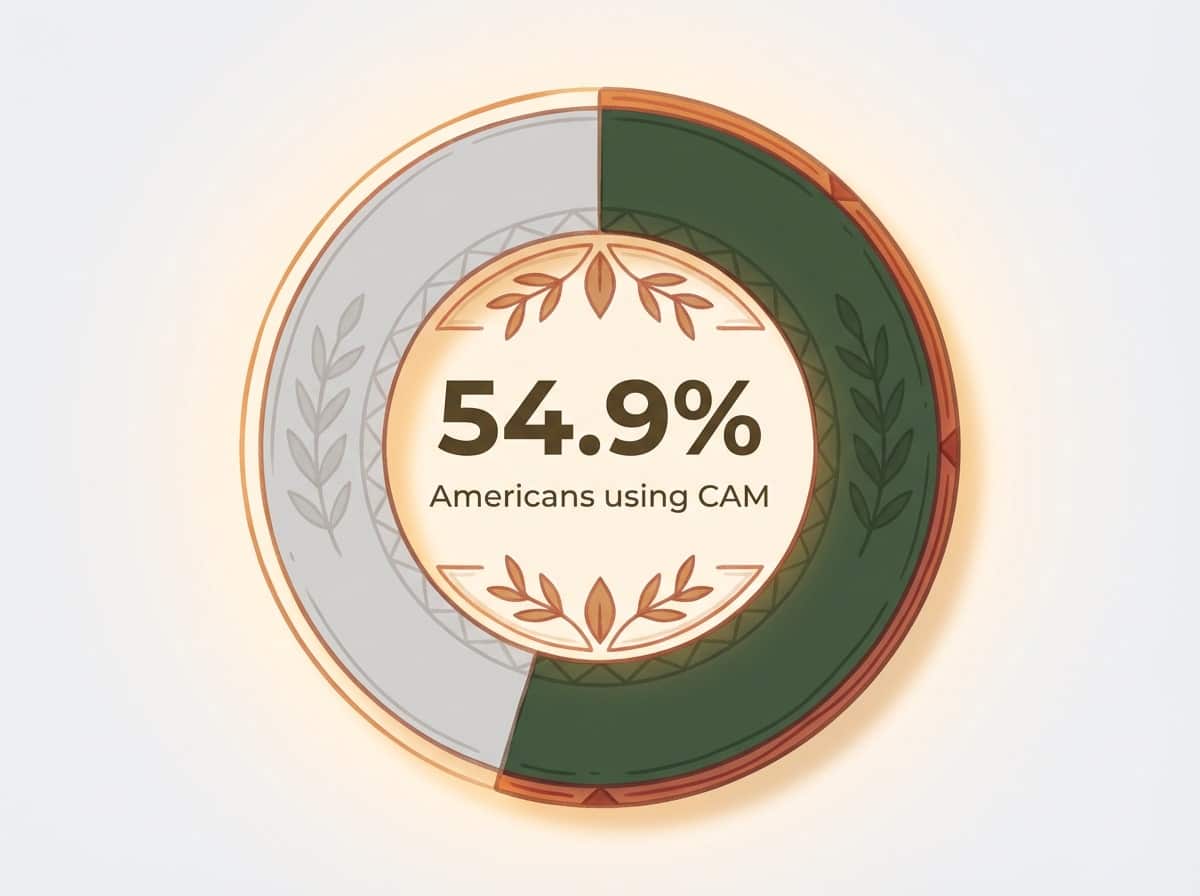
Yes, holistic therapies like yoga and meditation can absolutely be a valuable part of legitimate addiction treatment—as long as they are used to support, not replace, evidence-based care. Research shows that while about 54.9% of Americans use complementary or alternative medicine, most people benefit most when these therapies are combined with proven treatments such as counseling and medication5. At Rocky Mountain Treatment Center, we blend these supportive therapies with medical care and licensed counseling, creating a balanced plan that cares for your whole self.
How can I verify if a treatment center’s staff actually has proper addiction counseling credentials?
Verifying if staff at holistic drug treatment centers have real addiction counseling credentials is easier than you might think. Start by asking the center for a list of their counselors and therapists, including their full names and license numbers. Look for titles like LAC (Licensed Addiction Counselor), LCSW (Licensed Clinical Social Worker), or LPC (Licensed Professional Counselor)—these are regulated by state boards and prove the person has special training in addiction care. You can check these credentials online through most state licensing board websites to make sure they’re active and up to date.
What questions should I ask during a facility tour to uncover potential red flags?
When you tour holistic drug treatment centers, asking the right questions helps you spot signs of quality care—and potential red flags. Start by asking, “Are your counselors and therapists licensed specifically for addiction treatment, and can I see their credentials?” Next, ask if medical professionals (like doctors or nurses) are on site and part of your care team. It’s smart to ask, “Do you offer evidence-based therapies and medication-assisted treatment, or just holistic options?” Request to see proof of accreditation, such as The Joint Commission certificate, which signals the center meets national quality standards3.
Is it normal for a treatment center to discourage family involvement in recovery?
No, it isn’t normal—or healthy—for holistic drug treatment centers to discourage family involvement in recovery. Research shows that supportive family participation can improve treatment outcomes and help prevent relapse for people with substance use disorders1. When a rehab program shuts out loved ones, you might miss out on valuable encouragement and accountability. Quality centers like Rocky Mountain Treatment Center welcome family engagement, offering education, communication support, and therapy options to strengthen your recovery network.
How do I know if my insurance will cover evidence-based treatment versus holistic-only programs?
Insurance usually covers evidence-based addiction treatment, but may not pay for holistic-only programs that skip proven therapies. The key is to check if the center offers services like medical detox, counseling, and medication-assisted treatment—these are standard treatments most insurance plans are required to cover under national guidelines1. Holistic drug treatment centers that only provide alternative therapies (like yoga or acupuncture) without medical or licensed behavioral care may not meet insurance requirements.
What’s the difference between a facility being ‘holistic’ versus being ‘integrative’ in their approach?
The difference comes down to how therapies are woven together. A “holistic” facility focuses on treating your whole self—body, mind, and spirit—often using things like yoga, nutrition, or meditation. But some holistic drug treatment centers stop there and may skip proven medical treatments or counseling. An “integrative” approach, on the other hand, means the program blends supportive therapies with evidence-based care, like medication and behavioral counseling, for a truly complete plan. Research shows that recovery works best when holistic therapies support—not replace—standard treatments5.
If I’ve relapsed after holistic-only treatment, does that mean I need a different approach?
If you’ve relapsed after going through a holistic-only treatment program, it doesn’t mean you’ve failed—many people in recovery need to try different approaches before finding what truly works for them. Research shows that holistic drug treatment centers can be helpful when they combine supportive therapies with proven treatments like counseling and medication, but relying on holistic methods alone often isn’t enough for lasting recovery5. Look for a program—such as Rocky Mountain Treatment Center—that blends whole-person wellness supports with evidence-based medical and behavioral therapies.
Are there specific accreditations I should look for when choosing a treatment center?
Yes, there are specific accreditations you should look for when choosing among holistic drug treatment centers. The most recognized is The Joint Commission accreditation, which means a facility meets strict national standards for safety, quality, and evidence-based addiction care3. You might also see accreditation from CARF (Commission on Accreditation of Rehabilitation Facilities), another trusted sign of quality. These credentials show that a center is regularly reviewed and must use proven treatment methods, not just alternative therapies.
What role should medication-assisted treatment play in my loved one’s opioid recovery?
Medication-assisted treatment (MAT) should be a key part of your loved one’s opioid recovery plan. MAT uses safe, FDA-approved medicines like buprenorphine or methadone to help manage cravings and lower the risk of overdose, making recovery more achievable and much safer. Research shows that MAT cuts the risk of overdose death by 50% compared to not using medication9. Holistic drug treatment centers that skip or discourage MAT are missing a crucial, evidence-based tool.
How can I tell if a center’s success rates are realistic or inflated?
To tell if a center’s success rates are realistic or inflated, start by asking how they calculate those numbers. Genuine holistic drug treatment centers will count everyone who enters their program—not just those who finish or reach a certain milestone. Be wary if a center only highlights people who complete treatment, since this can make their results look much better than average. National research shows that addiction recovery isn’t a straight line, and high success rates (like 90% or 100%) are usually a red flag, especially since relapse is common and recovery takes time5.
What should a comprehensive aftercare plan include beyond the initial 30-day program?
A comprehensive aftercare plan from holistic drug treatment centers should go well beyond just the first 30 days. Aftercare should include scheduled follow-up counseling (either in-person or virtual), connections to support groups, relapse prevention planning, and ongoing access to both medical care and holistic wellness supports. Research shows that staying connected with evidence-based therapy and regular check-ins is a key way to reduce relapse risk and build long-term recovery1.
Can a treatment center be too focused on holistic methods if I also have depression or anxiety?
Yes, a treatment center can be too focused on holistic methods—especially if you also have depression or anxiety. While things like yoga, meditation, or nutrition support can help you feel better, they are not enough on their own for treating co-occurring mental health conditions. Quality holistic drug treatment centers should always include licensed mental health professionals who can diagnose and treat both addiction and mental illness together. National standards say evidence-based therapies and medical care are needed alongside holistic supports to help you truly heal3.
What are my options if I can’t afford to leave a substandard program and start over elsewhere?
If you can’t afford to leave a substandard holistic drug treatment center right now, you’re not stuck—you still have options. Start by advocating for yourself: ask if the program can add evidence-based services, like counseling with licensed professionals or access to medical staff. You can also reach out to outside providers (such as a primary care doctor or local mental health clinic) for supplemental support while you finish the current program. Research shows that recovery is safest and most successful when holistic therapies are combined with proven medical and behavioral treatments, not used on their own1.
References
- NIDA – Principles of Drug Addiction Treatment: A Research-Based Guide. https://www.nida.nih.gov/publications/principles-drug-addiction-treatment
- SAMHSA Data, Outcomes, and Quality – Treatment Facility Survey Data. https://www.samhsa.gov/data-outcomes/data-statistics/data-we-collect
- The Joint Commission – Accreditation Standards for Behavioral Health. https://www.jointcommission.org/standards/
- American Society of Addiction Medicine – Treatment Placement Criteria. https://www.asam.org/resources/the-asam-criteria
- National Center for Complementary and Integrative Health – Research Results & Evidence. https://www.nccih.nih.gov/research/research-results
- FDA – Opioid Information & Safety. https://www.fda.gov/drugs/information-drug-class/opioid-medications
- Cochrane Collaboration – Systematic Reviews on Addiction Treatment. https://www.cochranelibrary.com/CD/Abstract/CD011179
- American Psychiatric Association – Diagnostic and Statistical Manual (DSM-5). https://www.psychiatry.org/psychiatrists/practice/dsm
- CDC – Drug Overdose Prevention & Response. https://www.cdc.gov/drugoverdose/prevention/
- NIH/NCBI – Complementary and Alternative Healthcare: Is it Evidence-Based?. https://www.ncbi.nlm.nih.gov/pmc/articles/PMC3068720/