
Key Takeaways
- Emotional Regulation: Horses provide immediate, non-judgmental feedback that helps you identify and manage feelings in real-time.
- Confidence Building: Mastering ground-based activities with a large animal boosts self-efficacy and self-worth.
- Trauma Recovery: Research shows significant reductions in PTSD symptoms and depression through equine-assisted interventions.
- Social Skills: Interacting with horses teaches clear communication, boundary setting, and trust-building.
- Editor’s Pick: The “Mirror Effect”—horses reflect your internal state, offering a unique pathway to self-discovery that traditional talk therapy often cannot reach.
The Top Equine Therapy Benefits for Recovery
Why Horses Become Powerful Healing Partners
Welcome to Rocky Mountain Treatment Center, where we believe in holistic approaches to healing. You might be wondering how a 1,200-pound animal can help with addiction or mental health. The answer lies in the unique connection between humans and horses. Equine therapy benefits extend far beyond simple interaction; they offer a profound mirror to your internal world.
Horses possess an extraordinary capacity to sense and respond to human emotions in ways that make them uniquely suited for therapeutic work. Unlike traditional talk therapy settings, equine-assisted therapy creates a dynamic environment where healing happens through genuine connection and immediate feedback.
“These magnificent animals operate primarily through non-verbal communication, picking up on subtle changes in body language, heart rate, and emotional state. During moments of anxiety, a horse will notice. During moments of calm presence, they respond differently.”
This mirror-like quality provides instant, honest feedback about internal emotional states—something that’s incredibly difficult to achieve in other therapeutic settings. Horses are prey animals by nature, which means they’ve evolved to be highly attuned to their surroundings and the intentions of those around them. They don’t judge, hold grudges, or bring preconceived notions into interactions. Instead, they respond authentically to who each person is in each moment, creating a safe space for exploring emotions without fear of criticism.
The physical presence of a horse also plays a significant role in the healing process. Their size alone can be both humbling and empowering, requiring courage, boundary-setting, and clear communication. Working alongside these animals builds confidence as people discover they can influence and connect with a large creature through calm, assertive energy rather than force.
The Science Behind Horse-Human Connection
The bond between humans and horses is more than just a feeling—science shows that it’s deeply rooted in our biology. Horses are experts at reading your body language and emotional cues, which helps create a powerful therapeutic connection. When you interact with a horse, your nervous system naturally starts to calm, and trust begins to grow.
Research finds that this connection can spark real changes in your brain, including areas linked to reward, motivation, and emotional healing4. This special kind of animal-assisted therapy is a big part of what makes Rocky Mountain Treatment Center’s approach so unique.
How Horses Mirror Your Emotional State
Horses are like emotional mirrors—they pick up on your feelings, even the ones you haven’t said out loud. If you’re anxious or sad, a horse might act withdrawn or tense. When you’re calm and open, the horse relaxes, too. This feedback helps you notice your own emotions in real time, which is a big part of the healing process at Rocky Mountain Treatment Center.
Studies show that this animal-assisted therapy can spark real changes in your brain, making it easier to recognize and manage feelings during recovery4. These unique horse-human interactions are why so many people find equine therapy benefits and emotional attunement especially helpful for growth and self-awareness.
Building Trust Through Nonverbal Communication
Horses communicate mostly without words, relying on body language, eye contact, and gentle movements. When you interact with a horse at Rocky Mountain Treatment Center, you learn to read and send these nonverbal signals. This kind of communication helps you build trust and mutual respect, even if trust has been hard for you in the past.
Studies highlight that horses and people both value safety and trust, so practicing these skills with a horse can make it easier to develop healthier relationships in your everyday life2.
What Makes Equine Therapy Different
What sets equine therapy apart from other types of treatment? It’s the hands-on, real-world learning that happens every time you step into the arena at Rocky Mountain Treatment Center. Instead of only talking about your challenges, you get to practice new skills with the help of a horse, which makes every session unique and memorable.
Equine therapy benefits come from this practical, experiential approach—helping you build confidence, trust, and emotional awareness in a way that’s hard to find elsewhere9. Animal-assisted therapy and experiential learning work together, giving you tools you can use long after your session ends.
Ground-Based Approach to Mental Health
The ground-based approach used at Rocky Mountain Treatment Center means you connect with horses without ever needing to ride. Instead, you’ll work through real-life activities like leading, grooming, or guiding a horse through simple obstacles. These interactive, hands-on experiences encourage you to practice communication, patience, and emotional regulation—skills that are deeply linked to mental health improvement9.
This style of animal-assisted therapy lets you build trust and self-awareness in a safe, supportive setting. By working alongside horses on the ground, you get to see and feel progress with every small success, which boosts confidence and supports your recovery journey3.
The Team Behind Your Healing Journey
At Rocky Mountain Treatment Center, your equine therapy team is made up of caring professionals who work together to support your healing journey. This team usually includes a licensed mental health professional, a certified equine specialist, and—of course—a gentle, well-trained horse. Each team member brings a unique set of skills: the mental health professional guides your emotional growth, while the equine specialist focuses on safety and creating a welcoming environment for everyone involved.
Why does this team approach matter? Having both people and horses on your side means you get expert support and real-time feedback, which are core reasons animal-assisted therapy is so effective for recovery9. The Eagala Model, used at Rocky Mountain, is internationally recognized for its structured, team-based approach to equine therapy and ensures your experience is both safe and meaningful9.
Benefit 1: Equine Therapy Benefits for Emotional Regulation
Working alongside a horse leaves no room for unchecked emotions. These animals respond to your internal state with remarkable sensitivity, creating an immediate feedback loop that helps you recognize and manage your feelings in real time. Approaching with anxiety, frustration, or anger will likely cause the horse to mirror that energy back—stepping away, becoming restless, or refusing to cooperate.

This honest reflection becomes a powerful teacher. You quickly learn that connecting to the horse requires first regulating your own emotional state. Taking deep breaths, grounding yourself in the present moment, and consciously shifting your energy aren’t just therapeutic concepts—they’re practical necessities for successful interaction. This process strengthens your capacity to notice emotional shifts before they escalate and gives you tangible practice in self-regulation techniques.
What makes this particularly effective is that the learning happens through experience rather than discussion. Rather than just talking about managing anxiety or processing grief, you’re actively doing it in a safe, supportive environment. The immediate cause-and-effect relationship between your emotional state and the horse’s response creates clear, memorable lessons that transfer into daily life.
Research supports what practitioners have observed for years. Studies show that horse-assisted therapy significantly reduces symptoms of anxiety, depression, and post-traumatic stress. Participants report feeling more capable of identifying their emotions, understanding triggers, and implementing coping strategies after engaging in these therapeutic sessions.
Learning to Process Feelings in Real Time
Have you ever wished you could hit pause and really notice what you’re feeling in the moment? That’s exactly what equine-assisted therapy at Rocky Mountain Treatment Center encourages—learning to process feelings as they happen, not hours later.
- Immediate Feedback from Horses: Horses react to your mood and body language right away, giving you honest, nonjudgmental feedback. This lets you recognize emotions like frustration, anxiety, or calmness as they rise, helping you practice emotional awareness in real time3.
- Practicing Mindful Presence: You can’t fool a horse! Being around these sensitive animals encourages you to focus on the present, which is a key part of emotional self-regulation and stress relief9.
- Safe Space for Emotional Expression: The calm, judgment-free environment at Rocky Mountain supports you as you work through tough emotions, making it easier to build healthier coping strategies and resilience3.
How Horses Help You Recognize Emotions
Horses are amazing at picking up on how you feel—even when you haven’t said a word. When you spend time with a horse during animal-assisted therapy at Rocky Mountain Treatment Center, you’ll notice their reactions change depending on your mood. If you feel tense or anxious, the horse may seem uneasy, but if you’re relaxed, the horse calms down too. This instant feedback helps you identify your feelings as they happen, making it easier to work through them and build emotional awareness3.
Developing Healthier Coping Strategies
Learning healthier ways to cope with stress, cravings, or tough emotions is a big part of recovery, and horses can really help you with this at Rocky Mountain Treatment Center. When you work with horses, you get the chance to practice new coping strategies—like taking deep breaths, setting boundaries, or using positive self-talk—right in the moment.
Animal-assisted therapy gives you a safe space to try out these skills and see how your actions affect the horse’s response. This hands-on practice helps you remember what works when life gets challenging. Research shows that equine-assisted activities can boost self-efficacy and emotional regulation, making it easier for you to handle stress in everyday life3.
Reducing Anxiety and Depression Symptoms
Feeling weighed down by anxiety or depression is tough, but connecting with horses at Rocky Mountain Treatment Center can help lift that burden. Equine therapy benefits include real, measurable drops in anxiety and depression symptoms, thanks to the calming presence of horses and the supportive environment they create.
Why does this work? Horses encourage you to focus on the present, which can ease racing thoughts and negative feelings. Research shows that more than half of participants in equine-assisted programs reported a noticeable reduction in depression and anxiety, with improvements lasting even months after therapy ended2.
Measurable Mental Health Improvements
When you participate in equine therapy at Rocky Mountain Treatment Center, the results aren’t just felt—they’re measured. Over half of people in equine-assisted programs show a noticeable drop in anxiety and depression symptoms, with these improvements lasting for months after therapy ends2. This means you can expect real changes in your mental health, not just a temporary boost.
Studies on animal-assisted therapy highlight improvements in mood, emotional stability, and overall wellbeing—all key outcomes for anyone working through recovery3. These mental health improvements, like reduced stress and better mood control, are part of what makes equine-assisted activities so valuable for your healing journey.
Long-Term Emotional Stability Gains
Long-term emotional stability is one of the most powerful outcomes of equine-assisted therapy at Rocky Mountain Treatment Center. Horses help you not just feel better for a day, but create lasting changes in your mood and emotional balance. Research shows that many people continue to experience lower levels of anxiety and depression for months after finishing equine therapy, showing its lasting impact on emotional wellness2.
Benefit 2: Equine Therapy Benefits for Self-Efficacy and Confidence
Now that you understand why horses are uniquely suited for therapeutic work, let’s explore the specific benefits you can experience through equine-assisted therapy. As you actively participate in your recovery journey, something remarkable happens: you begin to trust yourself again. Self-efficacy—the belief in your capacity to succeed in specific situations—grows stronger each time you practice a new coping skill, work with a horse, or make a healthy choice. This confidence becomes a powerful foundation for lasting change.
Research consistently shows that individuals who engage in their treatment process develop a stronger sense of personal agency. You’re not just receiving care; you’re learning to become your own advocate and problem-solver. Each small victory—whether it’s successfully guiding a horse through an obstacle or recognizing an emotional pattern—reinforces the belief that you can handle challenges, which creates a positive feedback loop that supports continued progress.
| Traditional Therapy Focus | Equine Therapy Experience |
|---|---|
| Discussing past challenges and fears. | Facing challenges in real-time with a large animal. |
| Cognitive understanding of boundaries. | Physical practice of setting boundaries with a horse. |
| Verbalizing self-worth. | Feeling self-worth through the horse’s acceptance. |
This increased confidence extends beyond the treatment setting into daily life. You might notice yourself speaking up more in relationships, setting healthier boundaries, or tackling problems you previously avoided. These skills transfer to work, family dynamics, and personal goals, creating ripple effects that touch every aspect of life.
Mastery Experiences That Build Self-Worth
The feeling of accomplishment you get from working with horses at Rocky Mountain Treatment Center is like no other. Mastery experiences are a key part of equine therapy benefits, giving you real moments of success that help rebuild your self-worth. When you guide a horse through an activity or complete a new task, you see right away that you’re capable of learning and overcoming challenges.
Hands-on animal-assisted therapy activities boost your confidence by providing immediate feedback and visible progress—something research shows is linked to stronger self-efficacy and belief in your own abilities3. This sense of achievement doesn’t just happen in the arena; it starts to spill over into your everyday life, making you feel more prepared to handle recovery and whatever comes your way.
Accomplishing Tasks You Didn’t Think Possible
When you work with horses at Rocky Mountain Treatment Center, you’ll often find yourself doing things you never thought possible—like guiding a horse through an obstacle course or helping a nervous animal learn to trust you. These mastery moments are key animal-assisted therapy outcomes that boost your belief in yourself. Each new skill you tackle, no matter how small, proves that you can learn, adapt, and succeed—even when it feels a little scary at first.
Research shows that these experiences create a powerful sense of self-efficacy, which is a cornerstone of long-term recovery3. Overcoming challenges with horses helps you realize that you can handle tough situations outside of therapy, too.
Transferring Skills to Daily Recovery
The real magic happens when the skills you build with horses at Rocky Mountain Treatment Center start to show up in your daily recovery. When you practice patience, clear communication, and problem-solving with a horse, you’re actually training your brain to use those same skills outside the arena. Research shows that these hands-on, animal-assisted therapy sessions help people transfer new coping strategies and self-confidence into everyday life, making it easier to handle stress, setbacks, or tough conversations3.
Rebuilding Your Sense of Self-Esteem
Rebuilding your sense of self-esteem can feel like climbing a mountain, but with the help of horses at Rocky Mountain Treatment Center, each step becomes more achievable. Working alongside these gentle animals gives you the chance to see yourself in a new, positive light. When you experience kindness, acceptance, and trust from a horse, it can help soften feelings of shame and self-doubt that often come with addiction or trauma.
Overcoming Shame Through Acceptance
Letting go of shame can feel impossible, especially if you’ve faced judgment or isolation during your struggles. But with horses at Rocky Mountain Treatment Center, you’re met with true acceptance—no matter what your past looks like. Horses don’t hold grudges or judge; their gentle presence gives you a safe space to be yourself, helping you feel worthy of kindness and care.
Studies on animal-assisted therapy show that this unconditional acceptance is a major reason people experience real growth in self-worth and self-esteem during equine sessions3. These equine therapy activities allow you to practice self-acceptance and break free from negative self-talk.
Developing Leadership and Responsibility
Taking care of a horse at Rocky Mountain Treatment Center is a big responsibility—and a real chance to grow as a leader. When you help with feeding, grooming, or guiding a horse through an activity, you’re practicing leadership and accountability in a hands-on way. These animal-assisted therapy activities help you build decision-making skills and learn what it means to be reliable for someone else.
Benefit 3: Better Treatment Retention and Engagement
Successfully guiding a 1,200-pound horse through an obstacle course does something remarkable for your confidence—it proves to you, in the most tangible way possible, that you’re more capable than you believed. Equine therapy builds self-efficacy through progressive accomplishments that translate directly to increased confidence in your daily life. Each interaction with these powerful animals offers opportunities to discover strengths you may have forgotten or never knew you possessed.

Your journey often begins with simple tasks that might initially feel intimidating: approaching a large horse, making physical contact, or learning proper grooming techniques. As you successfully complete each step, you’re building evidence of your competence. The horse responds to your growing confidence with increased trust and cooperation, creating a feedback loop that reinforces your sense of capability. You’re not just being told you’re capable—you’re experiencing proof of it in real time.
Why You’re More Likely to Complete Treatment
You might be surprised how much easier it is to stick with treatment when you actually look forward to your sessions. At Rocky Mountain Treatment Center, many people find themselves completing their programs because equine therapy turns healing into an experience—not just another appointment.
- Hands-On, Meaningful Activities: Instead of just talking about challenges, you’ll work with horses in real-life situations. This animal-assisted therapy helps you feel more connected and invested, which research shows leads to higher treatment retention and completion rates1.
- Stronger Sense of Accomplishment: When you succeed at a task with a horse—like guiding them through an obstacle—you build confidence and motivation to keep coming back. This boost in self-efficacy is a core reason why equine therapy benefits are so effective for finishing treatment3.
- Supportive Team Approach: At Rocky Mountain, you’re surrounded by caring professionals and gentle horses, making it easier to form bonds and trust the process. This stronger therapeutic alliance helps you stay engaged for the long haul1.
Breaking Through Traditional Therapy Barriers
Traditional talk therapy can sometimes feel repetitive or even intimidating, making it tough for many people to open up or stay motivated. At Rocky Mountain Treatment Center, equine-assisted therapy breaks through these barriers by engaging you in hands-on activities with horses, which research shows can spark emotional breakthroughs that talk therapy alone may not reach1.
You’ll find that animal-assisted therapy is more than just a new setting—it helps you address communication challenges and emotional roadblocks in a supportive, real-world environment. This practical approach, paired with feedback from horses, makes equine therapy benefits stand out for people who have struggled with traditional methods7.
Building Stronger Therapeutic Relationships
When you join equine-assisted therapy at Rocky Mountain Treatment Center, you’ll notice that the bond you create with your therapy team—and with the horses—feels different from what you experience in a regular office. Animal-assisted therapy helps you build trust more naturally, since horses respond honestly to your emotions and actions. This honesty, paired with the support of caring professionals, lays the foundation for a stronger therapeutic relationship.
Staying Motivated Throughout Your Recovery
Staying motivated during recovery can feel like climbing a hill, but equine therapy at Rocky Mountain Treatment Center helps keep your spirits high and your goals in focus. Here, you’re not just talking about change—you’re living it, every time you connect with a horse.
Finding Purpose in Experiential Healing
When you take part in equine therapy at Rocky Mountain Treatment Center, every hands-on activity with a horse helps you rediscover your sense of purpose. Experiential healing means you’re not just talking about change—you’re actively making it happen, step by step. Guiding, grooming, or caring for a horse gives you immediate feedback and a real sense of accomplishment, which research shows is closely linked to increased motivation and positive outlook during recovery3.
Creating Positive Treatment Memories
Making positive memories during treatment can help you stay connected to your goals long after you leave Rocky Mountain Treatment Center. One of the special equine therapy benefits is how each session becomes a memorable experience—whether it’s the first time you connect with a horse or a day when you accomplish something new. Research shows these meaningful, animal-assisted therapy moments actually boost your motivation to continue with recovery and create lasting emotional impact1.
Benefit 4: Reduced PTSD and Trauma Symptoms
Many individuals who struggle with traditional talk therapy find themselves unexpectedly engaged when horses enter the treatment equation. There’s something fundamentally different about equine-assisted therapy that makes people actually want to show up—and keep showing up—in ways that conventional office-based sessions sometimes don’t achieve.
The experiential nature of working with horses transforms therapy from something you endure into something you anticipate. Instead of sitting in a clinical office discussing your challenges, you’re outdoors, moving, interacting with a living being who responds to you without judgment. This hands-on approach engages people who might otherwise resist or avoid treatment, creating a natural motivation that’s difficult to replicate in traditional settings.
Research consistently shows that engagement and retention are critical predictors of treatment success—you can’t benefit from therapy you don’t attend. Equine therapy addresses this challenge by making sessions feel less like “therapy” and more like meaningful activities that happen to be therapeutic. You’re grooming a horse, leading it through an obstacle course, or simply observing its behavior, all while processing emotions and building recovery skills in ways that feel organic rather than forced.
Rapid Relief for Trauma-Related Conditions
When trauma symptoms take over, finding relief can feel out of reach. At Rocky Mountain Treatment Center, rapid improvement is one of the most encouraging equine therapy benefits. Working with horses helps soothe trauma responses and fosters a sense of safety—often much faster than traditional talk therapy alone.
Over half of people in specialized equine-assisted programs, including veterans, experience a marked drop in PTSD and depression symptoms just weeks into treatment, with these gains sticking around for months2. This animal-assisted therapy approach gently guides you through real-time trust-building, emotional regulation, and self-confidence, all key elements for trauma recovery and mental health improvement.
Research-Backed PTSD Symptom Reduction
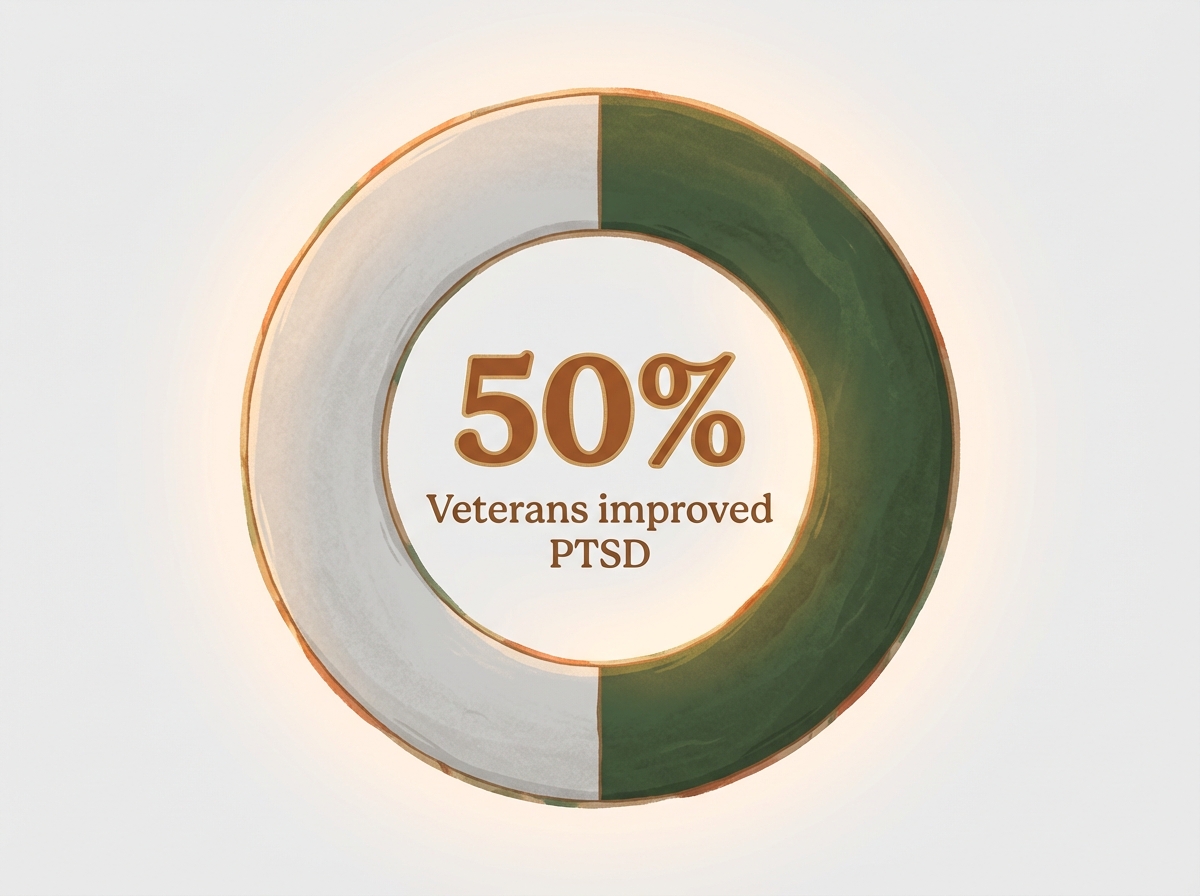
When you look at the numbers, the impact of equine-assisted therapy on PTSD is hard to ignore. More than 50% of veterans in Columbia University’s Man O’ War Project showed marked reduction in PTSD and depression symptoms after just eight weeks of equine therapy, with these improvements sticking around for months2. This isn’t just a fluke—multiple studies have found that animal-assisted therapy and horse-human trust-building provide real relief for trauma survivors who haven’t responded to traditional methods.
Brain Changes That Support Healing
Scientists are discovering that equine-assisted therapy can actually change your brain in ways that support healing from trauma. For example, after several weeks of working with horses at places like Rocky Mountain Treatment Center, people with PTSD have shown increased connections in brain areas tied to reward and motivation. This boost in brain connectivity is linked to feeling more hopeful and less stuck in negative thought patterns4.
Even more exciting, studies found that these changes in the brain stick around for months, helping you stay resilient long after therapy ends. This is one of the most unique animal-assisted therapy outcomes—real, measurable shifts in your brain’s wiring that support long-term recovery and emotional health4.
Addressing Co-Occurring Mental Health Issues
When substance use and mental health struggles happen together, it can be hard to know where to start. One of the most important equine therapy benefits at Rocky Mountain Treatment Center is how animal-assisted therapy supports people with co-occurring issues like addiction, anxiety, and depression.
Horses help you work on trust, emotional regulation, and self-esteem all at once—key skills for healing both addiction and mental health challenges3. Research shows that animal-assisted therapy delivers measurable improvements in emotion control and self-confidence for people facing multiple diagnoses, making recovery more manageable and connected3.
Treating Root Causes of Addiction
Treating addiction isn’t just about stopping the behavior—it’s about understanding the roots beneath it. At Rocky Mountain Treatment Center, equine therapy helps you safely explore what’s driving your substance use, whether it’s past trauma, low self-esteem, or difficulty managing emotions. Working with horses encourages real emotional processing, not just surface-level change.
Research shows that animal-assisted therapy builds trust, boosts emotional regulation, and increases self-efficacy—three building blocks for addressing the true causes of addiction3. By experiencing acceptance from a horse and practicing new ways to cope, you gain the confidence and skills needed to heal old wounds.
Holistic Approach to Dual Diagnosis
A holistic approach means treating your whole self—not just one diagnosis at a time. At Rocky Mountain Treatment Center, equine therapy is woven into every part of your care plan, helping you address substance use and mental health conditions together. Animal-assisted therapy supports dual diagnosis by promoting emotional balance, self-confidence, and trust in a safe, nonjudgmental setting3.
Benefit 5: Enhanced Social and Communication Skills
Horses create a uniquely safe environment for trauma survivors to begin their healing journey. Unlike human interactions that might trigger defensive responses, horses offer non-judgmental presence and acceptance. Their calm, grounding energy helps individuals with PTSD feel secure enough to lower their guard and engage in therapeutic work that might otherwise feel too threatening or overwhelming.
The non-verbal nature of equine interaction provides particular relief for trauma survivors who struggle to verbalize their experiences. You don’t need to explain your trauma to a horse or find the right words to describe what happened. Horses respond to your present-moment energy and emotions, allowing you to process feelings without the pressure of narrative explanation. This wordless communication often accesses trauma stored in the body that talk therapy alone cannot reach.
Grounding exercises with horses prove especially effective for managing hypervigilance and emotional dysregulation common in PTSD. The rhythmic motion of grooming, the sensory experience of touching their warm coat, and the focused attention required to lead or work alongside a horse all anchor you firmly in the present moment. These activities interrupt the trauma response cycle and help retrain your nervous system to recognize safety.
Rebuilding Your Ability to Trust Others
Rebuilding trust with others can feel scary, especially after tough times or broken relationships. At Rocky Mountain Treatment Center, equine therapy creates a gentle, judgment-free space for you to practice trusting again. One of the biggest equine therapy benefits is learning that trust doesn’t have to be rushed—it grows step by step, just like your connection with a horse.
Studies show that animal-assisted therapy, like working with horses, helps people overcome fear and rebuild confidence in social situations by focusing on safety and honest communication2. These hands-on, animal-assisted experiences let you see that it’s possible to trust and be trusted, giving you more courage to form healthy bonds with others.
Safe Environment for Relationship Practice
Practicing relationship skills can feel intimidating, but at Rocky Mountain Treatment Center, you’ll find a safe, welcoming environment to try new ways of connecting. Horses create a gentle, pressure-free space where you can learn and grow at your own pace. Because horses respond to honesty and nonverbal cues, every interaction is a chance to practice trust, communication, and patience—without fear of judgment or rejection.
Setting Healthy Boundaries with Confidence
Learning how to set healthy boundaries can feel tricky, but horses make it much more approachable at Rocky Mountain Treatment Center. When you work with a horse, you practice saying “yes” and “no” through your actions—not just words. Horses naturally respect clear limits, so you get real-time feedback as you guide them, helping you feel more confident in expressing your needs.
Studies show that these animal-assisted therapy sessions improve your ability to set boundaries, which leads to stronger self-confidence and better relationship skills in recovery3. These equine therapy activities give you a safe, supportive place to try out new ways of communicating limits—skills you can use with friends, family, and anyone in your daily life.
Improving Family and Personal Relationships
Improving your relationships with family and friends can feel overwhelming after addiction or trauma, but equine therapy at Rocky Mountain Treatment Center gives you a fresh start. One of the most meaningful equine therapy benefits is how animal-assisted therapy helps you practice communication, empathy, and problem-solving in a supportive setting.
When you work with horses, you naturally develop patience and awareness—skills that research shows transfer directly to healthier family dynamics and personal connections3. Because horses respond to clear signals and honest emotions, you’ll learn to express yourself more openly and listen better—two social skills that strengthen bonds at home.
Communication Skills That Translate Home
Clear, open communication is one of the most valuable skills you can take home from equine therapy at Rocky Mountain Treatment Center. When you work with horses, you practice using simple, direct cues—like gentle touches or calm voice commands—to get your message across. These animal-assisted therapy activities teach you to be patient, listen closely, and respond thoughtfully, all of which are key to stronger family and personal relationships.
Reconnecting with Loved Ones Authentically
Reconnecting with loved ones after addiction or trauma isn’t always easy, but equine therapy at Rocky Mountain Treatment Center gives you a chance to build those bonds in a genuine way. Animal-assisted therapy helps you practice honesty, patience, and empathy with horses—qualities that naturally carry over into your family life. When you learn to be present and authentic with a horse, it gets easier to show up as your true self with the people you care about most.
Finding Quality Equine Therapy in Montana
As you’ve learned how equine therapy can enhance emotional awareness, build confidence, and improve communication skills, you’re likely ready to explore programs that can deliver these cumulative benefits. When searching for horse-assisted healing programs in Montana, you’ll want to ensure the facility meets professional standards and provides a safe, supportive environment. Look for centers staffed by certified professionals, such as PATH International (Professional Association of Therapeutic Horseeping International) certified instructors or licensed therapists who specialize in equine-assisted interventions.
Start by researching facilities that maintain proper accreditation and insurance coverage. Quality programs will have well-trained horses specifically selected for their calm temperament and suitability for therapeutic work. The facility should maintain clean, safe grounds with appropriate equipment and accessibility features for individuals with varying physical abilities.
During your search, ask about the qualifications of the therapy team. Effective therapeutic riding requires collaboration between mental health professionals, equine specialists, and support staff who understand both therapeutic techniques and horse behavior. The best programs create individualized treatment plans tailored to each person’s specific goals and challenges—whether that’s learning to give clear, calm directions when asking a horse to move, understanding how your tone of voice affects the horse’s response, or practicing assertiveness when setting boundaries during ground work exercises.
What to Look for in a Program
Choosing the right equine therapy program is a big step toward seeing real change in your recovery. Here’s a simple checklist to help you spot a program that truly delivers the animal-assisted therapy results you’re hoping for:
Click to view the Program Checklist
- Certified, Experienced Professionals: Make sure the program has staff with credentials from respected organizations like PATH International or those trained in the Eagala Model. Certified teams are trained in both horse care and client safety, which means you get the highest level of support and professionalism8.
- Strong Safety and Ethical Standards: Look for programs that follow strict safety rules, use gentle and well-trained horses, and have clear emergency plans in place. Safety and ethics are key animal-assisted therapy foundations, so this should never be overlooked9.
- Integration with Evidence-Based Addiction Treatment: Quality programs combine equine therapy with clinically proven addiction or mental health care, not just horse time. This teamwork approach is what gives you the best shot at experiencing real equine therapy benefits and lasting recovery3.
- Personalized, Hands-On Activities: Great programs offer ground-based, interactive sessions—like grooming, leading, or obstacle work—that match your needs and comfort level. This hands-on learning style encourages growth in self-efficacy and emotional awareness, both big parts of animal-assisted recovery9.
- Consistent, Supportive Team: You should feel welcomed and supported by a regular team that includes both mental health and equine specialists. This kind of support system helps you build trust, motivation, and confidence every step of the way8.
When you keep these points in mind, you’ll be well on your way to finding a Montana program—like Rocky Mountain Treatment Center—that’s committed to your safety, growth, and healing.
Certified Professionals and Safety Standards
Certified professionals and strong safety standards are essential for any top-notch equine therapy program. At Rocky Mountain Treatment Center, you’ll find staff trained and certified by leading organizations like PATH International and the Eagala Model—so you know you’re in caring, expert hands8.
Why does this matter for you? Certified teams are trained in both safe horse handling and client wellbeing, which means every session is built on trust, professionalism, and strict safety rules. Programs like Rocky Mountain’s also follow ethical guidelines, use gentle, well-trained horses, and have clear emergency plans, so you can focus fully on the healing process9.
Integration with Evidence-Based Treatment
Integration with evidence-based treatment is key if you want the full impact of equine therapy benefits during your recovery. At Rocky Mountain Treatment Center, equine-assisted sessions aren’t just a fun extra—they are woven right into your addiction or mental health care plan and guided by clinical professionals. Programs that blend animal-assisted therapy with proven, research-backed approaches see the best results in emotional regulation, self-efficacy, and long-term recovery3.
Rocky Mountain’s Unique Equine Approach
Rocky Mountain Treatment Center is proud to offer a truly unique approach to equine therapy in Montana. Here’s how our program stands out and delivers the animal-assisted therapy outcomes you’ve been searching for:
- Montana’s Only Addiction-Focused Program: Unlike general wellness or recreational horse programs, Rocky Mountain is dedicated to helping people recover from addiction and co-occurring mental health challenges. Our clinical team works side-by-side with certified equine specialists to create an environment where you can address the root causes of addiction while gaining all the equine therapy benefits proven in recent research3.
- Integration with Comprehensive Care: Here, equine-assisted sessions aren’t just an add-on—they’re woven directly into your individualized treatment plan. You’ll experience hands-on, ground-based activities with horses that are tailored to your needs, all as part of a recovery process grounded in evidence-based care. This integration is a big reason clients report improved emotional regulation, self-efficacy, and lasting mental health gains9.
- Certified Team and Welcoming Environment: Our team includes credentialed mental health professionals, certified equine specialists, and gentle, well-trained horses. This caring and consistent team supports you every step of the way, making Rocky Mountain one of the most trusted programs for animal-assisted recovery in Montana8.
Montana’s Only Addiction-Focused Program
Rocky Mountain Treatment Center stands out as Montana’s only equine therapy program focused specifically on addiction recovery. Here, your sessions are designed to address substance use and co-occurring mental health challenges—not just general wellness. What does this mean for you? You’ll work with a clinical team and certified equine specialists who understand the unique needs of people in recovery, ensuring horse-assisted activities target the root causes of addiction and support real behavioral change.
Combining Equine Therapy with Comprehensive Care
At Rocky Mountain Treatment Center, equine therapy isn’t just a side activity—it’s fully blended into your overall care, so every step of your recovery feels connected and supported. You’ll work with both mental health professionals and certified equine specialists, making sure your sessions are safe, meaningful, and tailored to your needs. This team approach means your progress with the horses supports what you’re working on in counseling or group therapy, helping you build emotional regulation, self-efficacy, and lasting mental health skills3.
Frequently Asked Questions
If you’re considering equine therapy in Montana, you likely have questions about how it works and what to expect. Here are answers to some of the most common concerns families and individuals have when exploring this transformative treatment option.
Do I need horse experience for equine therapy?
No horse experience is needed to participate in equine therapy at Rocky Mountain Treatment Center. In fact, most people who start animal-assisted therapy here have never worked with horses before! The sessions are designed to be safe, supportive, and completely beginner-friendly. Certified staff guide you every step of the way, showing you how to interact with these gentle animals and making sure you feel comfortable as you learn new skills. Research shows that hands-on equine therapy benefits everyone, regardless of their background with animals, by boosting self-efficacy and emotional growth through guided experiences3. So, you can confidently start your journey—no riding or prior horse knowledge required.
How do horses help with emotional regulation?
Horses help with emotional regulation by giving you instant, honest feedback about your feelings—often before you even realize what’s going on inside. When you’re around a horse at Rocky Mountain Treatment Center, you quickly learn that your emotions matter. If you feel calm and steady, the horse relaxes too. When you’re anxious or upset, the horse might seem uneasy or pull away. This special kind of animal-assisted therapy helps you spot and manage your emotions in real time, making it easier to practice healthy coping skills and build self-awareness. Research shows that equine therapy leads to real improvements in emotional regulation, self-efficacy, and mood for people in recovery3. These equine-assisted activities give you a safe, welcoming space to learn how to handle tough feelings—one of the key equine therapy benefits for anyone healing from addiction or mental health challenges.
Is equine therapy backed by scientific research?
Yes, equine therapy is strongly backed by scientific research. Studies show that working with horses can lead to real improvements in emotional regulation, self-esteem, and treatment motivation for people in recovery3. For example, research from Columbia University found that over 50% of veterans showed marked reductions in PTSD and depression symptoms after equine-assisted therapy—with these gains lasting for months after treatment ended2. Other studies have even shown measurable changes in the brain after this kind of therapy, supporting its impact on mental health and personal growth4. At Rocky Mountain Treatment Center, these research-backed equine therapy benefits are woven into every session, giving you confidence that your healing journey is built on real science.
Can family members participate in equine therapy sessions?
Yes, family members can often participate in equine therapy sessions at Rocky Mountain Treatment Center, especially when it supports your recovery journey. Involving loved ones can strengthen relationships and improve communication, since animal-assisted therapy is proven to help families rebuild trust and work together toward healing. Research highlights that equine therapy benefits include enhanced emotional connection and teamwork—not just for individuals, but for groups too3. If you’re interested in including your family, just let your therapy team know. They’ll make sure the sessions are welcoming and supportive for everyone involved.
What if I’m afraid of horses or have allergies?
If you feel uneasy around horses or have allergies, you’re not alone—and you can still benefit from equine therapy at Rocky Mountain Treatment Center. Many people start out nervous or unsure, but the therapy team is trained to help you go at your own pace, never pushing you into anything that feels overwhelming. Activities are ground-based and can be adapted, so you don’t have to touch or stand close to a horse until you’re comfortable. For allergies, staff can help you manage symptoms or suggest alternative ways to participate, like observing from a distance or focusing on non-horse activities. Research highlights that accessibility and physical concerns are common, and experienced programs like Rocky Mountain are ready to support you with flexible, welcoming options for animal-assisted therapy7. That way, you can still experience the unique healing and emotional growth that come with equine therapy benefits.
How does Rocky Mountain integrate equine therapy into their treatment program?
Rocky Mountain Treatment Center integrates equine therapy right into your personalized recovery plan, so it works alongside traditional counseling, group therapy, and other proven treatments. Every equine session is ground-based and led by a certified mental health professional and an equine specialist. This teamwork creates a safe, supportive space where you can build emotional regulation, self-efficacy, and confidence with hands-on activities. The program follows the Eagala Model, which means you get the full animal-assisted therapy experience—no riding required, just real, meaningful connection with horses9. Research shows this kind of integrated, evidence-based approach leads to greater gains in mental health and long-term recovery3.
How long before I see results from equine therapy?
Most people start to notice the benefits of equine therapy within just a few sessions at Rocky Mountain Treatment Center. Research shows that emotional regulation, self-efficacy, and mood improvements can appear in as little as 6 to 8 weeks, with many experiencing a marked reduction in anxiety, depression, or PTSD symptoms by the end of a structured program23. Some clients feel small shifts in confidence or calmness even earlier, thanks to the unique way animal-assisted therapy and hands-on activities with horses encourage real-time emotional growth. Remember, everyone’s journey is different, but the supportive environment and team at Rocky Mountain are designed to help you see positive changes—often faster than with traditional therapy alone3.
Does insurance cover equine-assisted therapy?
Insurance coverage for equine-assisted therapy can be tricky, but things are slowly changing. Some insurance plans may cover certain types of animal-assisted therapy, especially if the sessions are considered medically necessary and led by a licensed mental health professional. However, many standard plans still limit coverage for equine therapy, making out-of-pocket costs a common barrier for families. Recent years have seen more efforts to expand insurance options, and some states are even exploring new coverage laws for equine therapy as part of addiction and mental health treatment7. It’s always a good idea to check with your provider and ask Rocky Mountain Treatment Center for help navigating your benefits and finding financial support. No matter your insurance, the team at Rocky Mountain is ready to help you access the equine therapy benefits that fit your needs and budget.
Is equine therapy safe for everyone?
Equine therapy at Rocky Mountain Treatment Center is designed with your safety as the top priority, but it may not be the perfect fit for absolutely everyone. Most people—including those new to horses—find animal-assisted therapy safe and welcoming thanks to certified professionals, well-trained horses, and strict safety protocols8. However, some physical or mental health conditions—like severe allergies, unmanaged phobias, or certain mobility challenges—could require extra planning or even make participation unsuitable. Before starting any sessions, the Rocky Mountain team will talk with you about your needs, review your medical history, and work with your healthcare provider if needed. This makes sure your experience is both positive and safe while you enjoy the equine therapy benefits and animal-assisted recovery the program is known for.
How does equine therapy fit into addiction treatment?
Equine therapy fits right into addiction treatment at Rocky Mountain Treatment Center as a hands-on, science-backed part of your recovery plan. Instead of just talking about your struggles, you’ll interact with horses in ground-based activities designed to help you practice emotional regulation, build self-efficacy, and strengthen your motivation for healing. These animal-assisted therapy sessions work alongside traditional counseling and group therapy, giving you more ways to experience progress and build confidence. Research shows that clients in equine-assisted programs often stay engaged longer, complete treatment more reliably, and report real gains in self-esteem and emotional wellness—key outcomes for long-term recovery3. By combining equine therapy benefits with proven addiction treatment, Rocky Mountain makes sure you get the practical skills and encouragement you need to move forward on your healing journey.
What makes equine therapy different from traditional talk therapy?
Equine therapy is different from traditional talk therapy because it’s all about hands-on experiences and real-time feedback—not just conversation. At Rocky Mountain Treatment Center, you’ll spend time interacting with horses in activities like grooming, leading, or guiding them through challenges. This unique approach helps you practice skills like emotional awareness and self-confidence with immediate, honest responses from the horse. Research shows that these animal-assisted therapy sessions lead to greater improvements in emotional regulation and self-efficacy than talk therapy alone, making equine therapy benefits especially powerful for recovery3. If you find it hard to open up in a typical office setting, working with horses can help you build trust and make progress in a welcoming, supportive environment.
Can equine therapy help with specific addictions like opioids or alcohol?
Yes, equine therapy can support recovery from specific addictions such as opioids and alcohol at Rocky Mountain Treatment Center. The hands-on, animal-assisted approach helps you develop new coping strategies, emotional regulation, and self-efficacy—all key skills for overcoming substance use disorders. Research shows that participants in equine-assisted programs experience real improvements in managing cravings, building motivation, and completing treatment, regardless of the substance involved3. These equine therapy benefits make the program especially valuable for people working to break free from opioid or alcohol dependence, as well as those facing co-occurring mental health challenges. You don’t need to have any horse experience—just a willingness to try something new and let our supportive team guide you each step of the way.
What happens during a typical equine therapy session?
During a typical equine therapy session at Rocky Mountain Treatment Center, you’ll start by meeting with your therapy team and a gentle horse—no horse experience is needed! Most sessions are ground-based, so you’ll do activities like grooming, leading, or guiding a horse through simple obstacles. These hands-on experiences are designed to help you practice communication, patience, and emotional awareness in a safe, supportive setting.
Your therapist and equine specialist will guide you step by step, making sure you feel comfortable and supported. As you interact with the horse, you’ll notice real-time feedback—horses respond to your body language and emotions, giving you a chance to see how your feelings affect your surroundings. This is one of the key equine therapy benefits: learning about yourself in the moment, with the help of animal-assisted activities that boost confidence and emotional growth3. By the end of the session, you’ll have new insights and skills you can use both in recovery and everyday life.
Will I be riding the horses during therapy?
You won’t be riding horses during equine therapy at Rocky Mountain Treatment Center. Most sessions are ground-based, which means you’ll interact with horses through activities like grooming, leading, and guiding them through obstacles. This approach is designed to be safe and beginner-friendly, with no riding required or expected. Research on the Eagala Model and other best practices shows that ground-based, animal-assisted therapy is just as effective—sometimes even more so—for building trust, emotional awareness, and self-confidence9. These hands-on, non-riding equine therapy benefits help you focus on healing, personal growth, and learning new skills, all in a welcoming, supportive environment.
Conclusion: Your Path to Healing Starts Here
Taking the first step toward recovery from substance use disorder requires courage, and you don’t have to navigate this journey alone. Throughout this guide, we’ve explored the various treatment options available, from medical detoxification and residential programs to outpatient services and ongoing support systems. Each pathway offers unique benefits designed to meet you wherever you are on the recovery journey.
Remember that seeking help isn’t a sign of weakness—it’s a powerful decision to reclaim life and well-being. Whether you’re struggling with alcohol dependency, prescription medication misuse, or illicit substance use, evidence-based treatments can help you break free from addiction’s grip and build a foundation for lasting recovery.
The most effective treatment plans combine multiple approaches tailored to each person’s specific needs. This might include medically supervised detox to safely manage withdrawal symptoms, therapy sessions to address underlying causes, medication-assisted treatment to reduce cravings, and peer support groups to build community connections. No single approach works for everyone, which is why personalized care makes such a significant difference in treatment outcomes.
Recovery is possible, and thousands of people just like you have successfully overcome addiction to lead fulfilling, healthy lives. The journey may present challenges along the way, but with professional support, evidence-based treatments, and a commitment to change, achieving the life you deserve becomes reality.
If you or someone you love is ready to begin the healing process, reach out to a treatment provider today. Many facilities offer confidential assessments to help determine the most appropriate level of care. Don’t wait for tomorrow to make a change that could transform life—the path to recovery starts with a single conversation, a single decision, and a single step forward.
References
- Equine-assisted services for individuals with substance use disorders. https://pmc.ncbi.nlm.nih.gov/articles/PMC9749232/
- Horse Therapy Helps Veterans Overcome Trauma. https://www.columbiapsychiatry.org/news/horse-therapy-helps-veterans-overcome-trauma
- Equine-assisted therapy effectiveness in improving emotion regulation. https://pmc.ncbi.nlm.nih.gov/articles/PMC10576391/
- Neural changes following equine-assisted therapy for posttraumatic stress disorder. https://pmc.ncbi.nlm.nih.gov/articles/PMC7978114/
- Equine-assisted interventions for veterans with posttraumatic stress disorder. https://pmc.ncbi.nlm.nih.gov/articles/PMC10654975/
- An Exploratory Study into the Backgrounds and Perspectives of Equine-Assisted Services Practitioners. https://pmc.ncbi.nlm.nih.gov/articles/PMC10812823/
- Unbridled Healing: Identifying the Barriers of Equine-Assisted Therapy. https://scholarworks.uark.edu/cgi/viewcontent.cgi?article=1019&context=hdfsrsuht
- Certification Information – PATH Intl.. https://pathintl.org/certification/
- What is the Eagala Model?. https://www.eagala.org/about-us/what-is-the-eagala-model/
- How Much Does Equine Therapy Cost?. https://www.eagala.org/blog/equine-therapy-cost/