
Key Takeaways
- Assess Needs: Determine if you require medical detox or residential care based on your specific substance use history.
- Verify Quality: Look for Joint Commission accreditation and licensed staff at any Great Falls rehab.
- Compare Therapies: Ensure the facility offers evidence-based treatments like CBT and family involvement.
- Plan Aftercare: Confirm the program includes robust relapse prevention and alumni support.
- Outcome: You will confidently select a facility that offers the safety and support needed for long-term sobriety.
How to Find the Right Great Falls Rehab for You
Step 1: Assess Your Great Falls Rehab Needs
Before you start searching for treatment options, take time to understand exactly what you’re looking for. Finding the right Great Falls rehab begins with clarity, which will help you identify a facility that can truly meet your needs and support your path to recovery.
Start by honestly assessing your substance use patterns. What substances are you using, how frequently, and for how long? Understanding the severity of your addiction is essential because it determines the level of care you need. For example, if you’re dealing with physical dependence and withdrawal symptoms, you’ll want to look for facilities that offer medical detox services. If you’re managing a long-term addiction with multiple relapses, you might need a program with extended residential treatment options.
Consider any co-occurring mental health issues as well. Many people struggling with addiction also experience depression, anxiety, PTSD, or other mental health conditions. Think about whether you need dual diagnosis treatment that addresses both your substance use and mental health simultaneously. This integrated approach can be crucial for lasting recovery and helps ensure all aspects of your wellbeing are addressed.
It’s also worth evaluating your personal circumstances and support system. Some people can maintain work and family responsibilities while attending outpatient treatment, while others may need the immersive environment of residential care. Understanding your home situation, work flexibility, and available support network helps you plan accordingly and choose the treatment intensity that matches your needs.
Feel free to write down your recovery goals and concerns. What does successful recovery look like to you? What worries you about the treatment process? What barriers have prevented you from seeking help before? Having these answers ready will make consultations more productive and help treatment providers give you accurate recommendations.
Remember, effective addiction treatment should align with your specific needs, circumstances, and recovery goals. When you’re clear about what you need, you’ll be better equipped to evaluate whether a facility can deliver the personalized care and evidence-based treatment necessary for successful, lasting recovery.
Identify Your Substance Use Patterns
Start by writing down which substances you use and how often. Maybe you notice patterns, like drinking more on weekends or using opioids when you feel stressed. Try to be as honest as possible—this is about understanding yourself, not judging. At Rocky Mountain Treatment Center, we help you look at your habits and triggers so you can get the right help.
Knowing the type and frequency of your substance use helps with matching you to the best Great Falls rehab options. Experts recommend this step because your treatment should fit your real-life needs, not just a checklist7. This focus on your unique situation is what sets our approach apart from other addiction recovery programs and Montana treatment centers.
Recognize Withdrawal Risk Levels
Understanding your risk for withdrawal is a key part of finding safe care. Some substances, like alcohol or benzodiazepines, can cause serious and even life-threatening withdrawal symptoms if you stop suddenly. For example, severe alcohol withdrawal may include seizures or delirium tremens and needs medical attention right away9.
Other drugs, such as opioids, cause uncomfortable but usually not life-threatening symptoms that still require support. At Rocky Mountain Treatment Center, we use evidence-based tools to help you and your family spot possible withdrawal risks before you arrive, so you can get the right level of monitoring and comfort. This careful approach, common to top Montana rehabilitation centers, helps keep your first days of recovery as safe as possible.
Consider Co-Occurring Mental Health
When thinking about your patterns with drugs or alcohol, it’s also important to notice if you struggle with depression, anxiety, or other mental health issues. Many people living with addiction also face these challenges, and this can make recovery more complicated.
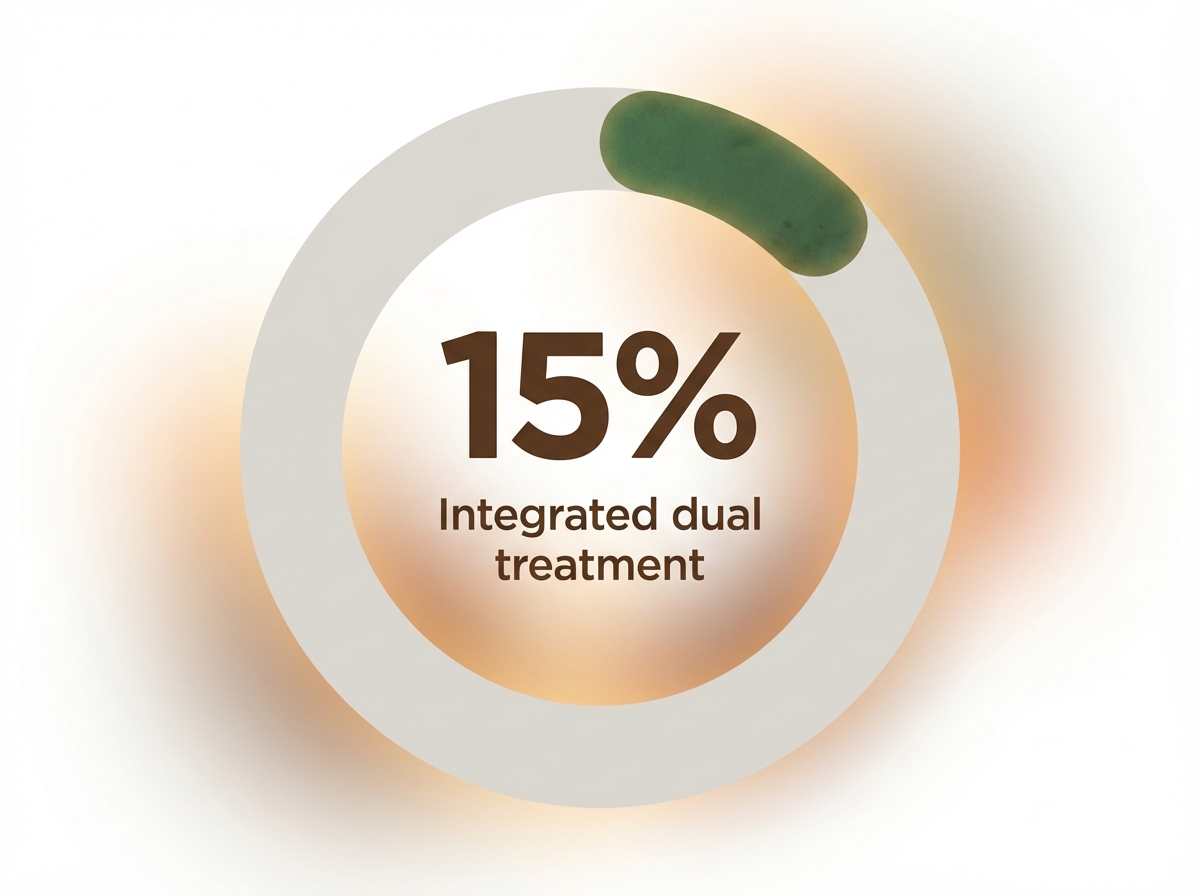
Sadly, less than 15% of people who have both a substance use disorder and a mental health condition actually get treatment for both at the same time10.
At Rocky Mountain Treatment Center, we make sure to ask about your mood, stress, and any mental health symptoms when you come in. This helps us—and you—find a Great Falls rehab that offers care for both addiction and mental health together, giving you a better shot at long-term recovery. Paying attention to your mental health now means your treatment plan can truly support your whole self.
Determine Your Care Level Requirements
After you’ve looked at your substance use and any mental health needs, it’s time to figure out what kind of care will help you most. Not everyone needs the same level of support. Some people do best with medical detox, where doctors help manage withdrawal safely, while others may be ready for residential treatment that offers 24/7 care and therapy.
Experts use tools like the ASAM Criteria to match you with the right setting based on your health, substance use, and living situation7. At Rocky Mountain Treatment Center, our team listens to your story and helps you decide if you need inpatient detox, residential care, or another path. This approach—also called personalized treatment—makes sure your recovery plan fits your real life, just like leading Montana addiction treatment centers recommend6.
Medical Detox vs. Residential Treatment
Understanding the difference between medical detox and residential treatment can help you choose the right Great Falls rehab for your needs. Use the table below to compare these two critical phases of recovery:
| Feature | Medical Detox | Residential Treatment |
|---|---|---|
| Primary Goal | Safe withdrawal management and physical stabilization. | Therapy, skill-building, and behavioral change. |
| Medical Care | 24/7 medical monitoring by doctors and nurses. | Ongoing medical support, but focus shifts to counseling. |
| Best For | Substances with dangerous withdrawal (Alcohol, Benzos). | Building long-term habits after detox is complete. |
Once your body is clear of substances, residential treatment steps in. Residential treatment at Rocky Mountain Treatment Center means living at the facility with a supportive team, getting therapy, and learning new coping skills. This level of care gives you more time to focus on recovery, with structure and peer support to help you build healthy habits.
Why 30-Day Programs Show Better Results
Choosing a 30-day program at a Great Falls rehab can give you a real advantage in recovery. Research shows that people who stay in treatment longer—like those who complete 30 days or more—are more likely to stay sober, learn important coping skills, and avoid homelessness compared to those in shorter programs8.
At Rocky Mountain Treatment Center, the 30-day structure means you get enough time to form healthy routines, understand your triggers, and build a strong support network with your peers and therapists. Montana addiction treatment centers have found that this longer stay gives you a solid foundation to practice new habits before returning home.
Step 2: Verify Credentials & Quality
Now that you’ve identified your treatment needs, it’s time to evaluate whether potential centers have the right expertise to address addiction specifically. This step helps ensure you’re placing your trust in professionals who can deliver safe, effective care for substance use disorders.
Start by examining the credentials of the treatment team who will guide your recovery. Look for licensed addiction counselors holding certifications like CADC (Certified Alcohol and Drug Counselor), LCSW (Licensed Clinical Social Worker), or similar state-recognized credentials. Medical staff should include physicians with specialized training in addiction medicine or board certification in addiction psychiatry.
Therapists should hold licenses in mental health counseling or behavioral therapy with specific experience treating substance use disorders. Check if staff members participate in ongoing education to stay current with evidence-based addiction treatment practices.
Beyond individual credentials, verify that the center itself holds proper accreditation from recognized organizations like The Joint Commission or CARF International. These accreditations indicate that the facility meets rigorous standards for patient care, safety protocols, and ethical practices specific to addiction treatment. Feel free to ask about their accreditation status directly—reputable centers will gladly share this information.
Quality indicators extend beyond credentials and accreditation. Examine the center’s success rates and patient outcomes, though keep in mind that these statistics can vary based on how they’re measured. Read reviews from former patients and their families to get authentic perspectives on the treatment experience. Pay attention to patterns in feedback rather than isolated comments.
Tour the facility if possible, either in person or virtually. Observe the cleanliness, safety measures, and overall environment. A quality treatment center should feel welcoming and well-maintained, with appropriate medical equipment and comfortable living spaces for residential programs.
Ask about staff-to-patient ratios, as this directly impacts how much individualized attention you’ll receive. Smaller ratios typically mean more personalized care and better support throughout the recovery journey. Finally, verify that the center maintains proper licensing through your state’s health department. This ensures they comply with local regulations and undergo regular inspections.
Check Accreditation Standards
Checking accreditation is a key step when choosing a Great Falls rehab. Accreditation means a treatment center has met high standards for safety, care, and results, set by trusted outside groups. For example, at Rocky Mountain Treatment Center, we proudly meet the strict standards of organizations like the Joint Commission and CARF.
Accreditation shows that a Montana addiction treatment center uses proven methods and puts your health first. According to experts, these quality checks help you avoid places that cut corners or use outdated treatments2. This focus on safety and evidence-based care is what you want from any recovery program.
What Joint Commission Approval Means
When a Great Falls rehab has Joint Commission approval, it means the center has passed some of the toughest checks for safety and quality in healthcare. The Joint Commission is a respected group that reviews addiction treatment centers all across the country. They only give their gold seal to places that meet strict rules about patient care, staff training, and keeping you safe.
At Rocky Mountain Treatment Center, we are proud to meet these standards, which are built on proven methods and up-to-date research. According to the Joint Commission, new standards are added only if they truly help protect patients and improve results, so you know a rehab with this approval takes your recovery seriously4. For anyone looking into Montana addiction treatment centers, this kind of accreditation is a strong sign that the program has been closely checked and is committed to quality.
State Licensing and Safety Protocols
State licensing is another must-check when picking a Great Falls rehab. Licensing means the facility meets strict rules set by the state to protect your health and safety. Montana addiction treatment centers must follow these rules for building codes, staff training, emergency planning, and patient privacy.
At Rocky Mountain Treatment Center, we keep our license current and follow all the latest safety protocols, so you can feel secure during your stay. Experts say that looking for both accreditation and state licensing gives you a double layer of protection against risky or unproven care2. This is especially important for substance use recovery programs, where safe environments and trained teams truly matter.
Evaluate Staff Qualifications
When you’re looking at Great Falls rehab options, make sure to check the qualifications of the staff who will be guiding your recovery. Skilled and experienced staff help create a safe, supportive environment that makes lasting change possible. At Rocky Mountain Treatment Center, our team includes licensed counselors, medical professionals, and peer support workers who understand what you’re facing.
Research shows that quality addiction treatment depends on having staff who use evidence-based therapies and continually update your care based on your progress2. Montana addiction treatment centers with well-trained teams are better equipped to personalize care for different needs, whether you’re dealing with alcohol, opioids, or both mental health and addiction.
The Value of Recovery-Experienced Staff
Staff members who have walked through addiction and recovery themselves add a special layer of understanding at a Great Falls rehab. When you’re working with people who have lived experience, it feels different—they truly get the ups and downs, the setbacks, and the victories.
At Rocky Mountain Treatment Center, many of our team members are in recovery. They know first-hand what it’s like to face cravings, shame, and doubt, so their support feels genuine and relatable. This kind of empathy can make it easier to open up during therapy or group sessions. According to quality studies, staff who combine personal experience with professional training are better able to adapt evidence-based care to each person’s journey2.
Client-to-Staff Ratios That Matter
The number of clients each staff member cares for at a Great Falls rehab can really shape your recovery experience. When staff have fewer people to support, they can give you more attention, listen to your concerns, and adjust your care as you go. At Rocky Mountain Treatment Center, we keep our client-to-staff ratio low so you get personal, timely support from counselors, nurses, and peer mentors.
Research highlights that high-quality addiction treatment relies on regular check-ins and updates to your care plan, which is easier to do when staff aren’t stretched too thin2. Montana addiction treatment centers with lower ratios provide a safer, more responsive setting—especially when you’re facing tough moments in early recovery.
| Client-to-Staff Ratio | What It Means for You |
|---|---|
| Low (6:1 or better) | More one-on-one time and personalized attention. |
| High (10:1 or more) | Less individual support and longer wait for help. |
Step 3: Compare Great Falls Rehab Treatment Approaches
Different rehab centers take different approaches to addiction treatment, and finding a suitable match for what you need can significantly impact recovery success. As you evaluate options, look beyond basic program descriptions to understand how each facility actually delivers care.
Start by examining the core treatment philosophy. Some programs follow a traditional 12-step model, which typically includes daily group meetings, working through the twelve steps with a sponsor, and peer support sessions. Others incorporate holistic therapies with activities like yoga, meditation, and nutritional counseling integrated throughout the day.
Faith-based approaches center spiritual guidance and prayer alongside clinical treatment, while evidence-based clinical methods like Cognitive Behavioral Therapy (CBT)—which emphasizes skill-building exercises and identifying thought patterns—and Dialectical Behavior Therapy (DBT)—which focuses on emotional regulation and distress tolerance techniques—take a more structured psychological approach. Neither philosophy is inherently better—what matters is finding one that resonates with personal beliefs and recovery goals.
Pay attention to how centers address co-occurring mental health conditions. Quality programs recognize that addiction rarely exists in isolation. If you’re dealing with depression, anxiety, trauma, or other mental health challenges alongside substance use, you’ll want a facility that offers integrated dual diagnosis treatment rather than addressing addiction alone.
Consider the therapy mix each program offers. Individual counseling provides personalized attention for specific challenges, while group therapy builds community and shared accountability. Family therapy can help repair relationships and create a supportive home environment upon return. Highly effective programs typically combine all three elements rather than relying heavily on just one.
When comparing programs, ask specific questions: How many therapy hours per week does the program provide? What’s the ratio of group to individual sessions? What does a typical daily schedule look like from morning to evening? These details reveal how intensively each program approaches treatment.
Ask about specialized tracks or programming. If you’re a veteran, healthcare professional, or member within the LGBTQ+ community, you might benefit from programs designed around unique experiences and needs. Similarly, gender-specific treatment can provide a more comfortable environment for addressing sensitive topics.
Feel free to ask facilities to explain their treatment approach in detail during initial consultations. Request information about daily schedules, therapy frequency, and how they measure progress. A well-suited program will be transparent about their methods and happy to discuss how their approach aligns with each person’s recovery journey.
Review Evidence-Based Therapies Offered
When looking for a Great Falls rehab, it’s important to check which evidence-based therapies are available. Evidence-based therapies are methods that have been proven by research to help people recover from addiction and build a healthy life. At Rocky Mountain Treatment Center, we focus on treatments like individual counseling, group therapy, and trauma-informed care—these are all backed by science and matched to your unique situation.
Experts agree that using therapies supported by research leads to better results and fewer relapses for people in Montana addiction recovery programs2. Some centers may also provide newer options such as medication-assisted treatment and experiential therapies, which help you learn skills in real-life settings. It’s a good idea to ask about these choices, as having more options lets you find what works best for you.
Individual & Group Counseling Models
Individual and group counseling are the heart of most Great Falls rehab programs, and for good reason. In individual counseling, you’ll meet one-on-one with a licensed therapist who helps you dig into your personal struggles, set recovery goals, and learn coping tools that match your needs. This type of therapy gives you privacy and a safe space to talk honestly about family, trauma, or the ups and downs of addiction.
On the other hand, group counseling brings you together with others working on recovery. Group sessions offer support, new perspectives, and a sense of belonging, which can be especially powerful when you feel alone. At Rocky Mountain Treatment Center, both of these Montana addiction treatment approaches are used to help you develop skills and build confidence for life after rehab. Experts say that using both individual and group therapy, matched to each person, leads to better recovery outcomes and fewer relapses compared to programs that skip these evidence-based models2.
Benefits of Experiential Therapies
Experiential therapies at a Great Falls rehab go beyond talking and listening—they get you moving, creating, and connecting in new ways. These therapies might include art, music, outdoor activities, or even working with animals, all designed to help you build trust, express feelings, and practice real-life coping skills.
At Rocky Mountain Treatment Center, we use experiential approaches alongside proven counseling methods to give you a more rounded recovery experience. Research shows that hands-on activities can strengthen the bond between you and your treatment team, making it easier to stick with your recovery plan and avoid dropping out early2. Montana addiction treatment centers that offer experiential options help you discover fresh ways to handle stress, boost your confidence, and find joy in sober living.
Assess Family Involvement Programs
When you’re checking out Great Falls rehab options, it’s helpful to see how much they include your family or close friends in the process. Family involvement can make a big difference in your recovery journey.
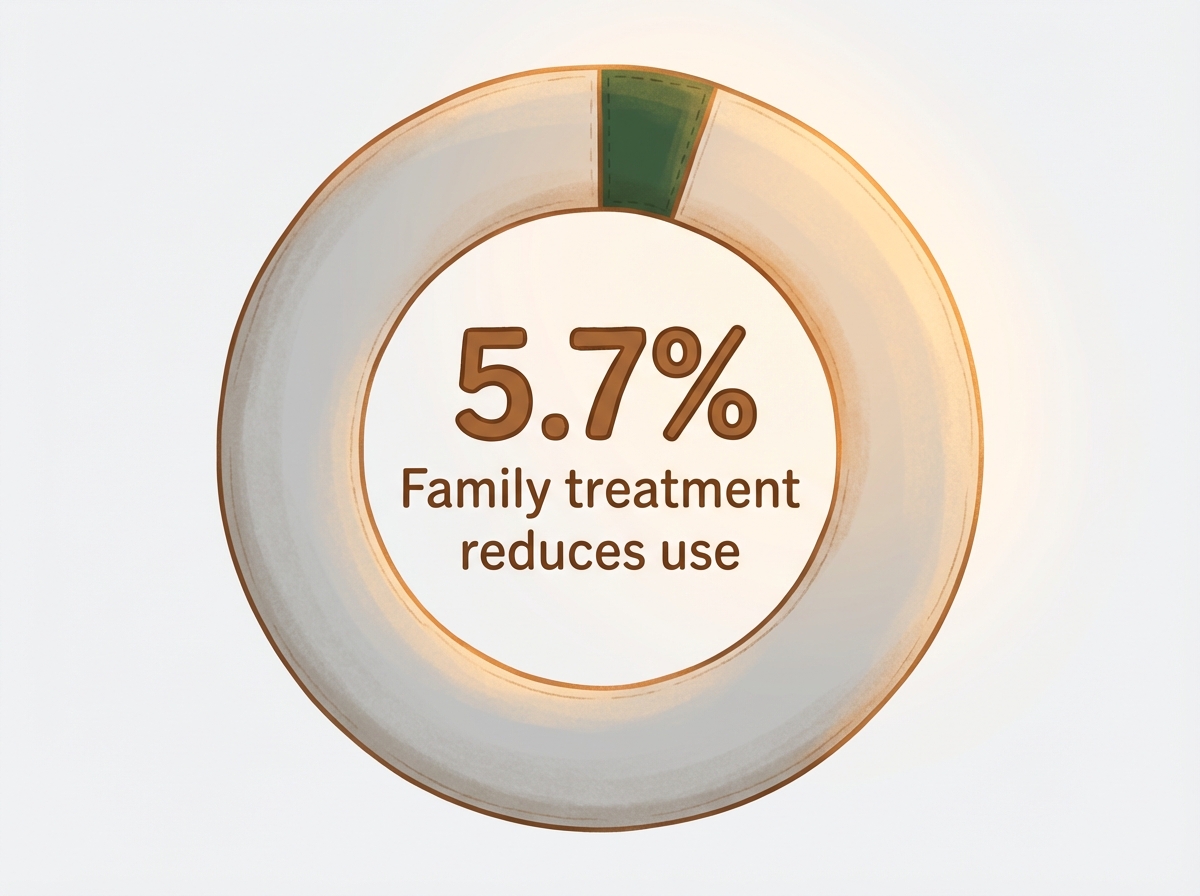
Research shows that when families are included in addiction treatment, people use substances less often—one study even found a 5.7% drop in substance use frequency for those in family-involved programs3.
At Rocky Mountain Treatment Center, we offer dedicated family weeks and ongoing support groups, making sure your loved ones learn how to communicate better, set healthy boundaries, and support your goals. Montana addiction recovery programs that invite families into the process help everyone heal together, not just the person in treatment. These programs can also teach your family what addiction really is, which can take a lot of the stress and mystery out of the process.
Why Family Week Improves Outcomes
Family Week at a Great Falls rehab, like the one offered by Rocky Mountain Treatment Center, is a special program designed to bring loved ones into your recovery journey. During Family Week, your family learns about addiction, practices better communication, and works through tough emotions together with you. This shared experience helps everyone understand how to set healthy boundaries and support each other.
By including your family, Montana addiction recovery centers help create a stronger support network that can last long after you leave treatment. These programs also teach your loved ones how to best help you, making it less likely that you’ll feel alone or misunderstood during tough times.
Ongoing Support for Loved Ones
Ongoing support for your loved ones is a big part of what sets a good Great Falls rehab apart. At Rocky Mountain Treatment Center, we know that your family’s healing doesn’t end after Family Week. That’s why we offer regular support groups, educational workshops, and resources to help your family continue learning and connecting, even after you leave our Montana addiction recovery program.
Research highlights that continuous family involvement leads to better communication and a stronger support network, which can help keep everyone motivated and reduce the risk of returning to substance use3. These ongoing programs give your family tools to handle challenges, understand the recovery process, and celebrate your progress together.
Step 4: Evaluate Aftercare Planning
Recovery doesn’t end when treatment does. The transition from a structured rehab environment back to daily life represents one of the more vulnerable periods in the recovery journey. That’s why comprehensive aftercare planning should be a cornerstone of any quality treatment program you’re considering.
Start by asking each facility how they support clients after completing their primary treatment program. Strong aftercare plans typically include ongoing therapy sessions, alumni support groups, sober living arrangements, and connections to community resources. Programs that offer multiple care levels—from residential treatment down to outpatient services—can provide continuity as you step down through different recovery phases.
Look for facilities that begin discharge planning on day one, not during the final week. This proactive approach ensures you’ll have employment support, housing options, family counseling resources, and relapse prevention strategies firmly in place before you leave. Some programs assign dedicated aftercare coordinators who check in with alumni regularly, while others offer lifetime alumni programs with ongoing events and support networks.
Ask about the specific aftercare services included in the program. Will you have access to continued individual therapy? Are there regular alumni meetings or support groups? Does the facility help coordinate care with local therapists and support groups in your home area? Understanding these details helps you gauge whether the program will support your long-term success or leave you on your own after discharge.
Consider speaking with program alumni if possible. Their firsthand experiences can reveal how well the aftercare planning actually works in practice. Recovery is a lifelong journey, and choosing a treatment center that recognizes this reality—with concrete support systems to match—significantly increases your chances for maintaining sobriety long after treatment ends.
Understand Relapse Prevention Support
Relapse prevention support is a crucial piece of any aftercare plan from a trusted Great Falls rehab. Even after finishing a structured program, staying sober can be tough—about 40-60% of people in addiction recovery experience relapse, which is similar to other chronic illnesses like diabetes or high blood pressure2.
That’s why Rocky Mountain Treatment Center doesn’t just say goodbye at discharge. We help you build a toolkit of skills and connect you with Montana addiction recovery options like regular therapy, alumni check-ins, and peer support groups. These ongoing supports give you a safety net for tough days and help you celebrate progress. By choosing a center that truly prioritizes relapse prevention, you’re giving yourself the best shot at lasting change.
The 40-60% Relapse Reality
It’s normal to wonder why relapse happens, even after leaving a Great Falls rehab. Studies show that 40-60% of people in addiction recovery will experience a relapse at some point, which is similar to the rates for other long-term illnesses like diabetes or high blood pressure2. This doesn’t mean that treatment failed or that you can’t recover—it just shows that addiction is a chronic condition that needs consistent care and support.
At Rocky Mountain Treatment Center, we help you understand that setbacks are part of many recovery journeys. Montana addiction recovery programs like ours teach you that learning from relapse and sticking with your aftercare plan gives you the best chance to get back on track. Relapse is a challenge, but with the right support, you can keep moving forward.
Ongoing Therapy and Alumni Programs
Ongoing therapy and alumni programs are key parts of staying connected after you leave a Great Falls rehab. Even after your main program ends, regular counseling sessions and group check-ins help you manage new challenges and keep building on your progress. At Rocky Mountain Treatment Center, you’re invited to join alumni groups, which give you a place to share victories, ask for advice, and stay in touch with people who understand your journey.
Research shows that regular follow-up care and strong social support can help lower the risk of relapse and support long-term recovery2. Many Montana addiction recovery programs offer these options because they know that recovery is a lifelong process. With ongoing therapy and alumni support, you’re never alone—you have a community cheering you on every step of the way.
Navigate Insurance and Admissions
Navigating insurance and admissions is a practical step that can help you get started at a Great Falls rehab with less stress. Rocky Mountain Treatment Center makes this process as smooth as possible, walking you through your insurance options and helping you understand what’s covered. Many Montana addiction treatment centers accept a range of insurance plans, so checking if your provider is in-network is a smart move—it could mean lower out-of-pocket costs for you.
Studies show that over 95% of people who needed drug rehab in 2023 didn’t receive it, often because they thought they couldn’t afford it or didn’t know where to begin1. Our admissions team is ready to answer your questions, confirm your benefits, and explain what paperwork you’ll need. By reaching out for help, you open the door to real recovery support, whether you’re seeking drug and alcohol treatment, detox, or a full residential program.
Verify In-Network Coverage Options
Verifying your in-network coverage is a smart first step before committing to a Great Falls rehab. At Rocky Mountain Treatment Center, our admissions team helps you check if your insurance is accepted and what services are covered, making the process less overwhelming. Many Montana addiction treatment centers work with a variety of insurance plans, but the details can be confusing—each plan may cover different types of care, like detox, residential treatment, or aftercare.
When you reach out, bring your insurance card and any questions you have; we’ll walk you through what’s included and help you understand any out-of-pocket costs. By confirming your coverage early, you can focus on your recovery with peace of mind.
Same-Day Admission and Transportation
Getting help at a Great Falls rehab shouldn’t mean waiting days or figuring out how to get there on your own. At Rocky Mountain Treatment Center, we know that when you’re ready for addiction treatment, quick action can matter. That’s why we offer same-day admission when possible, so you can start your recovery journey right away.
Our admissions team works closely with you to gather the information needed and walks you through each step, making the process feel manageable. If transportation is a concern, many Montana addiction recovery programs—including ours—can help arrange rides or connect you with local options, so distance doesn’t become a barrier. By reaching out to Rocky Mountain Treatment Center, you’ll find a welcoming team ready to help you get settled into treatment quickly and safely.
Common Mistakes When Choosing Rehab
Now that you’ve worked through the essential steps for selecting a rehab facility, let’s address some common pitfalls that can derail your decision-making process—mistakes that even well-informed individuals make when they’re under pressure to find treatment quickly.
| The Mistake | The Better Approach |
|---|---|
| Focusing on Luxury Choosing based on ocean views or gourmet meals rather than clinical care. | Prioritize Evidence Look for evidence-based treatment modalities and qualified staff first. Amenities are secondary. |
| Ignoring Success Rates Accepting marketing claims without asking for concrete data. | Ask for Data Request completion rates and alumni sobriety statistics. Reputable programs share this transparently. |
| Overlooking Family Selecting programs based solely on individual treatment features. | Inquire About Support Ask specifically about family therapy sessions and educational programs for loved ones. |
| Rushing the Decision Succumbing to pressure to “just get in” anywhere. | Research Thoroughly Tour multiple facilities and ask detailed questions about daily schedules and staff ratios. |
| Following Celebrities Choosing a facility because a public figure went there. | Seek Personal Fit Focus on whether the program offers treatments suited to your specific needs, like dual diagnosis care. |
Overlooking Specialized Care Needs
One mistake many people make when picking a Great Falls rehab is overlooking the need for specialized care. If you’re facing both addiction and another mental health concern—like anxiety or depression—it’s important to find a treatment center that can help with both at the same time.
Less than 15% of people with co-occurring disorders actually get this kind of integrated support, which often leads to poorer recovery outcomes10. At Rocky Mountain Treatment Center, we know that addiction rarely stands alone, so we offer programs designed for complex needs, including dual diagnosis treatment and trauma-informed care. Montana addiction treatment centers that provide specialized options—such as medication-assisted treatment or therapies for specific substances—help ensure your care fits your full story, not just your symptoms.
Choosing Based on Cost Alone
Choosing a Great Falls rehab based on cost alone can actually make the recovery process harder in the long run. While it’s normal to worry about expenses, programs with the lowest price may not include the therapies, staff expertise, or aftercare support you really need for lasting change.
Research shows that quality addiction treatment depends on having evidence-based care, personalized planning, and follow-up—not just a low sticker price2. At Rocky Mountain Treatment Center, we help you look past surface costs and focus on what truly matters: your health and long-term recovery. Many Montana addiction treatment centers will help you understand your insurance options, and some can even set up payment plans, so you don’t have to sacrifice quality for affordability.
Frequently Asked Questions
You likely have questions about starting treatment, and getting clear answers is an important part in making an informed decision. Here are some questions people most frequently ask when exploring their options for recovery.
What if I’ve tried treatment before and relapsed—will it work this time?
If you’ve gone to a Great Falls rehab before and relapsed, you’re not alone. Relapse is actually common—about 40-60% of people in addiction recovery experience it at some point, which is similar to what happens with other chronic illnesses like diabetes or high blood pressure2. This doesn’t mean that treatment failed or that you can’t recover. Recovery is a process, and each attempt teaches you more about what works for you. At Rocky Mountain Treatment Center, we believe every return to treatment is a sign of hope, not defeat.
How do I know if I need medical detox or can go straight to residential treatment?
Deciding if you need medical detox or can move straight to residential treatment depends on the substances you’ve used and your health history. Medical detox is important if you’ve used alcohol, benzodiazepines, or other drugs that can cause serious or even life-threatening withdrawal symptoms. For example, alcohol withdrawal can sometimes lead to seizures and needs medical care right away9. If your withdrawal risk is lower—like with some opioids—you might be able to start with residential treatment, where you get therapy and daily support.
Will my insurance cover the full cost of a 30-day program?
Insurance coverage for a 30-day program at a Great Falls rehab depends on your plan and provider, but most Montana addiction treatment centers—including Rocky Mountain Treatment Center—accept a variety of insurance types. Some plans cover the full cost, while others may pay a portion, leaving you with co-pays or deductibles. Our admissions team will review your coverage, explain what’s included, and help you understand any out-of-pocket expenses before you commit.
Can my family be involved even if they live far away from Great Falls?
Absolutely—your family can be part of your recovery, even if they live far away from Great Falls. At Rocky Mountain Treatment Center, we know how important it is to have loved ones involved, so we offer virtual family sessions, phone check-ins, and online educational workshops. These tools help your family stay connected, learn about addiction, and support you from wherever they are.
What happens if I have both addiction and depression or anxiety?
If you have both addiction and depression or anxiety, you’re dealing with what’s called a co-occurring or dual diagnosis—which means both challenges are happening at the same time. At Rocky Mountain Treatment Center, we offer integrated treatment, combining addiction recovery with mental health support in one program. Our team includes therapists and counselors trained to help you manage both your substance use and your mental health, so you don’t have to choose between the two.
How quickly can I start treatment if I’m ready right now?
If you’re ready to start treatment at a Great Falls rehab right now, you don’t have to wait long. At Rocky Mountain Treatment Center, we understand that when you make the decision to seek help, timing matters—so we offer same-day admission when space is available. Our admissions team works quickly to guide you through the process, help you verify your insurance, and answer any questions.
What if I’m worried about painful withdrawal symptoms?
Feeling anxious about painful withdrawal symptoms is very common. The good news is you don’t have to face withdrawal alone. At Rocky Mountain Treatment Center, our medical team is trained to manage withdrawal safely and as comfortably as possible. We offer medical detox, where you get 24/7 care, monitoring, and medication to ease discomfort.
Do I have to believe in a specific faith or religion to attend?
You do not have to follow any specific faith or religion to attend a Great Falls rehab. At Rocky Mountain Treatment Center, we welcome people from all backgrounds—whether you identify with a religion, are spiritual, or do not hold any religious beliefs at all. Our Montana addiction treatment programs are designed to support your recovery in a way that respects your values and comfort level.
How do I get to the facility if I don’t have reliable transportation?
If you don’t have reliable transportation, getting to a Great Falls rehab like Rocky Mountain Treatment Center is still possible. Many Montana addiction recovery programs, including ours, can help arrange a ride or connect you with local options, so distance doesn’t become a barrier. Our admissions team will talk with you about your needs and work with local resources.
What kind of support will I have after I complete the program?
After you finish your program at a Great Falls rehab, the support doesn’t stop—actually, it’s just the beginning of a new chapter. At Rocky Mountain Treatment Center, you’ll have access to aftercare resources like regular therapy sessions, alumni groups, and ongoing check-ins. These tools are designed to help you handle daily challenges, connect with others who understand your journey, and keep building healthy habits.
Is treatment different for alcohol addiction versus opioid or meth addiction?
Yes, treatment is different for alcohol addiction compared to opioid or meth addiction. Each substance affects your body, mind, and withdrawal process in its own way. For example, alcohol withdrawal can sometimes be dangerous and may require medical detox, while opioid addiction often responds well to medication-assisted treatment (MAT) using medicines like buprenorphine to ease cravings and withdrawal9.
Will anyone find out I’m in treatment—how private is it?
Your privacy matters deeply. By law, addiction treatment centers must keep your information private under strict rules like HIPAA and 42 CFR Part 2, which protect your records even more than standard medical privacy rules. This means your attendance, health details, and progress are never shared with employers, friends, or anyone else without your written permission.
What if I’m not sure I’m ready to commit to 30 days away from home?
It’s normal to feel unsure about committing to 30 days away from home. Many people worry about leaving family, work, or just stepping out of their daily routines. But research shows that longer stays—like a full 30-day program—give you more time to build healthy habits, learn coping skills, and connect with a support network, which can lead to better recovery outcomes compared to shorter stays8.
How do I know if the staff really understands what I’m going through?
It’s natural to wonder if the staff at a Great Falls rehab truly “gets” what you’re experiencing. At Rocky Mountain Treatment Center, our team includes professionals who not only have specialized training in addiction and mental health but, in many cases, have walked their own recovery path. This combination of lived experience and professional expertise means you’re supported by people who understand the challenges and emotions that come with addiction.
Your Path to Recovery Starts Here
You’ve just worked through an important decision-making process—assessing your specific needs, understanding what credentials and qualifications matter, comparing different treatment approaches, and evaluating aftercare support. Taking time to research these factors shows real commitment to finding care that will truly work for you.
The path forward becomes clearer when you understand what to look for in a treatment program. Effective programs address co-occurring conditions simultaneously, use evidence-based therapies tailored to individual needs, and provide the ongoing support structure that makes lasting change possible. Whether you’re considering residential treatment, outpatient therapy, or specialized approaches like trauma-informed care, the key is matching the program’s strengths to your specific situation.
Recovery looks different for everyone, and finding an appropriate treatment environment matters. Some people benefit from intensive residential care, while others need outpatient therapy that fits around existing responsibilities. Some require specialized programs designed for specific experiences or co-occurring conditions. The research you’ve done helps you identify which approach aligns with your unique needs and circumstances.
If you’d like help applying these four steps to your specific situation, Cornerstone of Recovery offers experienced professionals who can guide you through this process. Our team creates a safe, supportive environment where you can explore your options, ask questions, and determine the right level of care for your journey. We offer various treatment approaches, including trauma-informed care for those dealing with past experiences alongside addiction.
You deserve treatment that addresses your whole situation—not just surface symptoms. Recovery is possible, and it starts with the informed decisions you’re already making. Whether you’re ready to begin treatment today or simply want to discuss your options with someone who understands, we’re here to answer your questions and help you take that crucial next step. Your story doesn’t end here—it transforms into one of resilience, growth, and renewed possibility.
References
- SAMHSA’s National Helpline for Mental Health, Drug, Alcohol Issues. https://www.samhsa.gov/find-help/helplines/national-helpline
- Quality indicators for substance use disorder care: a scoping review. https://pmc.ncbi.nlm.nih.gov/articles/PMC11962784/
- Family Involvement in Treatment and Recovery for Substance Use Disorders. https://pmc.ncbi.nlm.nih.gov/articles/PMC8380649/
- Standards – Joint Commission. https://www.jointcommission.org/en-us/standards
- Our Standards – CARF International. https://carf.org/accreditation/our-standards/
- Treatment Personalization and Precision Mental Health Care – NIH. https://pmc.ncbi.nlm.nih.gov/articles/PMC11379769/
- The ASAM Criteria, Fourth Edition. https://www.asam.org/asam-criteria
- A comparison of long-term and short-term residential treatment programs for dual diagnosis patients. https://pubmed.ncbi.nlm.nih.gov/11274501/
- Alcohol Withdrawal Syndrome – StatPearls – NIH. https://www.ncbi.nlm.nih.gov/books/NBK441882/
- Integrating Treatment for Co-Occurring Mental Health Conditions. https://pmc.ncbi.nlm.nih.gov/articles/PMC6799972/