Key Takeaways
- Tools Needed: Insurance card, list of questions for admissions, and a notebook for recording facility details.
- Step 1: Assess your specific needs, including detox requirements and mental health conditions.
- Step 2: Verify quality by checking for accreditations like The Joint Commission or CARF.
- Step 3: Navigate insurance benefits and overcome location barriers with transport support.
- Step 4: Evaluate staff qualifications and specialized program offerings.
- Outcome: You will confidently select a safe, effective treatment center that supports your long-term recovery journey.
How to Find a Rehab Facility Near Me
Step 1: Assess Your Needs to Find a Rehab Facility Near Me
Before you start comparing treatment centers, take time to understand what type of support you actually need. Searching for a rehab facility near me can feel overwhelming, but addiction treatment isn’t one-size-fits-all. Choosing an appropriate level of intervention from the start can make a significant difference throughout your recovery.
Begin by honestly evaluating the severity of substance use. Ask yourself these critical questions:
- Are you experiencing physical withdrawal symptoms when you stop using?
- Do you have co-occurring mental health conditions like depression or anxiety?
- Have previous attempts at quitting on your own been unsuccessful?
These factors determine whether you need medical detox, inpatient residential treatment, or outpatient services. Consider daily responsibilities and available support systems as well. If you have work commitments, family obligations, or a stable home environment, intensive outpatient programs might provide necessary structure while allowing you to maintain routines.
On the other hand, if a living situation enables substance use or you lack a strong support network, residential treatment offers a safe, structured environment away from triggers. Think about any specific needs that might affect treatment experiences. Do you prefer gender-specific programming? Would you benefit from trauma-informed approaches?
Identify Your Substance and Severity
Start by naming the main substance you’re concerned about—whether it’s alcohol, prescription medications, or something else. Being honest about what you use, and how much, helps guide you to the right rehab facility near me. Some people might only use on weekends, while others struggle daily.
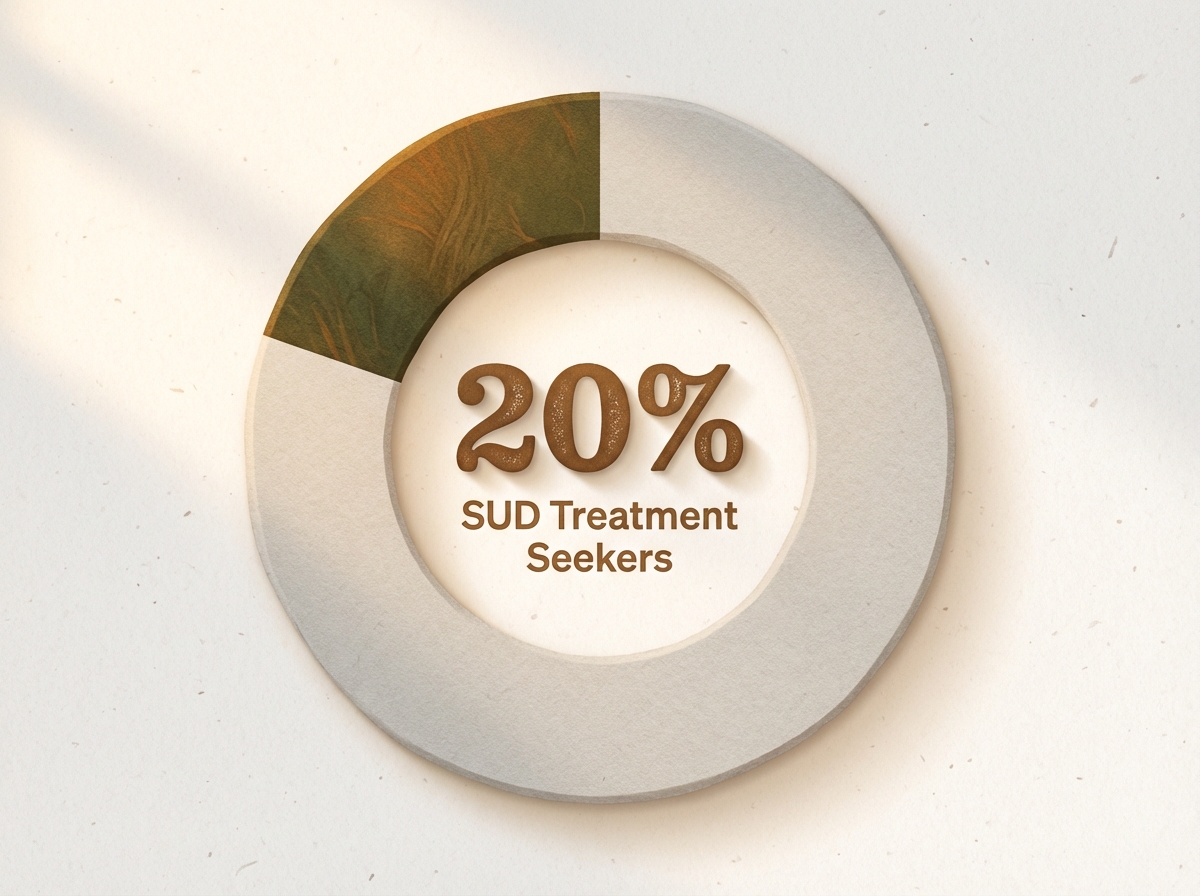
Knowing your pattern matters because a person with heavy, long-term use could need more medical support than someone who just started. At Rocky Mountain Treatment Center, we walk you through these details so your care plan fits you, not just a checklist. National research shows only 20% of people with substance use disorders actually seek help, and half of those drop out early, often because their chosen addiction center doesn’t meet their real needs9.
Understanding Detox Requirements
Understanding if you need detox is a crucial early step when searching for the right rehab facility near me. Detoxification means safely removing substances like alcohol or drugs from your body, and some types—like alcohol or opioids—can be dangerous to quit alone.
At Rocky Mountain Treatment Center, we help you figure out if medical detox is needed based on what you’ve used and how long you’ve used it. Many people don’t realize that about 82% of rural residents live in places without local detox services, so choosing a treatment center that offers on-site or supervised detox makes a big difference for your safety7.
Recognizing Co-Occurring Disorders
Co-occurring disorders mean having both a substance use problem and another mental health condition, like depression or anxiety, at the same time. This is more common than you might think, and it can make recovery a bit more challenging if not recognized early.
When you search for a rehab facility near me, it’s important to look for places—like Rocky Mountain Treatment Center—that understand and treat both issues together, not just one or the other. Studies show that people with co-occurring disorders often face extra barriers to getting help, such as stigma and fewer programs that offer integrated care, especially in rural areas9.
Determine Your Treatment Setting Preference
Choosing the right treatment setting is a big step when looking for a rehab facility near me. Some people feel most comfortable with a live-in program, while others need to stay at home and visit the center for care. At Rocky Mountain Treatment Center, we help you sort through these options so your path fits your daily life and recovery goals.
National research shows that the length and type of treatment setting can make a real difference in your success—longer stays are often linked to better results for many people6. Whether you prefer a supportive residential program or need the flexibility of outpatient care, thinking about your setting needs now helps you find addiction recovery services or detox clinics nearby that truly match your lifestyle and challenges.
Inpatient vs. Outpatient Options
When you’re deciding between inpatient and outpatient care at a rehab facility near me, it helps to picture what fits your life and recovery goals best. Inpatient treatment means you stay at the center full-time, which can be comforting if you want 24/7 support and a break from daily stress.
Outpatient care, on the other hand, lets you live at home and come in for regular therapy or group sessions, which works well for people with jobs, family, or school commitments. At Rocky Mountain Treatment Center, we guide you through these choices so you feel confident in your plan. Studies show that both options are effective, but the best choice depends on your needs, the level of support you have at home, and how severe your substance use is6.
Length of Stay Considerations
When you’re searching for a rehab facility near me, it’s helpful to know that the length of your stay can make a real difference in how well treatment works. Studies show that people who spend more time in a structured program—like those at Rocky Mountain Treatment Center—often have better recovery outcomes and are less likely to return to substance use6.
Your needs, life responsibilities, and how severe your addiction is all play a part in deciding if a 30-day, 60-day, or even longer stay is best. Some people do well with a shorter program and strong aftercare, while others benefit from extended support. At Rocky Mountain Treatment Center, we’ll talk with you about how much time you might need, so your recovery fits your goals and lifestyle.
Step 2: Verify Quality at a Rehab Facility Near Me
Once you’ve identified the type of treatment you need, it’s time to ensure the facility under consideration meets rigorous quality standards. Accreditation and clinical excellence aren’t just checkboxes—they’re fundamental indicators that a treatment center follows evidence-based practices and maintains safe, effective protocols.
Start by looking for accreditation from recognized organizations like The Joint Commission (JCAHO) or the Commission on Accreditation of Rehabilitation Facilities (CARF). These independent bodies conduct thorough evaluations of treatment centers, examining everything from clinical practices to staff qualifications. Accredited facilities undergo regular reviews to maintain their status, which means they’re committed to continuous improvement.
Beyond formal accreditation, investigate the credentials of the clinical team. Licensed therapists, certified addiction counselors, and medical professionals with specialized training in substance use disorders should be leading the treatment program. Don’t hesitate to ask about staff-to-patient ratios, either—smaller ratios typically mean more personalized attention and better outcomes.
Check Facility Accreditation Status
Checking if a rehab facility near me is properly accredited gives you peace of mind that you’ll get safe, quality care. Accreditation is like a gold star for addiction centers—it means the facility meets tough national standards for treatment, staff training, and safety. At Rocky Mountain Treatment Center, we maintain respected accreditations so you know you’re in good hands.
Only about half of U.S. addiction recovery centers meet most quality standards, so this step really matters4. Look for seals from groups like the Joint Commission or CARF, as these organizations review everything from emergency plans to telehealth policies. When you see these marks, you know the facility has been carefully checked and meets high expectations for substance use treatment and recovery support.
Using SAMHSA’s Treatment Locator
If you’re trying to find a rehab facility near me that’s truly accredited and safe, SAMHSA’s Treatment Locator is a helpful starting point. This free, confidential tool lets you search for addiction centers, detox clinics, or substance use treatment based on your zip code, type of care needed, and even insurance options.
You don’t have to share personal details—just enter your location to see a list of facilities, including Rocky Mountain Treatment Center, along with each center’s quality ratings and services. To use it effectively, type Your Zip Code into the search bar. The locator now also shows important quality markers, like which programs follow evidence-based practices or have top accreditations, so you can compare your choices with confidence1.
Joint Commission and CARF Standards
The Joint Commission and CARF are the gold standards for rehab facility accreditation. When you’re searching for a rehab facility near me, look for these seals—they mean the center has passed strict reviews of safety, treatment practices, staff credentials, and emergency planning.
The Joint Commission checks everything from medication safety to telehealth services, while CARF focuses on how well the center supports your whole recovery journey, including peer support and family involvement23. At Rocky Mountain Treatment Center, we proudly maintain both accreditations, so you know we meet these high benchmarks. Facilities that hold either of these marks have proven they can deliver safe, effective addiction recovery programs and substance use treatment.
Evaluate Evidence-Based Treatment Offerings
Evaluating the treatment methods used by a rehab facility near me is just as important as checking their credentials. Evidence-based care means the center uses treatments proven to help people recover—like cognitive-behavioral therapy, medications for opioid or alcohol use disorder, and family support services. At Rocky Mountain Treatment Center, every program is built around these scientifically supported methods, so you know you’re getting care that works.
In fact, national research shows fewer than half of addiction centers in the U.S. meet most quality criteria, especially when it comes to offering a full range of evidence-based therapies and recovery support4. As you compare local addiction recovery programs or detox facilities, look for services like individual counseling, group therapy, medication options, and support for your family.
Eight Signs of Quality Programs
When searching for a rehab facility near me, it helps to know the signs that show a program is truly high quality. Experts like the National Institute on Drug Abuse and Shatterproof have outlined eight key things to look for when you compare addiction recovery programs or detox centers56. At Rocky Mountain Treatment Center, we’re proud to offer each of these important features.
| Sign of Quality | How It Looks in a Good Program |
|---|---|
| Routine Screening | Regular checks for substance use |
| Individualized Care Plans | Custom plans, not one-size-fits-all |
| Fast Access to Treatment | Quick admissions, little waiting |
| Long-Term Management | Ongoing support after initial care |
| Integrated Mental Health Care | Help for depression, anxiety, etc. |
| Behavioral Therapies | Counseling like CBT or group sessions |
| Medication for Addiction Treatment | Medications offered when needed |
| Recovery Support Services | Family, peer, and community support |
Most quality addiction treatment centers, including Rocky Mountain Treatment Center, make these practices a core part of their approach. National research shows that fewer than half of U.S. rehab programs meet all these standards, which is why it’s important to ask about them when you’re choosing a facility4.
Medication-Assisted Treatment Availability
When you’re looking for a rehab facility near me, it’s important to check if they offer medication-assisted treatment (MAT), also known as medications for opioid use disorder. Evidence shows that using FDA-approved medicines—like methadone, buprenorphine, or naltrexone—can make recovery from opioid or alcohol addiction safer and more successful.
People who receive these medications are 50% less likely to die from overdose compared to those who don’t get them8. At Rocky Mountain Treatment Center, we make sure these proven treatments are available and managed by caring professionals who understand your unique needs. Not all local addiction recovery programs or treatment centers provide these medication options, so always ask if they are part of the support offered.
Step 3: Navigate Insurance and Location
Finding an appropriate treatment center means ensuring they accept your insurance and are located where you can access the care you need. These practical considerations can significantly impact your ability to start and complete treatment successfully. Start by contacting your insurance provider to understand your mental health and substance use benefits.
Ask specifically about coverage for residential treatment, outpatient programs, and the length of stay they’ll approve. Important questions to ask include: Do I need pre-authorization before admission? and What is my out-of-pocket maximum for behavioral health services this year? Understanding the difference between in-network and out-of-network costs is crucial—in-network facilities typically have negotiated lower rates and better coverage.
When you contact treatment centers directly, their admissions team can verify your benefits and explain what you’ll be responsible for paying. They’ll walk you through each step and clarify your available options. This conversation also gives you a chance to ask questions about their approach to care and whether their programs align with what you’re looking for.
Confirm Insurance Coverage and Costs
Before you commit to a rehab facility near me, take a moment to call your insurance provider or visit their website to see exactly what’s covered. Many people feel overwhelmed by the paperwork and fine print, but you don’t have to go it alone—Rocky Mountain Treatment Center’s admissions team can help you verify your benefits and explain what in-network and out-of-network coverage really means.
Remember, insurance plans can differ a lot when it comes to addiction recovery programs and detox services. Some plans might only cover certain types of substance use treatment or limit you to specific network providers. Research shows that lack of insurance or worries about high out-of-pocket costs often stop people from getting needed help, especially in rural areas9.
Verifying In-Network Providers
To make the most of your insurance when searching for a rehab facility near me, you’ll want to confirm if the treatment center is in-network with your plan. This means your insurance company has a contract with the facility, so you’ll usually pay less out of pocket for care. Start by calling the number on your insurance card or visiting your insurer’s website.
Ask for a list of in-network addiction recovery programs or detox centers in your area. Rocky Mountain Treatment Center can also help—our admissions team is happy to check your benefits and explain which services are covered. Research shows that worries about insurance and network status are a major reason people delay getting substance use treatment, especially in smaller communities9.
Understanding Out-of-Pocket Expenses
Understanding your out-of-pocket expenses is a key step when considering a rehab facility near me. Even with insurance, you might still have costs such as deductibles, copays, or coinsurance for addiction recovery programs. Some plans also have yearly limits or may not cover extras like family counseling or special therapies.
At Rocky Mountain Treatment Center, our admissions team explains these details in plain language, so you know exactly what to expect before you start treatment. Many people worry about surprise bills, and research shows that high out-of-pocket costs are a real barrier to getting substance use treatment, especially in rural areas9.
Solve Transportation and Distance Barriers
It’s common to feel stuck if the best rehab facility near me isn’t just down the street—especially in Montana, where long distances and limited public transportation can make access tough. In fact, research shows that 82% of rural residents live in counties without local detox services, meaning most people have to travel for substance use treatment7.
At Rocky Mountain Treatment Center, we understand how these distance barriers can make starting recovery feel impossible. That’s why we offer solutions like complimentary pickup and travel support, so you don’t have to worry about getting here safely. For those farther away, telehealth aftercare and flexible scheduling help keep you connected to addiction recovery programs even after you’ve left our center.
Rural Montana Treatment Access Challenges
Living in rural Montana comes with unique hurdles when searching for a rehab facility near me. Most small towns and remote counties don’t have local addiction centers or detox clinics, so people often need to travel hours just to start treatment. In fact, 82% of rural residents live in areas without detox services, which means finding help isn’t as easy as looking down the road7.
This distance can create real obstacles, like missing work, finding someone to drive you, or worrying about privacy in tight-knit communities. At Rocky Mountain Treatment Center, we see how these barriers keep many from getting the addiction recovery support they need. That’s why we’ve made it a priority to connect with people across Montana, offering travel support and telehealth aftercare for ongoing connection.
Complimentary Pickup and Same-Day Admission
Worried about how you’ll actually get to a rehab facility near me? Rocky Mountain Treatment Center takes the stress out of transportation by offering complimentary pickup for new admissions. This means that if travel is a barrier—especially in rural areas—you don’t have to find a ride or worry about the long drive.
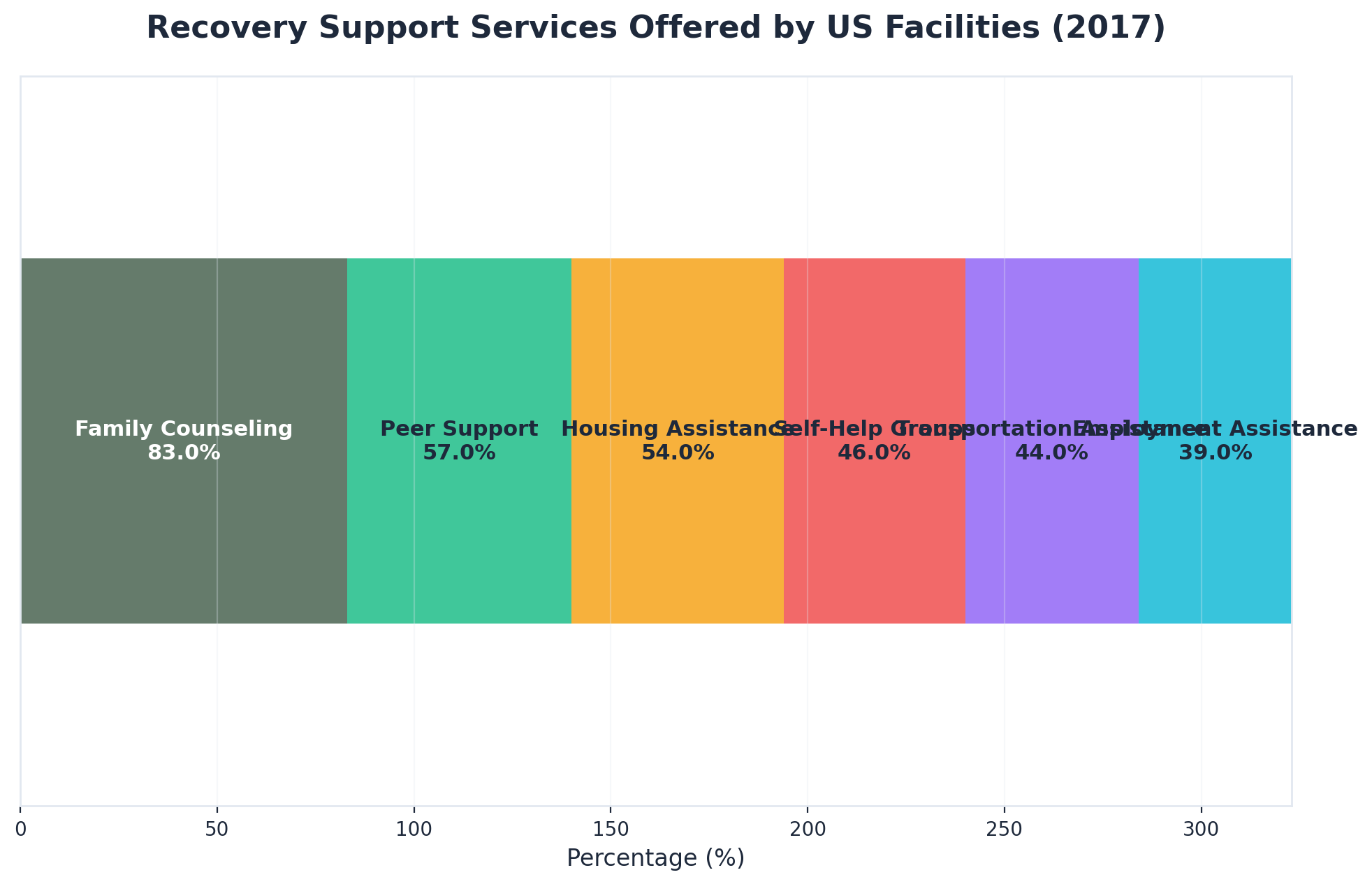
Our team will arrange safe, confidential transport so you can focus on getting the help you need right away. We also offer same-day admission, so when you’re ready to take that important step, you won’t be stuck waiting for days or dealing with complicated schedules. These services are rare, with only about 44% of U.S. addiction centers offering transportation assistance, making our approach stand out in Montana and beyond4.
Step 4: Evaluate Staff and Specialized Programs
Your unique circumstances—whether related to co-occurring disorders, age, profession, or personal background—deserve specialized attention that generic treatment can’t provide. When evaluating facilities, prioritize those offering programs specifically designed to address your particular situation alongside your mental health needs.
Verify that the clinical team includes licensed therapists, psychiatrists, and counselors with experience treating the particular condition you face. Many facilities also employ specialized staff like nutritionists, art therapists, or trauma specialists who can enhance the treatment experience. Don’t hesitate to ask about staff credentials, years of experience, and their therapeutic approach.
Assess Staff Qualifications and Ratios
When you’re researching a rehab facility near me, take a close look at the staff’s qualifications and how many clients each team member supports. At Rocky Mountain Treatment Center, we know that licensed, well-trained counselors, therapists, and nursing staff make a big difference in your recovery journey.
The best addiction recovery programs are led by people with real experience in substance use treatment and mental health care. National research shows that centers with strong, qualified teams and lower client-to-staff ratios are more likely to deliver safe, personal care and help you stick with treatment4. This is especially important in local addiction centers, where a smaller group size often means more attention and faster responses to your needs.
Importance of Recovery Experience
When choosing a rehab facility near me, the experience of the staff in real-life addiction recovery makes a world of difference. At Rocky Mountain Treatment Center, our team includes counselors and therapists who have helped countless people through every stage of substance use treatment and mental health recovery.
This hands-on experience means your care is shaped by professionals who truly understand what you’re facing, not just from textbooks but from supporting people in situations much like yours. Research shows that facilities with highly trained and experienced staff are more likely to deliver addiction recovery programs that lead to lasting change4.
Client-to-Staff Ratio Impact
The client-to-staff ratio at a rehab facility near me can have a big impact on how much personal attention and support you receive. A lower ratio means each counselor or nurse is responsible for fewer clients, making it easier for them to get to know you and respond quickly if you need help. At Rocky Mountain Treatment Center, we believe smaller caseloads help build trust and make your treatment feel more personal.
“National research shows that addiction centers with lower client-to-staff ratios are better at keeping people engaged in substance use treatment and are linked with safer, higher-quality care.”
When you compare local addiction recovery programs or detox clinics, ask about how many clients each staff member typically works with. Choosing a center with a strong team and manageable ratios helps you get the focused support you deserve during recovery.
Look for Unique Therapeutic Approaches
When choosing a rehab facility near me, it’s helpful to look for unique therapeutic approaches that go beyond traditional talk therapy. At Rocky Mountain Treatment Center, we know that everyone heals differently, so we offer a range of specialty programs that make recovery more engaging. Some addiction recovery centers use experiential therapies like art, music, or outdoor activities, which can help you express feelings and build confidence in new ways.
Others include holistic options such as yoga, mindfulness, or wellness classes that support your mind and body together. Research shows that facilities providing a wider variety of therapies, especially those with strong family involvement and aftercare, are linked to higher recovery completion rates and fewer dropouts10.
Experiential and Holistic Therapies
Experiential and holistic therapies bring a special spark to your recovery journey at a rehab facility near me. These programs go beyond regular talk therapy and help you connect with healing in creative or hands-on ways. At Rocky Mountain Treatment Center, you’ll find options like art therapy, music sessions, mindfulness, and gentle yoga.
These activities let you express feelings that are sometimes hard to put into words, making recovery feel more personal and less overwhelming. Holistic therapies also focus on your whole well-being, not just the symptoms of substance use. For example, mindfulness and guided meditation can help you manage stress, while outdoor activities and wellness classes build confidence and lift your mood.
Family Involvement and Aftercare Support
Family involvement and aftercare support can make all the difference when you’re choosing a rehab facility near me. At Rocky Mountain Treatment Center, we believe lasting recovery doesn’t happen alone—your loved ones are a key part of your healing. Our programs offer family therapy, education sessions, and regular opportunities for your support network to get involved.
Research shows that centers with strong family-focused practices help more people complete treatment and avoid dropping out10. These connections not only help you feel supported, but also give your family tools to understand addiction and support your progress at home. After you finish your main addiction recovery program, aftercare support steps in to help you stay on track.
Common Mistakes When Choosing a Facility
Even with careful research, many families stumble into common pitfalls when selecting an addiction treatment center. Being aware of these mistakes can guide you toward a more informed decision and the best fit for your loved one.
- Choosing based solely on cost: While budget considerations matter, the least expensive option may lack evidence-based treatment methods, qualified counselors, or comprehensive aftercare support that make a real difference in long-term recovery.
- Focusing only on proximity: A nearby facility with inadequate programming or poor success rates won’t serve those you love well, no matter how convenient it is.
- Failing to verify accreditation: Don’t assume every treatment center meets industry standards. Ask about certifications from organizations like The Joint Commission or CARF, and confirm that therapists hold appropriate credentials.
- Not asking difficult questions: Don’t hesitate to inquire about success rates, how they handle co-occurring mental health conditions, and what happens if treatment isn’t working.
Overlooking Aftercare and Relapse Prevention
One of the biggest mistakes people make when picking a rehab facility near me is not asking about aftercare or relapse prevention. Ending your main treatment is just the start—real life brings new stress, and staying connected to support makes a huge difference. At Rocky Mountain Treatment Center, we help build a plan for what happens after you leave, with ongoing counseling, group meetings, and check-ins that fit your needs.
Research shows that about 50% of people drop out of treatment early, often because there’s no strong plan to help them stay on track after discharge9. Facilities that offer real aftercare, like virtual support or family involvement, give you a better chance to keep growing when challenges pop up. When you look at local addiction recovery programs or substance use support options, always ask what happens after your main program ends—choosing a place with strong relapse prevention sets you up for lasting success.
Choosing Based on Cost Alone
Choosing a rehab facility near me based solely on cost can be a costly mistake in the long run. While it’s tempting to pick the least expensive option, low prices may mean fewer qualified staff, less access to evidence-based therapies, or a lack of aftercare and support. At Rocky Mountain Treatment Center, we see many people drawn to budget programs that don’t offer what’s actually needed for lasting recovery.
National research shows that only about half of addiction recovery programs meet key quality standards, which means cheaper facilities might skip important services like medication for opioid use disorder or family counseling4. Instead of focusing only on price, consider what each substance use treatment program truly offers. Ask questions about staff experience, program features, and ongoing support.
Frequently Asked Questions
As you research treatment options, you likely have questions about what to expect from residential care. Here are answers to some of the most common concerns families share when exploring these facilities.
How long does residential treatment typically last?
Treatment duration varies based on individual needs, but most programs range from 30 to 90 days. Some people benefit from extended care lasting several months. Your treatment team will work with you to determine an appropriate length based on progress and recovery goals.
Can family members visit during treatment?
Most facilities encourage family involvement through scheduled visitation, family therapy sessions, and educational workshops. Visitation policies vary by program, with some facilities offering weekend visits while others may have specific visiting days. Family participation often plays a vital role in long-term recovery success.
What happens after completing residential treatment?
Successful recovery extends beyond your initial stay. Quality programs provide comprehensive aftercare planning, including outpatient therapy recommendations, support group connections, and ongoing resources. Many facilities offer alumni programs to support you in maintaining connections and continuing your recovery journey.
Are personal belongings allowed?
Facilities typically permit essential personal items like clothing, toiletries, and approved electronics. However, restrictions apply to certain items for safety reasons. You’ll receive a detailed list of approved and prohibited items before admission to ensure you pack appropriately.
What if the first facility isn’t a good match?
Finding an appropriate treatment environment is essential for recovery. If you feel a program isn’t meeting your needs, communicate openly with your treatment team. They can address concerns or, if necessary, assist with transitioning to a more suitable facility. Your comfort and progress should always remain priorities throughout your healing journey.
What if I’ve been through rehab before and relapsed—will treatment work this time?
If you’ve been through a rehab facility near me before and relapsed, you might feel discouraged—but you’re not alone, and recovery is still possible. Relapse is actually a common part of the journey for many people, and it doesn’t mean treatment failed or that you can’t succeed. National research shows that about 50% of people drop out of addiction recovery programs or experience setbacks along the way9. At Rocky Mountain Treatment Center, we understand that every attempt at recovery teaches you more about what you need. Our team will help you identify what worked, what didn’t, and adjust your treatment plan so it better matches your personal challenges this time. Many successful recoveries involve several tries, with each one bringing you closer to lasting change. Don’t let fear or shame stop you from reaching out to a local addiction center or support program again—your next step could be the one that sticks.
What kind of support will I have after I complete the program?
After you finish your program at a rehab facility near me, your support doesn’t just stop. At Rocky Mountain Treatment Center, aftercare is built into your recovery plan so you’re not left on your own. You’ll have access to ongoing individual counseling, group meetings, and even virtual check-ins if you live far away. These services help you handle new challenges and stay connected to your addiction recovery community. Research shows that strong aftercare and family involvement make it more likely you’ll stick with your recovery and avoid setbacks10. Many local addiction centers now offer recovery coaching, alumni groups, and telehealth support—so you always have someone to reach out to, no matter where you are. This kind of follow-up care is a key part of lasting change after substance use treatment.
Can I bring my phone or stay in contact with family during treatment?
Most rehab facilities, including Rocky Mountain Treatment Center, understand how important it is to stay connected with loved ones during your recovery. While each rehab facility near me may have its own guidelines, many allow you to bring your phone or arrange regular calls with your family after the first few days of treatment. The rules are there to help you focus on healing, but they also recognize that family support boosts your chances of success. At Rocky Mountain Treatment Center, we encourage healthy contact with family through scheduled calls and virtual visits, so you don’t feel isolated. Research shows that family involvement can help more people complete addiction recovery programs and avoid dropping out early10. Before you start treatment, ask the admissions team about their specific phone and visitation policies—this way, you’ll know exactly how you can stay in touch while you work on your recovery.
What if the nearest quality facility is hundreds of miles away?
If the nearest quality rehab facility near me is hundreds of miles away, you still have options for safe and effective treatment. In Montana and other rural areas, it’s common to travel long distances because 82% of rural residents don’t have a local detox center or addiction recovery program nearby7. At Rocky Mountain Treatment Center, we understand how challenging this can feel. That’s why we offer complimentary pickup for new admissions and support you through travel logistics, making the journey less stressful. Once you arrive, our caring team helps you settle in quickly so you can focus on healing. If you live far away, you can also take advantage of our telehealth aftercare services, which let you stay connected to your recovery support from home after you complete your main program. Many local addiction centers and substance use treatment clinics are working to make care more accessible no matter where you live. Don’t let distance stop you from getting help—reach out and ask about travel assistance, remote support, and flexible program options that fit your situation7.
How do I know if a facility uses evidence-based treatment methods?
To find out if a rehab facility near me uses evidence-based treatment, ask the center about the therapies and services they provide. Evidence-based methods are treatments that have been proven by research to actually help people recover, like cognitive-behavioral therapy, medications for opioid or alcohol use disorder, and family support. At Rocky Mountain Treatment Center, we build our addiction recovery programs around these proven approaches, so you know you’re getting care that works. It’s also smart to look for facilities that follow quality standards set by groups like the National Institute on Drug Abuse or Shatterproof, which list things like individualized care plans, quick access to treatment, and ongoing recovery support as signs of a high-quality program. National research shows that fewer than half of addiction centers in the U.S. meet most criteria for evidence-based care, so always ask for details about the therapies offered and look up their accreditation if you’re unsure456. This way, you can compare local addiction centers and detox programs and feel confident in your decision.
What should I ask during my first call to a rehab facility?
During your first call to a rehab facility near me, it helps to have a few key questions ready so you feel confident and informed. Ask about the types of addiction recovery programs they offer, like inpatient or outpatient care, and whether they use evidence-based treatment methods. Check if the center is accredited by groups like the Joint Commission or CARF, as this shows they meet national quality standards4. It’s also smart to ask about insurance coverage, what out-of-pocket costs you might have, and if there are any waitlists for admission. Don’t forget to ask about transportation support (especially if you live far away), visiting policies for family, and what aftercare options are available once your main program ends. At Rocky Mountain Treatment Center, our admissions team is always happy to walk you through these answers, making sure you understand every step. By covering these basics, you’ll have a clearer picture of what to expect and which local addiction center or detox clinic fits your needs best.
Are there treatment options that incorporate faith or spirituality?
Yes, there are treatment options at a rehab facility near me that incorporate faith or spirituality as part of recovery. Many people find that connecting with their spiritual beliefs provides extra comfort and motivation while healing from substance use. At Rocky Mountain Treatment Center, we respect your personal values and offer programs that can include spiritual guidance, prayer, or faith-based support if you wish. Some addiction recovery programs even feature dedicated groups or services for people who want to explore their faith during treatment. Research shows that a personalized approach—one that supports your spiritual needs alongside evidence-based therapies—can help you feel more connected and supported throughout your recovery journey6. If spirituality is important to you, just let our admissions team know, so we can help you find a local addiction center or detox clinic that honors this part of your life.
How do I know if a facility can handle both my addiction and mental health issues?
To make sure a rehab facility near me can treat both addiction and mental health issues, ask if they offer “integrated care.” This means the staff are trained to help with substance use and conditions like depression or anxiety together—not just one or the other. At Rocky Mountain Treatment Center, we believe your recovery works best when both sides are addressed as a team. National research shows people with co-occurring disorders face bigger challenges getting help, especially in rural places, because not all centers offer this kind of care9. When you talk with a center, ask if they have licensed mental health professionals, if counseling covers both substance use and mental health, and if they can create a plan that fits your needs. Finding a local addiction recovery program or detox center that understands dual diagnosis gives you a stronger chance at lasting healing.
What happens if I don’t have transportation to get to a rehab facility?
If you don’t have transportation to get to a rehab facility near me, you’re not alone—this is a common challenge, especially in rural areas. In fact, about 82% of rural residents live in places without local detox or treatment services, so many people have to travel farther than they’d like7. Rocky Mountain Treatment Center understands how tough this can feel. That’s why we offer complimentary pickup for new admissions, so you don’t have to worry about finding a ride or making a long drive on your own. For those living even farther away, we also provide telehealth aftercare, letting you stay connected to your recovery program once you return home. These kinds of transportation support and remote services set us apart from many other local addiction recovery programs or detox centers. If travel has been stopping you from seeking help, reach out—solutions are available to help you get started on your journey.
Can I tour a facility before committing to treatment?
Yes, you can usually tour a rehab facility near me before making any decisions, and it’s a smart step to take. At Rocky Mountain Treatment Center, we welcome individuals and families to schedule a visit—whether in person or virtually—so you can see our treatment spaces, meet caring staff, and get a real feel for our addiction recovery programs. Walking through the facility helps you picture what daily life will be like, ask about specialized therapies, and make sure the environment feels safe and supportive for your needs. Many local addiction centers and detox clinics offer tours because they understand how important comfort and trust are to starting recovery. Research shows that when people feel informed and supported from the start, they’re more likely to complete treatment and stick with their recovery plan9. Just call ahead to arrange your tour, and don’t hesitate to bring your questions—seeing things for yourself makes choosing the right substance use treatment program a lot less stressful.
What if my insurance doesn’t cover the facility I want to attend?
If your insurance doesn’t cover the rehab facility near me that you want, don’t give up—there are still ways to get help. Start by calling the admissions team at Rocky Mountain Treatment Center. They can walk you through all your options, such as payment plans, sliding scale fees based on your income, and scholarships that may be available for addiction recovery programs. Some facilities will also help you appeal to your insurance company or guide you toward grants and community resources. Research shows that insurance barriers are a major reason people delay or skip substance use treatment, especially in rural areas9. If your preferred local addiction center or detox clinic isn’t covered, ask if they offer out-of-network rates or can recommend a nearby facility that works with your plan. The most important thing is to keep asking questions and exploring every path—help is available, and you don’t have to go through this alone.
How involved will my family be in my treatment?
Your family can play a big role in your recovery when you choose a rehab facility near me. At Rocky Mountain Treatment Center, we invite your loved ones to be part of the process through family therapy, education sessions, and regular updates. This helps everyone understand what you’re working on and gives your family tools to support you at home. National research shows that programs with strong family involvement help more people finish treatment and have better long-term results10. If your family can’t visit in person, we offer virtual sessions so they can still be involved no matter where they live. When you compare addiction recovery programs or detox centers, ask how each facility includes families in care. Being supported by those closest to you makes a real difference—both during treatment and after you return home.
Is it safe to detox from alcohol or opioids without medical supervision?
Detoxing from alcohol or opioids without medical supervision is never safe and can be very risky. Withdrawal from these substances can cause serious health problems, like seizures, heart issues, or trouble breathing—sometimes even life-threatening complications. At Rocky Mountain Treatment Center, we provide medically supervised detox because some symptoms can get worse quickly and require fast medical help. National data shows that 82% of rural residents don’t have local detox services, which means many people might try to quit on their own, but this can put your health in danger7. If you or someone you love is thinking about stopping alcohol or opioid use, reach out to a rehab facility near me with professional detox support. Local addiction recovery programs and substance use treatment centers are equipped to keep you safe and comfortable through this important first step in recovery.
What if I’m worried about taking time off work for a 30-day program?
Worrying about taking time off work for a 30-day program is very common, and you’re not alone in feeling this way. Many people searching for a rehab facility near me have jobs, family duties, or other responsibilities that make stepping away seem impossible. At Rocky Mountain Treatment Center, we understand these concerns and work with you to find solutions—like helping with paperwork for medical leave or exploring flexible treatment options. Some local addiction recovery programs offer short-term or outpatient services that allow you to keep working while getting care. Research shows that longer, structured stays are linked to better recovery outcomes, but even partial or step-down programs can provide vital support if you can’t commit to a full month6. Don’t let job worries keep you from reaching out; our team can explain your rights and help you talk with your employer if needed. Looking into nearby detox centers or substance use treatment programs that fit your schedule is a positive first step toward lasting change.
How do I verify that a facility’s accreditation is legitimate?
To verify that a rehab facility near me really has legitimate accreditation, start by checking the official databases of the accrediting organizations. The Joint Commission and CARF both have free online tools where you can search for a facility by name or location. For example, you can visit the Joint Commission’s provider locator or CARF’s accreditation search to confirm if the addiction recovery program you’re considering is truly listed and up to date23. These sources are trustworthy and updated often, so you won’t have to guess if a facility’s seal is real. At Rocky Mountain Treatment Center, we encourage you to use these resources or ask our admissions team to walk you through the process. Looking up a facility directly through these sites helps you avoid places that claim to be accredited but really aren’t—giving you peace of mind as you compare local detox centers and substance use treatment options.
Conclusion
Choosing the right addiction treatment center doesn’t have to be overwhelming. Whether you’re seeking help for yourself or a loved one dealing with substance abuse, mental health challenges, or co-occurring disorders, finding the right facility can make a real difference in the recovery journey.
The key is finding an effective approach for each unique situation and need. What works beautifully for one person might not be the best choice for someone else, and that’s perfectly normal. Since recovery is as individual as the people seeking it, personalized treatment plans deliver the most impressive results.
Remember that taking your time with this decision matters more than rushing into the first option you find. Thoroughly assessing treatment needs, verifying accreditation and quality standards, understanding insurance coverage and location considerations, and evaluating staff credentials and program offerings work best when approached methodically rather than impulsively. Think of this research as an investment in long-term recovery and wellness.
You also don’t need to navigate this journey alone. Working with experienced treatment professionals who take time to understand your concerns, assess your situation properly, and recommend tailored programs makes all the difference. They can steer you away from common pitfalls, adjust treatment approaches as needs change, and ensure optimal outcomes throughout recovery.
If you’re ready to take the next step on this recovery journey, consider reaching out to treatment centers to discuss which programs might be most suitable. During these conversations, ask questions, share concerns, and develop a customized plan that fits your lifestyle and goals.
Every person deserves quality care and support. Remember that asking for help is a sign of strength, not weakness. With the right treatment center and professional guidance, achieving lasting recovery is entirely possible. The journey to a healthier, more fulfilling life starts with a single step—why not take it today?
References
- FindTreatment.gov – SAMHSA’s Treatment Locator. https://findtreatment.gov
- Joint Commission Provider Locator for Substance Use Disorder Treatment. https://www.jointcommission.org/en-us/accreditation/behavioral-health-care-and-human-services/provider-locator
- CARF International Standards for Accreditation. https://carf.org/accreditation/our-standards/
- Tracking the Quality of Addiction Treatment Over Time and Across States. https://www.ncbi.nlm.nih.gov/books/NBK559647/
- Shatterproof National Principles of Care for Addiction Treatment. https://www.shatterproof.org/sites/default/files/2019-06/Principles-of-Care-General-Audience-email.pdf
- NIDA – Principles of Drug Addiction Treatment (Third Edition). https://nida.nih.gov/sites/default/files/podat-3rdEd-508.pdf
- Rural Health Information Hub – Substance Use and Misuse in Rural Areas. https://www.ruralhealthinfo.org/topics/substance-use
- Medication-Assisted Treatment for Opioid Use Disorder. https://www.naco.org/resource/osc-mat
- Treatment Access Barriers and Disparities for Co-Occurring Disorders. https://pmc.ncbi.nlm.nih.gov/articles/PMC4695242/
- Family-Focused Practices in Addictions: Scoping Review Protocol. https://pmc.ncbi.nlm.nih.gov/articles/PMC5781095/