
Key Takeaways for Your Decision
- Assess Your Severity: Use the “Inpatient vs. Outpatient” decision matrix below to determine if you need 24/7 medical supervision or if a flexible schedule fits your life.
- Verify Quality: Look for the “Gold Standard” accreditations (CARF or Joint Commission) to ensure the facility meets rigorous safety and care standards.
- Check Your Coverage: Marketplace insurance plans are required to cover substance use disorders; verify your specific deductibles and co-pays before admission.
- Plan for the Long Haul: Recovery is a marathon. Ensure your chosen program includes a detailed aftercare plan, such as alumni groups or sober living referrals.
Finding an Alcohol Rehab Program That’s Right for You
Finding the right alcohol rehab program is one of the most significant investments you will ever make in your health and future. It can feel overwhelming to navigate the options, but understanding your specific needs is the first step toward a sustainable recovery.
Whether you are looking for a safe place to detox or a long-term community to help you rebuild, this guide will help you evaluate facilities, understand costs, and choose a path that aligns with your life.
Understanding Your Alcohol Rehab Needs
Tool: The “Level of Care” Assessment
Before browsing facilities, ask yourself these three questions to gauge the intensity of care you might need:- Withdrawal History: Have you experienced seizures, hallucinations, or severe confusion when stopping alcohol in the past? (If yes, medical detox is critical).
- Home Environment: Is your current living situation supportive and alcohol-free, or is it high-stress and filled with triggers?
- Previous Attempts: Have you tried outpatient therapy before without maintaining long-term sobriety?
Different addiction types and co-occurring psychological conditions require specialized approaches. Understanding your specific needs helps narrow your search to facilities equipped to help you succeed. Start by considering the level of care that matches your situation.
If you’re dealing with severe addiction or have attempted treatment before without success, residential inpatient programs provide 24/7 medical supervision and intensive therapeutic support. This immersive environment removes you from triggering situations while you build a strong foundation for sobriety.
| Feature | Inpatient (Residential) | Outpatient (IOP/PHP) |
|---|---|---|
| Environment | Live at the facility 24/7; structured, trigger-free environment. | Live at home; attend treatment during the day or evening. |
| Best For | Severe addiction, history of relapse, or unsafe home environment. | Mild to moderate addiction, strong family support, work obligations. |
| Medical Support | Round-the-clock medical monitoring and detox support. | Scheduled medical check-ins; no 24/7 supervision. |
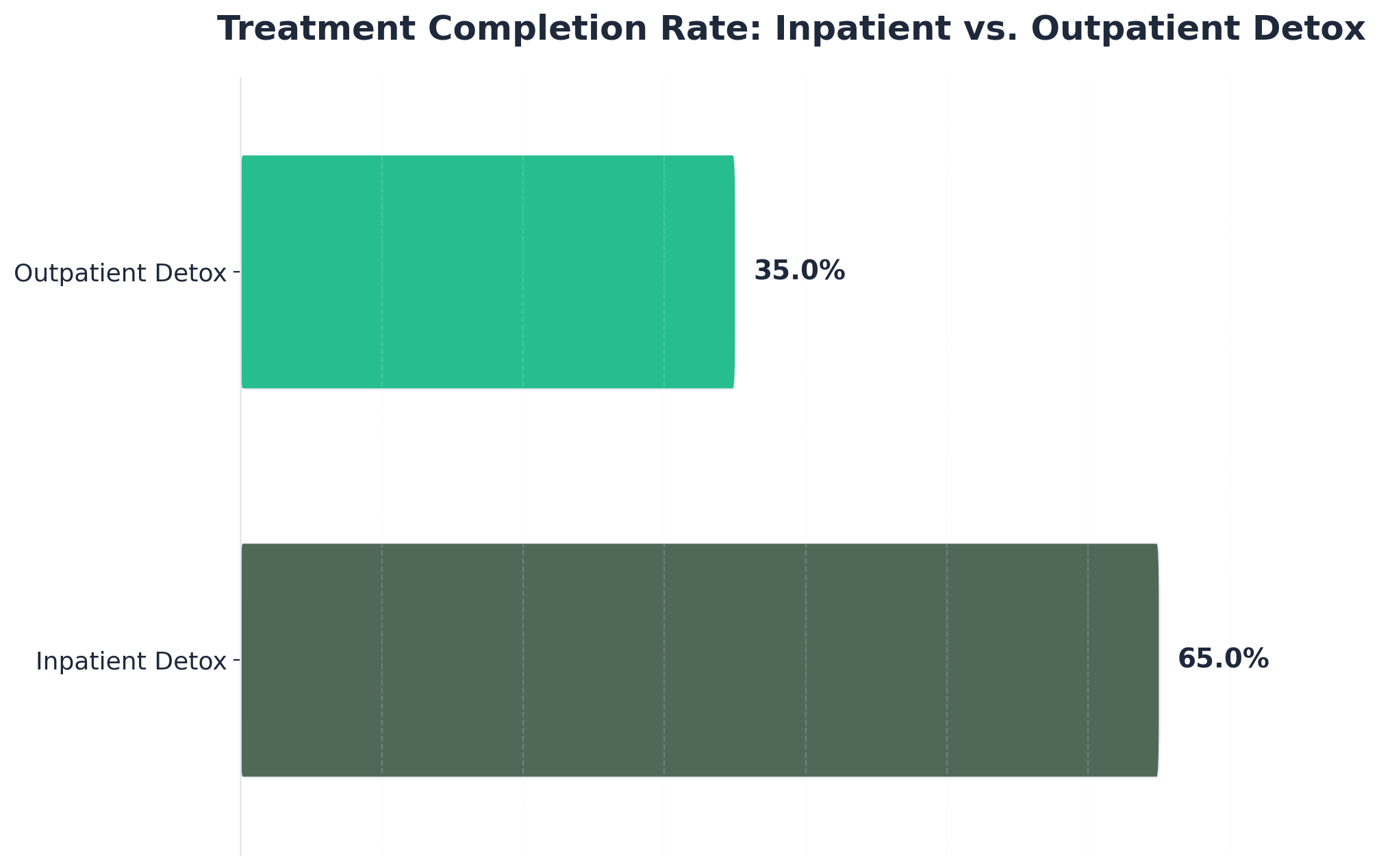
| Success Rate | Higher completion rates for severe cases (65% vs 35% for detox)5. | Effective for maintaining sobriety after initial stabilization. |
For those with work or family commitments, or who have completed inpatient care, outpatient programs offer flexibility while maintaining structured support. Partial hospitalization programs (PHP) and intensive outpatient programs (IOP) provide several hours of treatment per week, allowing you to apply newly learned skills in real-world settings while staying connected to your support system.
The care required also depends on the substances involved and any co-occurring disorders. Alcohol and benzodiazepine withdrawal can be medically dangerous and require supervised detoxification. If you’re managing depression, anxiety, trauma, or other psychological conditions alongside addiction, look for dual diagnosis treatment that addresses both simultaneously rather than treating them separately.
Self-Assessment: Where You Are Now
Take a moment for a quick self-assessment. This tool is designed to help you get a real sense of your starting point before exploring alcohol rehab options. Check off statements that reflect your current situation: Do you find it hard to stop drinking once you start? Have you missed work or family events due to alcohol? Are you feeling anxious or down more often?
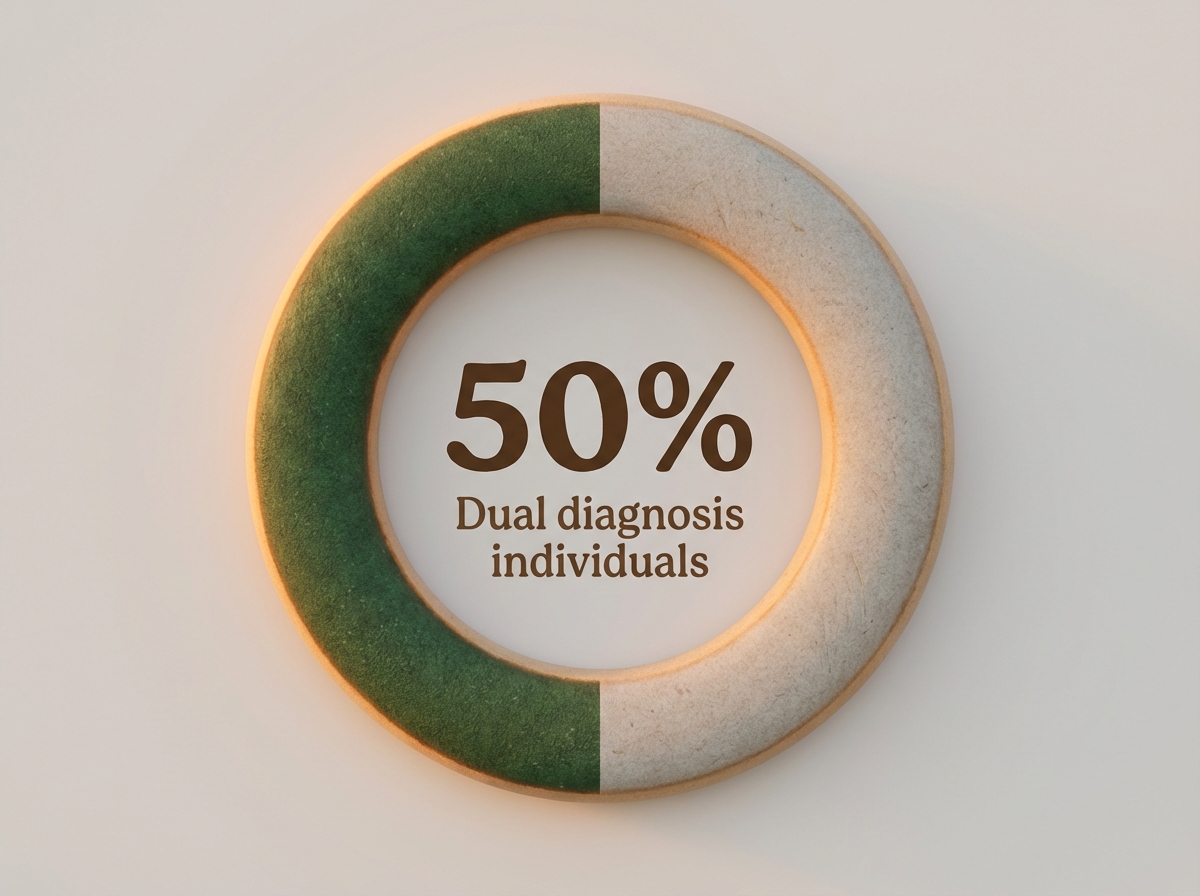
If you answered yes to any of these, you’re not alone—about half of people dealing with alcohol use also face mental health challenges at some point15. At Rocky Mountain Treatment Center, we encourage honest reflection as the first step toward lasting change. Up next, you’ll explore your drinking patterns in more detail to better match treatment to your needs.
Evaluating Your Drinking Patterns
Grab a pen or your phone and jot down how often you drink, how much you usually have, and whether your drinking leads to risky situations or problems with work, relationships, or health. This simple pattern tracker helps you spot trends you might miss in the moment. For example, are your weekends very different from weekdays? Do cravings pop up during stressful times?
Tracking these details is a great way to see if your substance use is moving from casual to problematic—an important step before choosing an alcohol rehab program. The American Society of Addiction Medicine recommends looking at both frequency and impact when considering next steps for recovery12. If you notice your drinking is causing more harm than good, this is a strong sign to explore treatment options tailored to your unique needs.
Identifying Co-Occurring Conditions
Let’s use a simple tool: a quick checklist to spot possible co-occurring conditions. Ask yourself: Have you felt more anxious, sad, or stressed lately? Do you often have trouble sleeping, focusing, or managing emotions? If you notice these signs alongside your drinking, you may have what’s called a dual diagnosis—when substance use and mental health conditions happen together.
This is very common: about half of people with substance use issues also deal with mental health challenges15. Recognizing these patterns early helps you find the right alcohol rehab program and get care for your whole self. At Rocky Mountain Treatment Center, our team is trained to help you address both substance use and mental health as part of your recovery process.
Evaluating Alcohol Rehab Facility Quality
Tool: The Facility Vetting Checklist
- Accreditation: Is the facility accredited by The Joint Commission or CARF?
- Licensing: Does it hold a current state license for addiction treatment?
- Staffing: Are there licensed medical professionals (MDs, RNs) and therapists (LCSW, LPC) on-site?
- Transparency: Do they offer clear answers about costs, insurance, and daily schedules?
Once you’ve identified your specific treatment needs, the next step is thoroughly vetting potential treatment facilities. Not all rehab centers offer the same level of care, and choosing a quality facility can significantly impact the success of your healing process.
Start by verifying accreditation from recognized organizations like The Joint Commission or CARF International. These accreditations indicate that a facility meets rigorous standards for safety, treatment protocols, and patient care. You can check The Joint Commission’s website or search CARF’s database to independently verify a facility’s accreditation status.
You should also verify state licensing through your state’s health department website—every legitimate treatment center must maintain current state licensure. Look into the credentials of the clinical staff who will be guiding your treatment. Licensed therapists, certified addiction counselors, and medical professionals with specialized training in addiction disorders should form the core of any reputable program.
“Don’t hesitate to ask about staff-to-patient ratios—smaller ratios often mean more personalized attention and better outcomes.”
Research the facility’s treatment philosophy and evidence-based approaches. Quality centers incorporate proven methods like Cognitive Behavioral Therapy, Dialectical Behavior Therapy, and medication-assisted treatment when appropriate. They should also offer comprehensive assessments to create individualized treatment plans rather than using a one-size-fits-all approach.
Be alert to warning signs that indicate a low-quality or potentially predatory facility. Red flags include unlicensed or underqualified staff, lack of medical supervision for detox or medication management, guarantees of success or “cure” promises, and high-pressure sales tactics. Reputable centers understand that recovery is a personal journey without guaranteed outcomes, and they welcome family participation as part of comprehensive care.
Accreditation and Licensing Standards
Accreditation means an outside group has carefully checked their safety, treatment programs, and staff qualifications to make sure they meet quality standards19. State licensing is a separate step and shows a facility is legally allowed to provide addiction treatment services. This approach works best when you want extra assurance that your recovery process is in trusted hands.
At Rocky Mountain Treatment Center, our programs are fully accredited and licensed, so you can feel confident about your care from day one. Next, you’ll see why specific accreditations matter and which state requirements to verify.
Why CARF and Joint Commission Matter
If you’re comparing alcohol rehab options, knowing whether a facility has CARF or Joint Commission accreditation can help you feel confident in your choice. These two organizations are trusted, independent groups that inspect addiction treatment centers to make sure they follow top safety and quality standards19.
When a rehab program earns this kind of approval, it means their staff, care plans, and results are all carefully reviewed for effectiveness and safety—a level of oversight you want when starting your recovery process. At Rocky Mountain Treatment Center, our full accreditation shows our commitment to providing a safe, skilled, and caring environment where you can focus on getting well.
Staff Expertise and Credentials
Facilities that prioritize staff credentials ensure your recovery process is in capable hands. Clinical credentials like Licensed Professional Counselor (LPC), Licensed Clinical Social Worker (LCSW), and Certified Addiction Counselor (CAC) show the team has met strict standards for safety and effectiveness6.
This solution fits people who want peace of mind that their care is grounded in proven skills and knowledge. At Rocky Mountain Treatment Center, our staff includes professionals with a range of backgrounds and certifications, so you get support from people who truly understand addiction recovery and the challenges of substance use.
Treatment Approaches That Work
Tool: Therapy Modality Matcher
As you review programs, look for these key terms to ensure they offer evidence-based care:- CBT (Cognitive Behavioral Therapy): Best for identifying triggers and changing thought patterns.
- MAT (Medication-Assisted Treatment): Best for managing physical cravings and withdrawal.
- DBT (Dialectical Behavior Therapy): Best for emotional regulation and distress tolerance.
Evidence-based treatment approaches form the foundation of effective addiction care. When you’re exploring treatment options, you’ll want to understand which methods have proven track records of helping people achieve lasting sobriety. Most comprehensive programs involve individual therapy 2-3 times weekly, daily group sessions, and family therapy on a weekly or bi-weekly basis.
Cognitive Behavioral Therapy (CBT) stands as one of the most researched and effective approaches, with studies showing it reduces relapse rates by 40-60% compared to no treatment. This method helps you identify the thought patterns and triggers that lead to addictive behaviors, then develop practical strategies to respond differently.
In CBT, you might identify that stress at work triggers cravings, then practice specific responses like calling your sponsor, using breathing exercises, or taking a walk to interrupt the pattern. You’ll learn to recognize warning signs and build coping skills that serve you long after treatment ends.
Medication-Assisted Treatment (MAT) combines FDA-approved medications with counseling and behavioral therapies. For opioid, alcohol, or nicotine addiction, this approach can significantly reduce cravings and withdrawal symptoms while you focus on building sustainable wellness habits. Research demonstrates that MAT can reduce opioid overdose deaths by more than 50% and improve treatment retention rates.
Dialectical Behavior Therapy (DBT) teaches you mindfulness, emotional regulation, and distress tolerance—essential skills when you’re navigating the challenges of early sobriety. In DBT sessions, you might practice the “STOP” skill: Stop, Take a step back, Observe what’s happening, and Proceed mindfully when facing a triggering situation. This approach proves particularly helpful if you’re dealing with co-occurring psychological conditions alongside addiction.
Holistic and Experiential Therapies
Use this quick self-reflection tool as you consider holistic and experiential therapies: jot down activities that help you feel calm, connected, or inspired—whether it’s spending time outdoors, creating art, or caring for animals. These therapies recognize that healing from substance use isn’t just about talk or medication.
At Rocky Mountain Treatment Center, we blend traditional alcohol rehab with options like equine-assisted therapy and nature-based experiences, which research shows can lower stress and build resilience during recovery14. This path makes sense for anyone who wants to address their whole self—mind, body, and spirit—alongside proven clinical care.
Equine-Assisted and Nature-Based Care
Picture this: you’re outside, breathing fresh air, or gently connecting with a horse—both are powerful ways to support your recovery process. At Rocky Mountain Treatment Center, we offer equine-assisted therapy and nature-based care as part of our holistic alcohol rehab program. Equine therapy lets you work with horses in a calm, supervised setting.
You don’t need riding experience; it’s all about building trust, confidence, and self-awareness, which can be especially helpful for those dealing with substance use challenges. Nature-based care includes guided walks, outdoor mindfulness, and activities that help you reconnect with your body and the world around you. Research shows that these approaches can lower stress and build emotional resilience in recovery14.
Planning for Long-Term Success
Tool: The 30-Day Action Plan
- Week 1: Research 3 facilities and verify insurance benefits.
- Week 2: Schedule assessments and tour facilities (virtual or in-person).
- Week 3: Select a program and notify your employer/family.
- Week 4: Pack bags, finalize admission paperwork, and arrange transport.
Recovery from addiction isn’t a sprint—it’s a journey that unfolds over time. While finding the right treatment center is crucial, sustaining your sobriety requires a comprehensive aftercare plan that begins before you even complete your initial program. Effective aftercare planning should start during your treatment center evaluation.
Ask prospective facilities what post-treatment support they provide. The best programs offer structured aftercare components including alumni programs, continuing care appointments, and connections to community resources. You’ll want a treatment center that doesn’t just discharge you after 30 or 90 days, but partners with you to create a roadmap for the months and years ahead.
Your aftercare plan should include specific, concrete commitments. This might mean attending weekly individual therapy sessions for six months post-treatment, participating in your facility’s alumni events and support groups, or transitioning to a sober living arrangement that provides structure as you rebuild your independent life.
Many people benefit from committing to 12-step meetings like AA or NA, while others find alternative peer support groups like SMART Recovery better suit their needs. Building a strong recovery support network is equally essential. This might include family members who understand your addiction journey, sober friends who offer encouragement, a sponsor or accountability partner, and professional resources you can access when cravings intensify.
Aftercare and Relapse Prevention
Relapse prevention planning is a core component of long-term recovery success. Work with your treatment team to identify your personal triggers, develop specific coping strategies for high-risk situations, and establish clear action steps to take when you recognize warning signs.
This might include having your therapist’s crisis number programmed in your phone, knowing which sober friend to call during moments of temptation, or having a plan to attend a meeting within 24 hours of experiencing strong cravings. Remember that setbacks don’t erase your progress. They’re natural parts of the recovery process and opportunities to strengthen your relapse prevention strategies.
Frequently Asked Questions
When considering treatment for substance use disorder, you likely have questions about what to expect and how the process works. Understanding the basics can help ease concerns and empower you to make informed decisions about your path to wellness.
How do I know if I need inpatient treatment versus outpatient care?
Deciding between inpatient and outpatient care starts with looking at your daily life and how alcohol use affects you. Inpatient treatment is usually best if you’ve had severe withdrawal symptoms (like confusion or seizures), don’t have a safe or stable home, or have tried outpatient care without success—research shows 65% of people complete treatment after inpatient detox, compared to only 35% for outpatient detox5. Outpatient care suits those with strong support at home and milder symptoms. At Rocky Mountain Treatment Center, our team helps you assess your needs and choose the right level of care.
What should I expect to pay for alcohol rehab, and will my insurance cover it?
The cost of alcohol rehab can vary a lot based on the type of program, length of stay, and extra support you might need. Some people pay out of pocket, while others use insurance. Here’s good news: All Marketplace health insurance plans are required to cover substance use disorder services, including rehab, as part of your essential health benefits18. This means your insurance will likely cover some or all of your treatment, but the amount depends on your plan details, co-pays, and deductibles.
How long does alcohol detox take, and is it dangerous to do at home?
Alcohol detox usually lasts about 3 to 7 days, but the exact timing depends on your health, the severity of your alcohol use, and any other medical conditions you might have8. Detox can be risky—severe withdrawal symptoms like seizures, confusion, or even heart problems sometimes happen, especially if you stop drinking suddenly on your own. That’s why it’s not safe to try detox at home without medical supervision.
What if I have anxiety or depression along with my drinking problem?
Dealing with anxiety or depression alongside a drinking problem is more common than you might think—about half of people facing substance use challenges also have a mental health condition at some point15. This is called a dual diagnosis or co-occurring disorder. The good news is that specialized alcohol rehab programs, like those at Rocky Mountain Treatment Center, are designed to treat both issues at the same time.
Can I bring my phone or stay in contact with family during treatment?
Most alcohol rehab programs understand how important it is to stay connected with loved ones during your recovery process. At Rocky Mountain Treatment Center, you can expect some guidelines about phone use and family contact—these help create a focused, healing environment while still supporting your emotional needs. Often, there are set times for phone calls or video chats, and staff encourage regular check-ins with family as part of your support system.
What’s the difference between 12-step programs and other recovery support groups?
12-step programs like Alcoholics Anonymous (AA) are based on group meetings and a set of guiding principles that encourage you to work through recovery with support from peers and, for many, a higher power. In contrast, other recovery support groups—such as SMART Recovery or LifeRing—use science-based tools, self-empowerment, and flexible meeting formats. Research shows that both types of groups can help people maintain sobriety, but the best fit depends on your beliefs17.
How do I choose between multiple facilities that all seem similar?
When several alcohol rehab facilities look alike on paper, a side-by-side checklist can help you spot the details that matter most for your recovery process. Compare each program’s accreditation (like CARF or The Joint Commission), the credentials of their staff, and the evidence-based therapies they offer—these are strong signs of quality care19, 6. Also, look for options that address both substance use and mental health.
What happens if I relapse after completing treatment?
Relapse after finishing alcohol rehab can feel discouraging, but it’s actually a common part of the recovery process—not a sign of failure. Many people need several tries before lasting change sticks, because substance use disorders are chronic conditions that often require ongoing support and adjustments to your treatment plan4, 14. If you relapse, the most important step is to reach out for help right away.
Are there medications that can help me stop drinking, and how do they work?
Yes, there are FDA-approved medications that can help you stop drinking. Medications like naltrexone reduce the pleasurable effects of alcohol and curb cravings, while acamprosate helps restore balance in your brain, making it easier to stay sober. Disulfiram works differently—it creates unpleasant reactions if you drink21. These medicines are usually offered as part of a full alcohol rehab program.
How can my family be involved in my treatment and recovery?
Family involvement can play a big role in the recovery process during alcohol rehab. At Rocky Mountain Treatment Center, families are encouraged to join in educational sessions, group therapy, or family counseling. This helps everyone learn about substance use and how to support each other in healthy ways. Research shows that including loved ones in treatment leads to better outcomes14.
What if I’ve been to rehab before and it didn’t work?
If you’ve tried alcohol rehab before and didn’t get the results you hoped for, you’re not alone—and it doesn’t mean you can’t recover. Many people need several rounds of treatment or different types of support before finding what truly helps them stay on track. Addiction is a long-lasting condition, and research shows that recovery is often a journey, not a single event4, 14.
How soon can I start treatment, and what do I need to bring?
You can often start treatment at Rocky Mountain Treatment Center soon after your first call—sometimes within just a few days, depending on availability and how quickly paperwork and any necessary medical assessments are completed. For your stay, pack comfortable clothes, toiletries, a list of current medications, and contact details for your support network.
Will I lose my job if I go to inpatient treatment for 30 days?
You may have legal protections that help you keep your employment while getting substance use treatment. The Family and Medical Leave Act (FMLA), for example, allows eligible employees to take up to 12 weeks of unpaid, job-protected leave for serious health conditions—including treatment for addiction—without losing their health insurance18.
What makes one treatment program more effective than another?
A treatment program’s effectiveness comes down to several key pieces working together. Programs that deliver the best results use evidence-based therapies—like Cognitive Behavioral Therapy (CBT), Motivational Interviewing, and trauma-informed care—because research shows these approaches help people make lasting changes in their recovery process3, 14.
Taking the First Step Toward Recovery
Making the decision to seek help for addiction is one of the most courageous steps you’ll ever take. If you’ve been struggling with chemical dependency, you might feel overwhelmed, uncertain, or even afraid of what treatment involves. These feelings are completely normal, and recognizing that support is essential is already a powerful move toward healing.
Recovery doesn’t require you to have everything figured out before you reach out. You don’t have to hit rock bottom, wait for the “perfect” moment, or face this journey alone. What matters most is taking that initial step—and there are several concrete actions you can take right now.
Start by calling a treatment center’s 24/7 helpline. These confidential conversations typically last 10-15 minutes, and trained intake specialists will ask about your substance use, any medical concerns, and what you’re hoping to achieve. They’re there to listen without judgment and answer your questions—not to pressure you into immediate decisions.
Remember that recovery is a journey, not a destination. There will be challenges along the way, but you’ll develop coping strategies, build a support network, and discover strengths you didn’t know you had. The key to lasting success isn’t just deciding to get help—it’s finding the right treatment center that understands your unique needs and provides the comprehensive support you deserve to build the life you want.
References
- Advances in the science and treatment of alcohol use disorder. https://www.ncbi.nlm.nih.gov/pmc/articles/PMC3860393/
- An Overview of Outpatient and Inpatient Detoxification. https://www.ncbi.nlm.nih.gov/pmc/articles/PMC4032022/
- Cognitive-Behavioral Therapy for Substance Use Disorders. https://www.ncbi.nlm.nih.gov/pmc/articles/PMC2897895/
- Addiction Relapse Prevention. https://www.ncbi.nlm.nih.gov/books/NBK64095/
- Summary of Evidence – Inpatient and Outpatient Treatment. https://www.ncbi.nlm.nih.gov/books/NBK64140/
- Comparing credentialing requirements of substance abuse. https://www.ncbi.nlm.nih.gov/pmc/articles/PMC3057849/
- Long-term drug treatment of patients with alcohol dependence. https://www.ncbi.nlm.nih.gov/pmc/articles/PMC2879793/
- Alcohol Withdrawal Syndrome. https://www.ncbi.nlm.nih.gov/books/NBK441882/
- Trauma-Informed Care: A Sociocultural Perspective. https://www.ncbi.nlm.nih.gov/pmc/articles/PMC4530886/
- National Helpline for Mental Health, Drug, Alcohol Issues. https://www.samhsa.gov/find-help/national-helpline
- Trauma-Informed Approaches and Programs. https://www.samhsa.gov/nctic/trauma-interventions
- The ASAM Criteria, Fourth Edition. https://www.asam.org/asam-criteria/the-asam-criteria-4th-edition
- About the ASAM Criteria. https://www.asam.org/asam-criteria/about
- Treatment and Recovery. https://nida.nih.gov/publications/drugs-brains-behavior-the-science-of-addiction/treatment-recovery
- Dual Diagnosis (Co-Occurring Disorders). https://my.clevelandclinic.org/health/diseases/21773-dual-diagnosis
- Motivational Interviewing and Enhancement Therapies. https://recoveryanswers.org/resource/motivational-interviewing-and-enhancement-therapies/
- It works, but why does it work? Perspectives on change in 12-step and non-12-step mutual help groups. https://recoveryanswers.org/research-post/change-in-12-step-and-non-12-step-mutual-help-groups/
- Mental health & substance abuse coverage. https://www.healthcare.gov/coverage/mental-health-substance-abuse-coverage/
- Home. https://www.carf.org/
- IC&RC Credentials. https://internationalcredentialing.org/creds
- Medications for the Treatment of Alcohol Use Disorder. https://oasas.ny.gov/system/files/documents/2019/09/Medications-for-the-Treatment-of-Alcohol-Use-Disorder.pdf