
Key Takeaways
- Essential Tools: Bring your photo ID, insurance card, list of current medications, and emergency contact details.
- Step 1: Provide personal and demographic information to establish your file and verify coverage.
- Step 2: Share your substance use history honestly to help the team plan for a safe detox.
- Step 3: Complete a medical and mental health evaluation to identify co-occurring needs.
- Step 4: Discuss your living situation and support system to ensure a successful return home.
Final Outcome: A comprehensive, personalized treatment plan that addresses your unique physical, emotional, and lifestyle needs for lasting recovery.
What to Expect on a Rehab Intake Form
Completing a rehab intake form is the first step toward reclaiming your life, but it’s normal to feel a little nervous about the paperwork. This document serves as the foundation for your recovery journey at Rocky Mountain Treatment Center, helping our team understand exactly who you are and what you need. By gathering details about your health, history, and goals, we can ensure you receive safe, personalized care from the moment you arrive.
Understanding the Purpose of the Rehab Intake Form
Intake forms do far more than collect basic contact information—they build a comprehensive picture of each person seeking help. At their core, these documents protect both you and the facility by documenting substance use history, co-occurring mental health conditions, and current medications. This information helps identify medical risks, withdrawal concerns, and potential complications before admission, ensuring you receive appropriate levels of care and medical supervision from day one.
“Intake forms serve as the foundation for the recovery journey… ensuring you can provide safe, personalized care from the moment they reach out for support.”
Beyond safety, these forms enable us to deliver truly individualized treatment plans. When we understand your specific triggers, trauma history, and support systems, designing interventions that address your unique needs becomes straightforward. Someone entering treatment for the first time needs a different approach than someone returning after a relapse, and the rehab intake form reveals these critical distinctions.
How Intake Forms Guide Your Treatment Plan
When you fill out the intake paperwork at Rocky Mountain Treatment Center, you’re not just sharing facts—you’re setting the stage for your unique recovery plan. The questions on the intake documents help our team get a full picture of your life, including your health history, past substance use, and personal goals. Research shows that a well-done intake assessment leads to better, longer-lasting recovery because it helps us spot strengths and challenges early on.1
Creating a Personalized Recovery Roadmap
At Rocky Mountain Treatment Center, our team uses the details you share to build a truly personalized recovery roadmap. This means your answers about health, daily life, past substance use, and what you hope to achieve guide every part of your care. Experts agree that a comprehensive assessment at the start of treatment gives you the best chance for long-term success by matching services to your unique needs.1
Identifying Co-Occurring Mental Health Needs
When you complete your intake paperwork, our team carefully reviews your answers for signs of depression, anxiety, trauma, or other mental health concerns. This is important because more than 80% of people entering addiction treatment have mental health needs that must be recognized early for the best chance at recovery.1 Identifying these needs right away allows us to make sure your care plan addresses every part of your well-being, preventing problems and leading to better outcomes.3
Why Comprehensive Assessment Matters
A thorough assessment at the start of your stay isn’t just a box to check—it’s the foundation for safe, effective care. The rehab intake form gathers information about your physical health, mental health, and substance use habits, which lets our team spot challenges and strengths right away. Research shows that early identification of trauma or mental health needs during intake can predict better long-term results.1
Determining the Right Level of Care
Your answers help our team figure out exactly what kind of care you need. By carefully reviewing your health, substance use patterns, and mental well-being, we can recommend the right treatment setting—whether that’s detox, residential care, or outpatient support. Using trusted guidelines like the ASAM Criteria ensures our recommendations are based on the latest research and truly fit your needs.1
Preventing Treatment Failures Through Early Detection
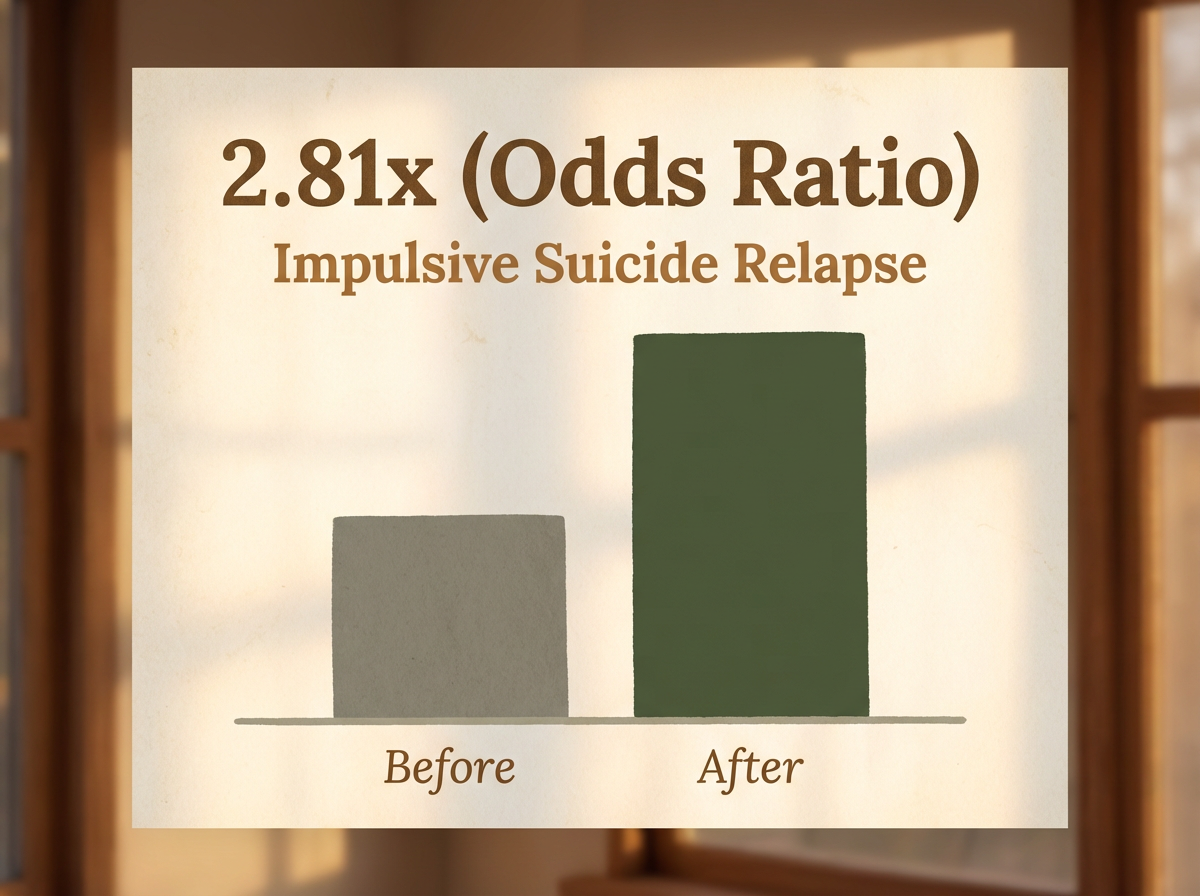
Spotting risks early can make all the difference. When you share information about your mental health, past trauma, or thoughts of self-harm, our team can catch warning signs that might otherwise be missed. Research shows that people with a history of impulsive suicide attempts are nearly three times more likely to relapse if those risks aren’t detected and addressed quickly.8
Step 1: Personal Details on Your Rehab Intake Form
The process begins with the basics—information that establishes who you are and how to support you throughout treatment. The first section of any substance abuse intake form gathers essential personal and demographic details. This foundational information helps treatment providers understand who you are beyond your struggle with addiction.

You’ll typically be asked to provide:
- Full legal name and date of birth
- Current address and contact information
- Emergency contact details
- Demographic information like gender identity and marital status
- Employment status and education level
- Health insurance information
Remember, all information you provide remains confidential and protected under HIPAA regulations and federal substance abuse confidentiality laws. Treatment providers use these details solely to develop a personalized care plan that addresses your unique circumstances and needs.
Basic Contact and Insurance Details
The first details you’ll share on your rehab intake form at Rocky Mountain Treatment Center are your contact information and insurance details. Collecting this information right away allows us to verify your coverage early, so you can focus on your recovery without extra stress. Research shows that gathering these personal and insurance details upfront helps prevent delays and ensures you get the right kind of support from the very beginning.1
Verifying Your Insurance Coverage
Once you provide your insurance details, our admissions team gets to work verifying your coverage. This step lets us confirm what your plan covers for addiction treatment and helps avoid any surprises along the way. Verifying coverage early also helps us coordinate care with your insurer, which can speed up your admission process.1
Emergency Contact Information
You’ll be asked to provide an emergency contact, such as a family member, close friend, or guardian. This step is an essential part of keeping you safe and supported while you’re in treatment. Collecting this detail is standard practice across all quality intake assessments and ensures that communication lines stay open when it matters most.1
Living Situation and Support Networks
Next, you’ll be asked about your living situation and support networks. This part of the intake assessment helps our team understand what your home life looks like and who is there to help you through recovery. Research shows that having a strong support system can boost your chances of sticking with treatment and seeing positive results.10
Assessing Your Current Environment
You’ll describe what your home life is really like—where you live, whether you feel safe there, and if your space is quiet or stressful. The information you provide helps us spot any risks or challenges, such as housing instability or unsafe situations, that could affect your healing. Experts agree that understanding your environment is a key part of a good intake process and leads to better, more personalized recovery support.1
Identifying Supportive Relationships
You’ll be invited to share the names and roles of those you trust, like a parent, sibling, or a positive friend. Research shows that strong social support increases treatment retention and helps people stay sober longer.10 By learning who you can count on, our team can involve them in your care or link you to extra community support.
Step 2: Substance Use History on the Rehab Intake Form
After covering the basics, the intake process moves to more personal territory—your relationship with substances. The treatment team needs a clear picture of what you’ve been using, how much, how often, and for how long. This isn’t about judgment—it’s about creating a plan that actually works for where you are right now.
You’ll be asked about all substances you’ve used, including alcohol, prescription medications, and illicit drugs. Be as honest as possible about quantities and frequency. If you’ve been drinking a pint of vodka daily, say so. If you’ve been taking more pain medication than prescribed, share that information. Accurate information helps the evaluation team determine the right level of care and medical support you’ll need.
Documenting Your Substance Use Timeline
You’ll start by sharing when you first tried different substances, how your use changed over time, and any patterns you’ve noticed. Studies show that tracking your substance use history gives treatment providers the information they need to create safer, more effective care plans, especially if detox or withdrawal might be needed.1
Primary Substances and Frequency of Use
In this part of the rehab intake form, you’ll be asked to list the main substances you’ve used and how often you use them. A thorough intake assessment—including questions about the frequency and type of substance use—means our staff can spot health risks and tailor your treatment plan to your real needs.1
| Substance Type | How Often Used | Last Use (if known) |
|---|---|---|
| Alcohol | Daily/Weekly | Date or “unsure” |
| Prescription Painkillers | Occasionally | Date or “unsure” |
| Methamphetamine | Rarely/Weekly | Date or “unsure” |
Previous Quit Attempts and Relapses
You’ll also be asked about times when you tried to quit using substances and whether you’ve experienced any relapses. Research shows that knowing about previous relapses and attempts to stop using can help providers predict risks and design care that gives you a stronger chance at long-term recovery.9
Withdrawal Concerns and Medical Safety
This part of the intake assessment is key for your safety, especially if you have used alcohol, opioids, or other drugs that can cause dangerous withdrawal effects. Research shows that identifying withdrawal concerns during intake is essential for choosing the right level of care and preventing complications.1
Alcohol and Opioid Detox Considerations
Alcohol and opioid withdrawal can sometimes cause serious symptoms like seizures, hallucinations, or strong cravings, so we take extra care to ask about your history with these substances. Research shows that early identification of withdrawal risks and a detailed intake assessment are crucial for choosing the right detox approach and avoiding complications.1
Drug Testing and Baseline Assessment
At Rocky Mountain Treatment Center, the rehab intake form process may include a drug test and a quick health check. Most commonly, a urine test is used because it can show recent use of many substances, and results help guide medical decisions during those important first days.5
Step 3: Medical and Mental Health Evaluation
During this crucial step, healthcare professionals conduct a thorough examination of physical and mental health to identify any conditions that might influence the treatment approach. This comprehensive evaluation ensures that the recovery plan addresses all aspects of wellbeing, not just the addiction itself.
Physical Health and Medication Review
You’ll share details about your current health and any medications you’re taking. Intake questionnaires that cover medical history and medication are considered best practice because early identification of health risks can prevent complications and support better recovery outcomes.1
Current Medical Conditions and Medications
You’ll be asked about things like diabetes, asthma, heart problems, recent surgeries, or other ongoing conditions. Studies show that early identification of medical needs on intake forms can prevent complications and supports better treatment results.1
Chronic Pain and Prescription Drug Use
If you live with chronic pain or regularly use prescription pain medications, the rehab intake form gives you a space to talk about this openly. Research shows that clear, early assessment of pain and prescription drug use helps prevent complications during recovery.1
Mental Health and Trauma Screening
This part of the intake questionnaire helps our team learn if you’ve experienced depression, anxiety, trauma, or symptoms of PTSD. Research shows that over 80% of people seeking addiction treatment have co-occurring mental health conditions that need to be addressed right from intake for the best results.1
Depression, Anxiety, and PTSD Assessment
Our staff uses your answers to look for signs of depression, anxiety disorders, or post-traumatic stress. Research shows that about one-third to one-half of those entering rehab also meet criteria for PTSD and that more than 80% have some mental health concern that needs to be recognized and supported early in treatment.1
Suicide Risk and Impulsivity Evaluation
Research shows that people with a history of impulsive suicide attempts are nearly three times more likely to relapse after treatment, so catching these signs early is critical for your safety and long-term recovery.8 Your answers allow us to build a support system just for you, which might include extra check-ins or mental health services if needed.
Step 4: Psychosocial and Readiness Assessment
Beyond medical fitness, treatment centers need to understand your life circumstances and support system to develop a recovery plan that works for you. The psychosocial and readiness assessment examines the environmental, social, and personal factors that will influence how you respond to care and achieve long-term success.
Evaluating Your Motivation for Change
This part of the intake assessment might include questions about your reasons for wanting to quit, what you hope to gain from treatment, and how confident you are in your ability to make changes. Research shows that evaluating your readiness for change in the intake questionnaire helps create a more personal and effective treatment plan.6
Stages of Change and Treatment Readiness
Research shows that using tools like the Stages of Change Readiness and Treatment Eagerness Scale (SOCRATES) during intake leads to treatment plans that match your motivation and increase your chances of success.6 For example, if you’re still unsure about quitting, we’ll focus on encouragement and education; if you’re ready to start, we’ll help you set goals and take action.
Personal Goals and Recovery Vision
Research shows that when intake forms include space for your own recovery goals, the care you receive is more personal and leads to better outcomes.6 At Rocky Mountain Treatment Center, your answers on the intake questionnaire help us focus on your strengths and support your vision for a brighter future.
Family Dynamics and Social Factors
Research shows that social factors play a big role in recovery outcomes and that including them in the intake questionnaire leads to more effective, personalized care plans.6 By sharing these details, you help Rocky Mountain Treatment Center create a support system that fits your real-life situation.
Family History of Addiction
Research shows that a family history of addiction can influence both your risk and your recovery needs.6 By learning about your background, our staff can better understand your unique challenges and strengths, making your treatment plan even more personal.
Employment, Legal, and Financial Concerns
Research shows that social factors such as employment and legal concerns can strongly affect recovery and should be included in the intake assessment for a more effective care plan.6 By sharing this information on your intake questionnaire, you allow us to offer resources, connect you with job support, or help you manage legal requirements while you focus on healing.
Common Concerns About the Rehab Intake Form Process
After reading about these detailed assessment steps, you might be feeling overwhelmed—and that’s completely understandable. It’s natural to feel nervous or uncertain before your first intake appointment. Many people share similar concerns, and addressing these worries can help you feel more prepared for a positive experience.
Privacy and Confidentiality Protections
Your privacy is always respected when you complete the rehab intake form at Rocky Mountain Treatment Center. All the information you provide on your intake assessment is protected by federal laws like HIPAA. Keeping your details secure isn’t just a promise—it’s a requirement for all accredited treatment programs.1
HIPAA Compliance and Your Rights
HIPAA is a federal law that protects your privacy when you fill out a rehab intake form. Following HIPAA regulations is not just good practice—it’s required for all accredited addiction treatment centers.1 By trusting the process and knowing your rights, you can feel comfortable being honest on your intake questionnaire.
Who Has Access to Your Information
Access is limited to the staff members who are directly involved in your care, such as counselors, medical professionals, and case managers. This privacy rule is part of what makes your information on the intake form secure and respected at all times.1
Honesty Without Fear of Judgment
Research shows that when clients feel safe to share honestly, they’re more likely to get the support that truly fits their needs, leading to better recovery outcomes.1 This is why our approach focuses on kindness, understanding, and meeting you where you are.
Why Complete Transparency Helps Your Recovery
Research shows that clients who are honest on their intake assessment are much more likely to receive care that truly fits, which leads to better recovery outcomes.1 Being upfront helps us build trust, keeps your care safe, and makes sure you start your recovery journey on solid ground.
Creating a Safe, Shame-Free Environment
Research shows that a supportive, nonjudgmental environment during intake encourages people to open up and leads to more effective, personalized treatment.1 By making your intake questionnaire a safe and shame-free experience, Rocky Mountain Treatment Center helps you start your recovery journey with confidence and dignity.
Frequently Asked Questions
You likely have questions about starting treatment, and that’s completely normal. Here are answers to some of the most frequently asked questions people have when considering addiction treatment.
Can I complete the intake form remotely before arriving at the facility?
Yes, you can often complete the rehab intake form remotely before arriving at Rocky Mountain Treatment Center. Our team understands that starting the intake assessment from home can make the process less stressful and help you gather important personal and health details at your own pace. With the growing use of telehealth and online assessments, many treatment centers—including Rocky Mountain Treatment Center—now offer secure, digital intake questionnaires as part of their admissions process. This means you can fill out your intake assessment online, upload documents, and even schedule a virtual meeting with our admissions staff if needed. Research confirms that remote intake options increase accessibility, especially for people in rural areas or those who prefer more privacy.7 Your answers are kept confidential and will be carefully reviewed by our team to prepare for your safe and smooth admission. If you have any questions while completing the remote intake questionnaire, our staff is just a phone call or email away to help.
What if I don’t have insurance information or know my policy details when I arrive?
If you don’t have your insurance information or policy details when you arrive at Rocky Mountain Treatment Center, that’s okay—our admissions team will still welcome you and help you complete the rehab intake form. You can start the intake assessment with the information you do have, and our staff will work with you to gather any missing insurance details later. This might include reaching out to a family member, contacting your insurance company, or helping you look up your policy online. Research shows that collecting insurance and personal information early helps prevent delays in treatment, but it’s common for people to need a little extra time to track down these details.1 The main goal of the intake questionnaire and admissions process at Rocky Mountain Treatment Center is to make you feel supported and get you started on the right track, even if some paperwork is missing at first.
Can I change my answers or add information after completing the initial intake form?
Yes, you can update your answers or add new information after you’ve completed your initial rehab intake form at Rocky Mountain Treatment Center. We understand that starting the intake assessment can bring up memories or details you might not think of right away. If you remember something important or want to clarify a part of your intake questionnaire later, just let our team know. Making changes to your assessment is common—and actually helps us give you more accurate, personalized support. Research shows that ongoing assessment and open communication during treatment help build stronger, more effective care plans.3 Whether you want to update health history, substance use details, or share new concerns, we’re here to make sure your intake information always reflects your true needs. Your recovery journey is flexible, and Rocky Mountain Treatment Center welcomes updates to your intake assessment at any time.
Will disclosing past suicide attempts or self-harm prevent me from entering treatment?
No, disclosing past suicide attempts or self-harm on your rehab intake form will not prevent you from entering treatment at Rocky Mountain Treatment Center. Sharing this information is a sign of courage and helps our caring team understand your needs, so we can keep you safe and supported during your stay. Intake assessments specifically ask about suicide risk and self-harm because people with these histories may need extra mental health support or check-ins, but this does not limit your access to care. In fact, research shows that identifying suicide risk early in the intake process allows providers to set up stronger, more personalized care, and can actually lower the chances of relapse or setbacks during recovery.8 Your answers on the intake questionnaire help us give you the best support—never to exclude you from receiving help. If you’re worried about sharing these details, please know that everything you tell us is confidential and used only to help build a treatment plan that fits your whole story.
What if I’ve been to treatment before and relapsed—will that be held against me?
If you’ve been to treatment before and experienced a relapse, you won’t be judged or turned away at Rocky Mountain Treatment Center. When you fill out the rehab intake form, sharing your full treatment history—including any previous relapses—actually helps our team understand what support will work best for you. Many people need more than one attempt at recovery, and research shows that knowing about your past efforts allows us to create a more tailored and effective care plan.9 Your answers on the intake assessment are used to guide your next steps, not to hold anything against you. At Rocky Mountain Treatment Center, relapses are seen as part of the recovery journey, and our supportive staff will use your intake questionnaire to help you build on your strengths and find new strategies for success.
How soon after completing intake can I begin treatment?
Once you finish your rehab intake form at Rocky Mountain Treatment Center, you can usually begin treatment very soon—sometimes even the same day or within 24 hours. Our team reviews your intake assessment and intake questionnaire quickly to make sure all your health, safety, and support needs are understood before you start care. This careful review process ensures you get the right level of support and that your treatment plan matches your unique situation. Research shows that a prompt, thorough intake assessment helps minimize delays and improves your chances of starting recovery with confidence.1 If any extra medical checks or paperwork are needed, our staff will guide you through each step so you never feel lost. At Rocky Mountain Treatment Center, we make every effort to move you from intake to treatment as smoothly and quickly as possible.
What happens if I don’t know my complete substance use history or can’t remember exact dates?
If you don’t remember your full substance use history or can’t recall exact dates while filling out the rehab intake form at Rocky Mountain Treatment Center, that’s completely okay. Many people have gaps in memory, especially when it comes to years of substance use or stressful experiences. Our team expects that some details may be fuzzy—just share what you can, such as rough timeframes or the types of substances used. The intake assessment is designed to get a general sense of your patterns, not to quiz you on perfect dates. Providing honest, approximate information still gives our staff the tools they need to build a safe and supportive treatment plan just for you. Remember, research shows that even initial estimates on intake questionnaires help providers create more effective and individualized care, so don’t worry if you can’t recall everything exactly.1 At Rocky Mountain Treatment Center, we’ll help you fill in gaps as you progress, focusing on your comfort and honesty above all.
Will my answers on the intake form affect whether I’m accepted into treatment?
Your answers on the rehab intake form at Rocky Mountain Treatment Center are not used to decide whether you “deserve” treatment—they help our team understand your needs so we can create a care plan that fits you best. The intake assessment is meant to spot any health, mental wellness, or safety issues, and to make sure you get the right level of support from day one. It’s normal to worry that some answers might be held against you, but that’s not how our process works. Research shows that a thorough intake questionnaire helps providers match clients to safe, effective care and does not serve as a barrier to entry.1 Whether you have a complex history, co-occurring conditions, or have tried treatment before, your intake form simply helps us prepare to support you in the way you need most. At Rocky Mountain Treatment Center, every answer you provide is treated with respect and used only to help you succeed in your recovery journey.
How long does the intake assessment process typically take?
The length of the intake assessment process at Rocky Mountain Treatment Center usually depends on your personal history and needs, but most people spend about one to two hours completing the rehab intake form and talking with our team. This includes time for filling out your intake questionnaire, sharing your substance use and mental health background, and having a supportive conversation with staff. Some assessments, like the Addiction Severity Index, are designed to take about an hour, while others may be shorter or longer depending on your unique situation.2 If you need extra help or have complex health needs, our team will take the time you need to feel comfortable and understood. The goal is to be thorough without making you feel rushed or overwhelmed, so you can start your recovery journey with confidence and clear support.
What if I’m still intoxicated or in withdrawal when I arrive for intake?
If you arrive at Rocky Mountain Treatment Center and you’re still intoxicated or in withdrawal, don’t worry—you’ll still be welcomed and cared for. The admissions team will help you complete as much of the rehab intake form as you are able. Medical staff will check your vital signs and ask about your recent substance use so they can quickly make sure you’re safe. If you’re feeling unwell, the most important thing is to be honest about how you’re feeling and what you’ve taken. Early assessment—even during withdrawal or intoxication—helps staff spot urgent medical needs and decide if you need detox support right away, which is a key part of the intake assessment process.1 Your answers on the intake questionnaire guide your care, but your health and safety always come first. You’ll have another chance to finish any missed intake questions once you’re feeling better, so you get the right support throughout your stay.
Can a family member help me complete the intake form if I’m struggling?
Yes, a family member can absolutely help you complete the rehab intake form at Rocky Mountain Treatment Center if you’re struggling. Many people find it helpful to have a loved one nearby for support, especially if memory, emotions, or health challenges make filling out the intake assessment tough. Our welcoming staff encourages you to include someone you trust—like a parent, spouse, or close friend—when answering questions on the intake questionnaire. Having support during this process can help you remember important details and feel less anxious. Research shows that involving supportive people in the intake process can make treatment more personal and effective by improving the accuracy of your assessment and helping you feel understood.10 Your family member’s role is to support you, not to answer for you, so your voice remains at the center of your recovery plan. If you’d like someone with you, just let our admissions team know, and we’ll make sure your intake experience at Rocky Mountain Treatment Center is as comfortable and supportive as possible.
Will I be drug tested during the intake process even if I’m honest about my recent use?
Yes, you will most likely be drug tested during the intake process at Rocky Mountain Treatment Center, even if you are honest about your recent use on the rehab intake form. This step is not about catching anyone in a lie—it’s a standard part of the intake assessment that helps our team understand what substances are in your system right now. Accurate drug testing makes it easier for our medical staff to plan a safe withdrawal or detox plan, since some drugs can cause serious health risks if not managed carefully. According to research, urine testing is the most common and reliable way for treatment programs to check for recent substance use, and it allows us to make the best medical decisions for your comfort and safety.5 Your honesty on the intake questionnaire is valued, and drug screening simply adds another layer of information to help care for you as you begin recovery at Rocky Mountain Treatment Center.
What if I have trauma history that I’m not ready to discuss in detail during intake?
If you have a trauma history and aren’t ready to share details on the rehab intake form at Rocky Mountain Treatment Center, that’s completely okay. Our intake assessment uses trauma-informed questions, so you never have to say more than you’re comfortable with. You can let our staff know you’d like to wait or only give brief answers—your well-being always comes first. Research shows that while early trauma identification helps build a stronger care plan, it’s also important to avoid pushing clients to revisit painful experiences before they feel safe.3 When you’re ready, our team will support you at your own pace, and you can always add information later as trust builds. The intake questionnaire is just a starting point—your healing journey will move forward in a way that respects your boundaries and comfort.
How does the intake process differ for someone with co-occurring mental health disorders?
If you have both substance use and mental health concerns—like depression, anxiety, or PTSD—your rehab intake form at Rocky Mountain Treatment Center will include extra questions about your symptoms, past mental health treatment, and how these challenges affect your daily life. This helps our team spot co-occurring disorders right away, so we can create a care plan that addresses both your addiction and emotional wellness. Research shows that more than 80% of people starting treatment have co-occurring mental health needs, and identifying these during intake leads to better recovery results.1 Our intake assessment uses gentle, trauma-informed questions and may include special screenings for mental health conditions. That way, you get a treatment plan that combines addiction care with the right mental health support, giving you the best chance at lasting healing.
Begin Your Recovery Journey with Confidence
Starting treatment for substance use disorder is among the most courageous decisions anyone can make. While the path ahead may feel uncertain, you don’t have to navigate it alone. Professional support, evidence-based treatment approaches, and a compassionate care team can make all the difference in this healing journey.
At Rocky Mountain Treatment Center, we understand that taking this first step requires trust. Our team is dedicated to creating a safe, judgment-free environment where healing becomes the primary focus. We offer comprehensive treatment options designed to address the physical, emotional, and psychological aspects of addiction. From medically supervised detox to therapy and aftercare planning, every element within our programs works together to support long-term success.
Everyone deserves a life free from the burden of addiction. With the right support system and treatment approach, recovery isn’t just possible—it’s within reach. When ready to take that first step, we’re here to guide clients through every stage of this journey with compassion, expertise, and unwavering support.
References
- Chapter 3—Screening and Assessment of Co-Occurring Disorders. https://www.ncbi.nlm.nih.gov/books/NBK571017/
- Appendix C—Provider Forms, Measures, and Tools. https://www.ncbi.nlm.nih.gov/books/NBK571018/
- Screening and Assessment – Trauma-Informed Care in Behavioral Health. https://www.ncbi.nlm.nih.gov/books/NBK207188/
- 4 Screening and Assessment – Substance Abuse Treatment. https://www.ncbi.nlm.nih.gov/books/NBK83253/
- Appendix B. Urine Collection and Testing Procedures. https://www.ncbi.nlm.nih.gov/books/NBK64092/
- Assessment tools for screening and clinical evaluation of substance use disorders. https://pmc.ncbi.nlm.nih.gov/articles/PMC5844153/
- Appendix B—Screening and Assessment Instruments. https://www.ncbi.nlm.nih.gov/books/NBK571063/
- IMPULSIVE SUICIDE ATTEMPTS PREDICT POST-TREATMENT RELAPSE. https://pmc.ncbi.nlm.nih.gov/articles/PMC3006072/
- Risk factors, scoring systems, and interventions for alcohol relapse. https://pmc.ncbi.nlm.nih.gov/articles/PMC6385952/
- The Importance of Social Support in Recovery Populations. https://pmc.ncbi.nlm.nih.gov/articles/PMC10259869/